Gallery
Photographs of cities, landscapes, and the places in between.
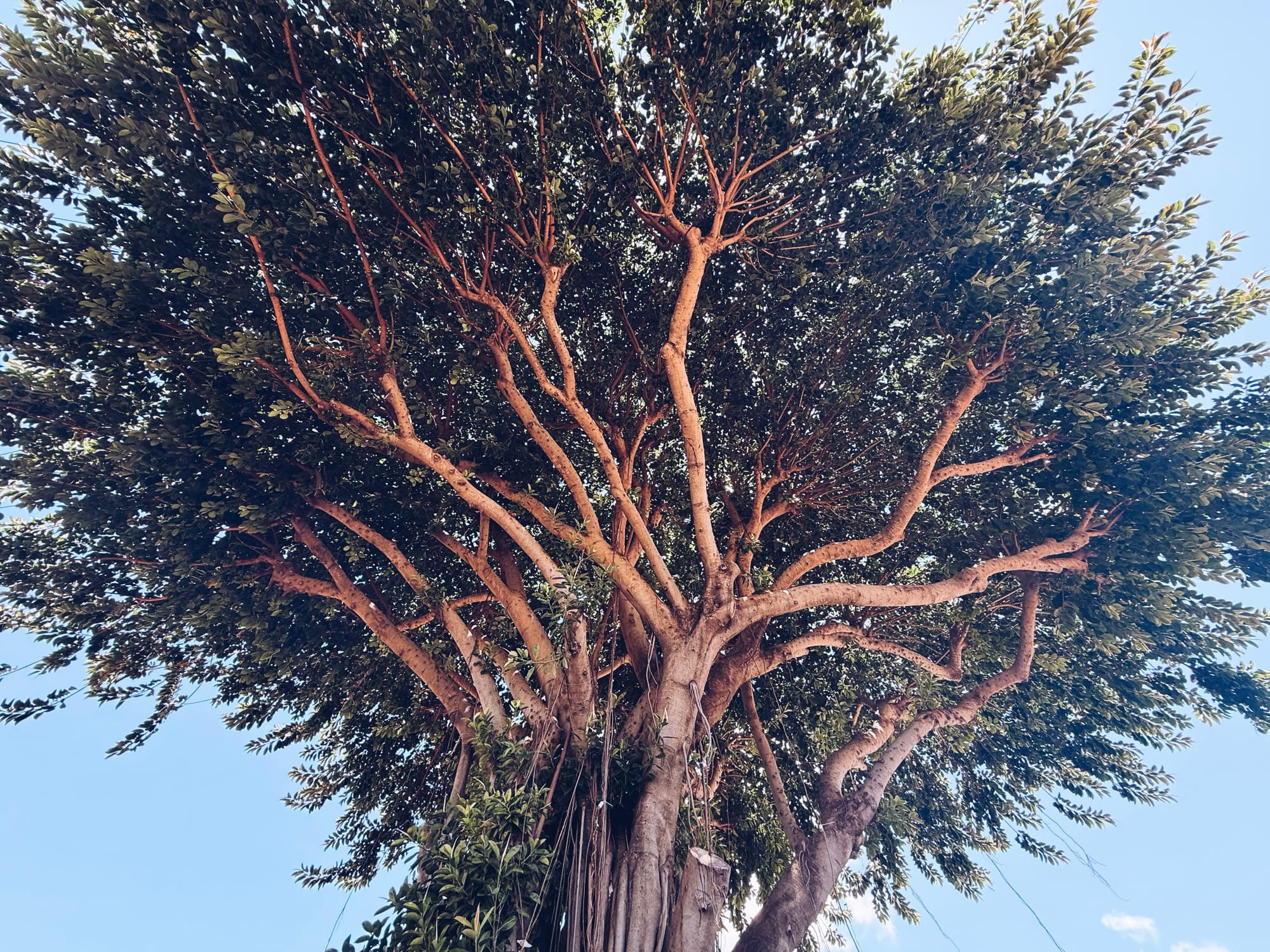
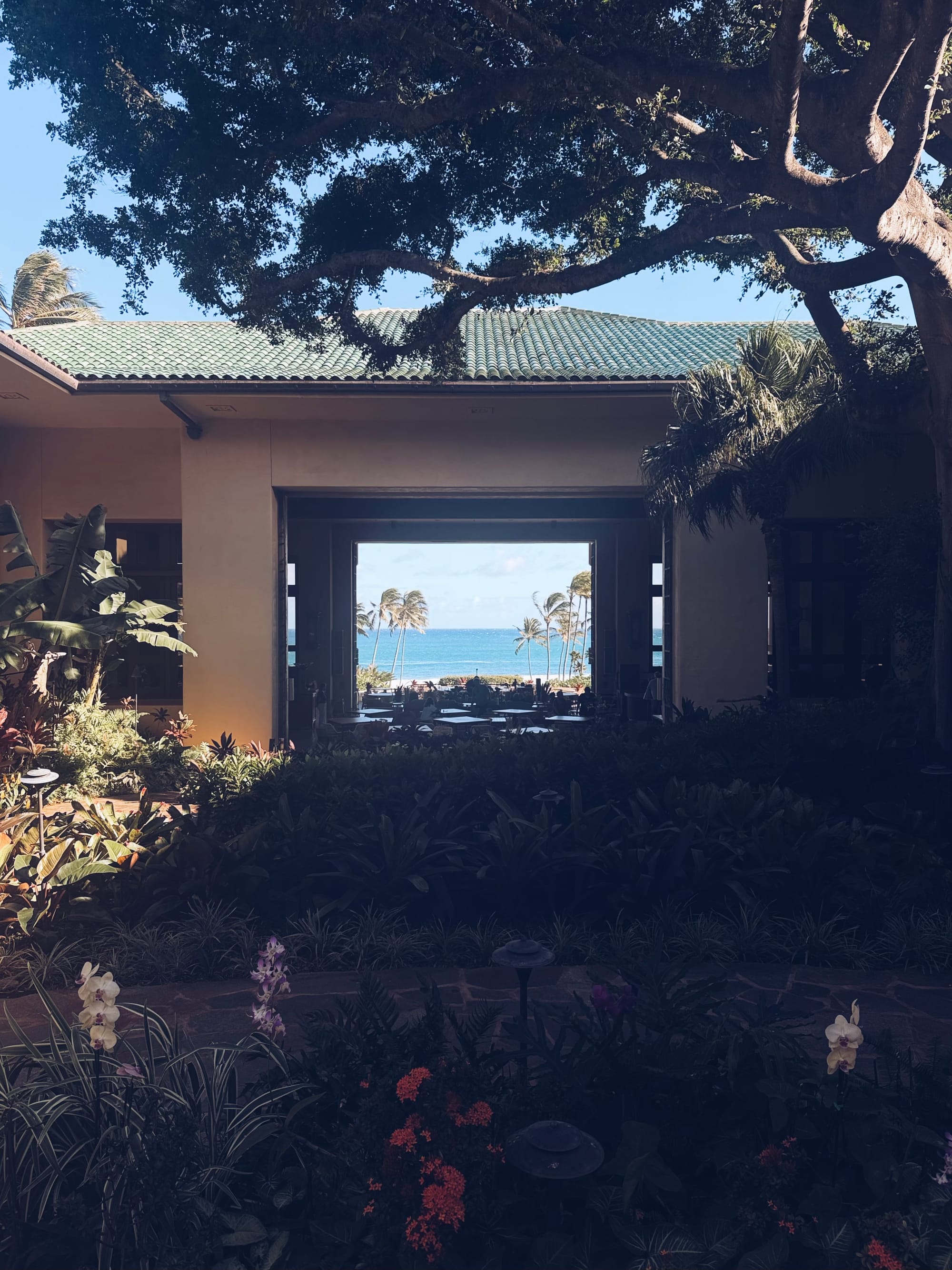
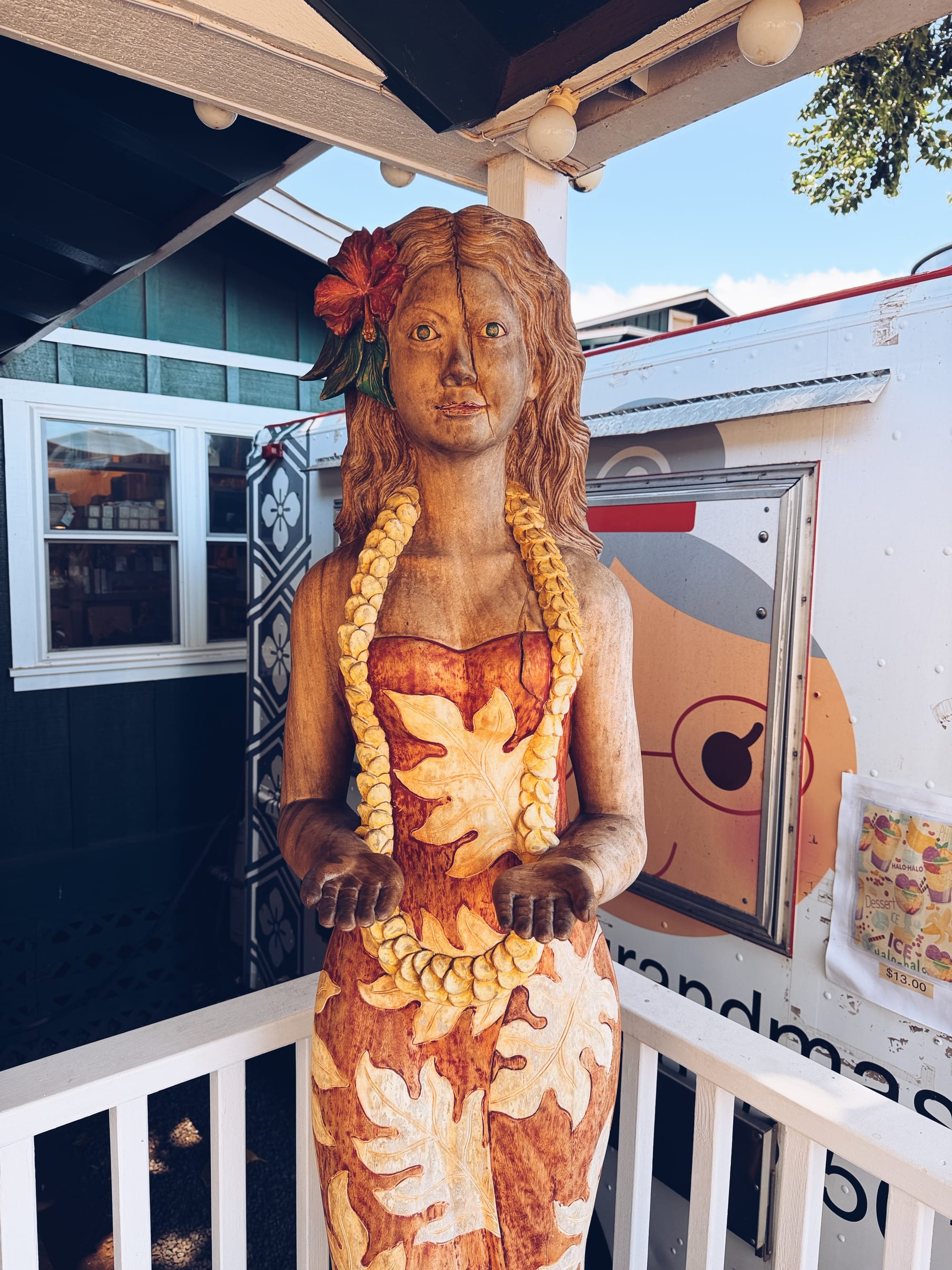
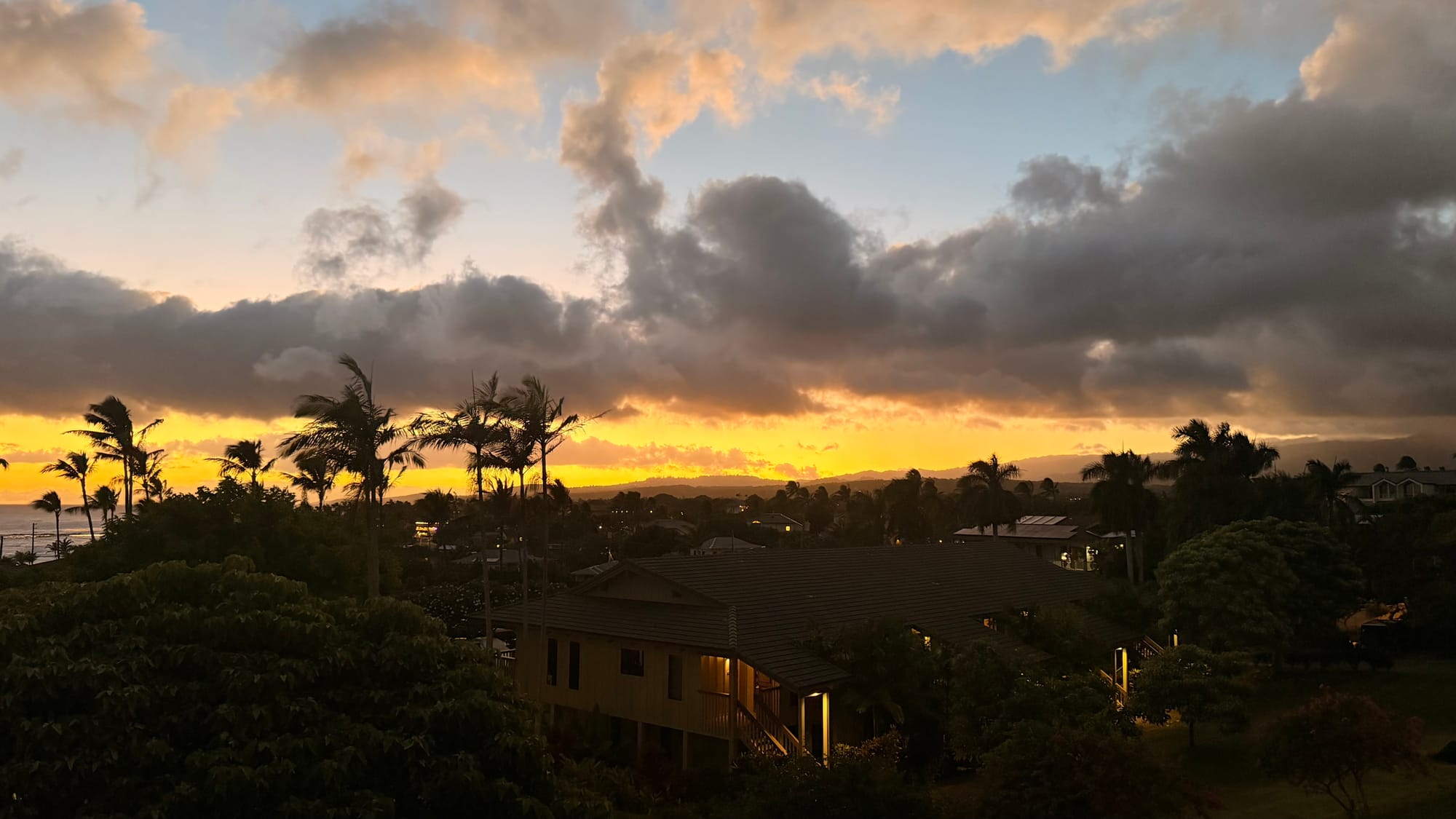
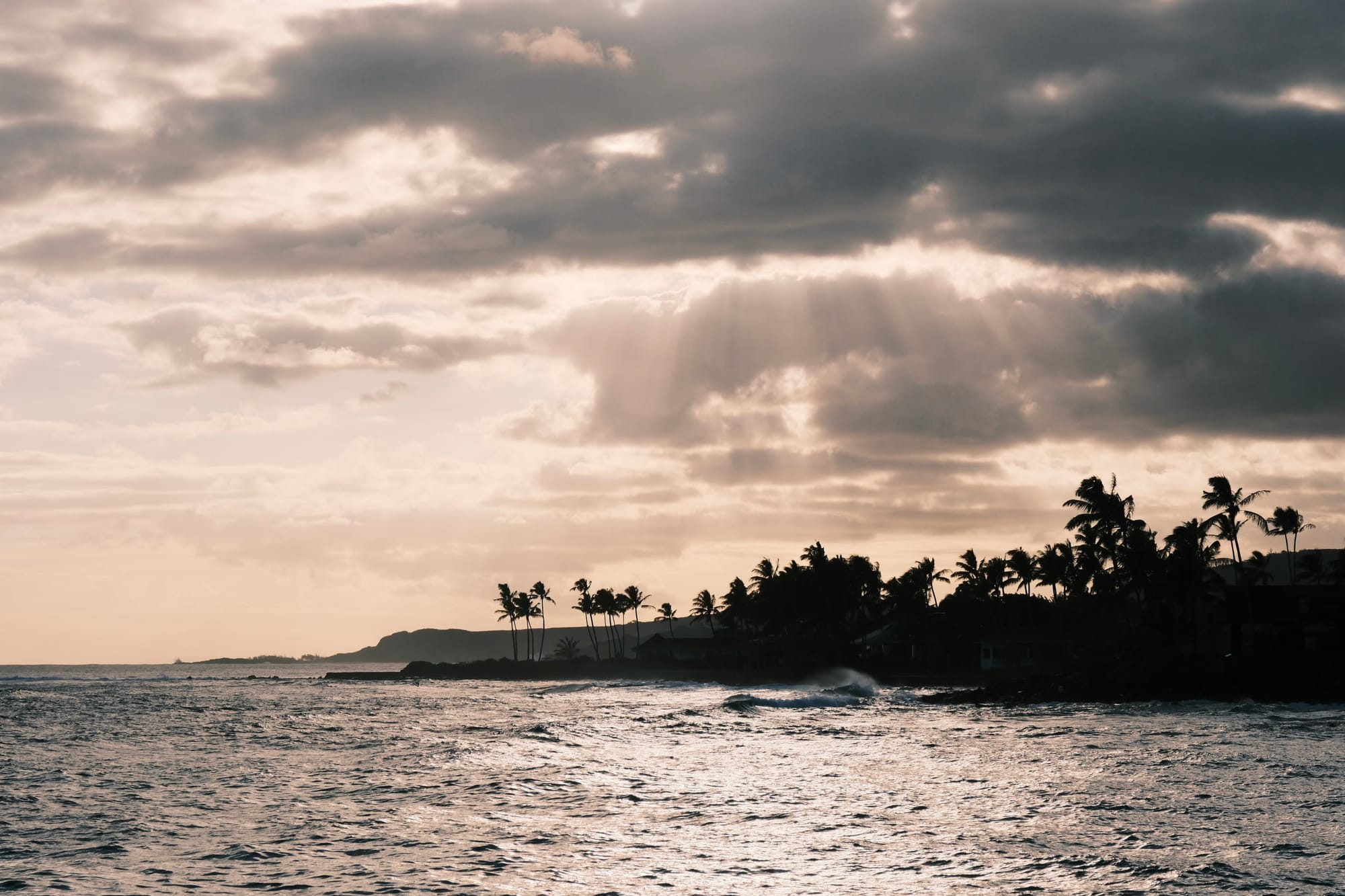
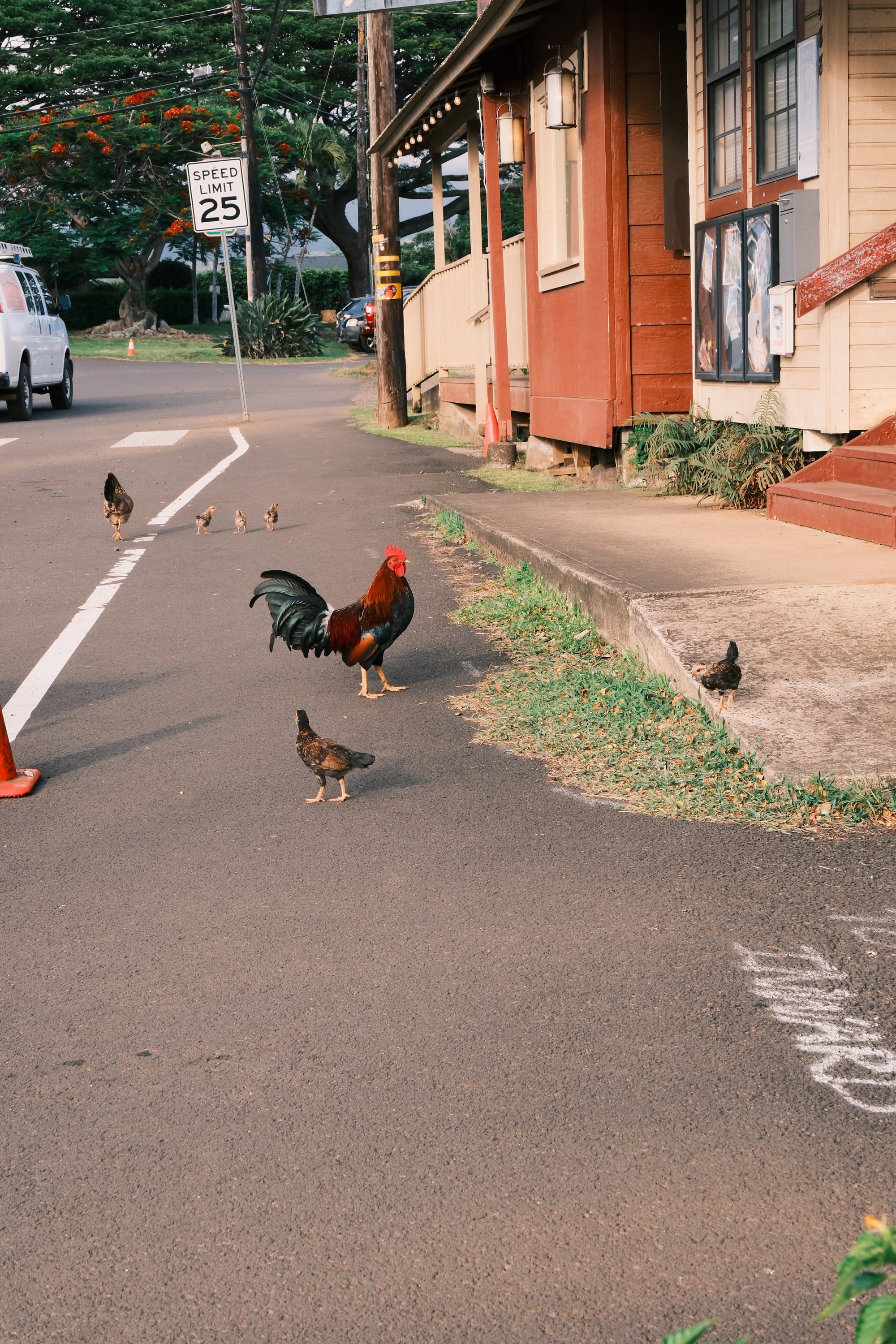
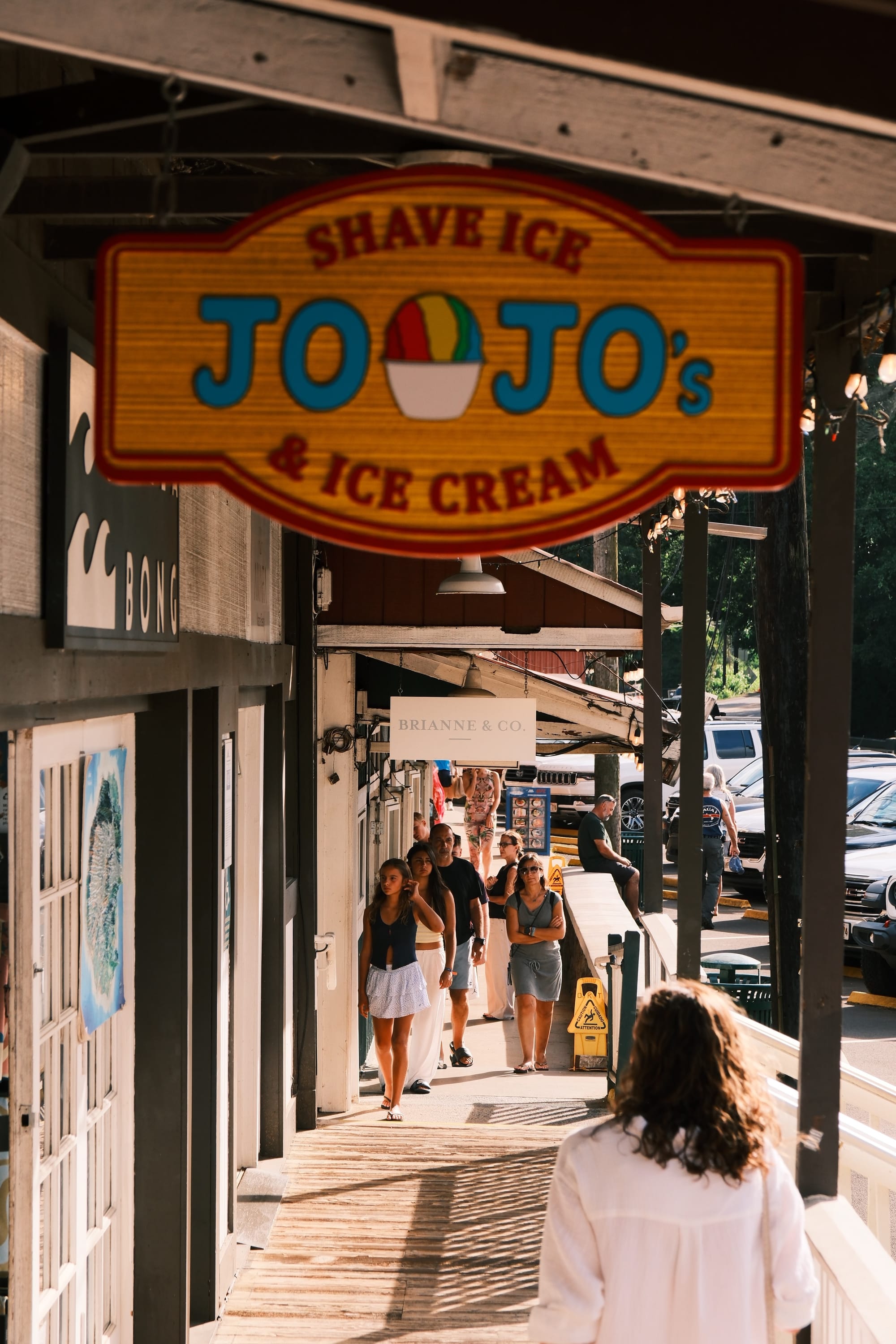
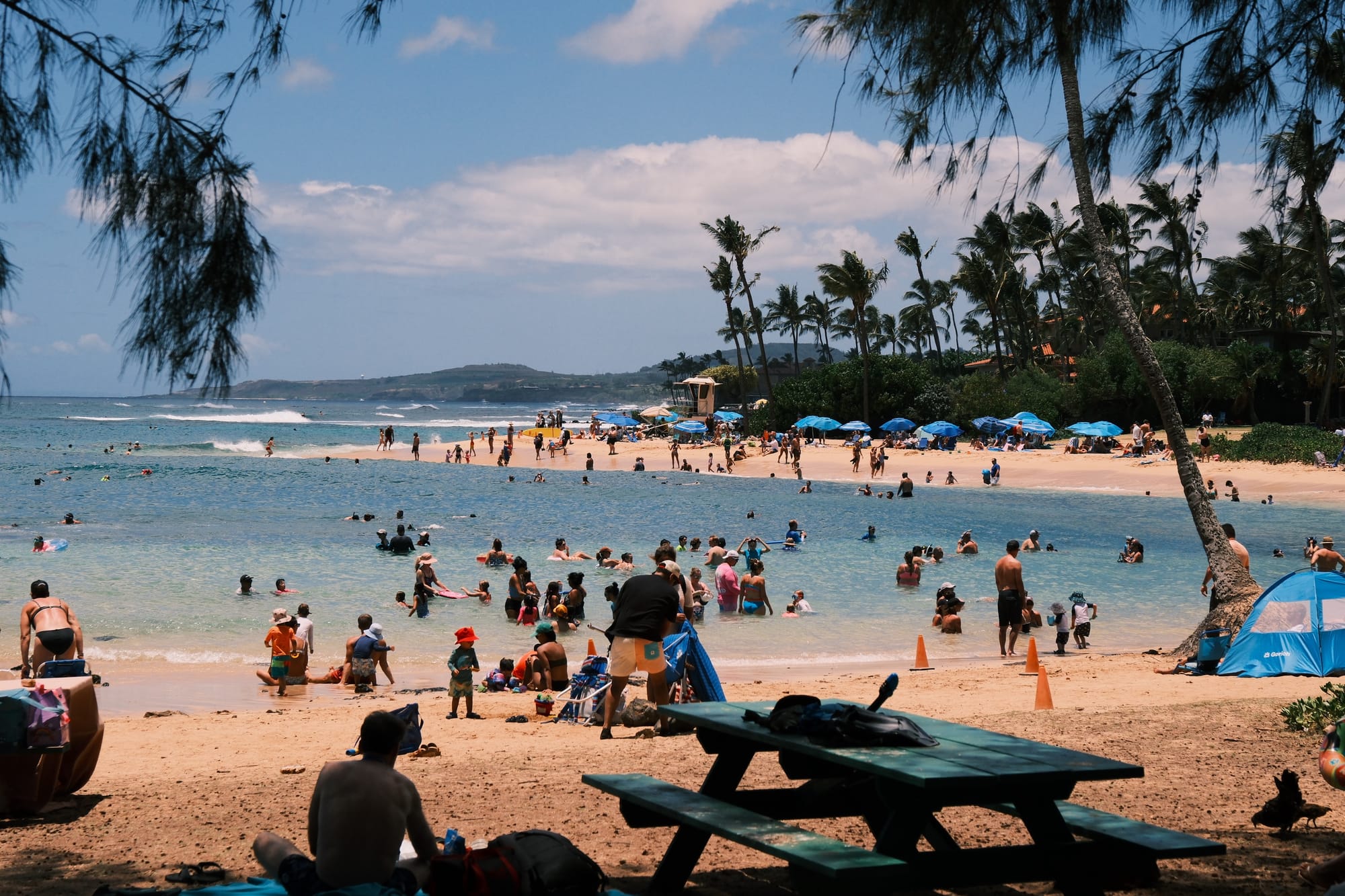
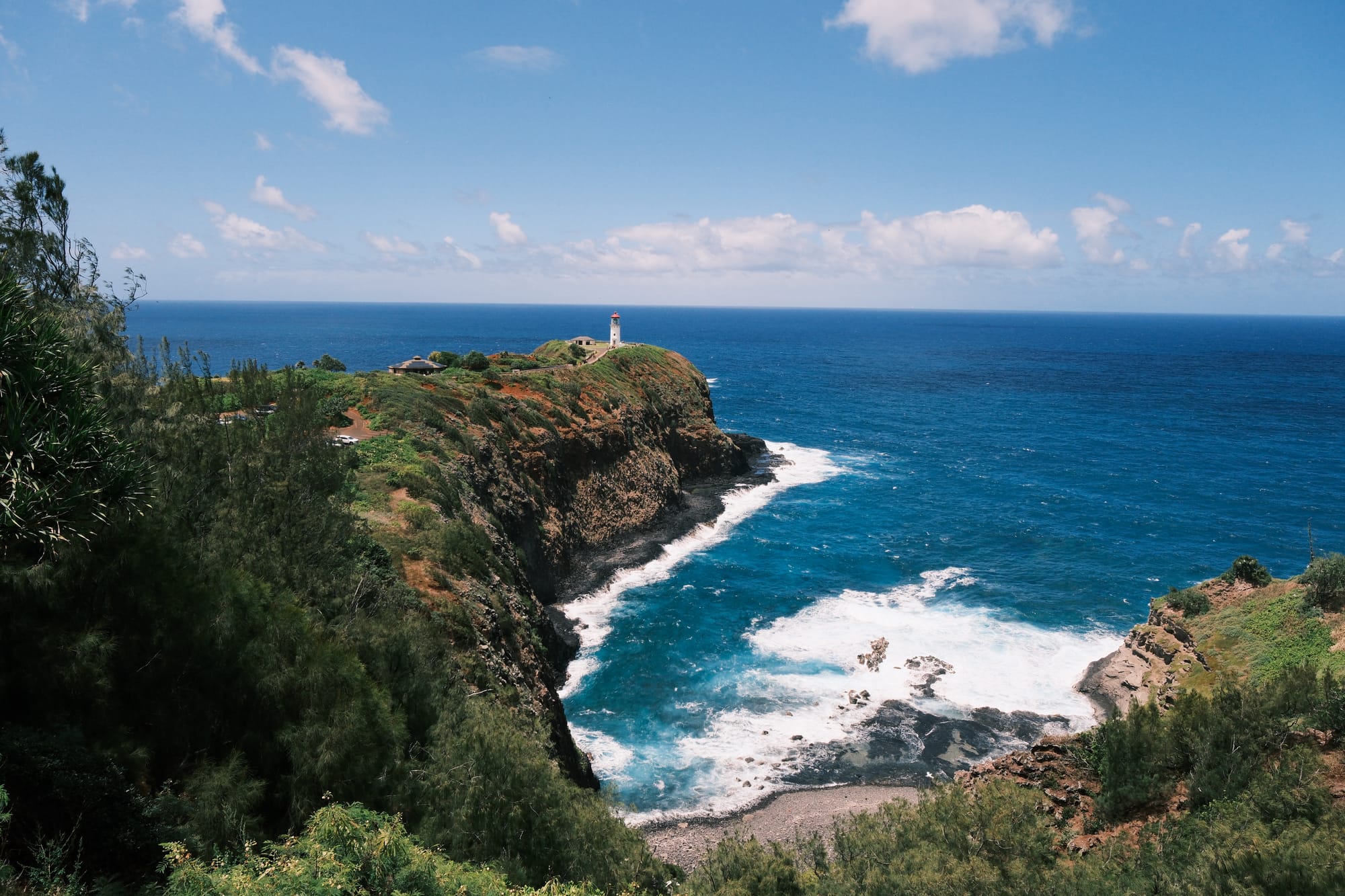
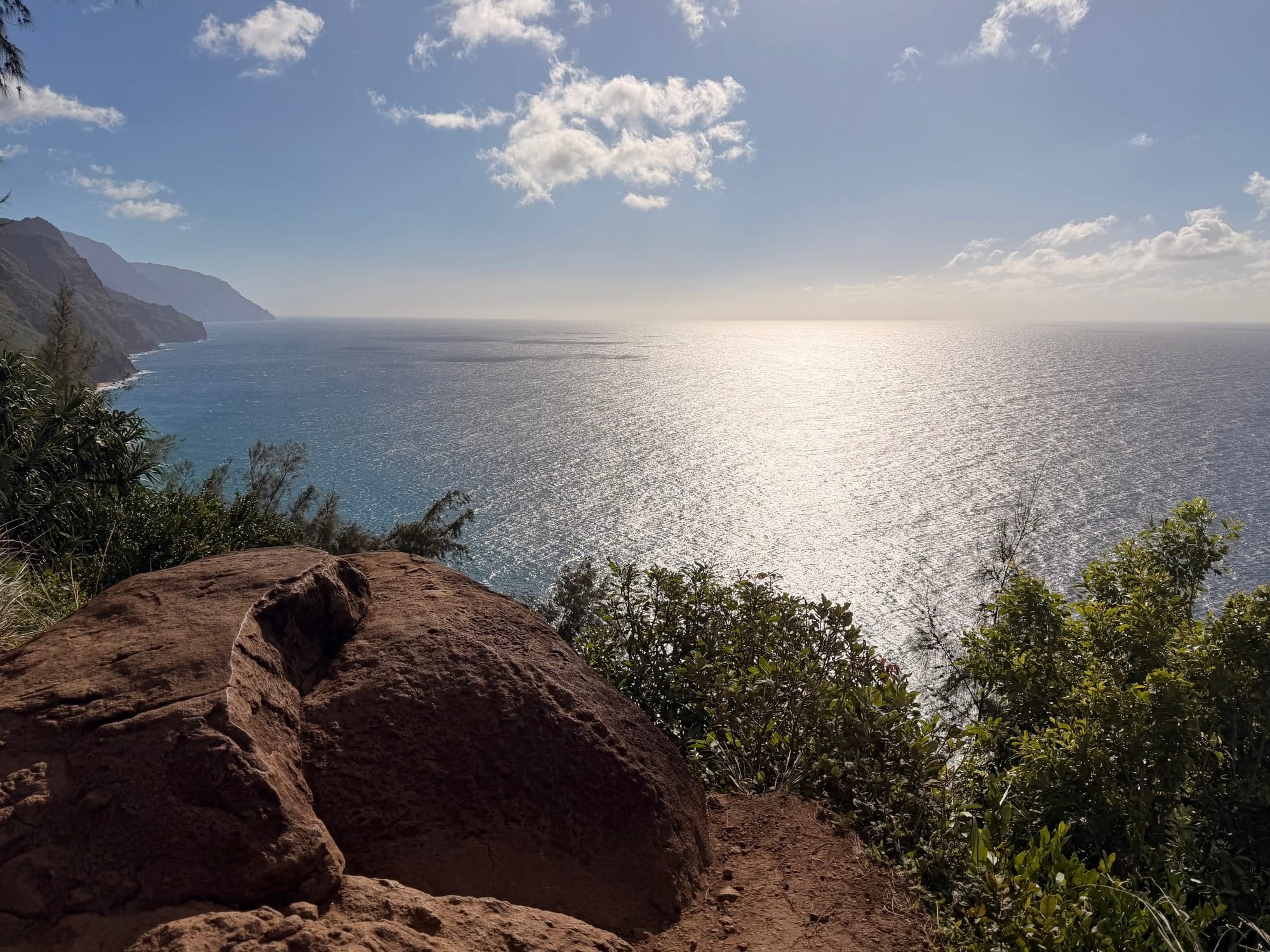
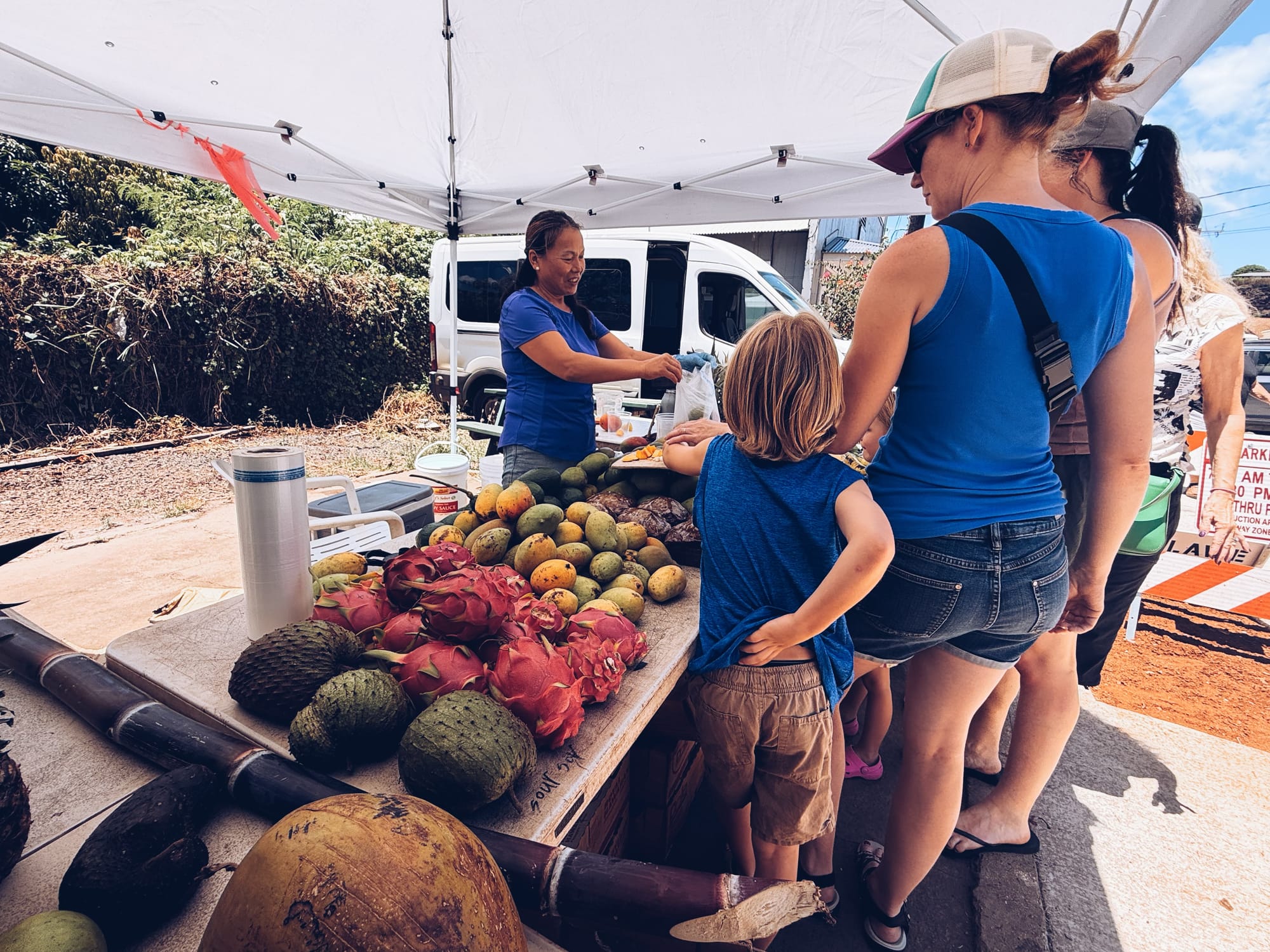
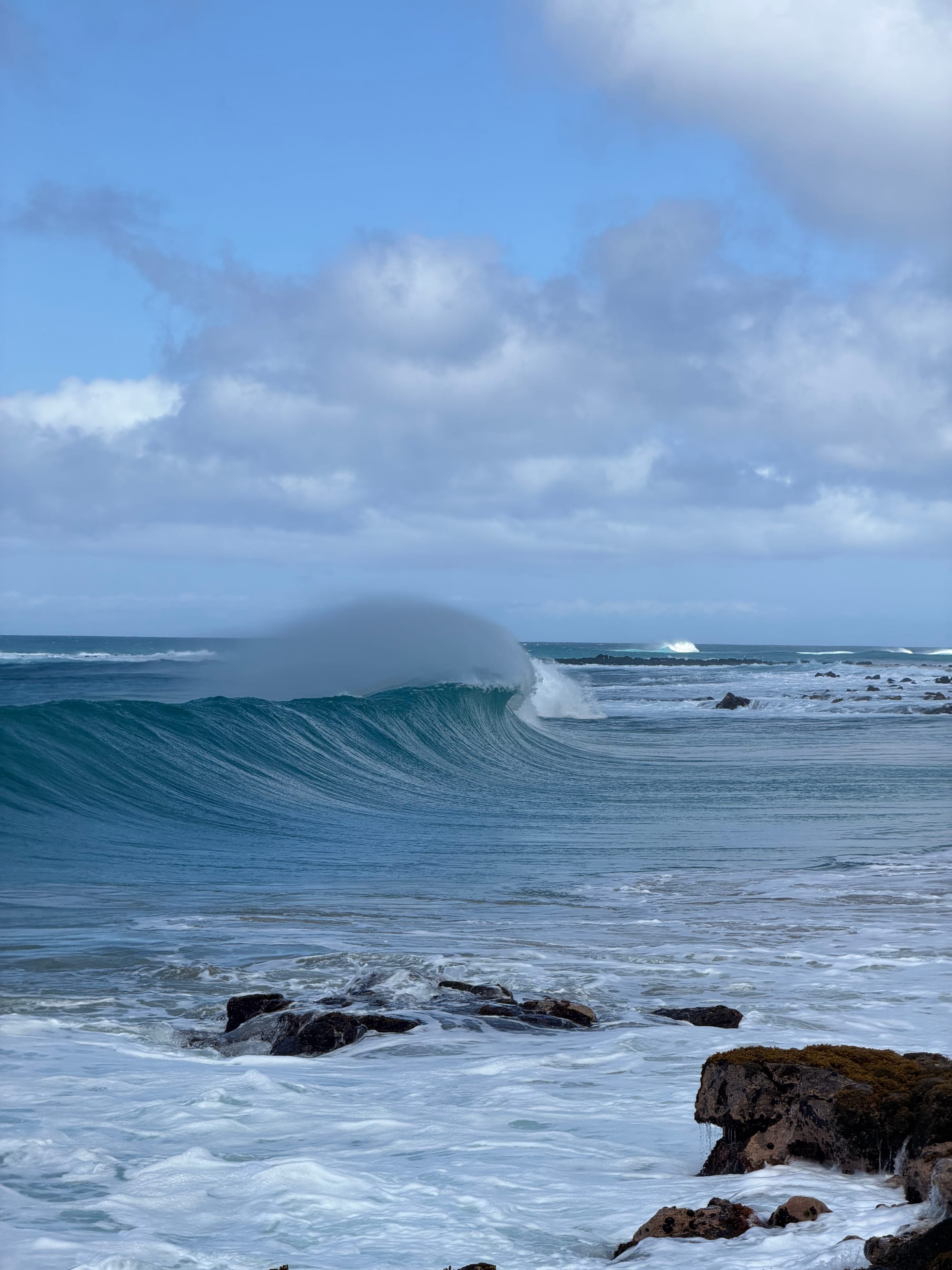
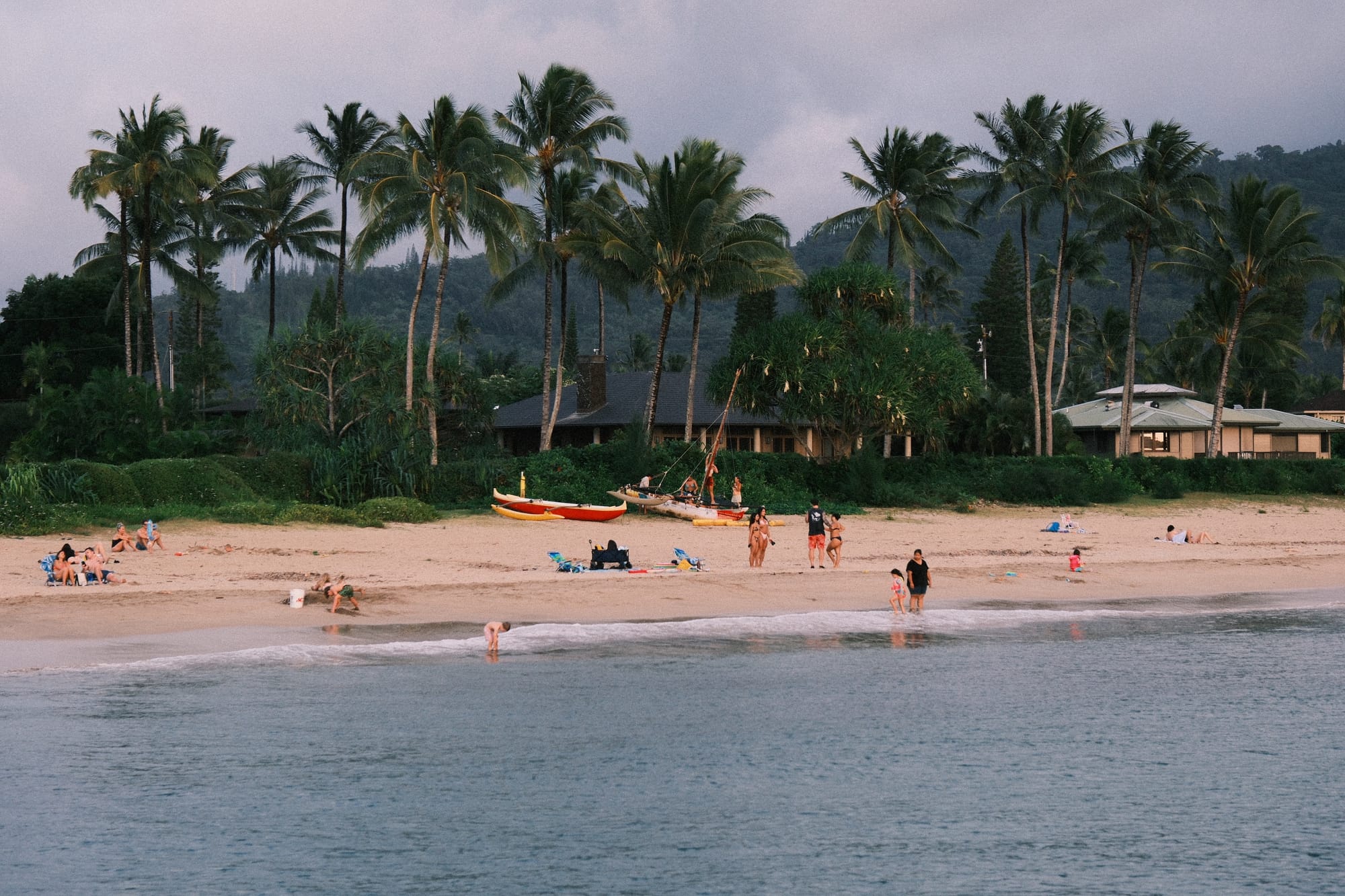
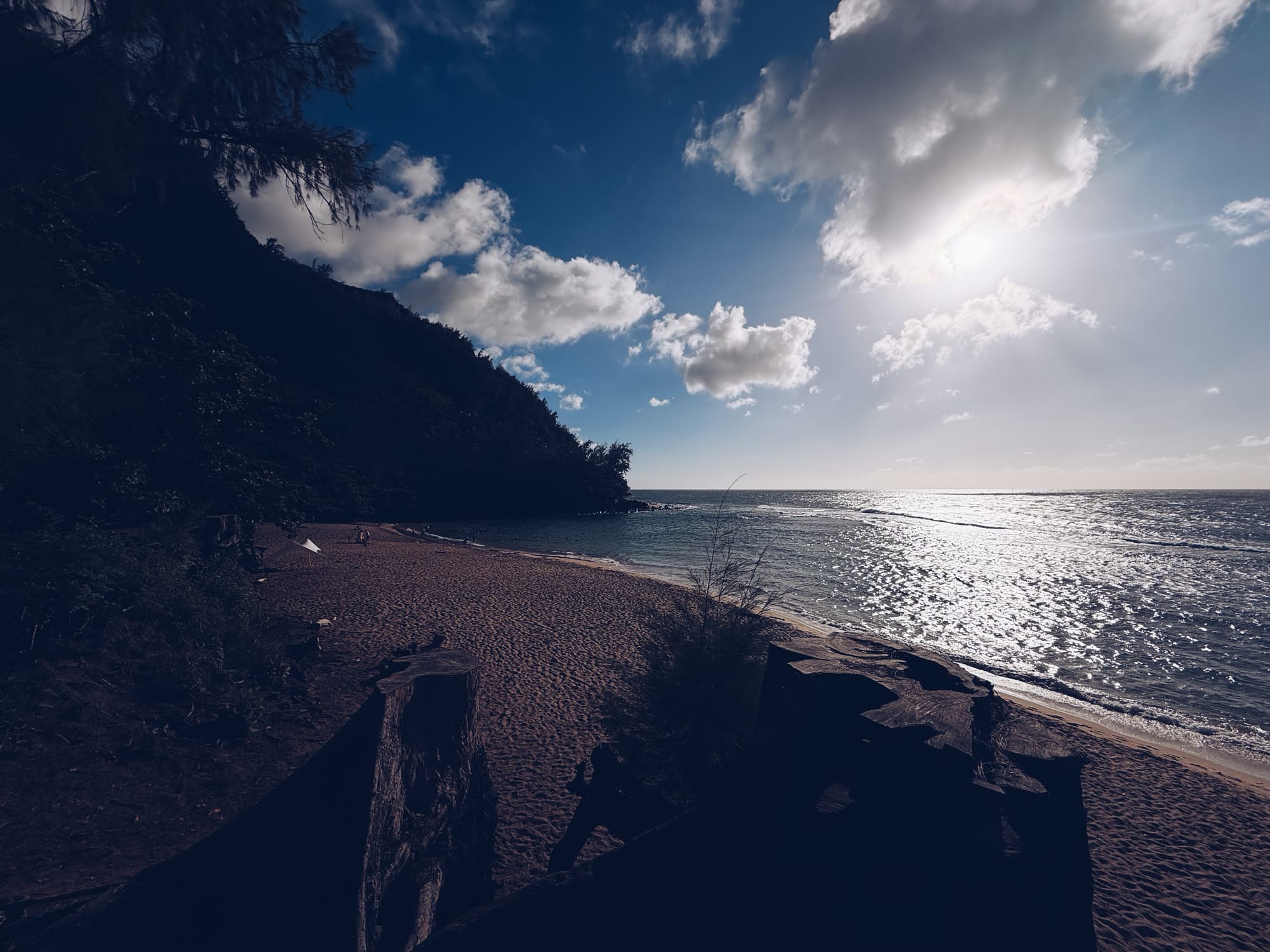
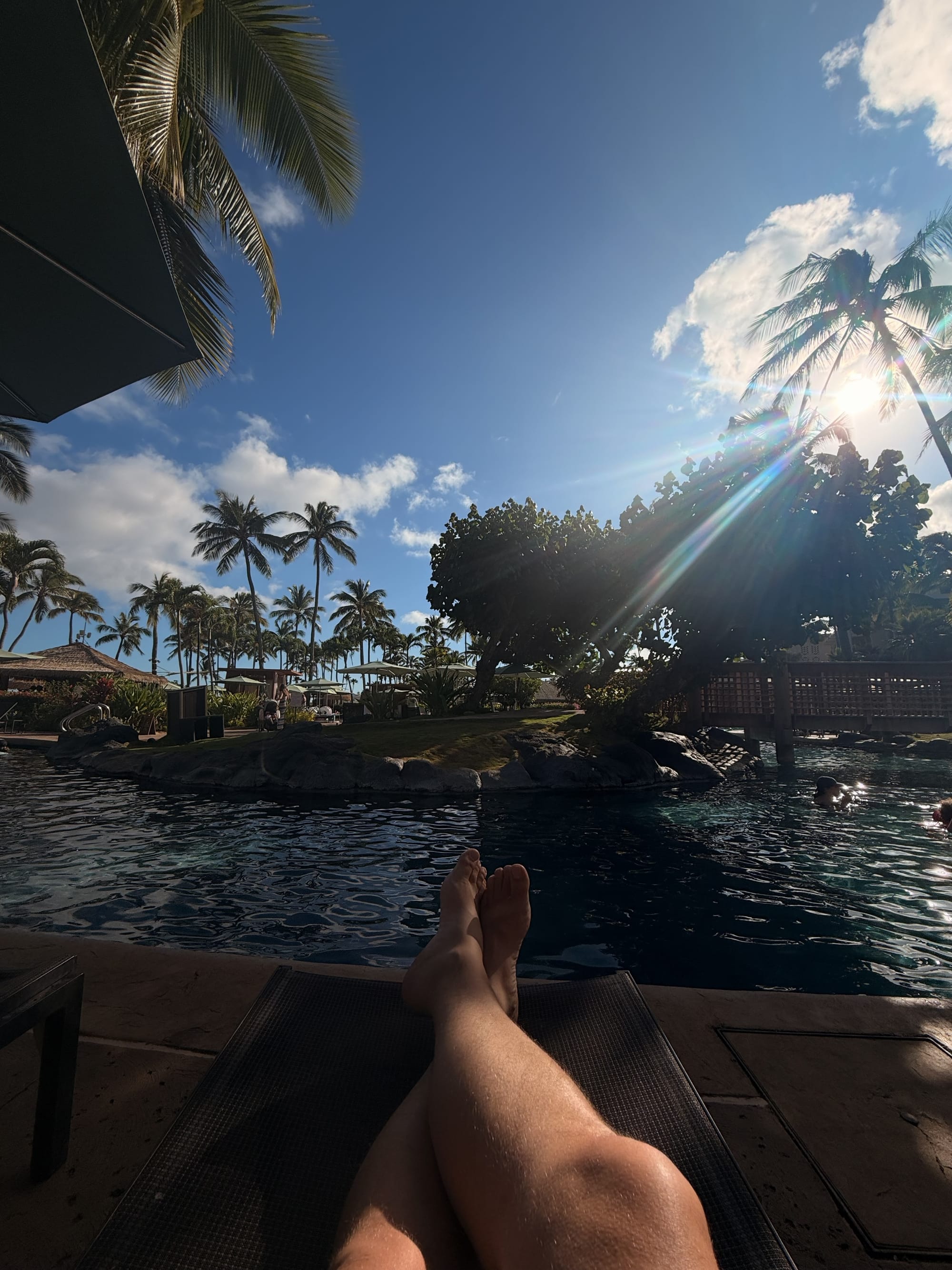
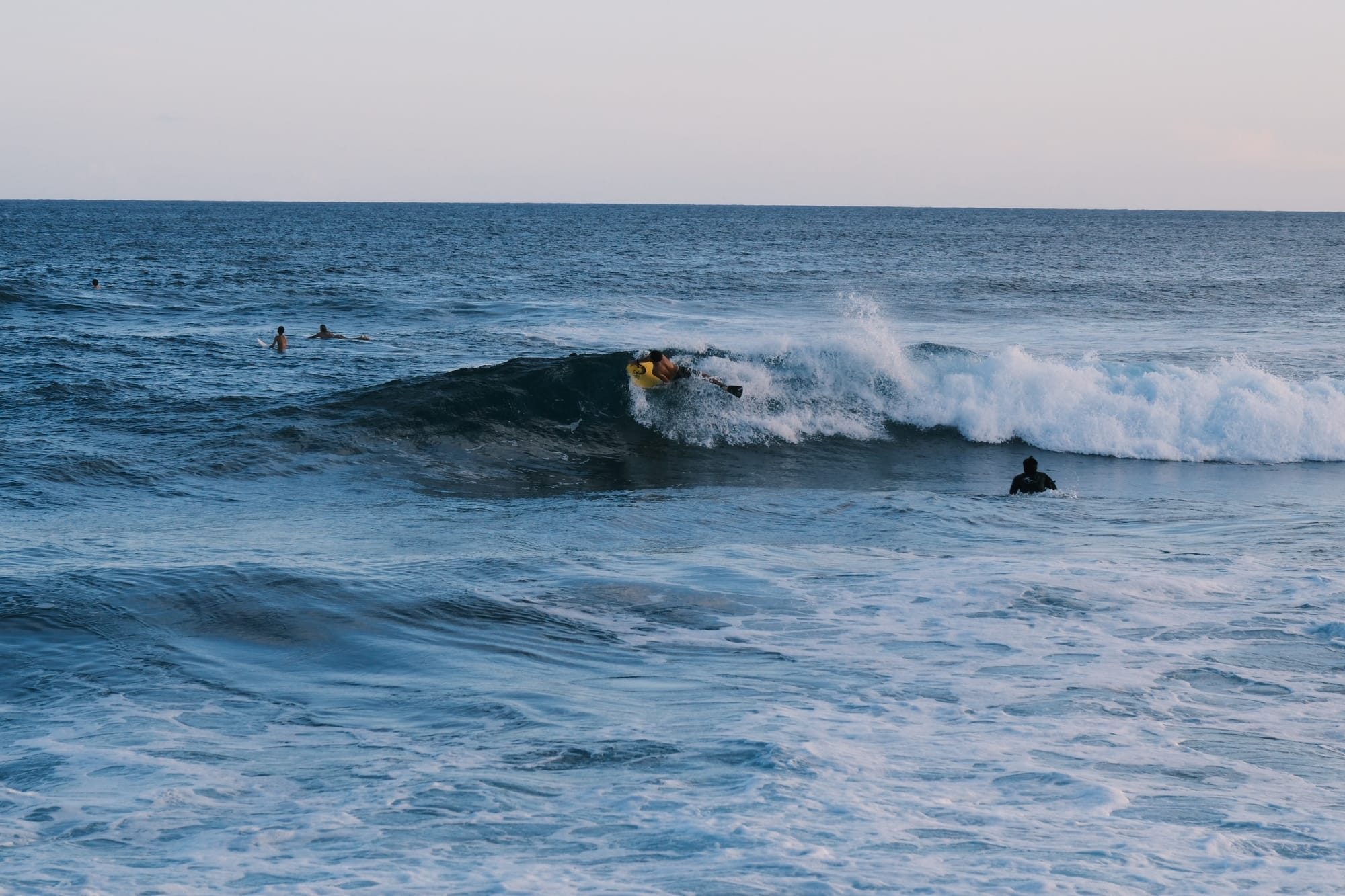
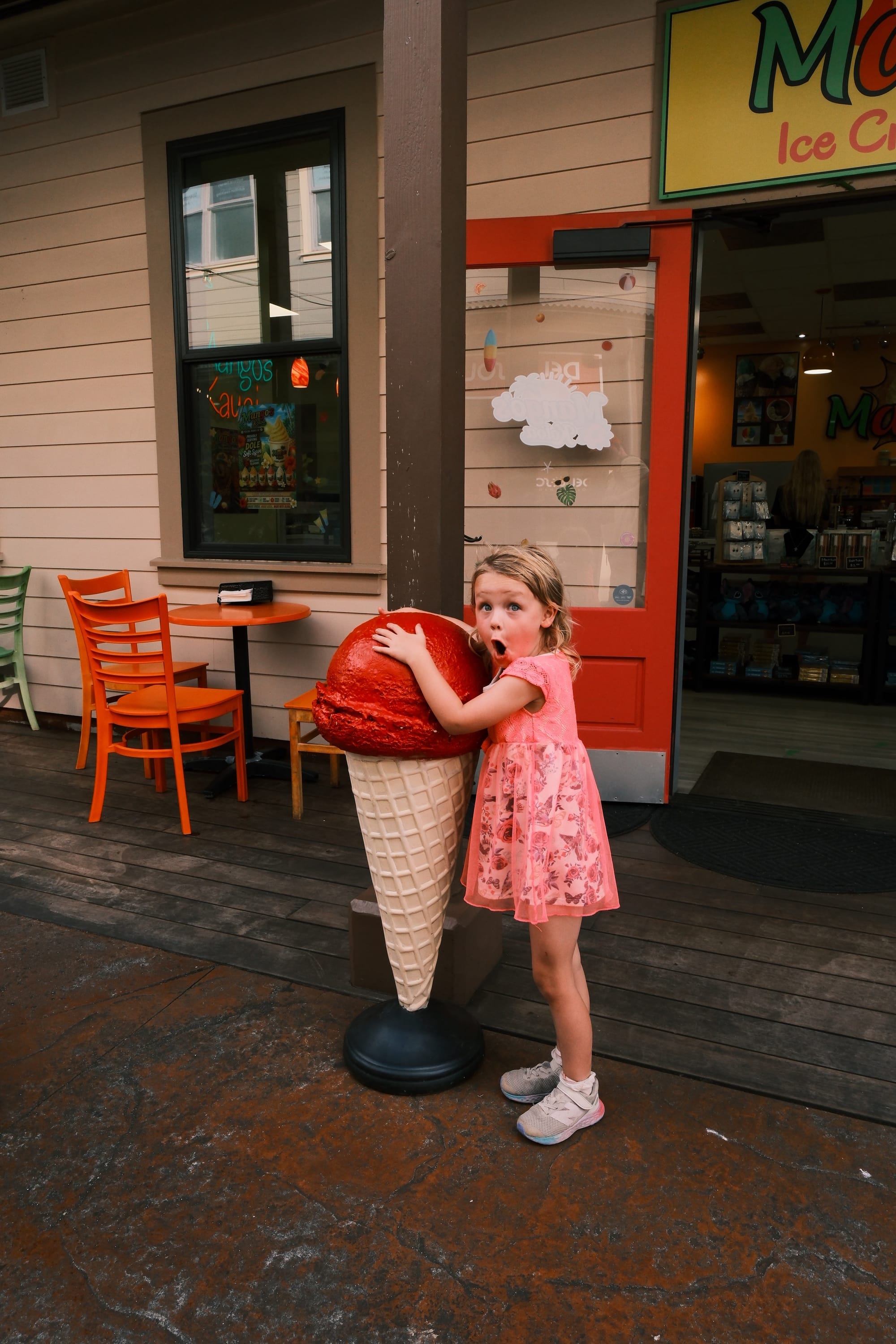
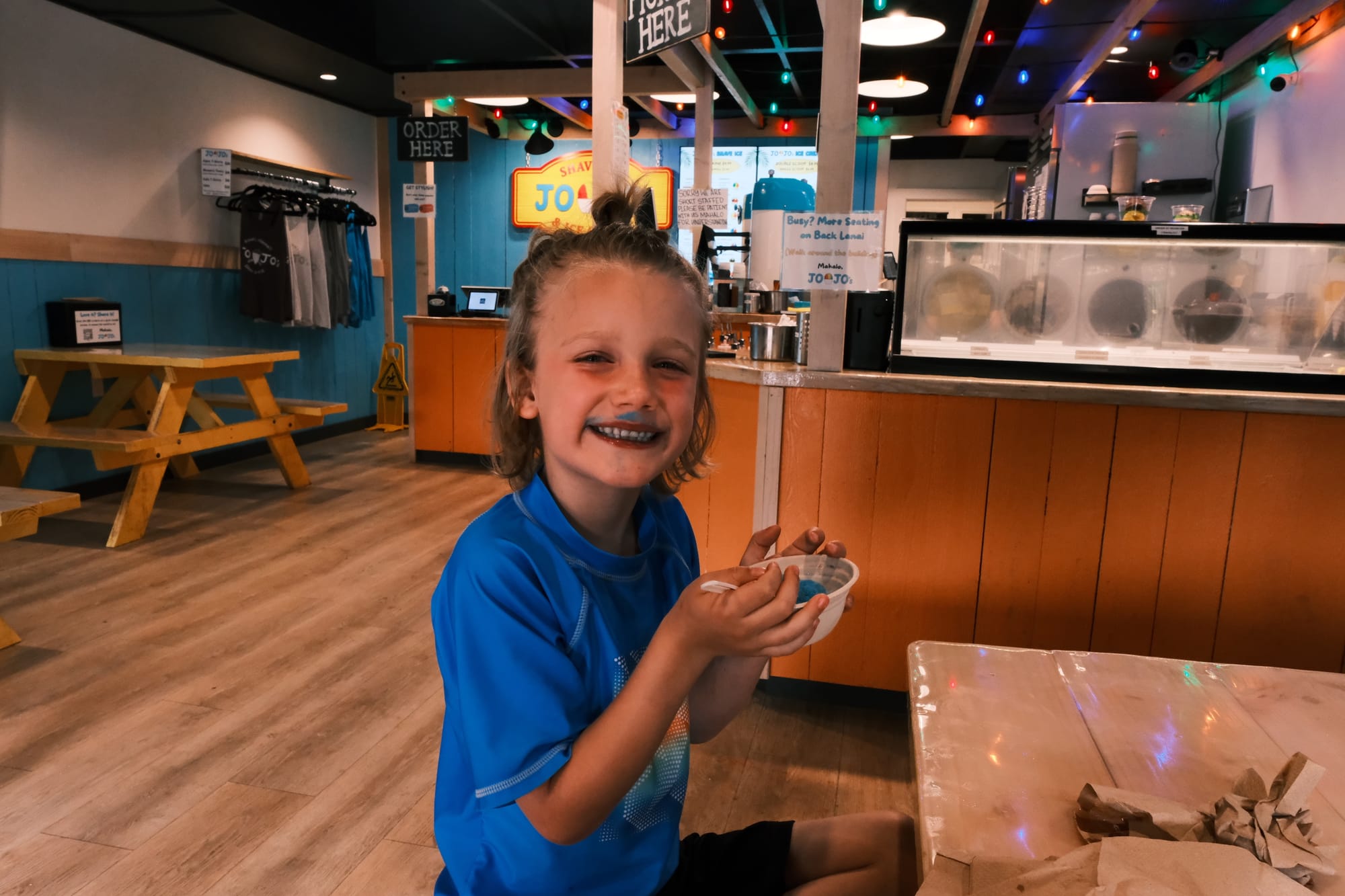
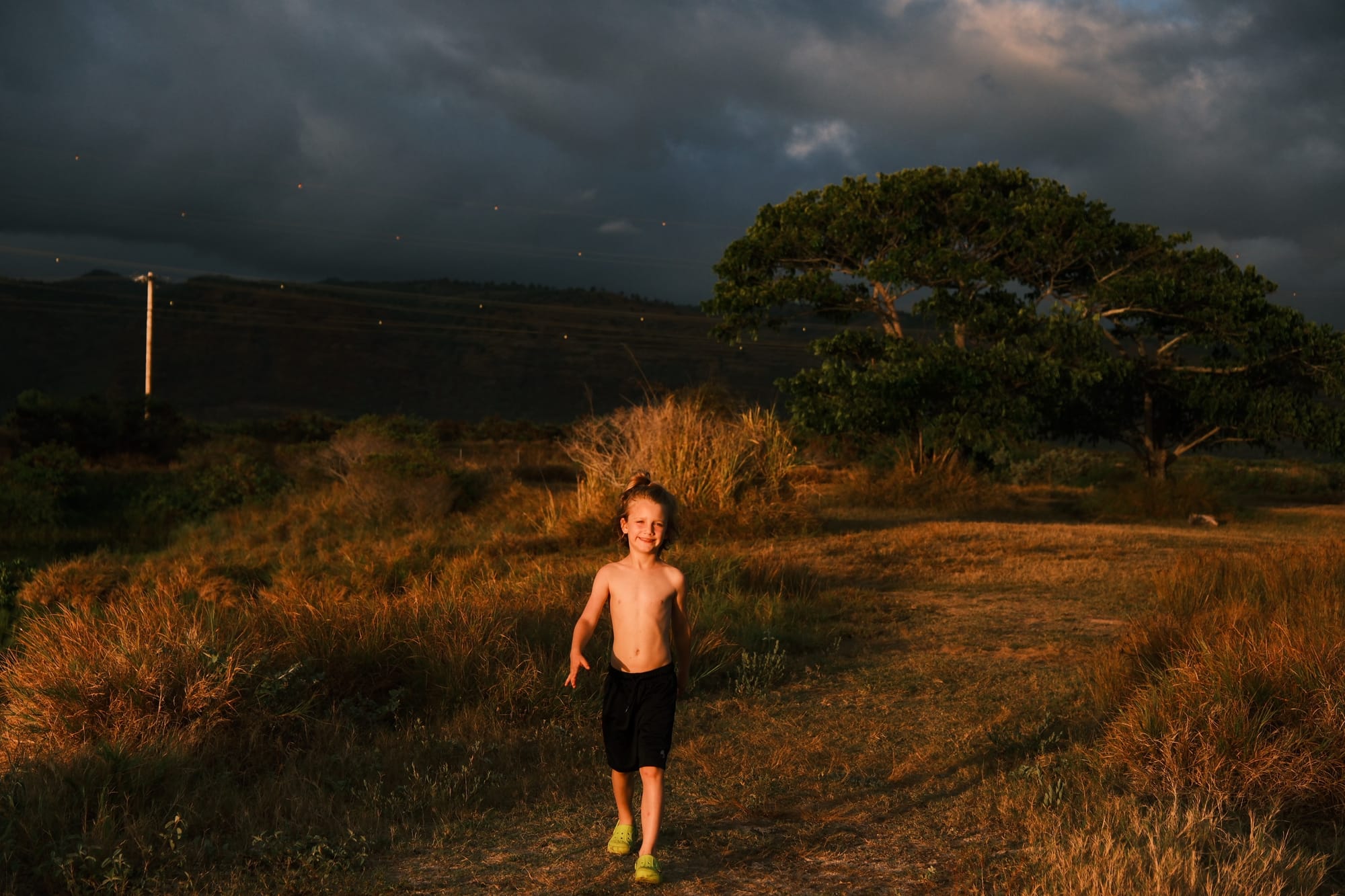
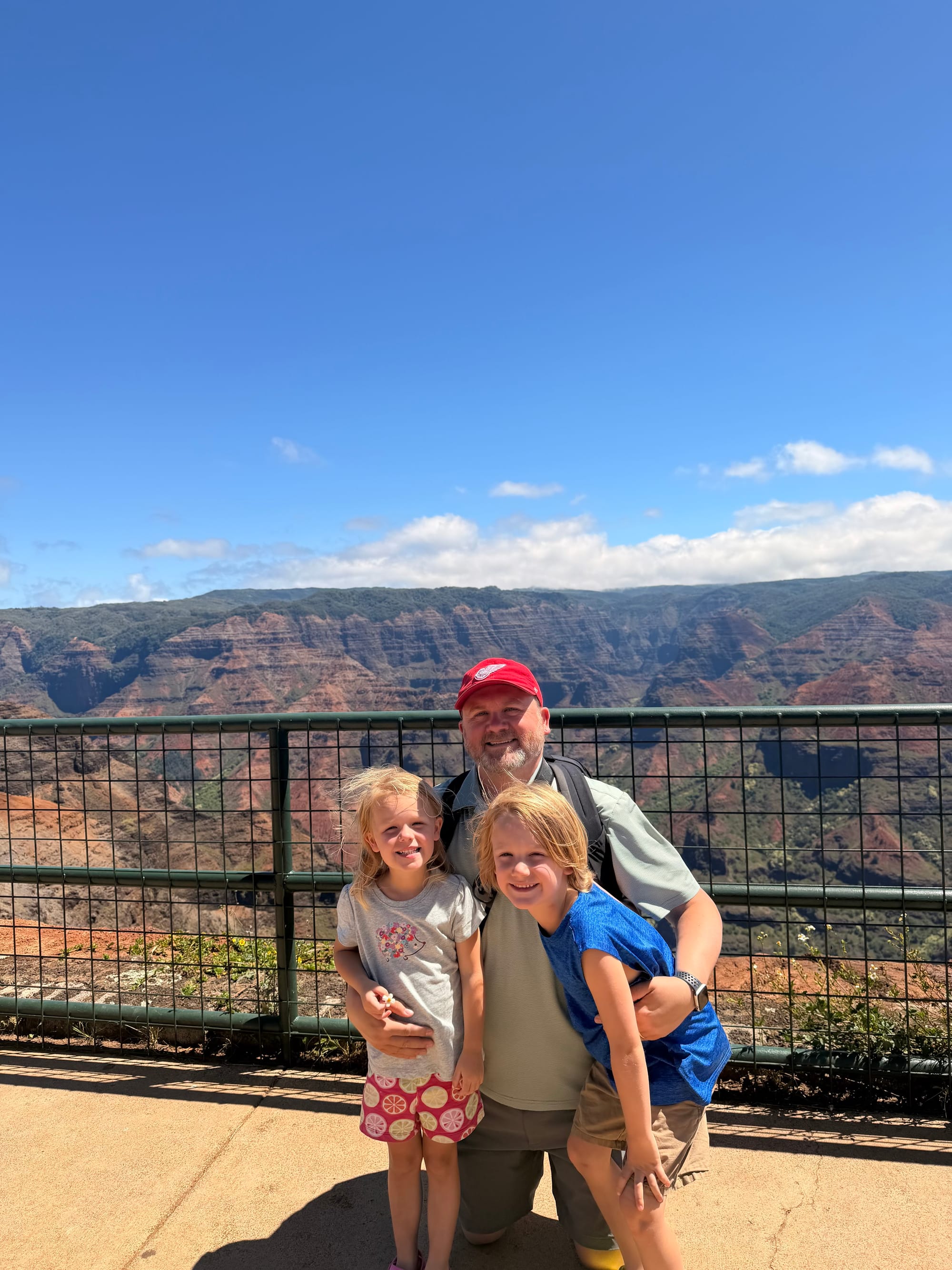
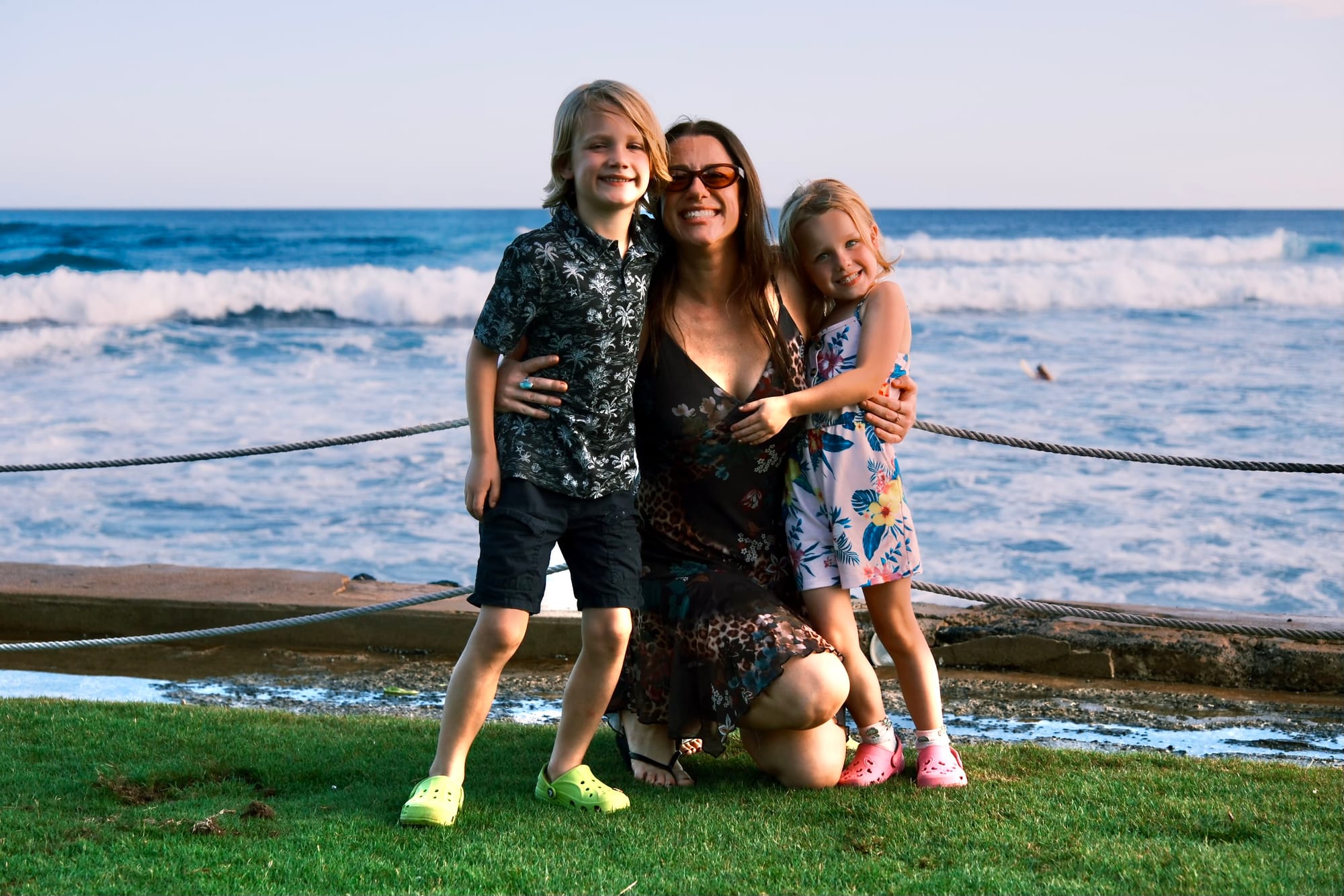
Shar turned 40 this year, and we decided a milestone like that deserved an island. So in August we flew from Portland to Lihue for a week on Kauai. We based ourselves in Poipu, on the sunny south shore, and tried to see as much of the island as we could without turning a birthday trip into a forced march.
The first thing we did after landing was drive straight to Puka Dog in Koloa. It's a hot dog stuffed into a hollowed out bun with lilikoi mustard and some kind of tropical relish, and it was exactly the right amount of ridiculous for the first hour of a vacation. The next morning we spent most of the day at child-friendly Poipu Beach and mostly just sat there.
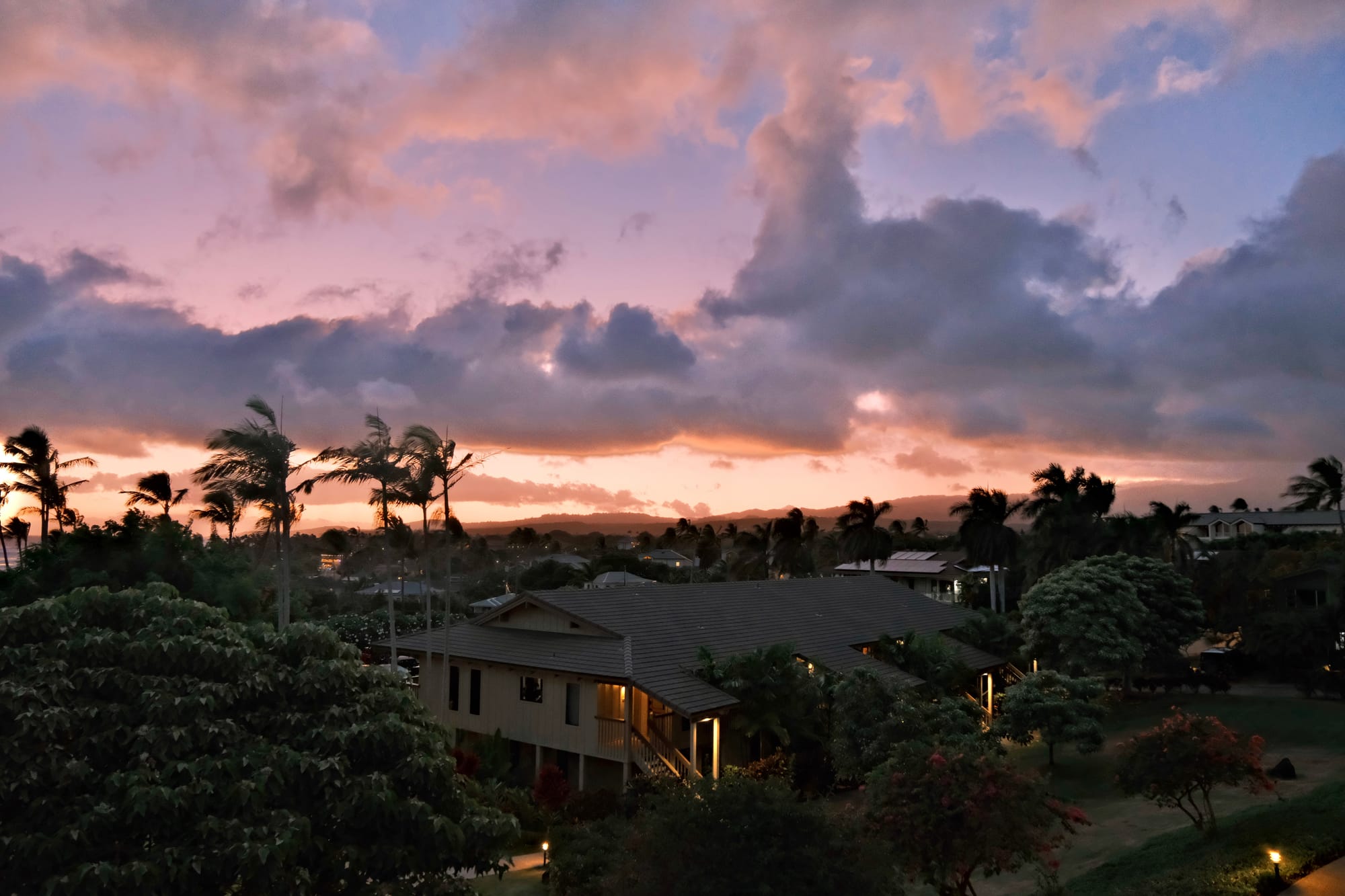
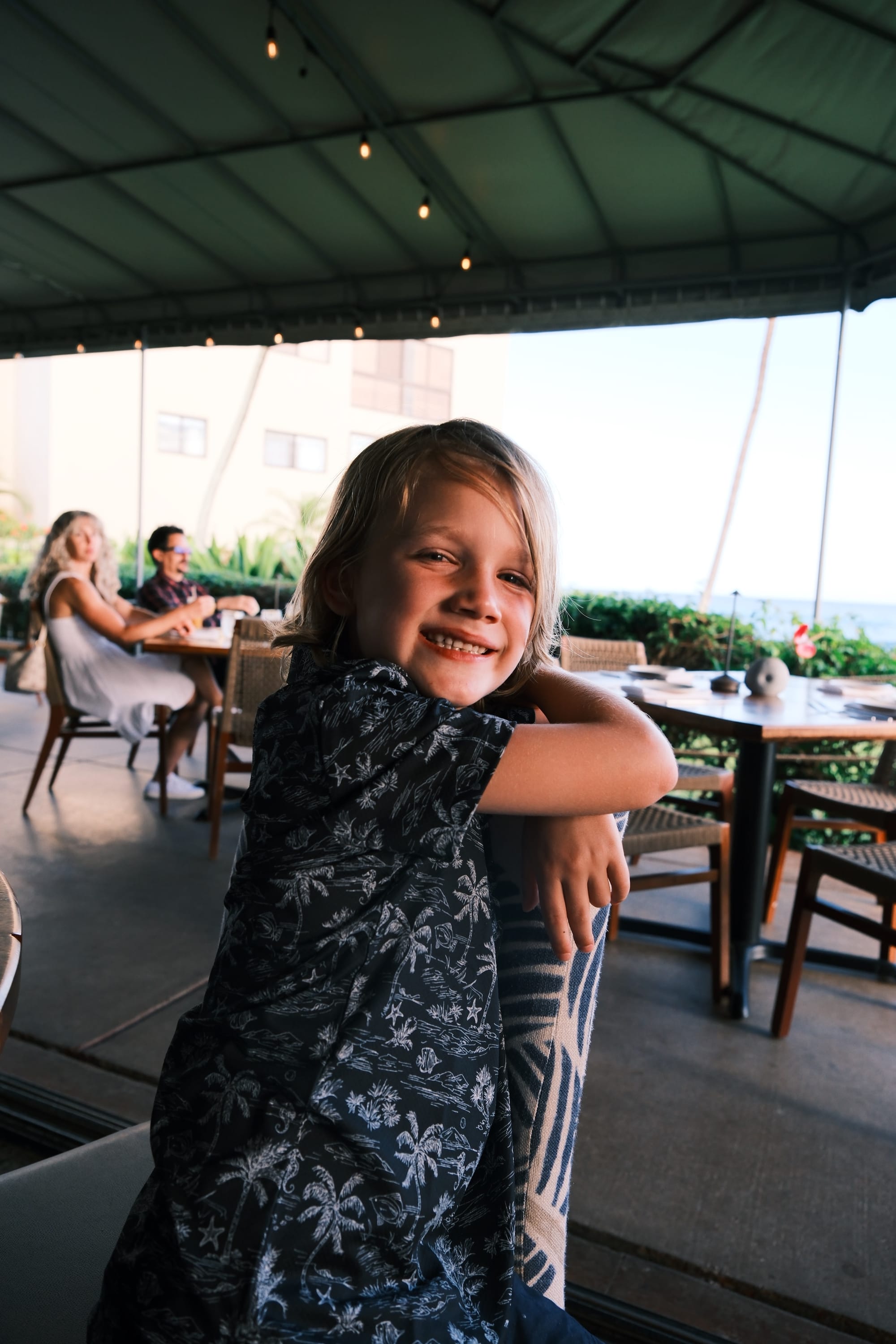
The south shore became our daily rhythm. We swam at Poipu Beach more than once, spent an evening at Lawai Beach, and ate at the Beach House for Shar's birthday as the sun went down over the water. We drifted west one day to the Kawaiele Waterbird Sanctuary, out past Waimea near the missile range, which is a kind of quiet, slightly odd place.
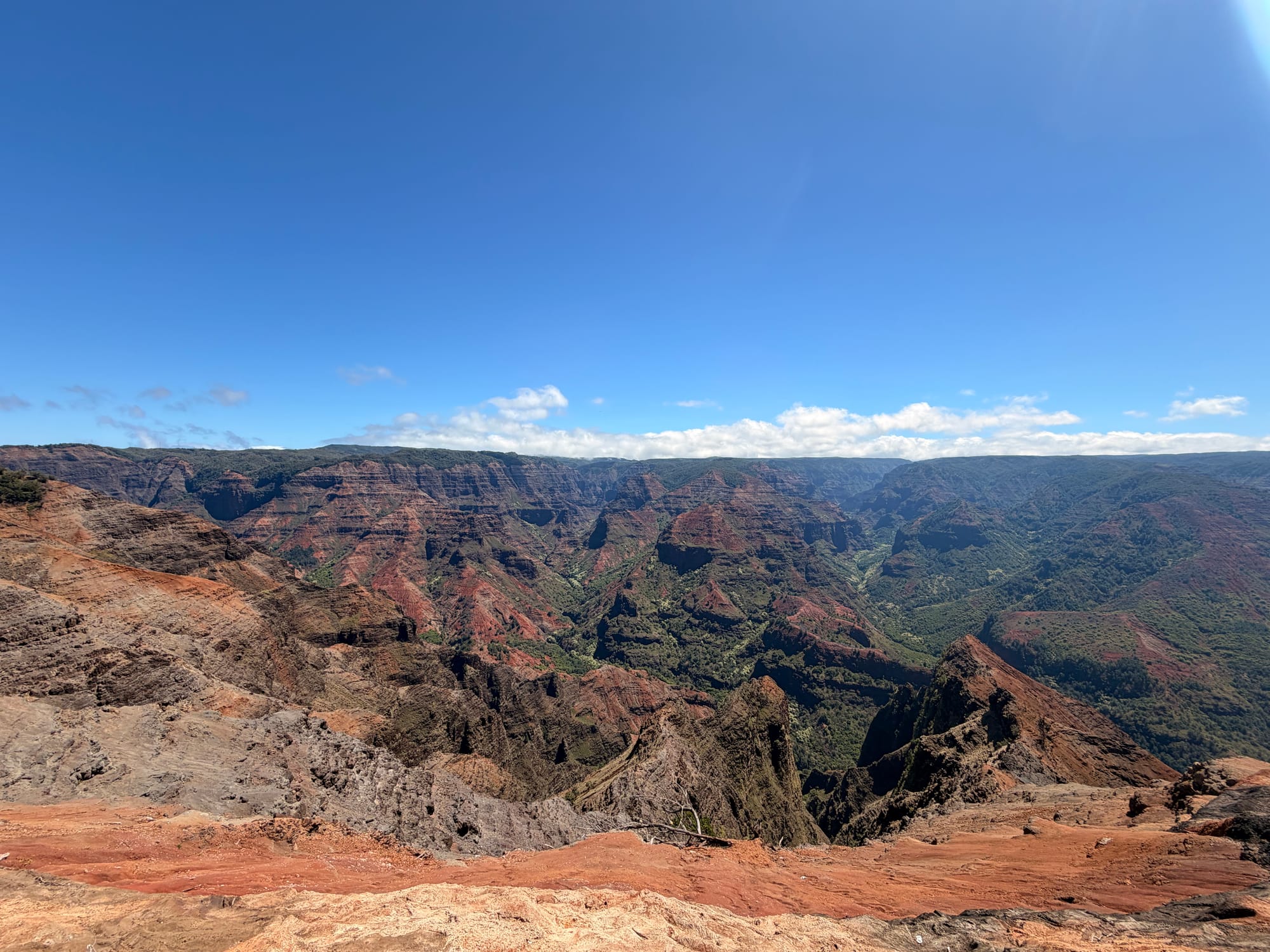
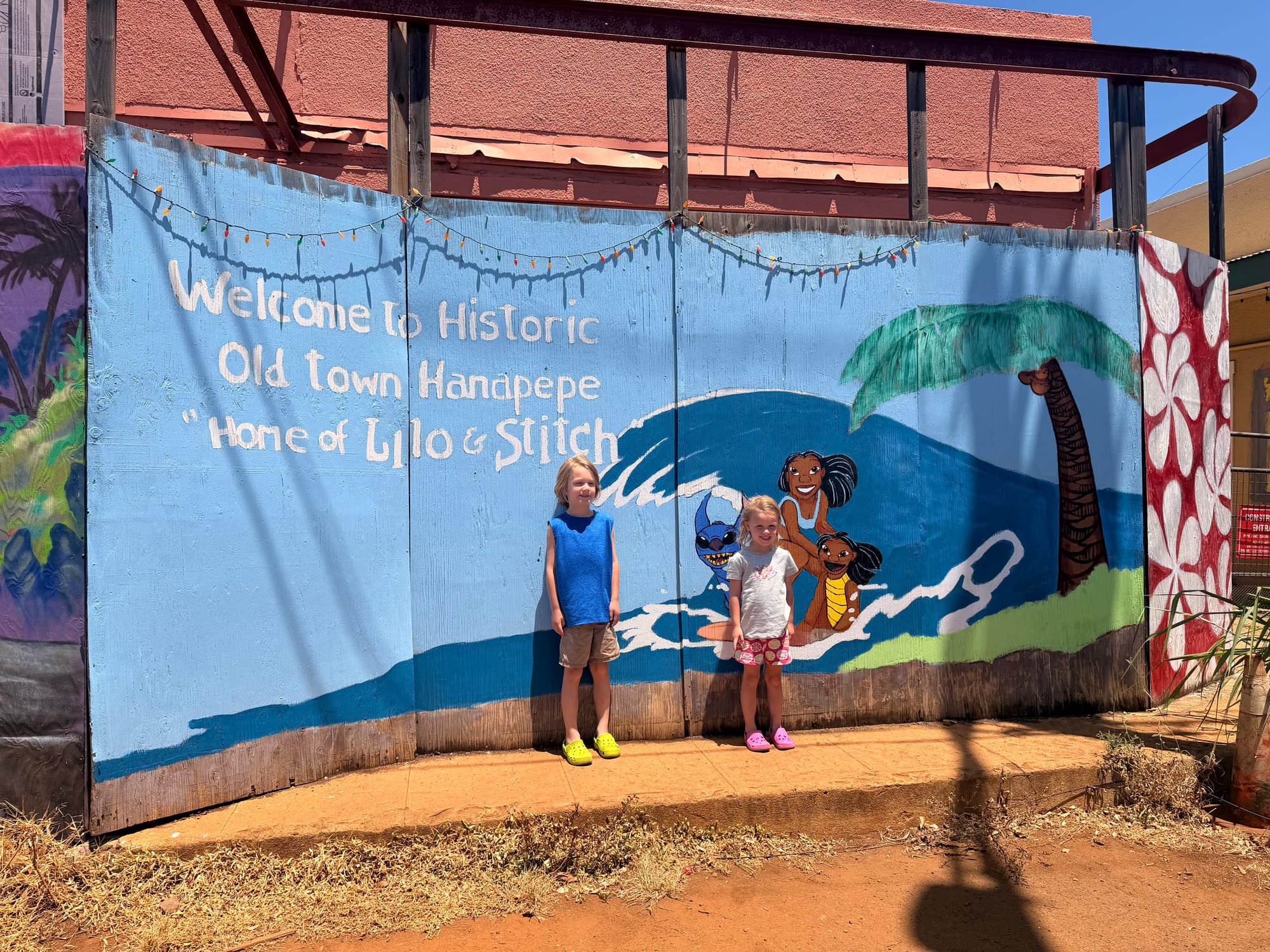
Then we drove up to Waimea Canyon. I'd seen the photos, but standing at the lookout is different. The red earth and green ridges just keep folding away from you until the clouds swallow them. On the way back down we stopped in Hanapepe and walked across the swinging bridge, which sways a lot more than you expect it to once you're halfway across. My son wanted to eat at the farthest West McDonald's in the United States, so we did.
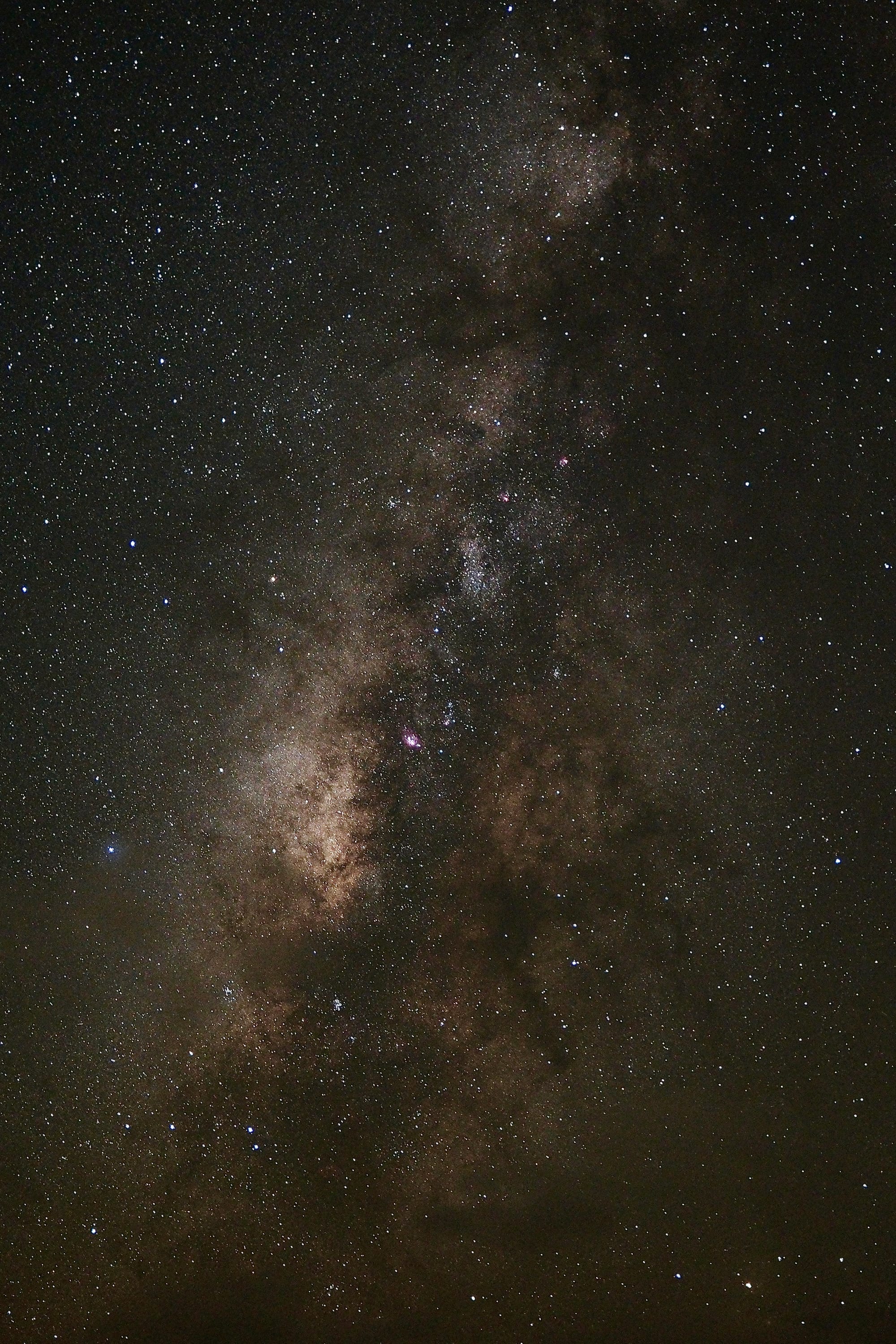
That night the Perseids were supposed to peak, and I tried to stay up late enough to see them from our balcony. I didn't see a single meteor. But I got a few long exposures of the sky that I still go back to, and I keep wondering how many stars are hiding in just one of those frames. Coming from the Portland suburbs, where the sky is mostly a dull orange glow, it was a little overwhelming.
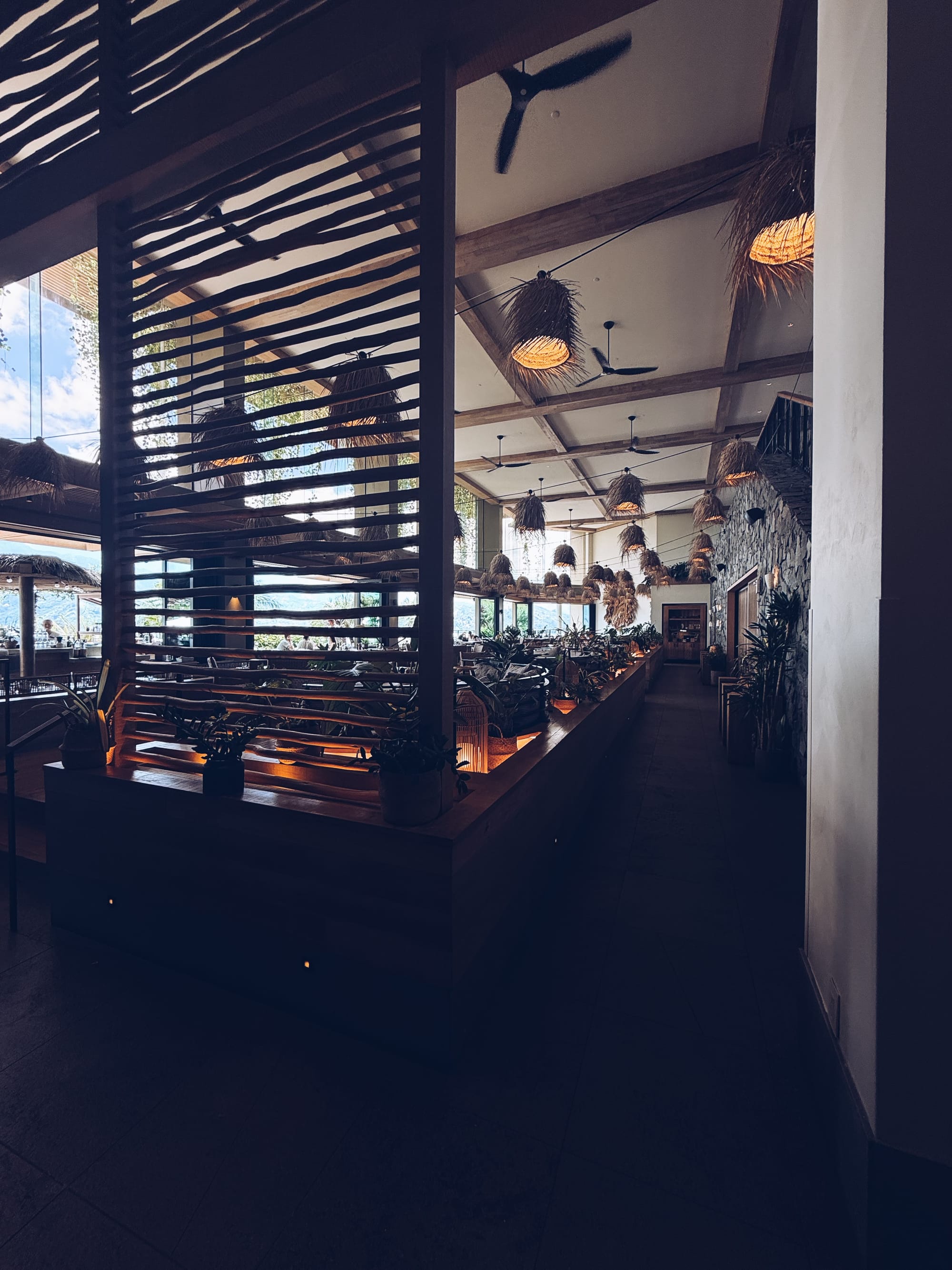
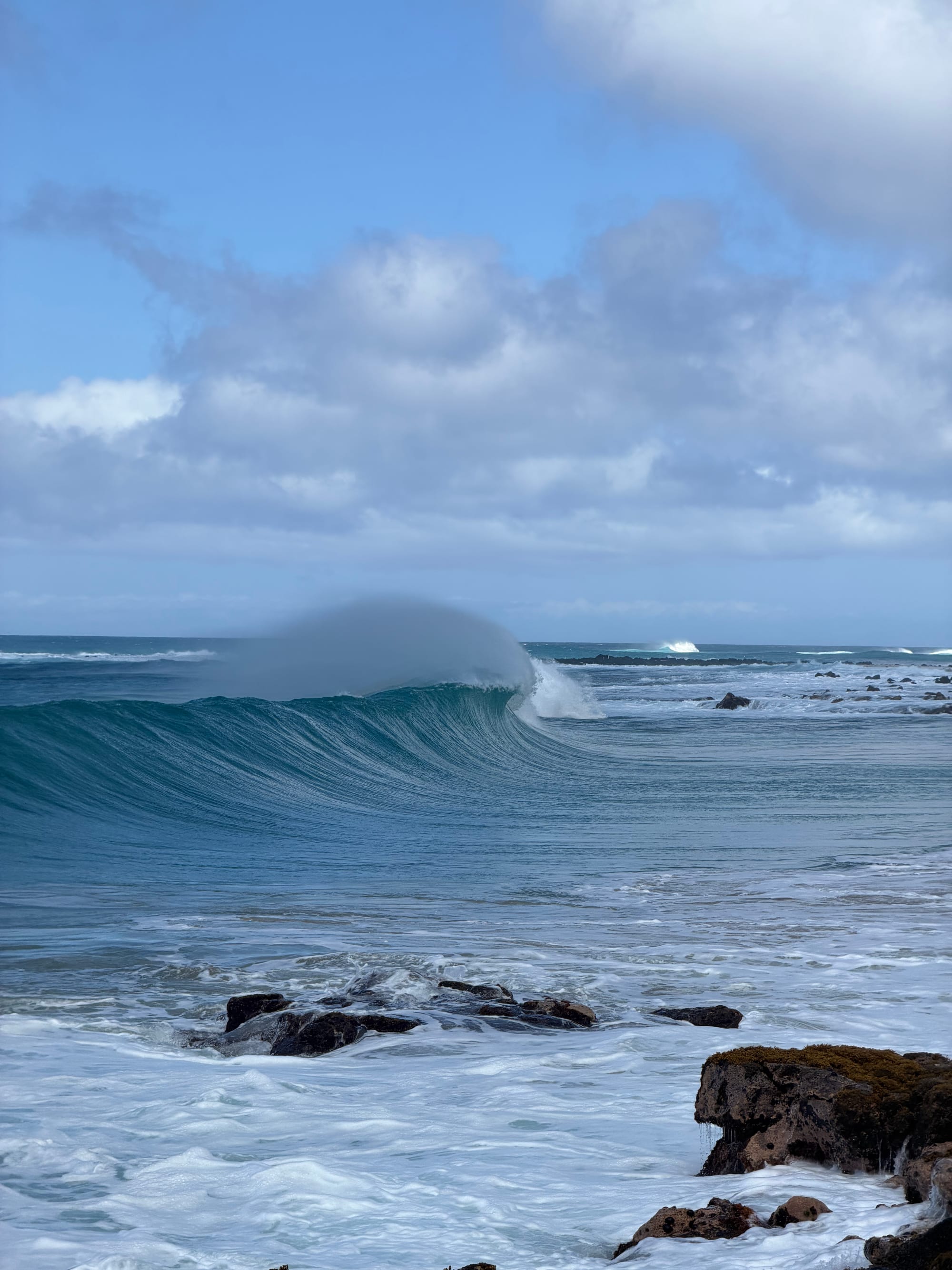
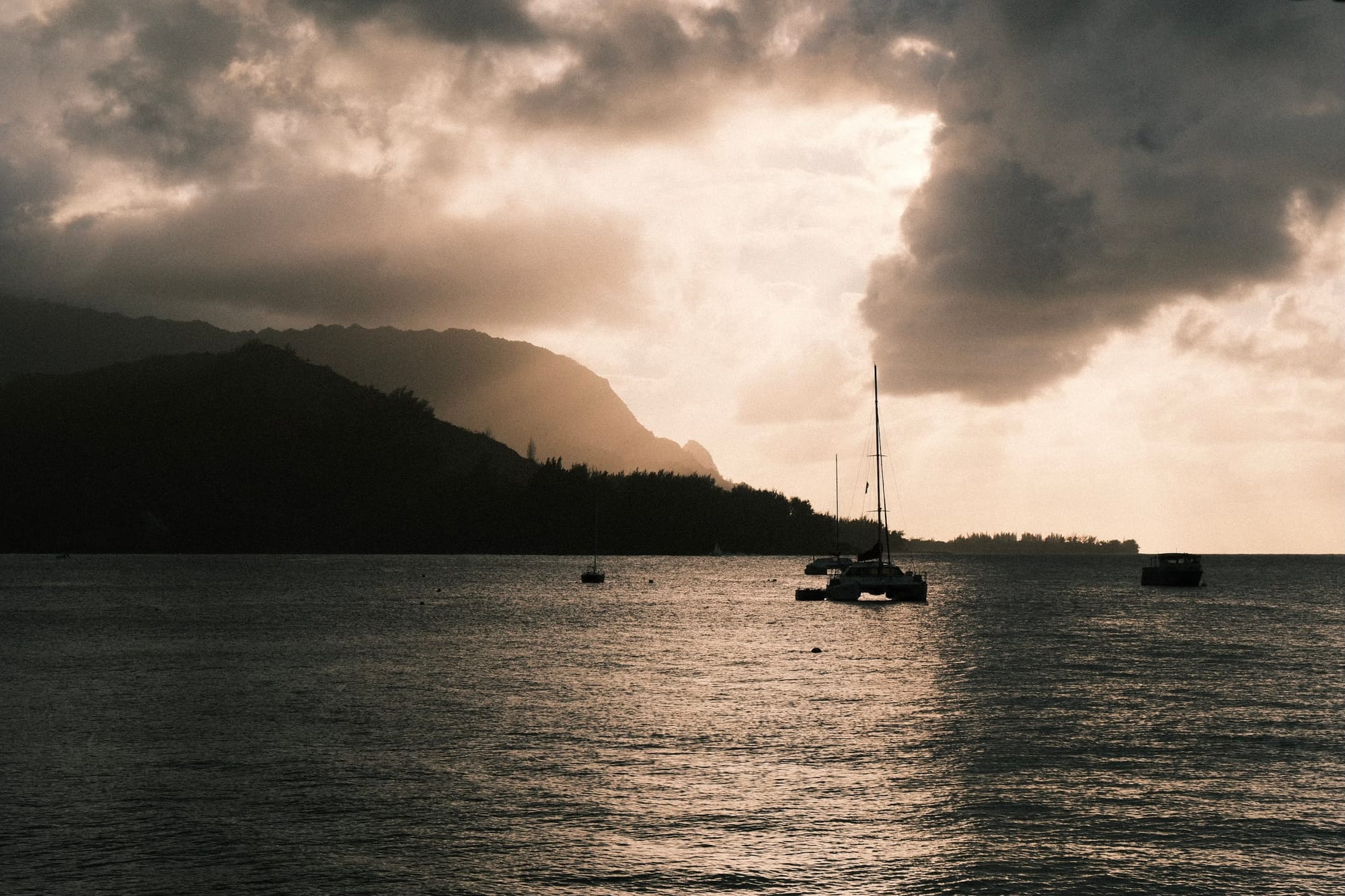
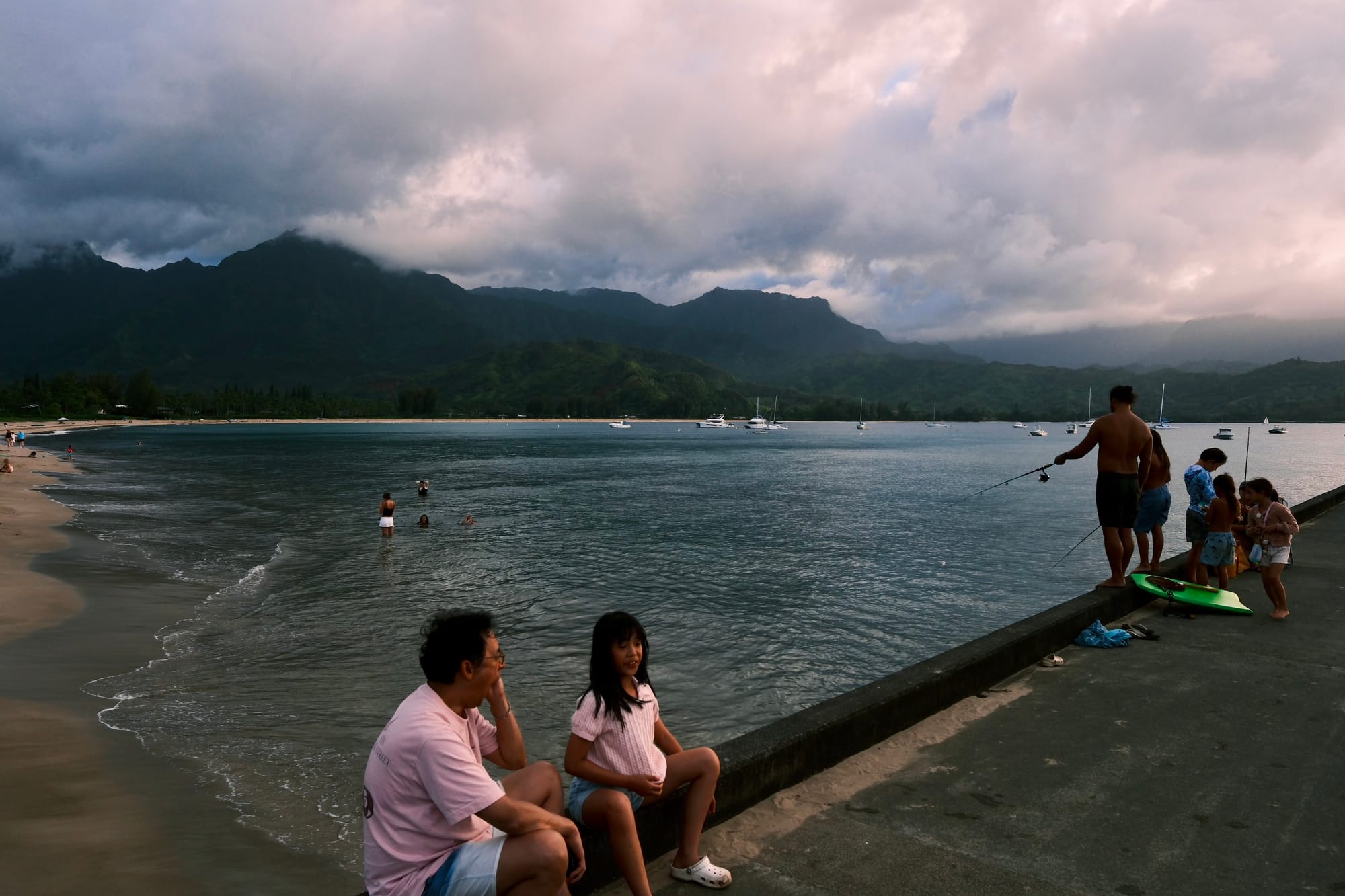
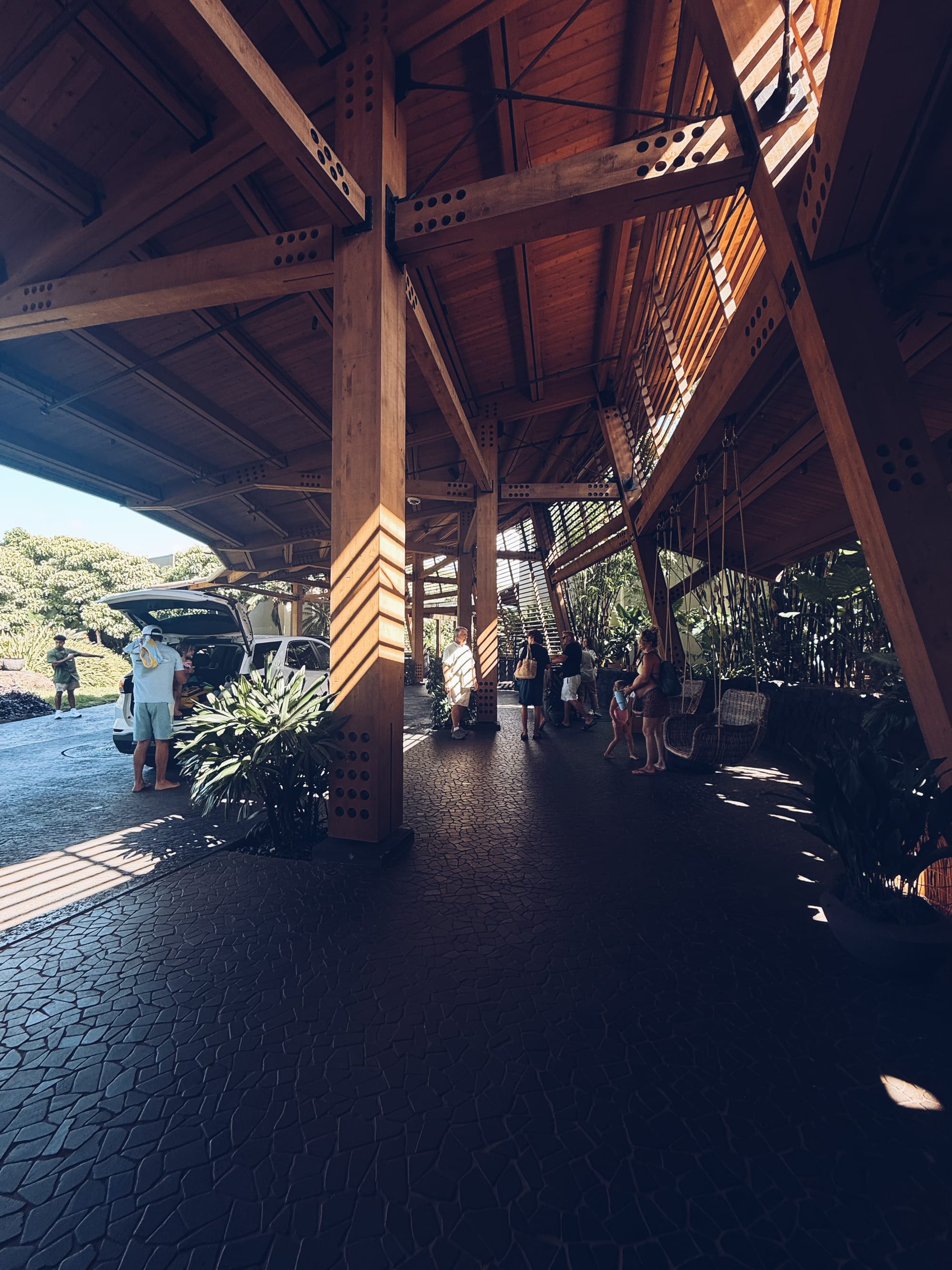
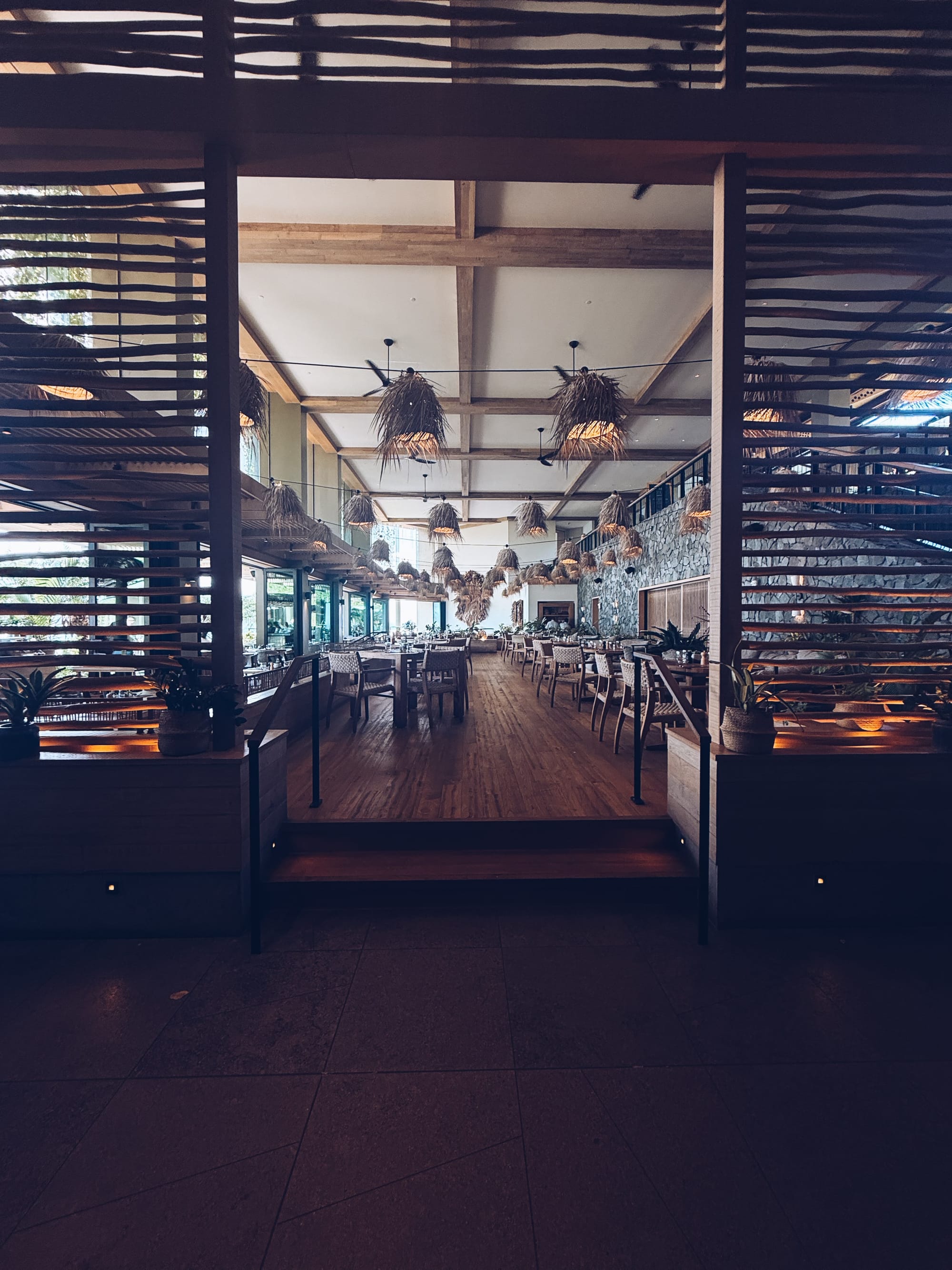
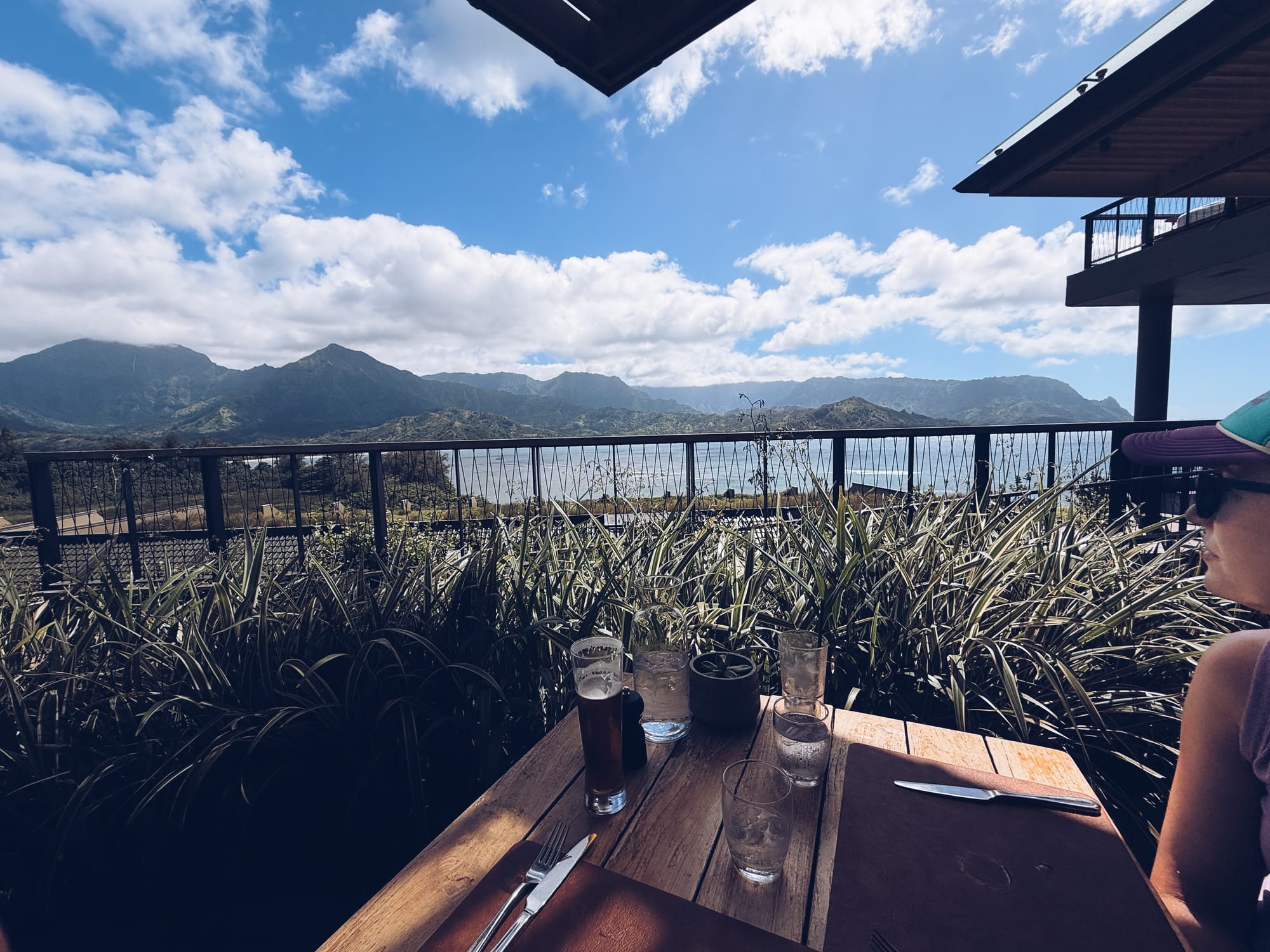
Our last full day we drove the whole way to the north shore. Ke'e Beach and Ha'ena State Park at the end of the road, the pier at Hanalei Bay, and lunch at the 1 Hotel up in Princeville. It's a completely different island up there, greener and wetter and more dramatic, and I wish we'd had more than an afternoon with it.
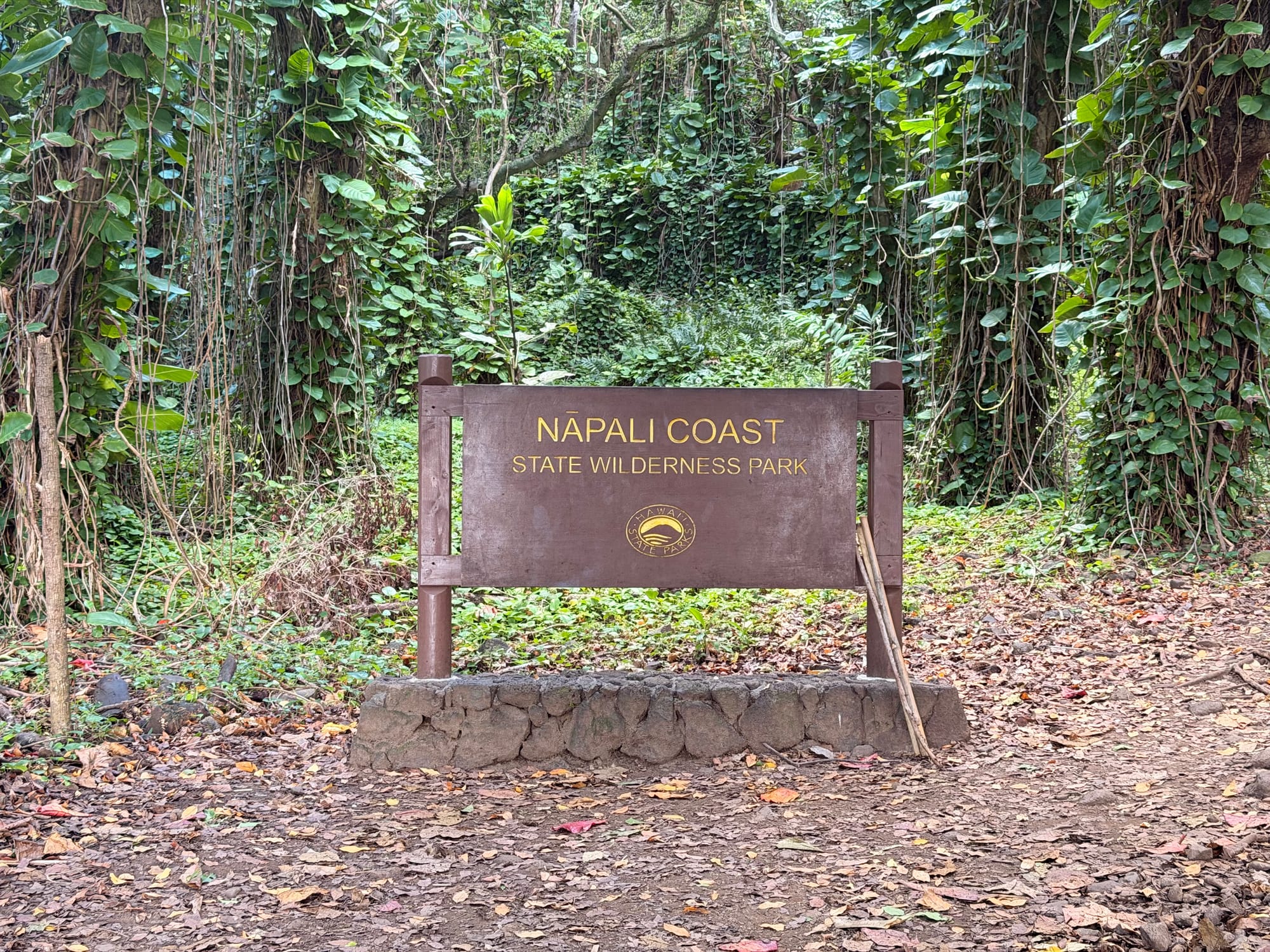
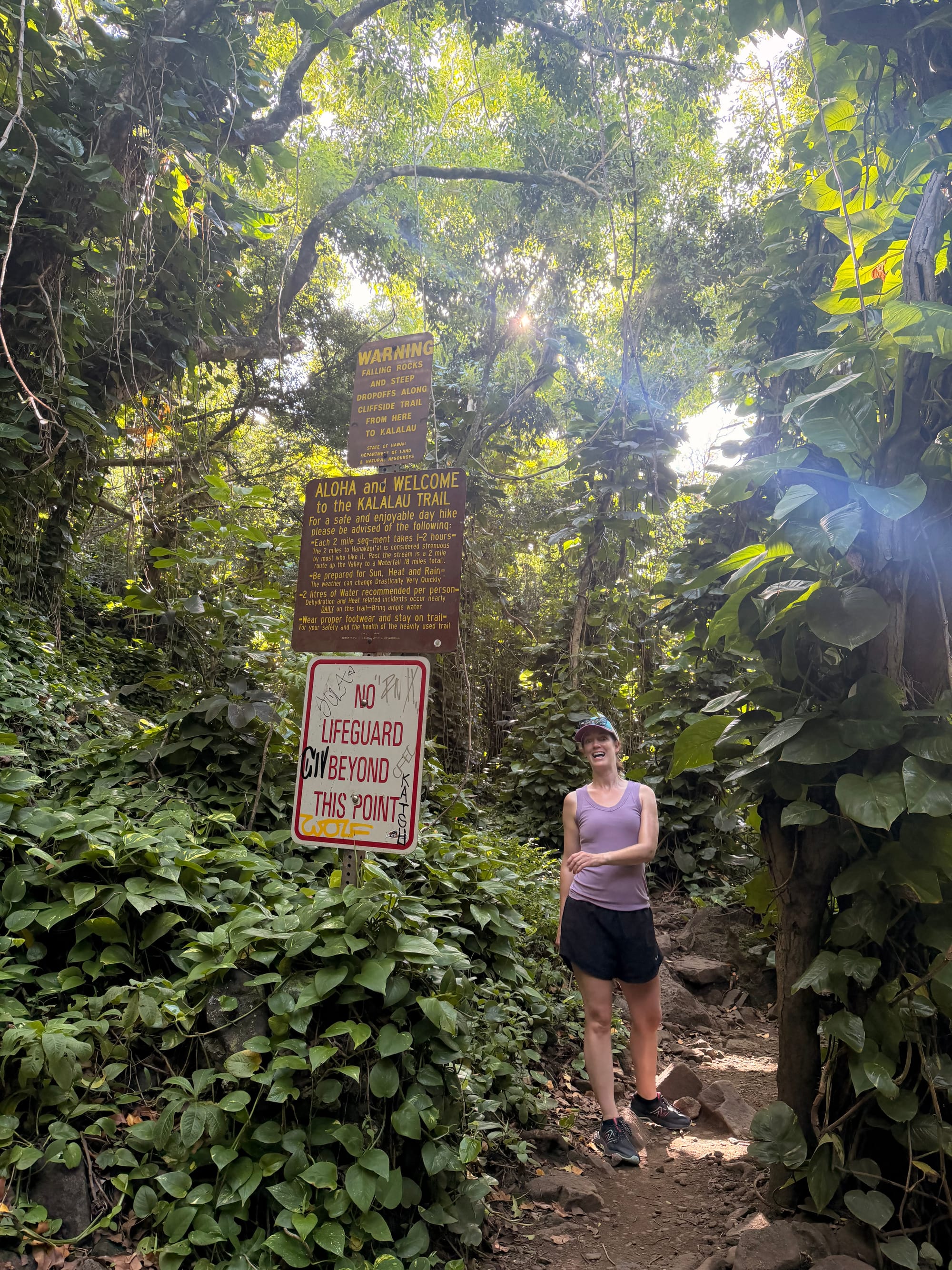
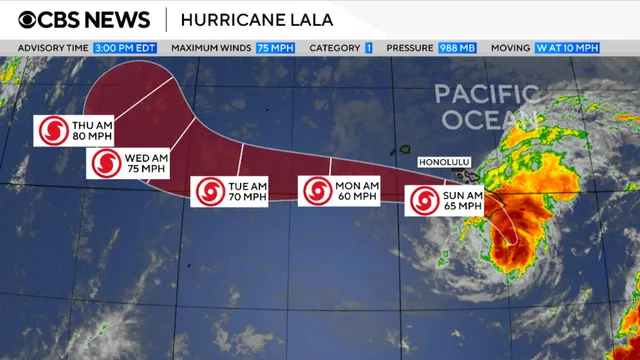
It was also the day the forecast stopped being something we could ignore. Lala had been churning toward Hawaii all week, and by the time we got back to Poipu there was a tropical storm warning for Kauai. Go to Hawaii, they said. It will be fun, they said. The storm reached Maui and the Big Island first and did real damage there. It moved closer to Kauai the next morning, the same morning we were sitting at Gate 10 in Lihue waiting to fly home. Within a few days the county had closed the Napali Coast, the Kalalau Trail and Ha'ena, the same places we'd been standing barely a day earlier.
We got out fine, through Seattle and back to Portland, tired and sunburned and a little rattled.
Forty is supposed to feel like a turning point, and I think this trip did, in a different way than I expected. Most of all, I think Shar got the birthday she wanted.
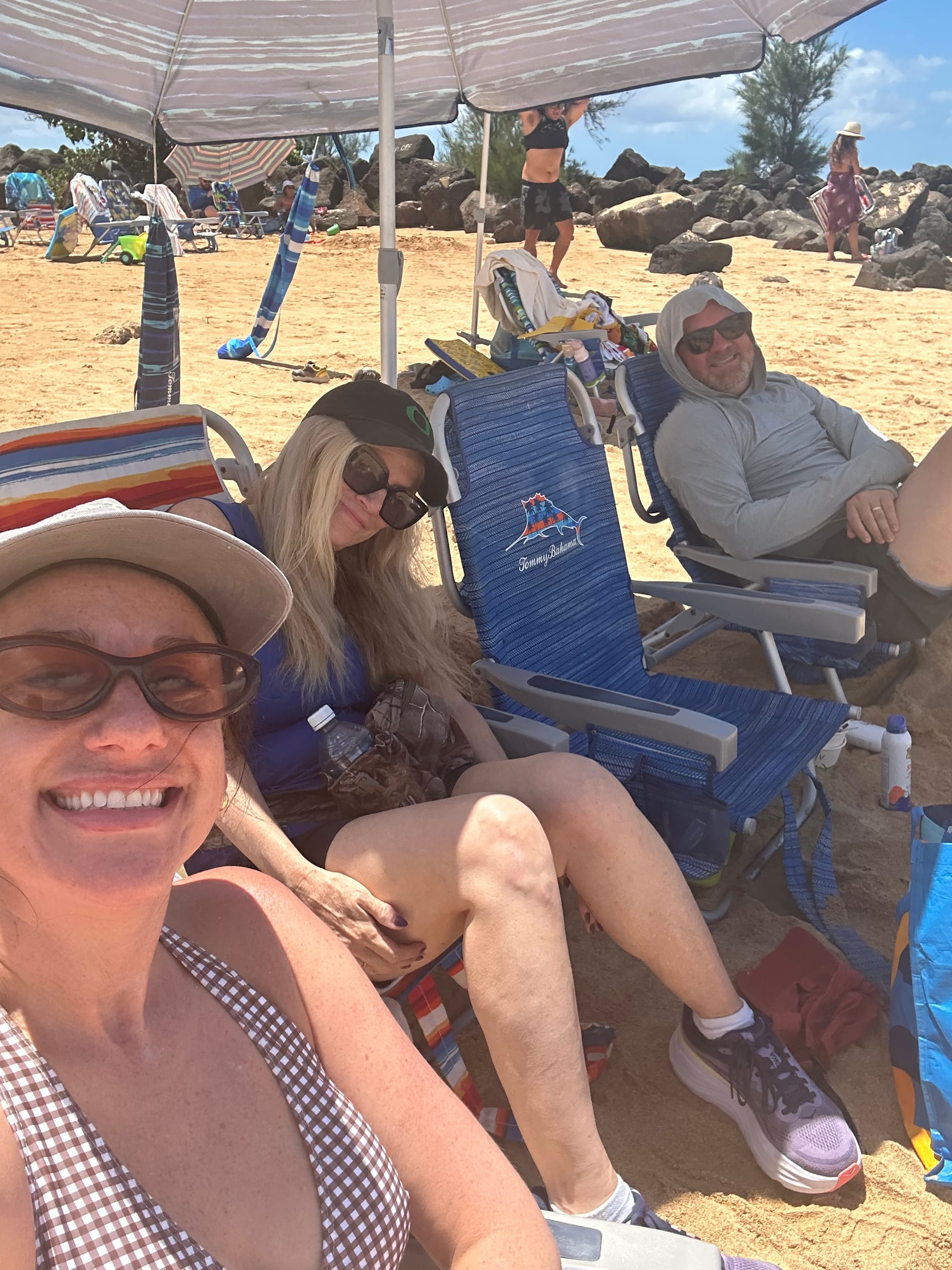
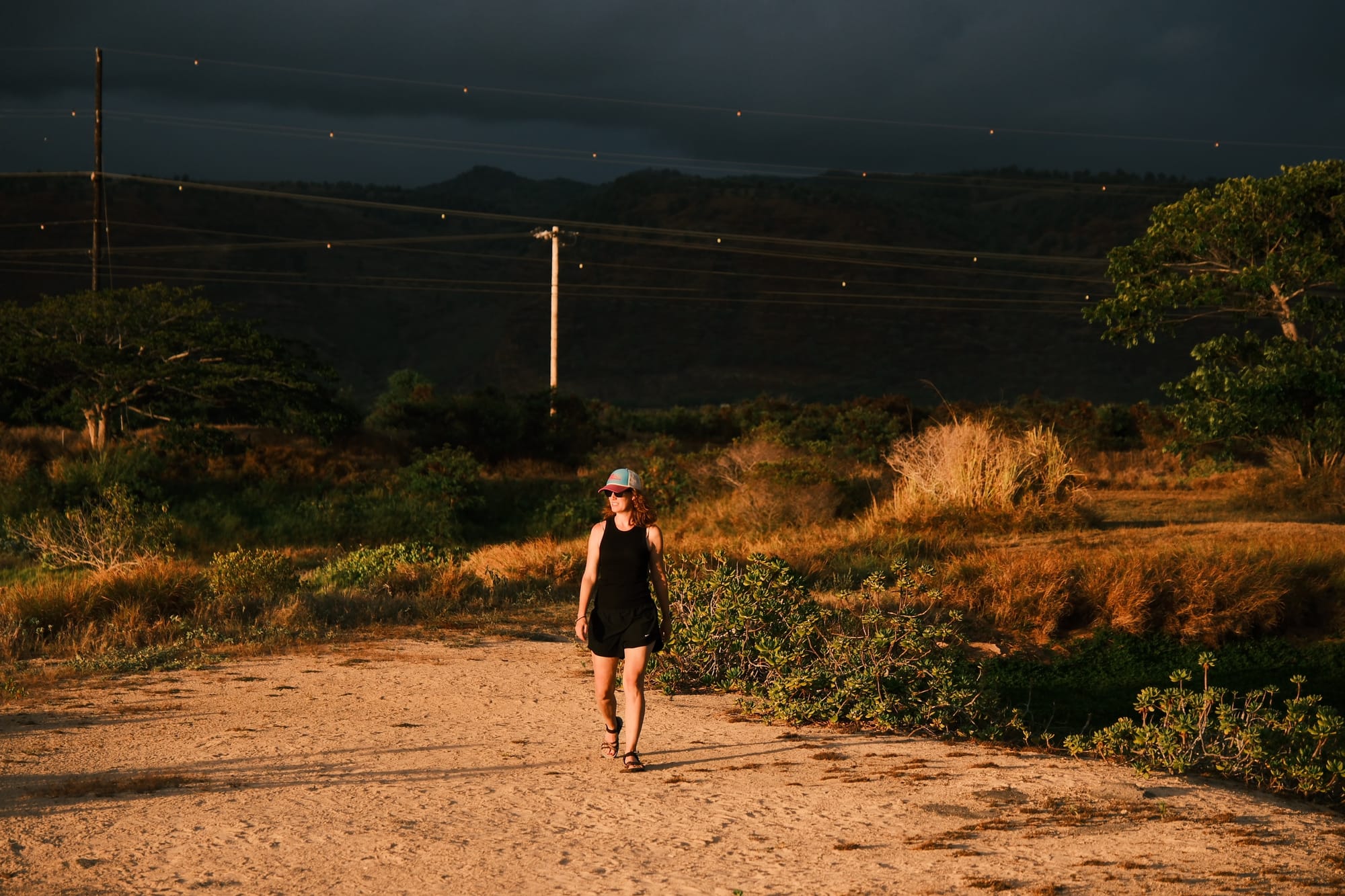
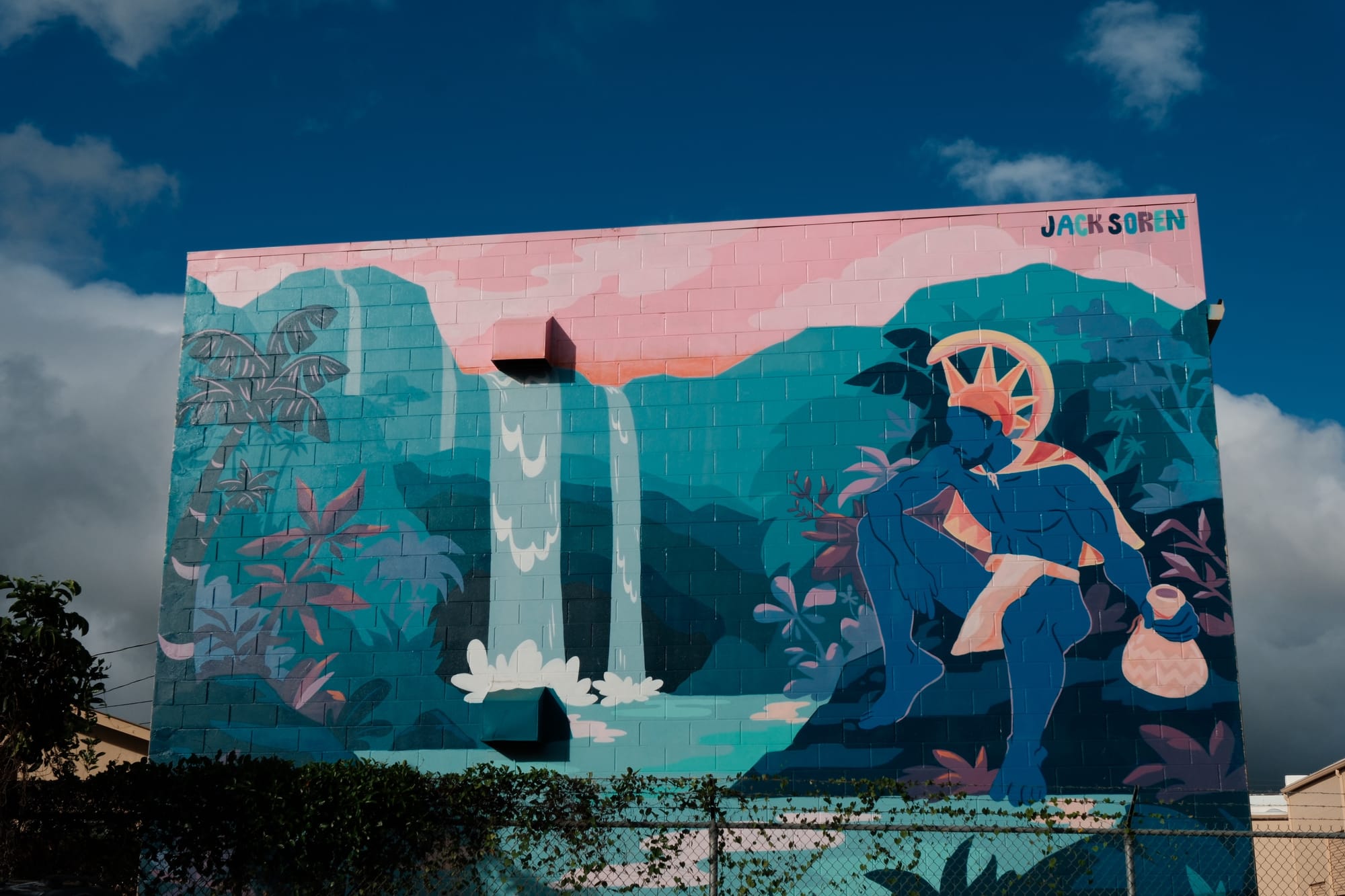
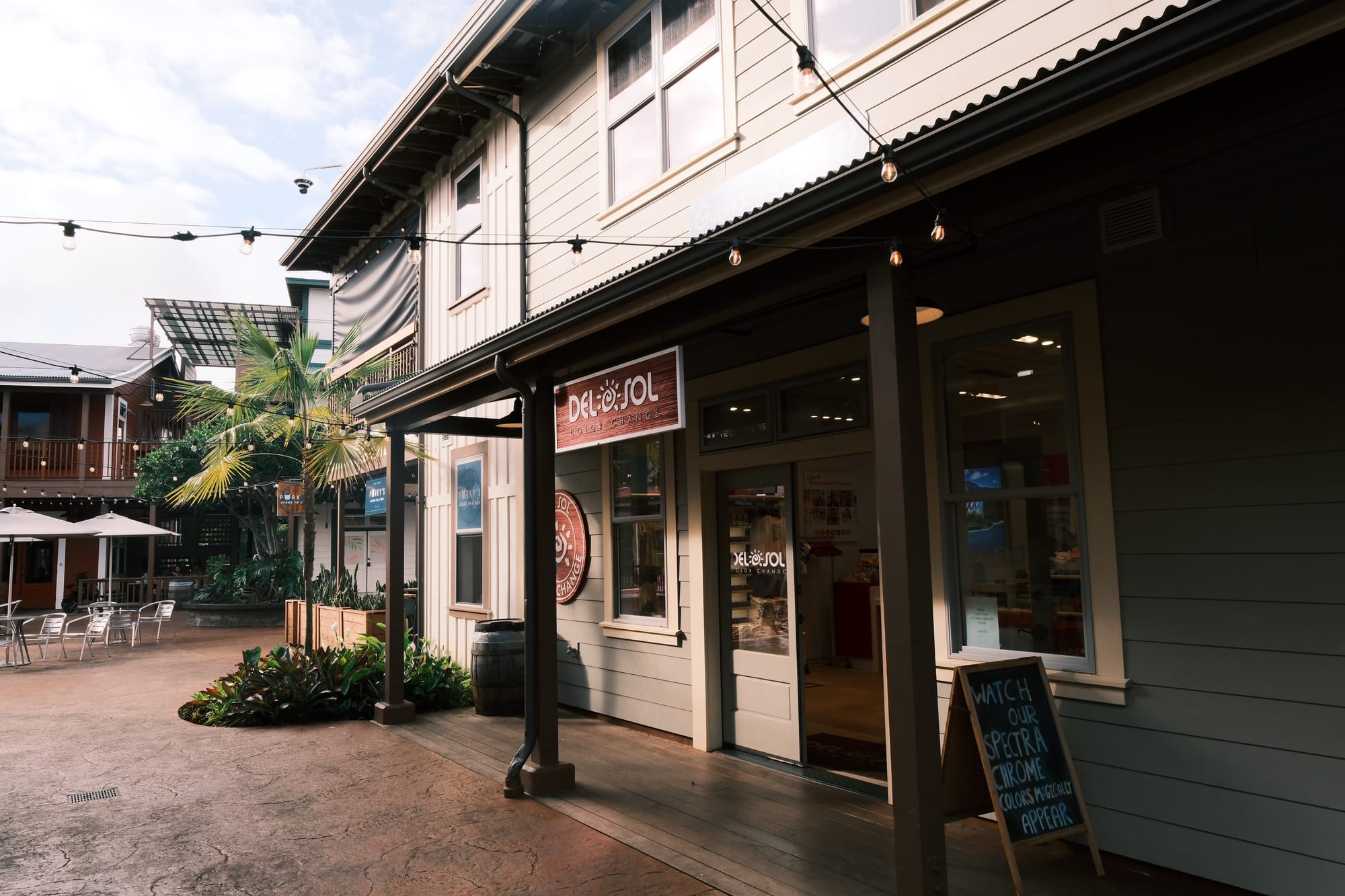
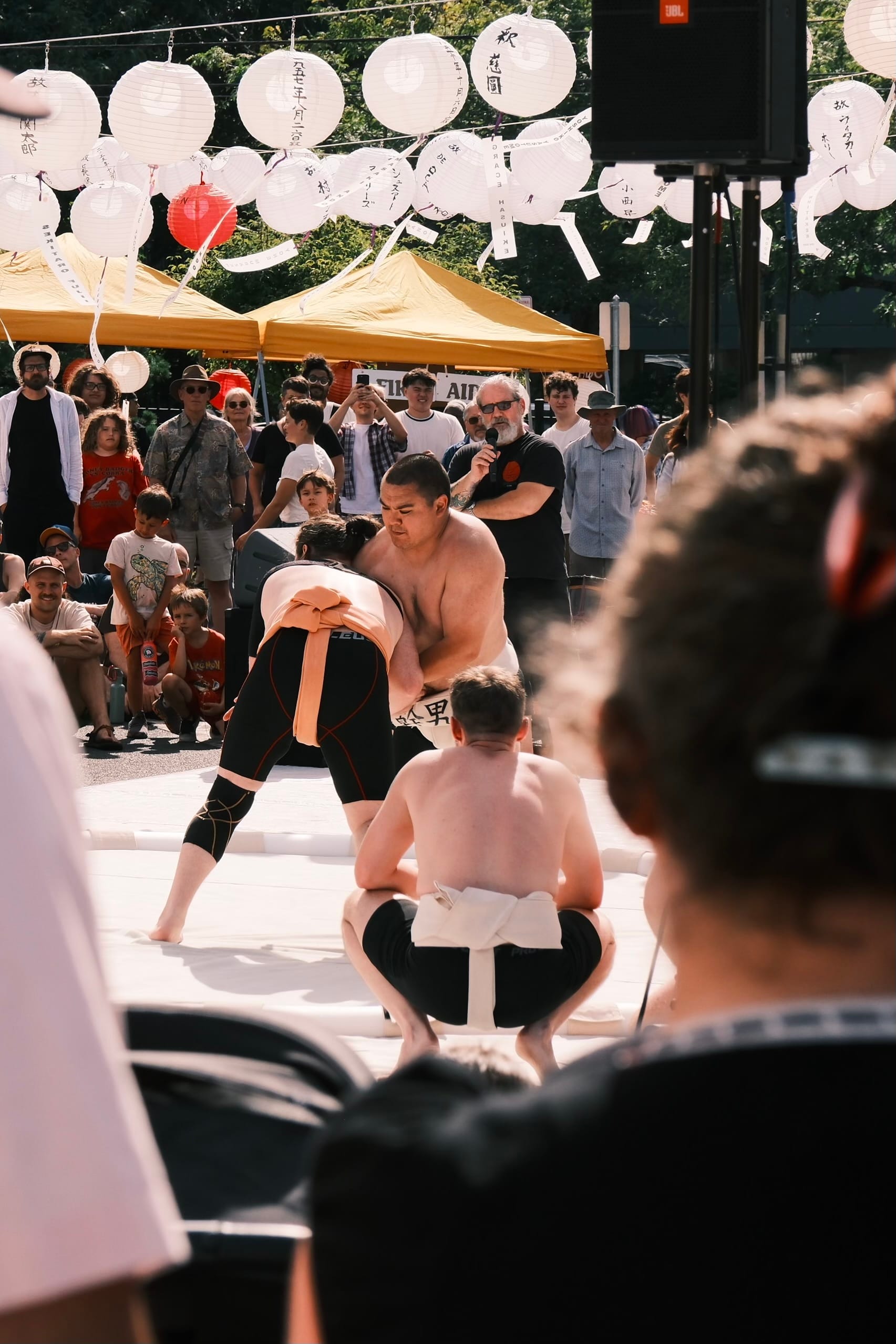
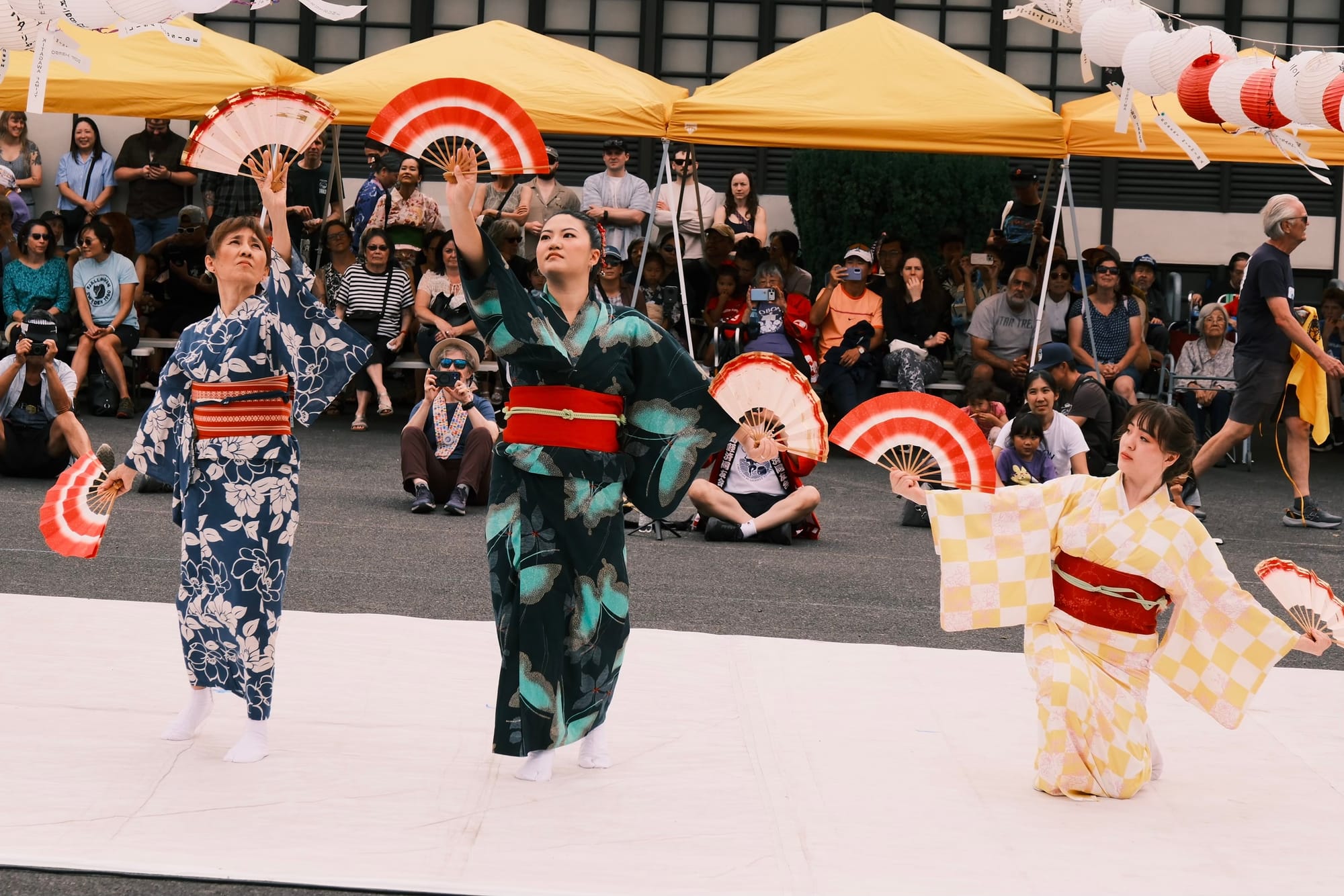
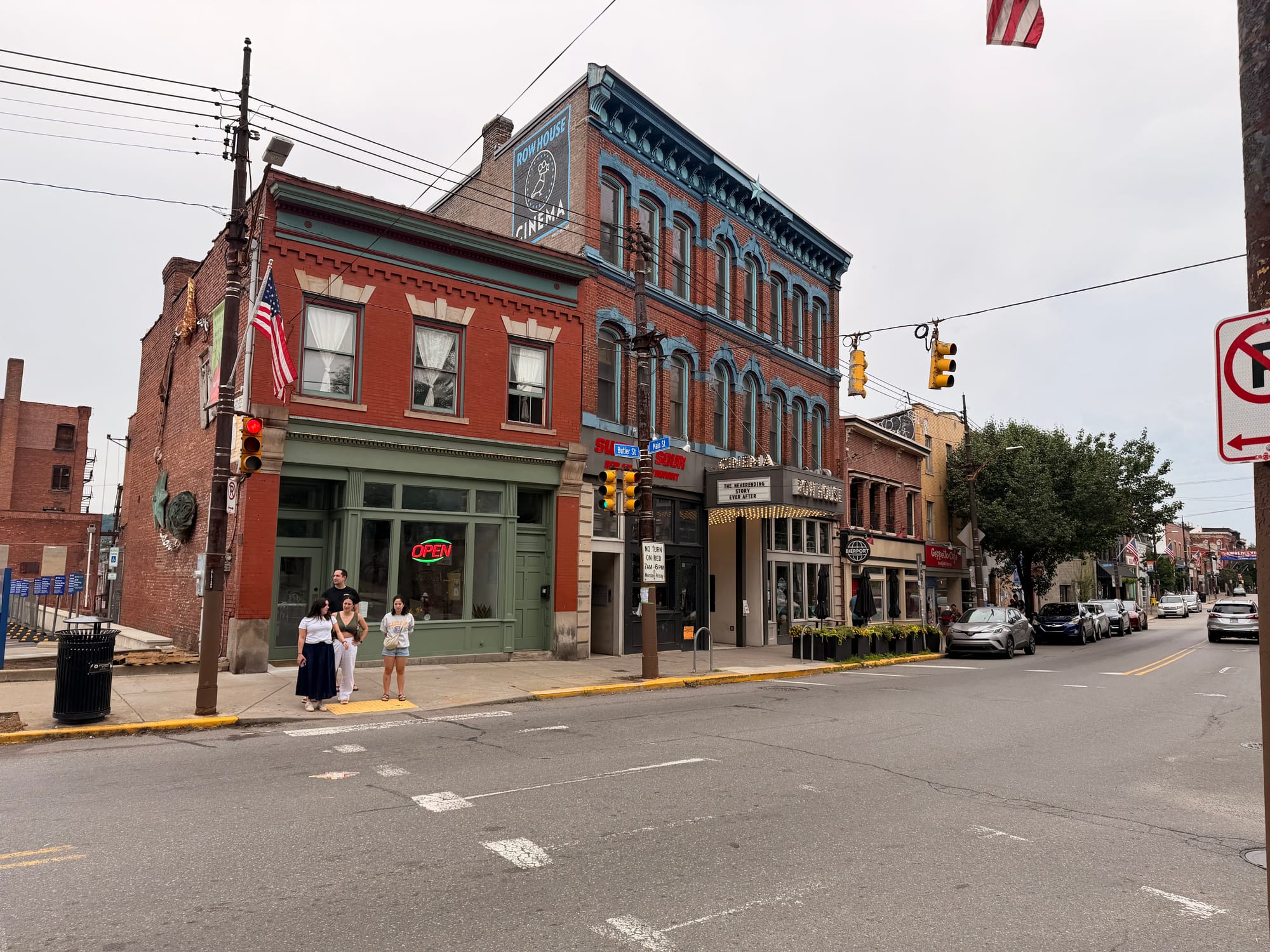
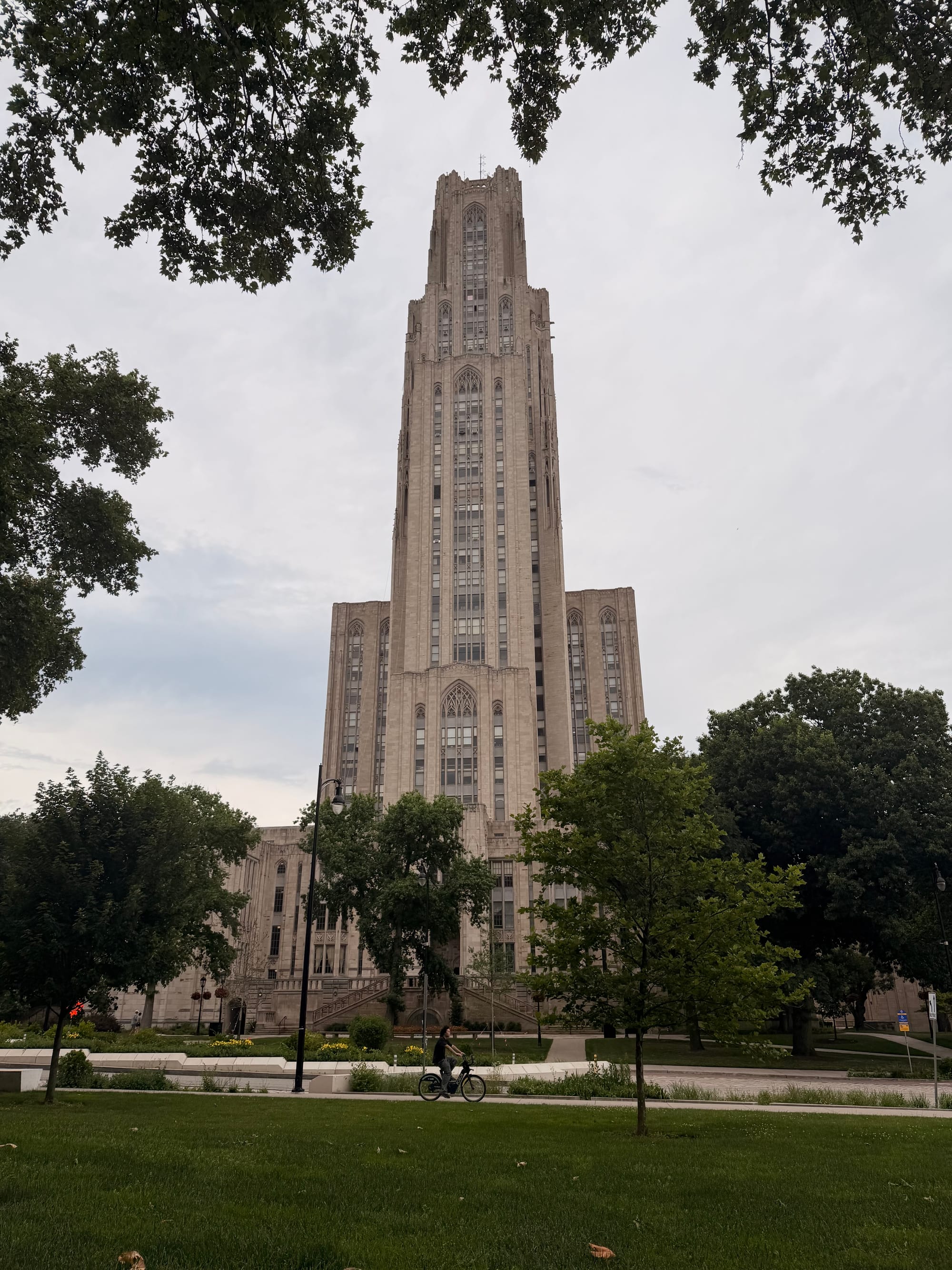
A friend and I took a long weekend in Pittsburgh, a city I had wanted to spend more time in for years. It has always existed in my mind as one of those American places with a strong identity. Bridges, hills, rivers, brick, steel, sports, neighborhoods, old industry, and a civic texture that newer cities can't manufacture no matter how hard they try.
We flew out from Portland, connecting through Seattle before arriving at Pittsburgh International. Stepping outside, I was not prepared for the humidity. I haven't left the west coast in two years and it set the tone for a long weekend of sweating and chaffing my way through those 20,000+ step-count days.
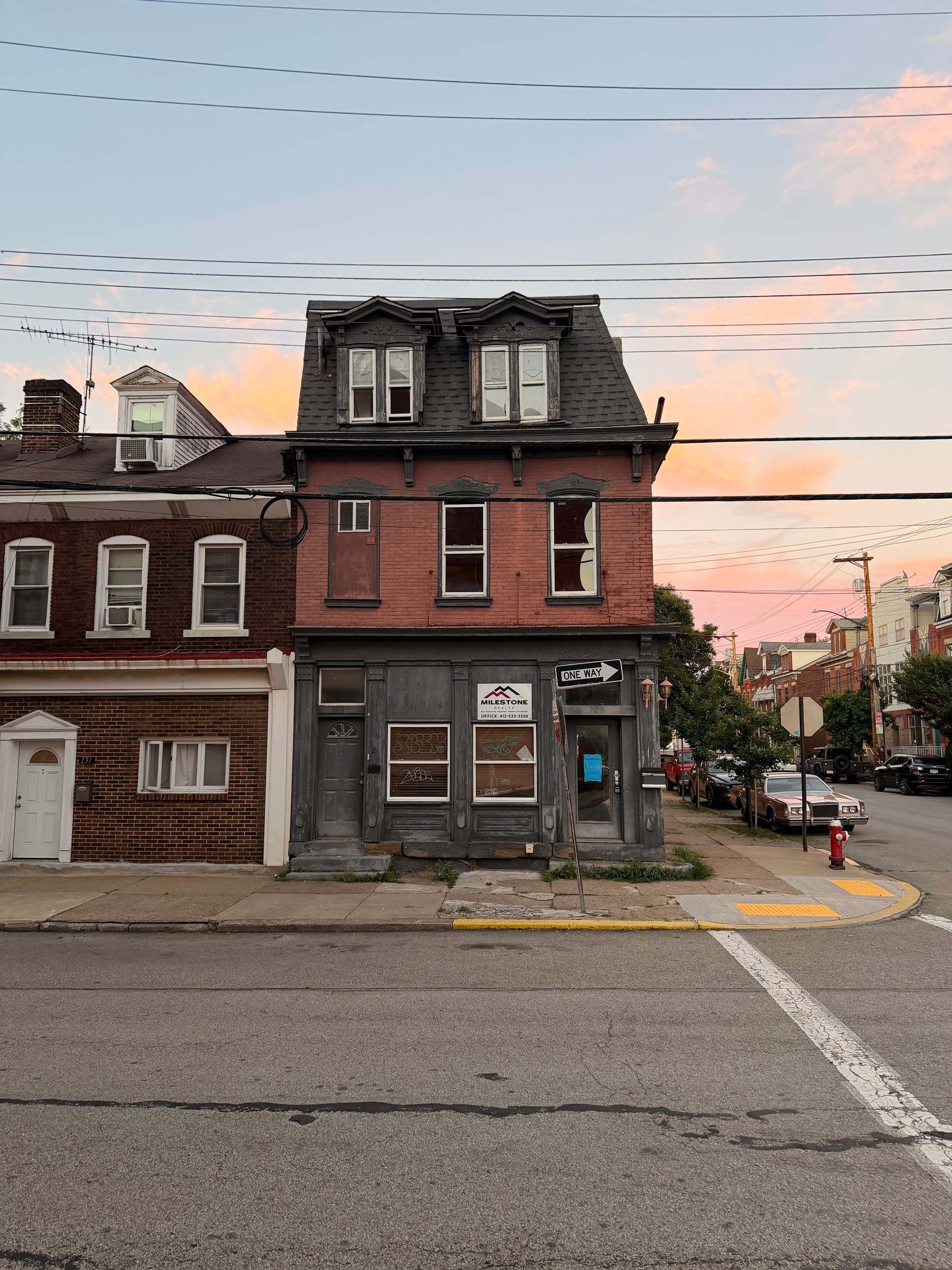
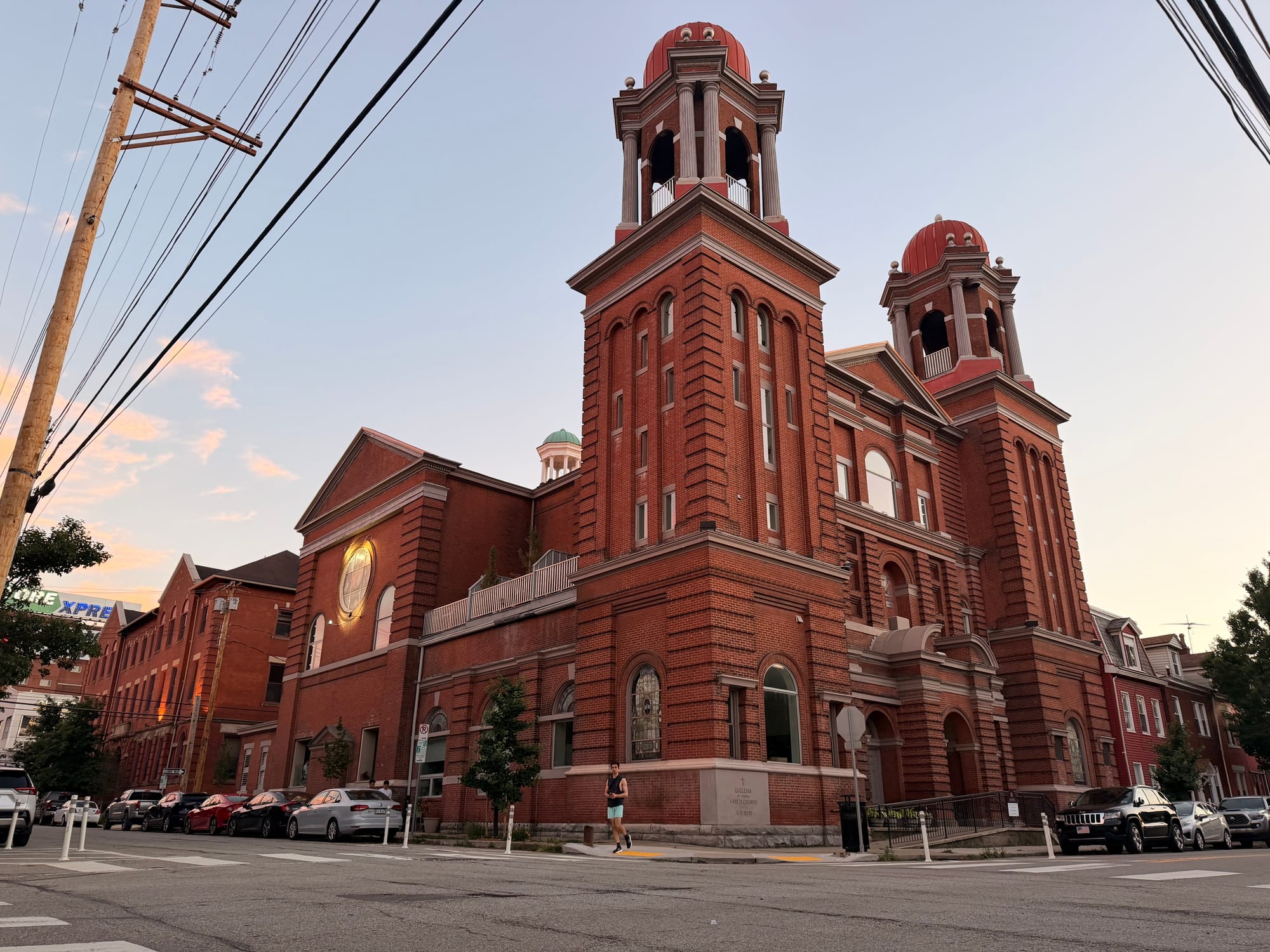
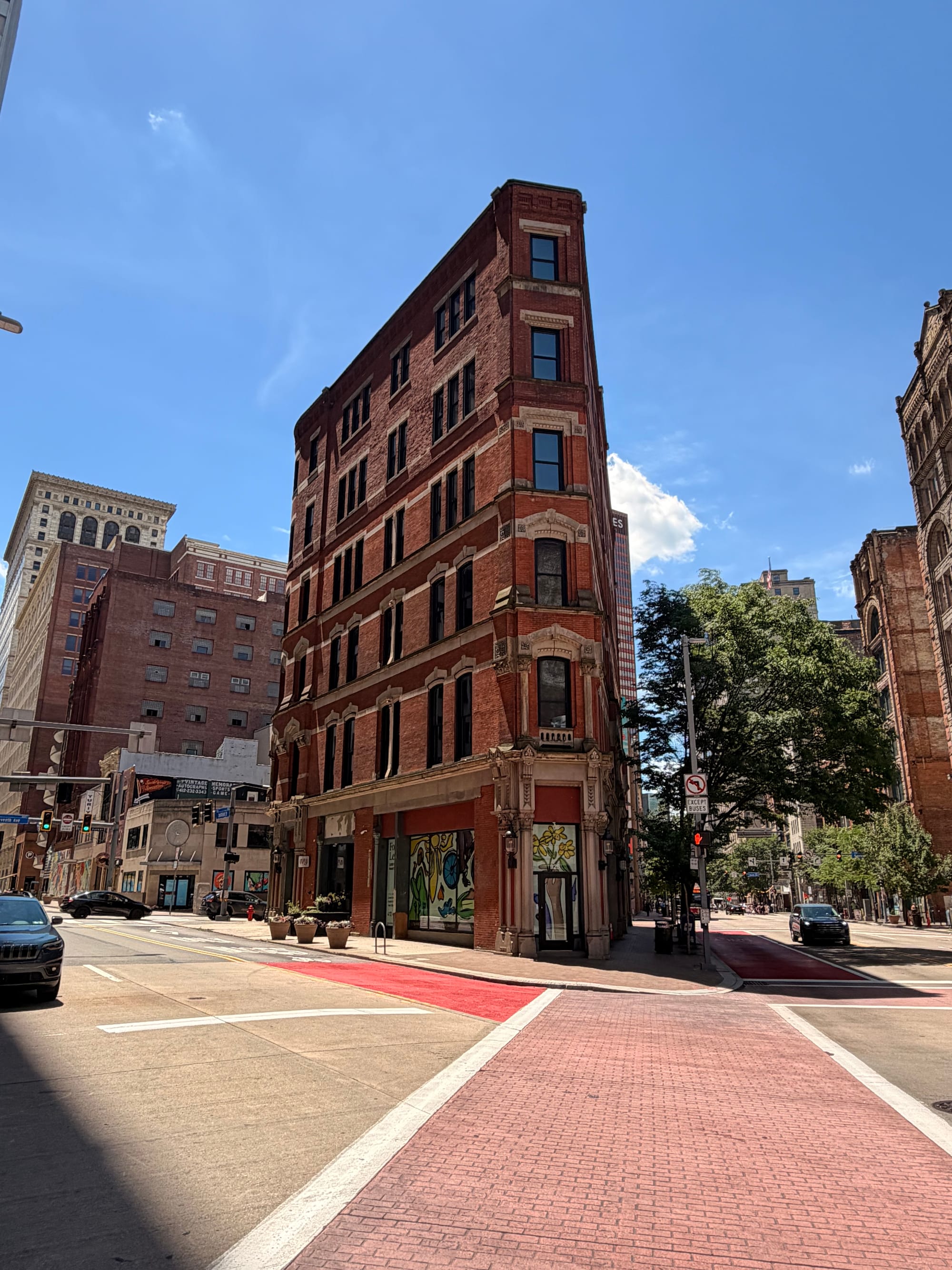
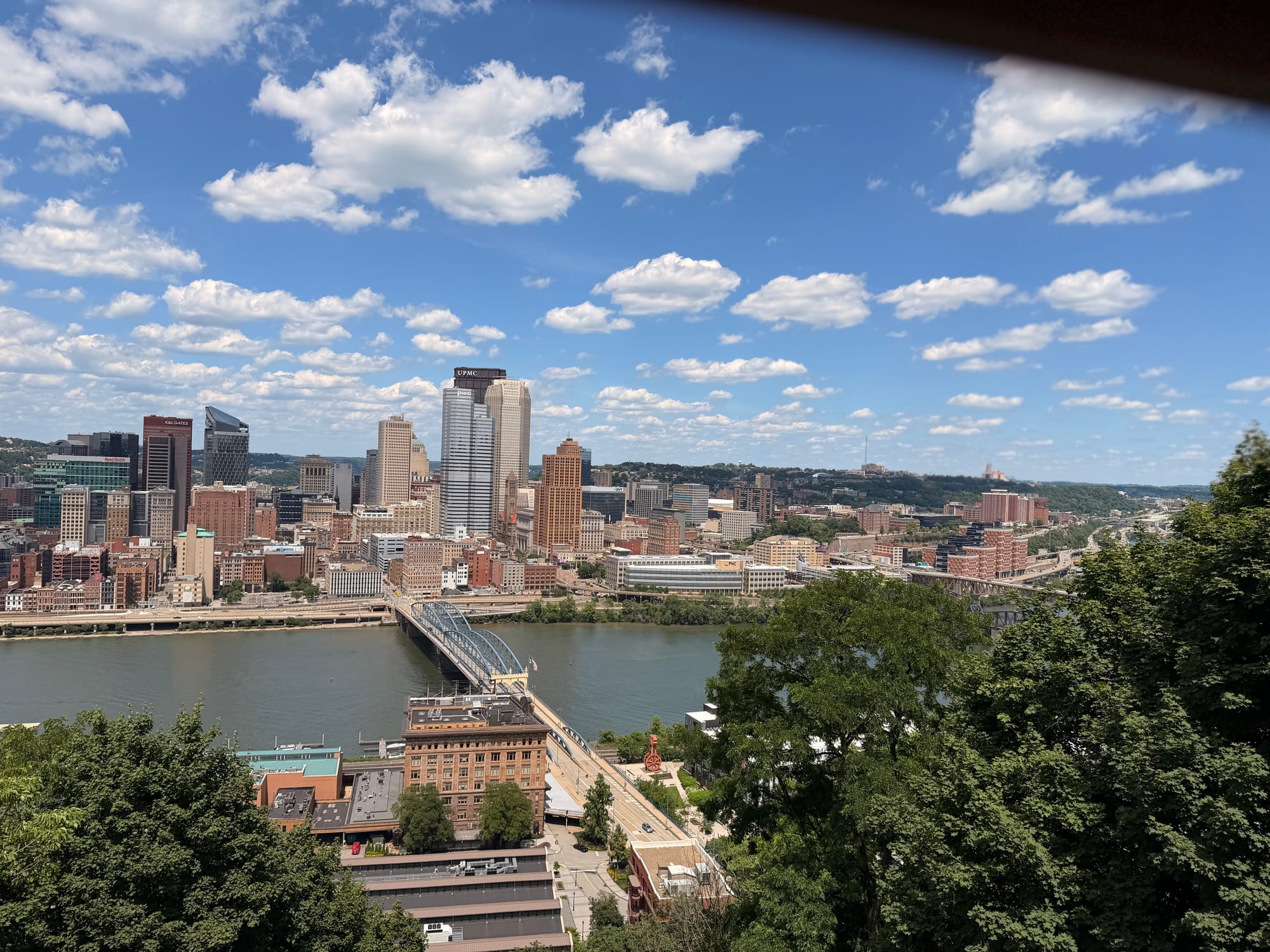
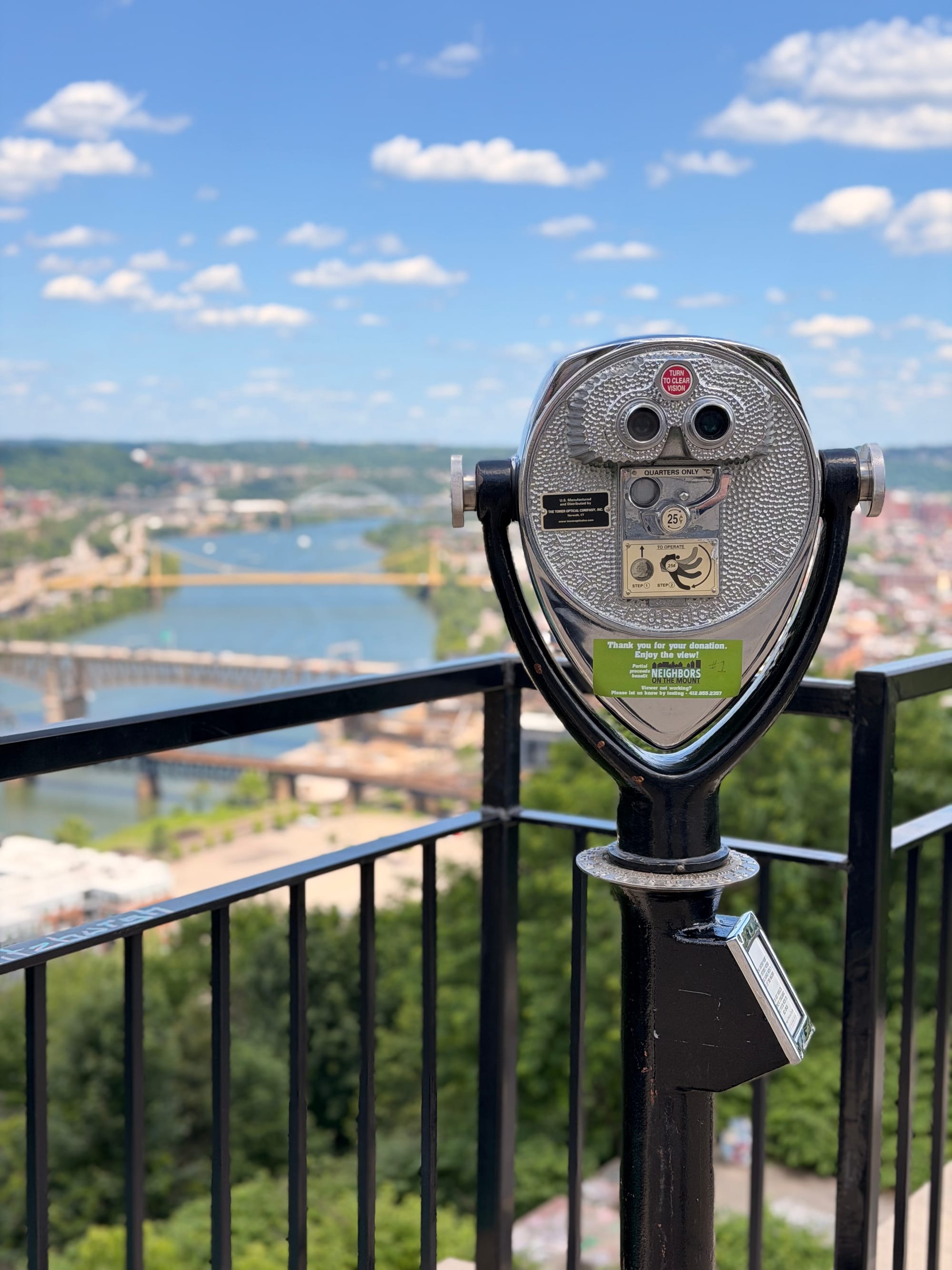
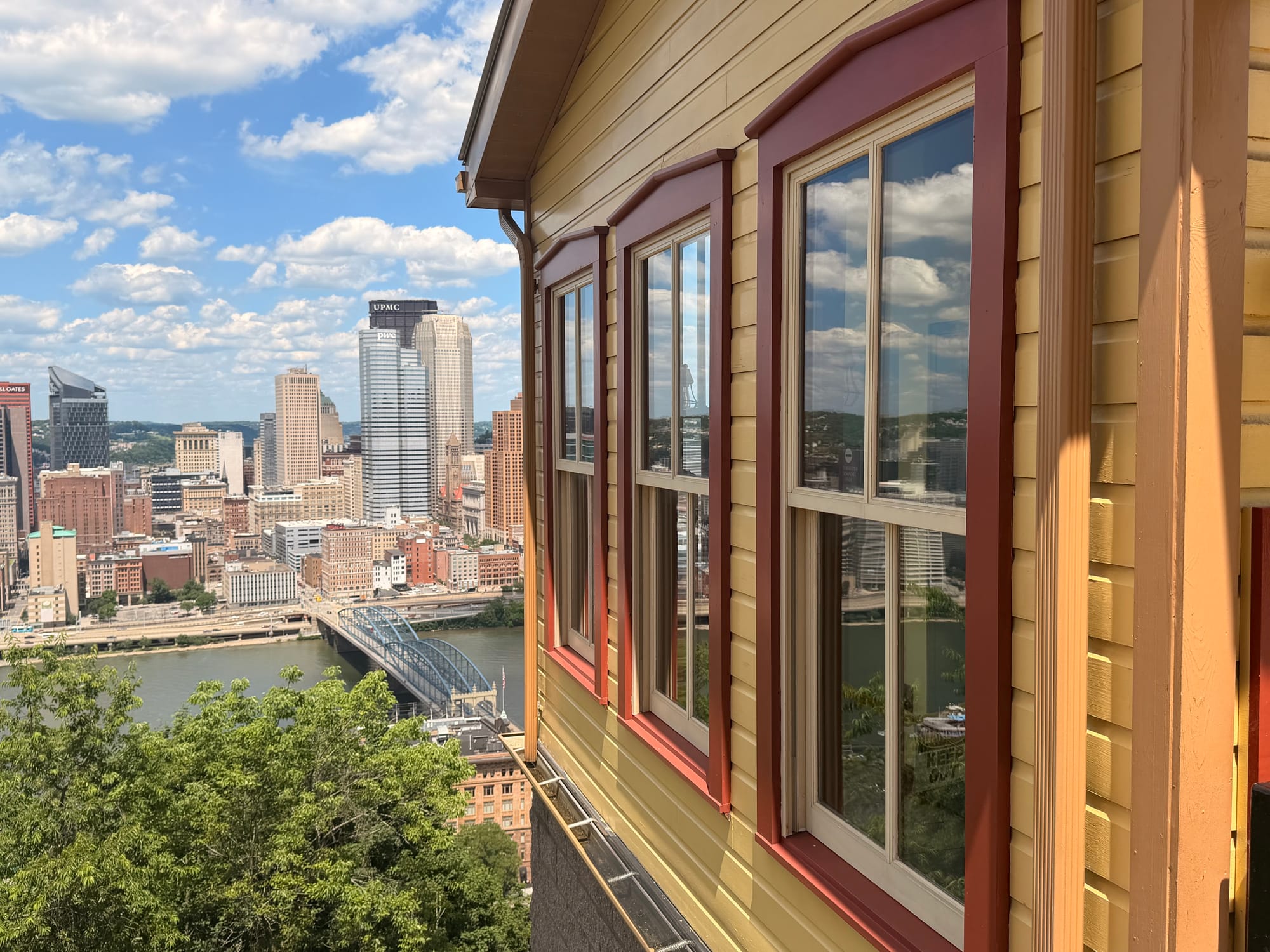
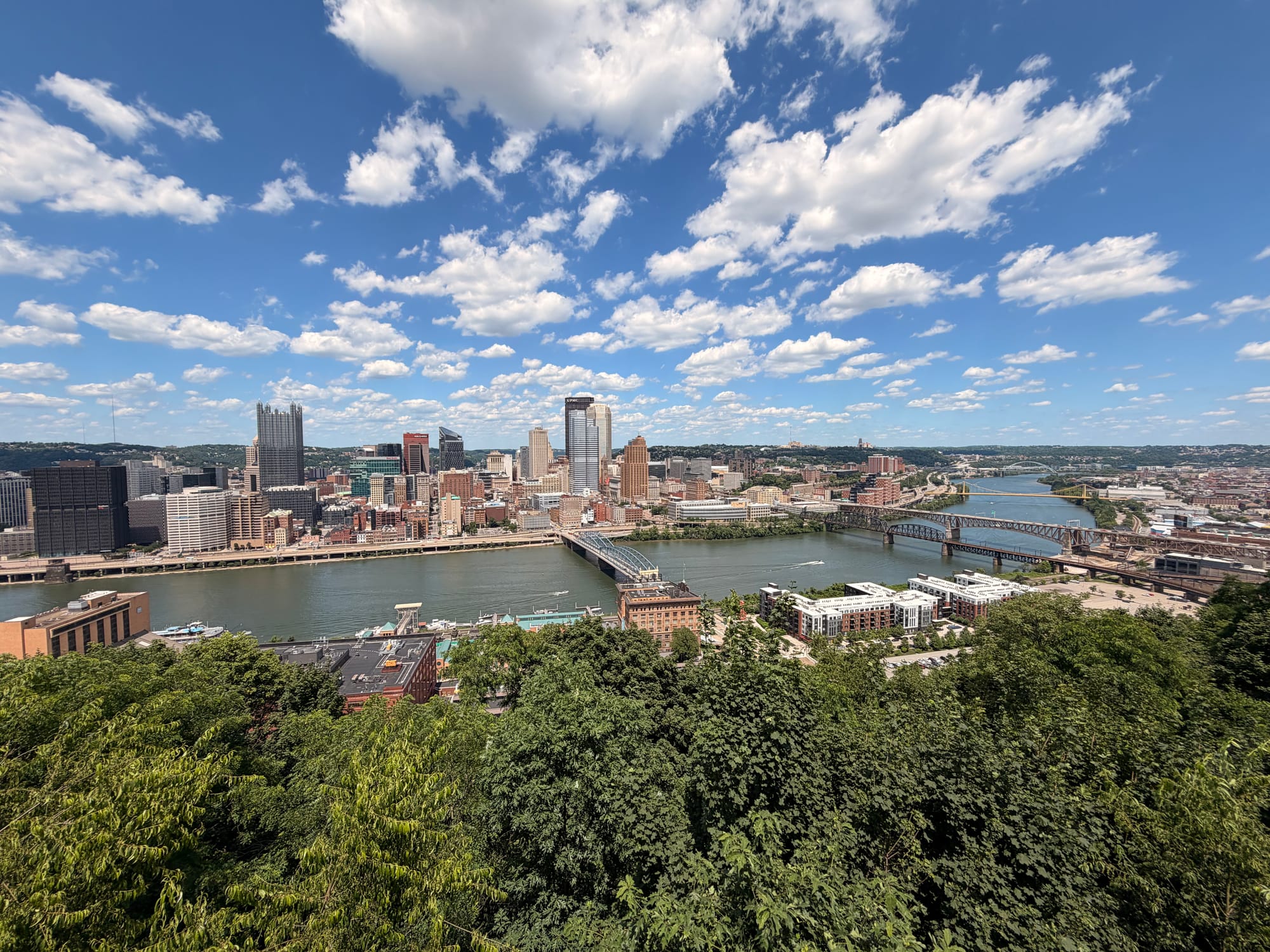
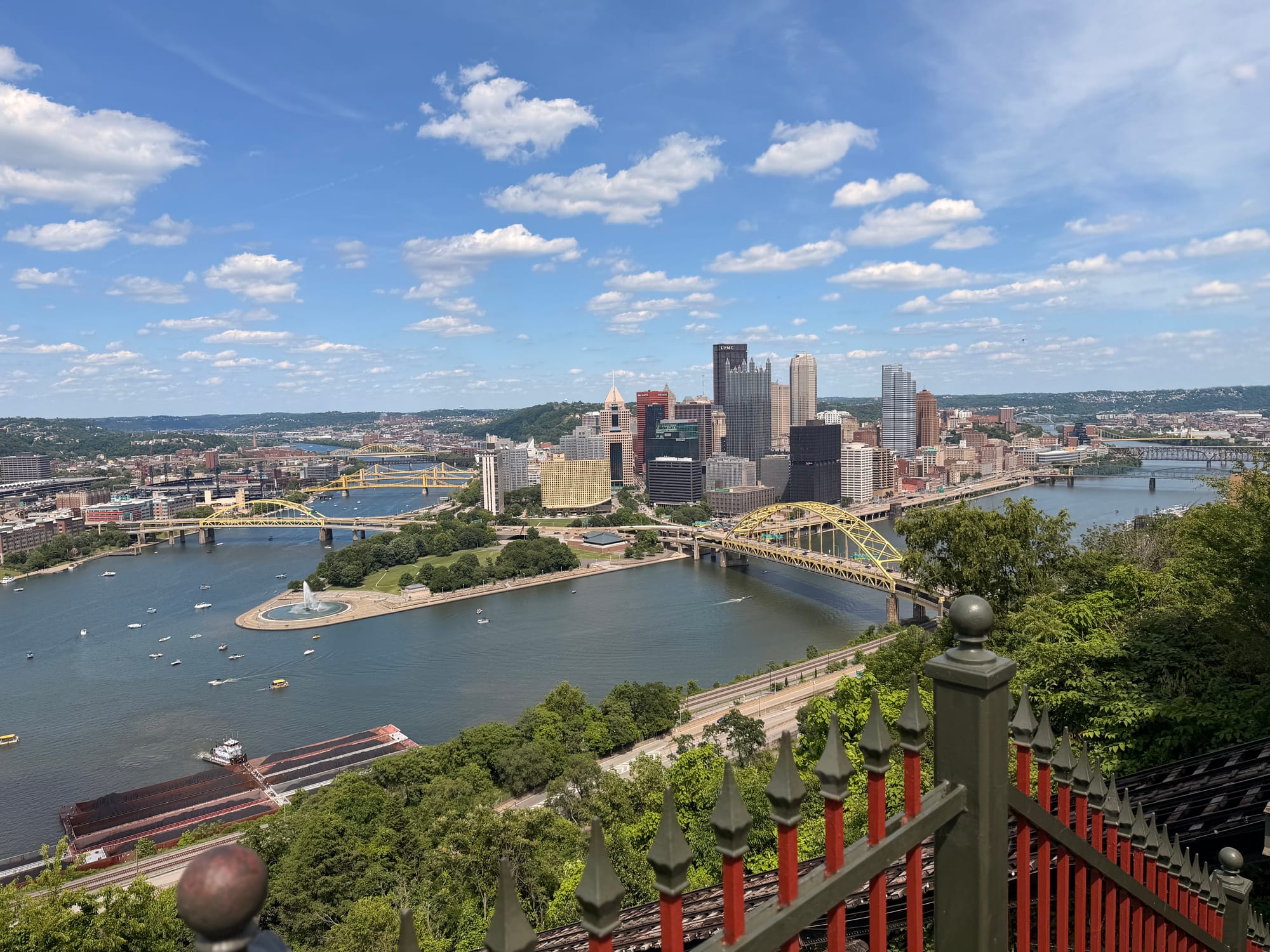
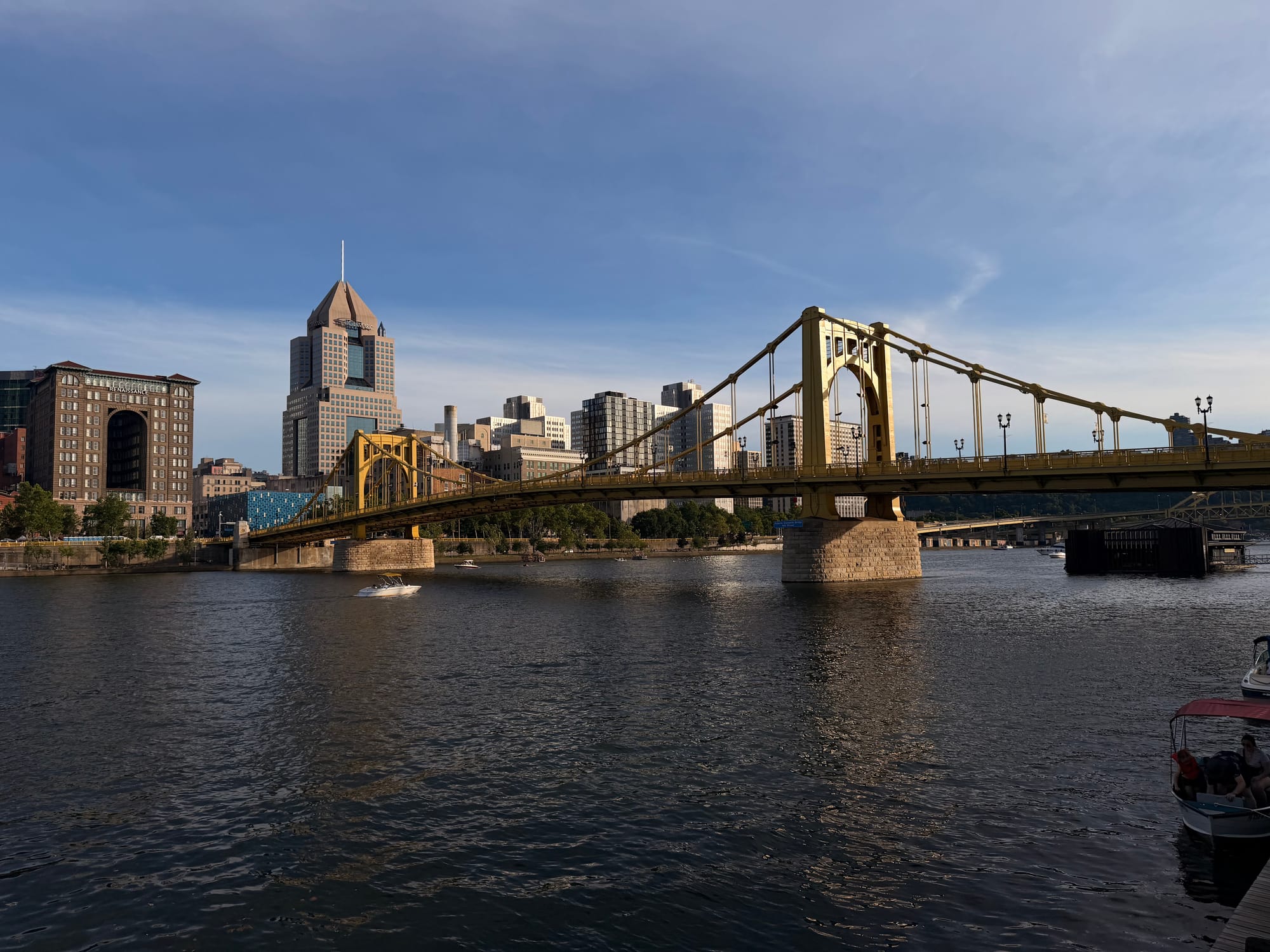
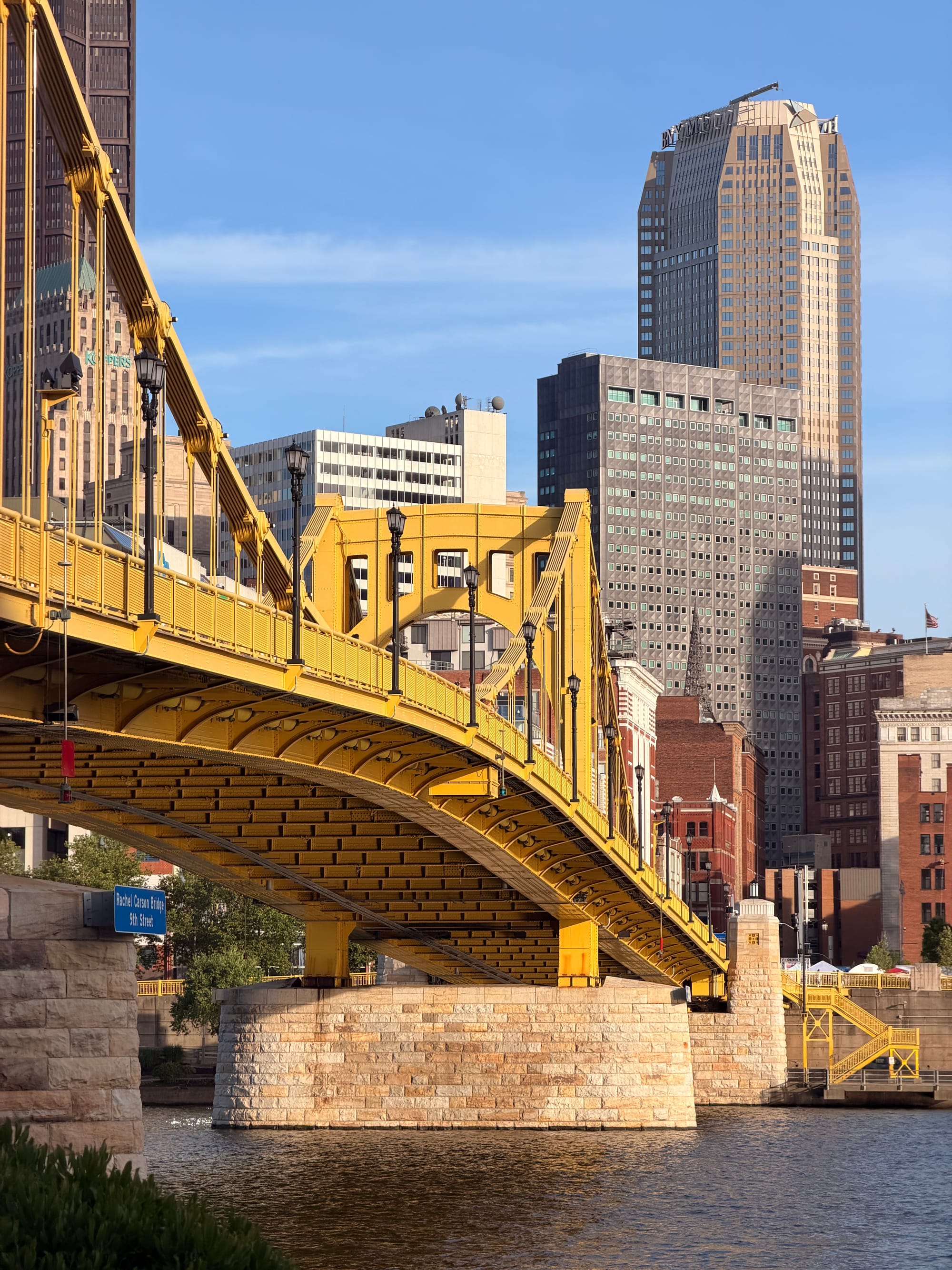
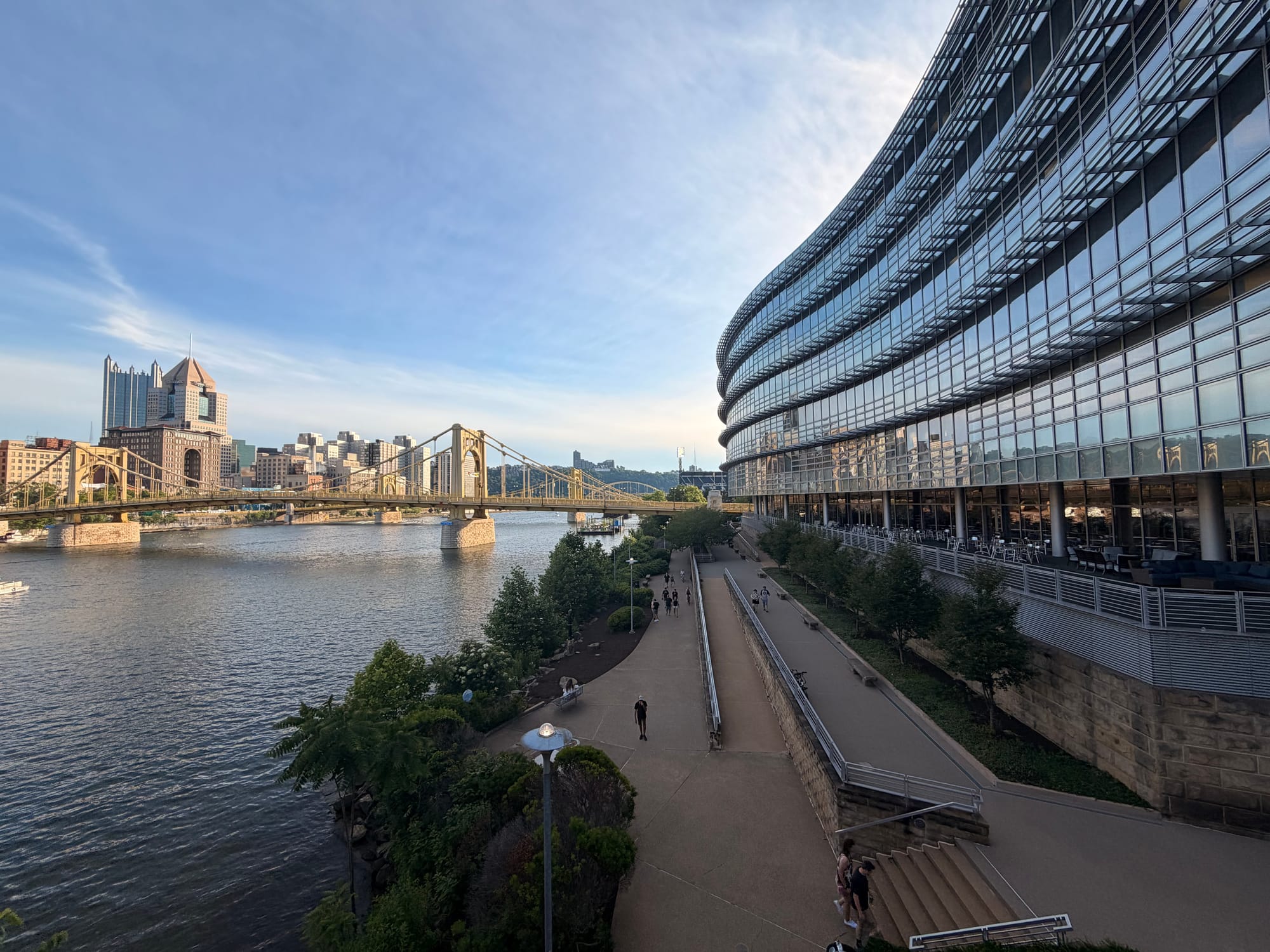
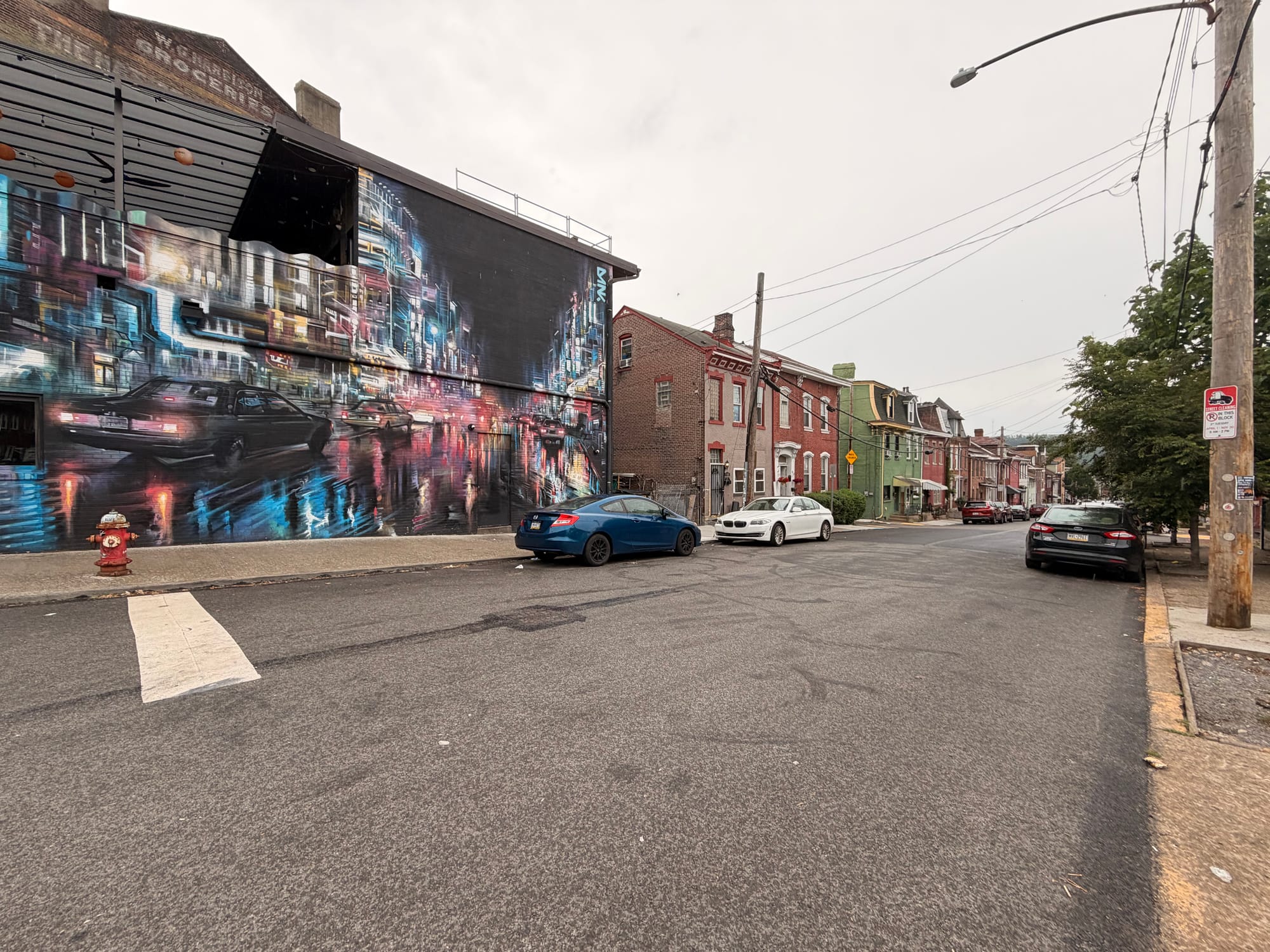
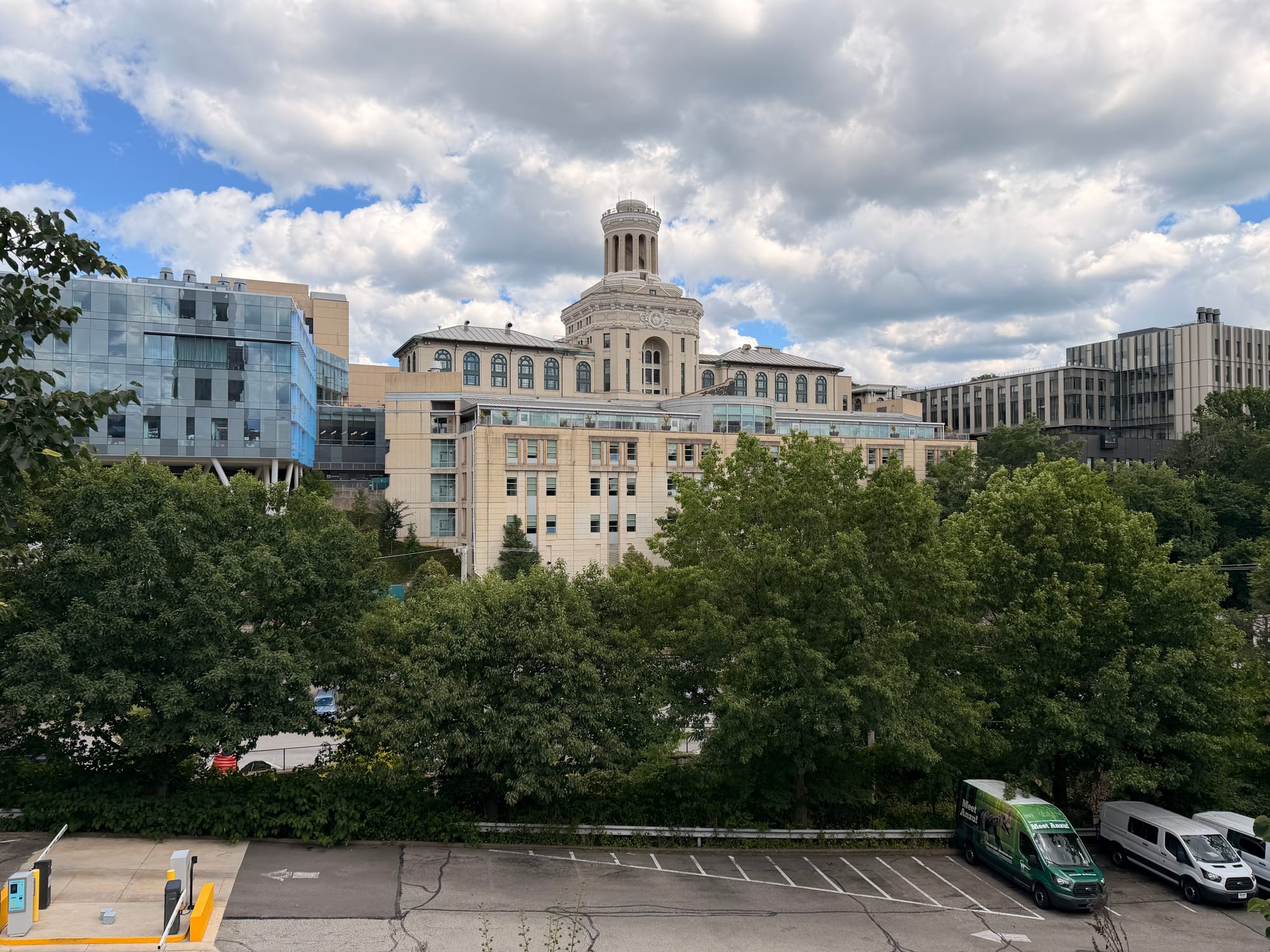
Pittsburgh is not a flat-grid city. It folds, drops, climbs, bends, and reappears around water and hillsides. That topography gives the whole place a cinematic quality. You are constantly turning a corner and seeing another layer of city above or below you.
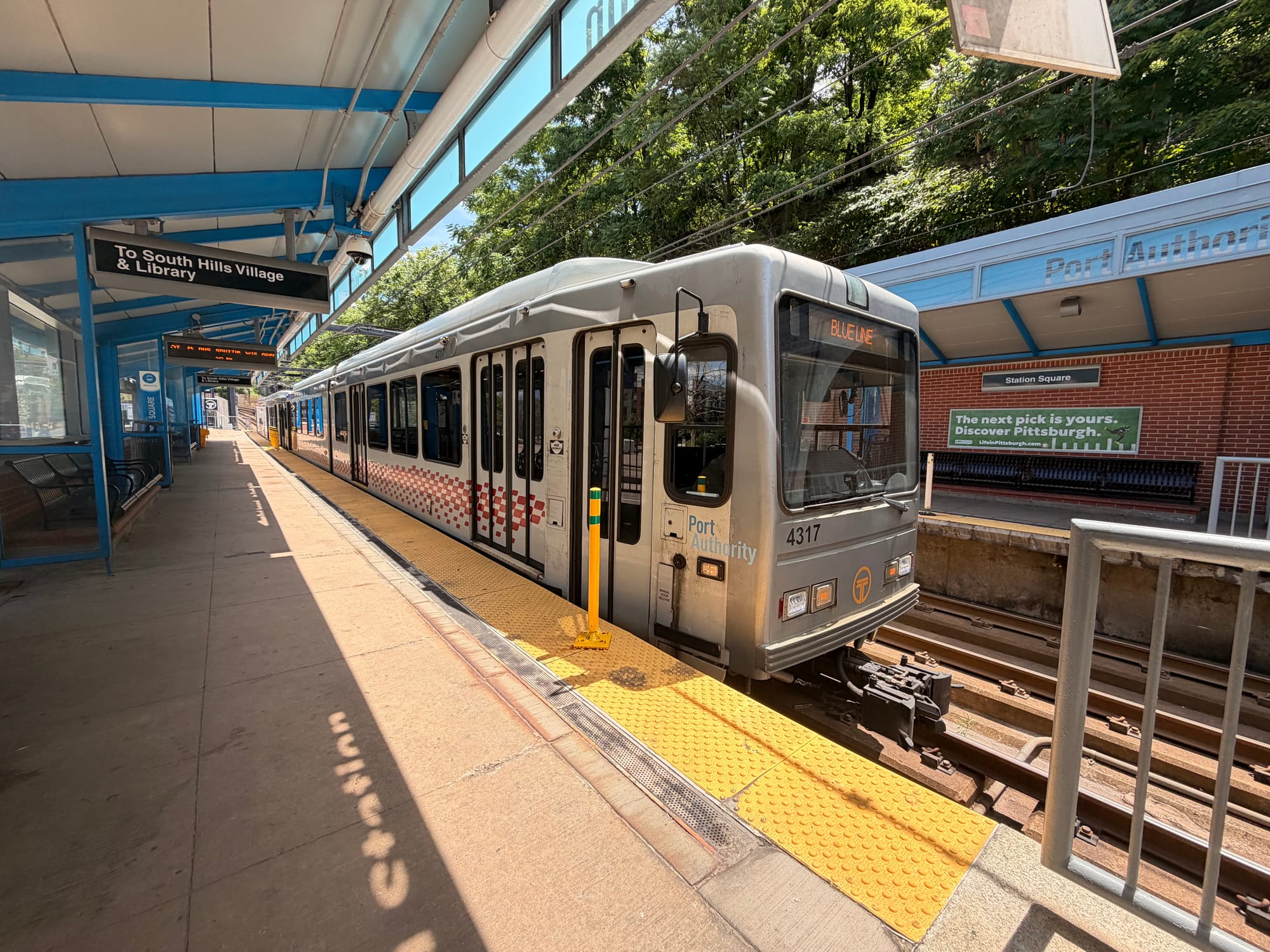
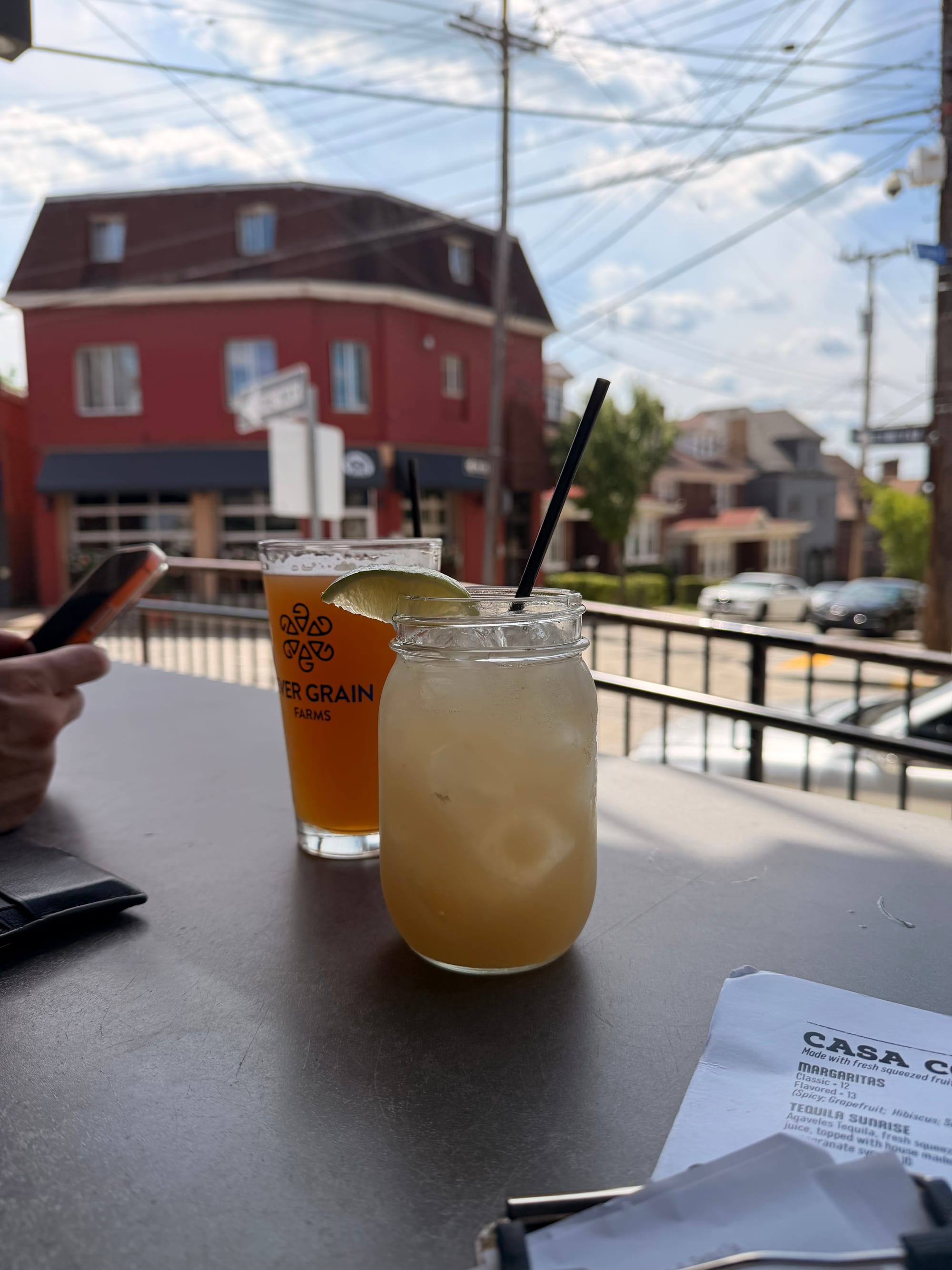
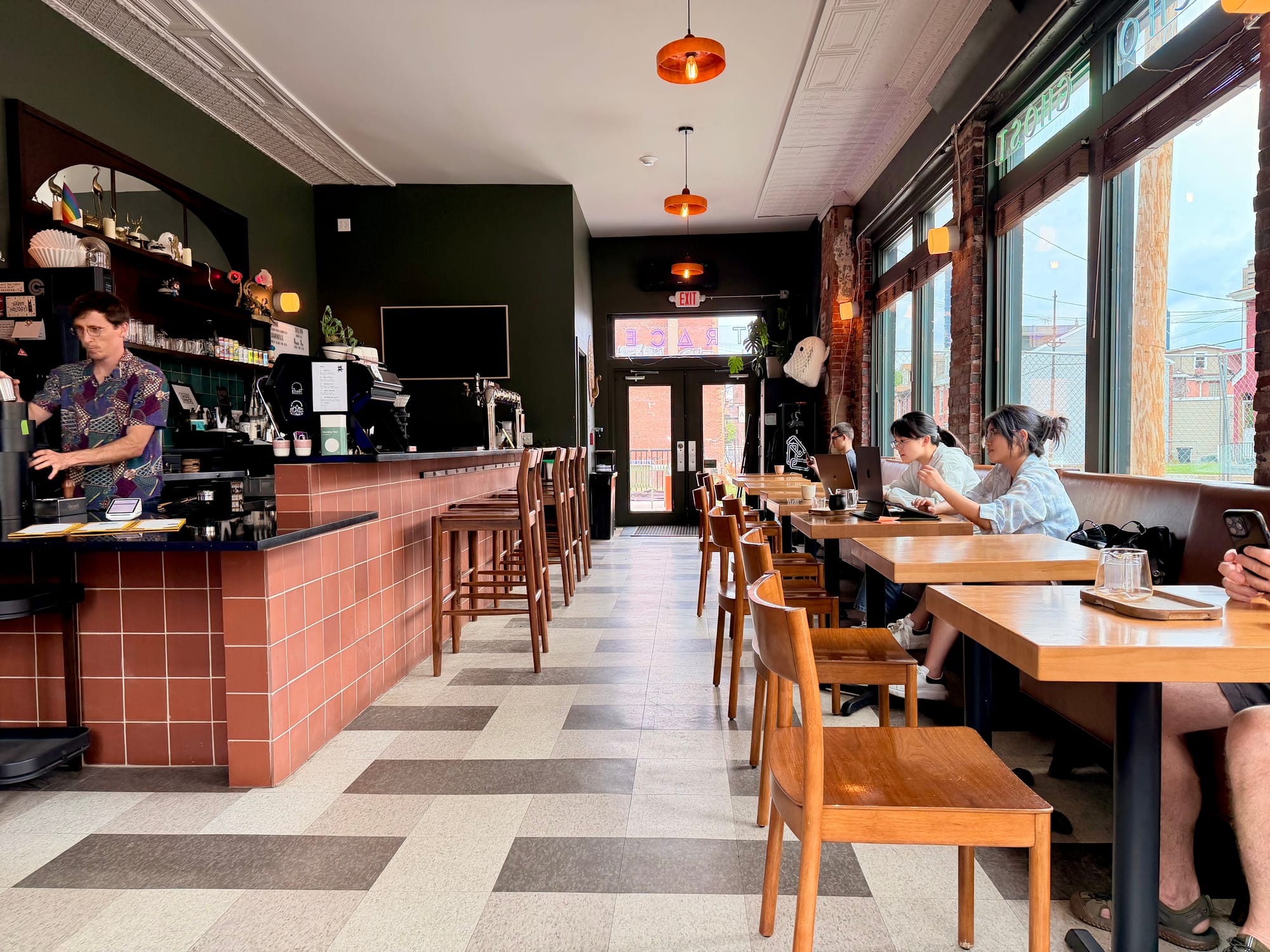
We stayed in Bloomfield, which ended up being a just okay home base because the transit ended up being a real struggle. I wanted to ride buses and trains around the city more than we did, but in practice the headways were awful and connections were sometimes awkward for where we were trying to go. We ended up taking a lot of Lyfts, more than I would have preferred, but that also gave us a weirdly broad cross-section of the city. I loved seeing the residential hillsides, old commercial corridors, sudden views, tight streets, and neighborhoods that changed quickly from one ride to the next. I didn't see too many places that were sketchy. Not by my standards of growing up in places like Saginaw and Detroit, anyway.
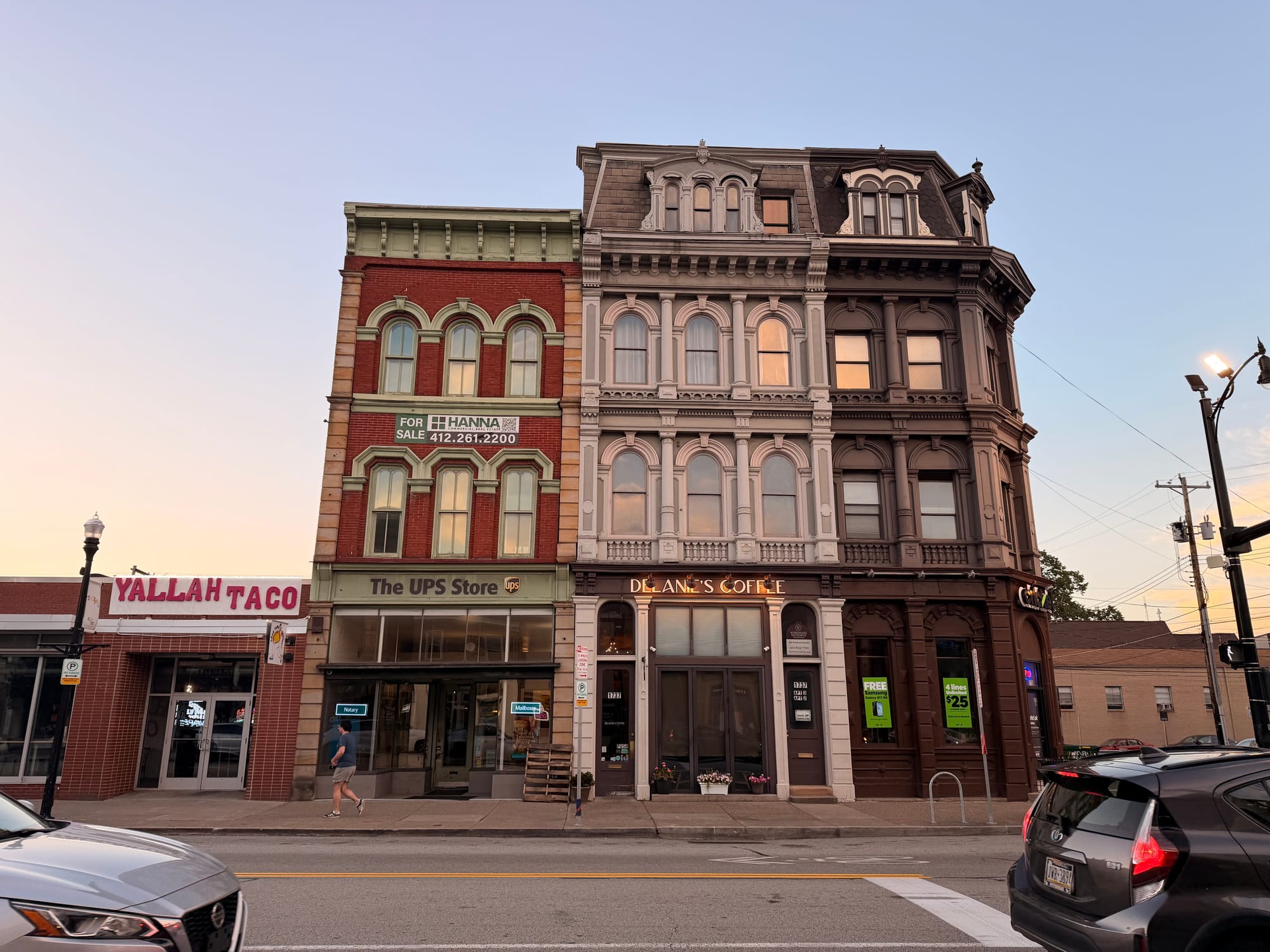
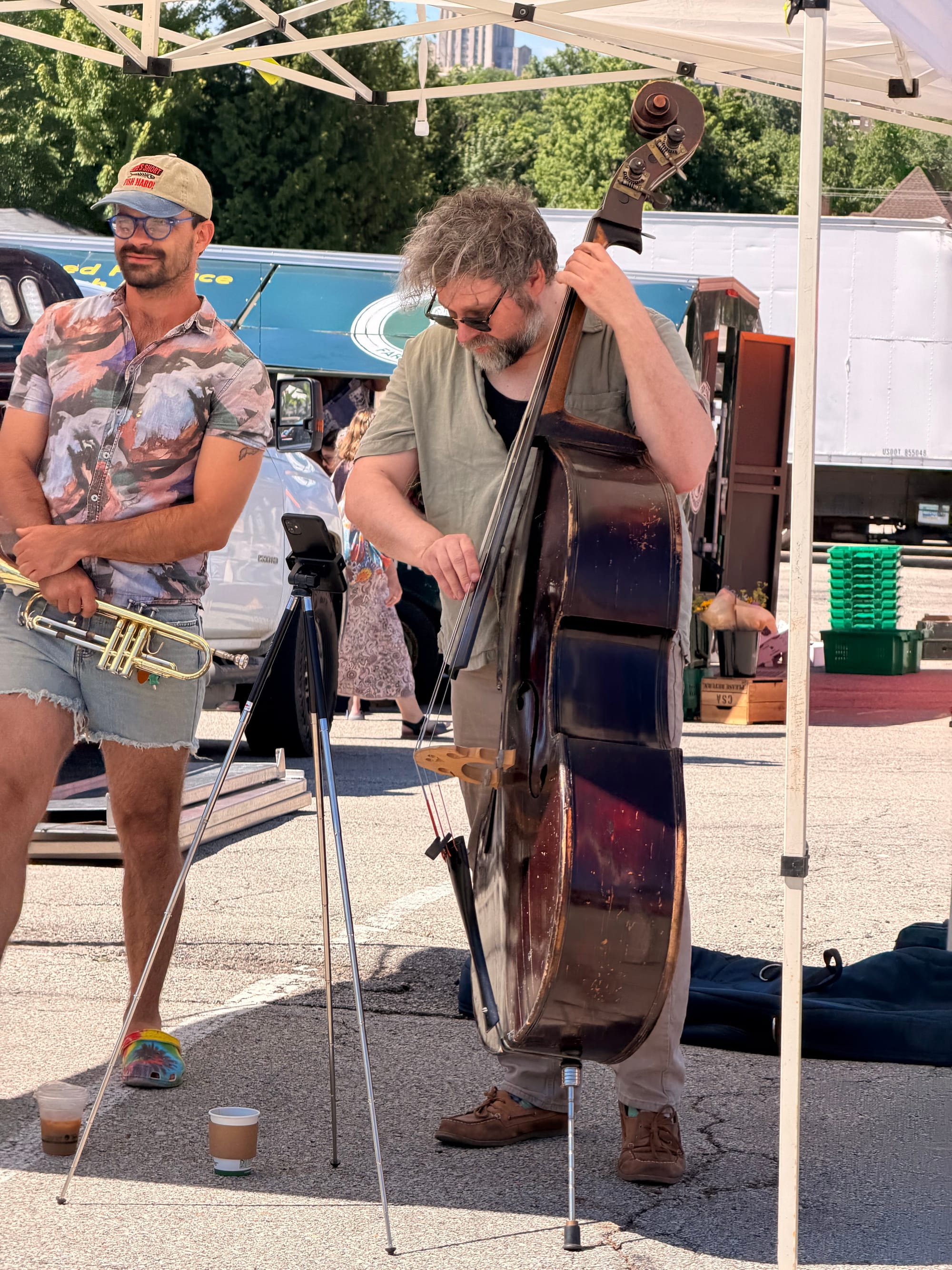
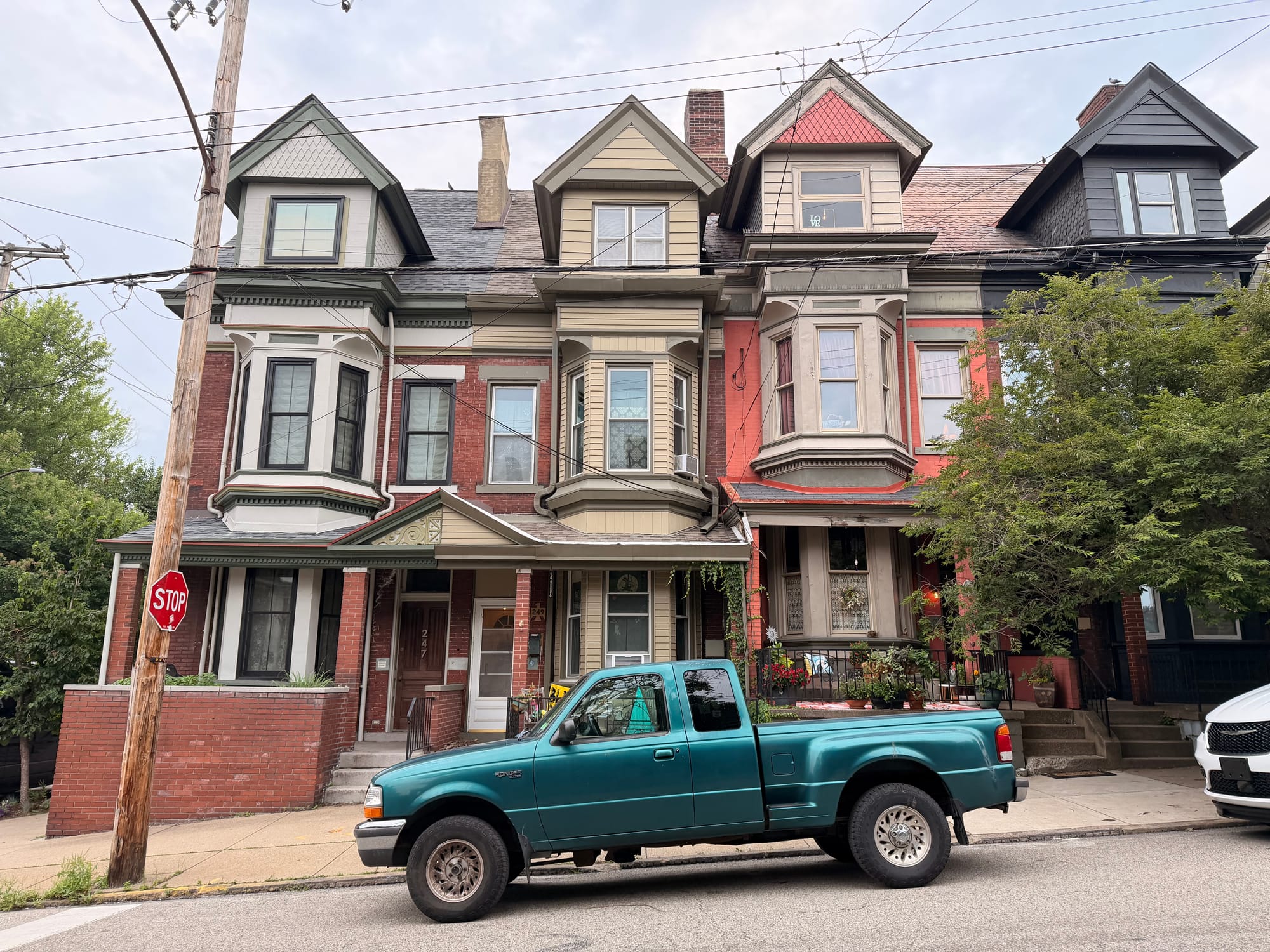
Bloomfield itself was easy to like. On Saturday morning we walked through the Bloomfield Saturday Market, where there were musicians playing, people moving between stalls, etc. I like see that kind of casual neighborhood life with everyday people enjoying the weekend. It was not polished in a sterile way. It felt lived in. Pittsburgh, at least from this short visit, seems to have a lot of that. Places that have been used, reused, patched, faded, loved, and kept going. I couldn't help but think about how the owners of row houses negotiate expenses of shared walls and roofs, especially if anything went wrong. No HOAs here.
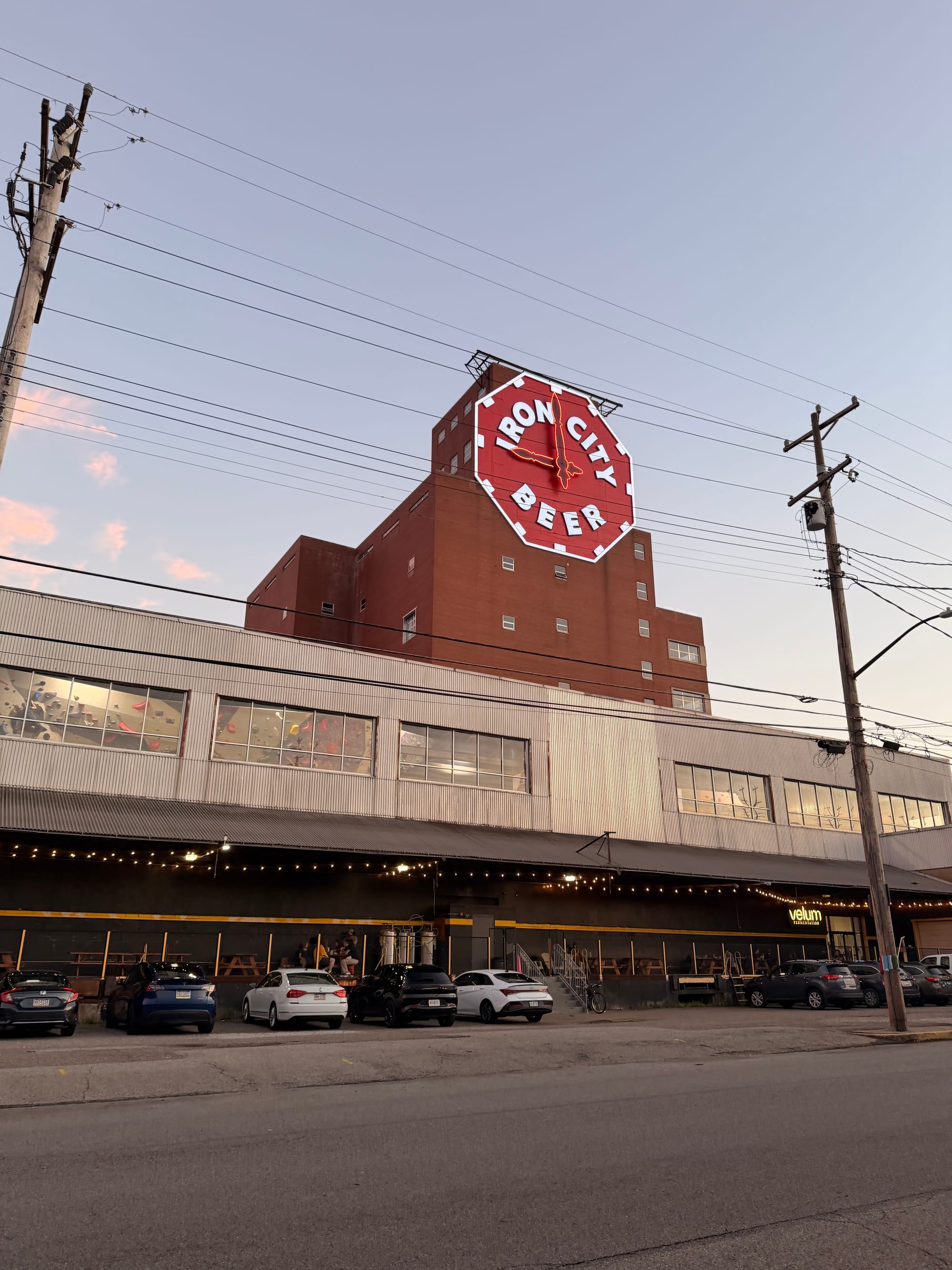
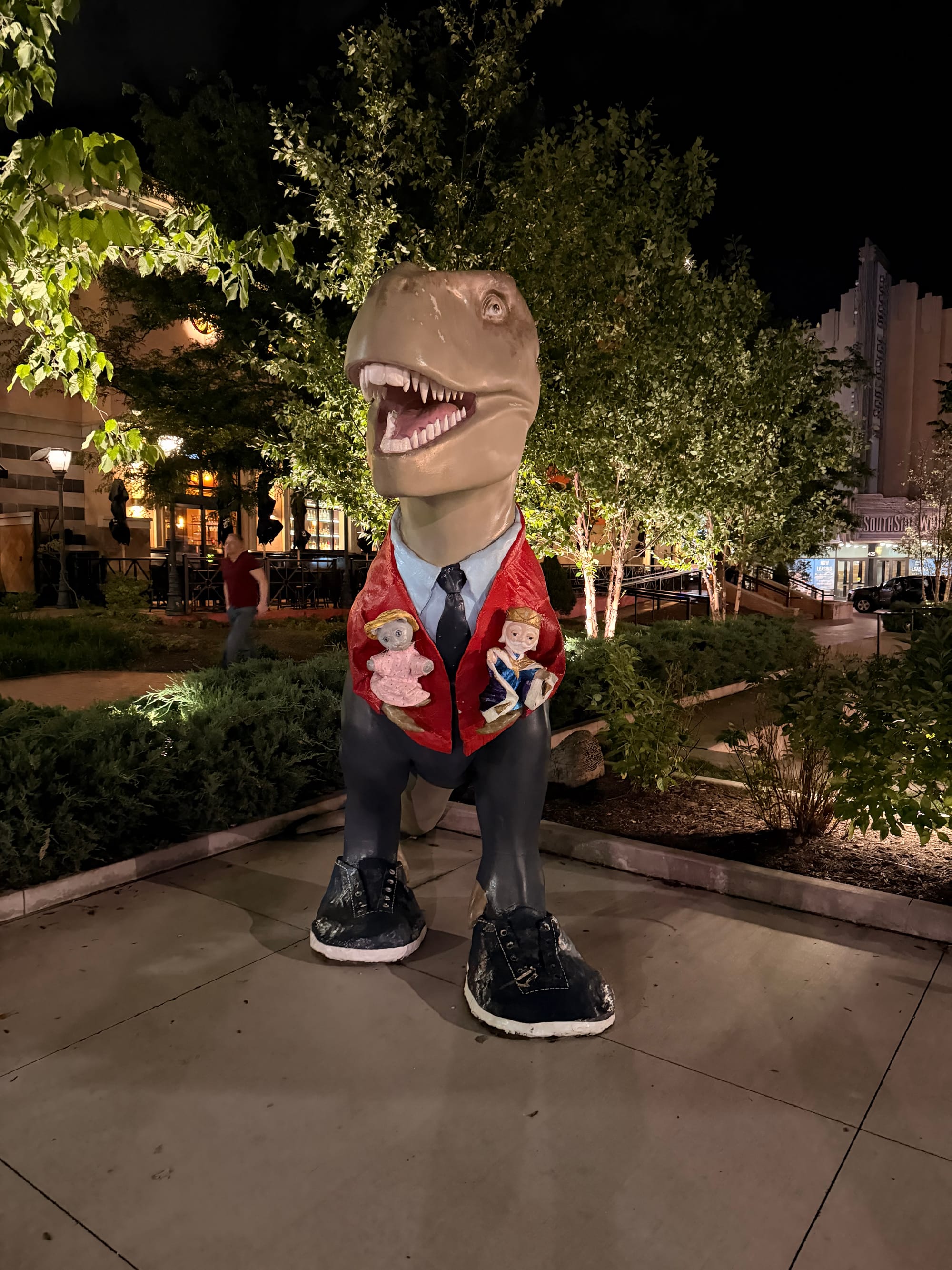
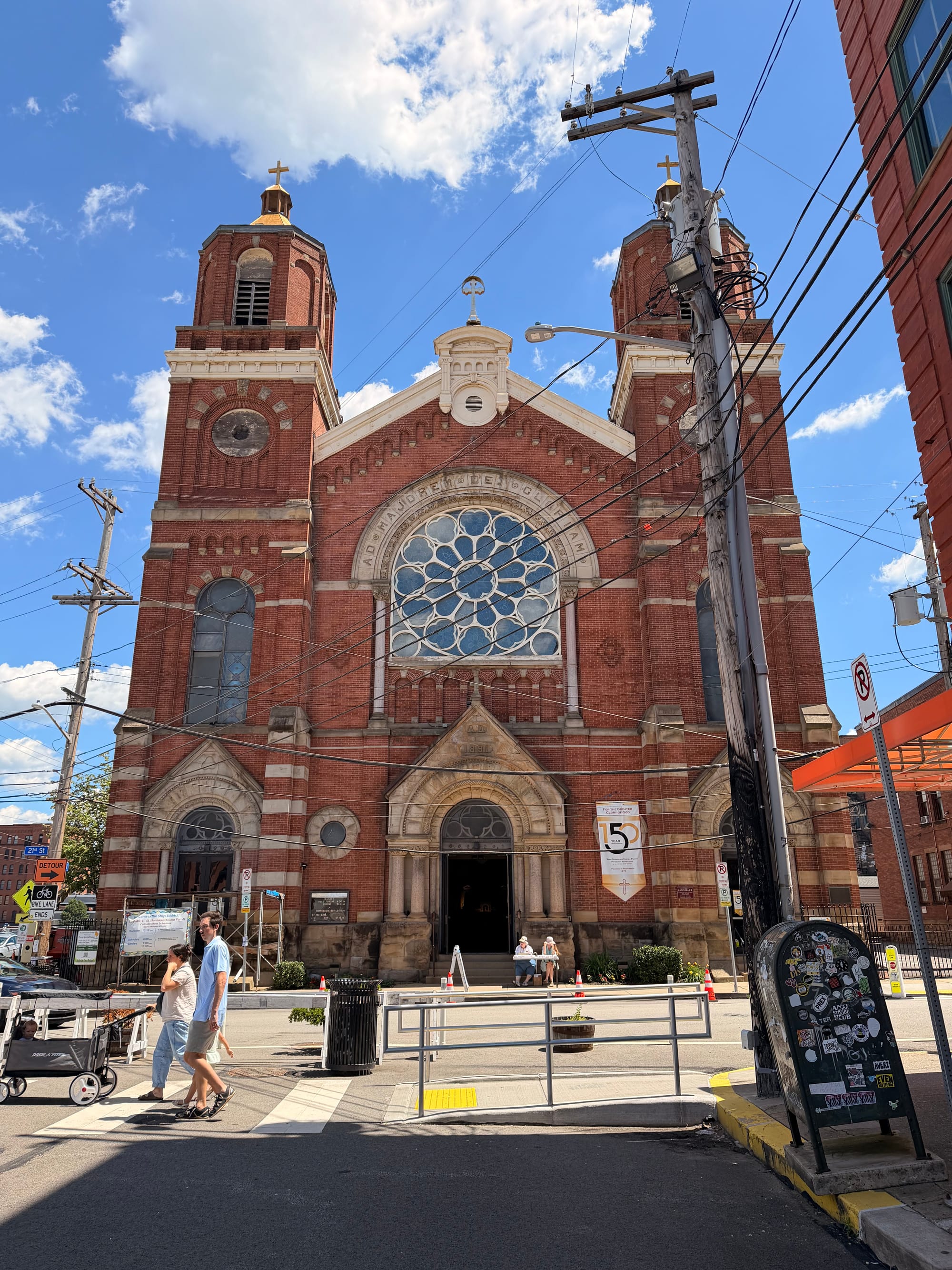
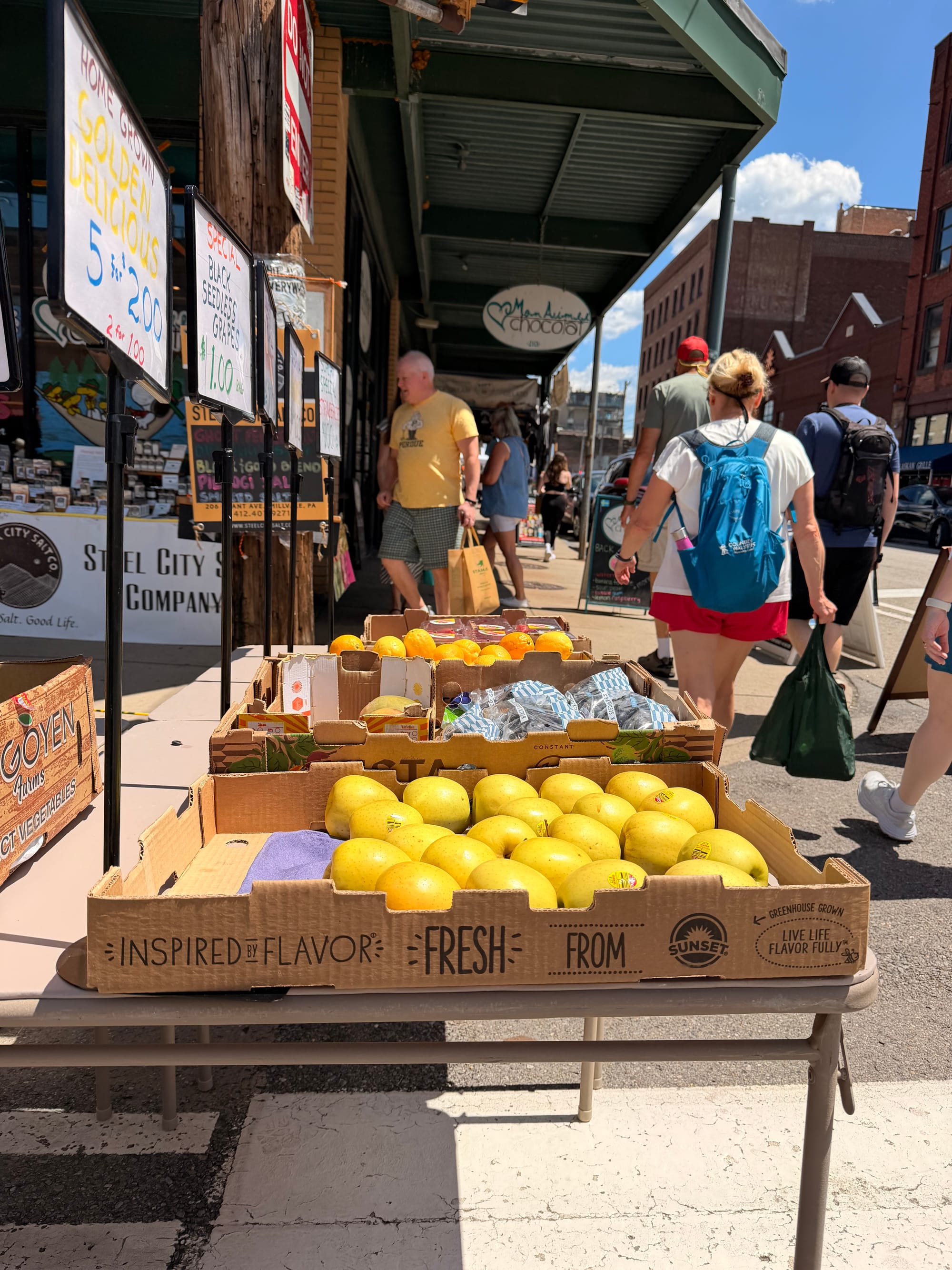
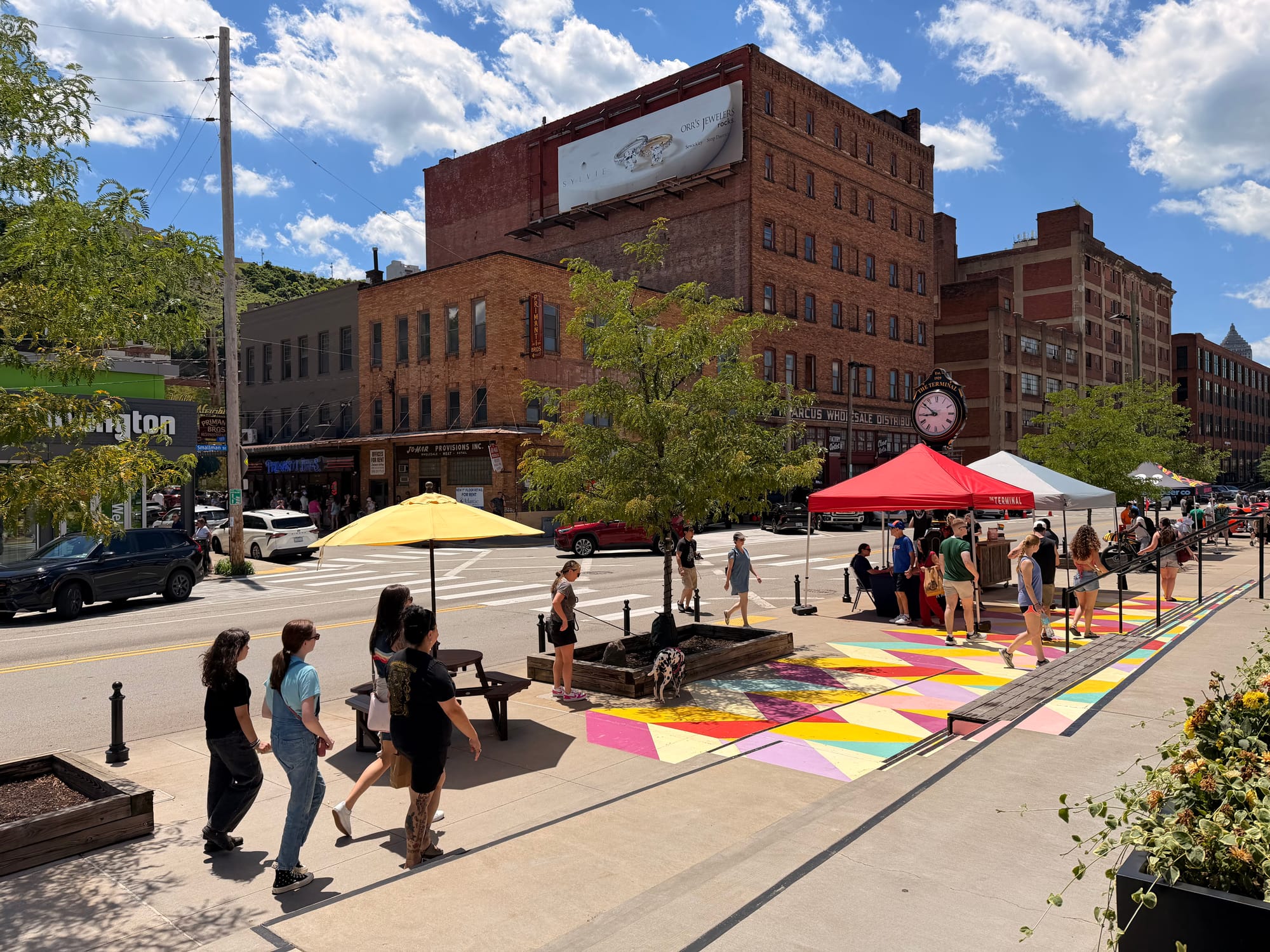
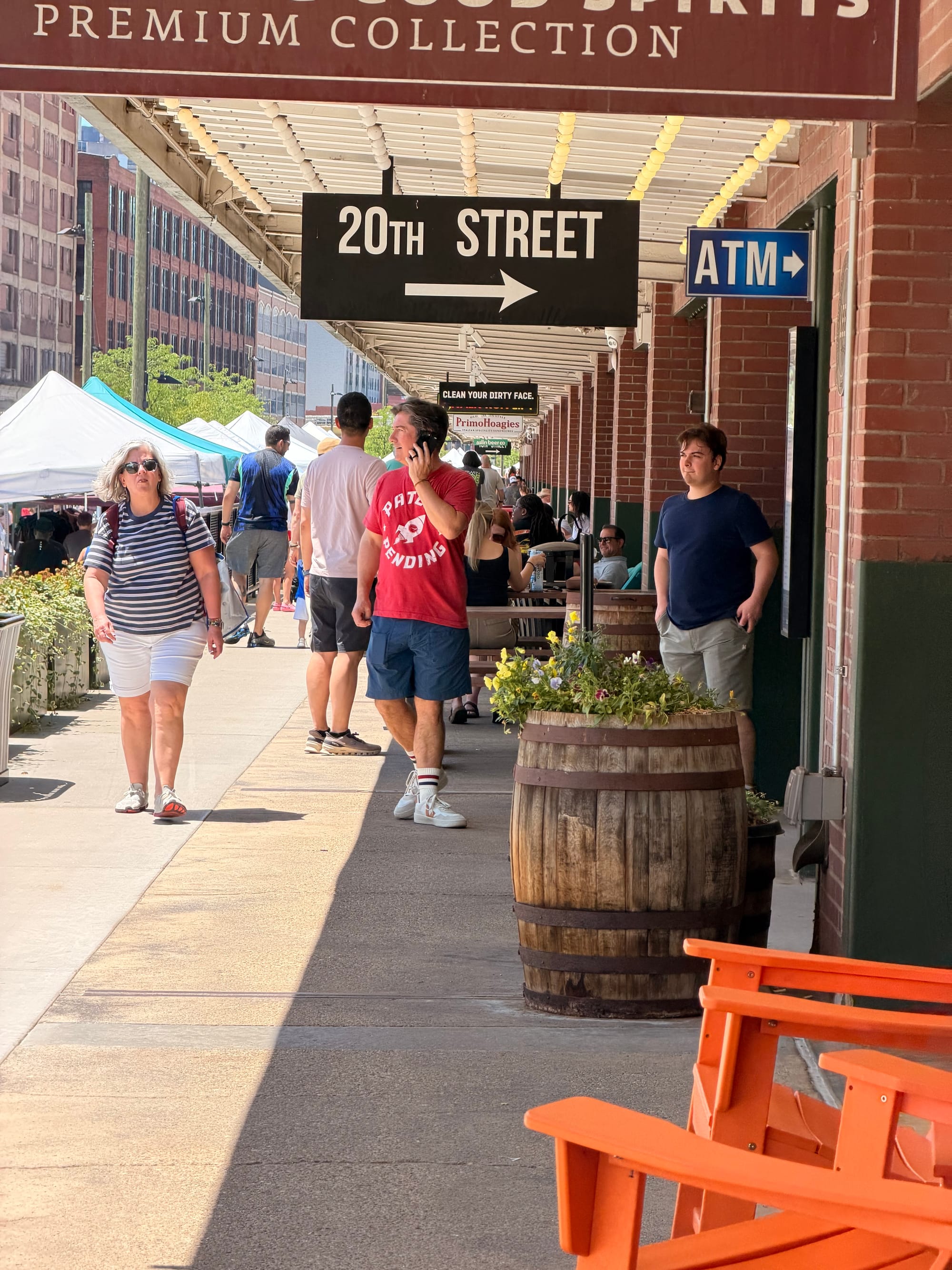
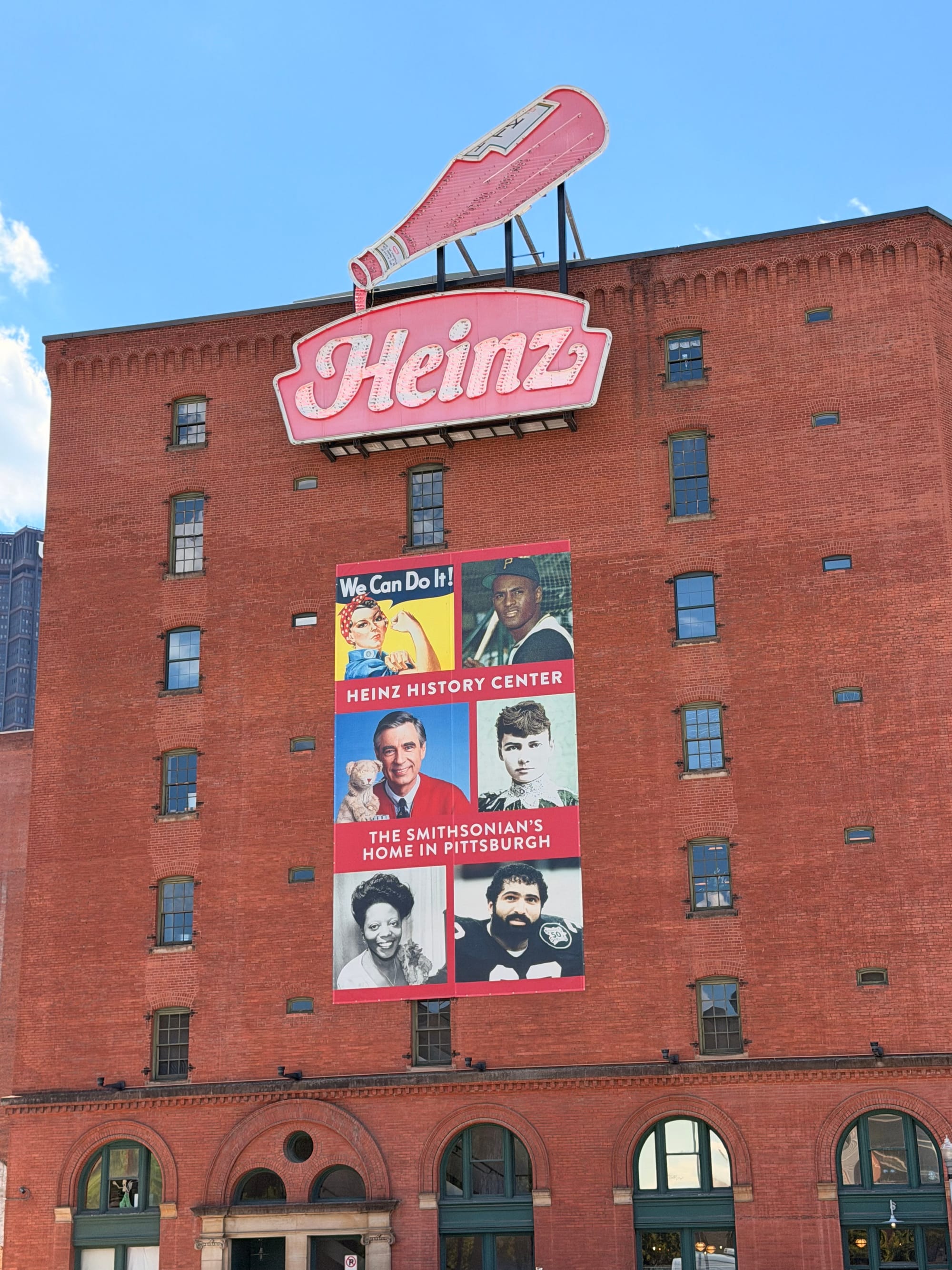
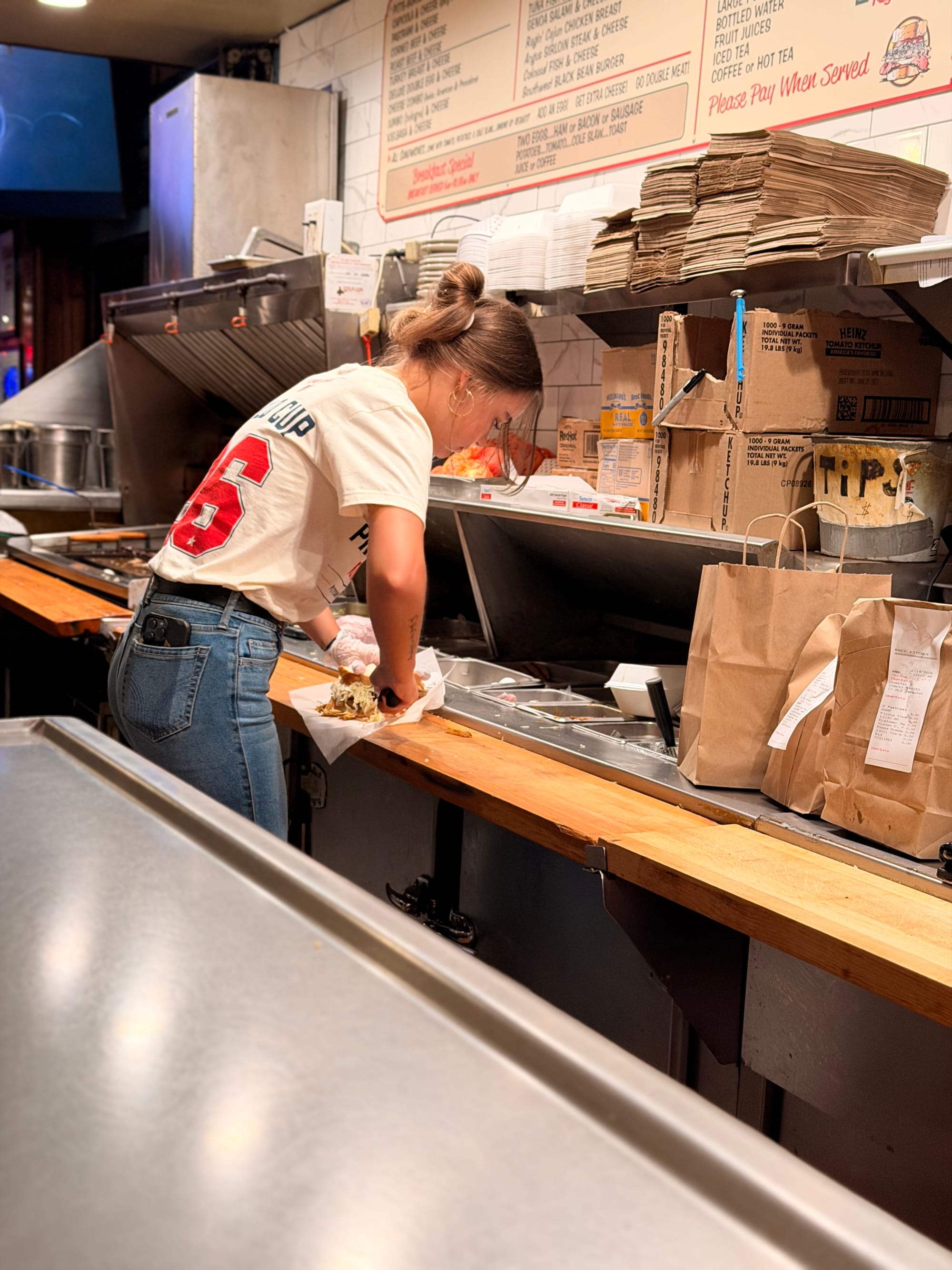
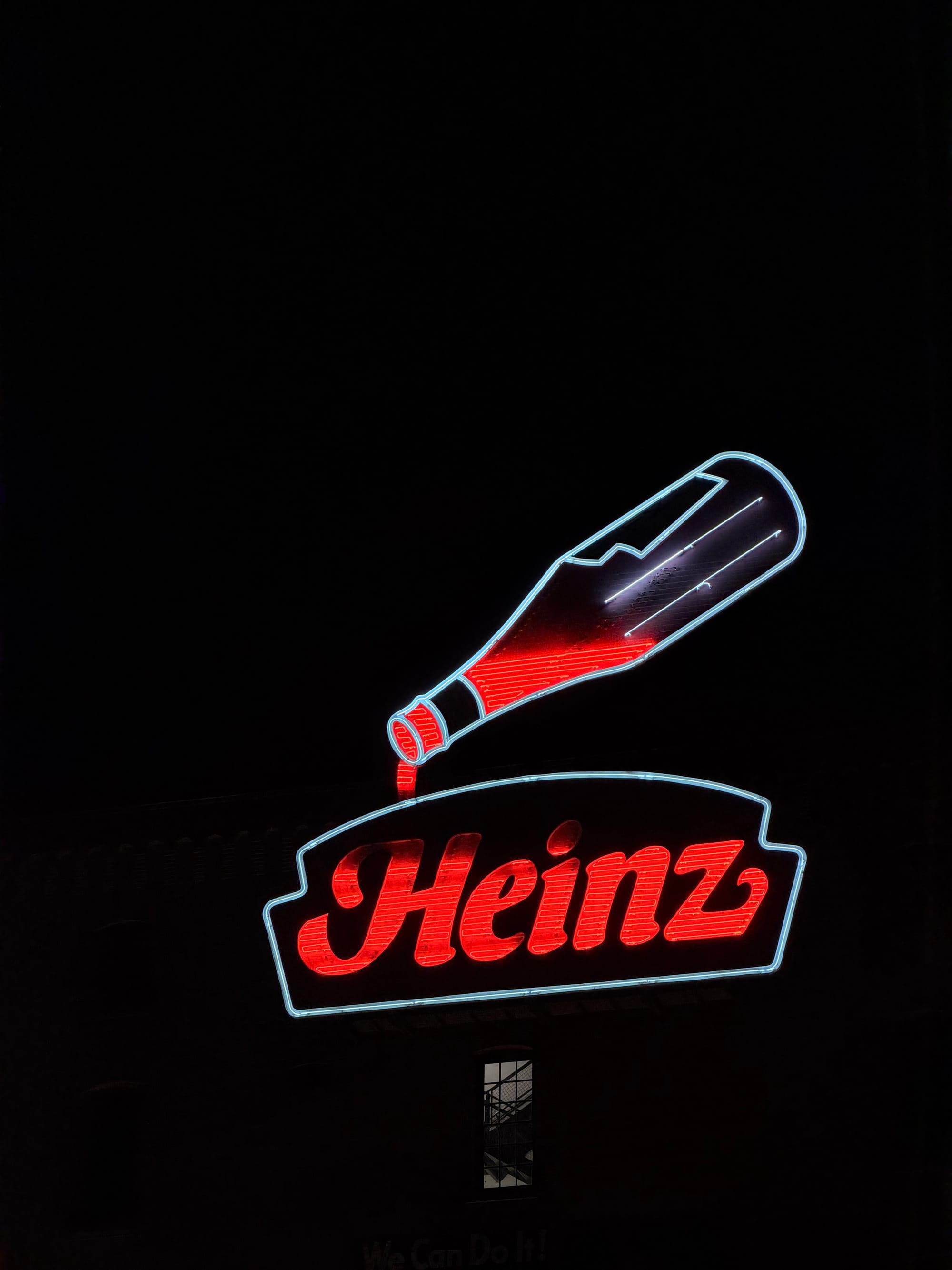
The Strip District was one of the highlights. Old warehouses, market storefronts, produce stands, sidewalks full of people, rail remnants, and businesses packed into buildings that still carry their industrial past. It felt touristy in places, sure, but not in a way that erased the older city underneath. The Heinz History Center, the rail lines, the brick facades, the crowds, and the food shops all layered together into something that felt distinctly Pittsburgh. We hit the famous spots, caught some World Cup games, took lots of photos.
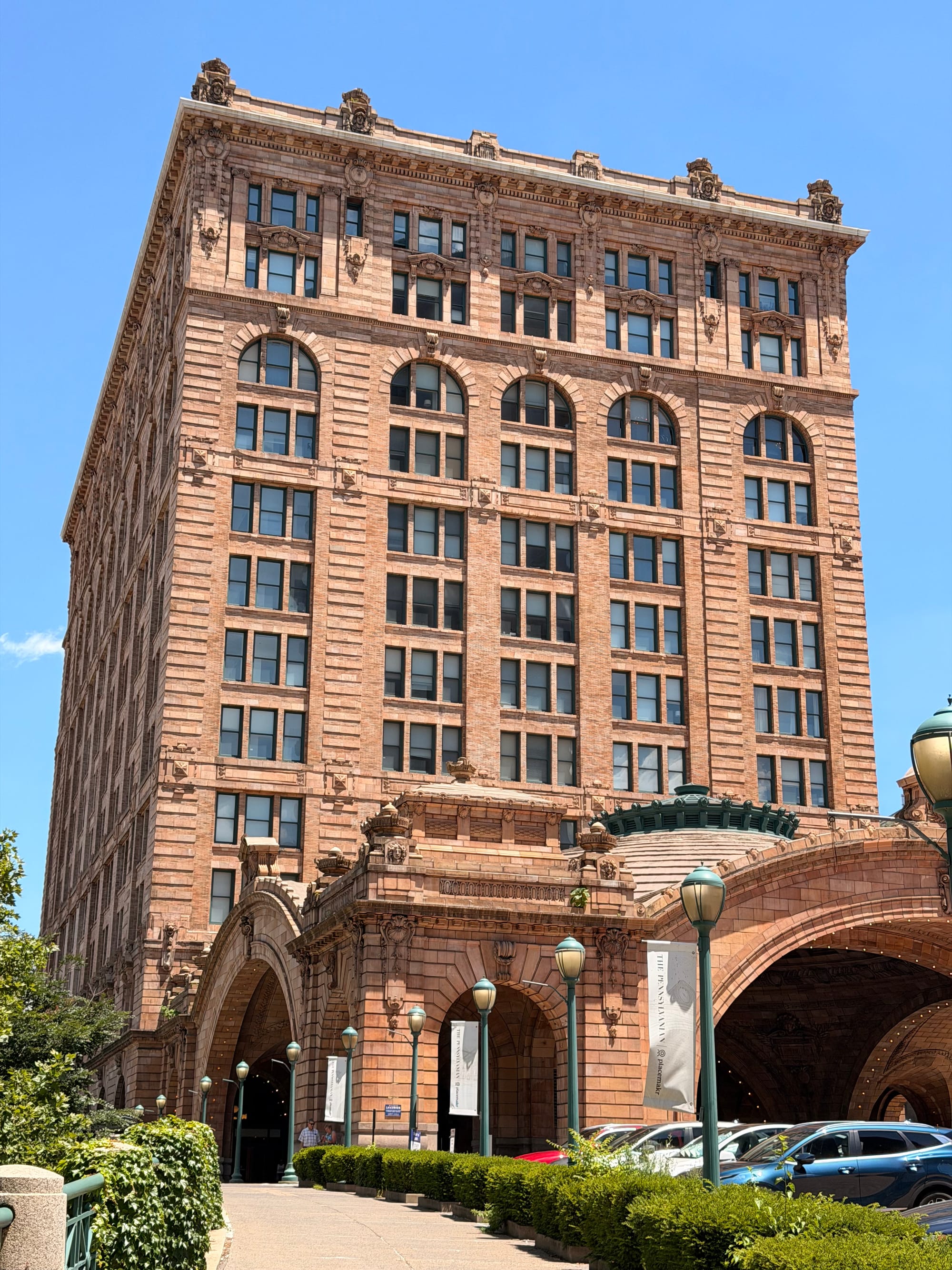
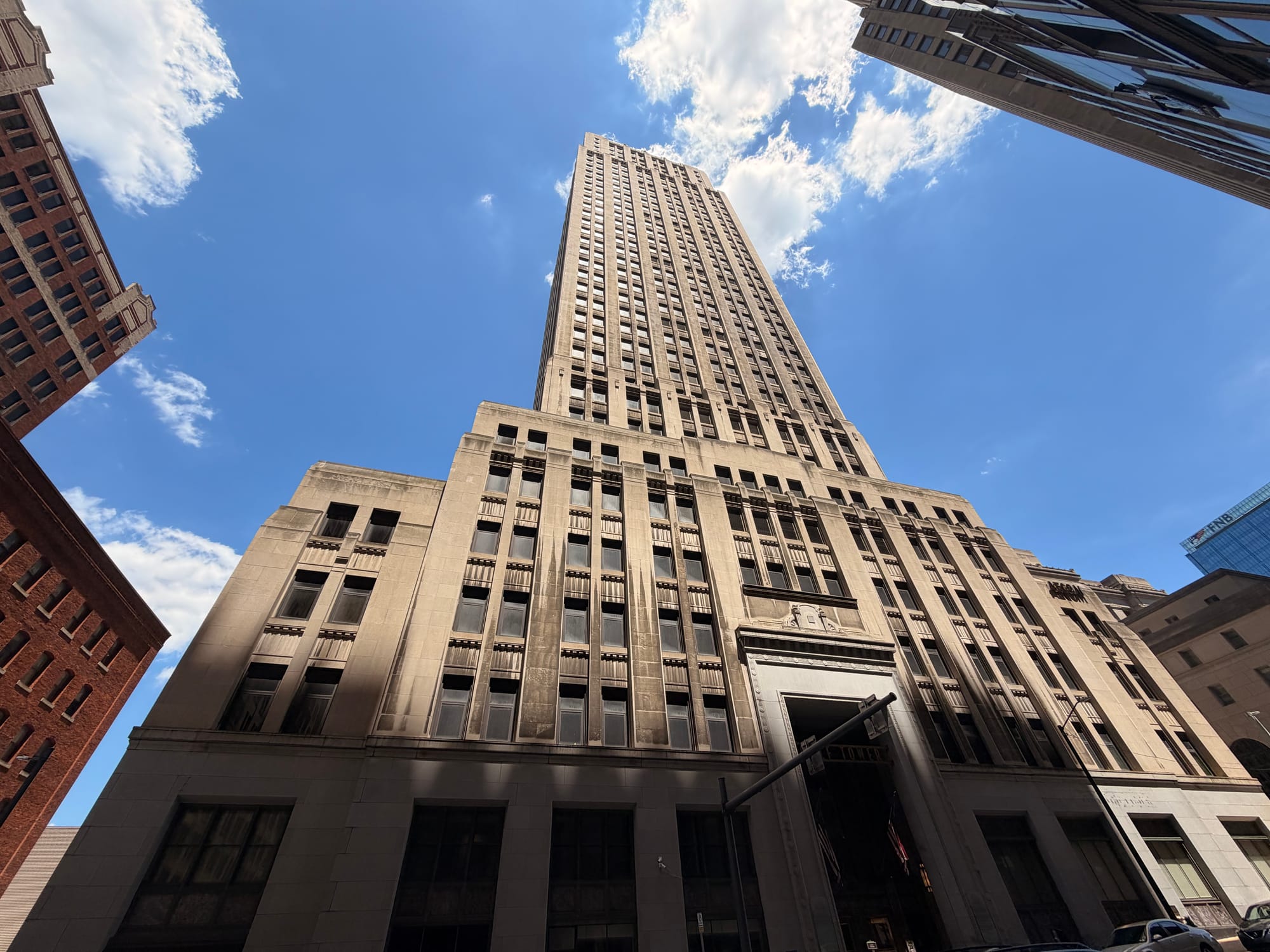
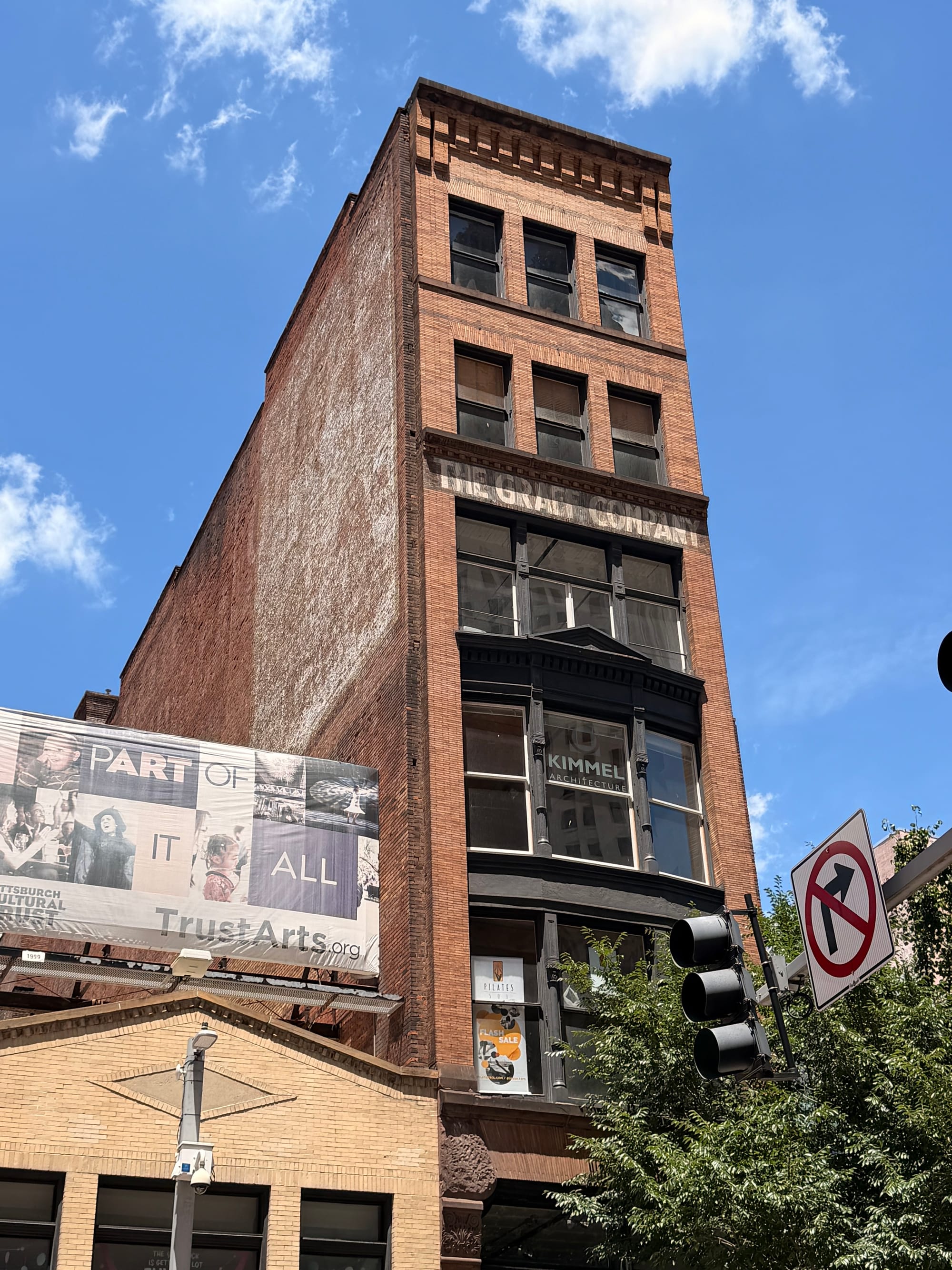
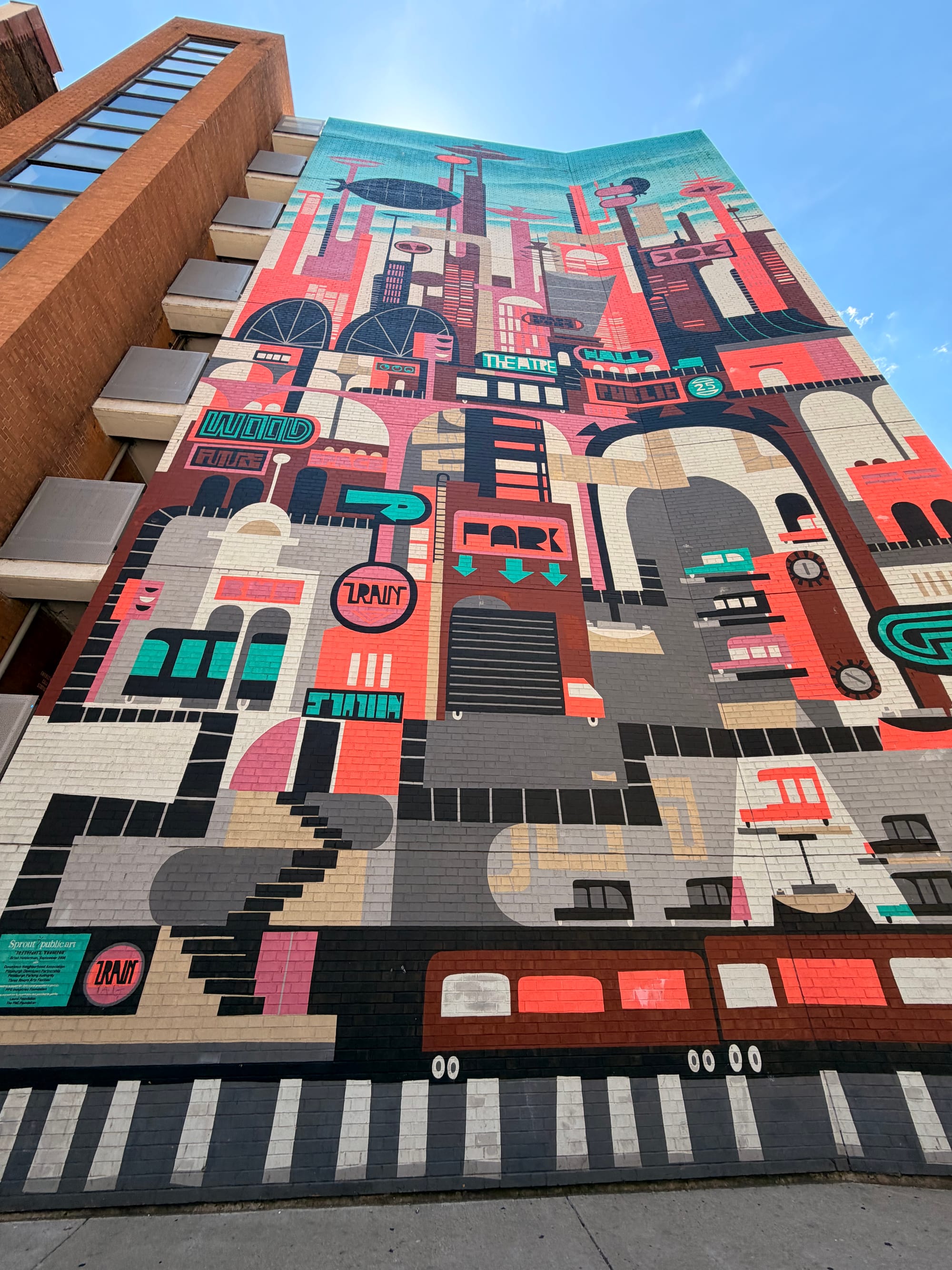
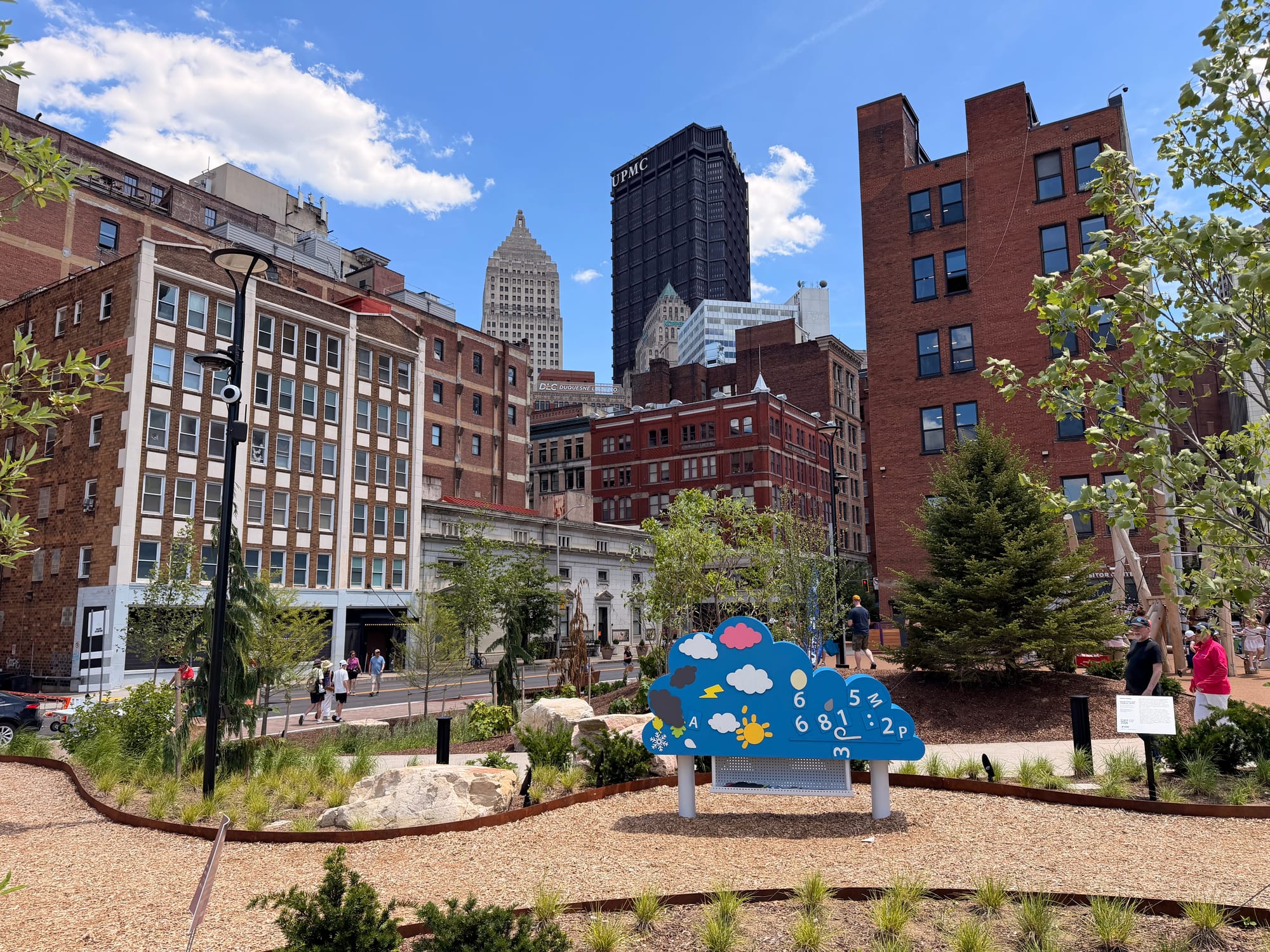
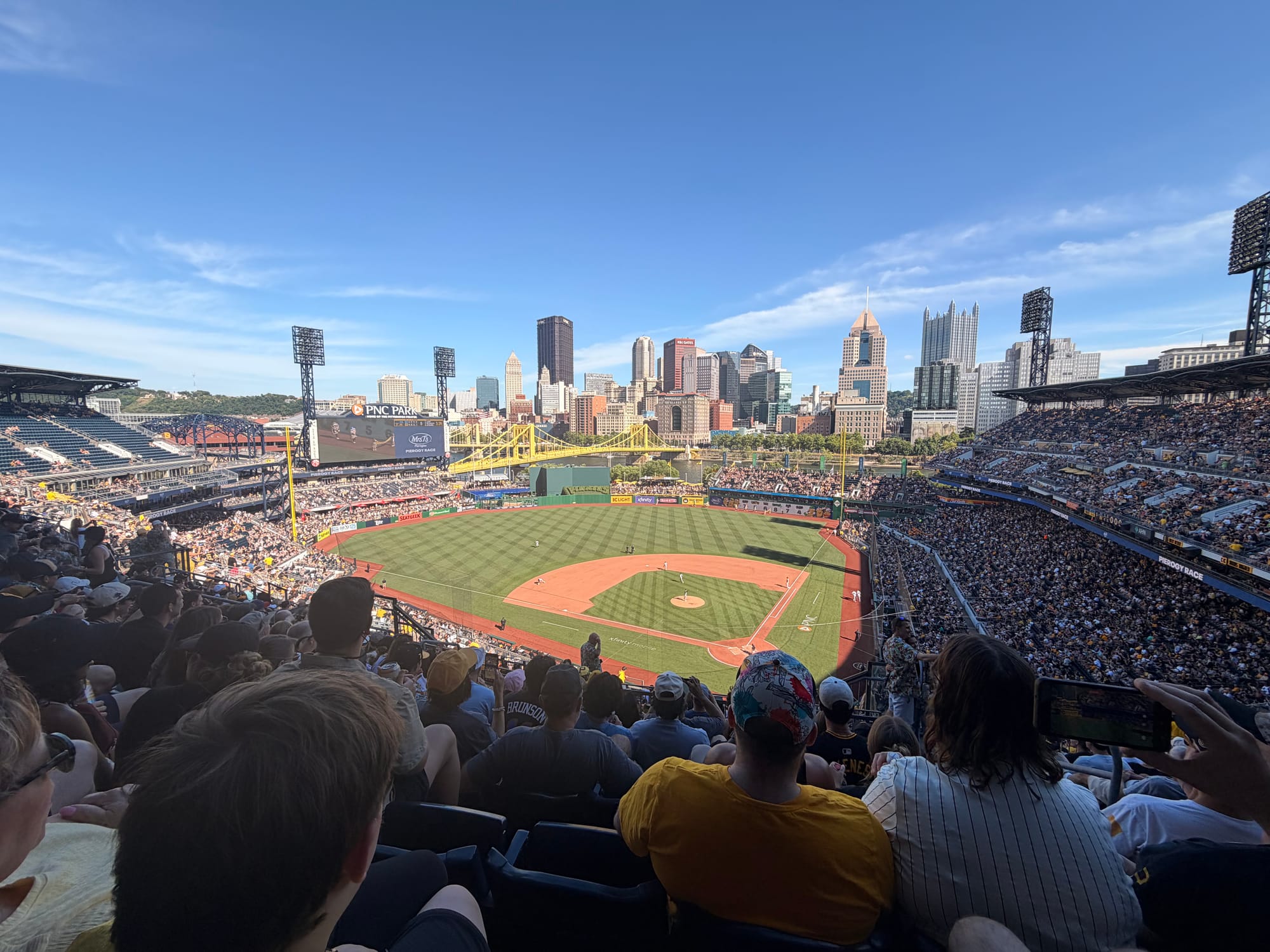
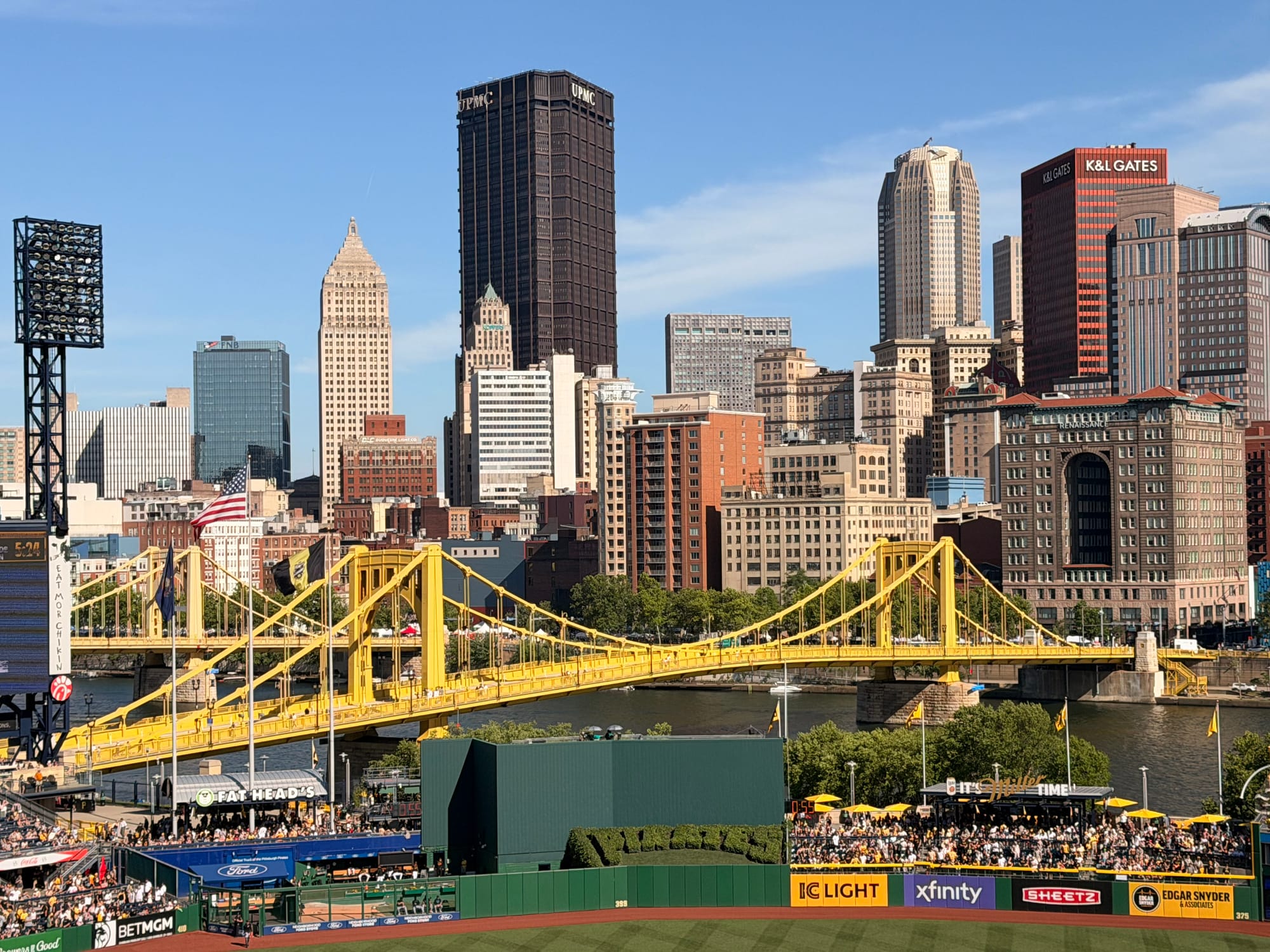
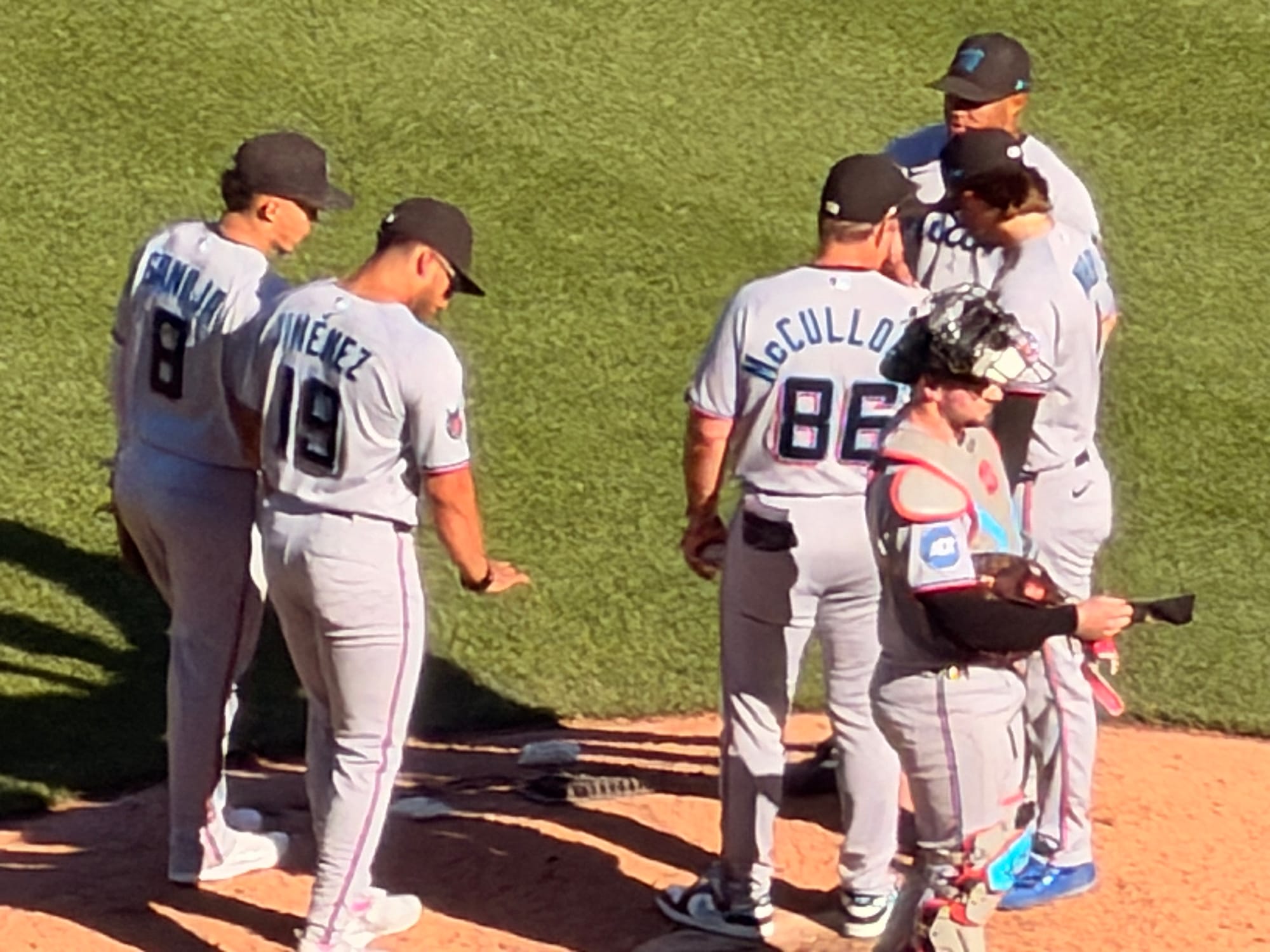
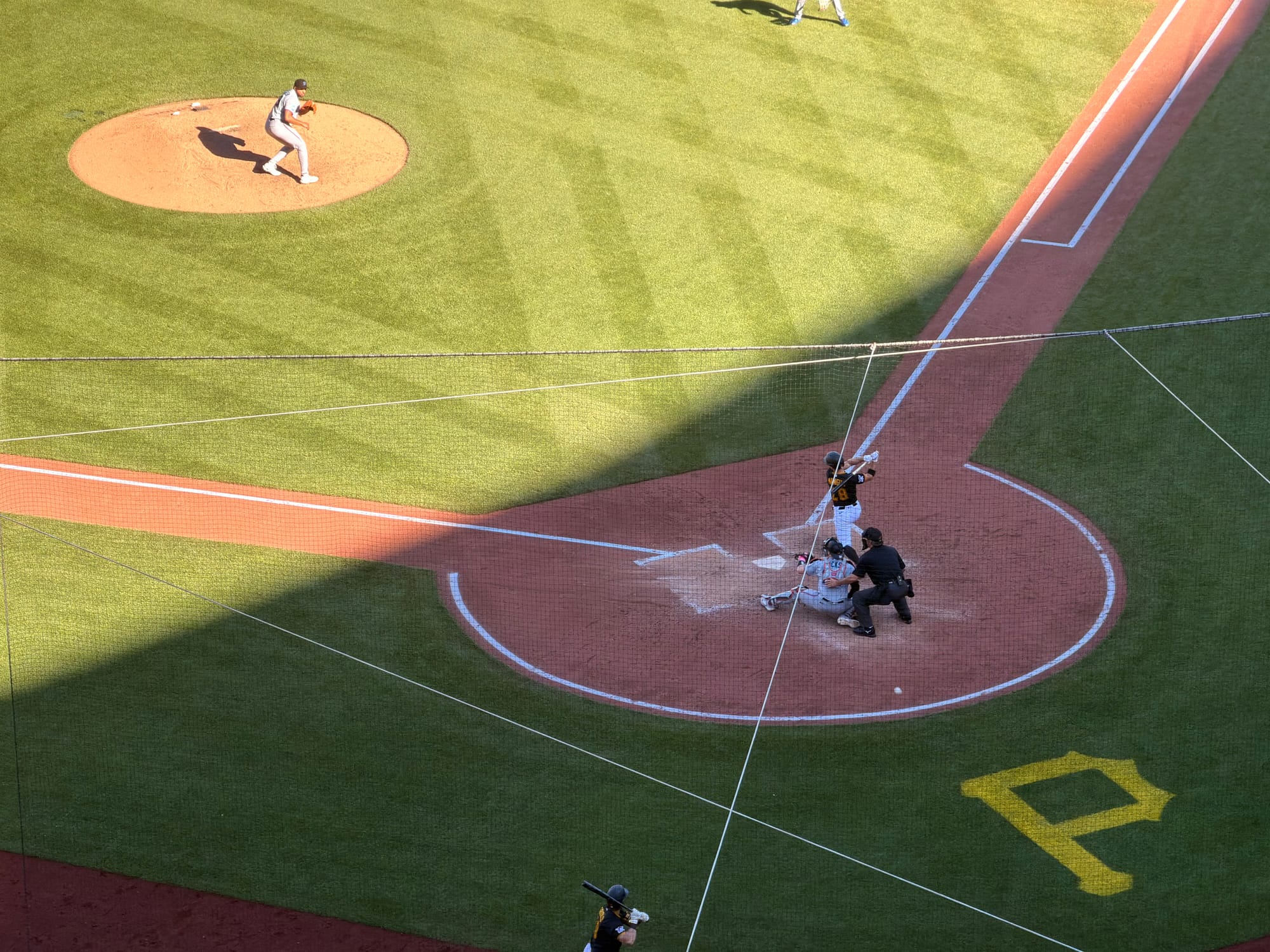
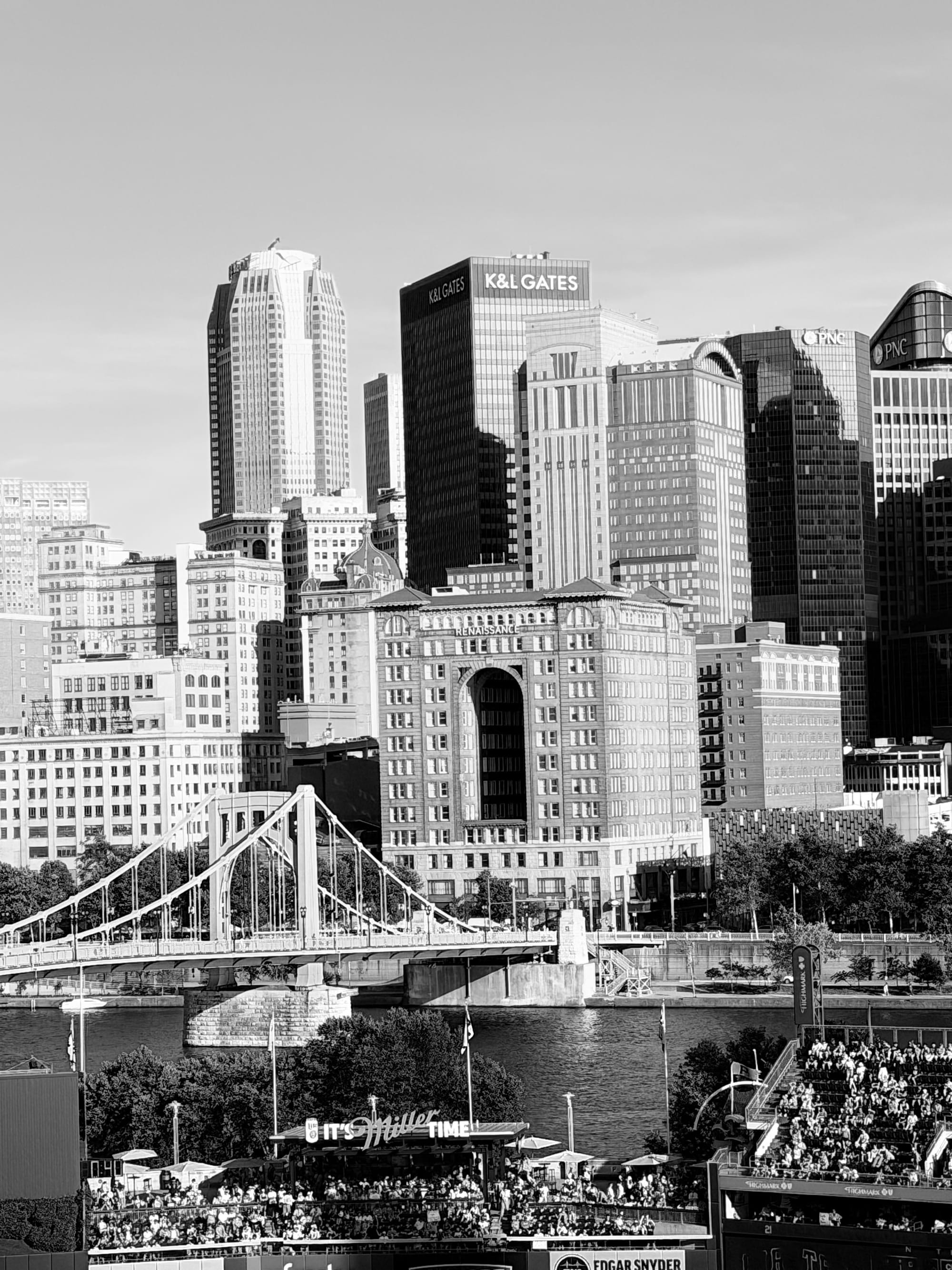
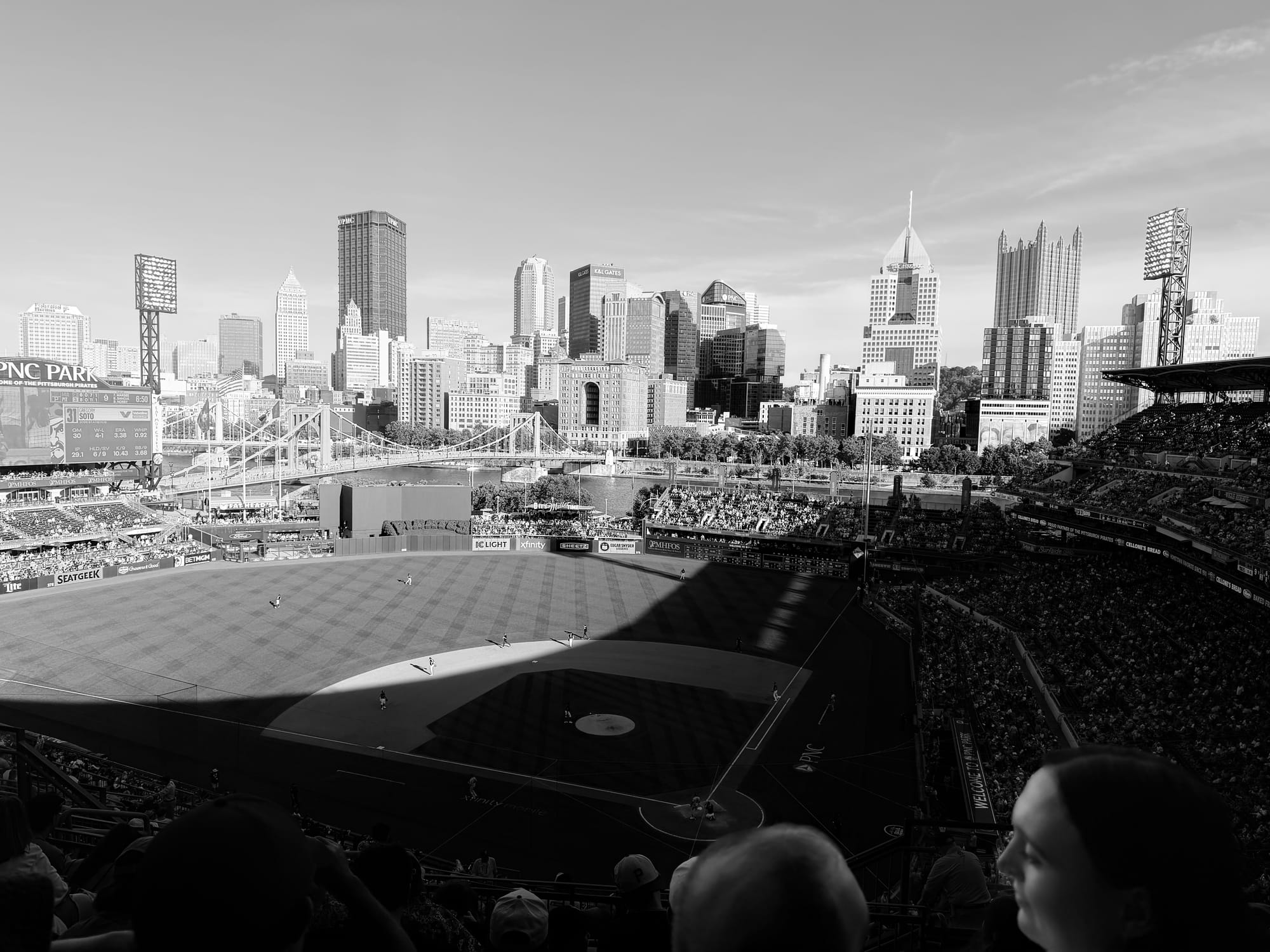
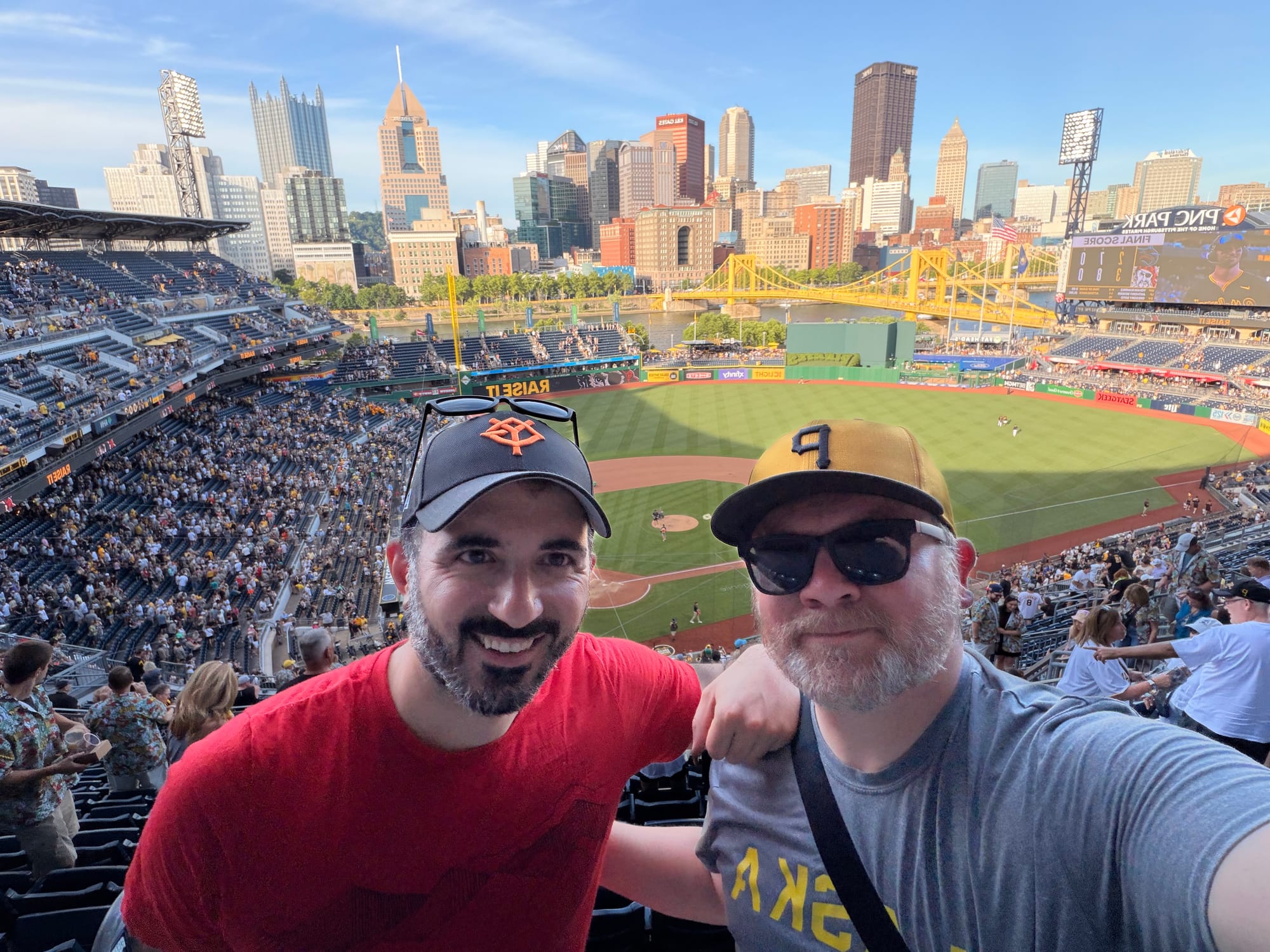
We also spent time around downtown, which has a surprisingly grand architectural presence. Some cities flatten out when you get into their business district, but Pittsburgh’s downtown still feels shaped by its geography. The buildings stack against the hills and streets open into views. Older towers and newer office buildings sit close together, and then suddenly you are near a station entrance, a plaza, or a bridge approach. The city feels compressed, but not small, especially from the baseball stadium (we took in two Pirates games).
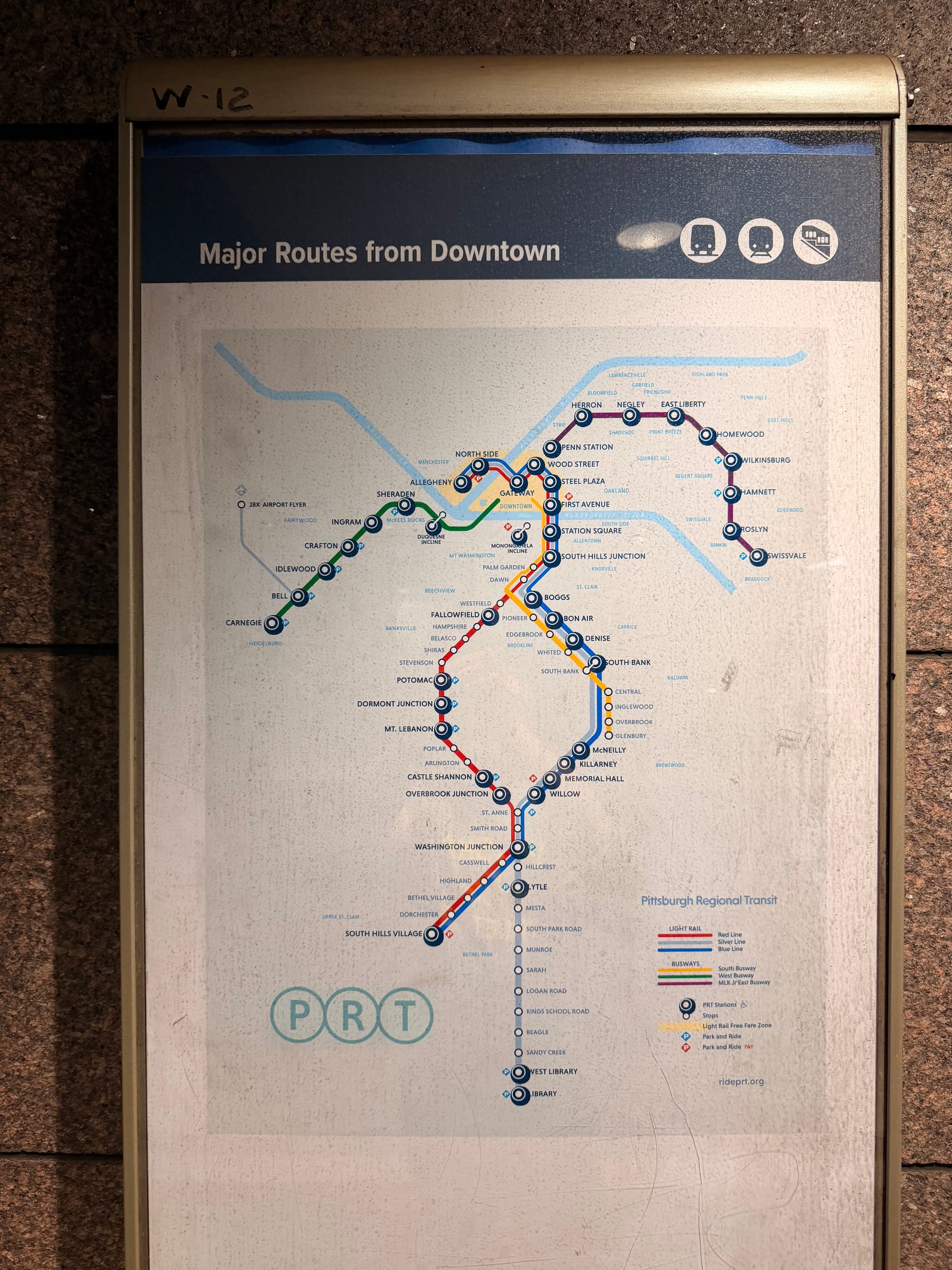
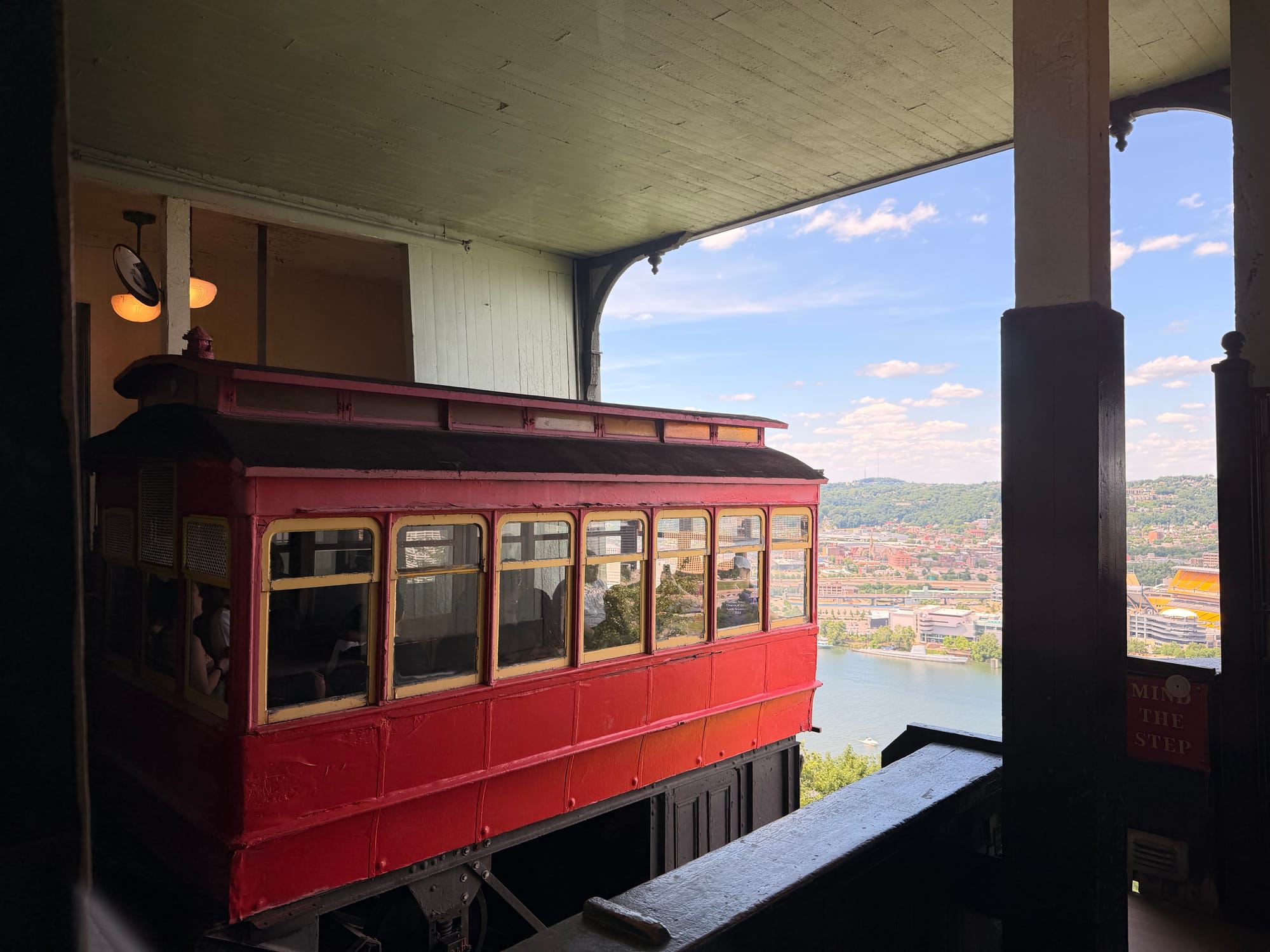
One of my favorite parts of the trip was seeing how much older infrastructure still defines the experience of moving through Pittsburgh. The light rail, the stations, the inclines, the bridges, the rail corridors, the old industrial buildings — they all give the city a strong physical memory. Even when something has been adapted or repurposed, you can still feel what it used to be. That is one of the things I love most in cities. Not preservation as a museum exercise, but continuity. Pittsburgh has a lot of continuity.
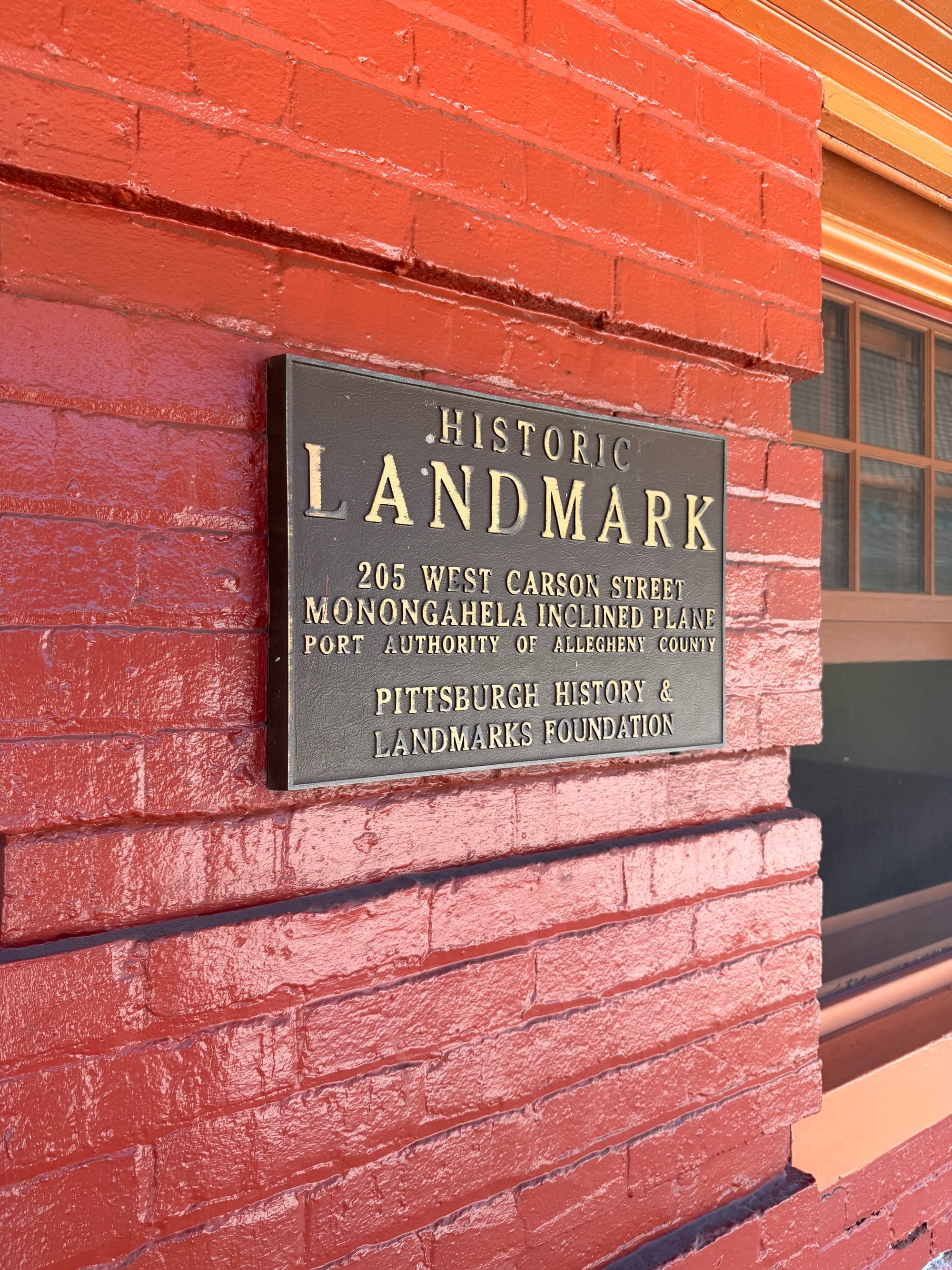
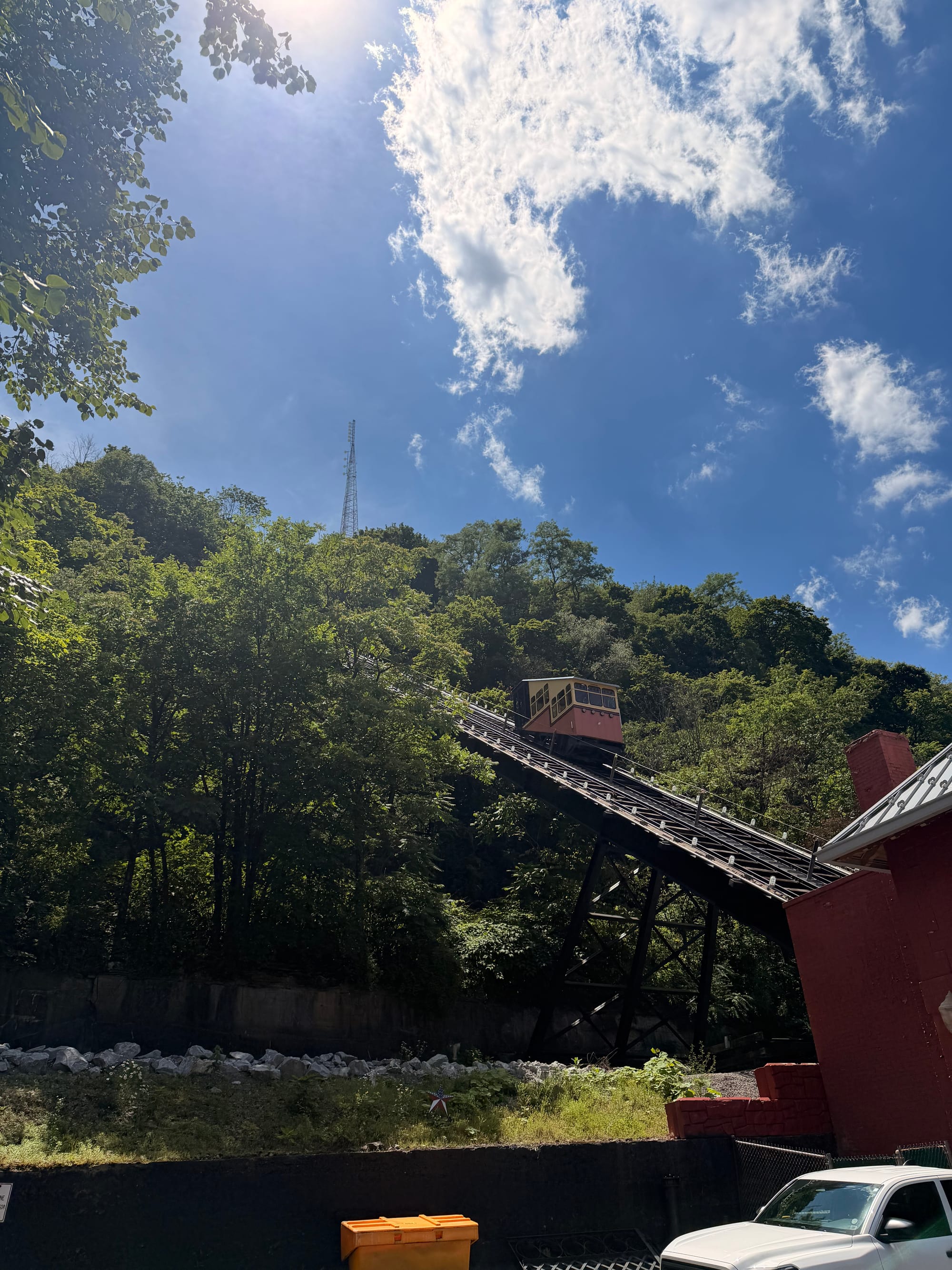
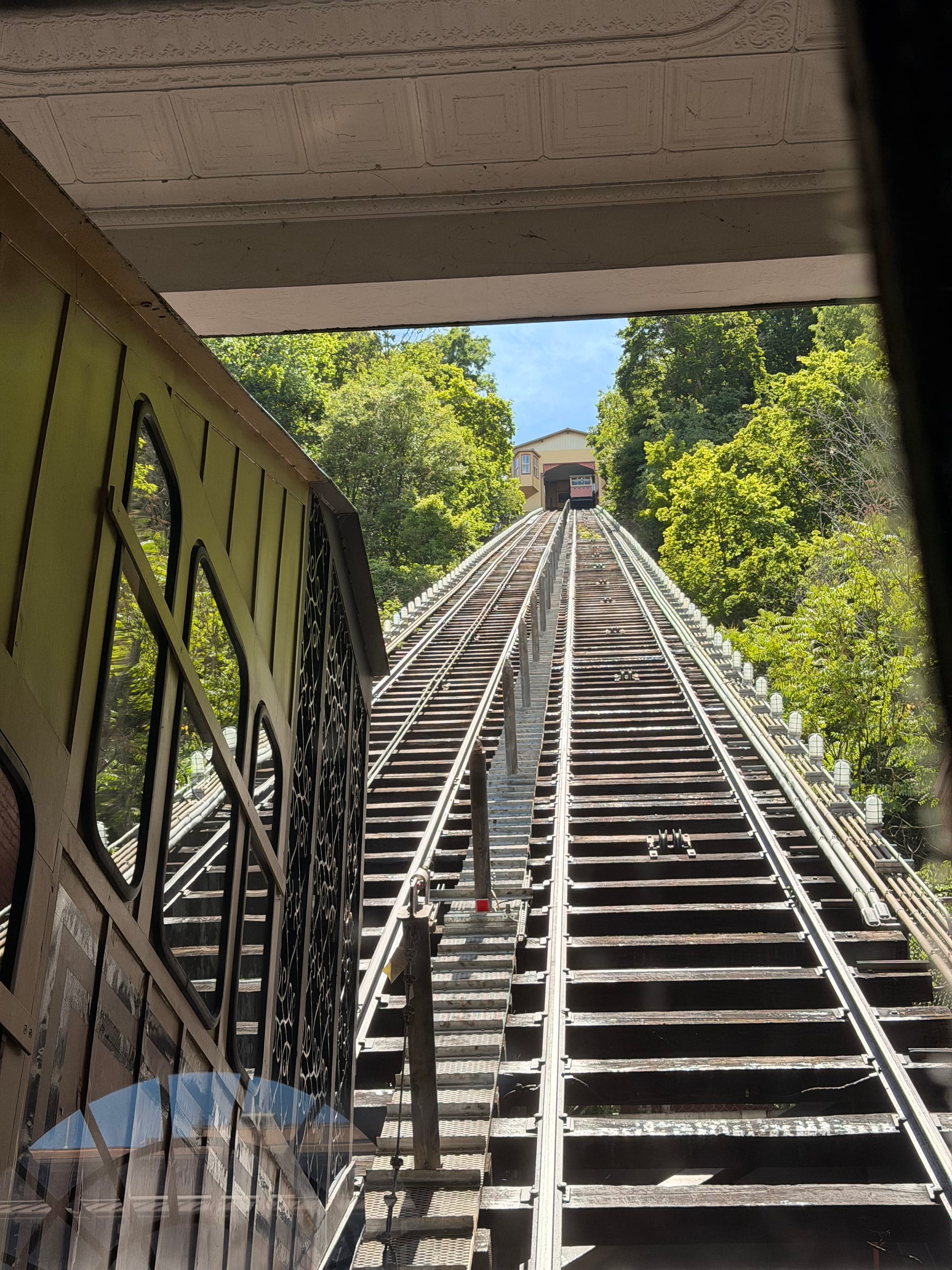
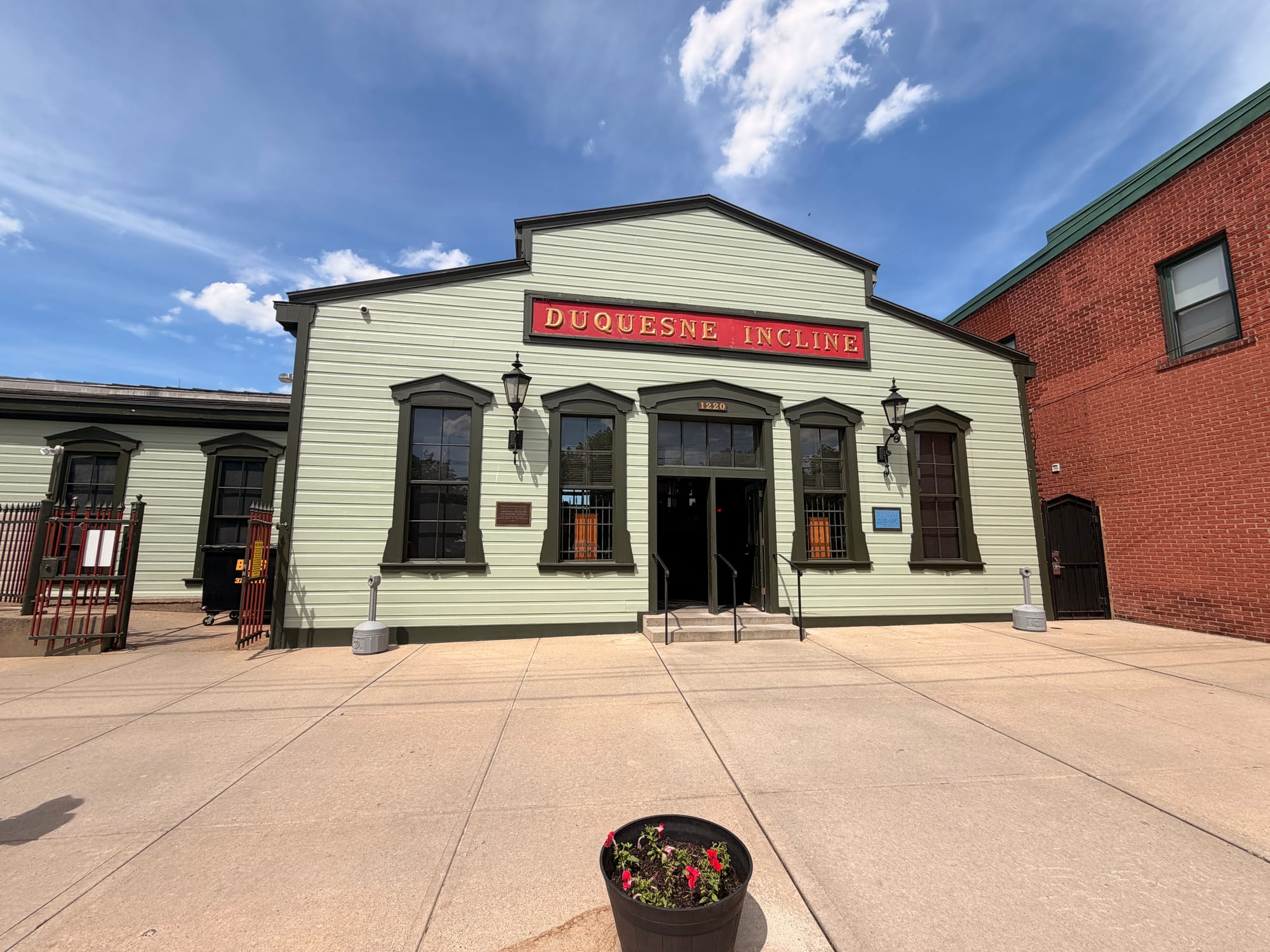
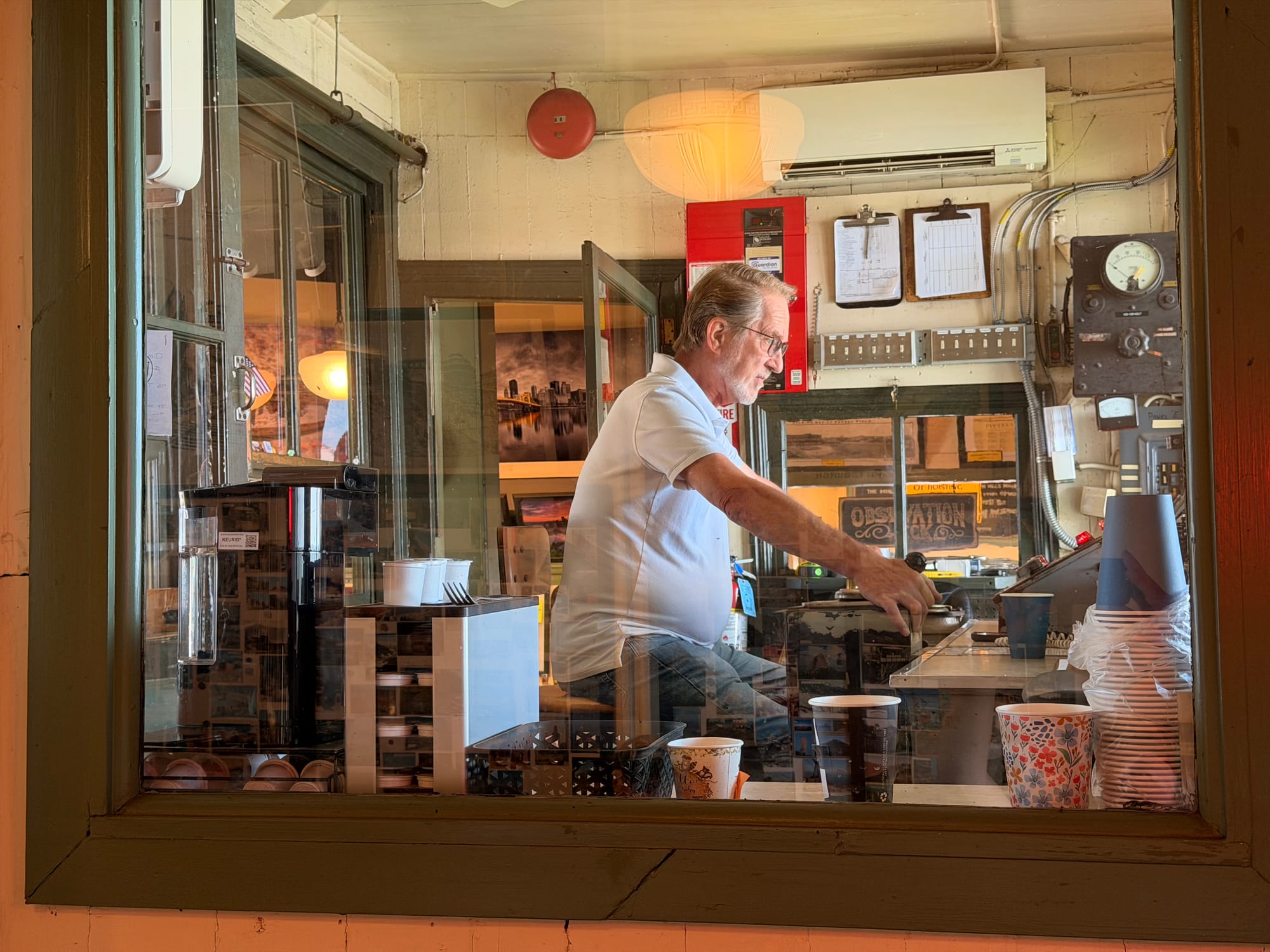
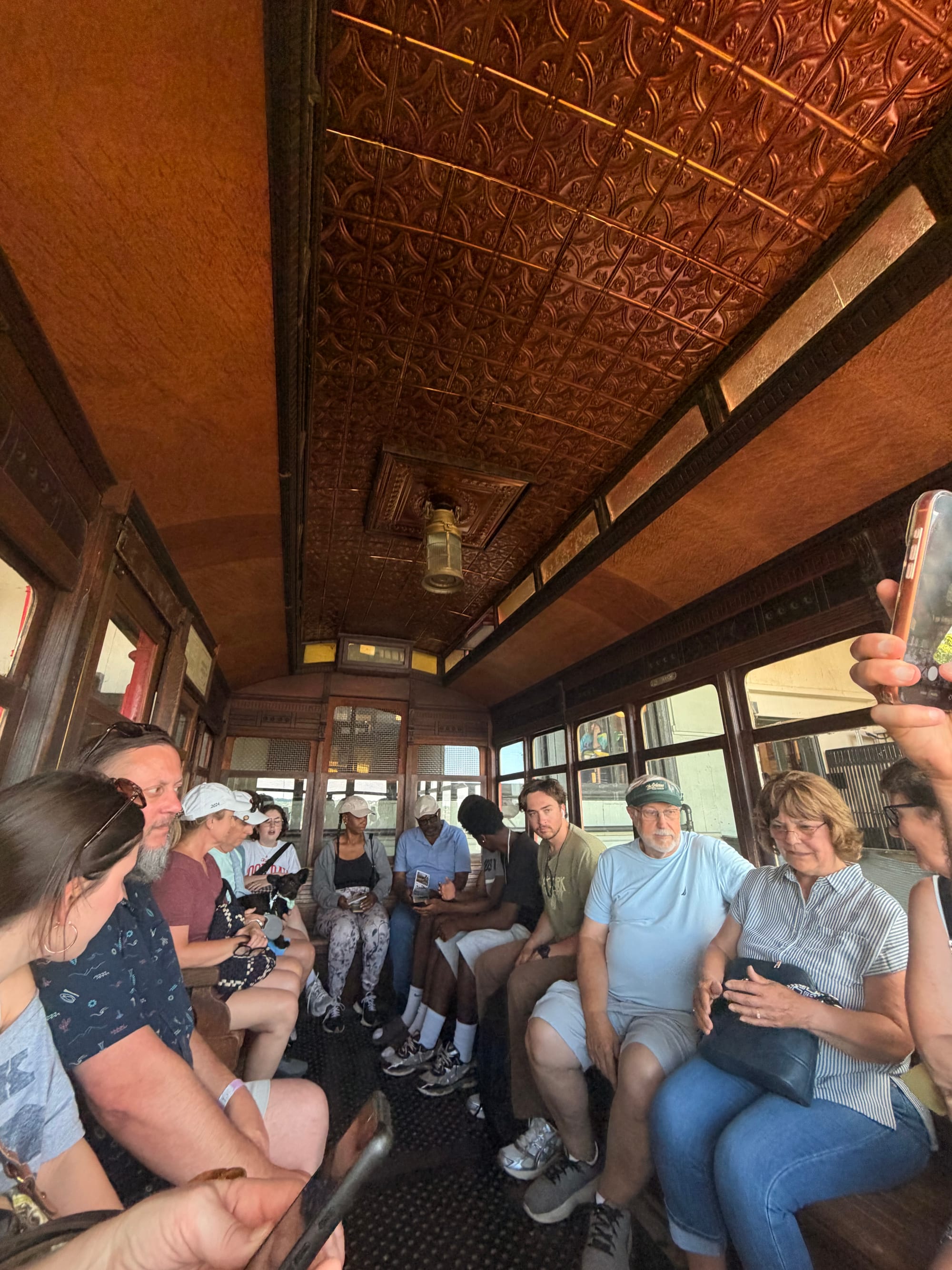
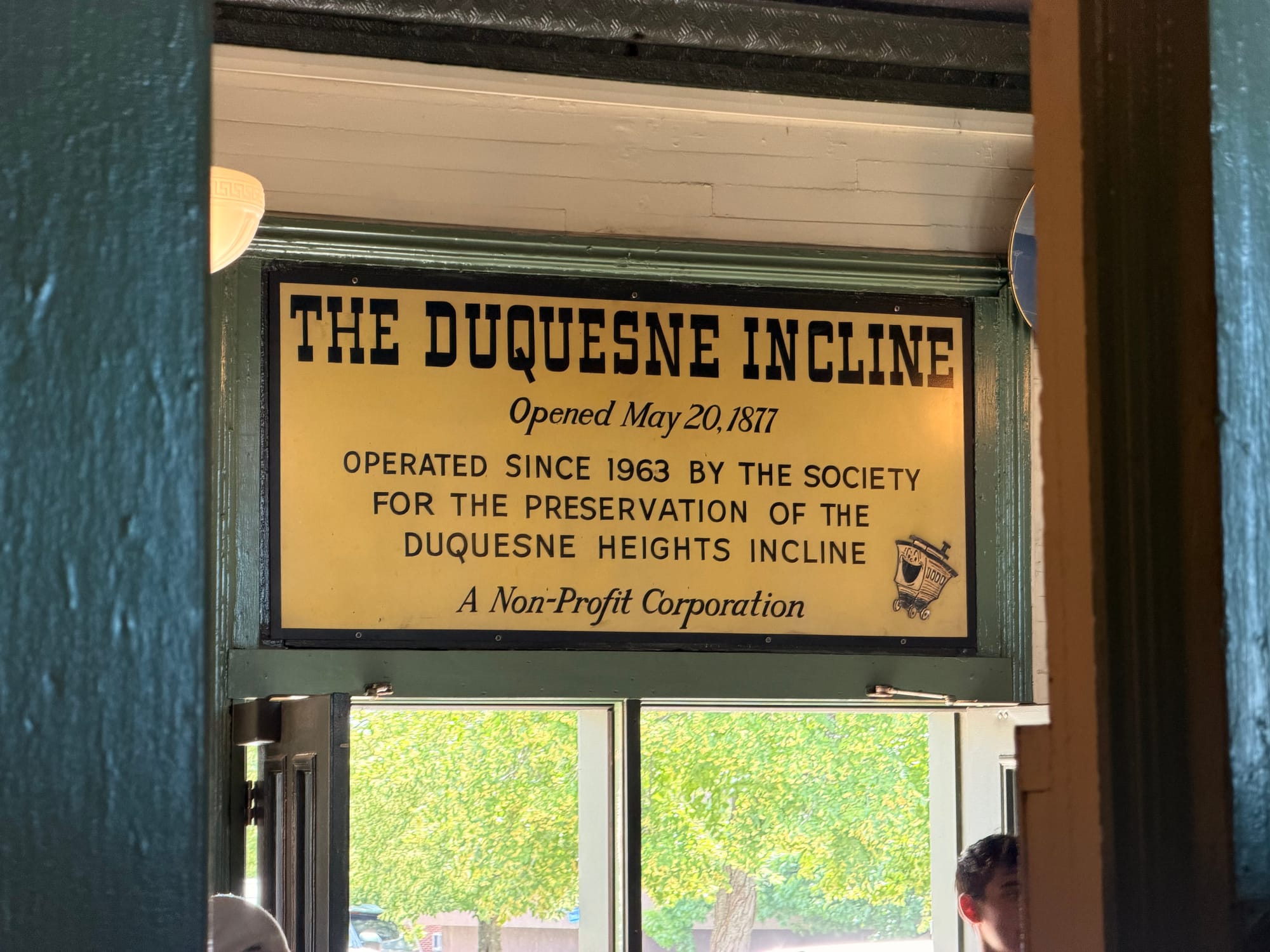
The Monongahela Incline was probably the clearest example of that. It is both practical infrastructure and civic icon, a piece of transit that is also a reminder that Pittsburgh’s terrain demands different solutions than a flatter city. Looking up the incline tracks, you understand immediately why the city developed the way it did. The hills are not scenery; they are part of the transportation system, the neighborhood structure, and the psychology of the place. I was surprised to learn that some of these are actually run and maintained by nonprofits.
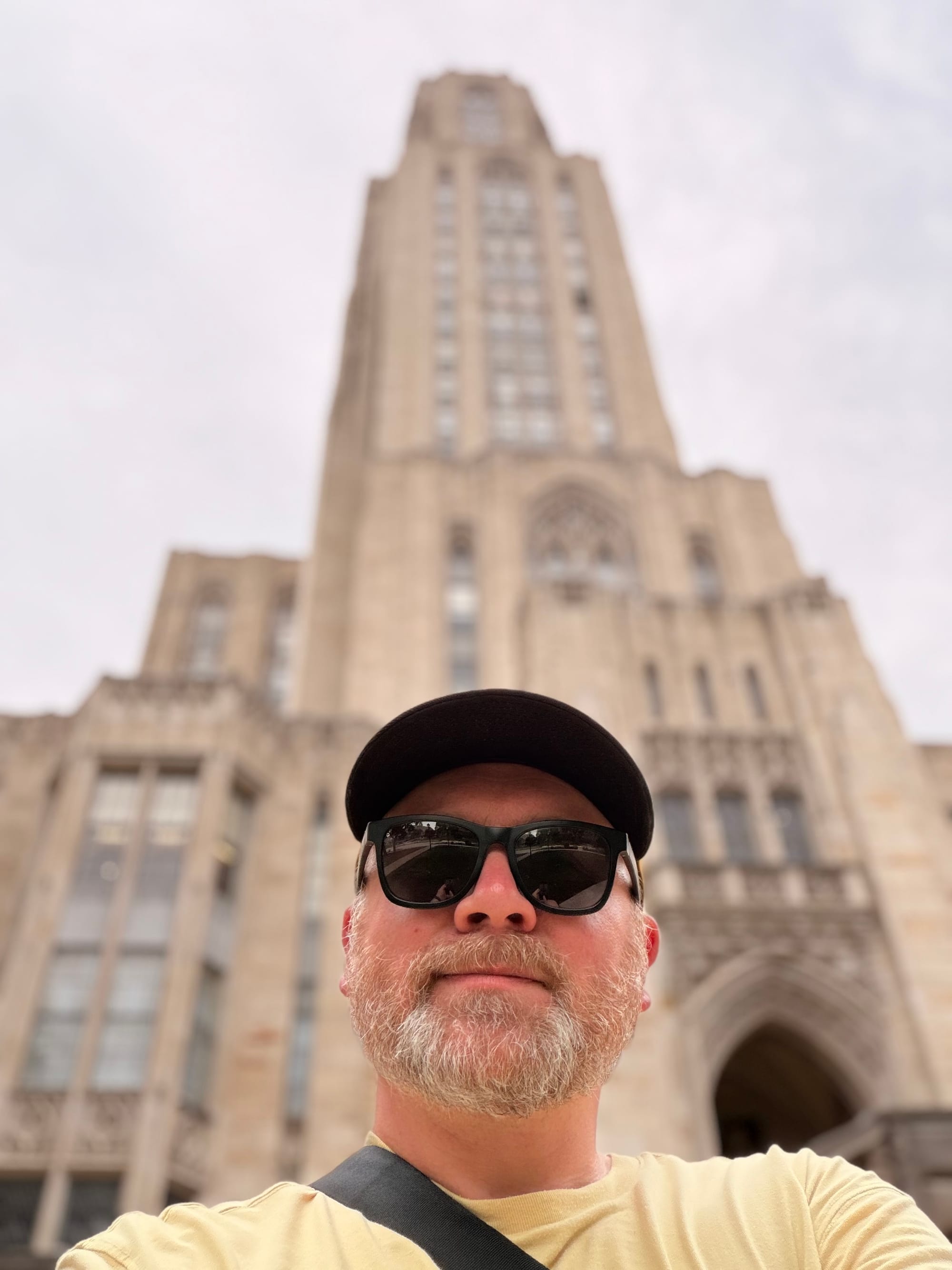
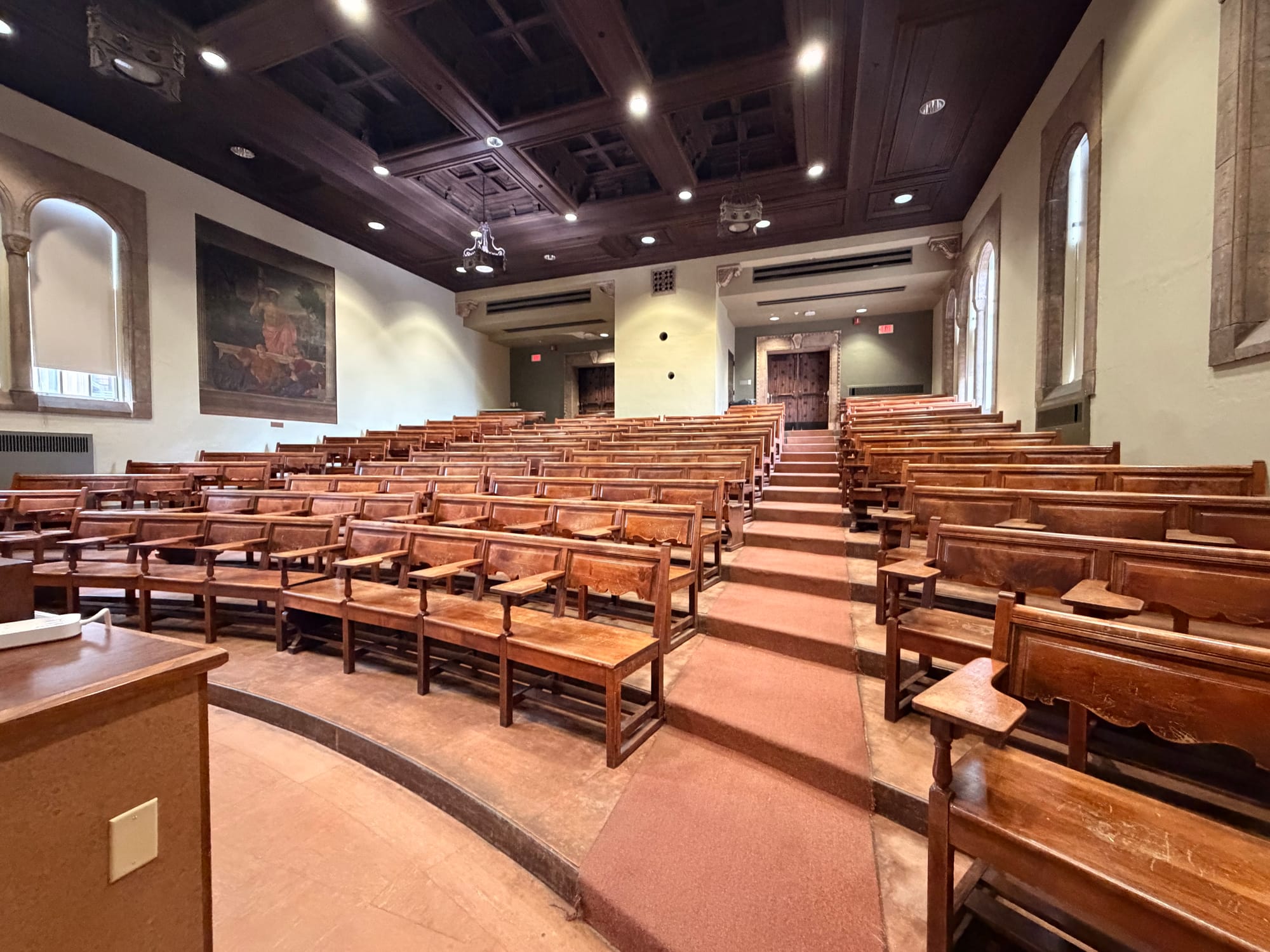
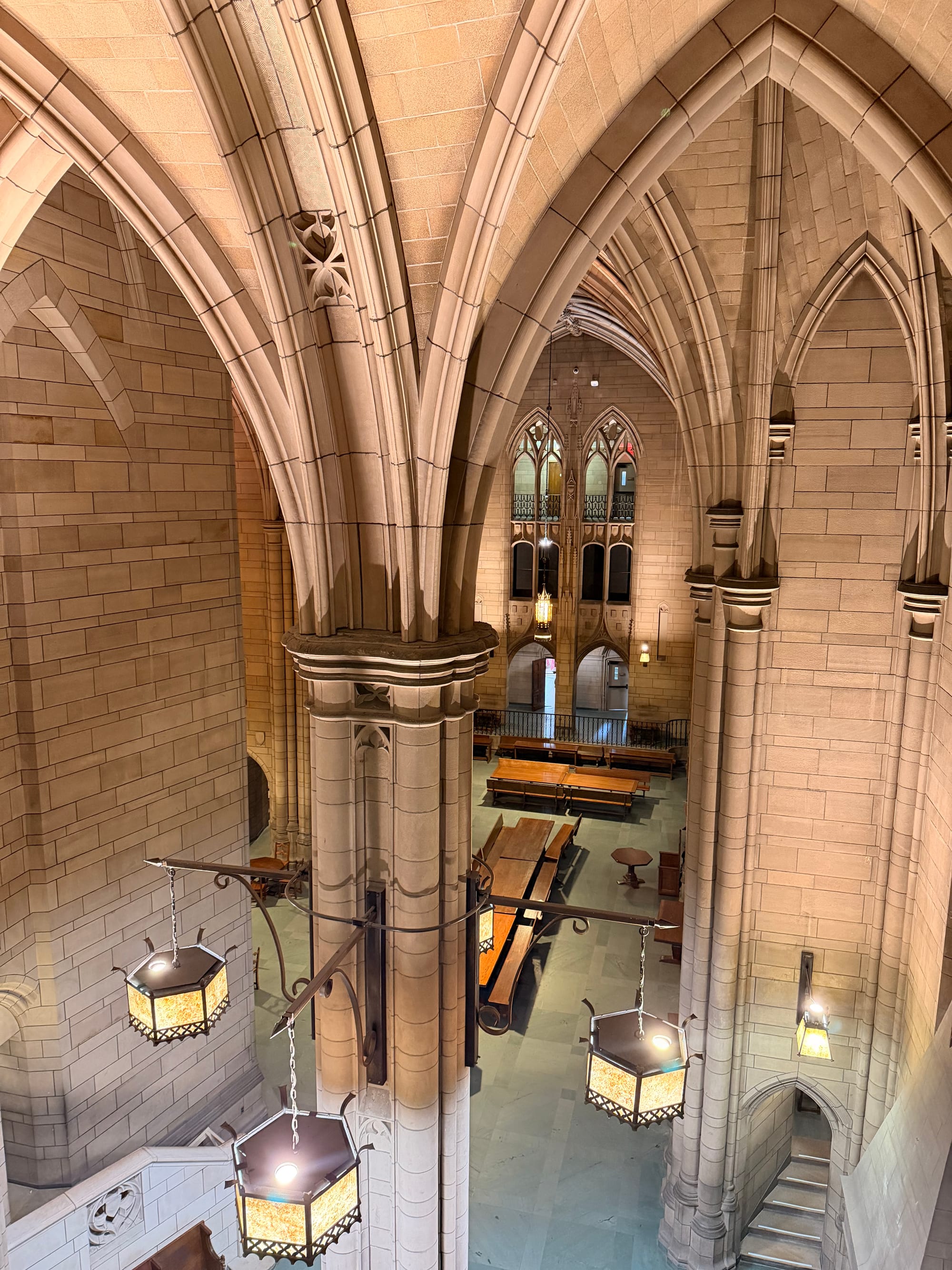
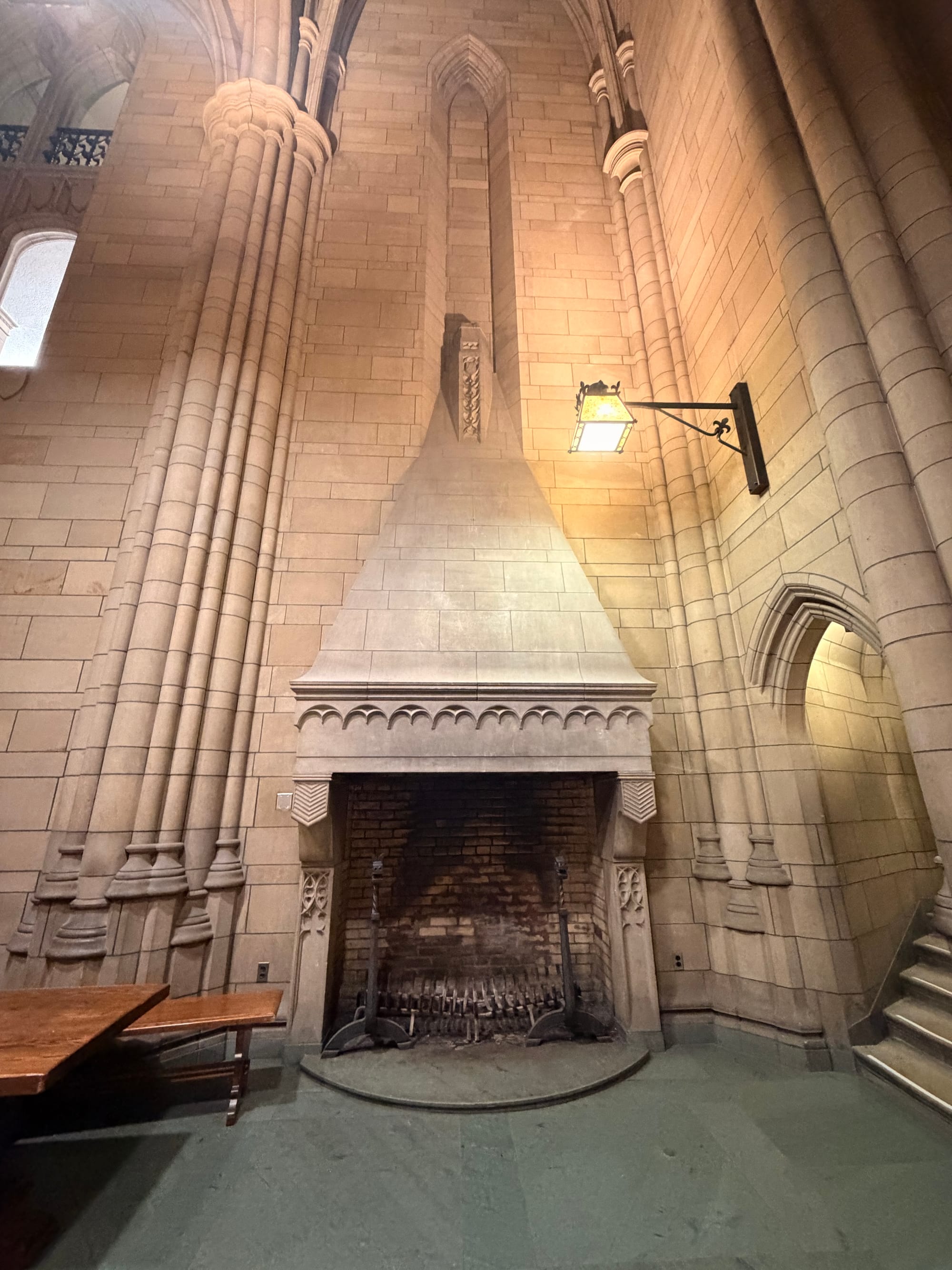
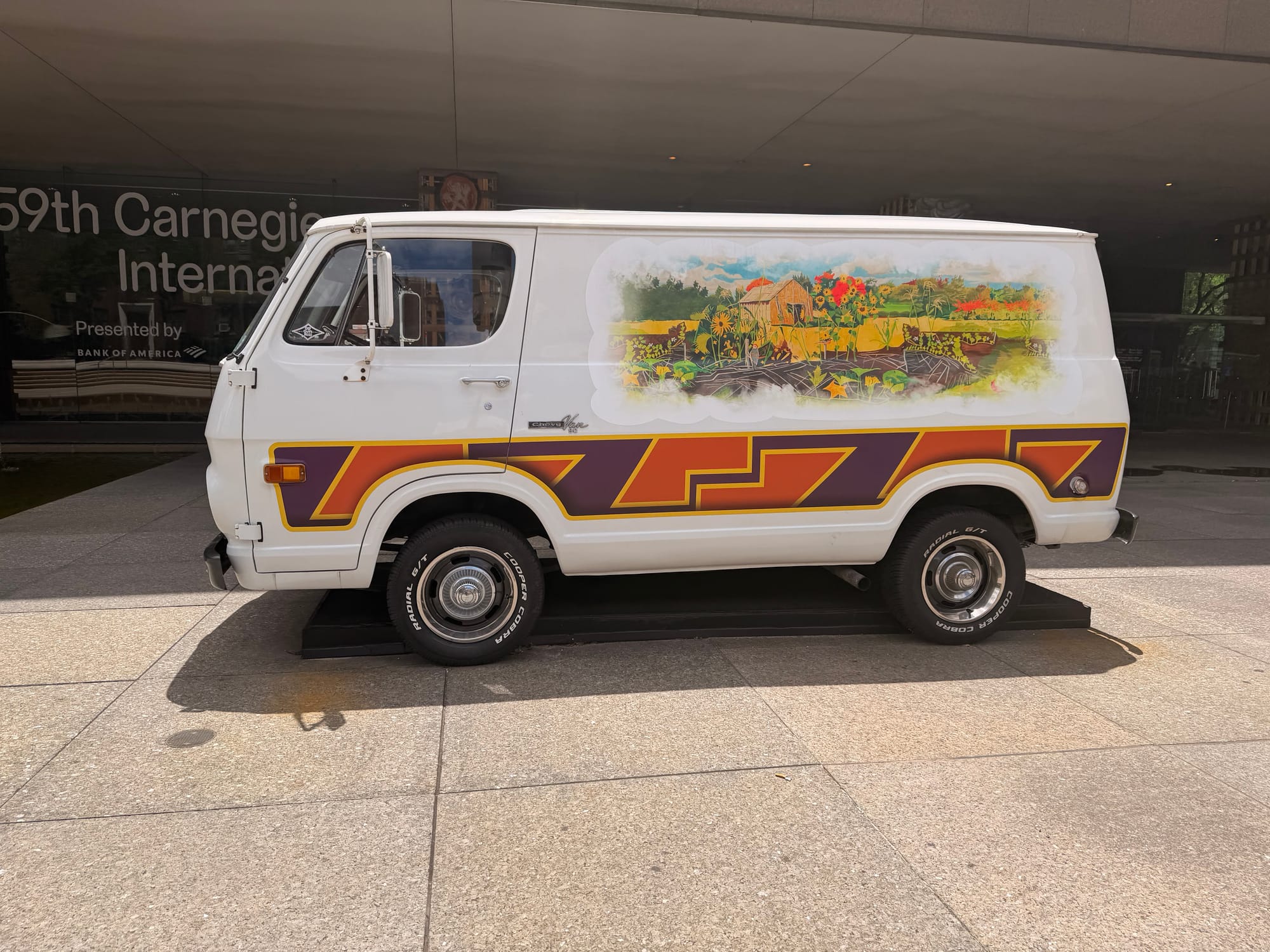
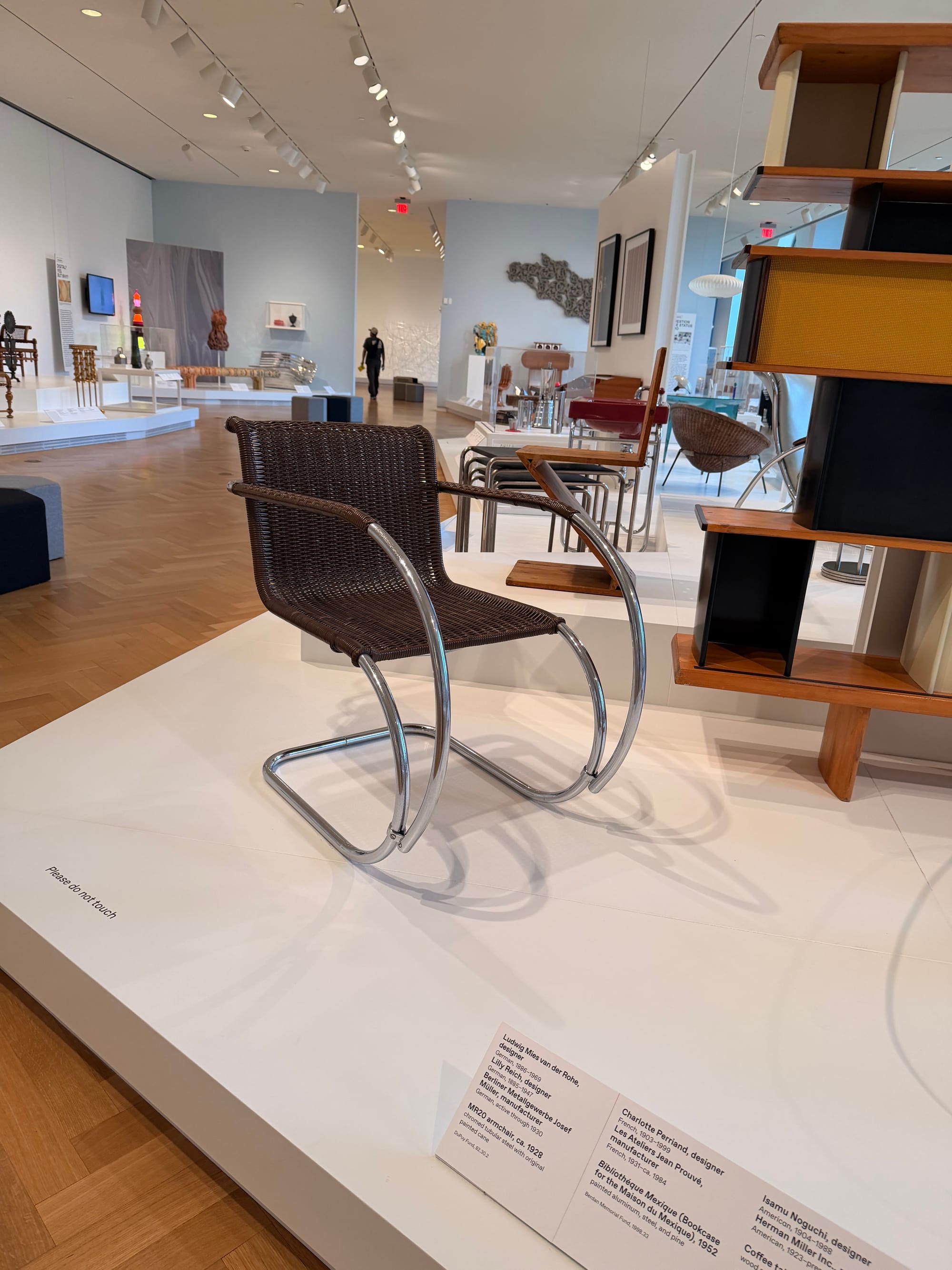
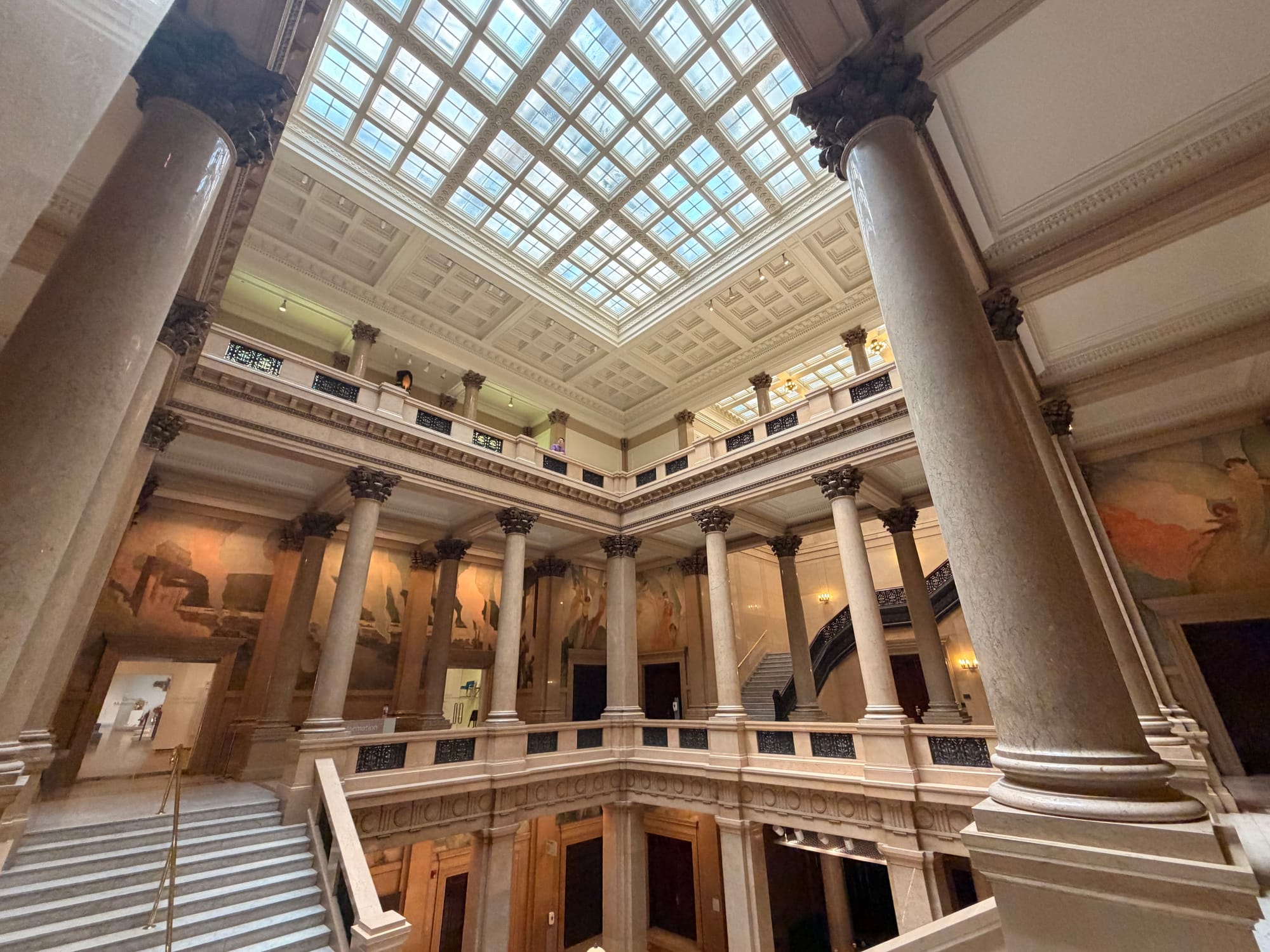
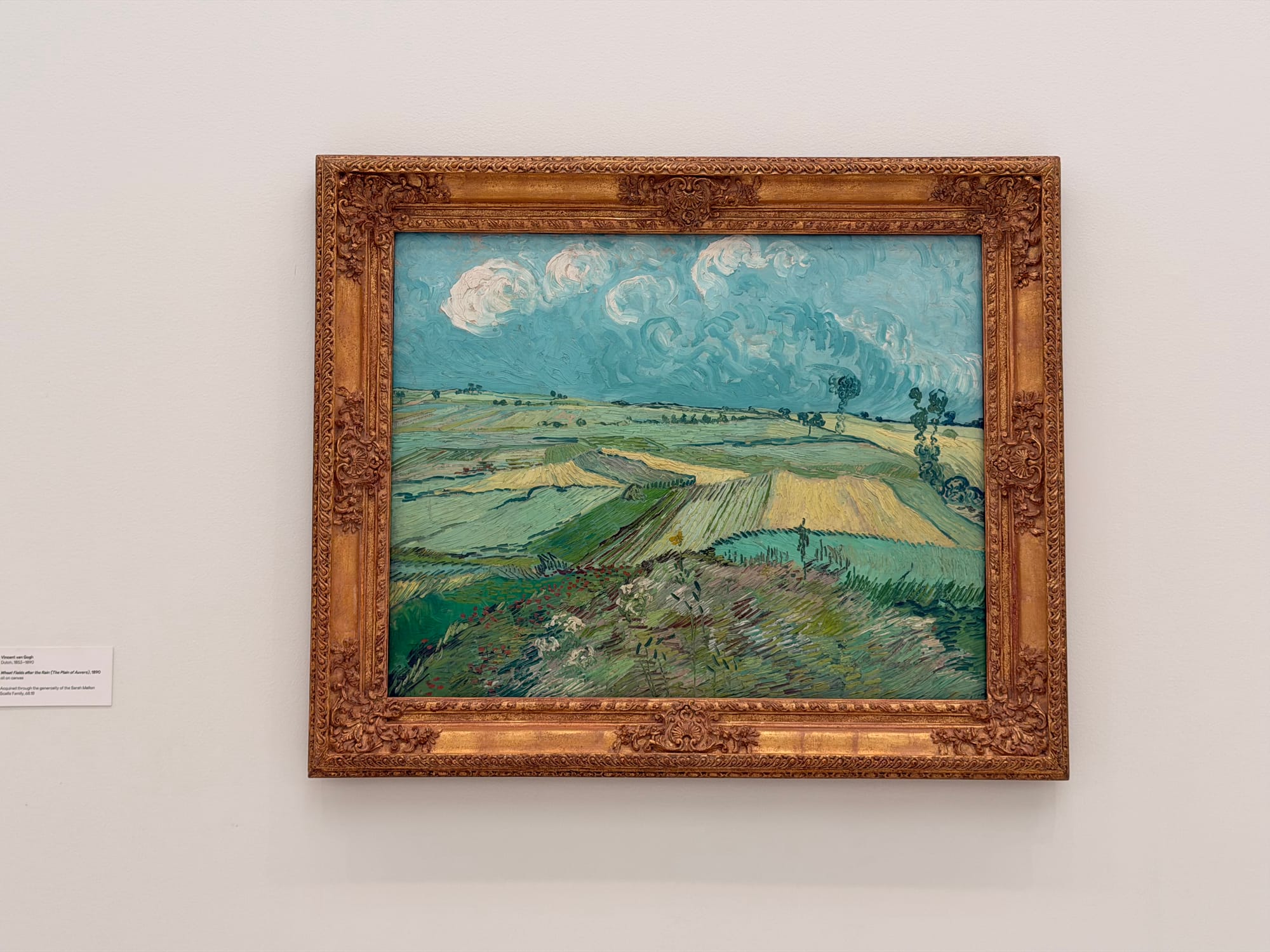
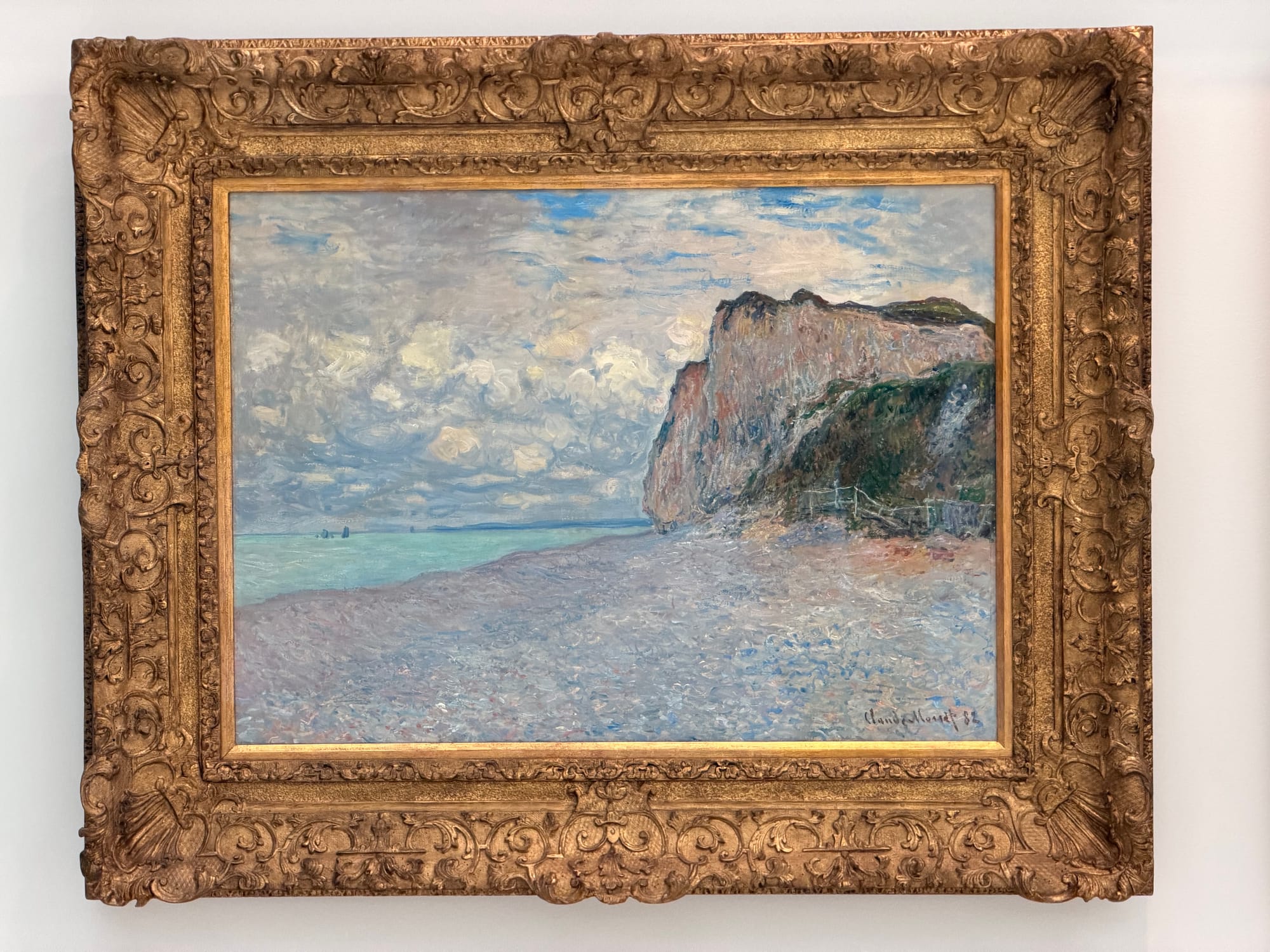
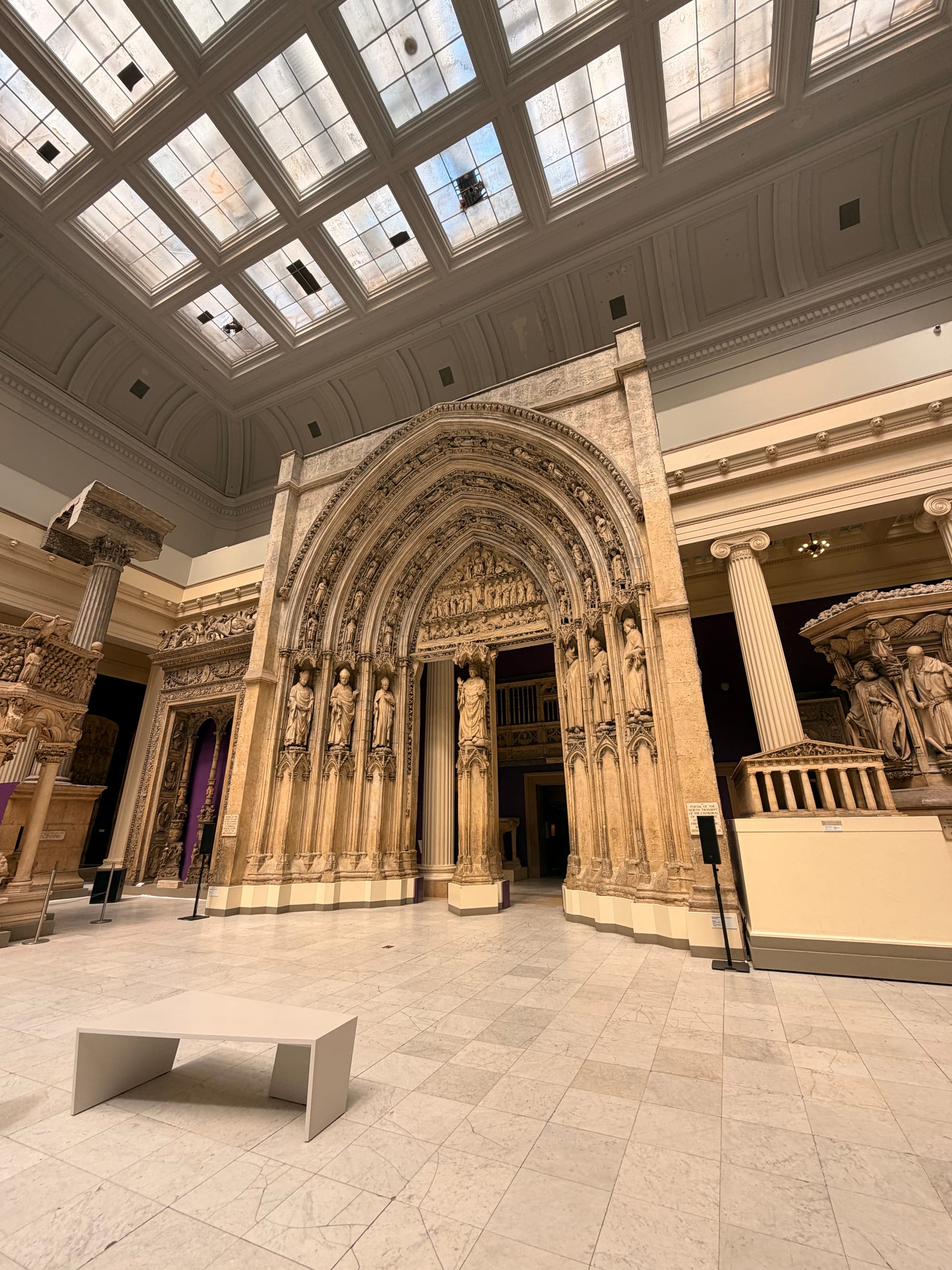
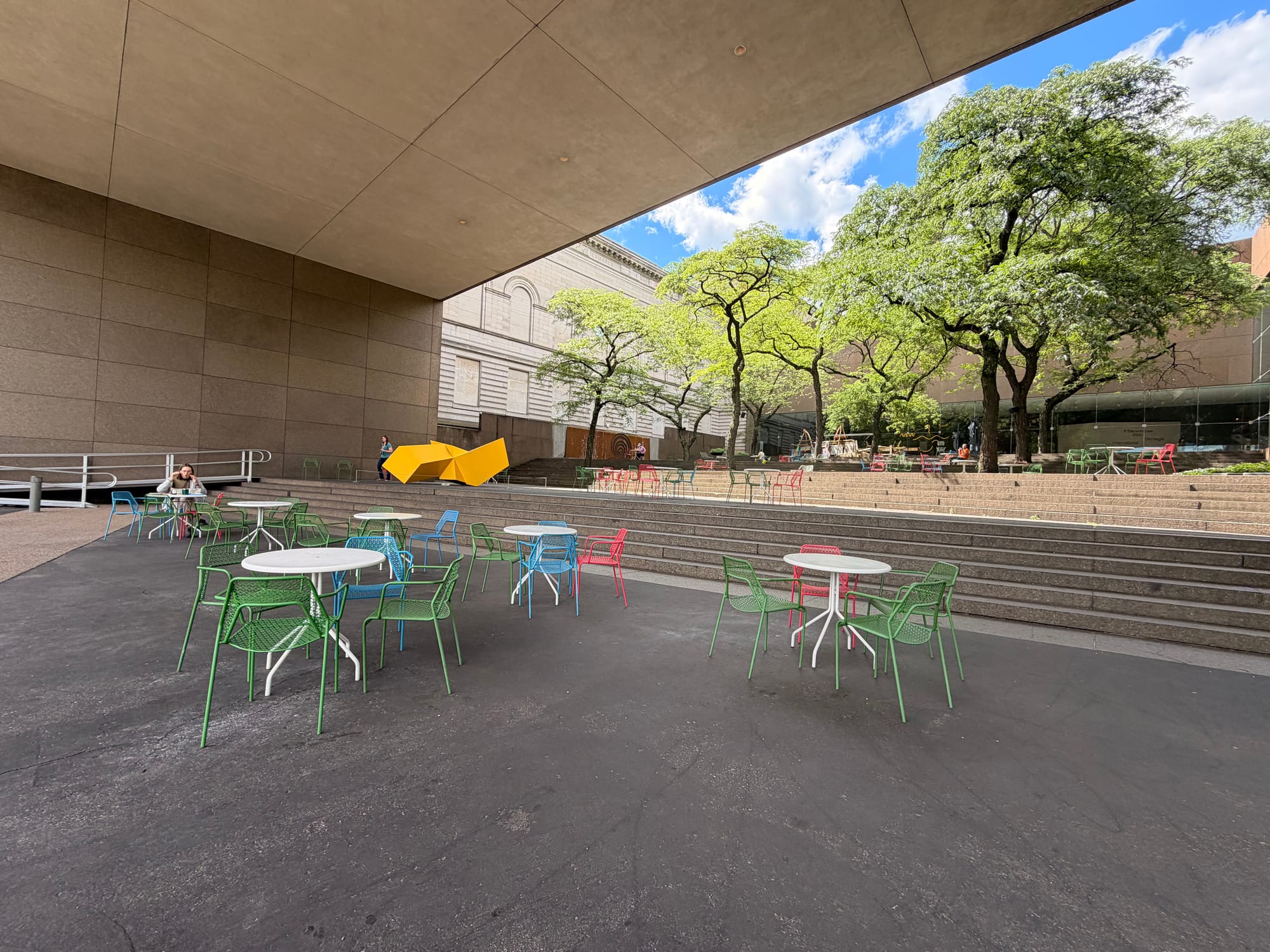
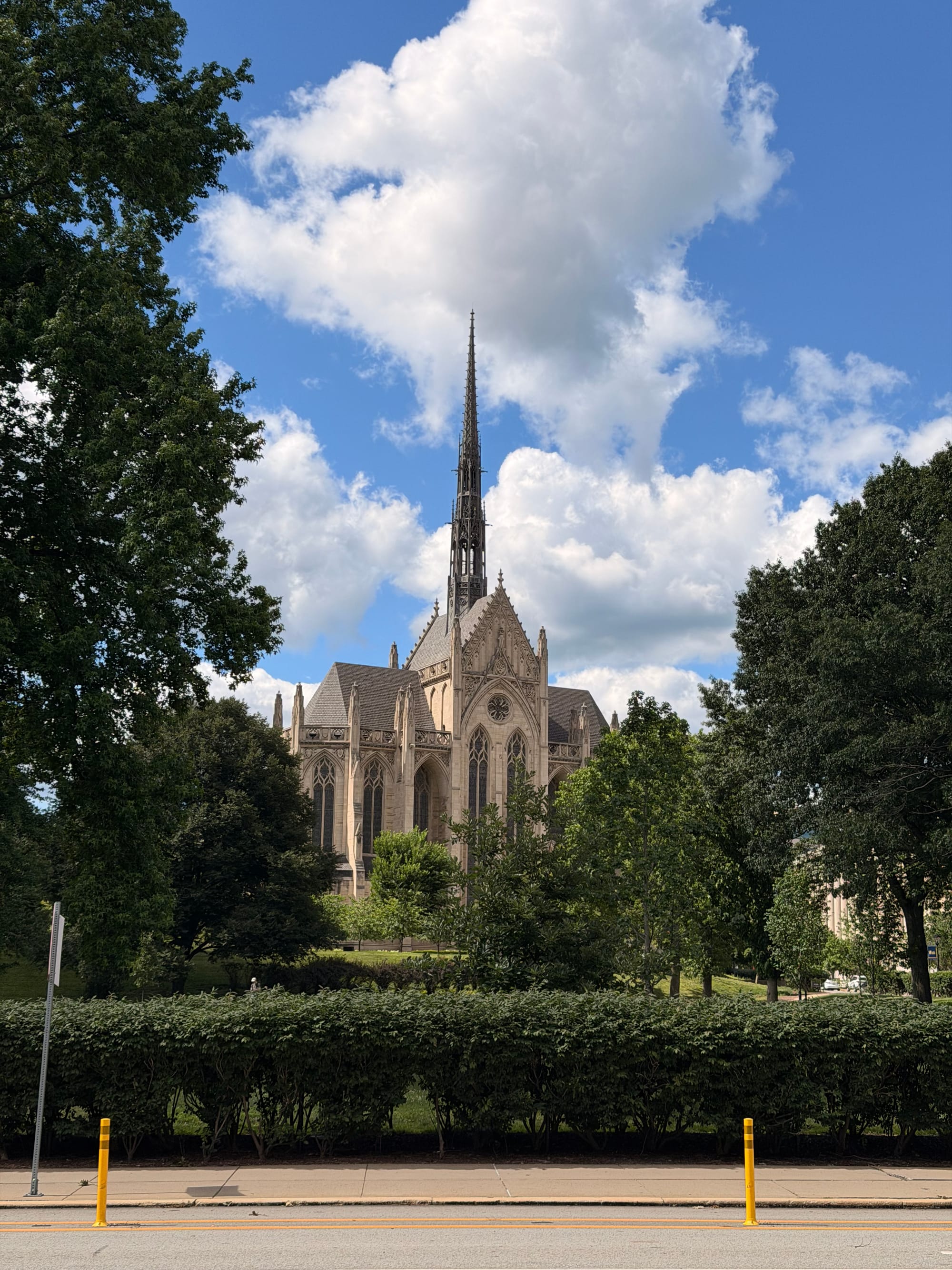
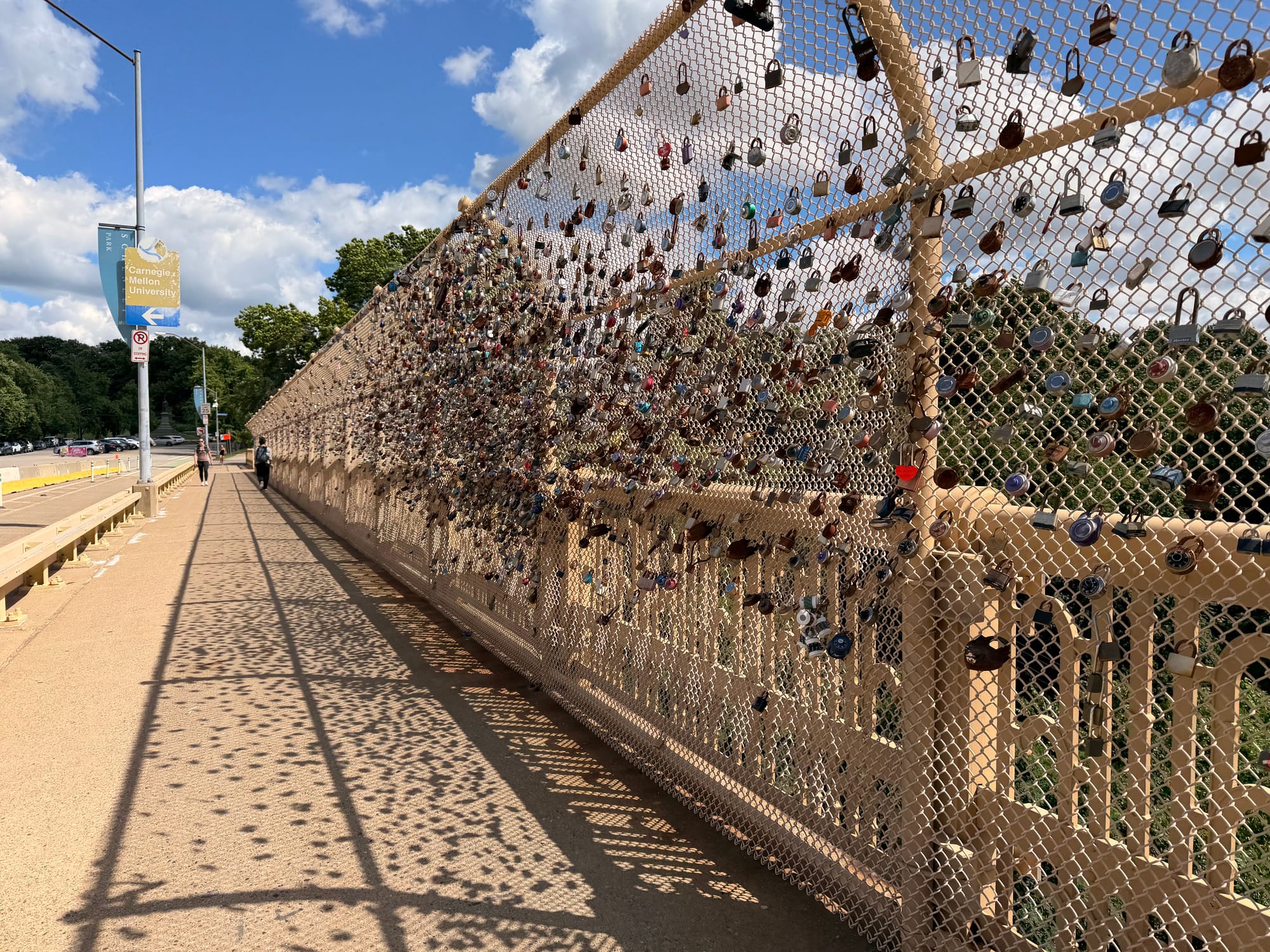
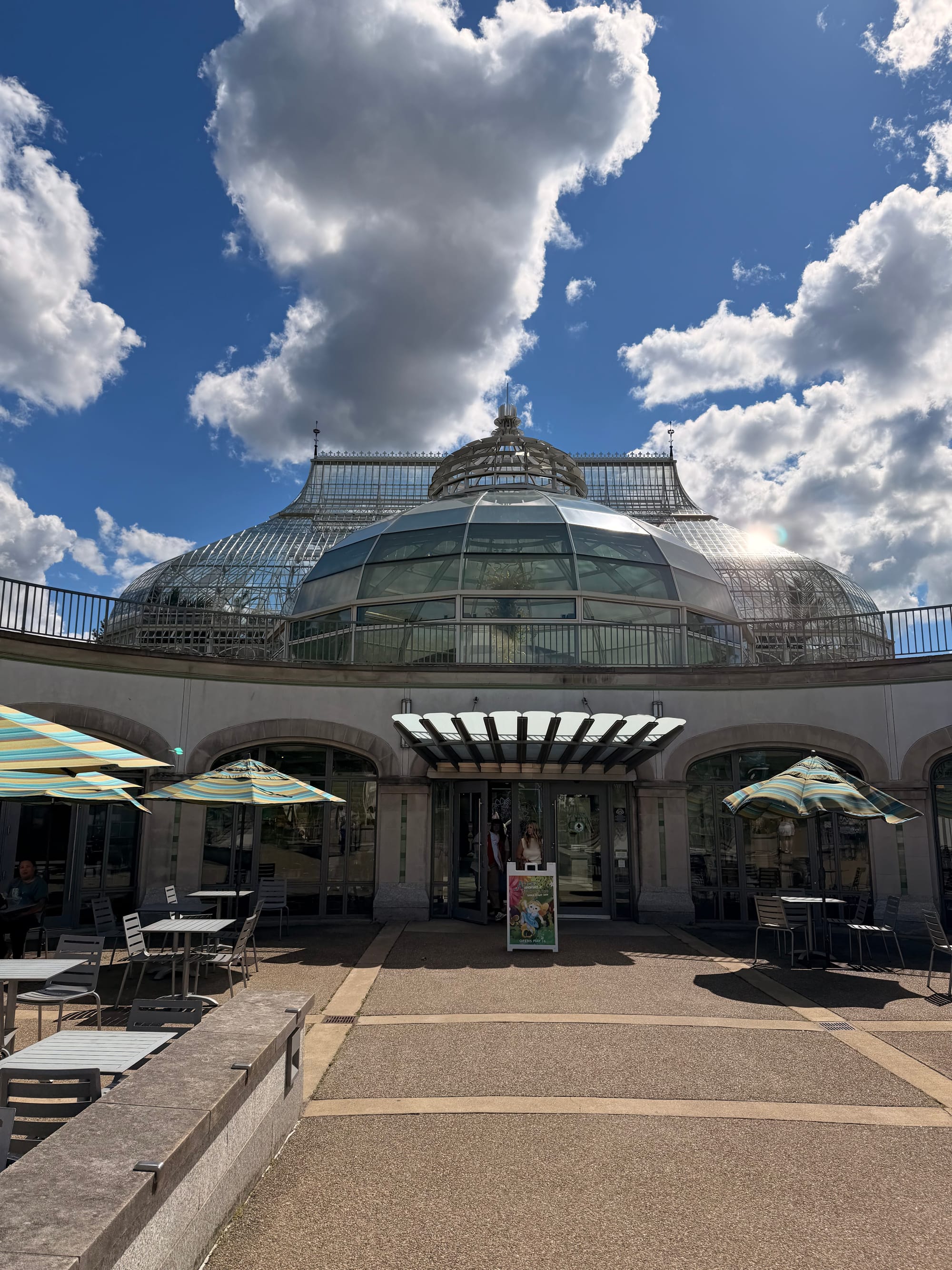
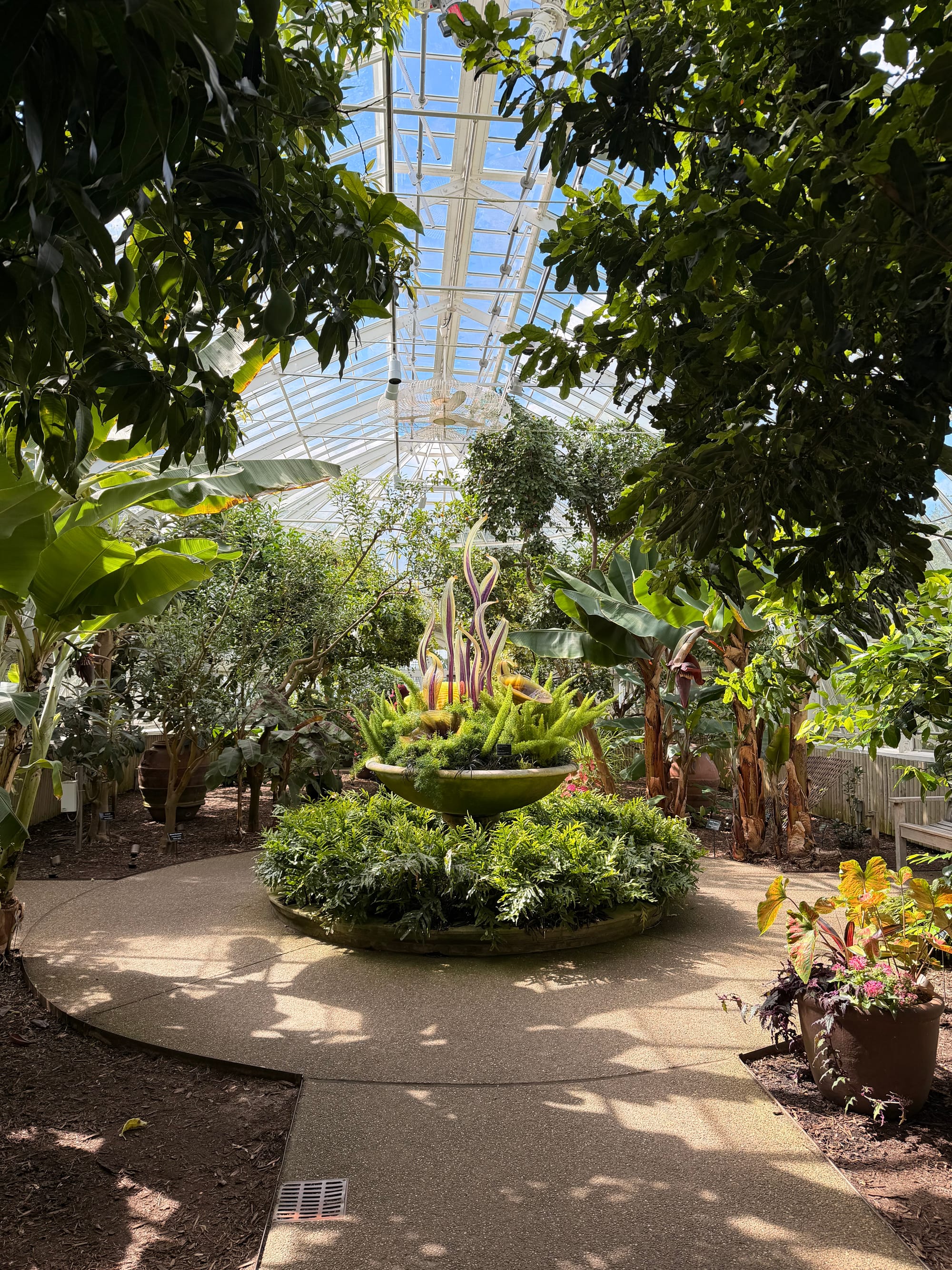
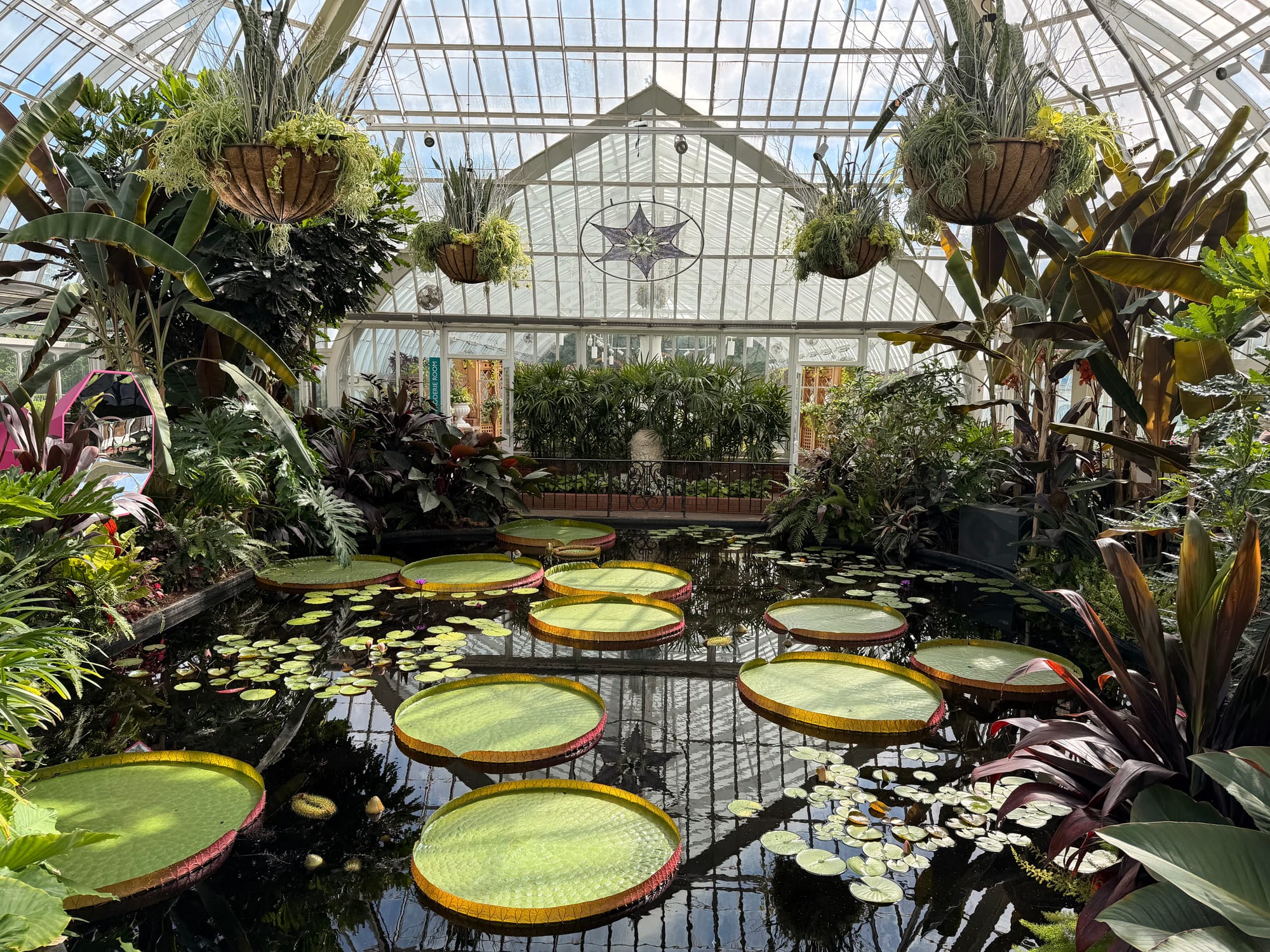
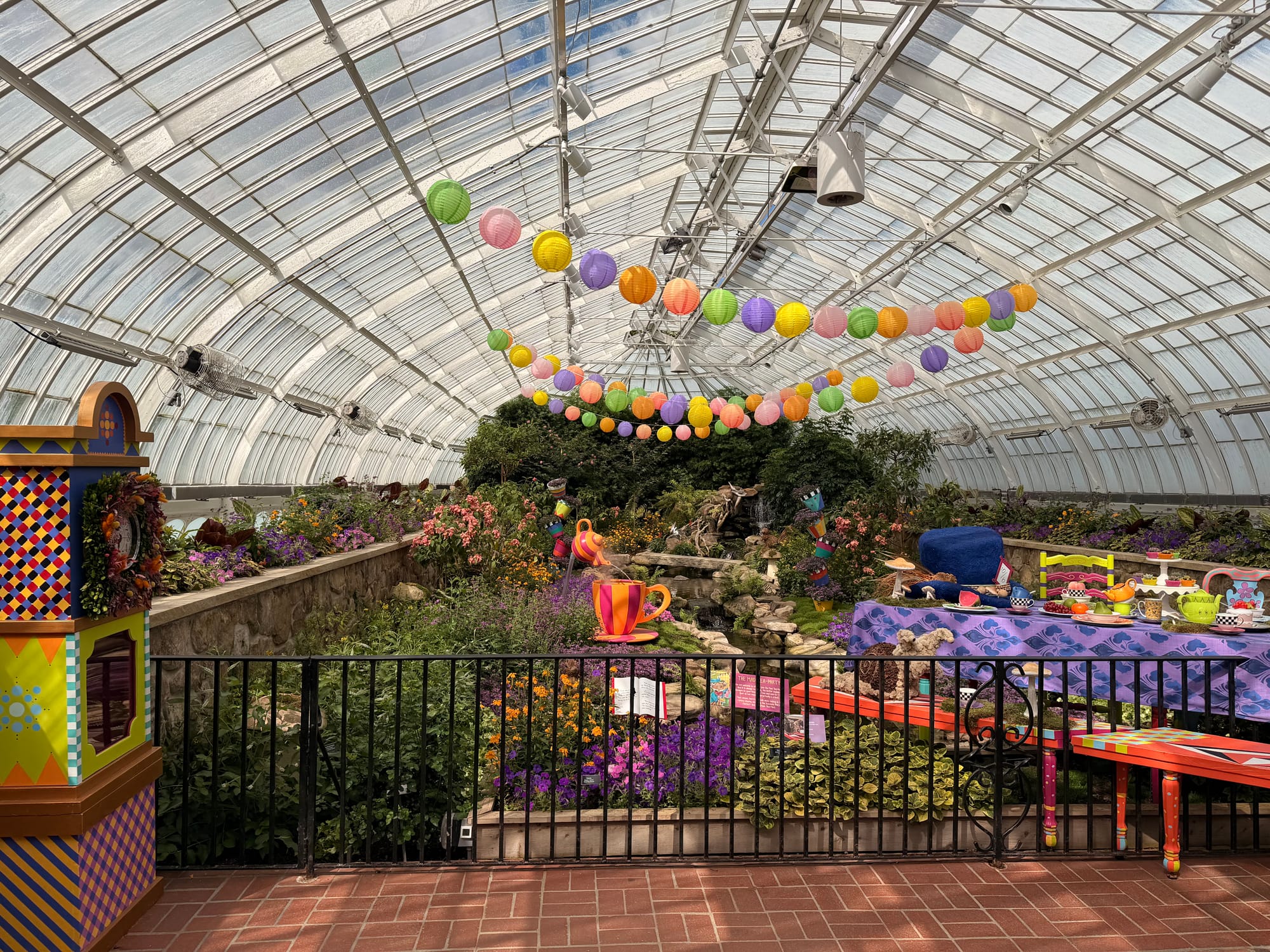
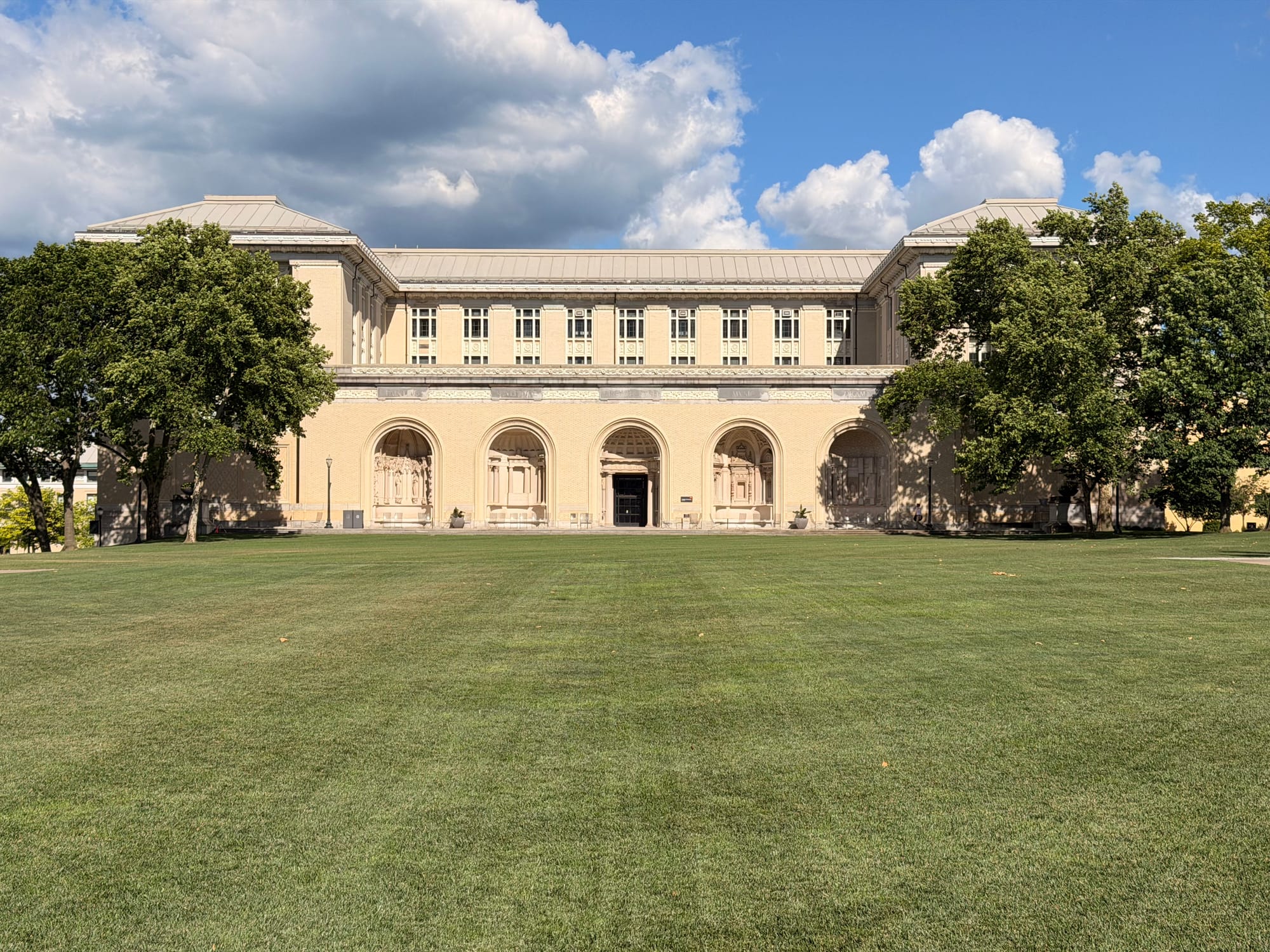
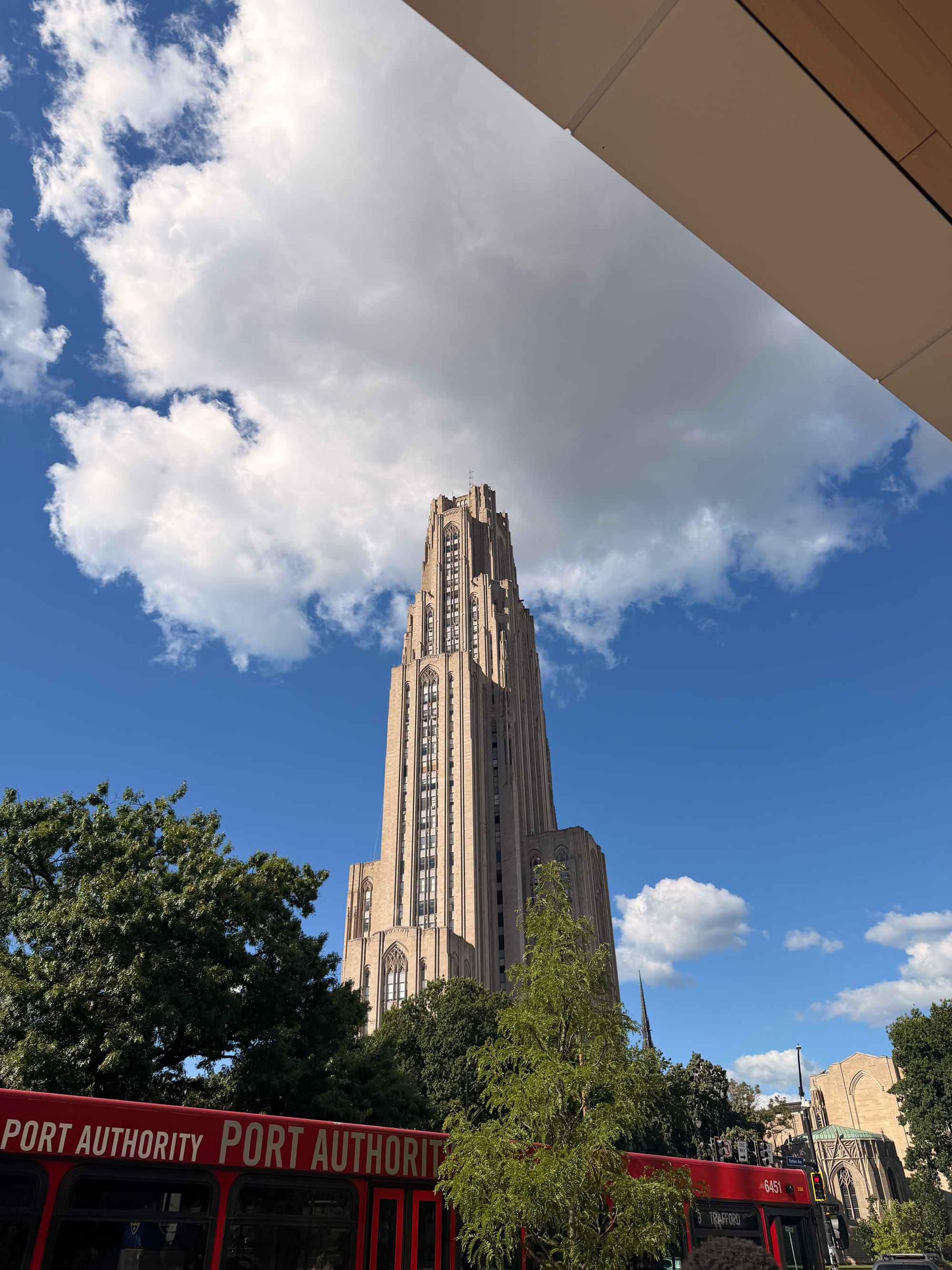
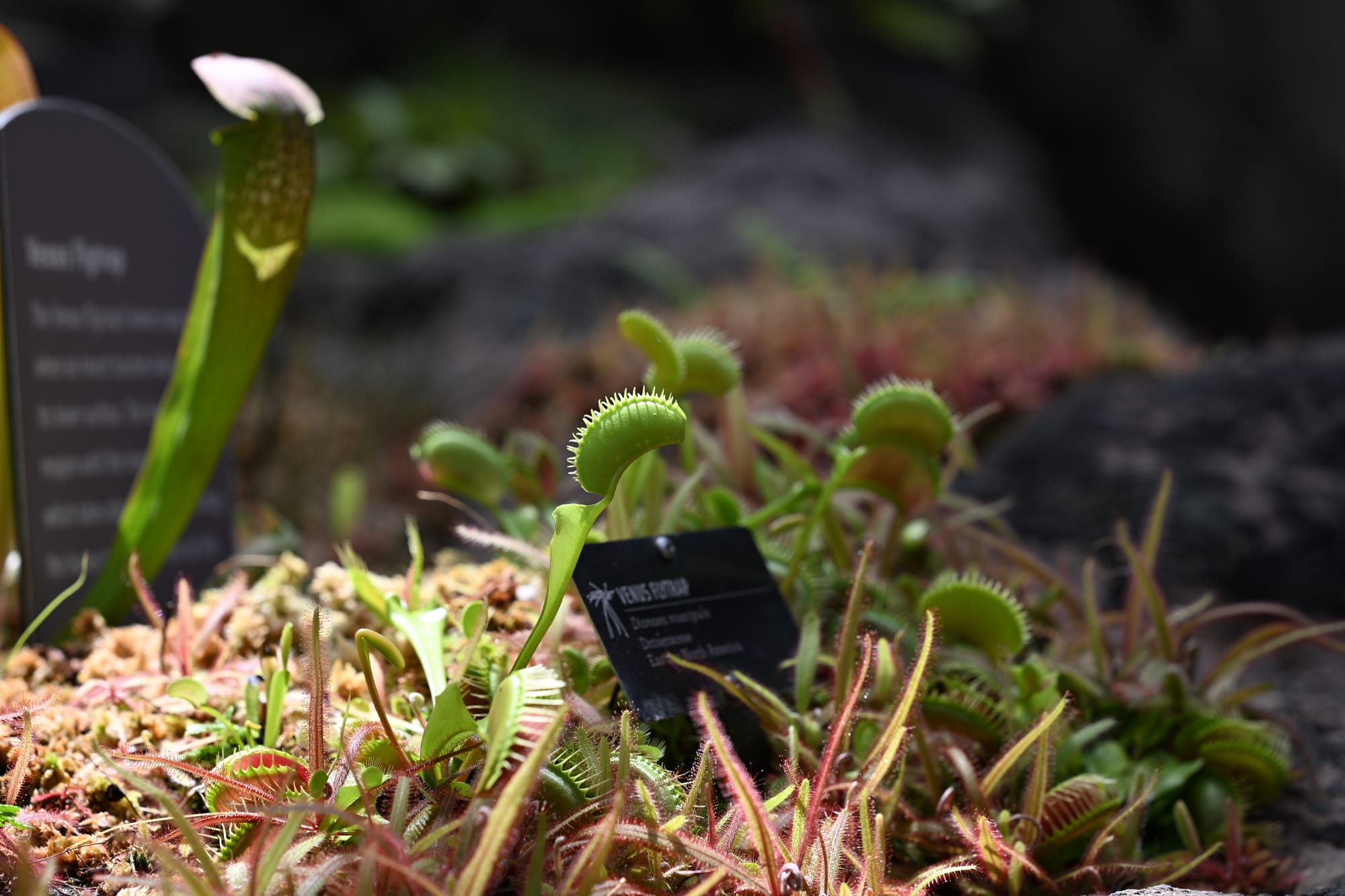
We made it to Lawrenceville, Allentown, Mt. Washington, the North Shore, Oakland, and a few other pockets over the weekend. We caught the Allentown night market, which was incredible. I spent half a day in the Carnegie museums and the Phipps Conservatory.
Some of it was planned, some of it was improvised, and some of it was just following the logic of where the next meal, drink, coffee, or view seemed to be.
What stuck with me most, though, was the density of character. Pittsburgh has a lot of what I wish more American cities had. For a city of its size, it has an insane amount of mojo in its neighborhood identities, architectural depth, visible history, all mixed with enough strangeness to keep it from feeling overdetermined. It is beautiful, but not in a tidy way. It is beautiful because it is complicated. The hills complicate it. The rivers complicate it. The industrial past complicates it. The old buildings complicate it. The result is a city that feels unusually textured.
I left wanting more time. More neighborhoods, more transit, more bridges, more staircases, more wandering. A long weekend was enough to confirm that Pittsburgh is one of America’s great cities, but not enough to feel like I had really figured it out. That is probably a compliment.
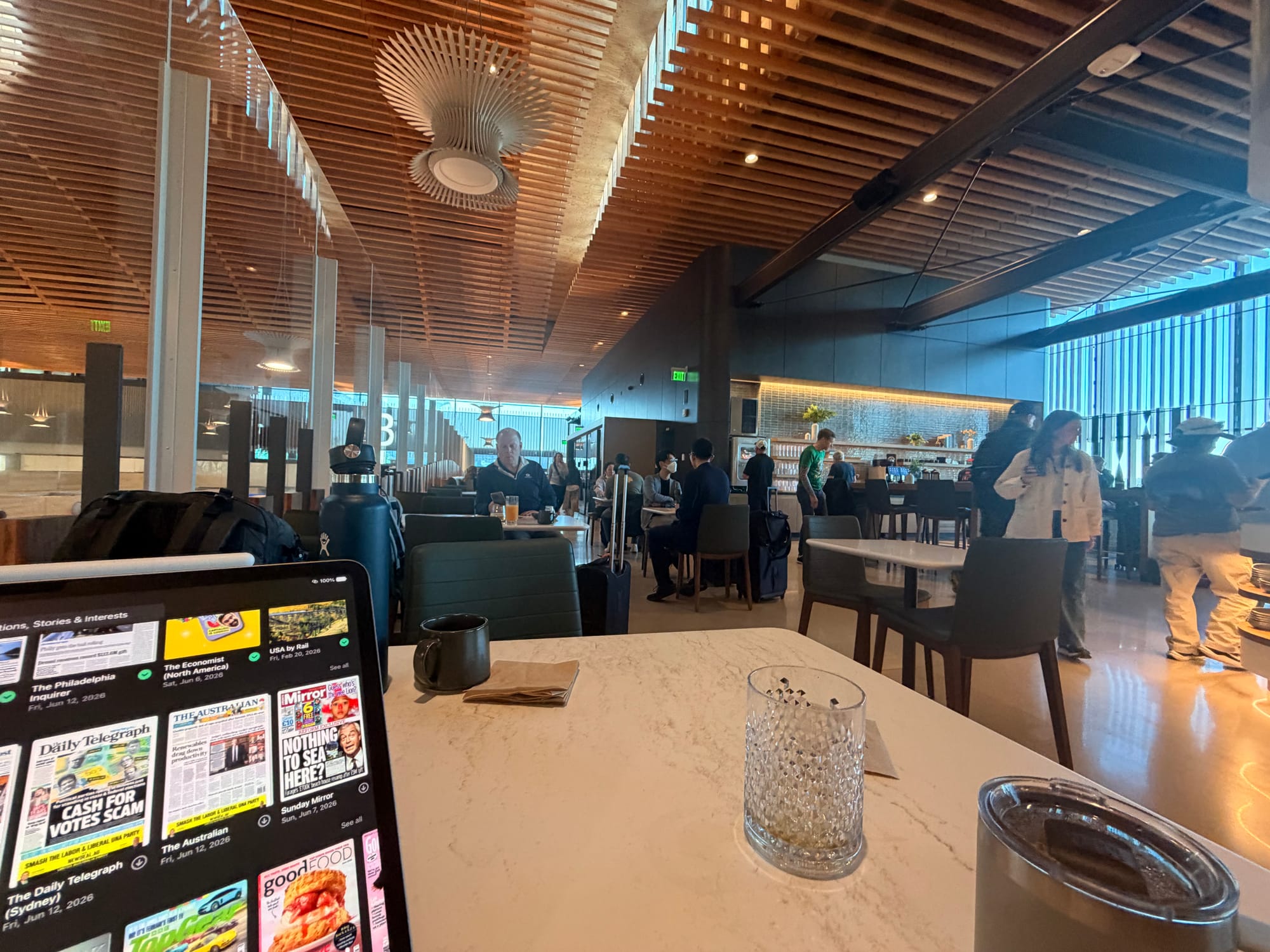
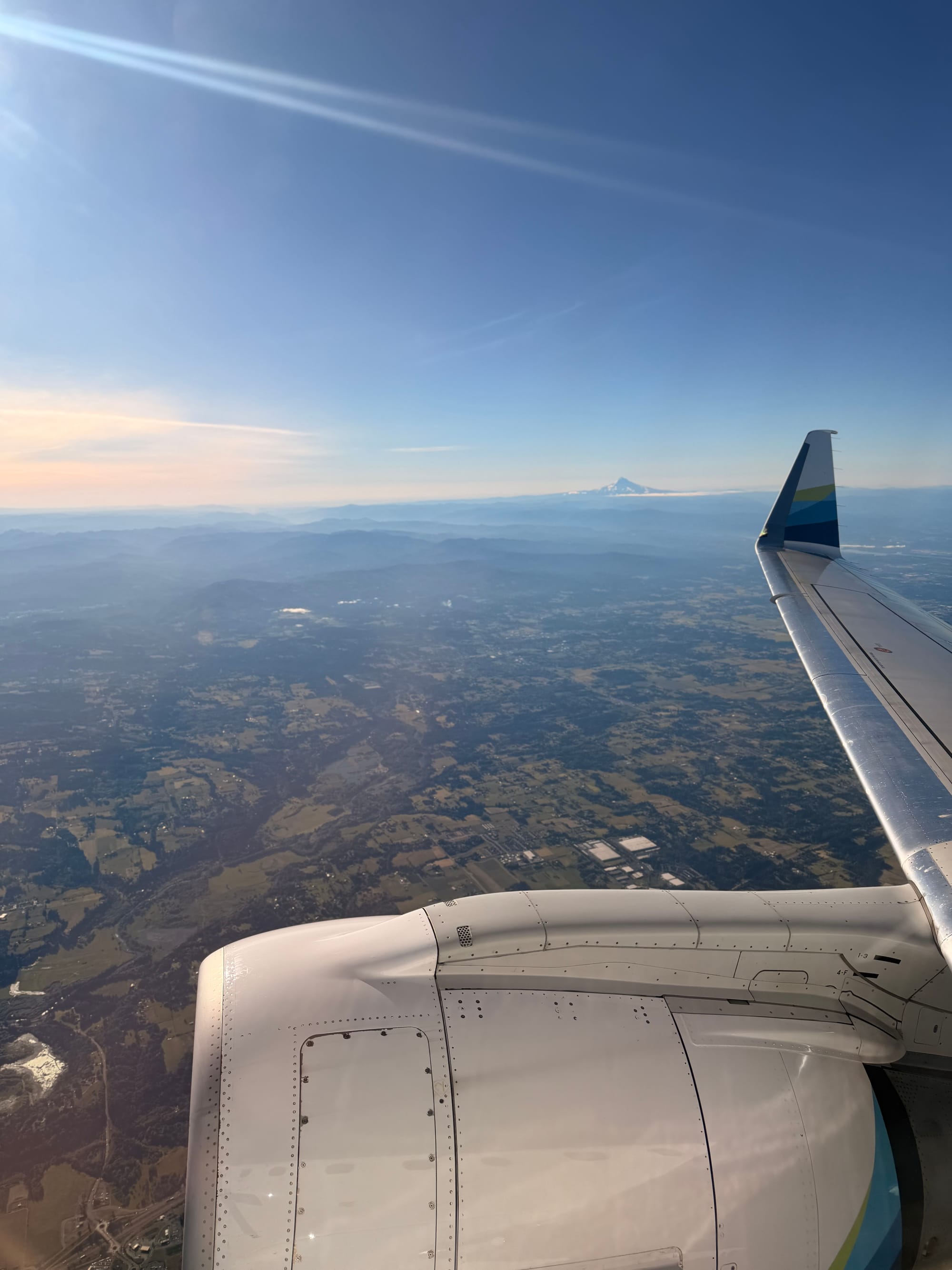
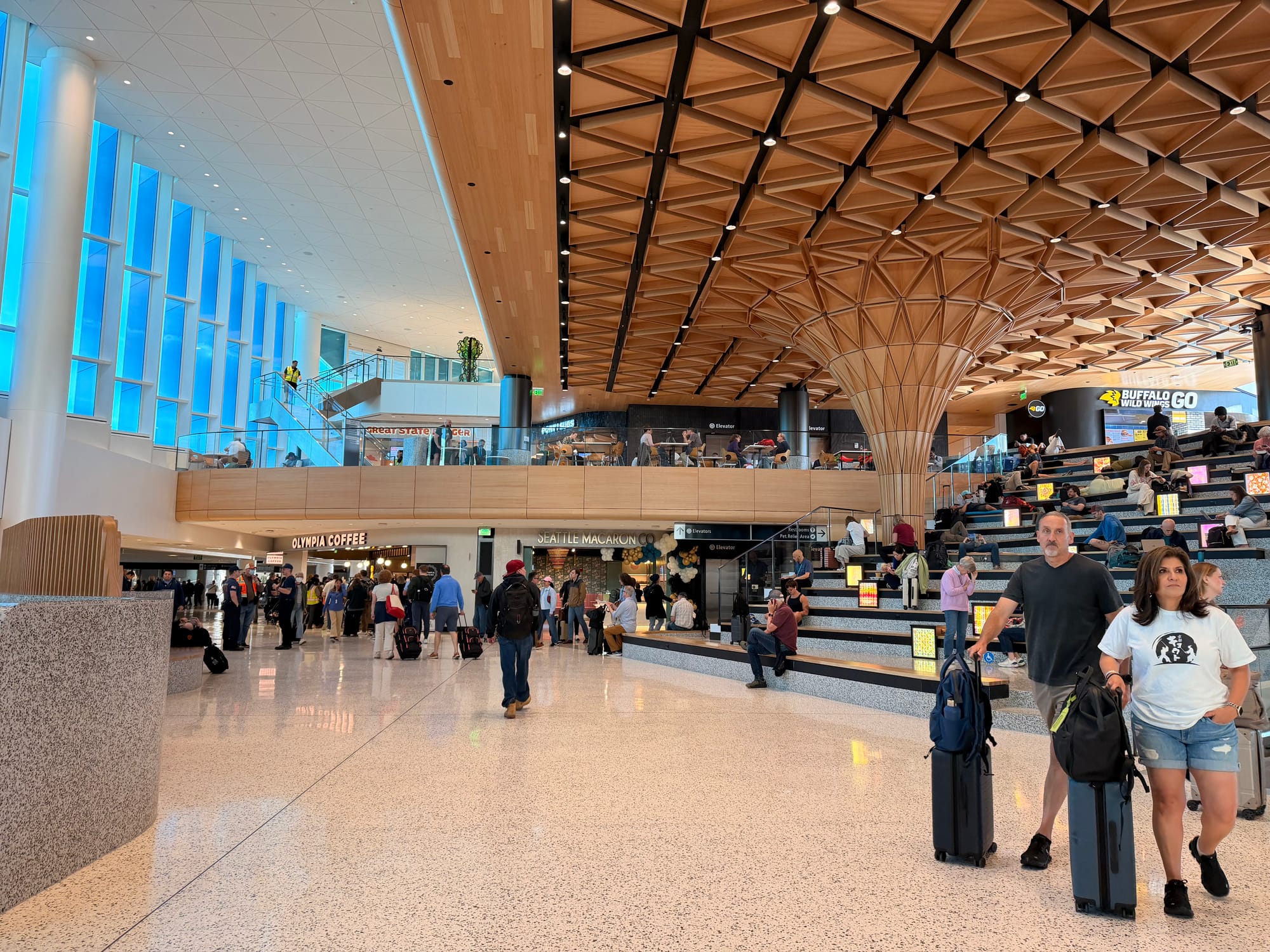
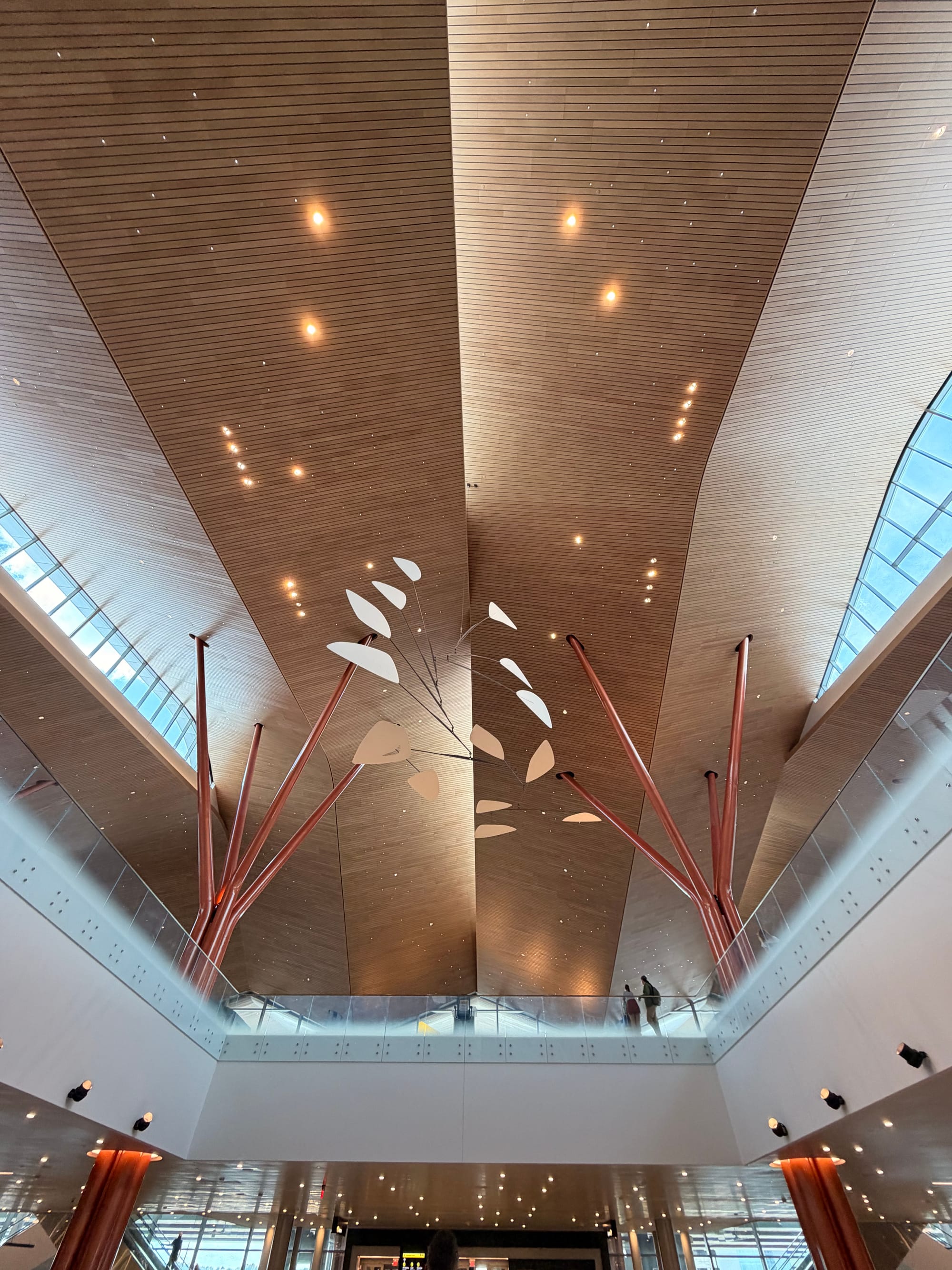
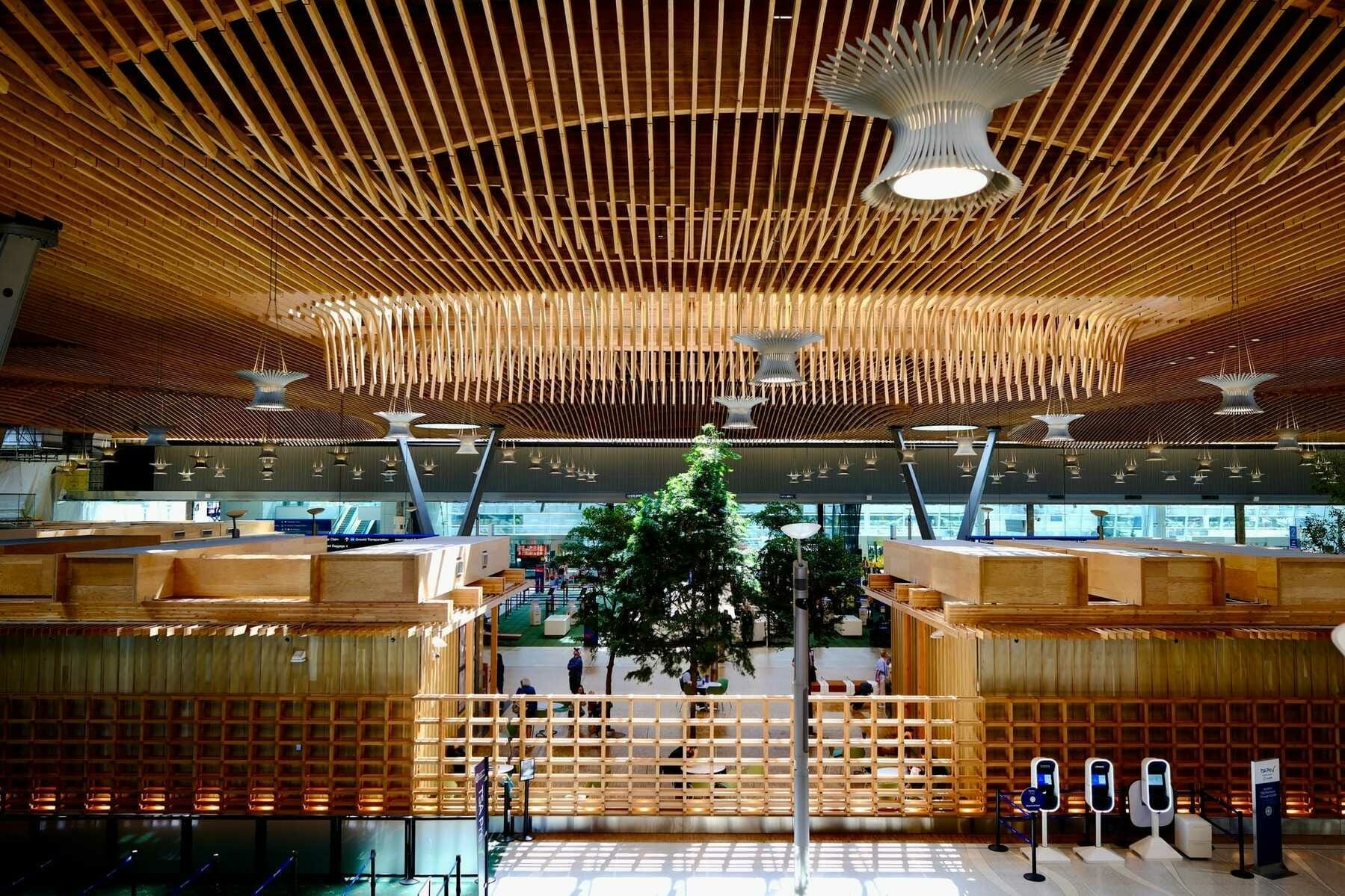
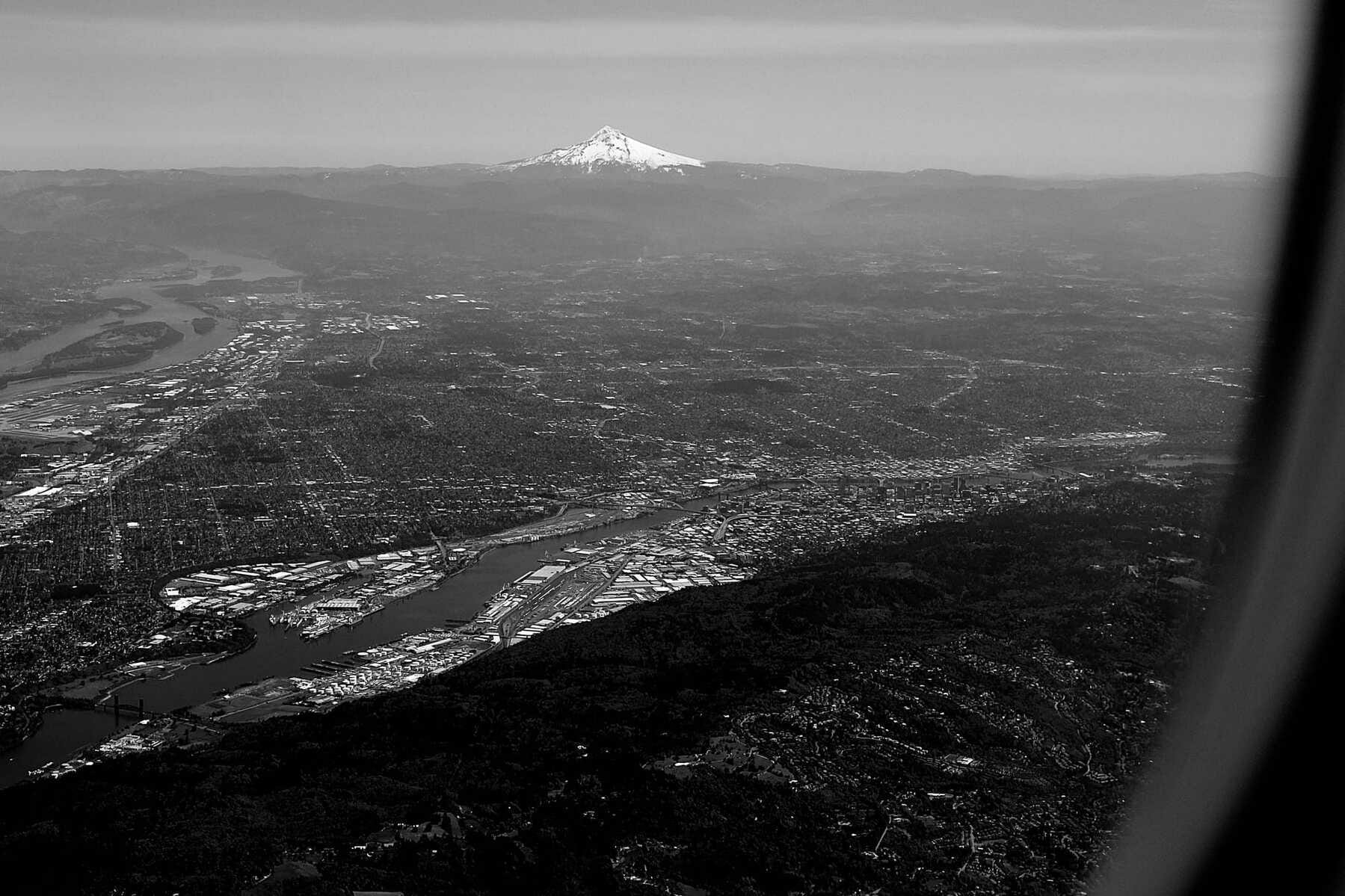
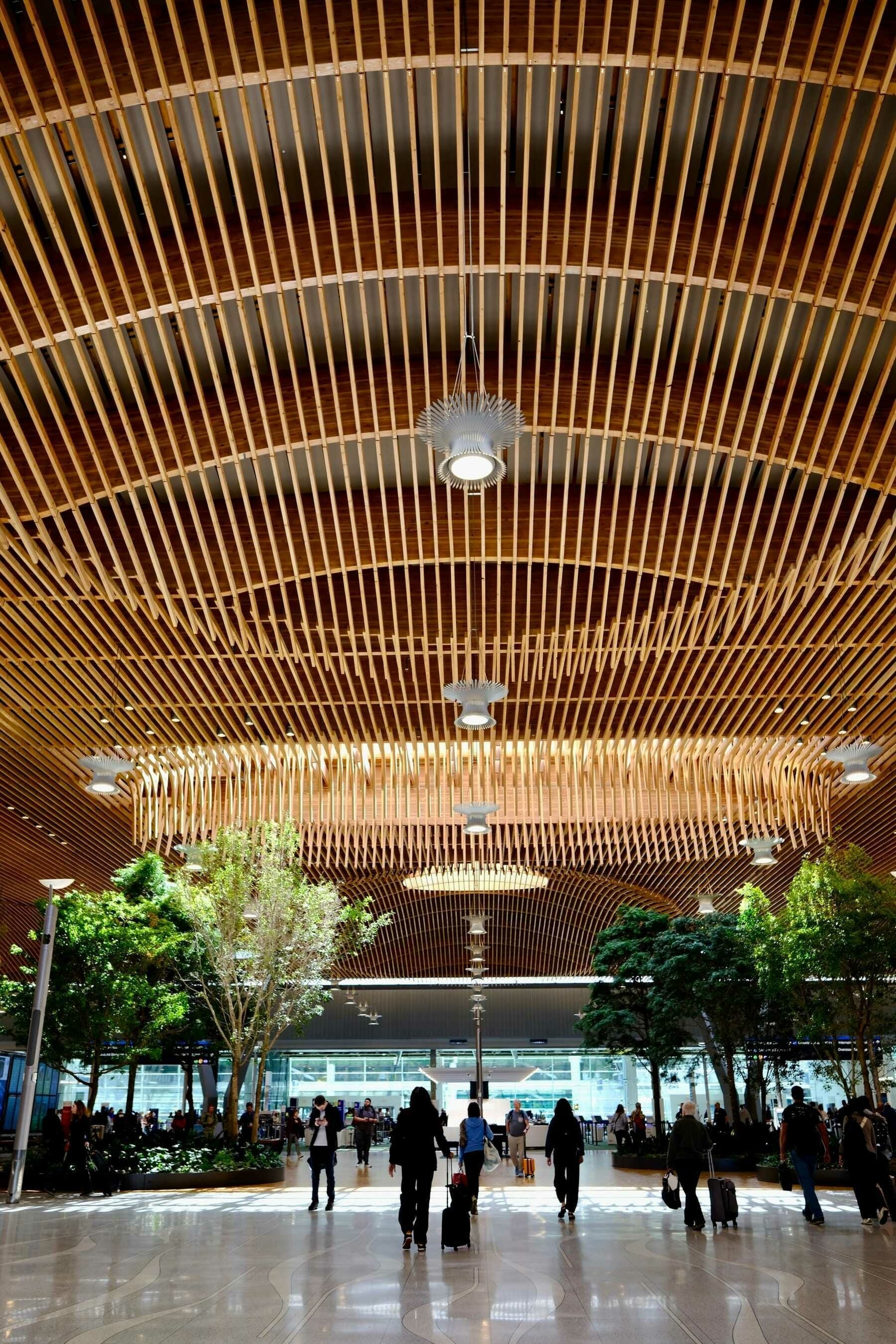
The new Alaska Airlines lounge at Portland International (PDX), Flying from PDX to SeaTac, SeaTac, Pittsburgh International (PIT)
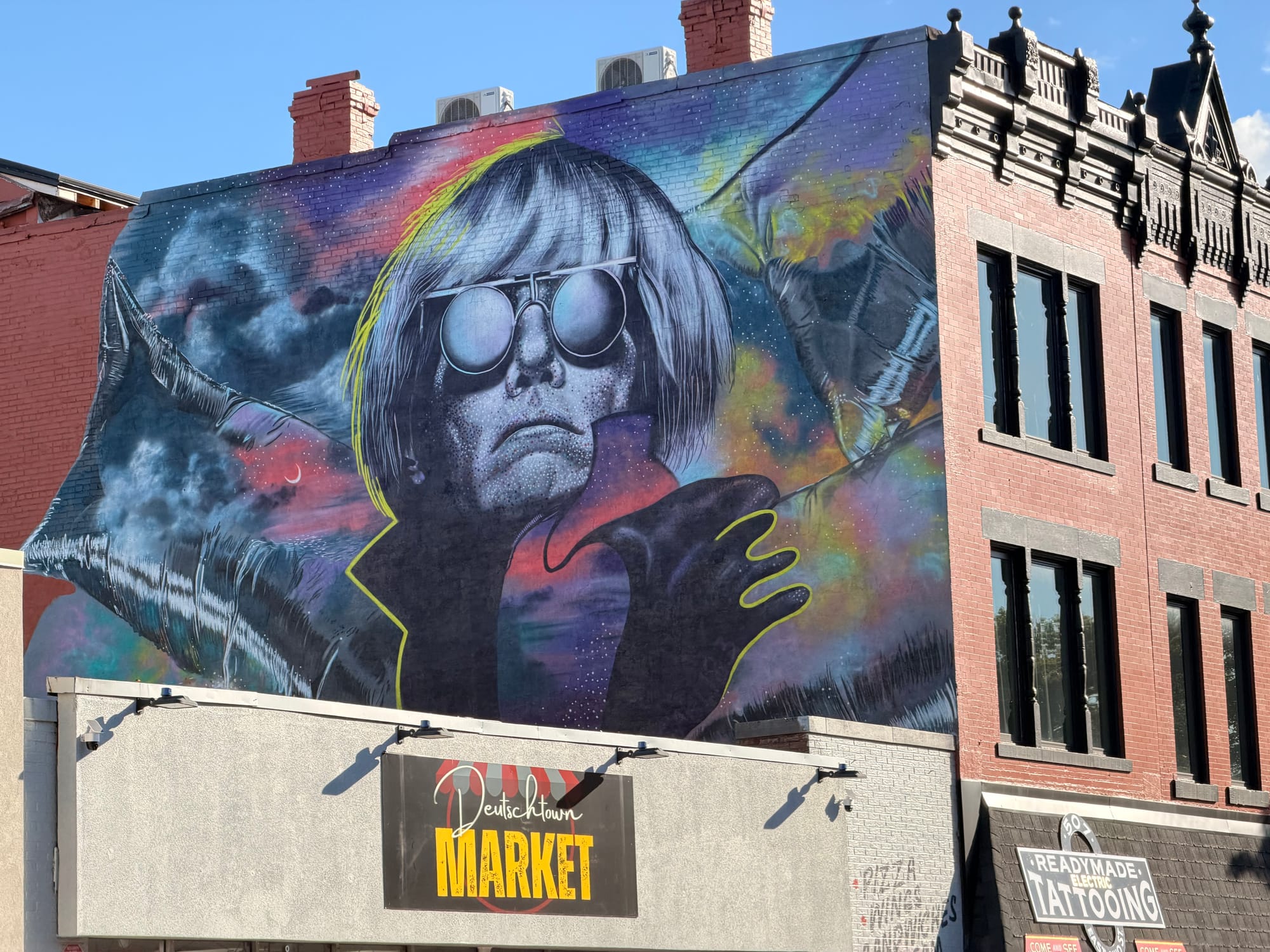
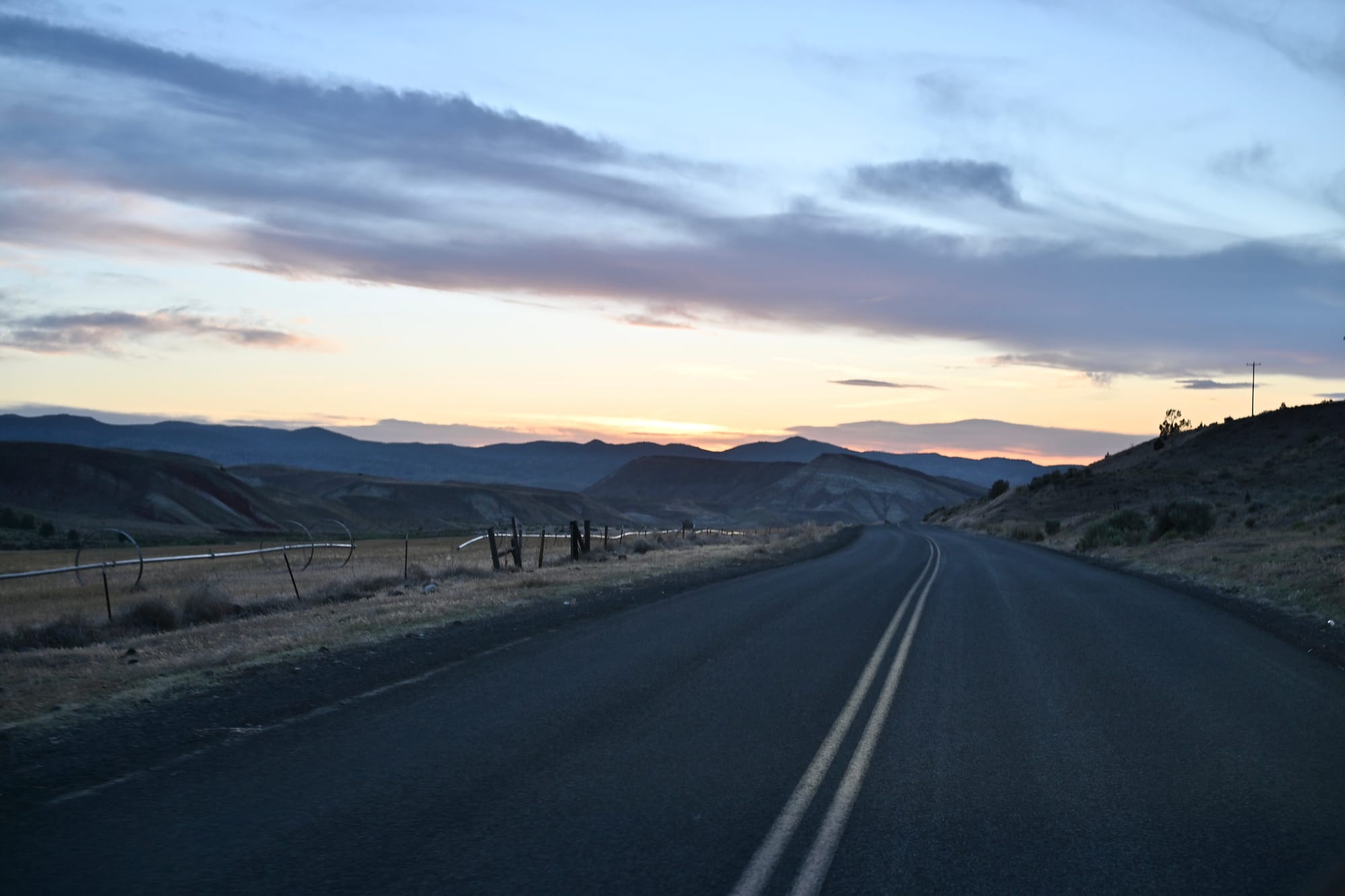
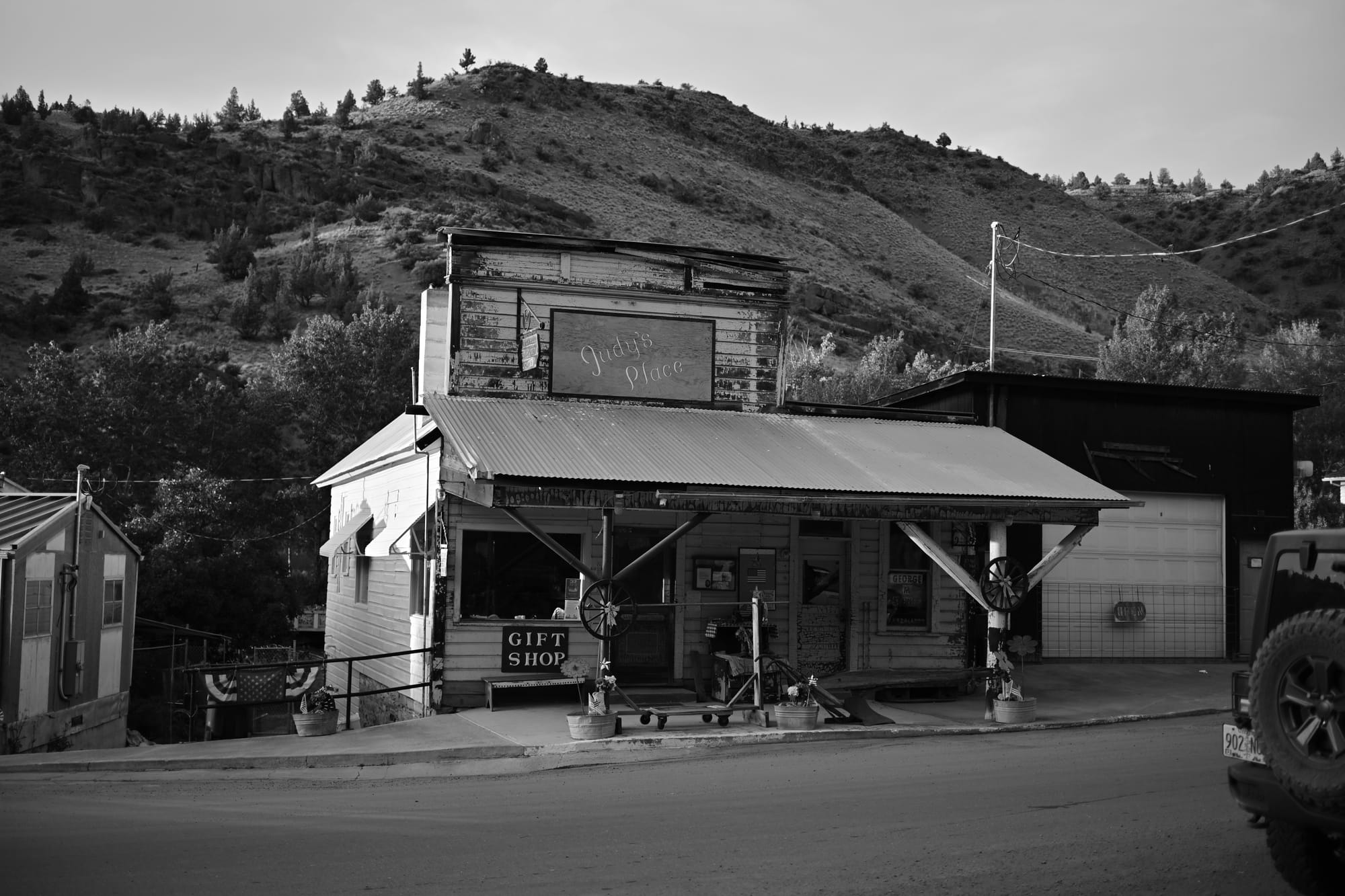
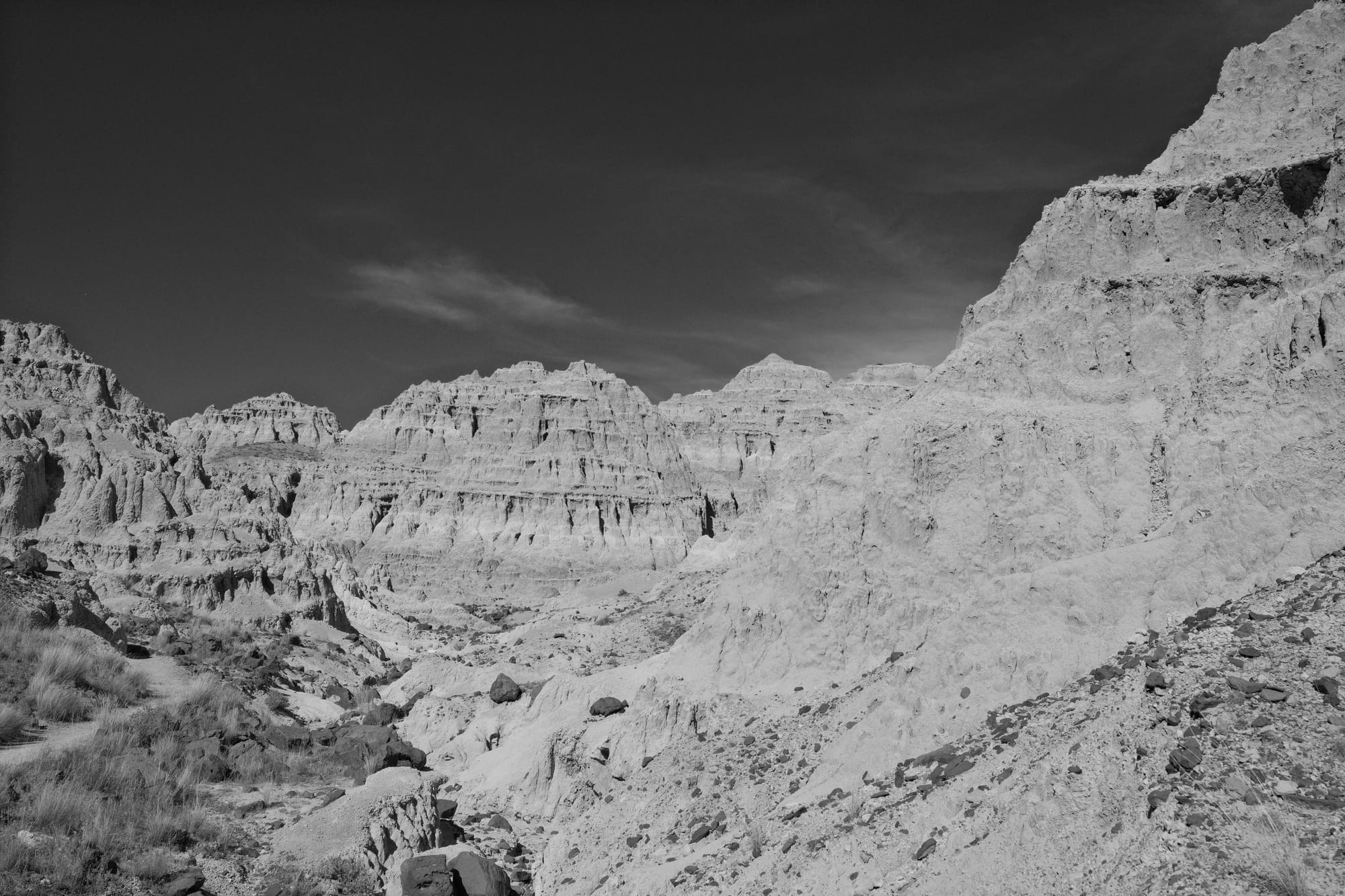
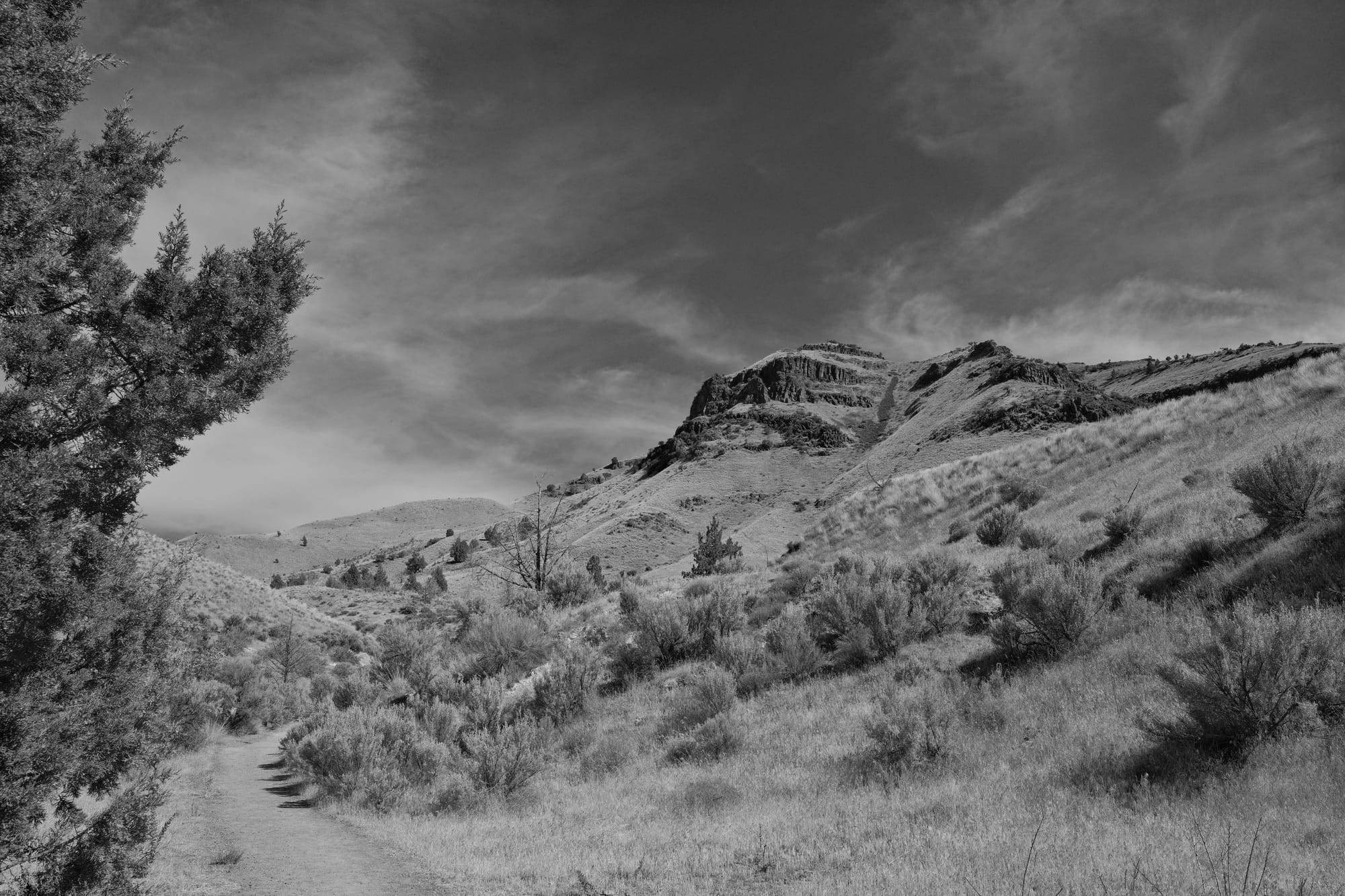
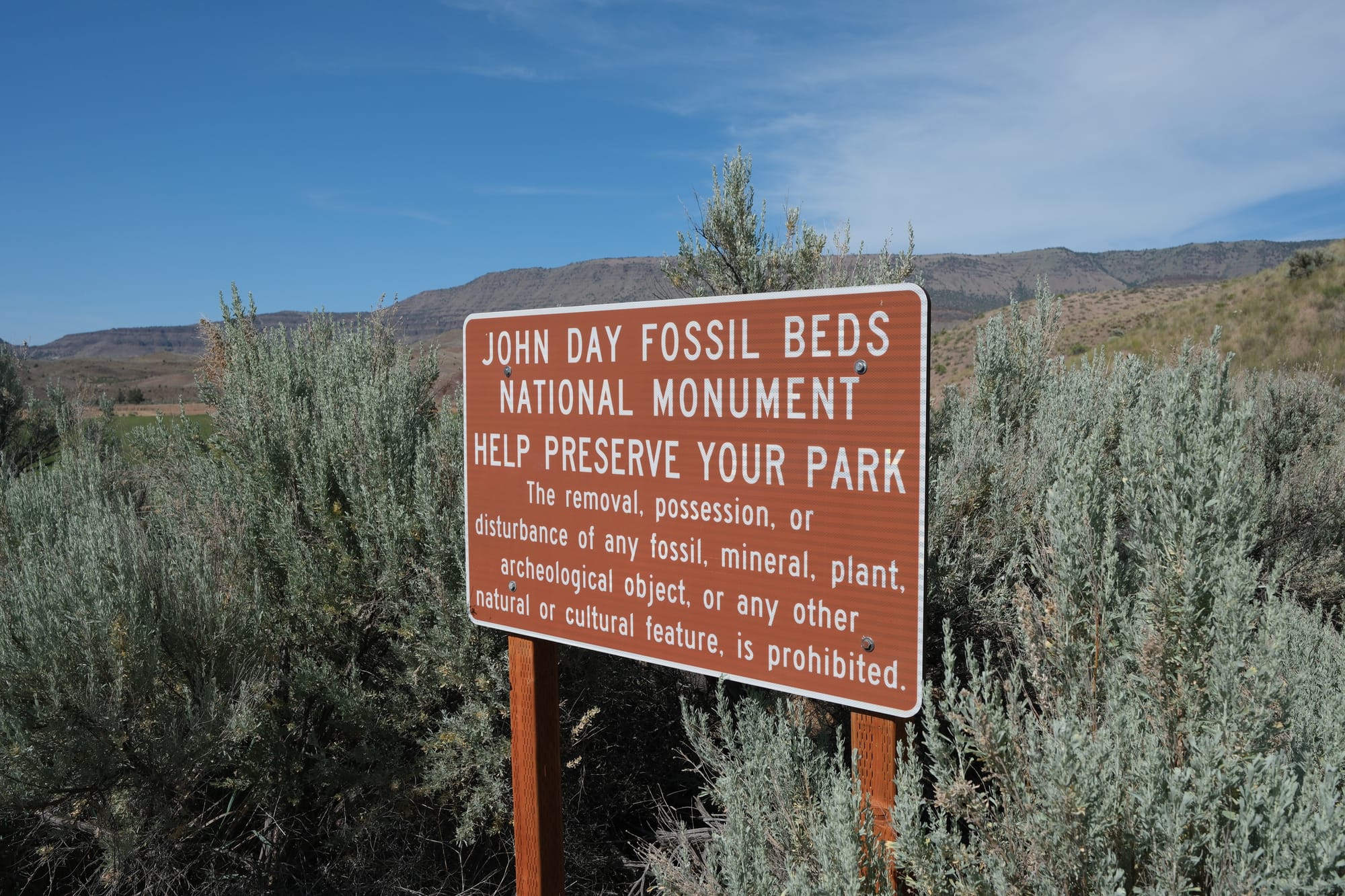
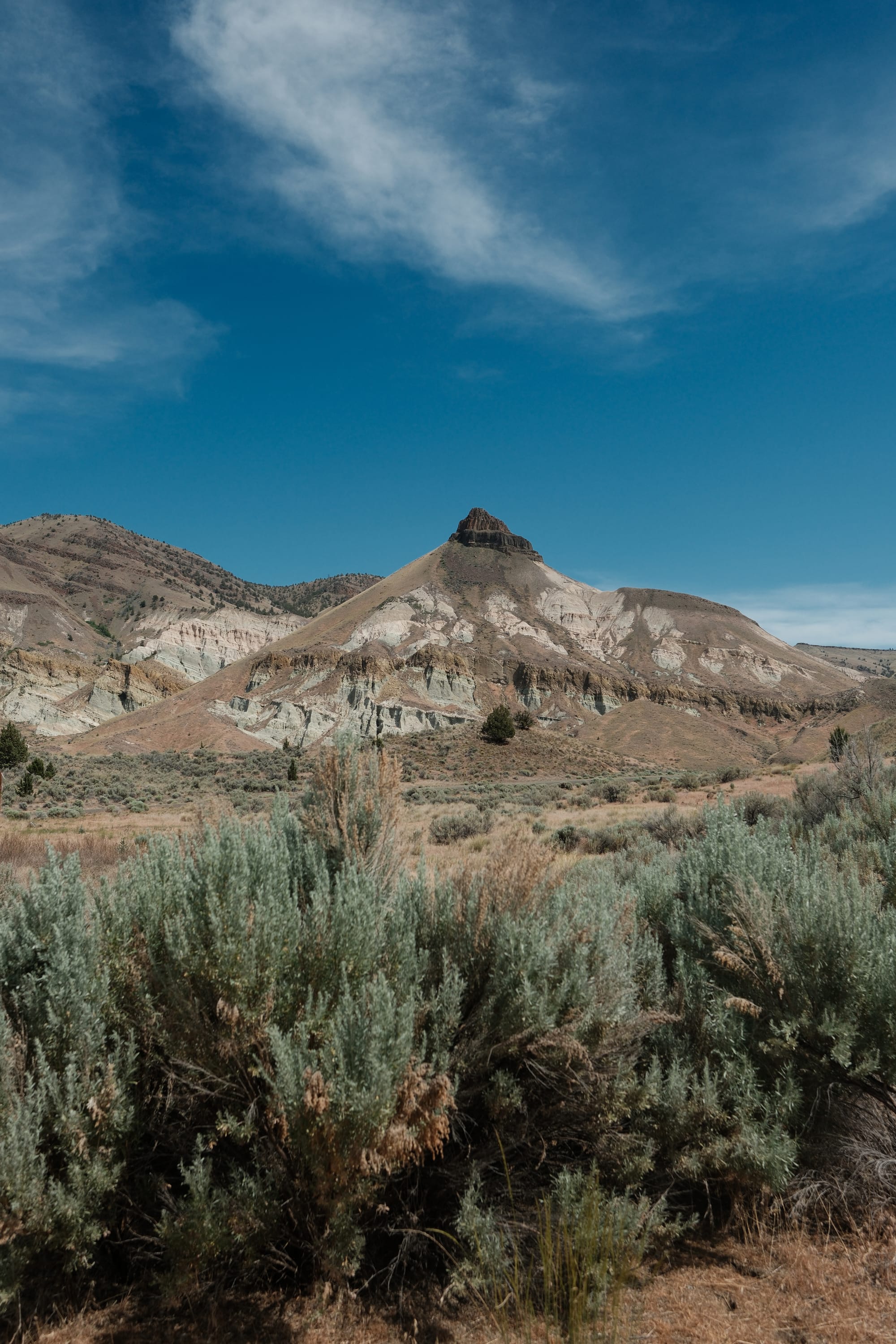
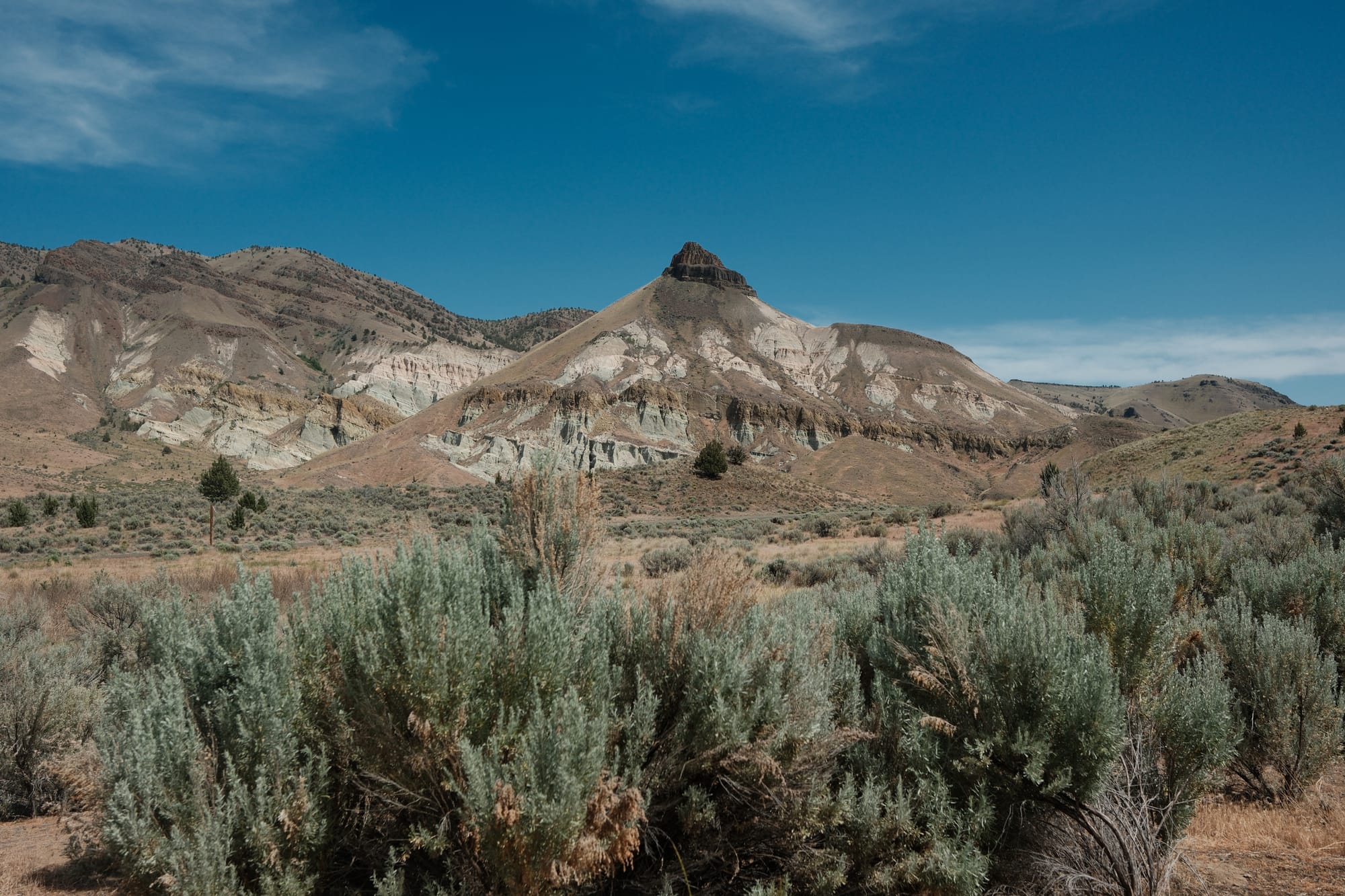
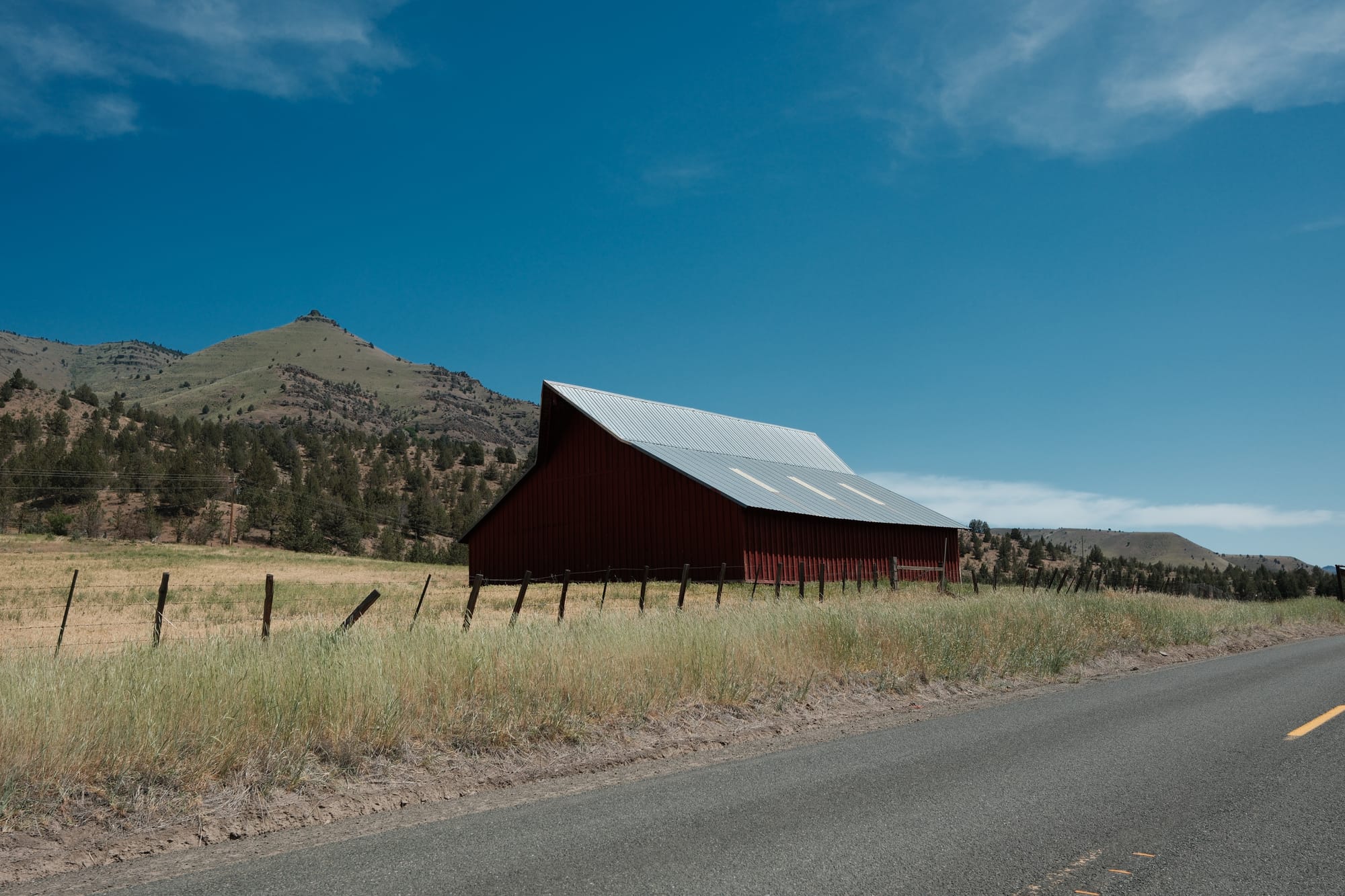
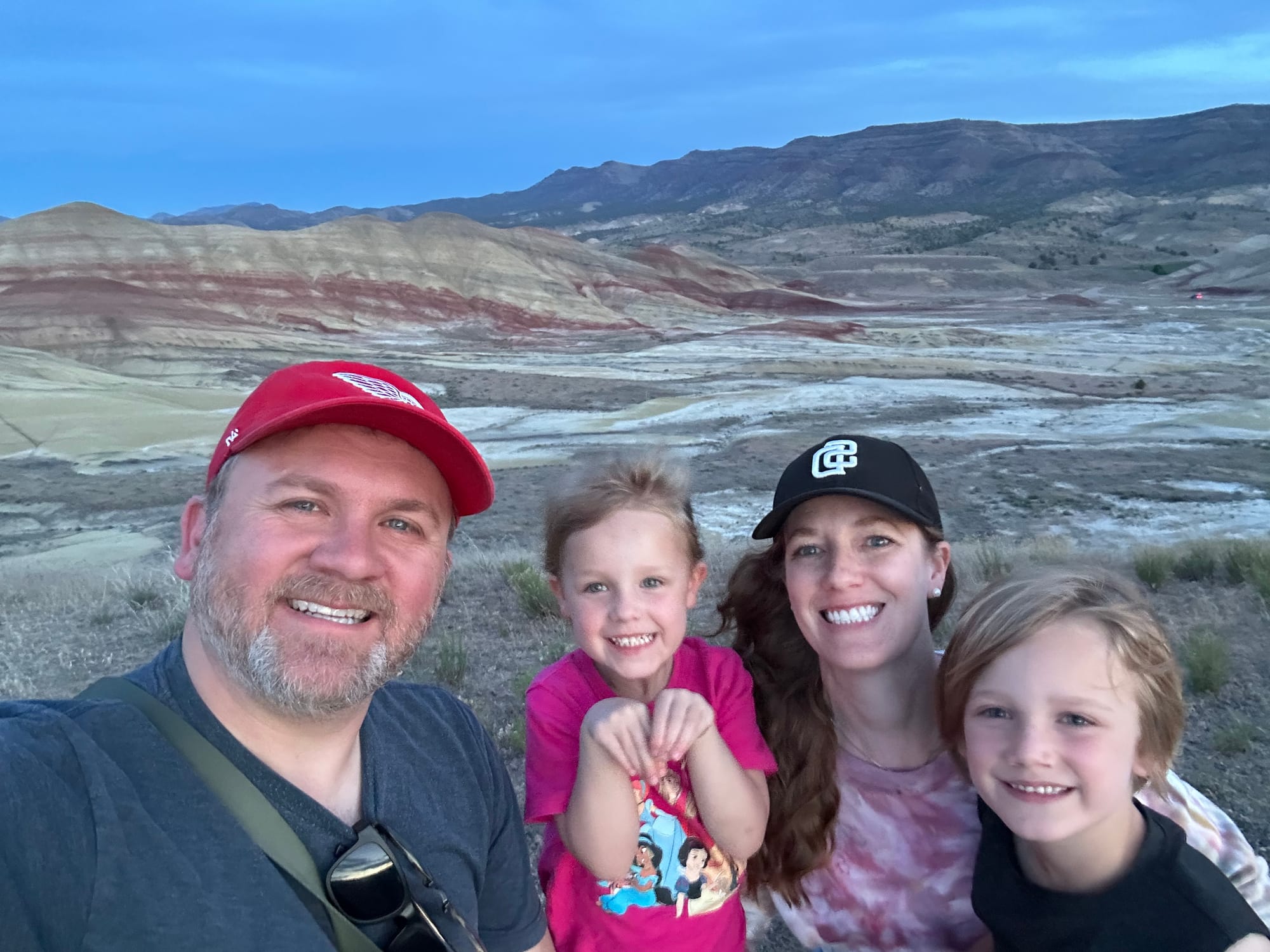
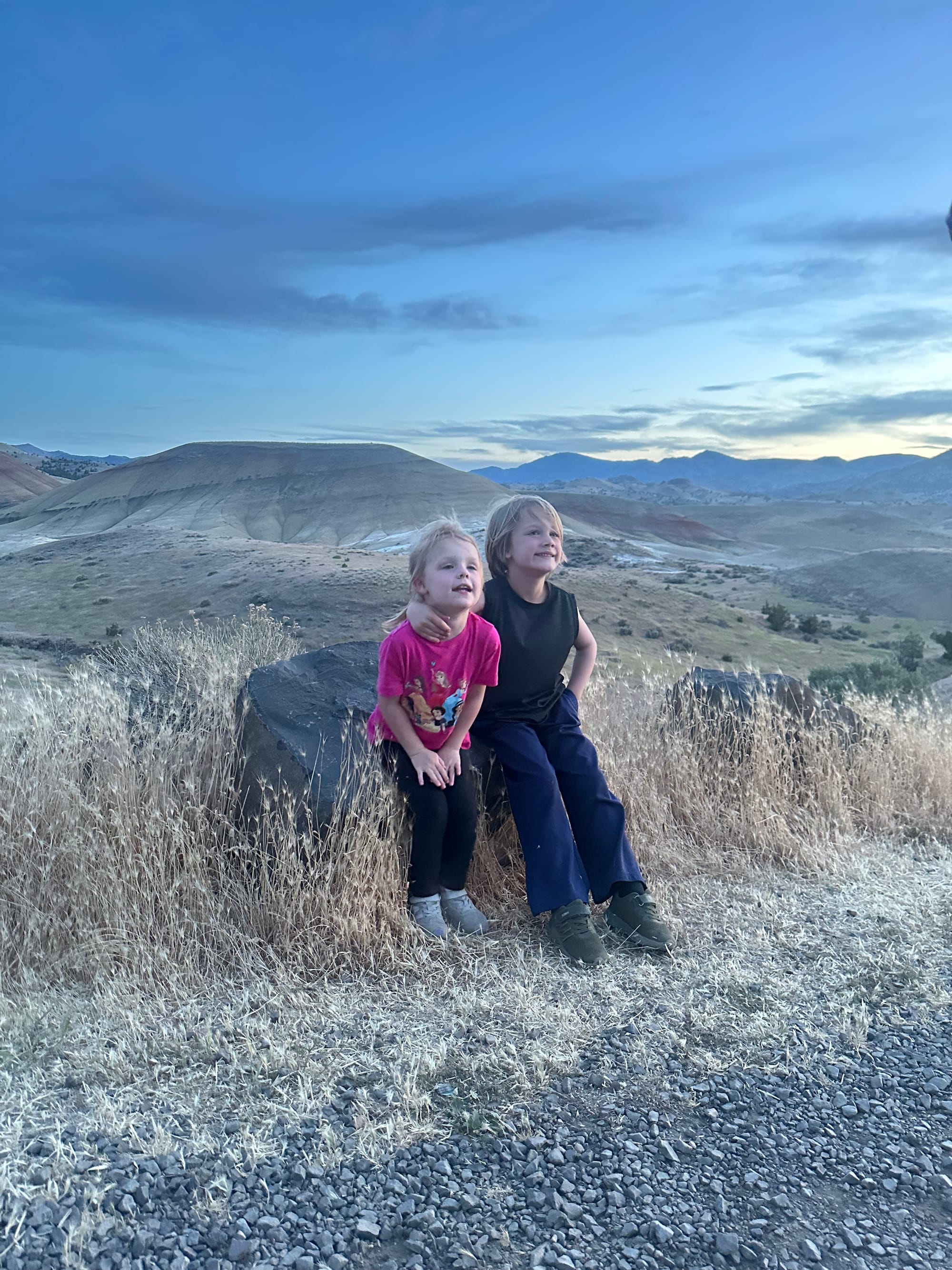
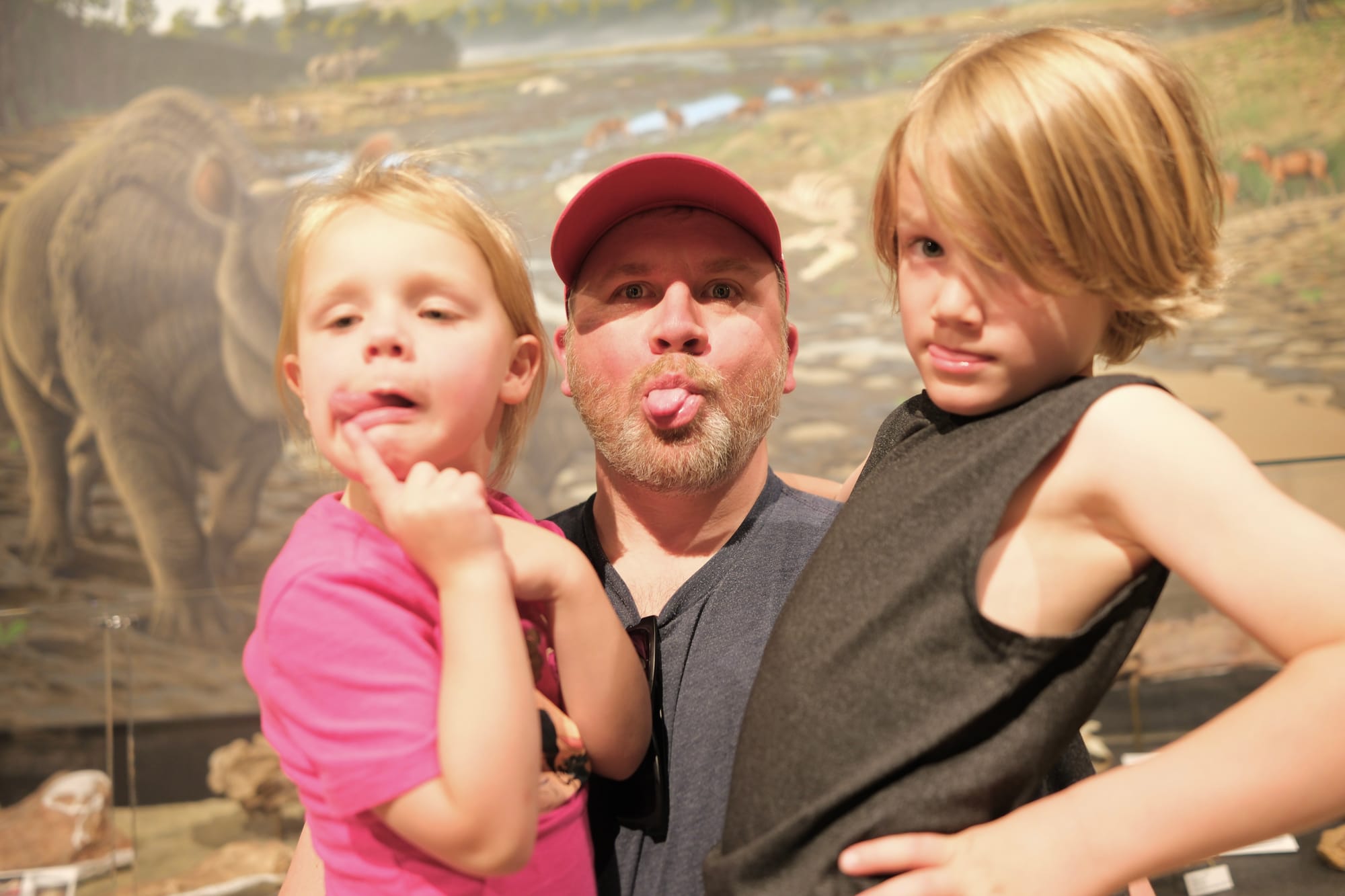
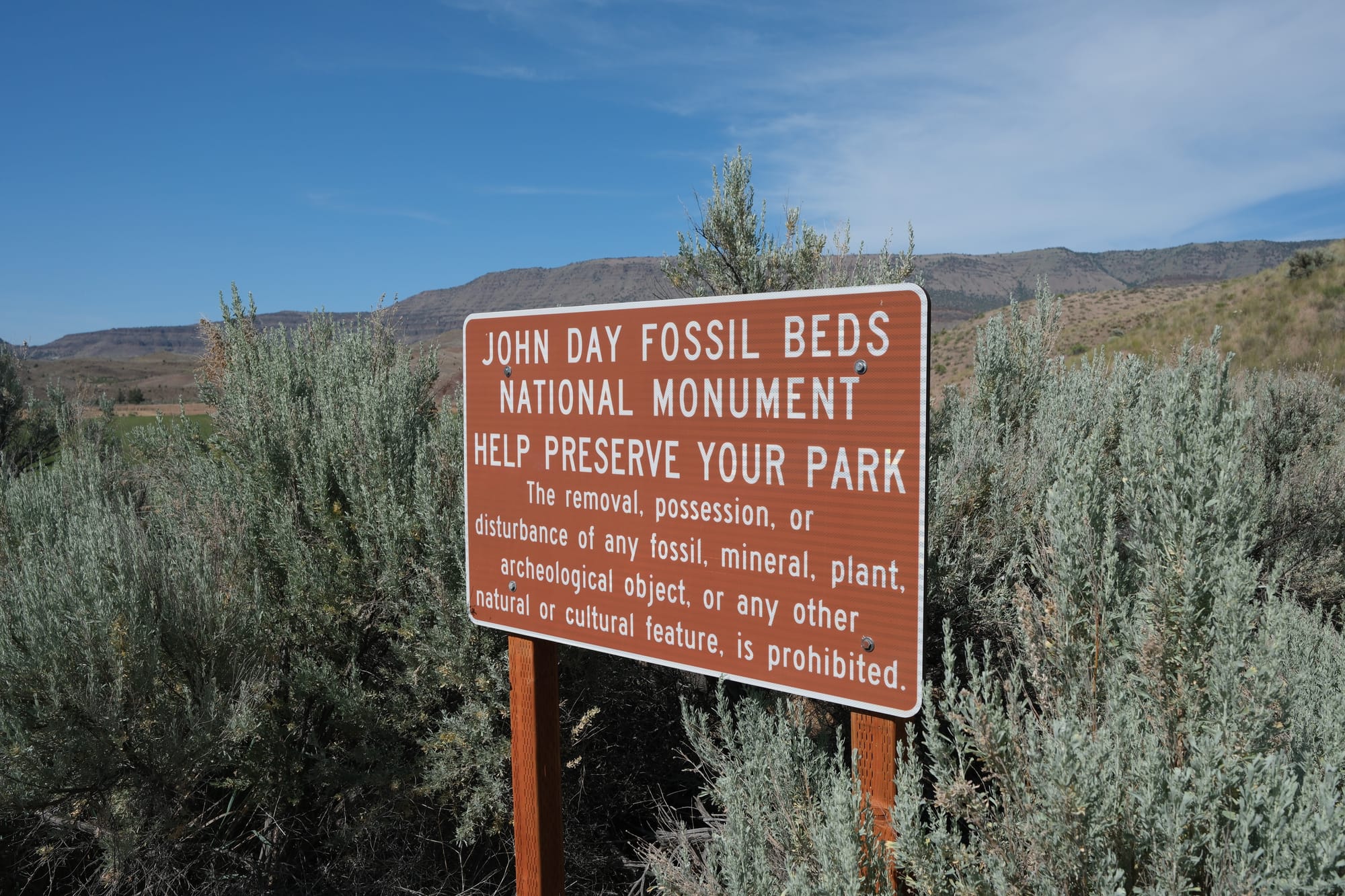
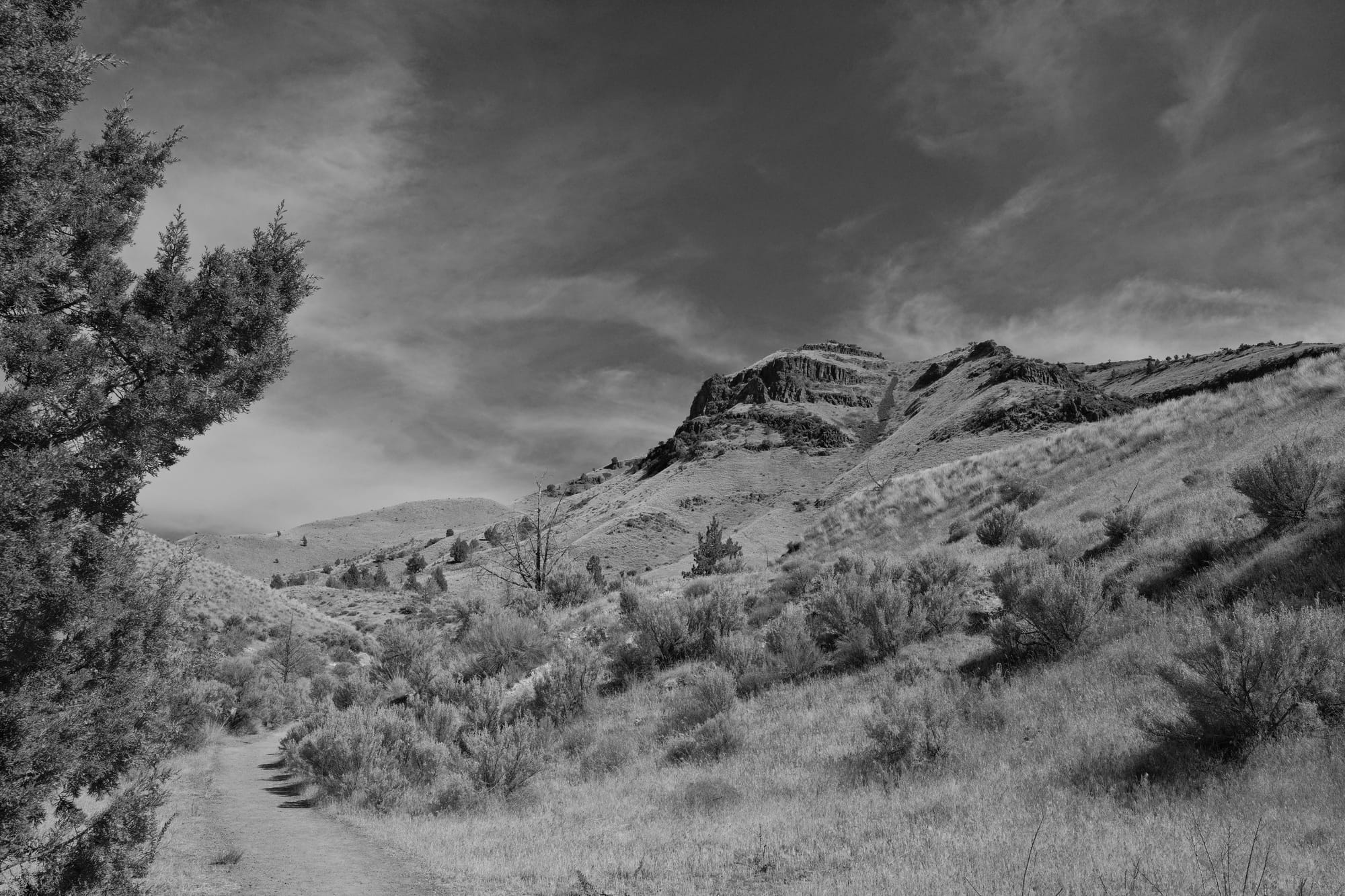
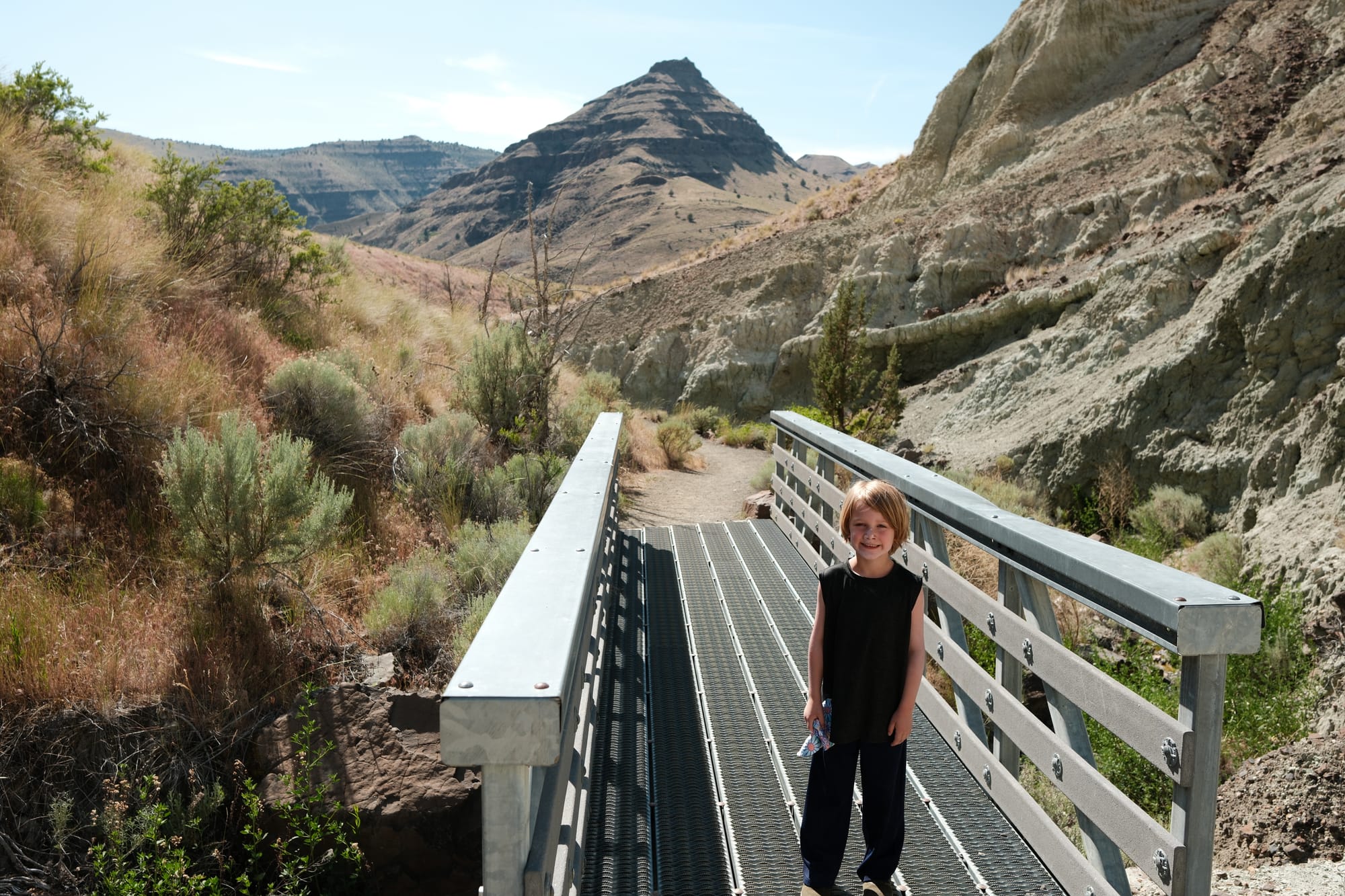
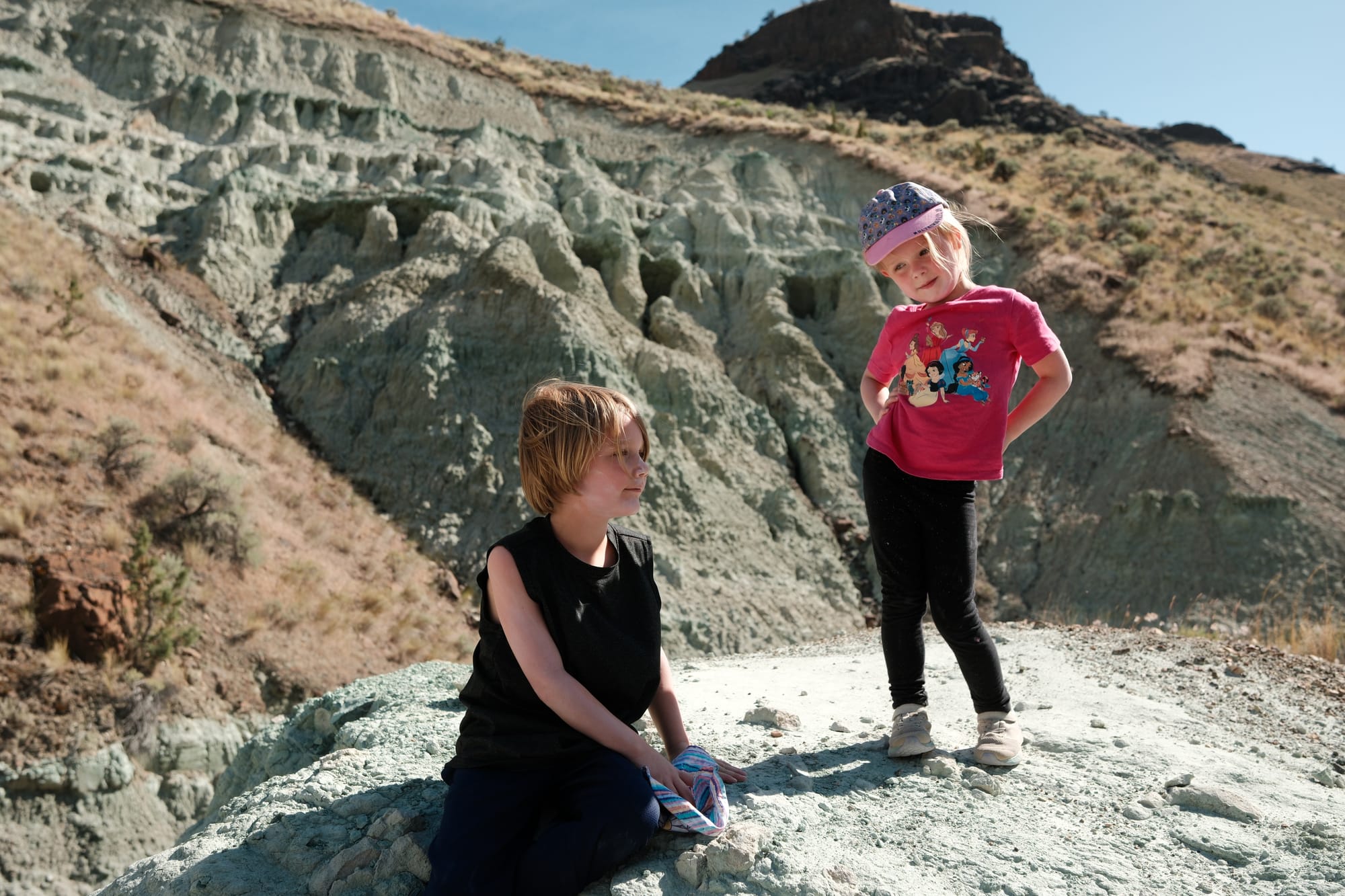
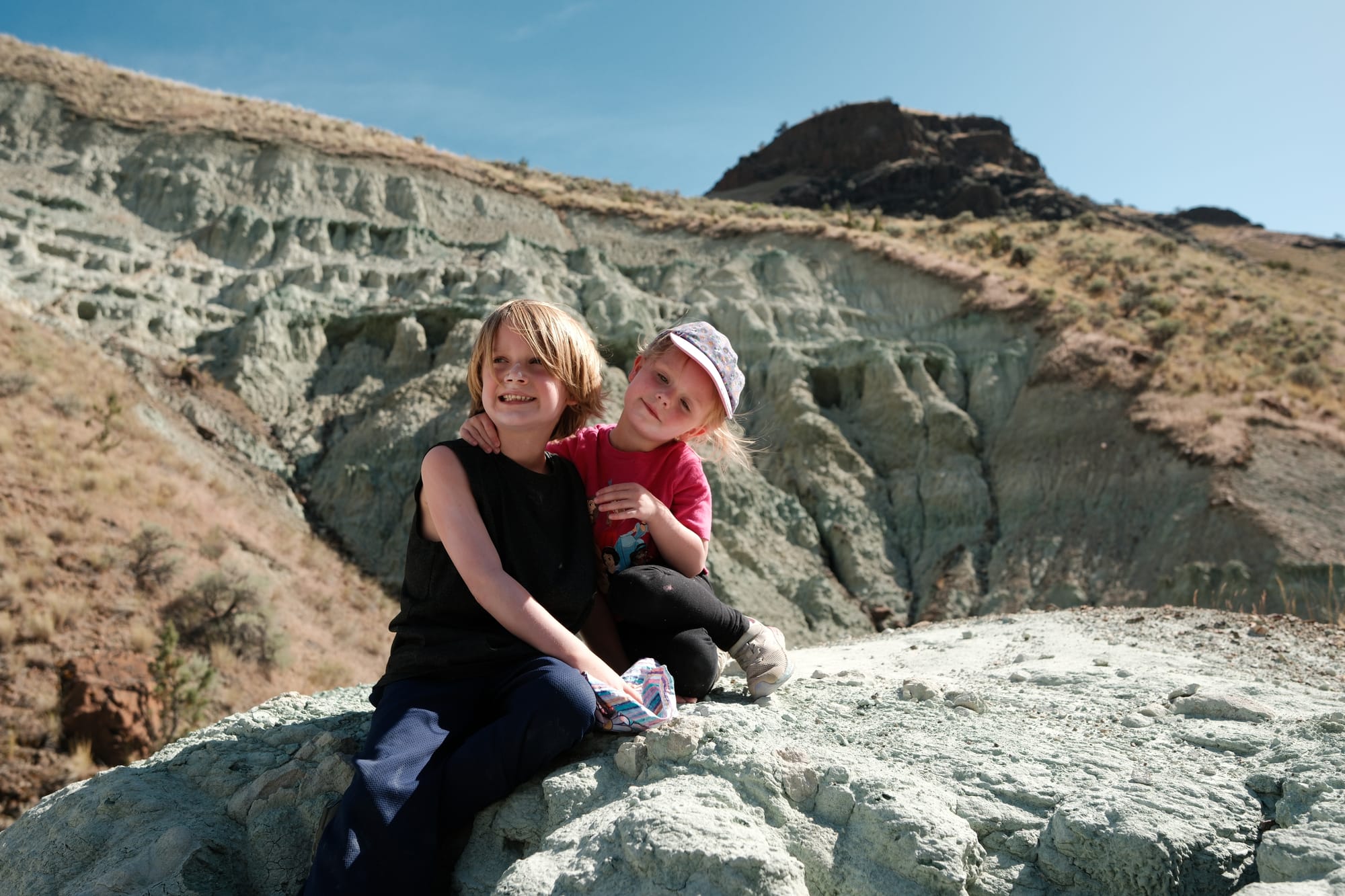
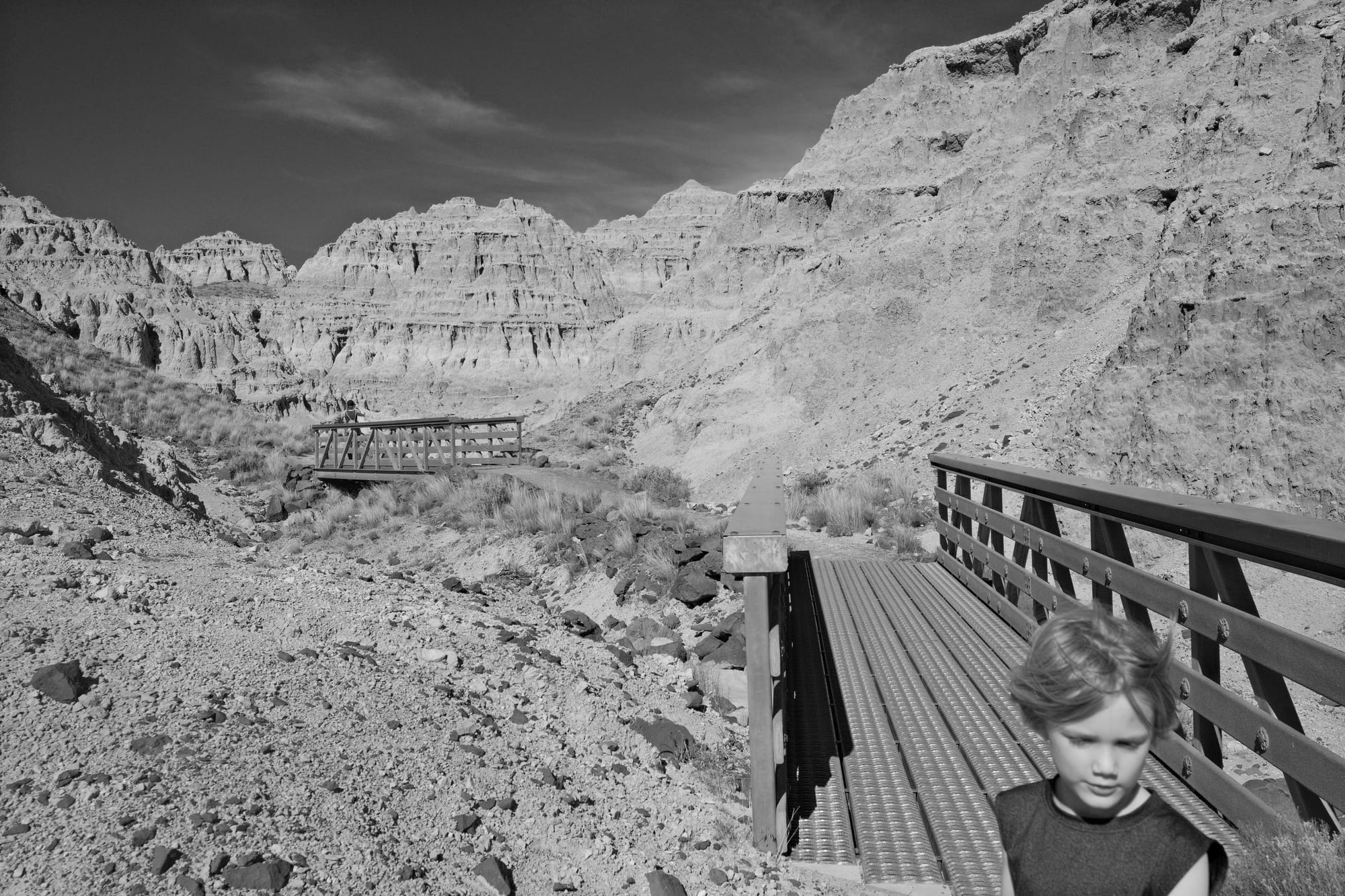
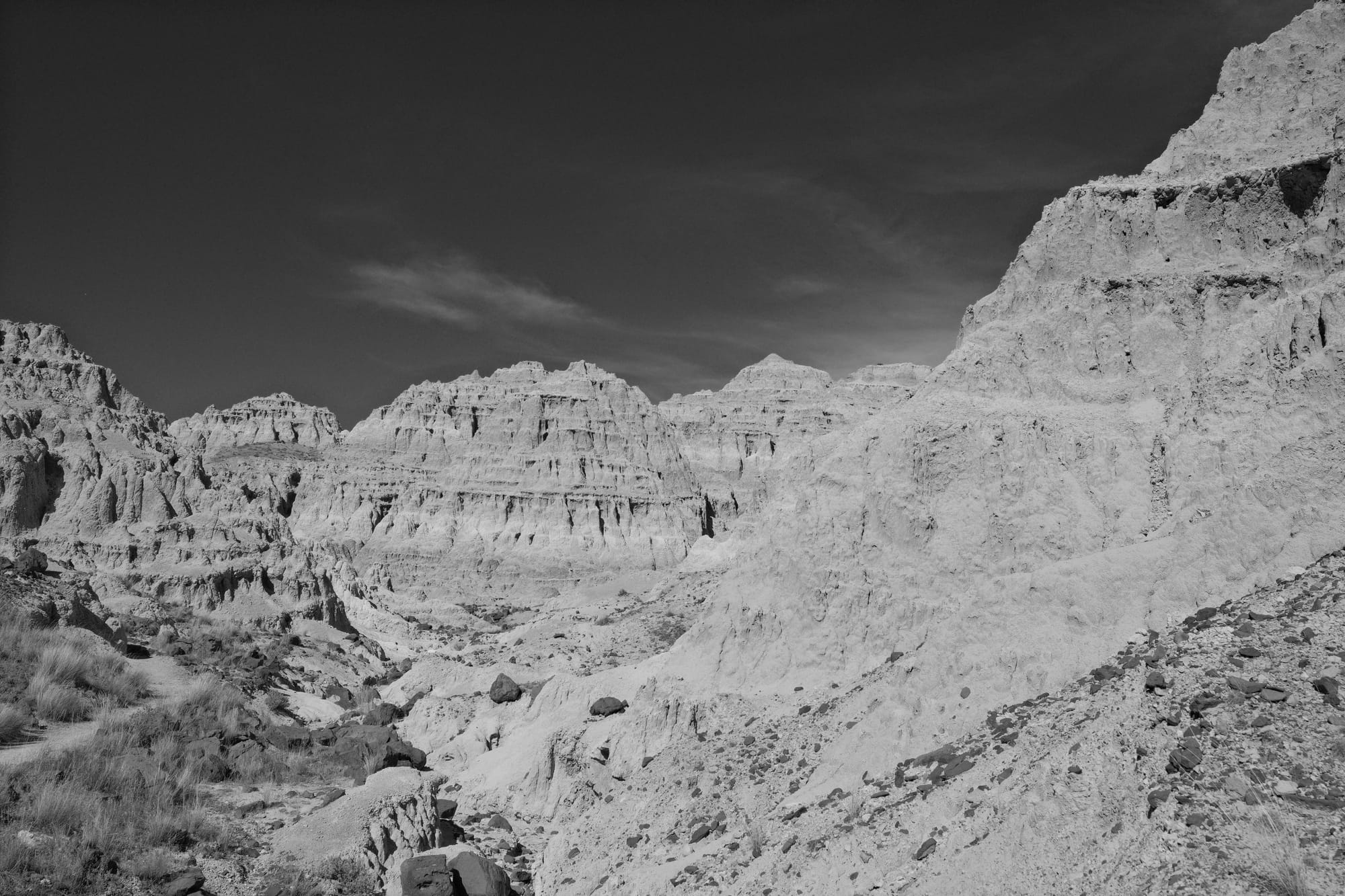
We took advantage of the long weekend and did something we’ve been wanting to do since moving to Oregon over a decade ago: visit the John Day Fossil Beds National Monument .
First, a little bit of background from the NPS website:
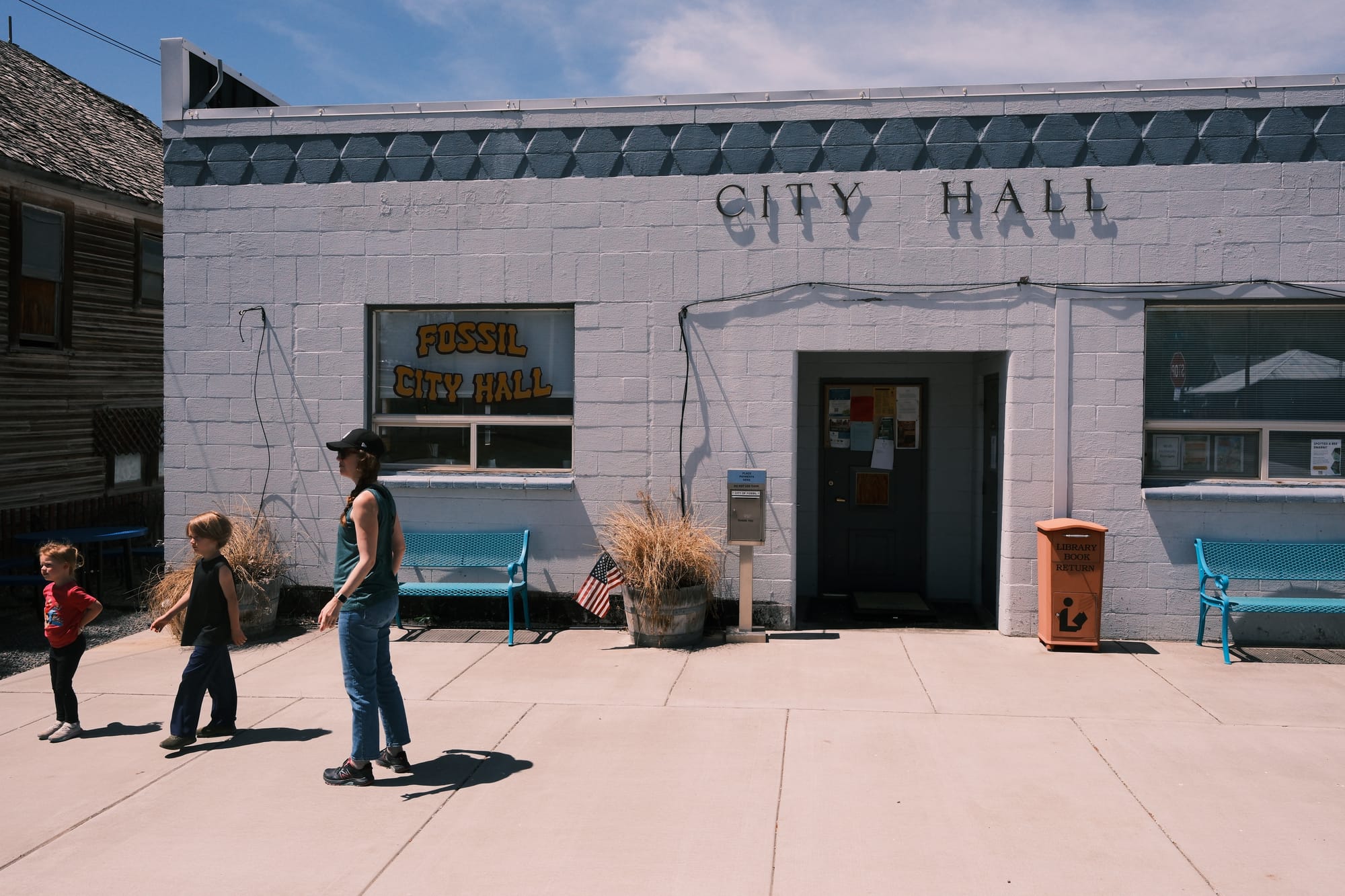
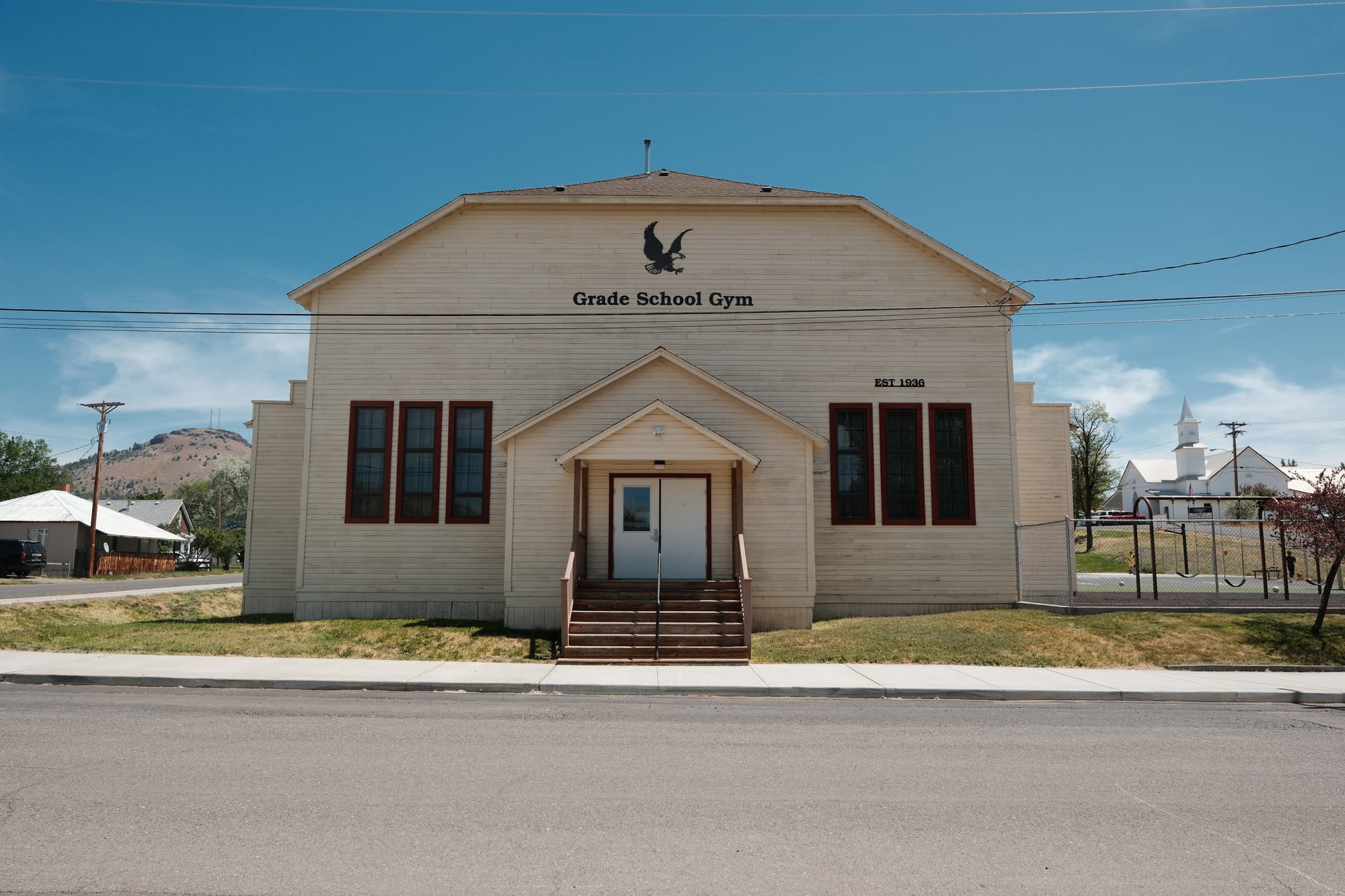
John Day Fossil Beds National Monument is comprised of more than 14,000 acres within three separate units located in eastern Oregon: Sheep Rock , Painted Hills, and Clarno . The three units of the monument hold some of the best fossil bearing locations within the larger John Day Fossil Beds, which cover most of eastern Oregon.
You will find no dinosaurs here; this area was underwater during that time. The John Day Fossil Beds preserve plant and animal fossils from most of the Age of Mammals and Flowering Plants, covering a time period from 44 million years ago until 7 million years ago. With such a vast span of time covered in one place, this area provides unparalleled insight into how the world as we know it came to be.
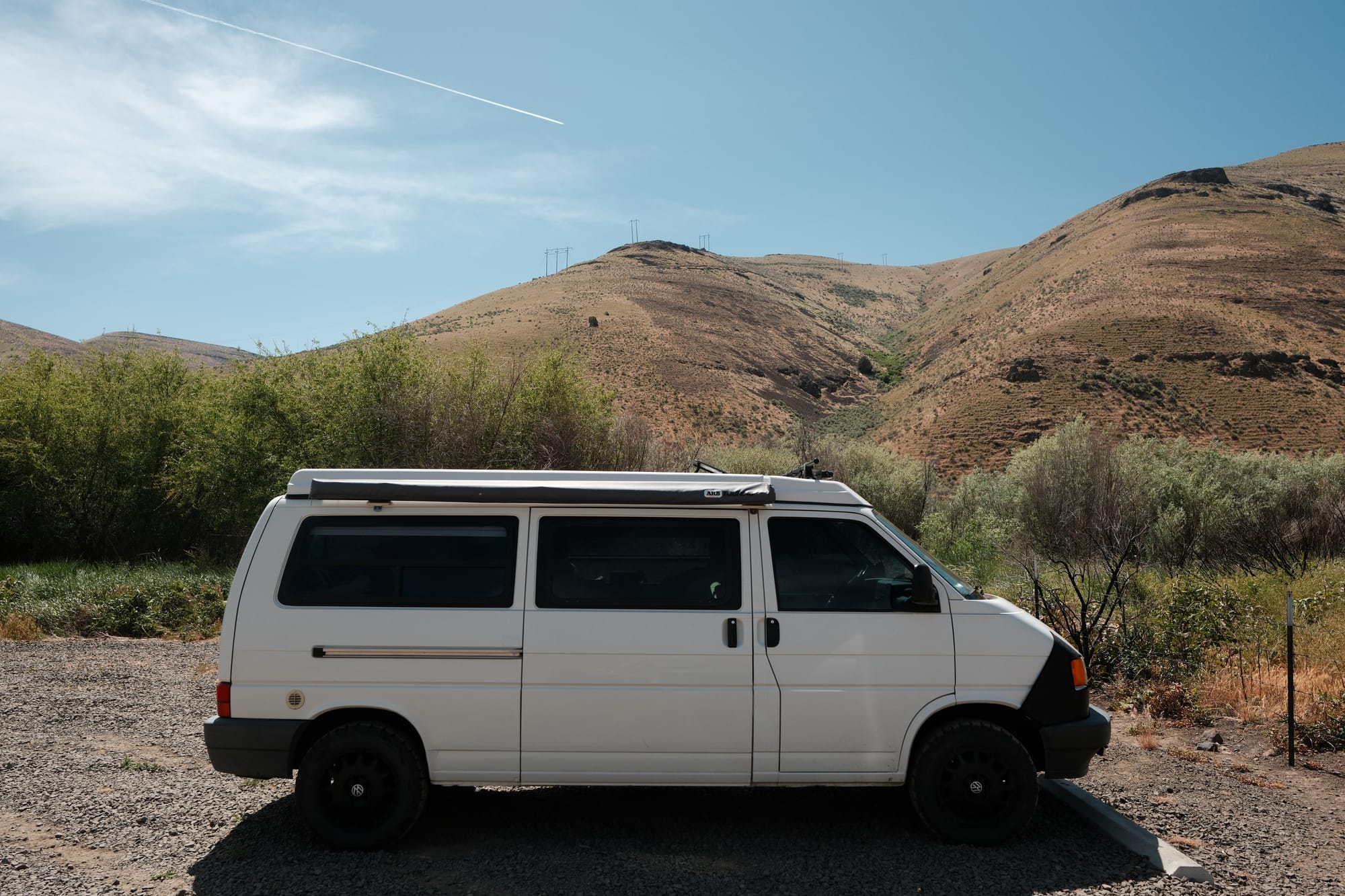
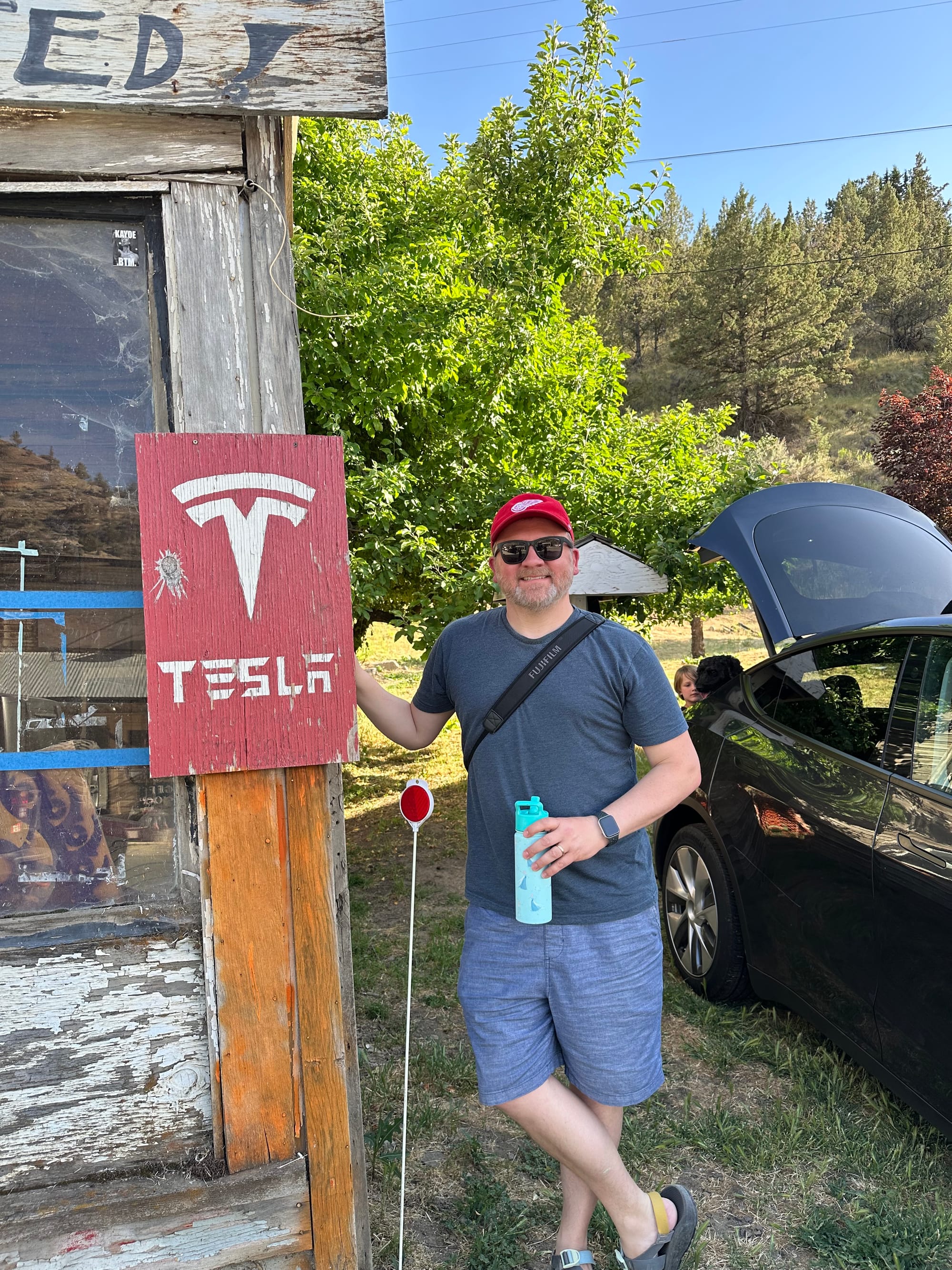
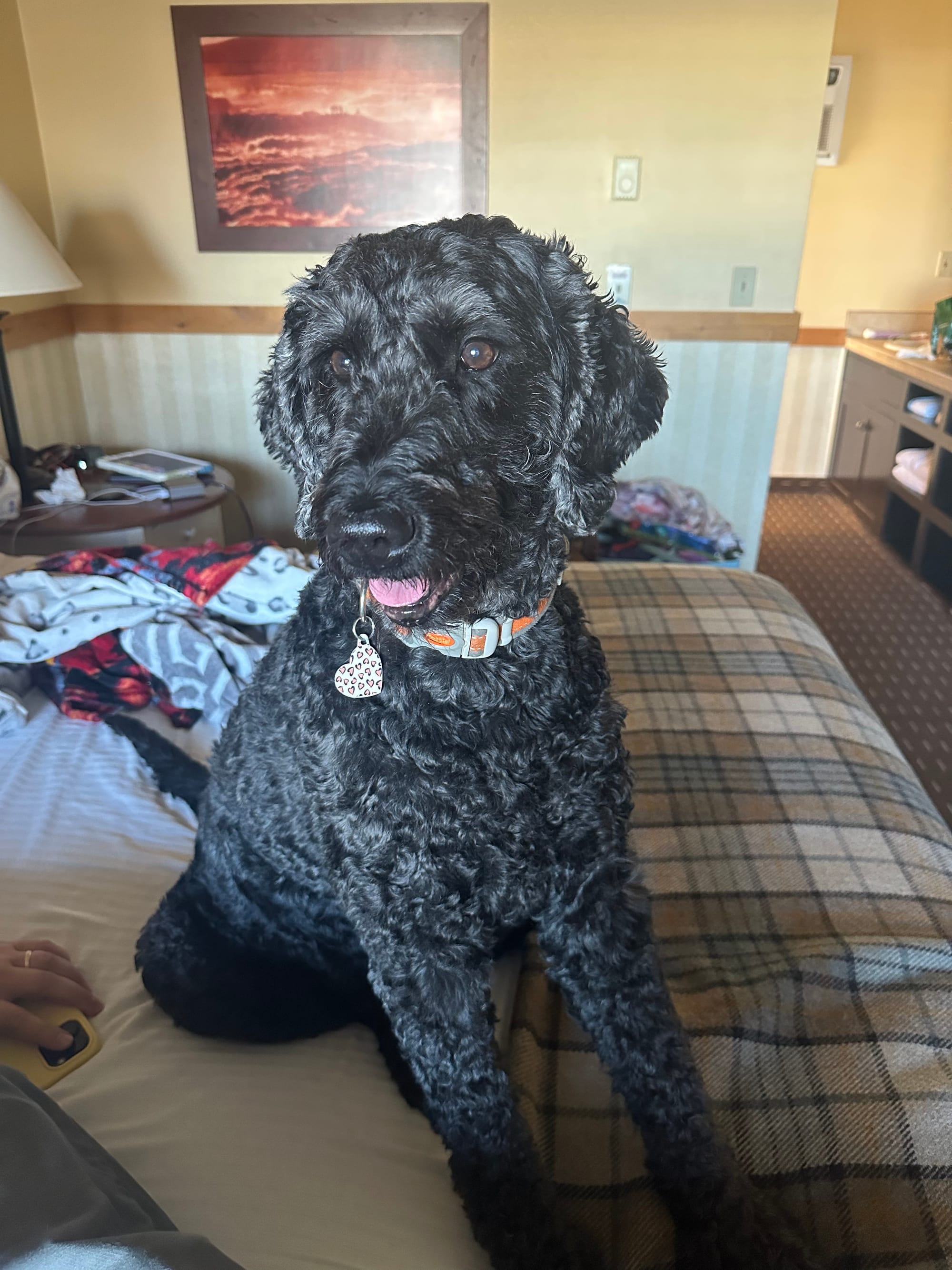
I have to admit that despite wanting to visit, I wasn’t entirely sure what was in store for this trip due to some misconceptions or preconceived notions I had of the place, and Eastern Oregon in general. Secondly, we took my electric vehicle to save on costs. While things were mostly fine in this regard, there were some stretches in the middle that gave me some range anxiety, mostly because it was pretty hot out and we ended up using the air conditioning a lot, particularly if we had to leave the pup in the car for a little bit (with the car in Dog Mode). This is the route we ended up taking:
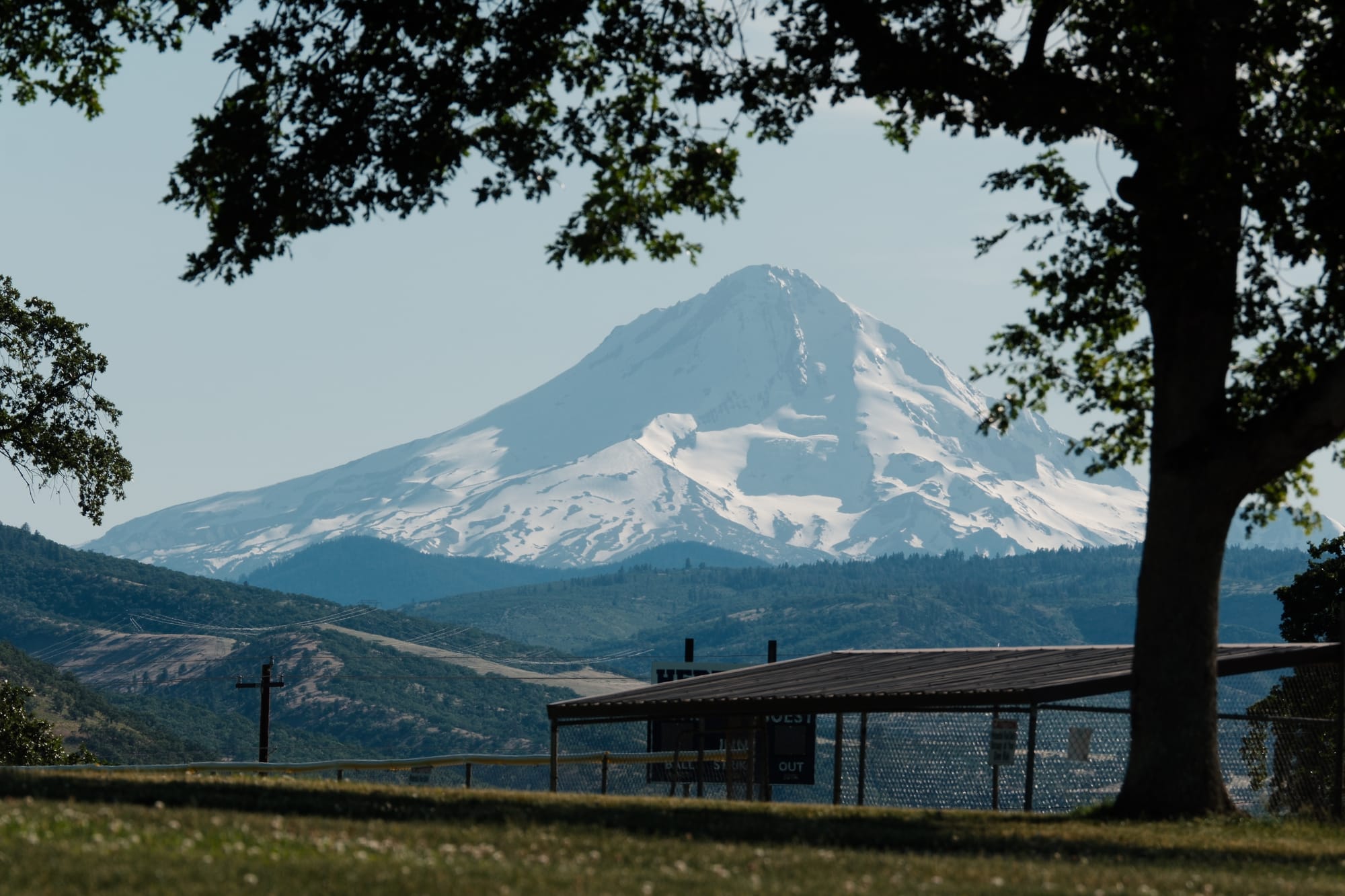
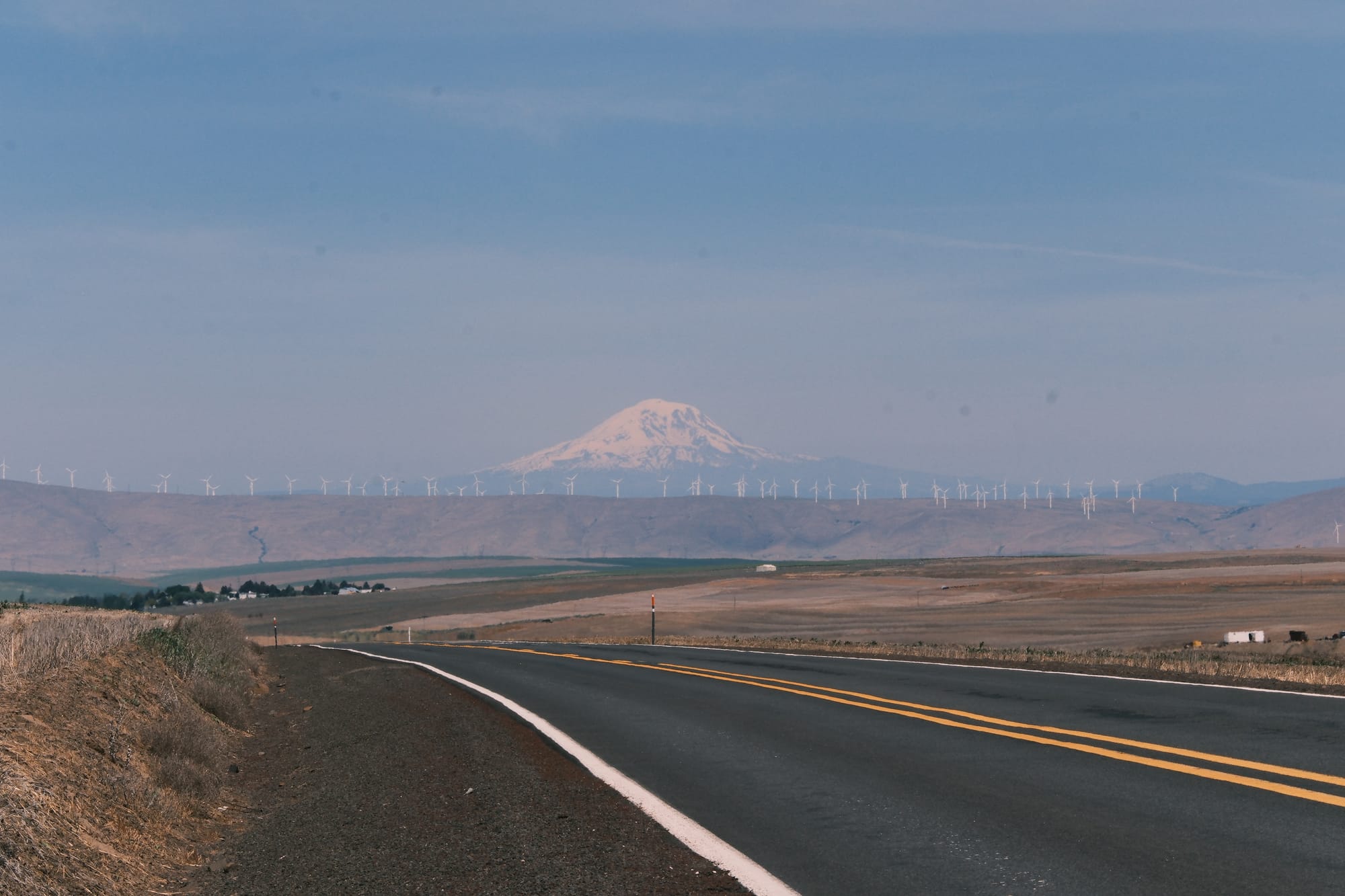
We ended up staying The Dalles at Cousins Country Inn. Affordable, good breakfast (not free), pool, not fancy, allows dogs. There’s also superchargers onsite, which was really convenient. We took the kids to Sorosis Park, a really great urban park with beautiful views of Mt. Adams and Mt. Hood. They had disc golf and pickle ball courts there, trails, and nice playground equipment. It seemed like a great resource for people living in The Dalles, but was also a nice break from the hotel when the kids needed to burn off some energy.
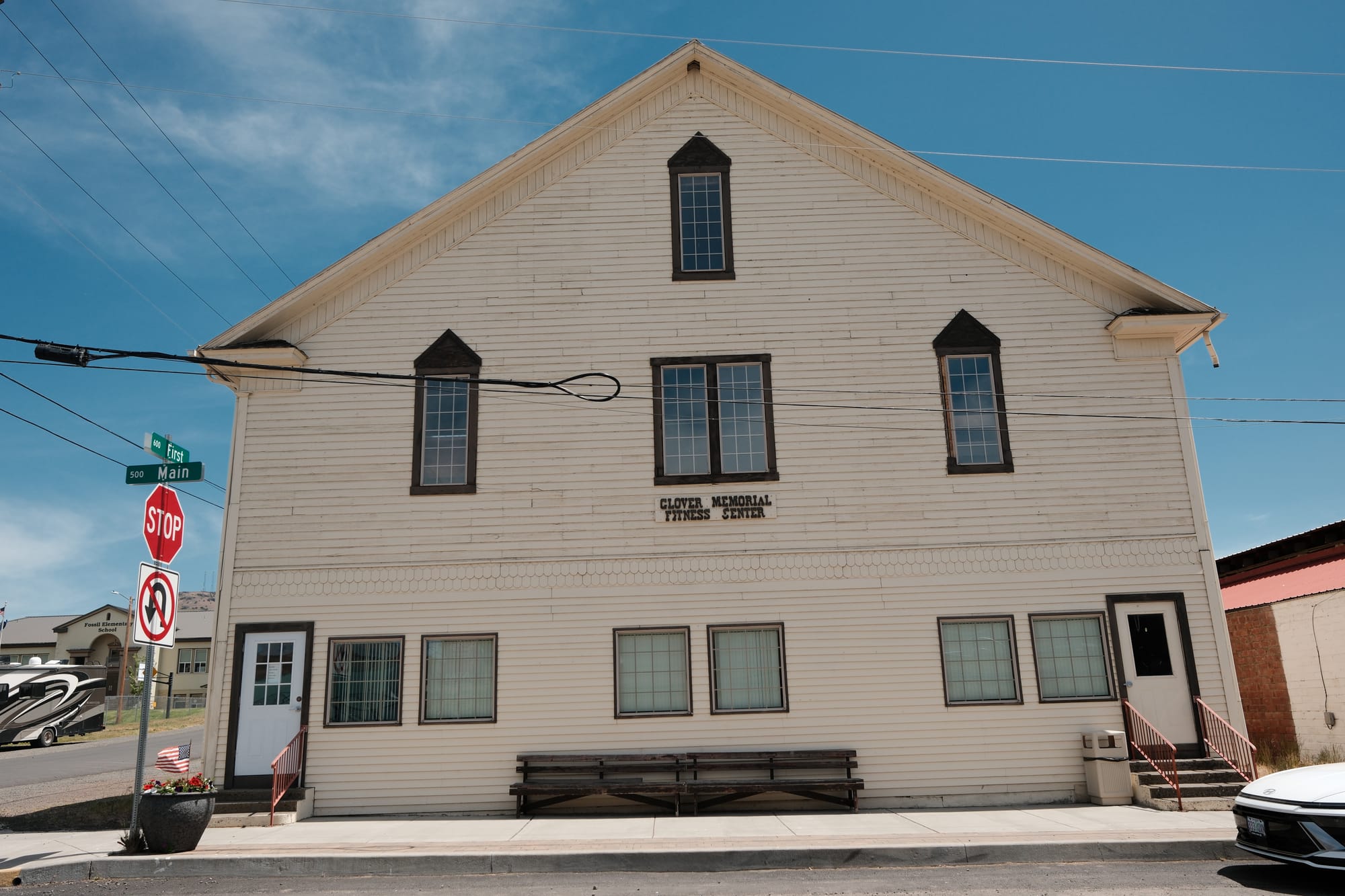
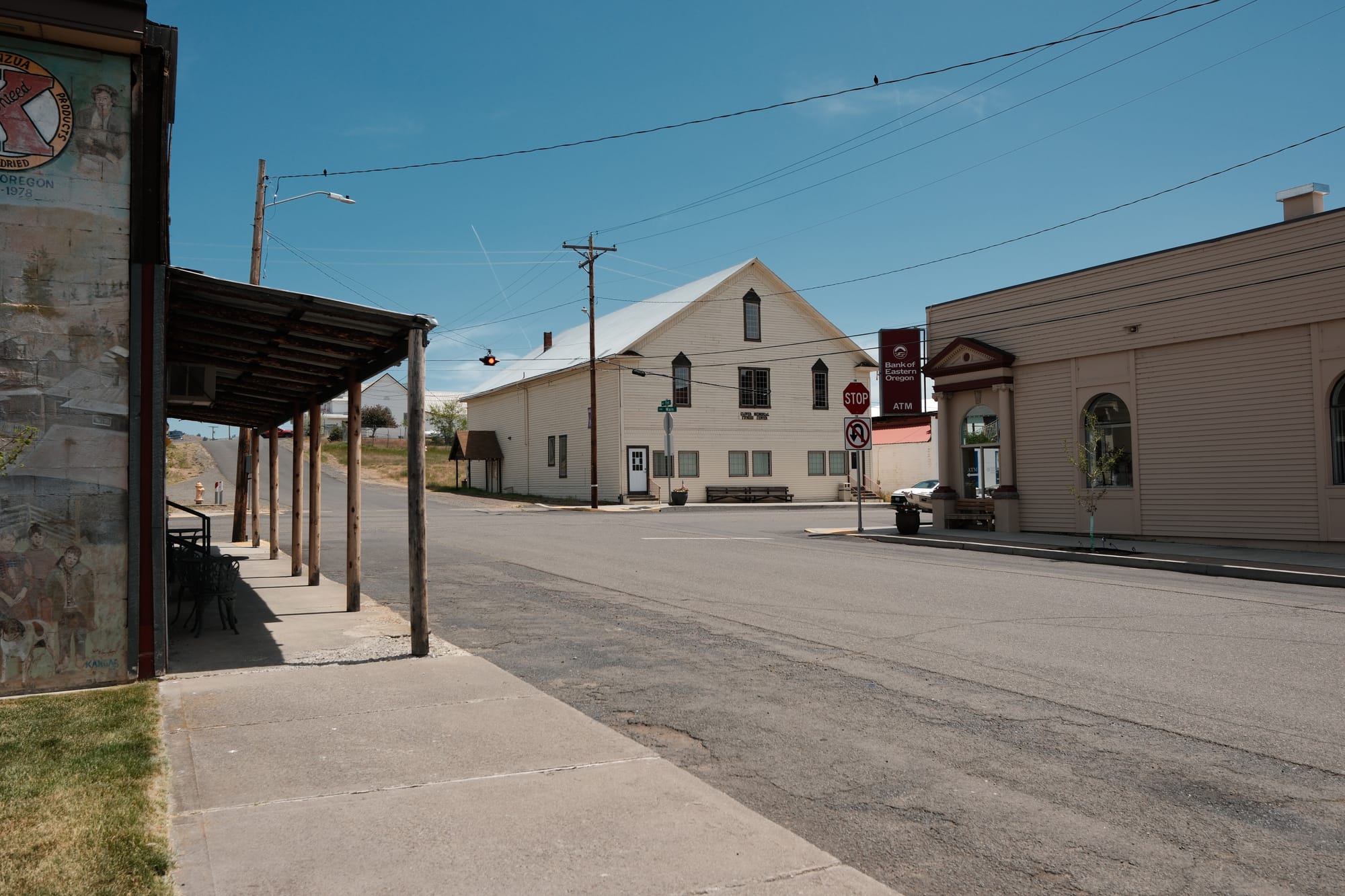
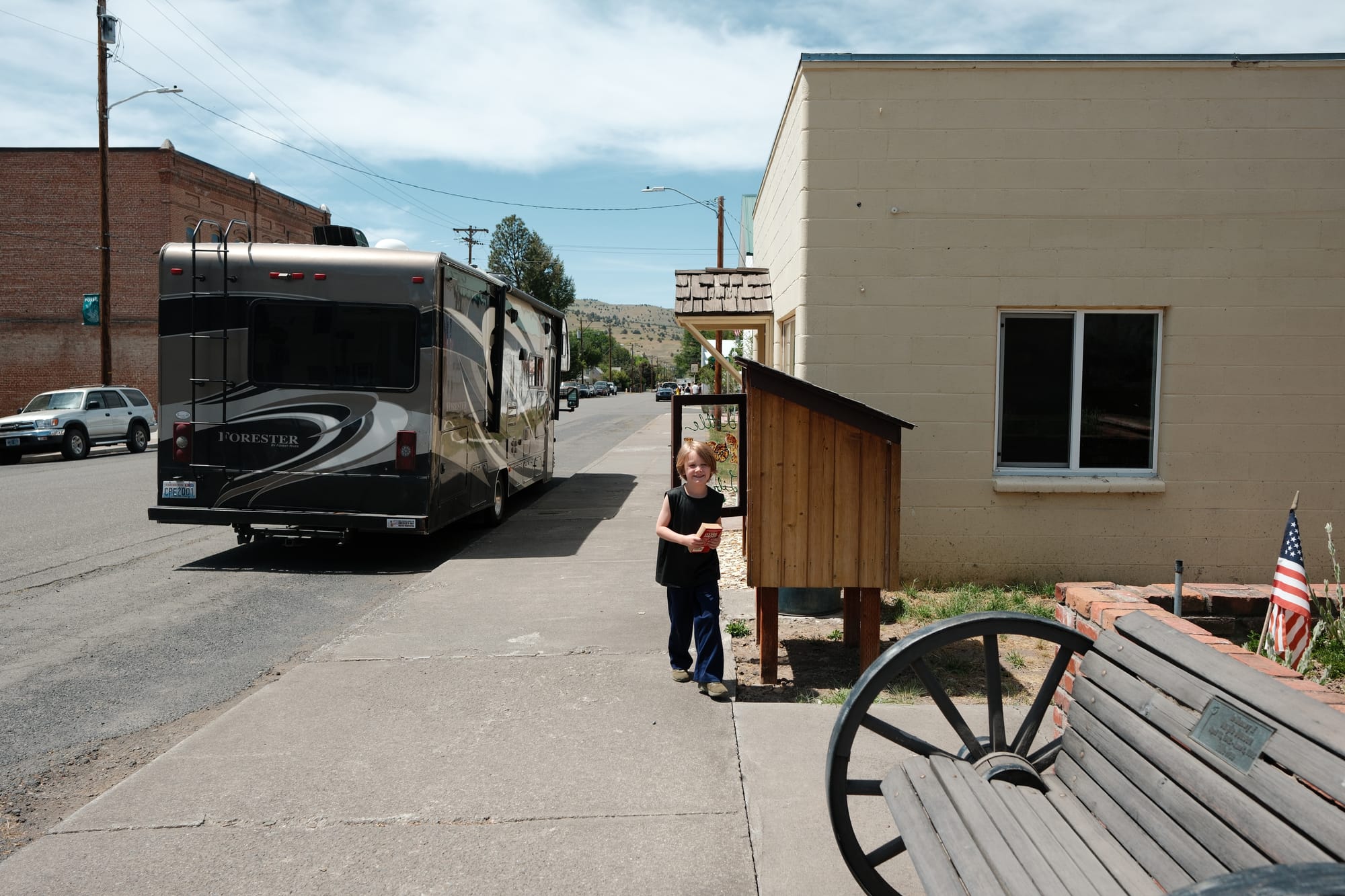
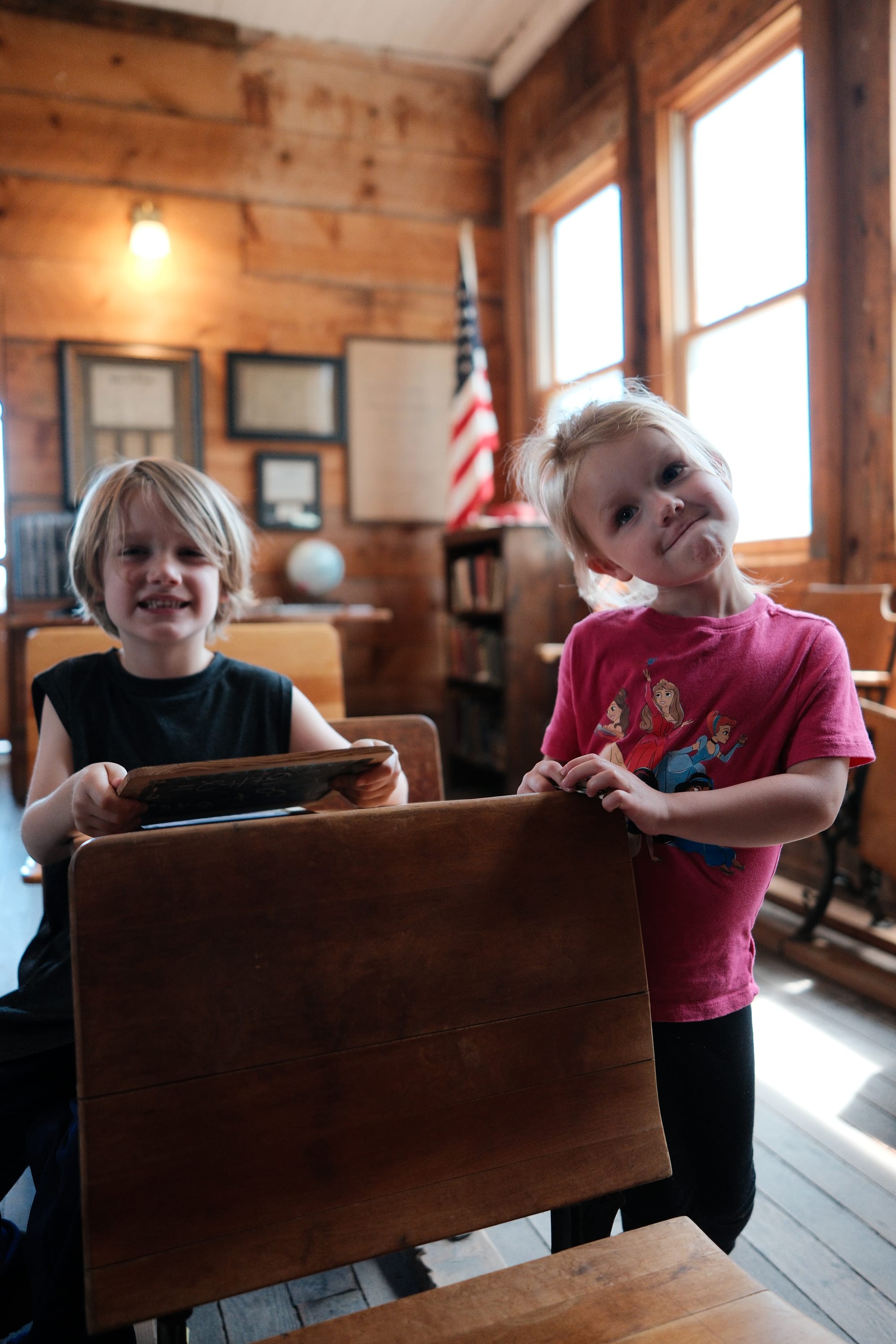
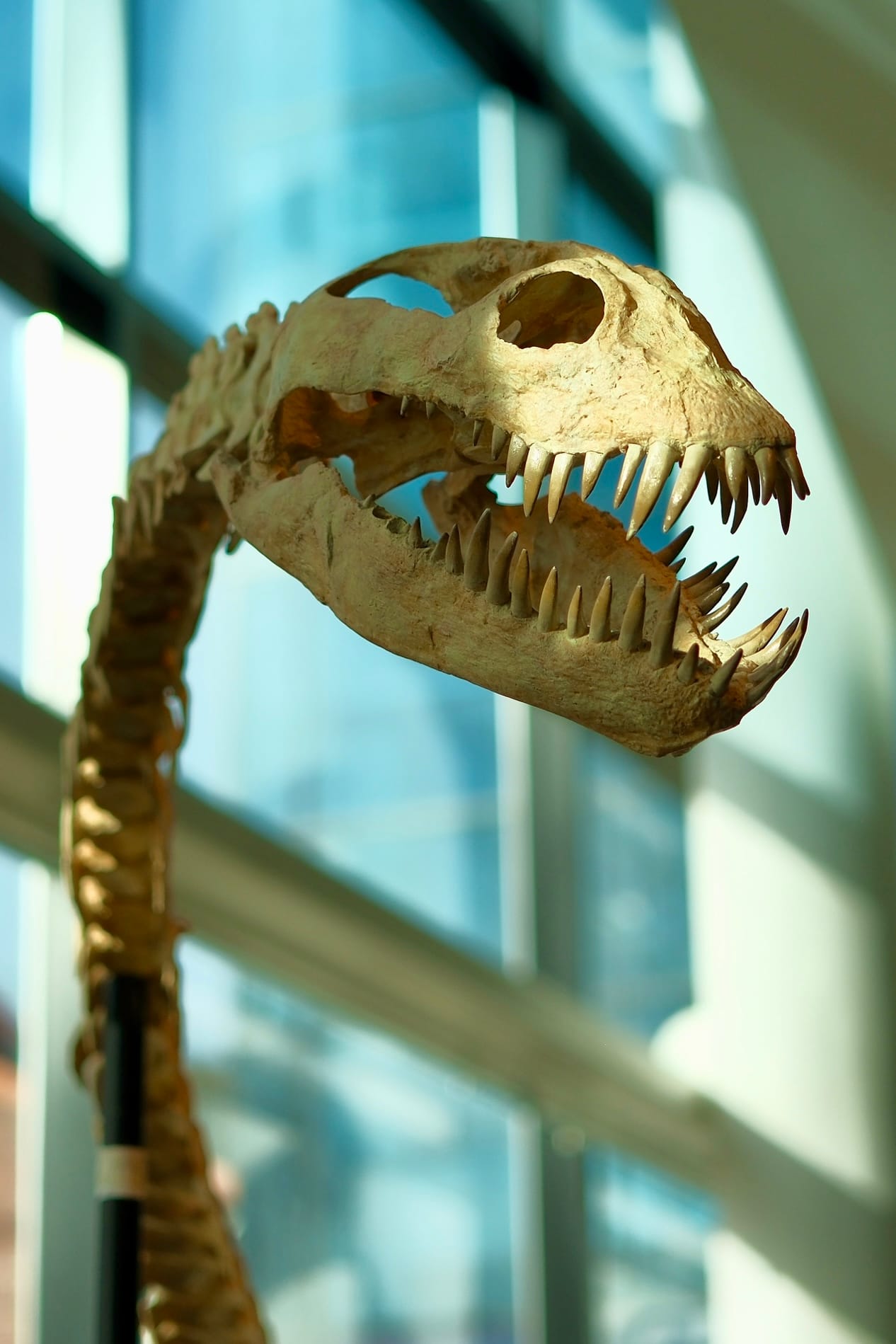
The boy and I went to OMSI on Saturday while the girls did some crafts and made Christmas presents with a coworker. They have an exhibit called Monsters of the Abyss: Aquatic predators Past + Present. From the website:
Meet massive mosasaurs, a spine-chilling Spinosaurus, and bizarre creatures as you travel through millions of years, witnessing the rise and fall of Earth’s most awe-inspiring aquatic creatures as well as their present-day descendants. Highlighted by amazing fossils, daily educational programming, and some unbelievable live animals, this exhibit brings guests face-to-face with the real-life monsters who defy imagination and have inspired myths and legends.
Since they're working on updating the upstairs exhibit space, only the smaller downstairs area had programming, so this made for a quicker than usual run-through.
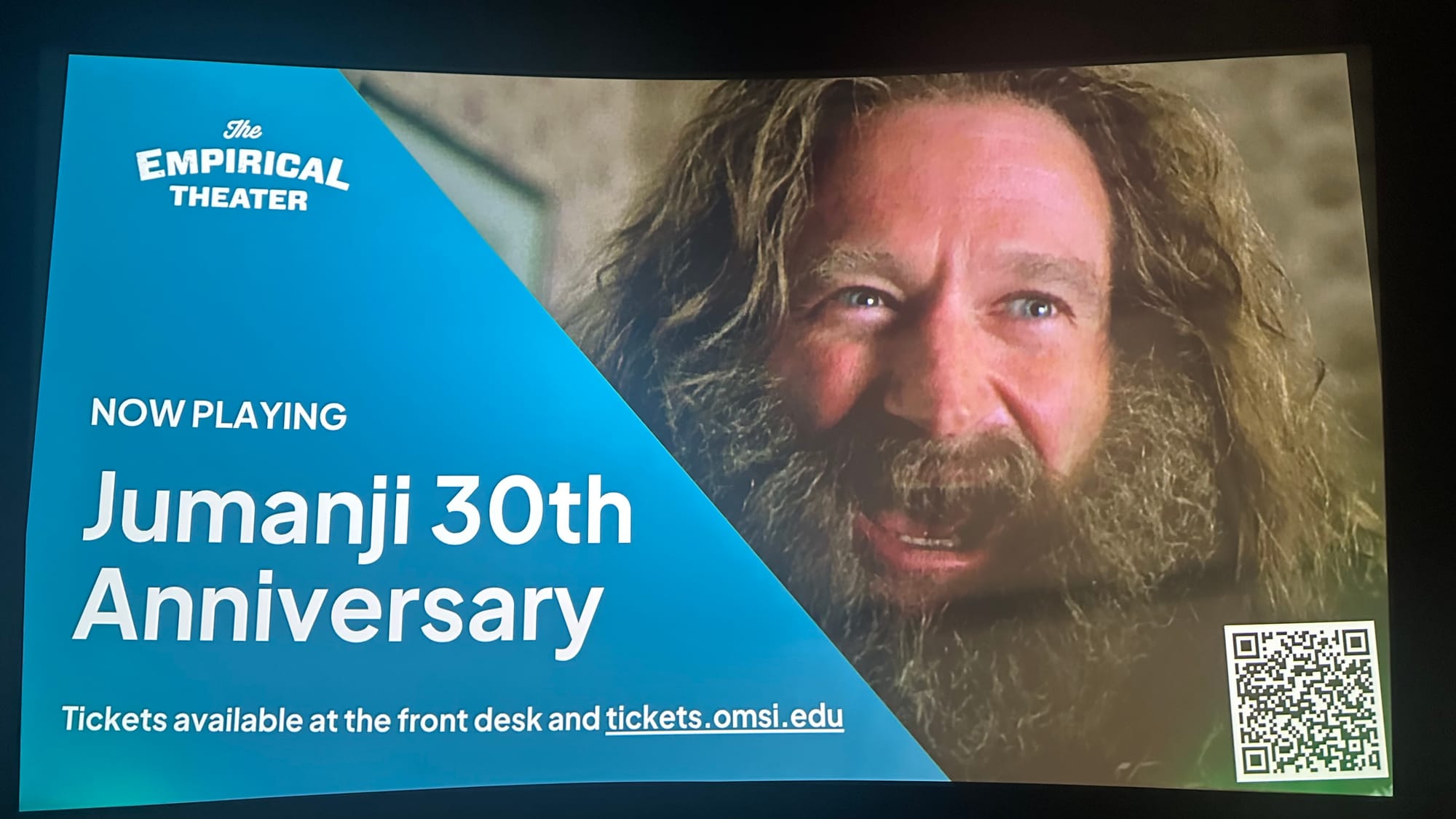
We ended up watching the 30th Anniversary showing of Jumanji on the really big screen. I probably hadn't seen it in a few decades. The graphics were cornier than I remembered, but it was still nice to see a show I didn't have to think too much about. I think my son had a good time as well.
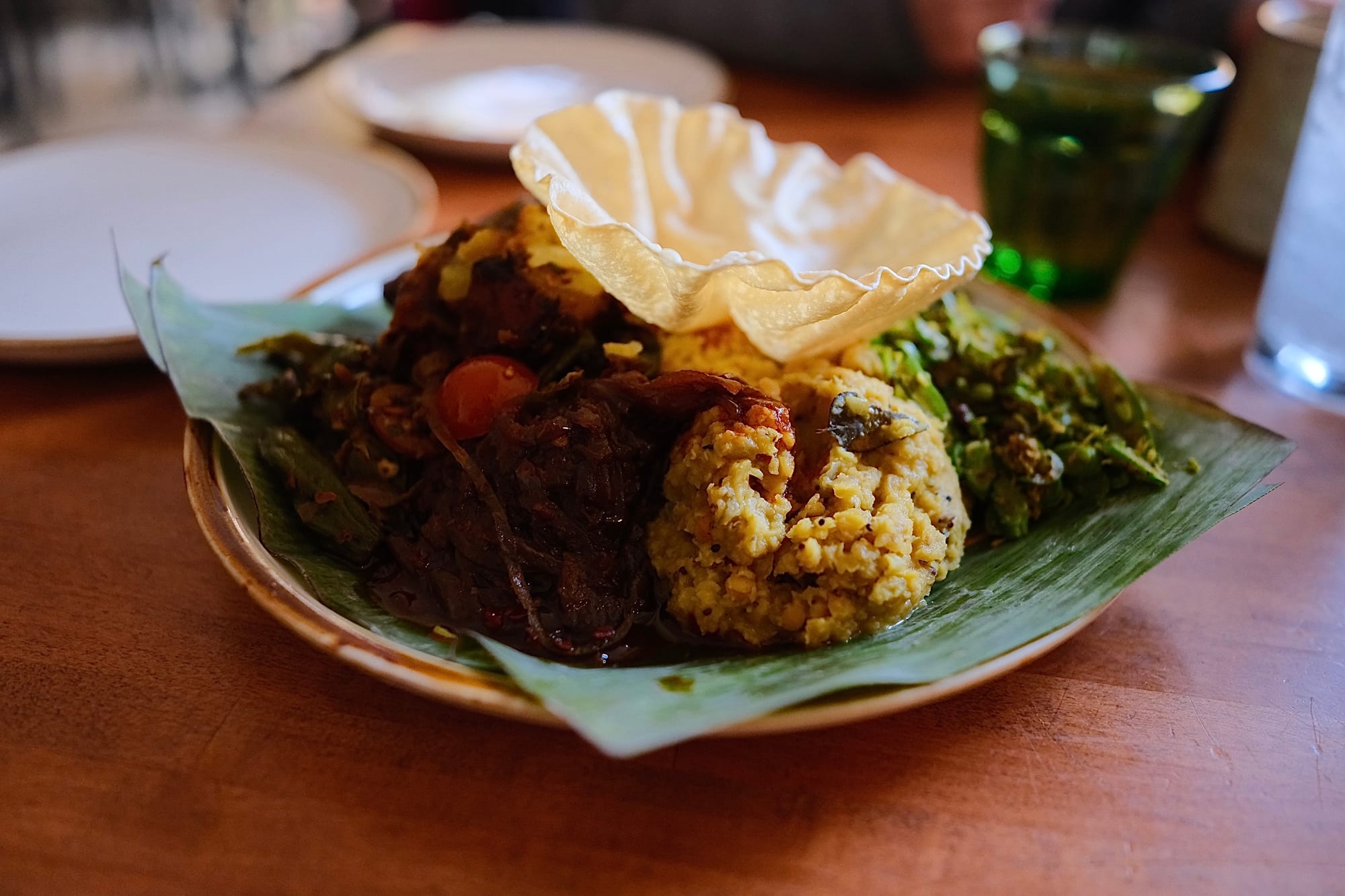
Today my wife and I celebrated 10 years since our first date, which was at a now-closed bar called Kask, which was a few blocks from my old apartment in the West End. Today we went to a Sri Lankan restarant called Mirisata. We shared their special, which consisted of Pumpkin Curry, Deviled Potatoes, Tempered Okra, and green Bean Mallum. I added on the Jaggery "Beef" Curry and she had a spiced cider. Everything was very good, but we both agreed that the vegan beef curry was the best.

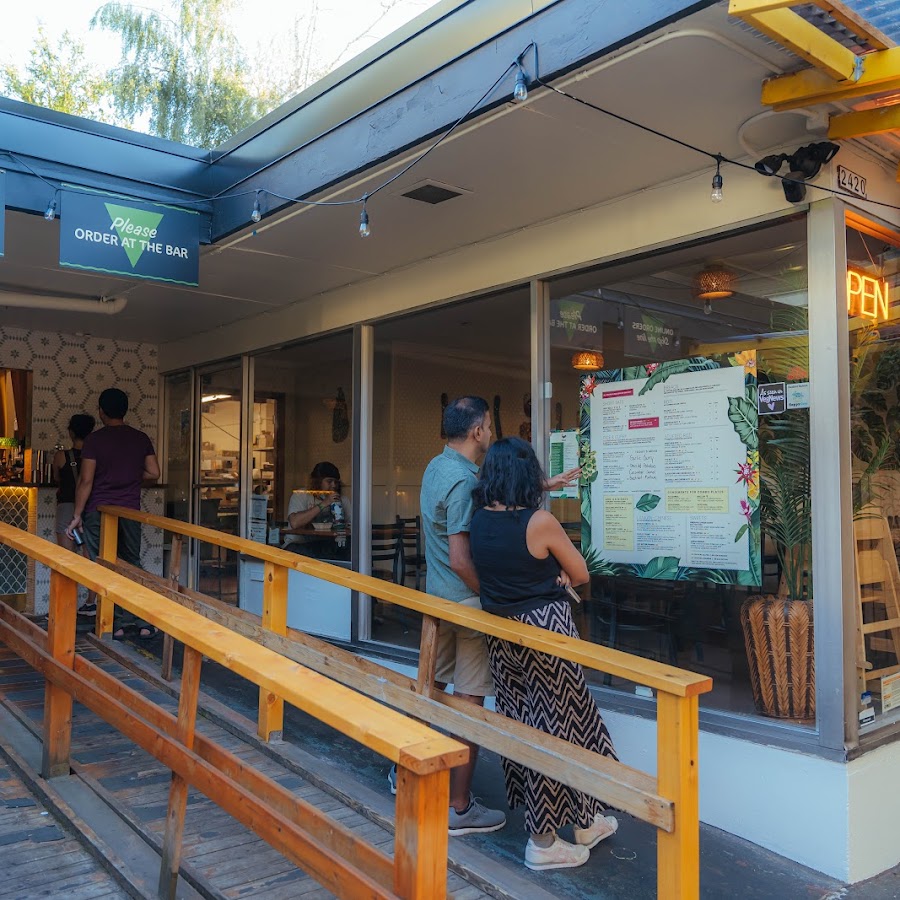
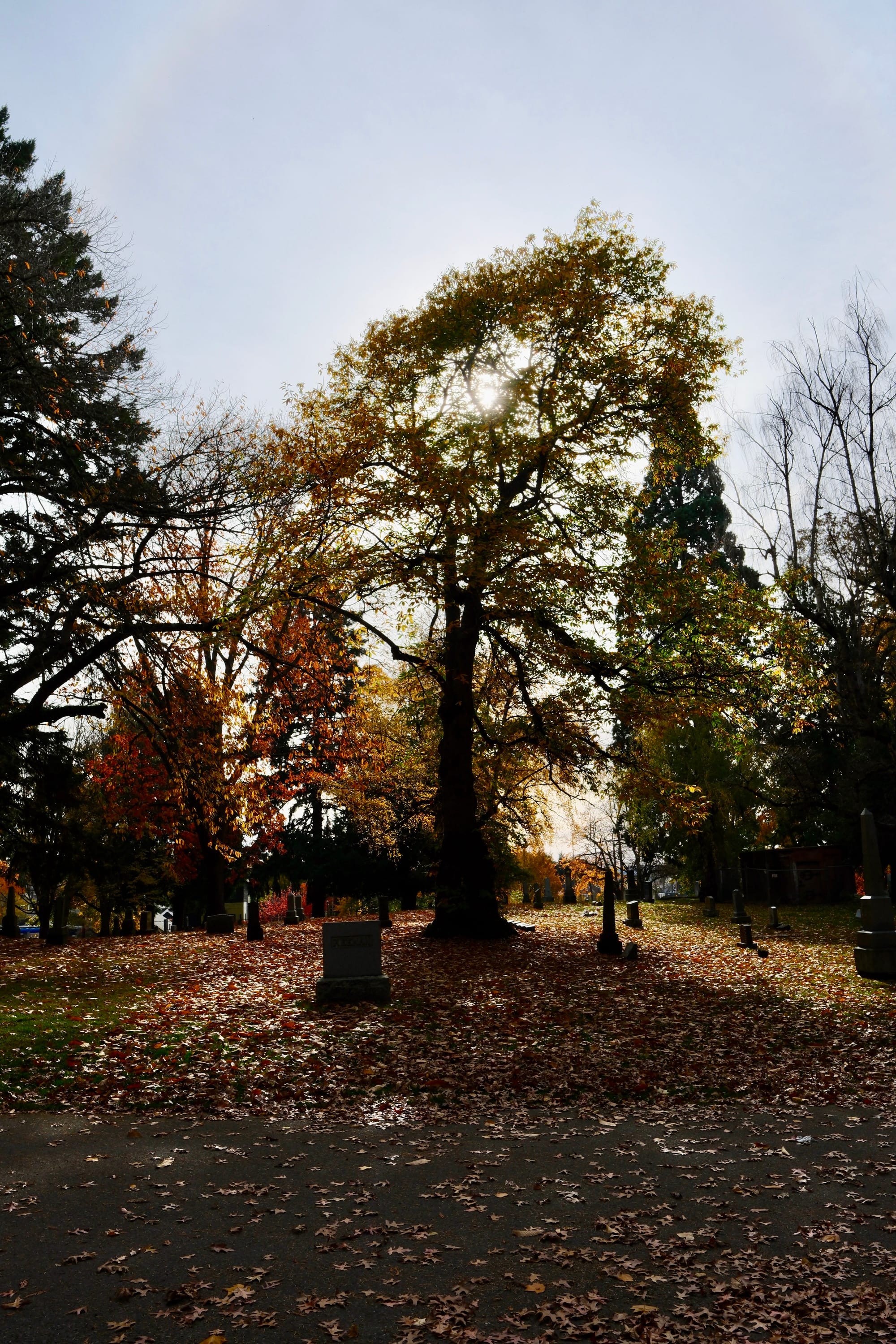
Afterward, we went for a couple mile stroll around Belmont, Stark and Kerns. We frequently find ourselves in cemeteries, and today took us to Lone Fir. It was a beautiful day. Dry and warm enough for mid-November. Things seamed pretty quiet for such a nice day and we both agreed that people must be taking advantage of it and heading out to be in nature.
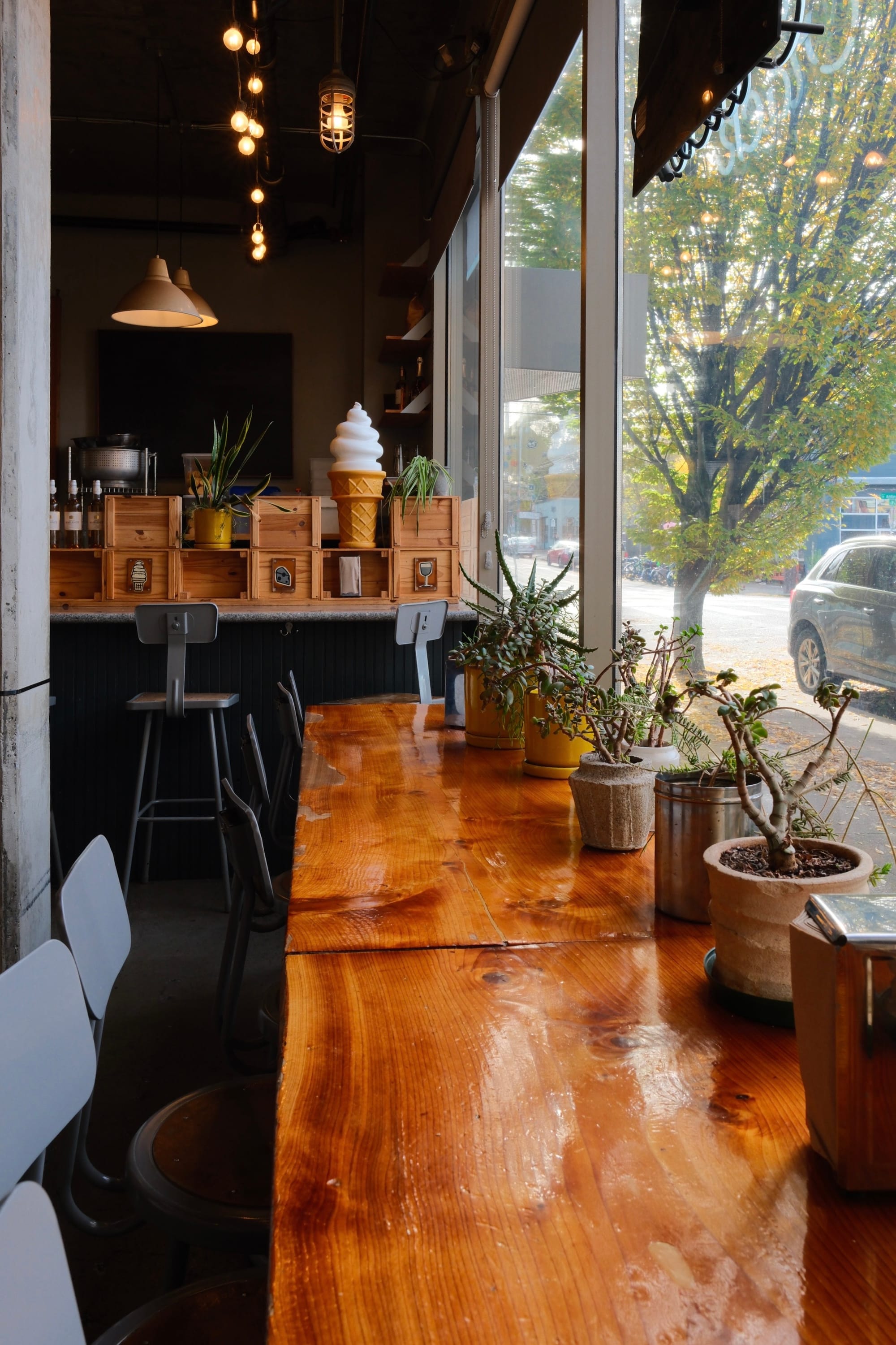
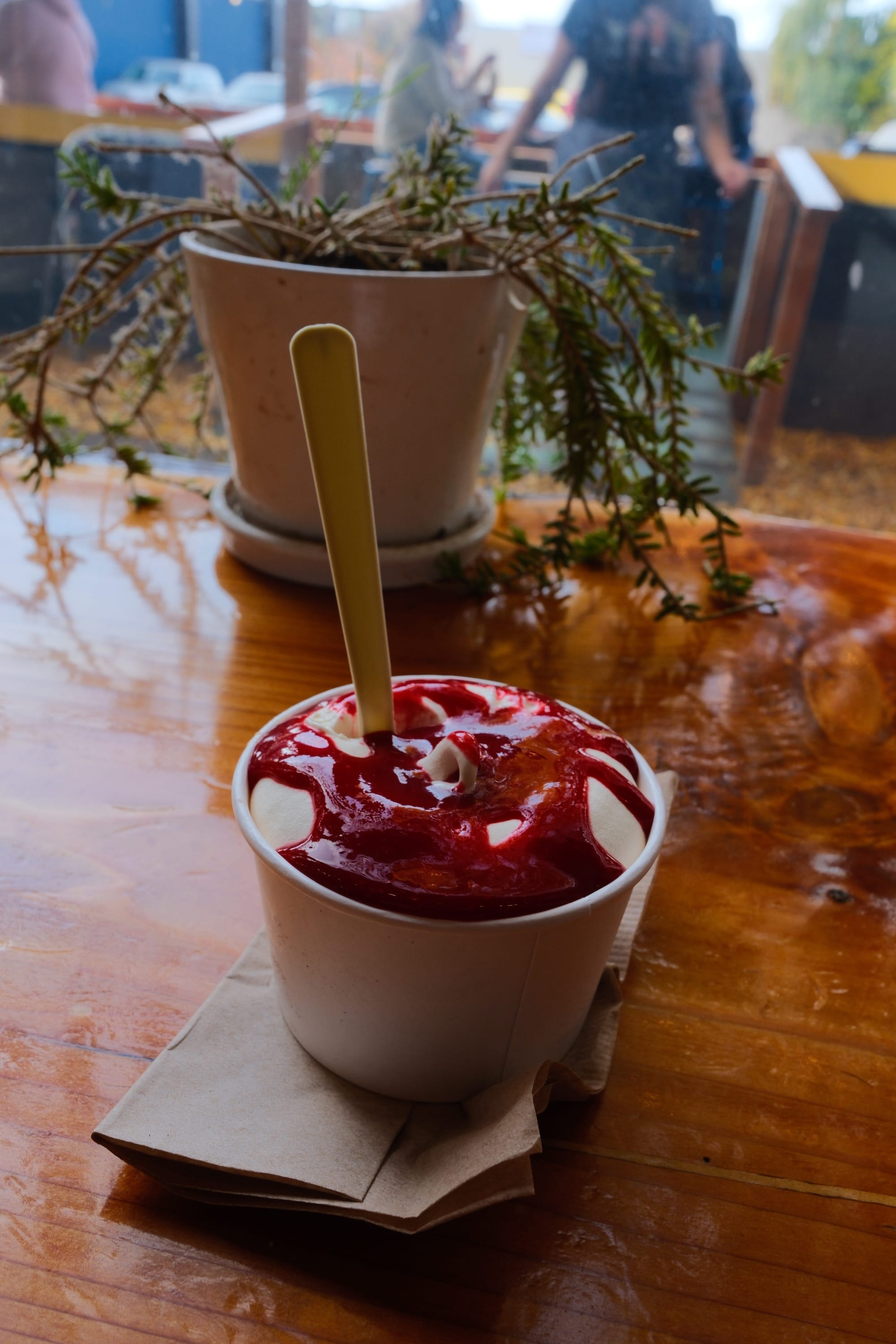
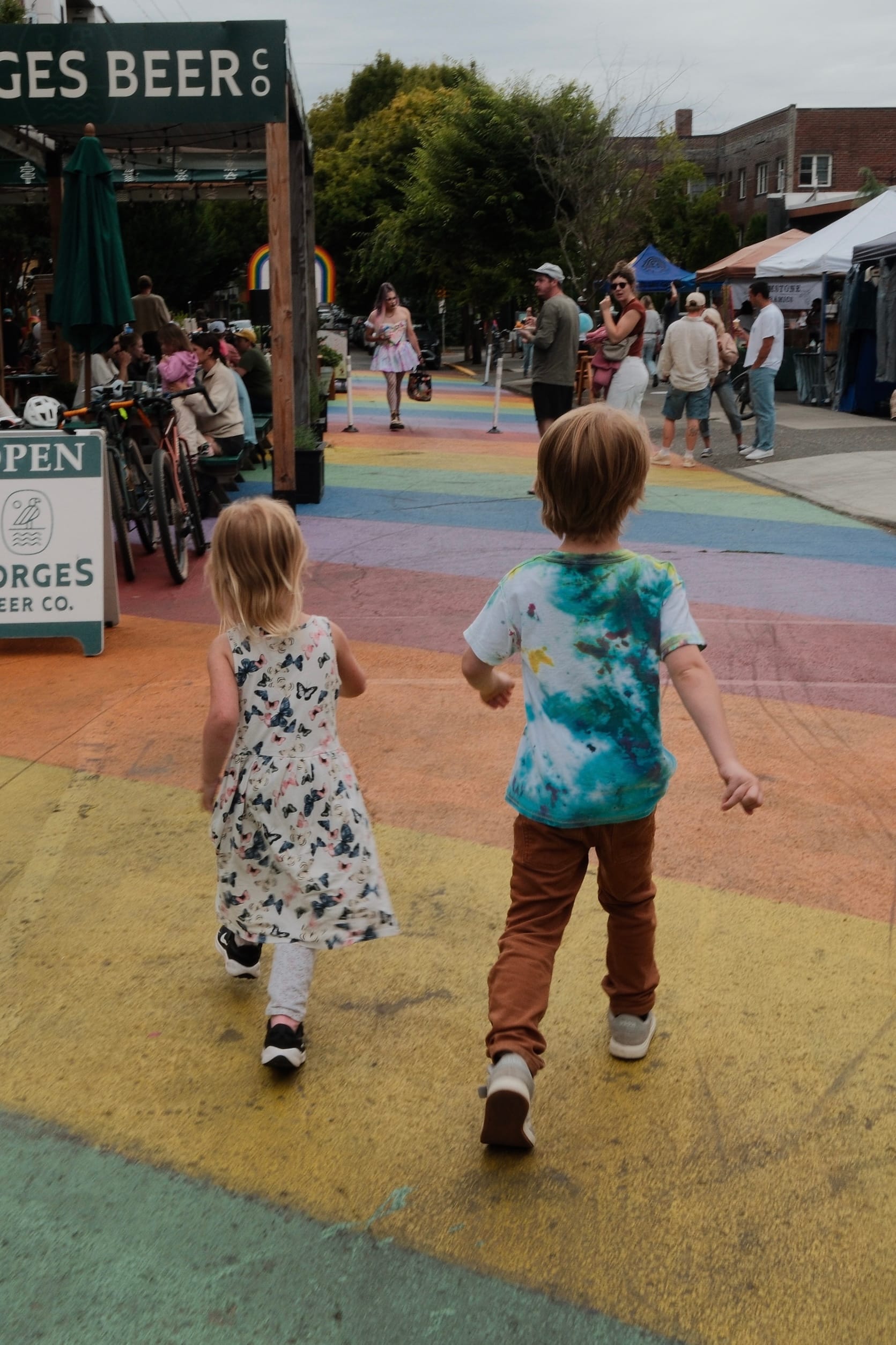
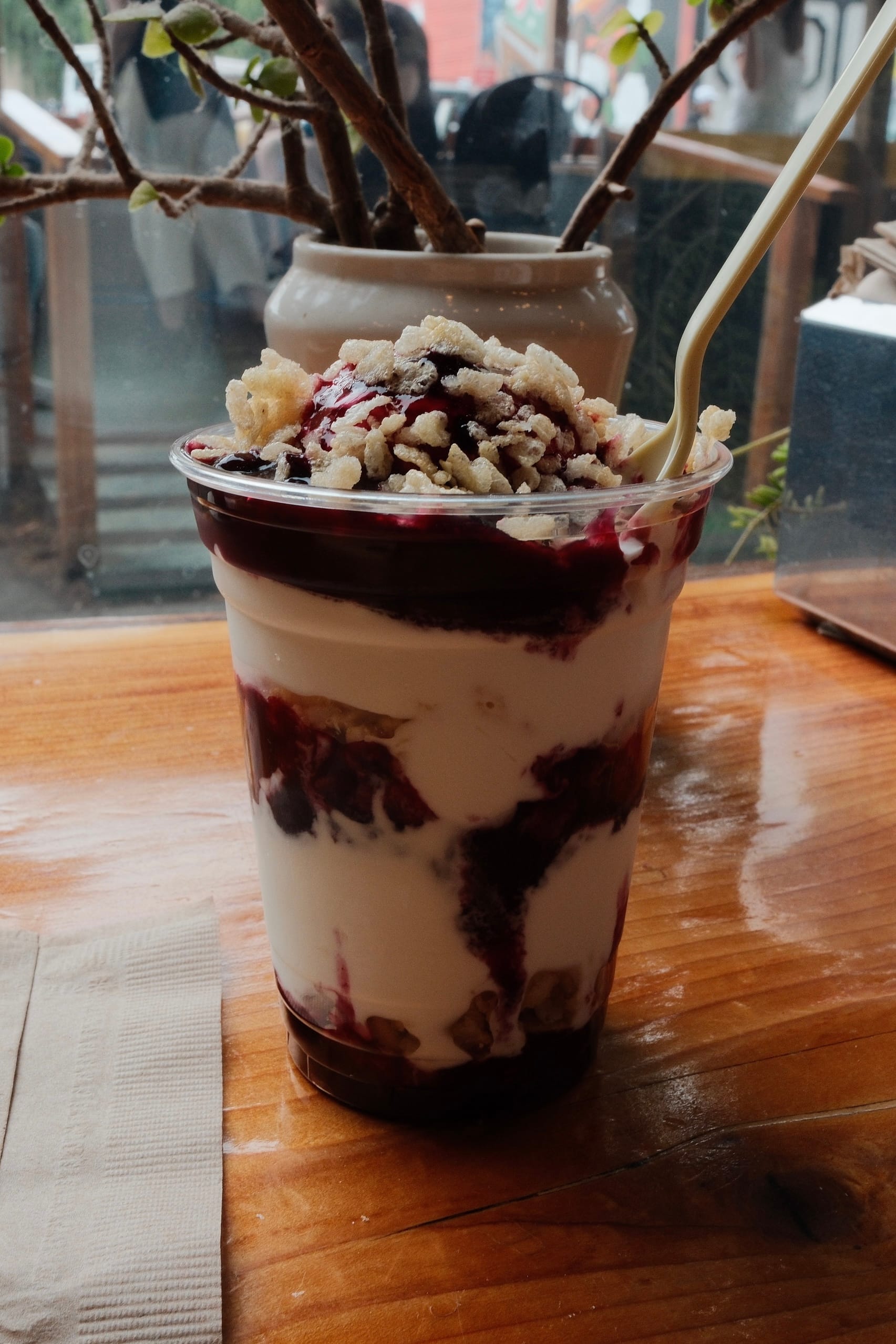
We found ourselves in Kerns again and had some soft serve at the same place we brought the kids over Pride weekend.
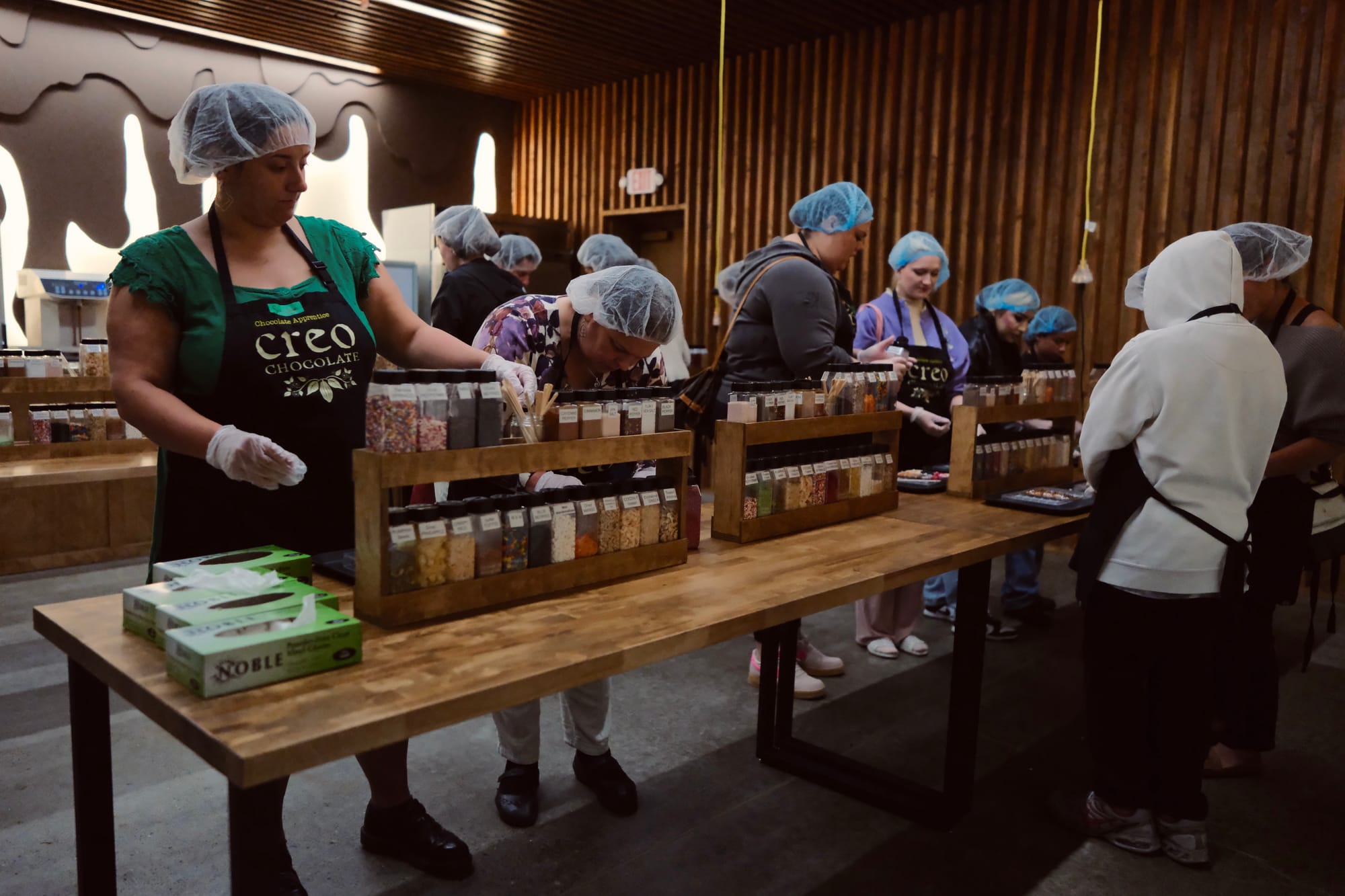
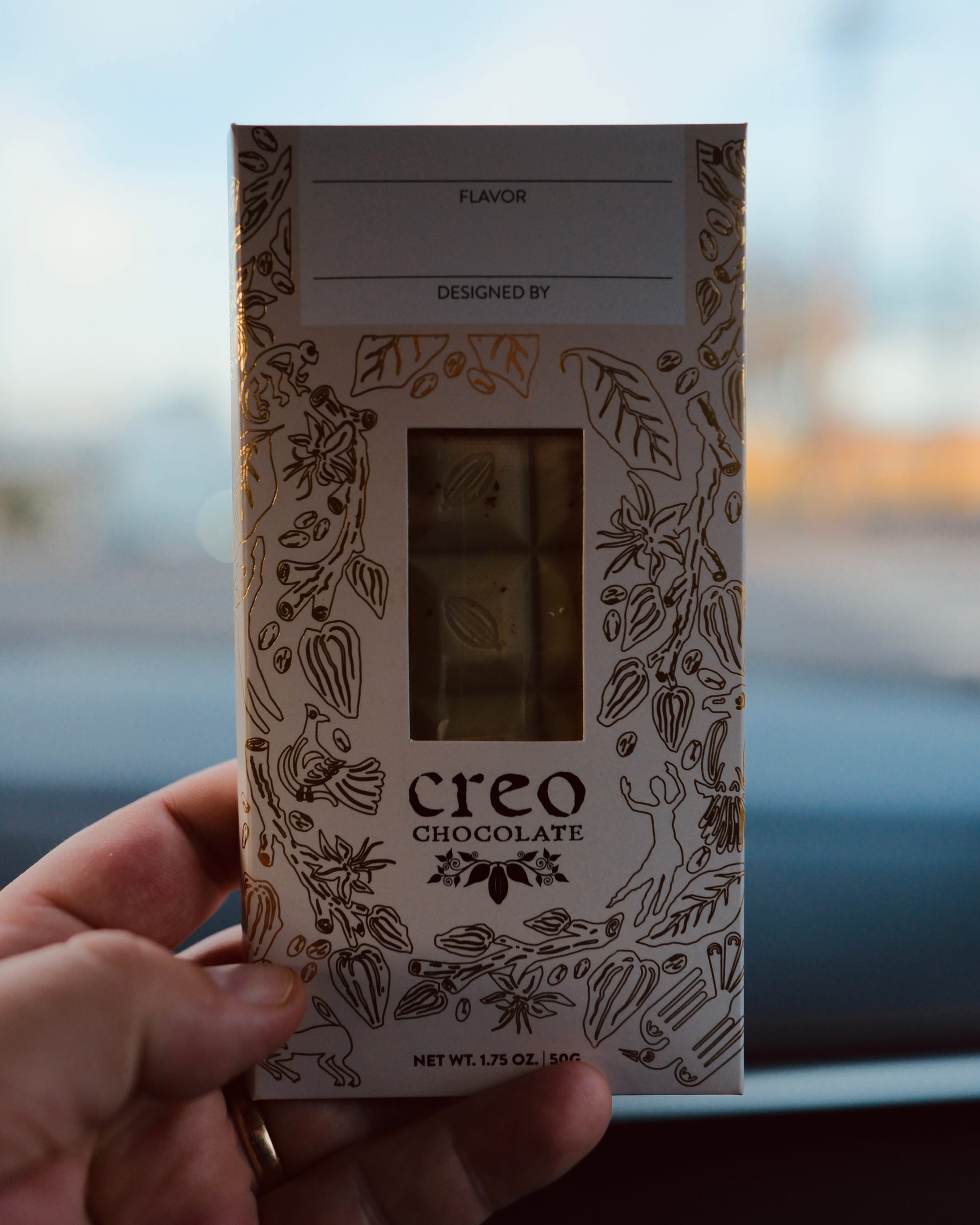
We wrapped things up at Creo Chocolate, where we got an education in the manufacture and distribution of the stuff. While not at all what I was expecting, it was a nice experience. The owner, who was certainly a character, talked about how he and his wife got into the business 12 years ago and taught us about the various types of chocolate they manufacture. If you ever end up checking it out, bring water. Lots of samples!
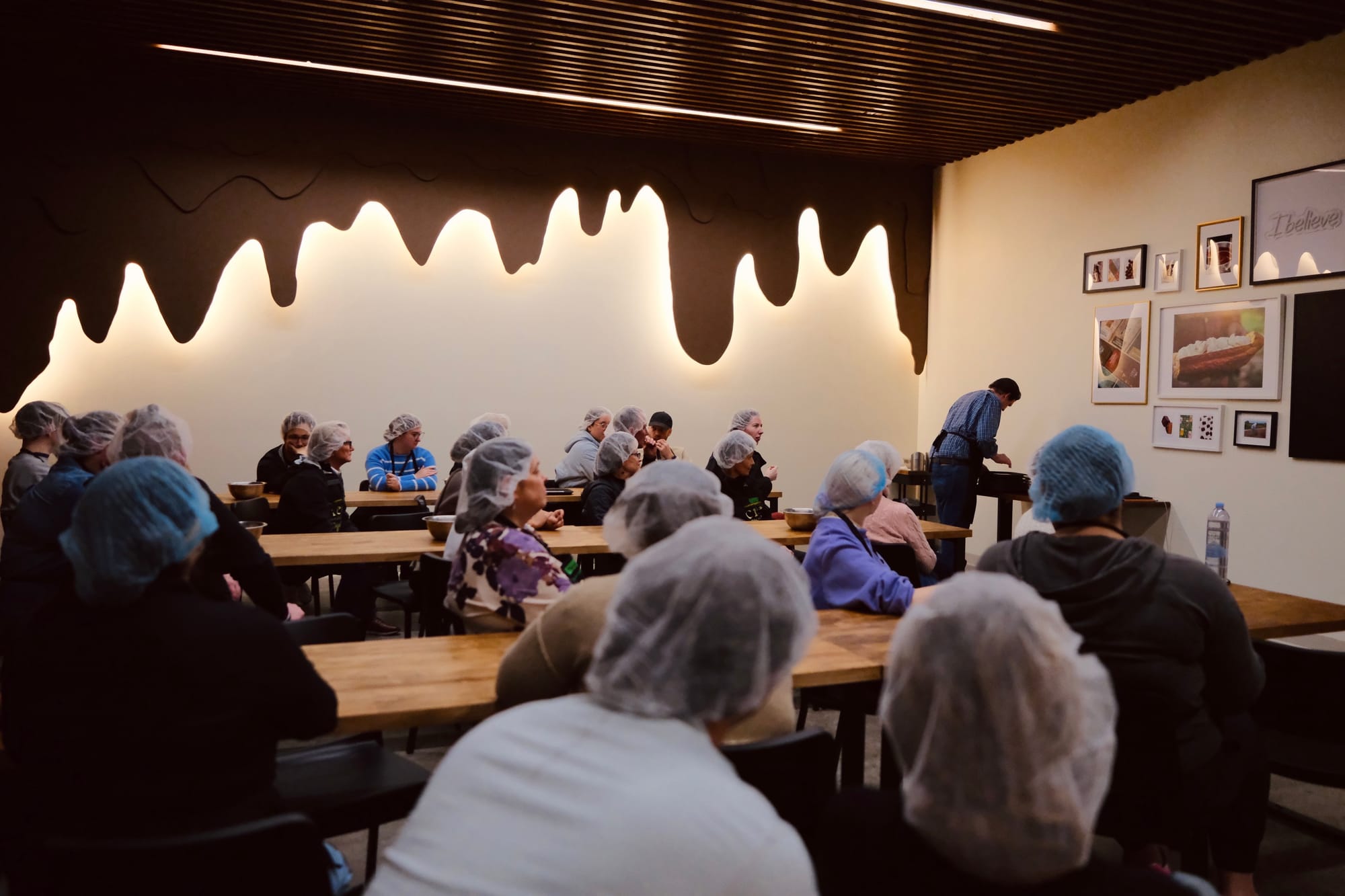
We even made our own chocolate bars at the end.
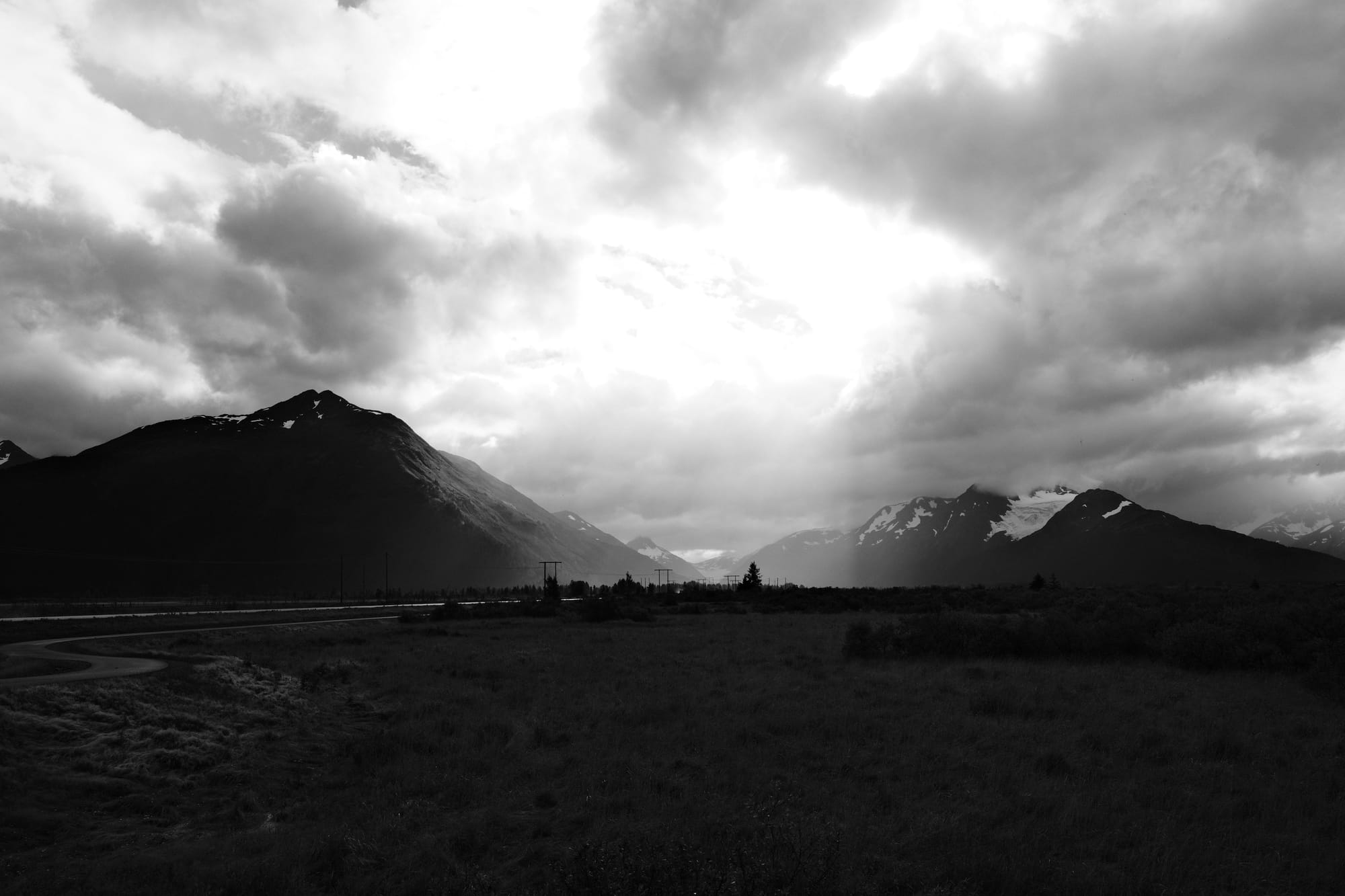
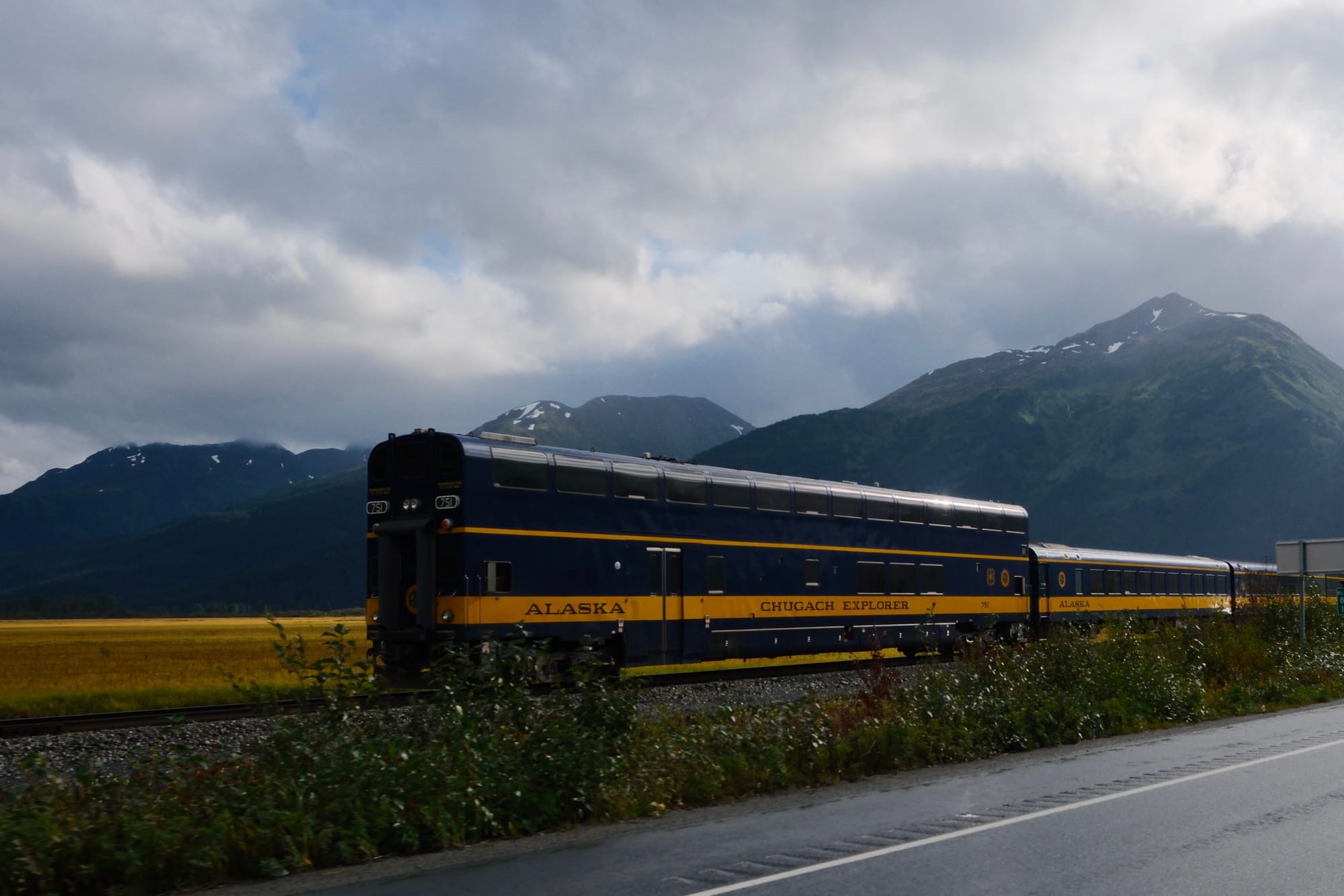
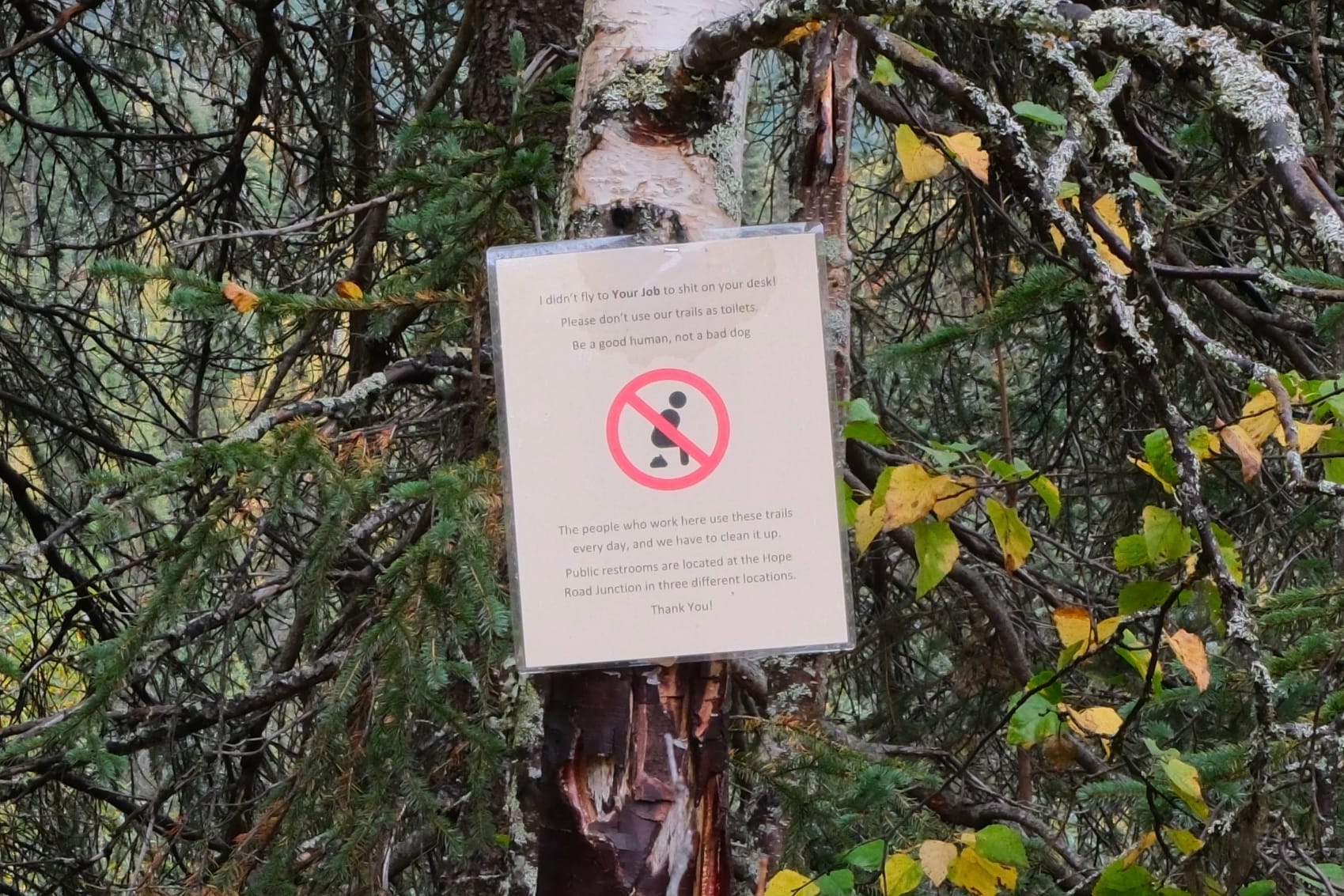
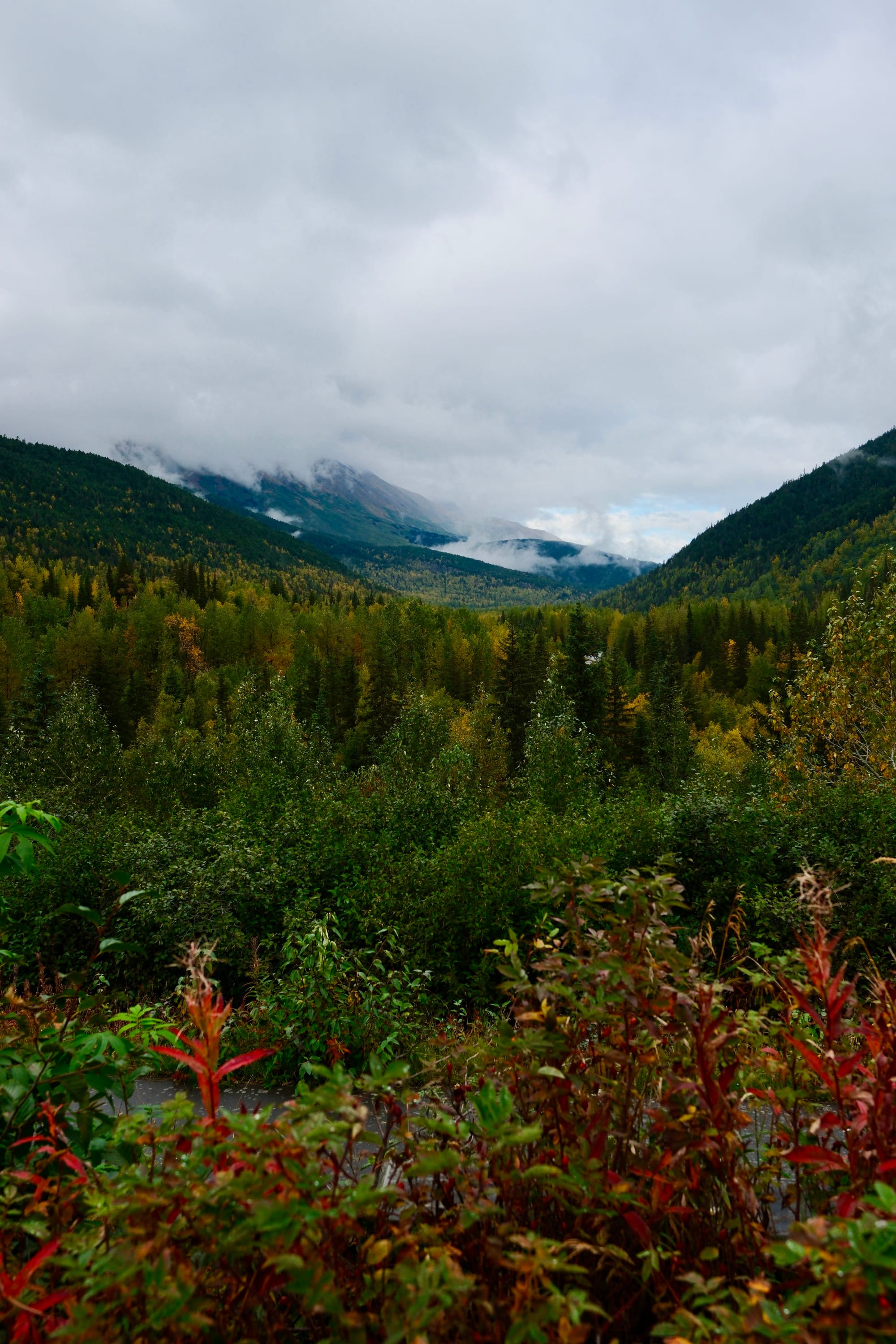
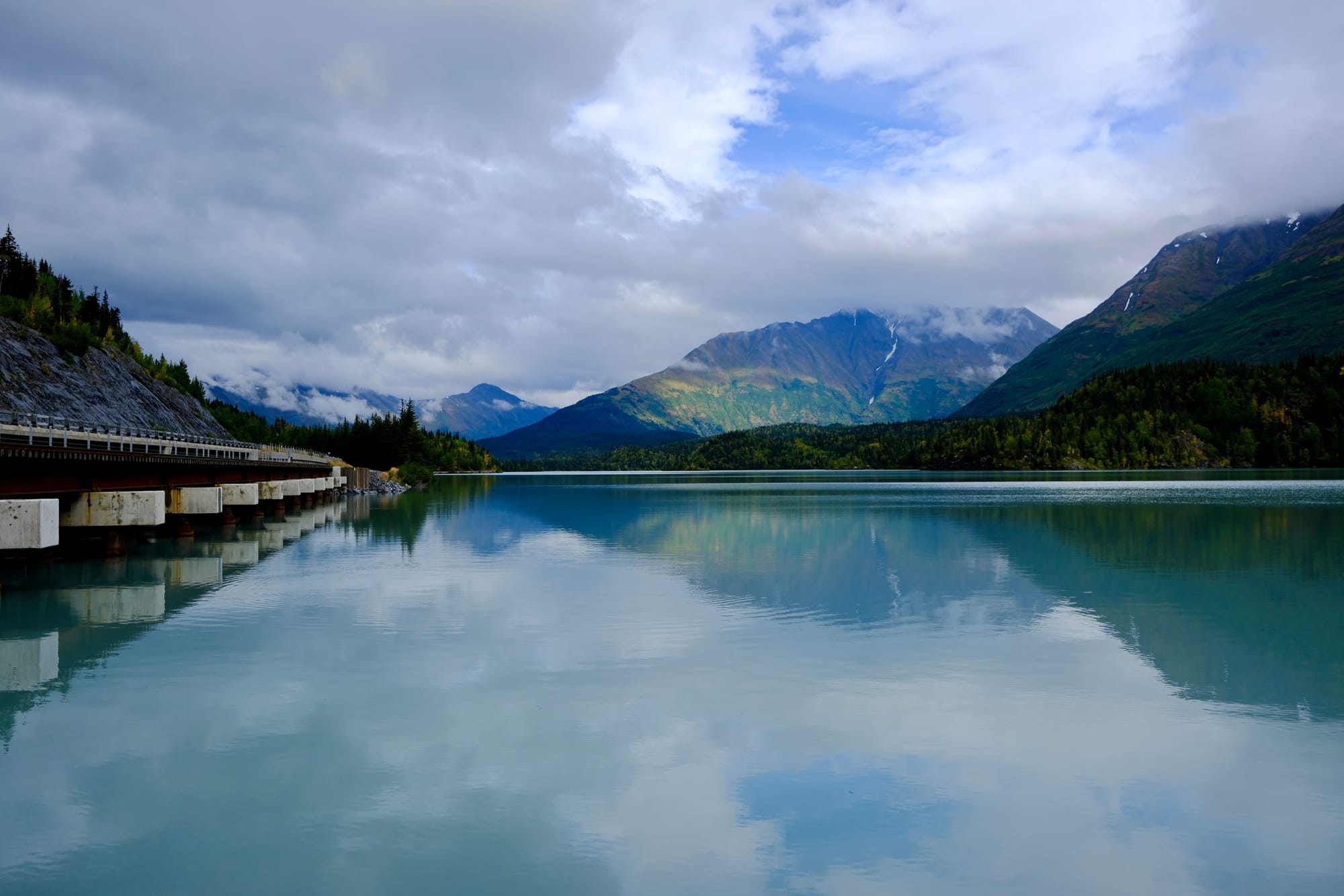
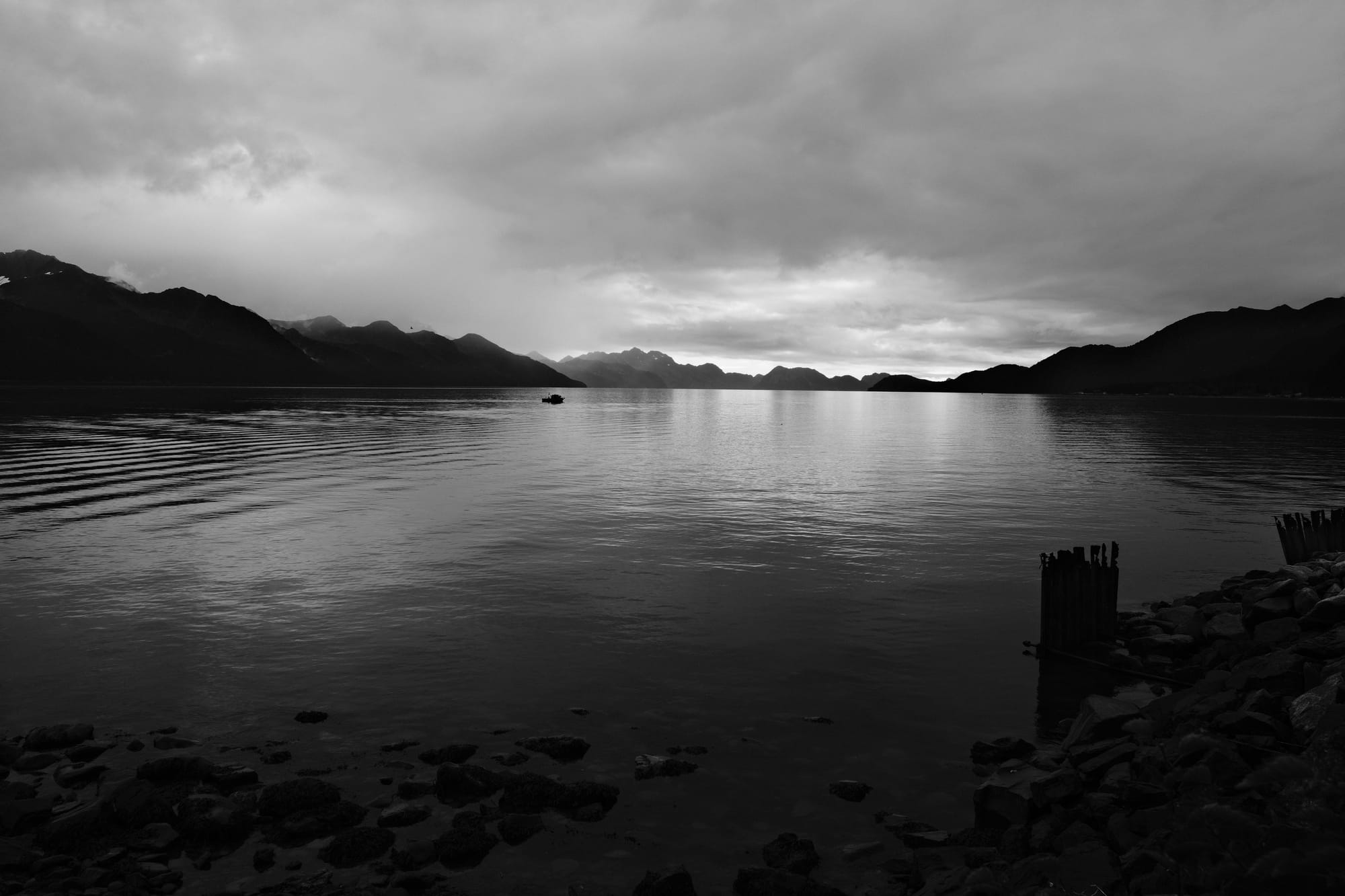
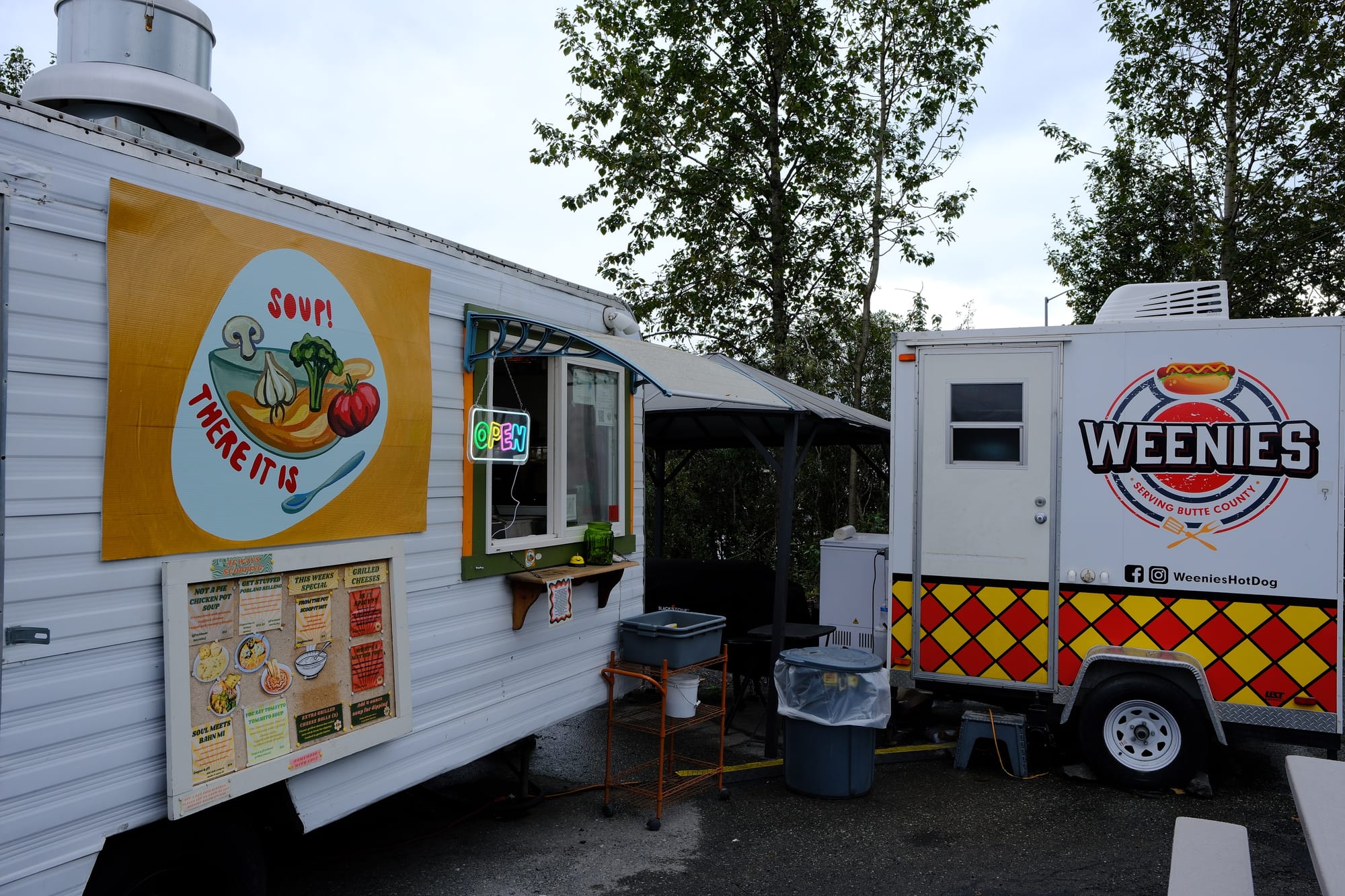
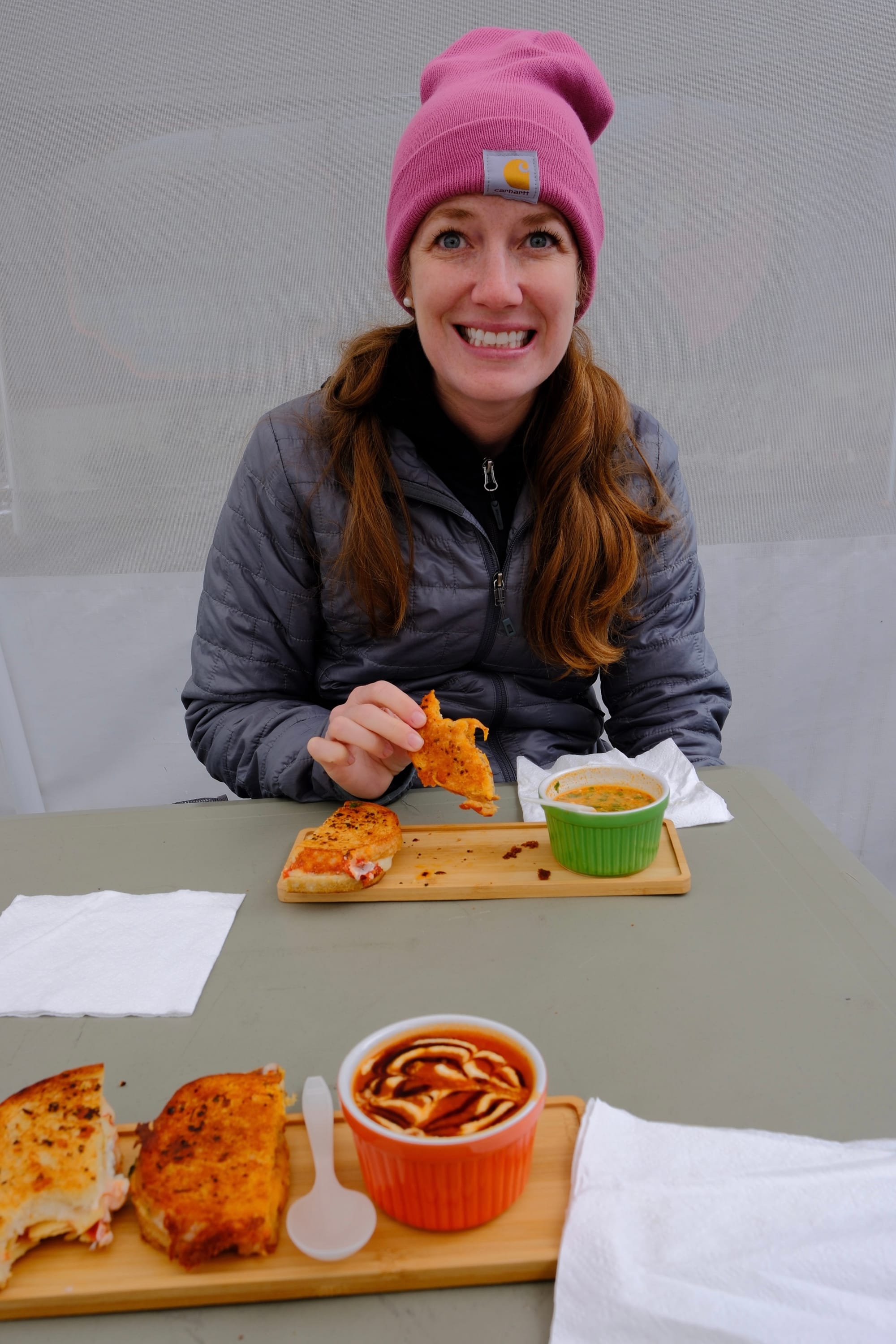
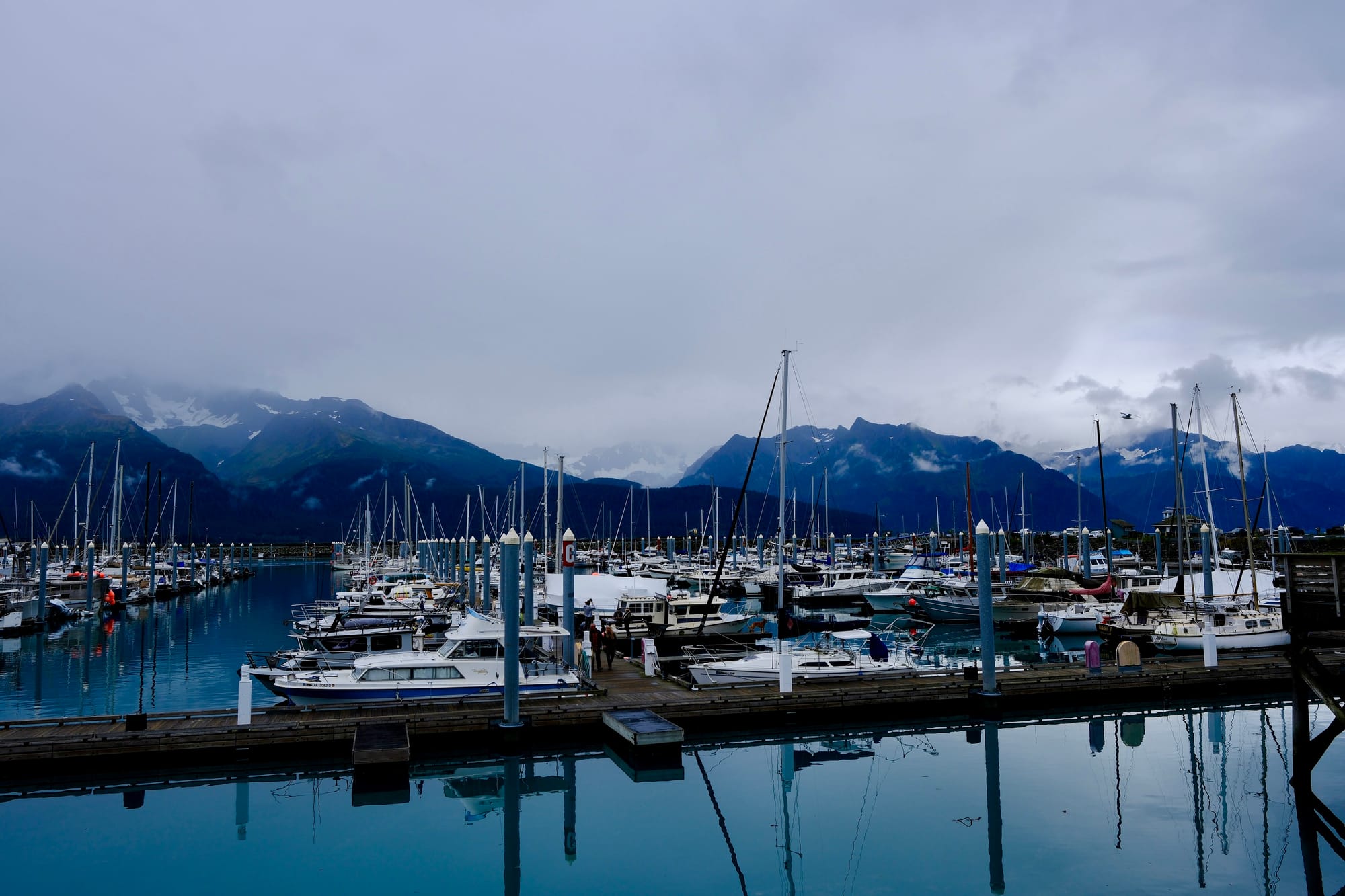
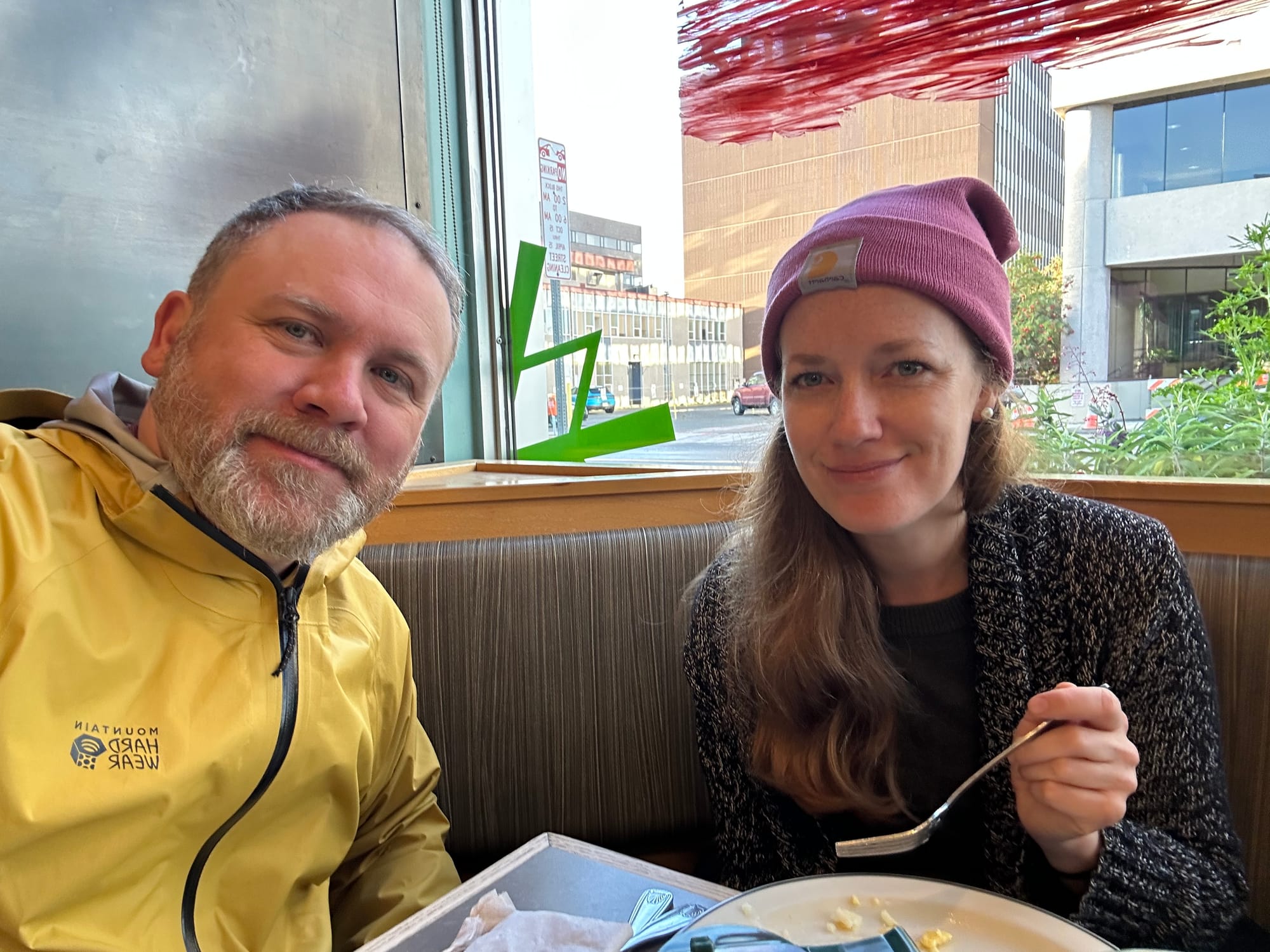
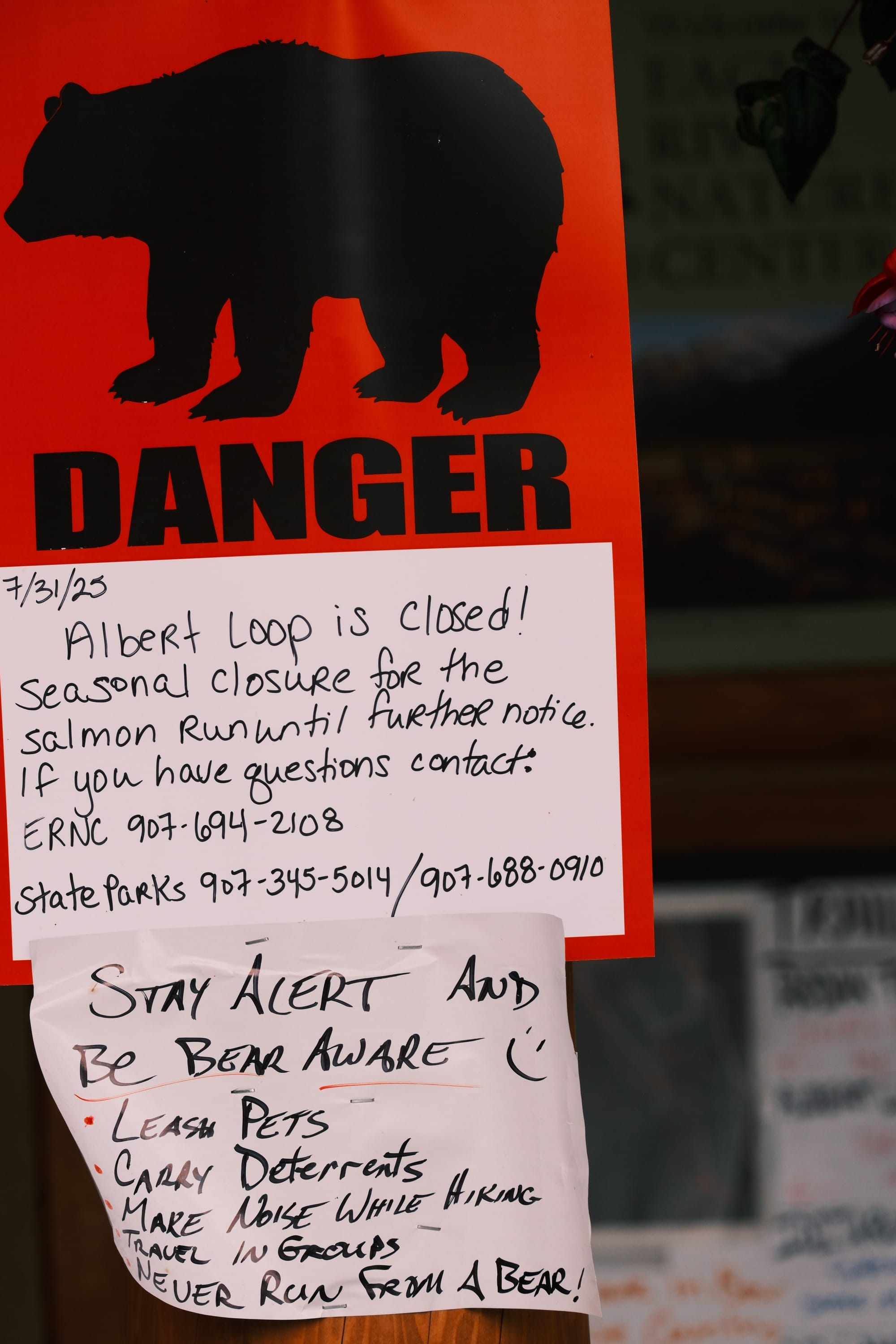
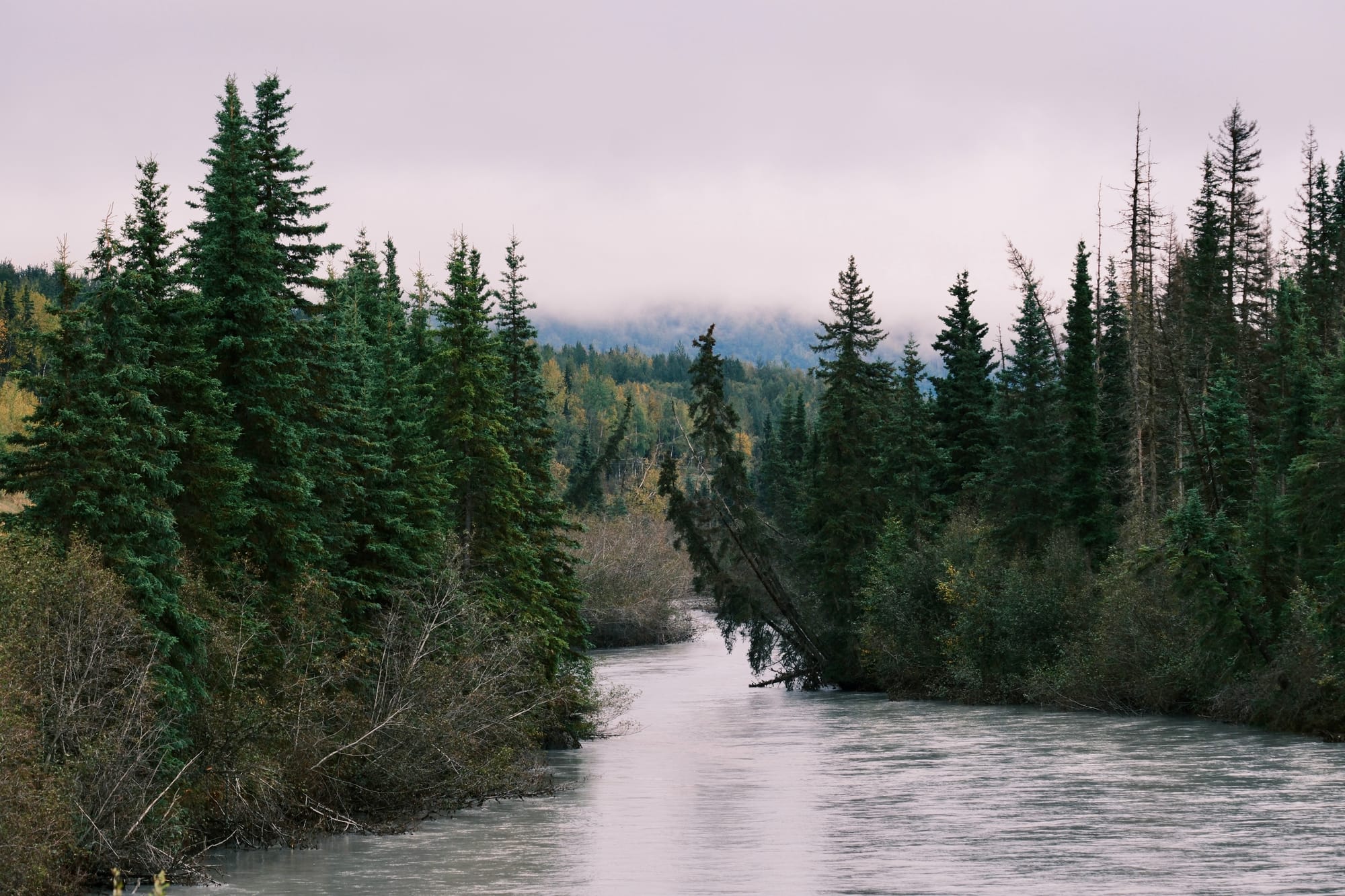
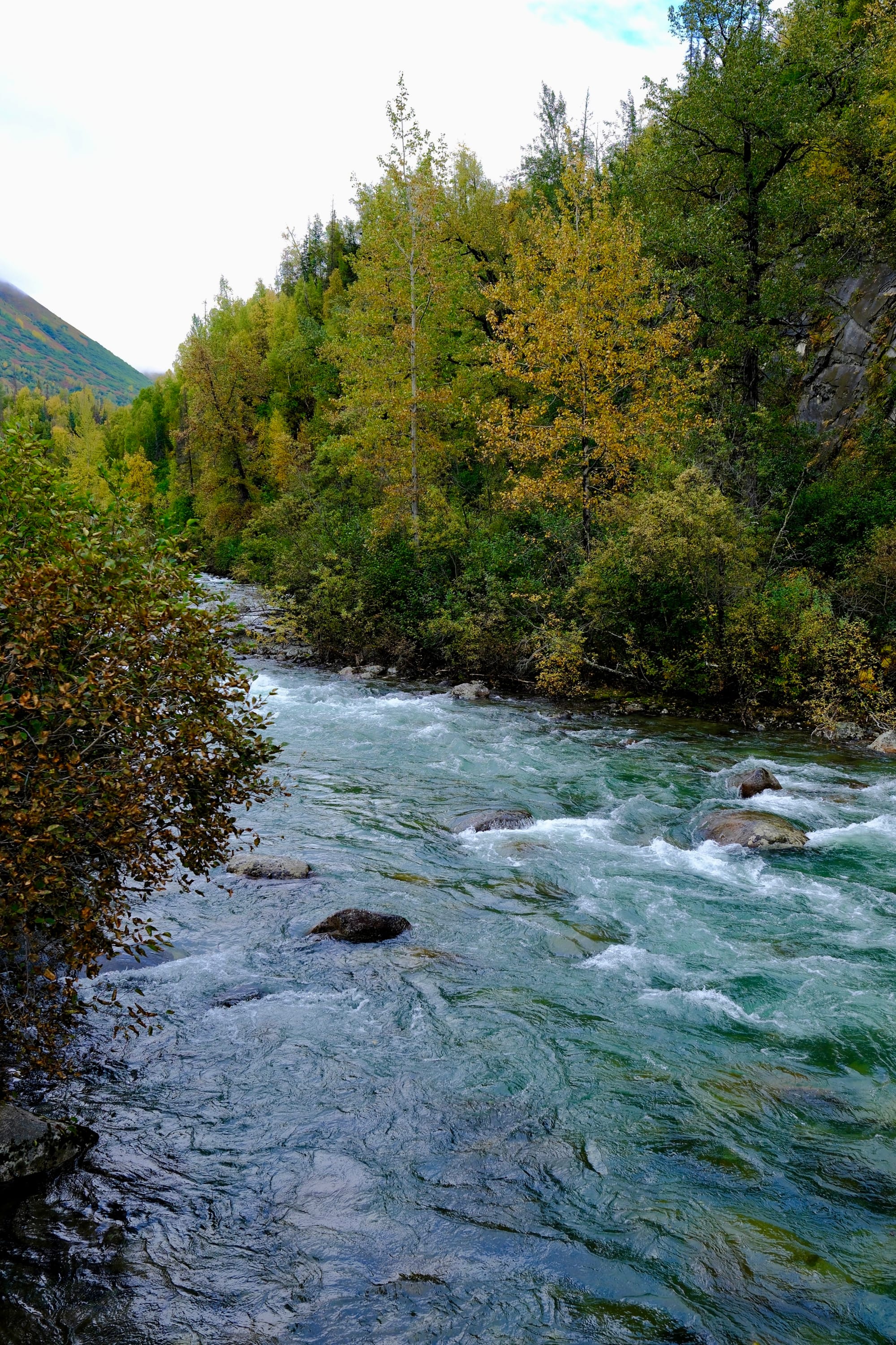
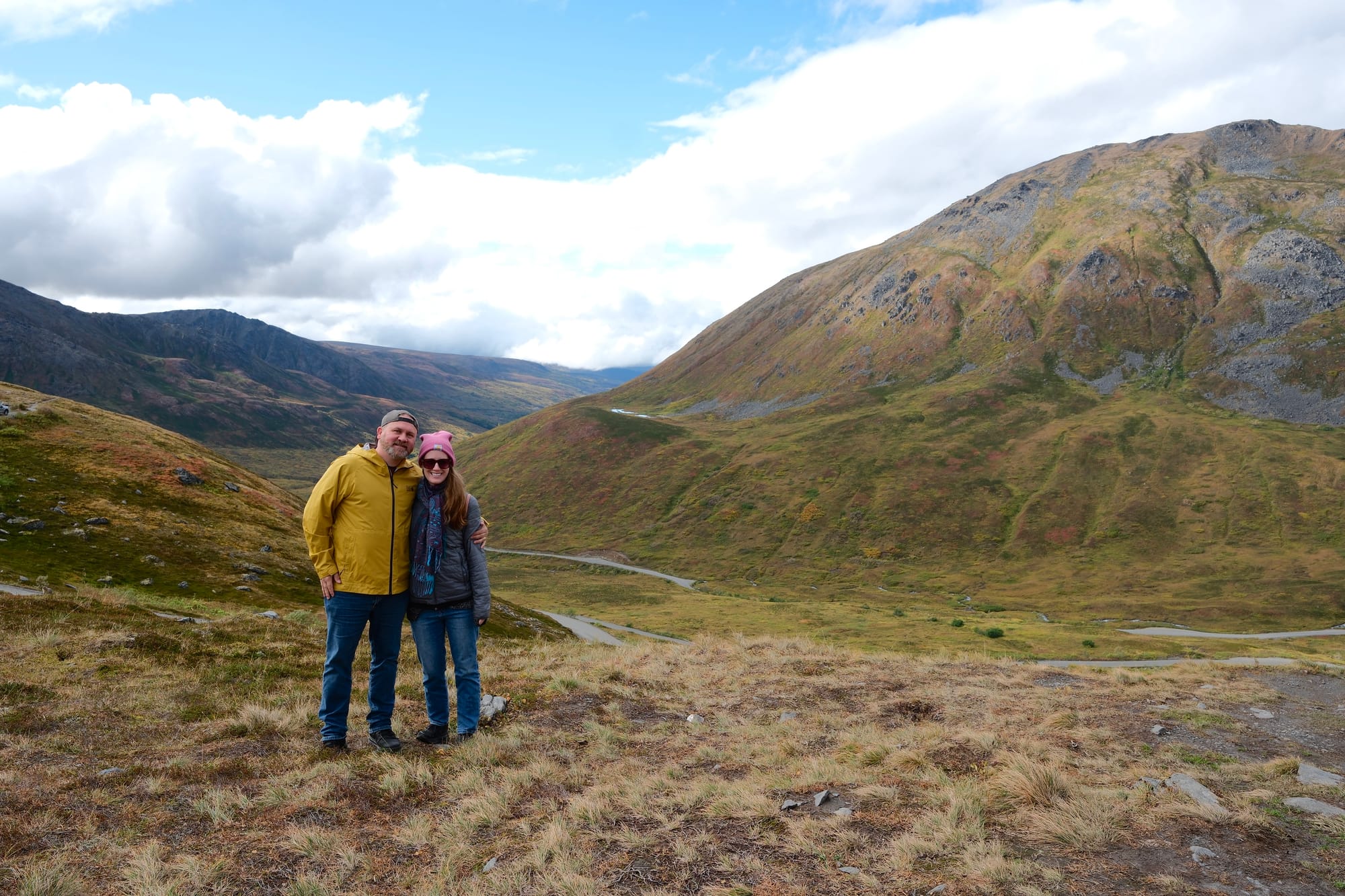
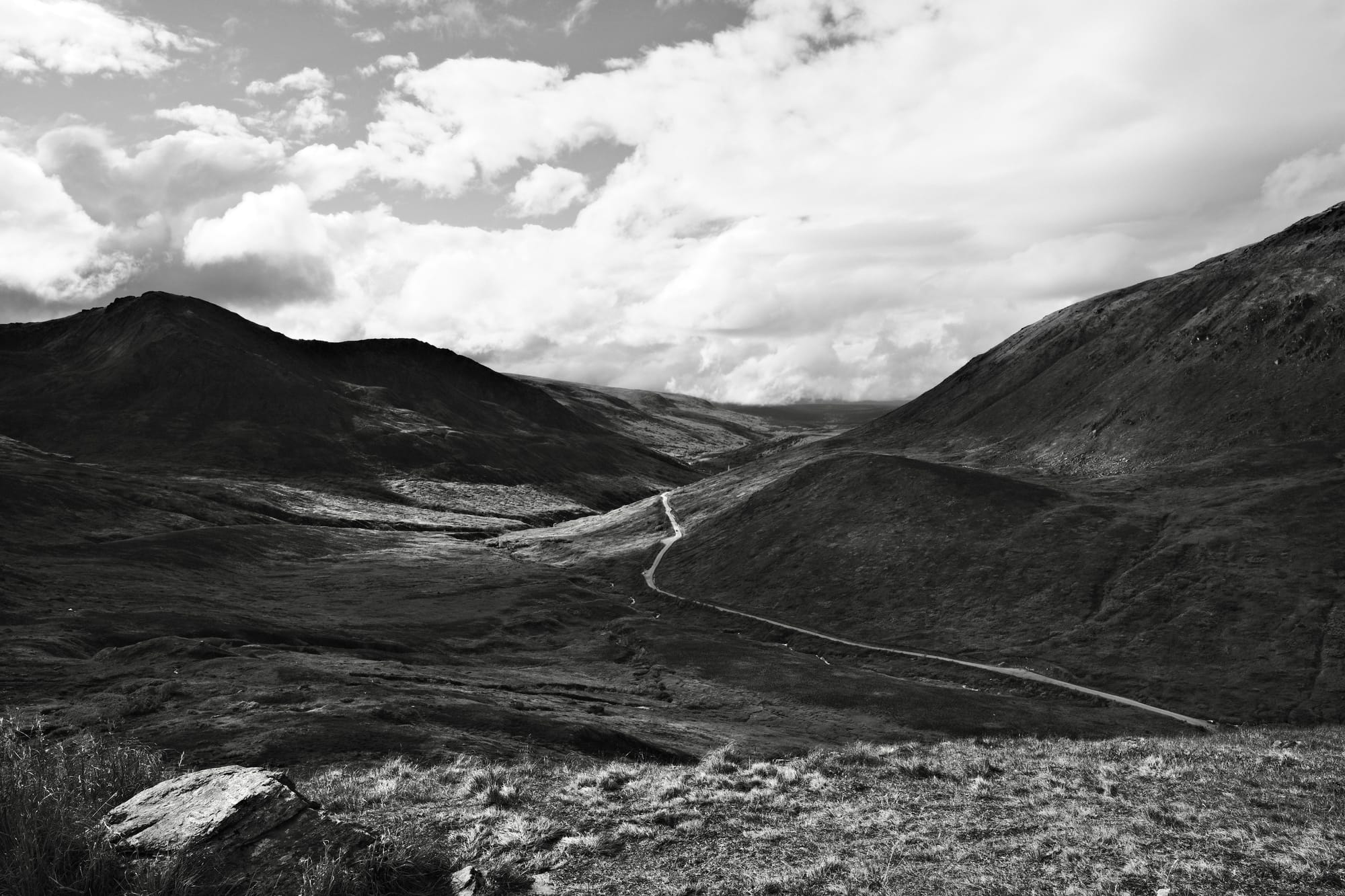
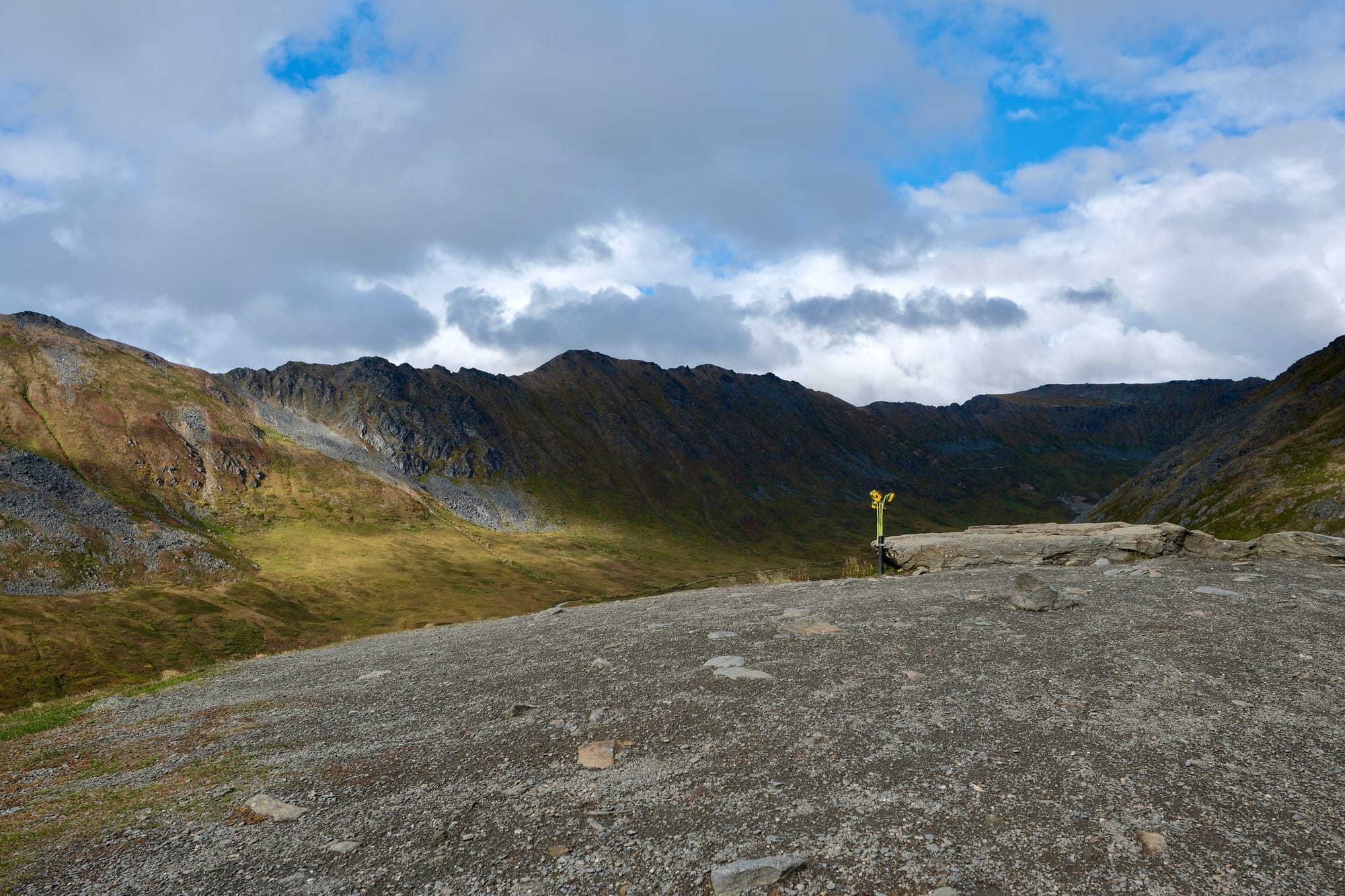
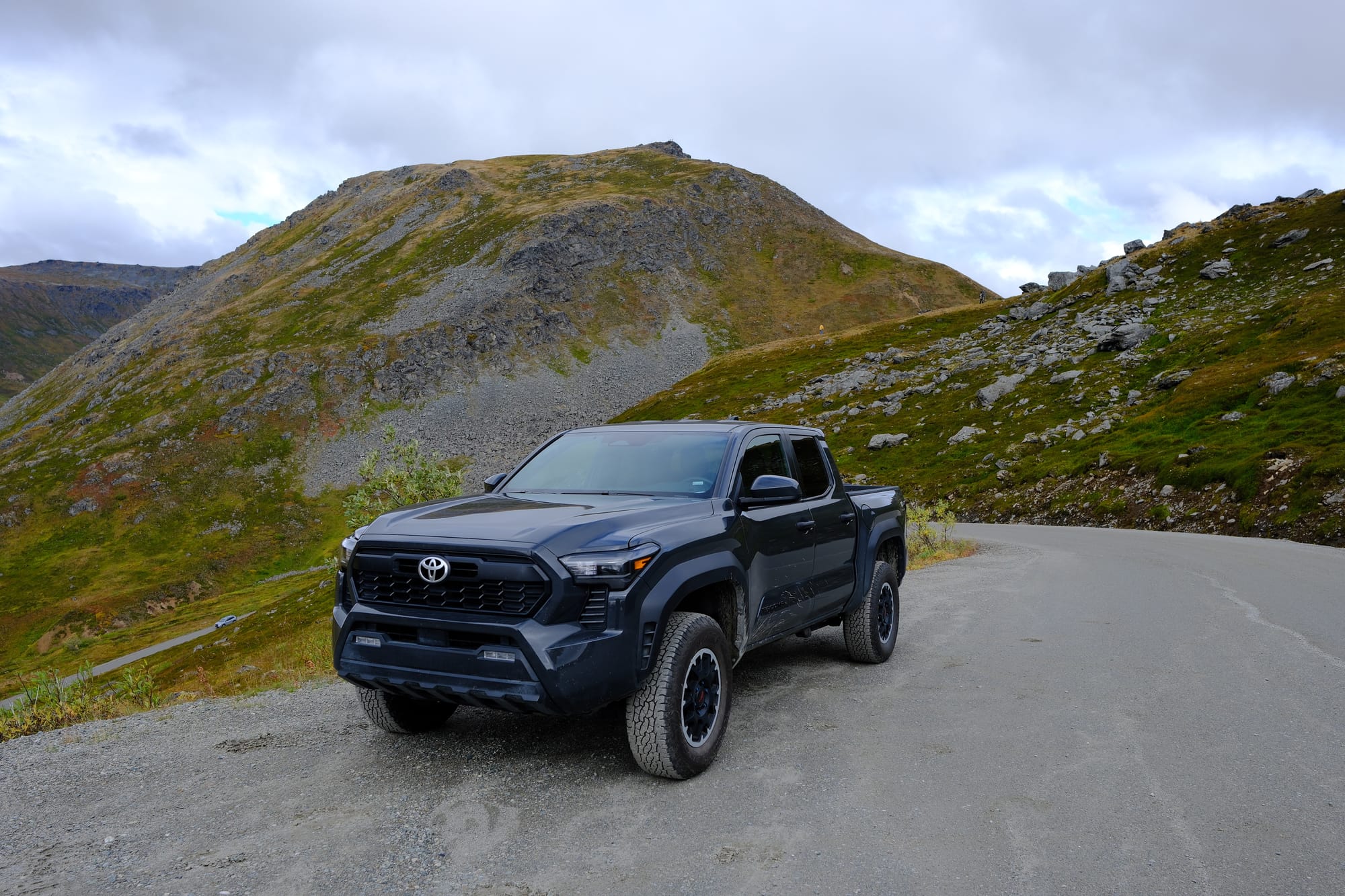
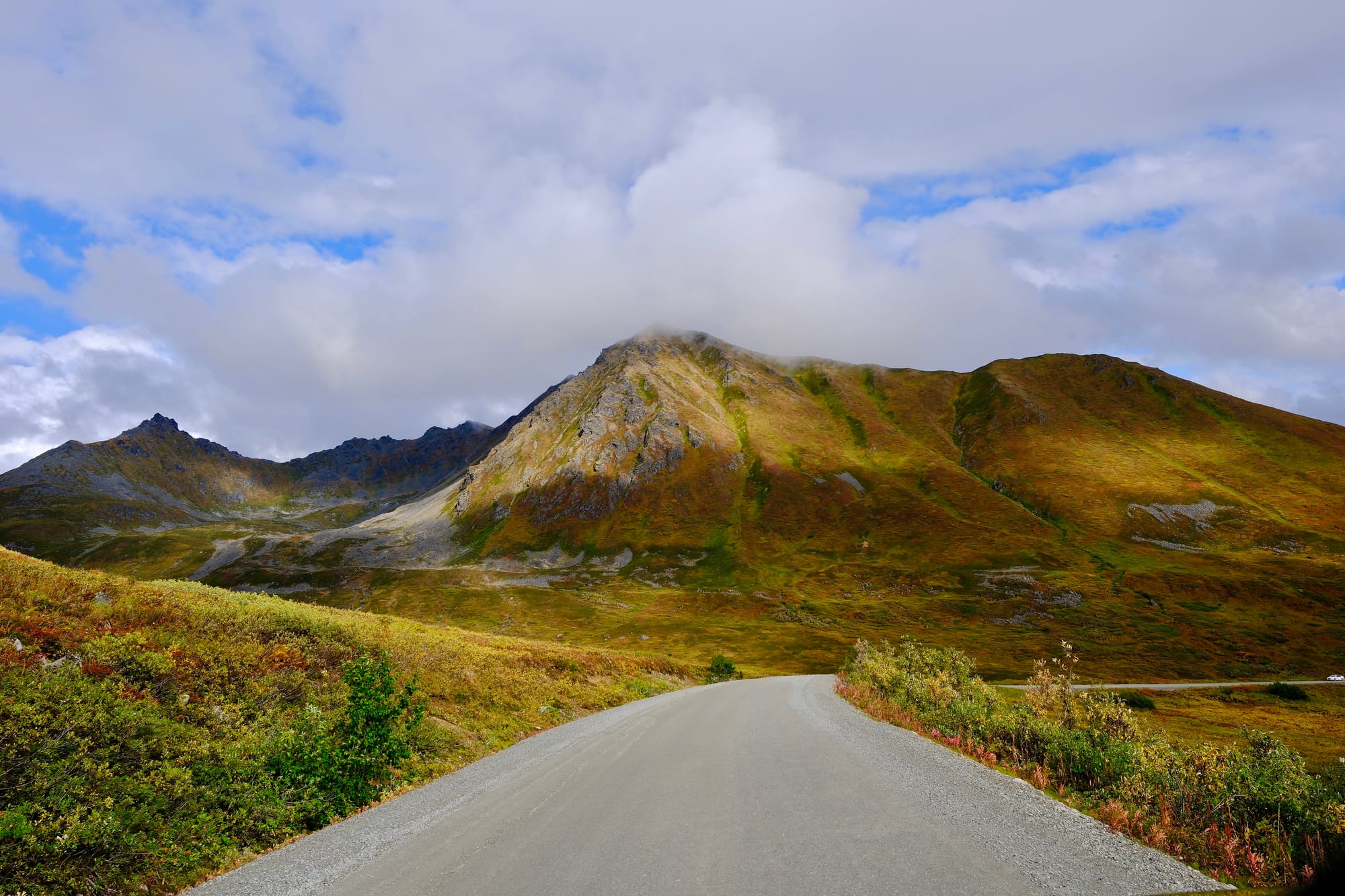
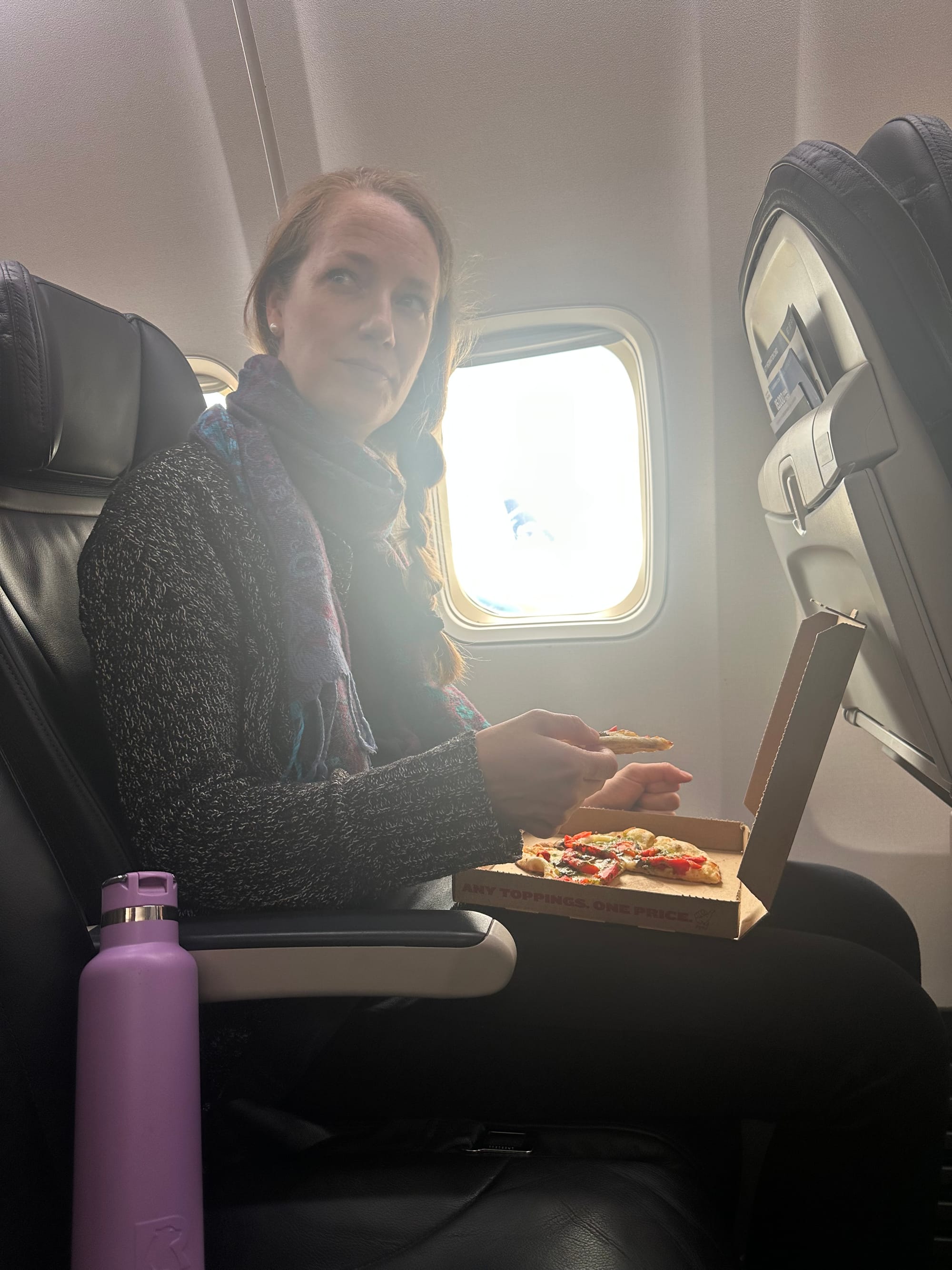
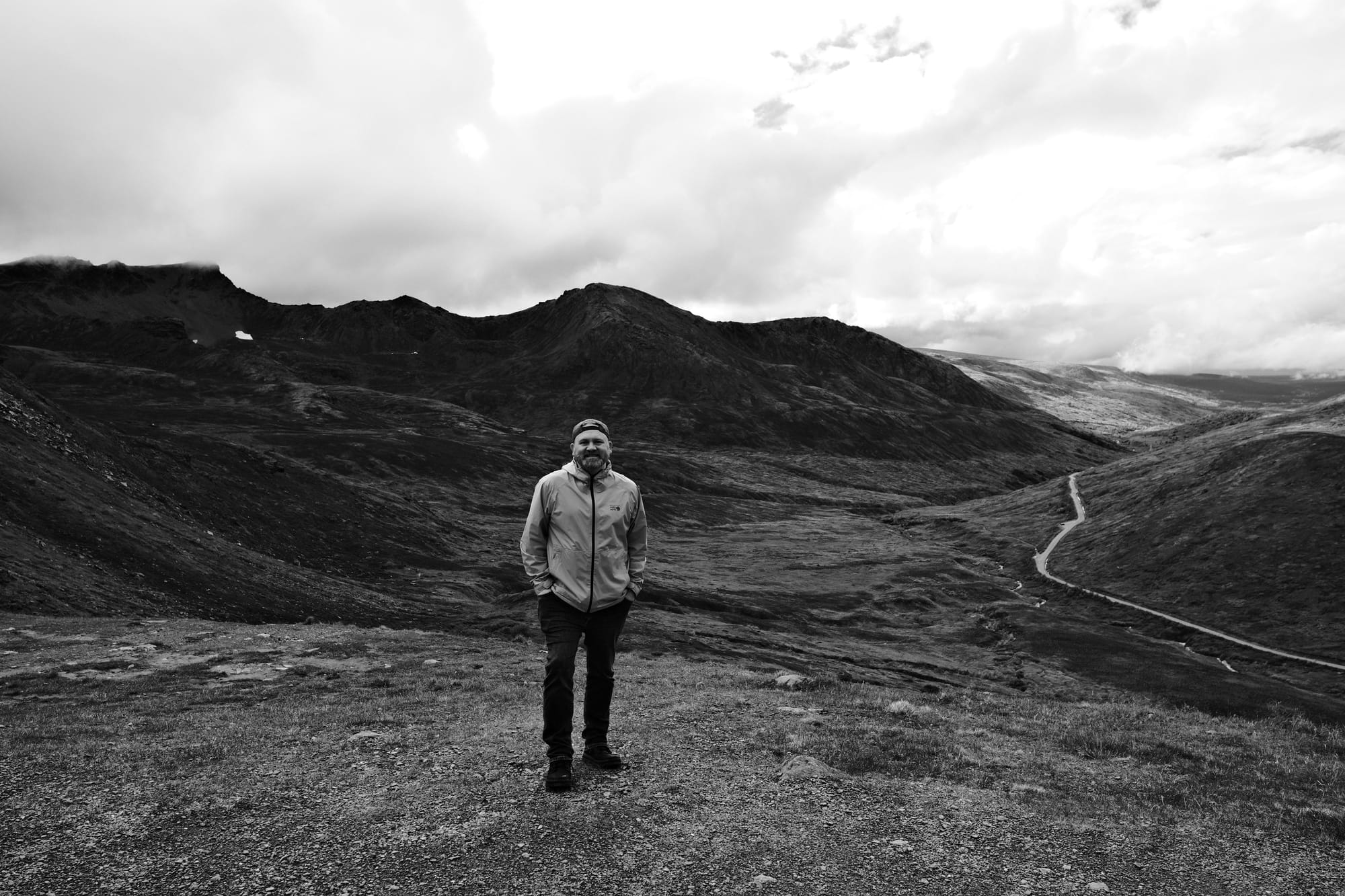
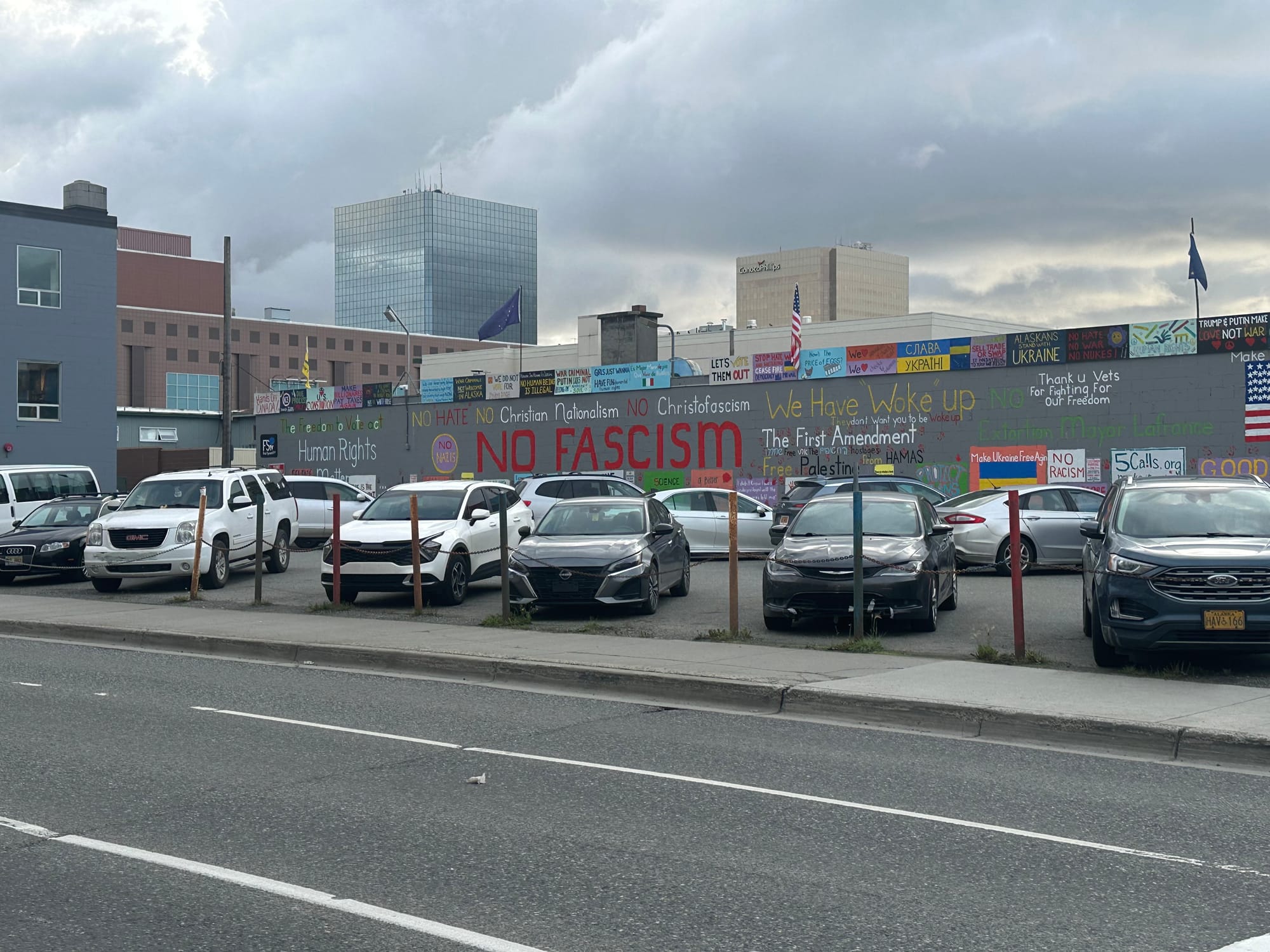
It was a busy week full of social events and soccer. My coworker had a BBQ yesterday and I hosted a neighborhood potluck at the park today. I was too busy to take many photos, but it was a good turnout. I’m really trying to organize and build community. It’s the hole in my life I’m trying to change.
In the same way, this morning I also went to my second ever Catholic mass. I went alone to the 8 am. I’ve been trying a few churches out to see how I feel about them, community-wise.
While I’m agnostic, I’ve always been interested in Catholicism from a community perspective. I recently realized—or had the epiphany—that many of the best people I’ve ever known have been Catholic. I definitely prefer the hocus pocus over the worship rock bands at Protestant churches, too. At very least, it’s a great personal ethnography.
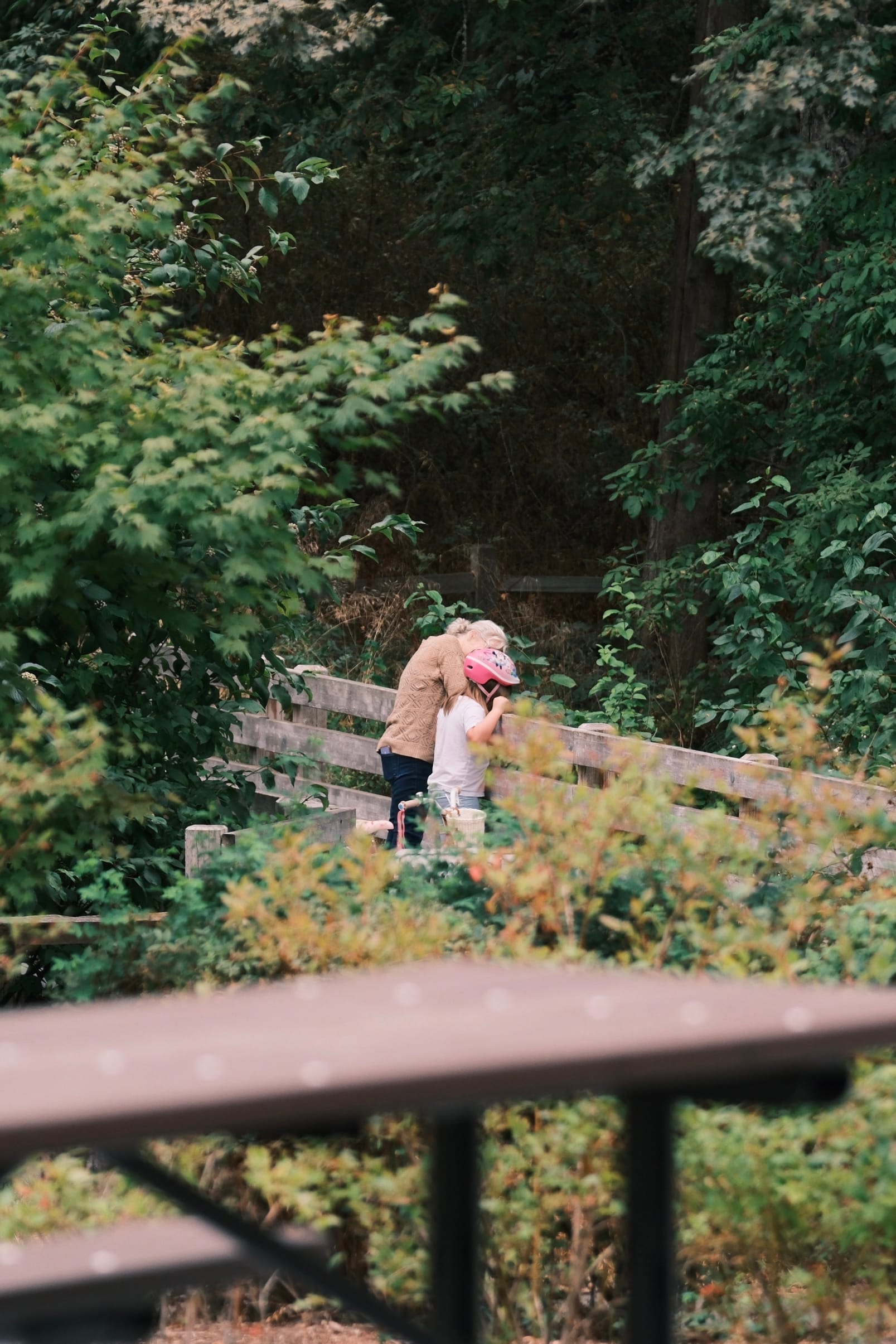
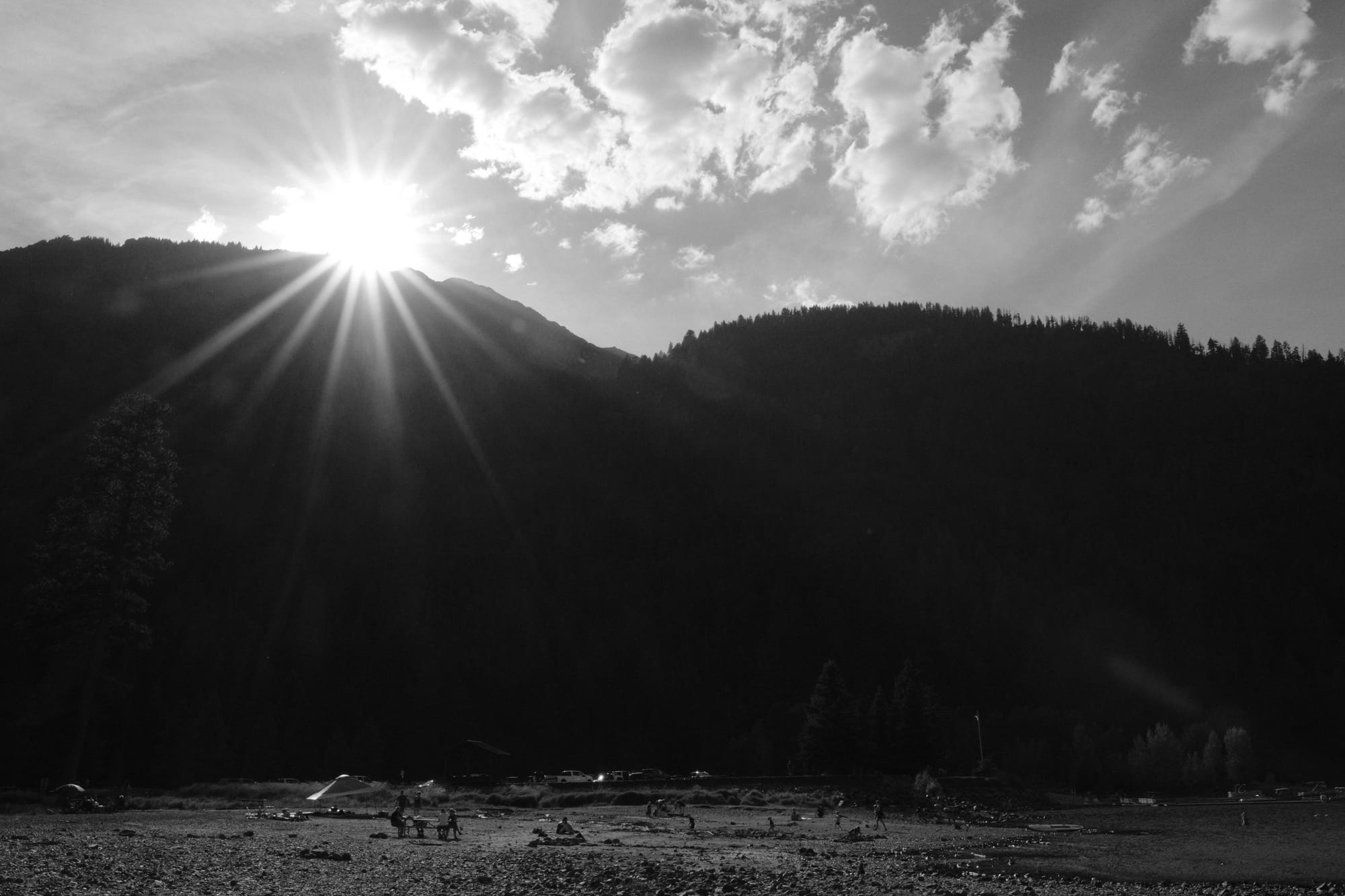
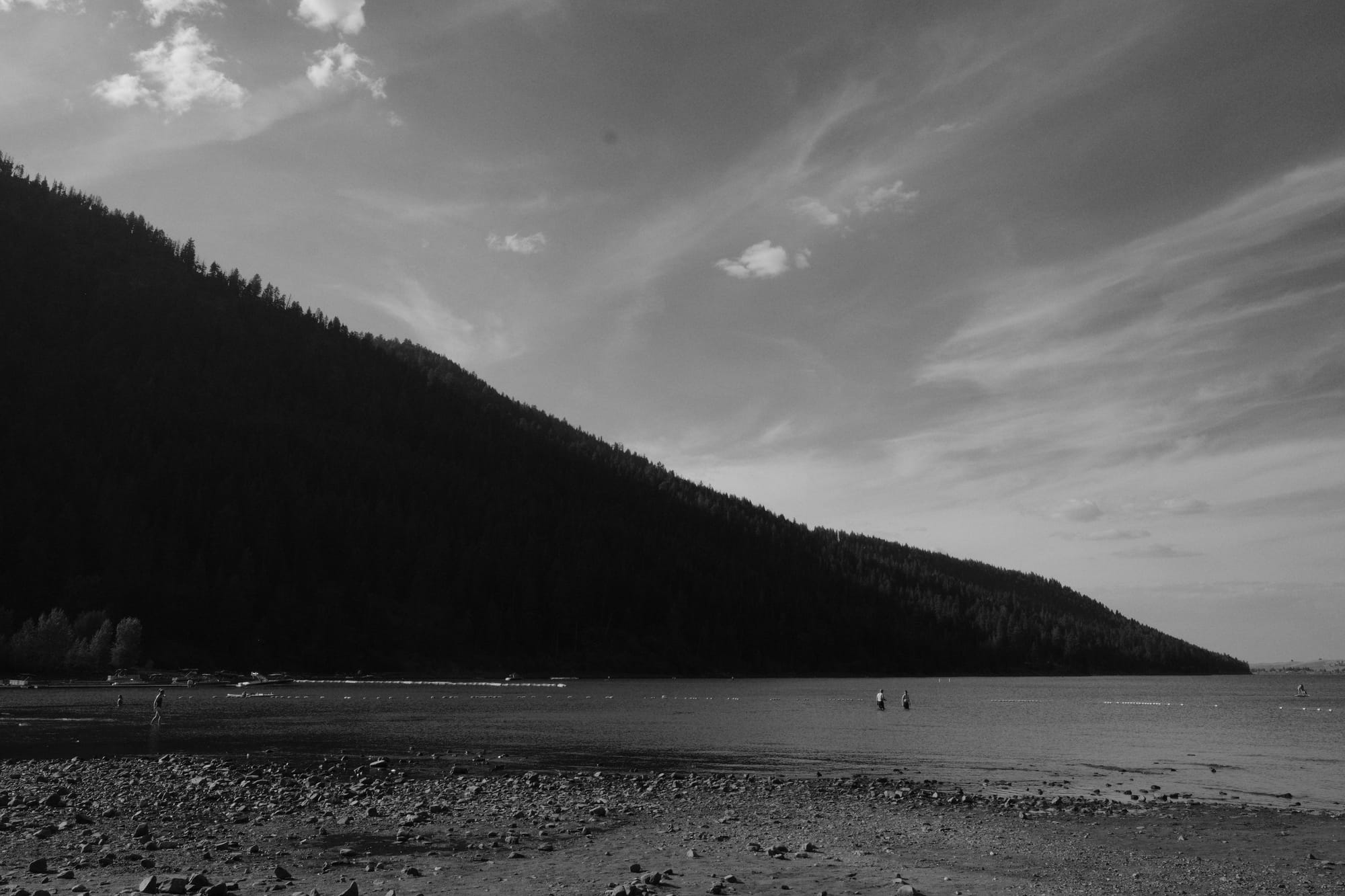
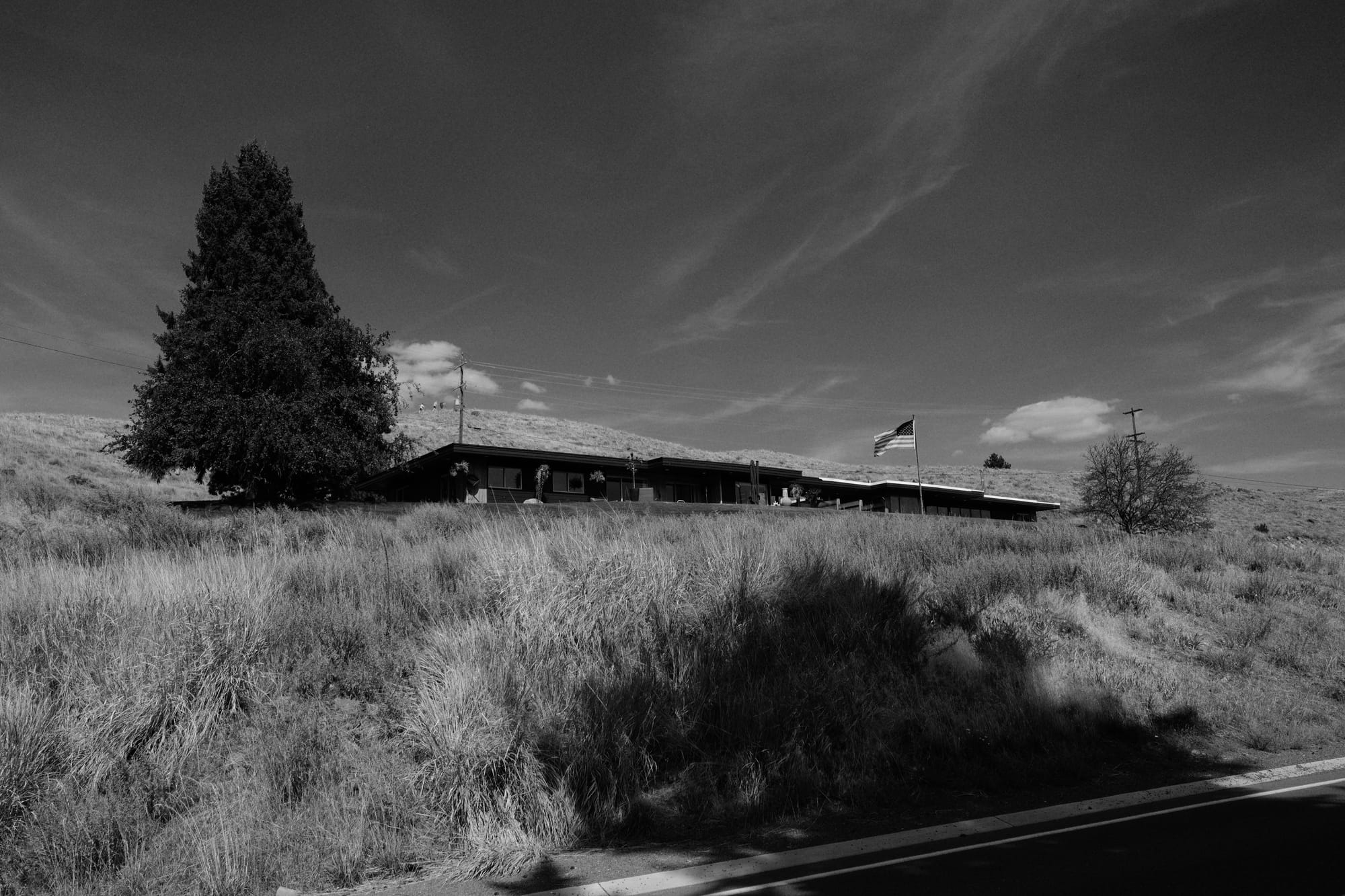
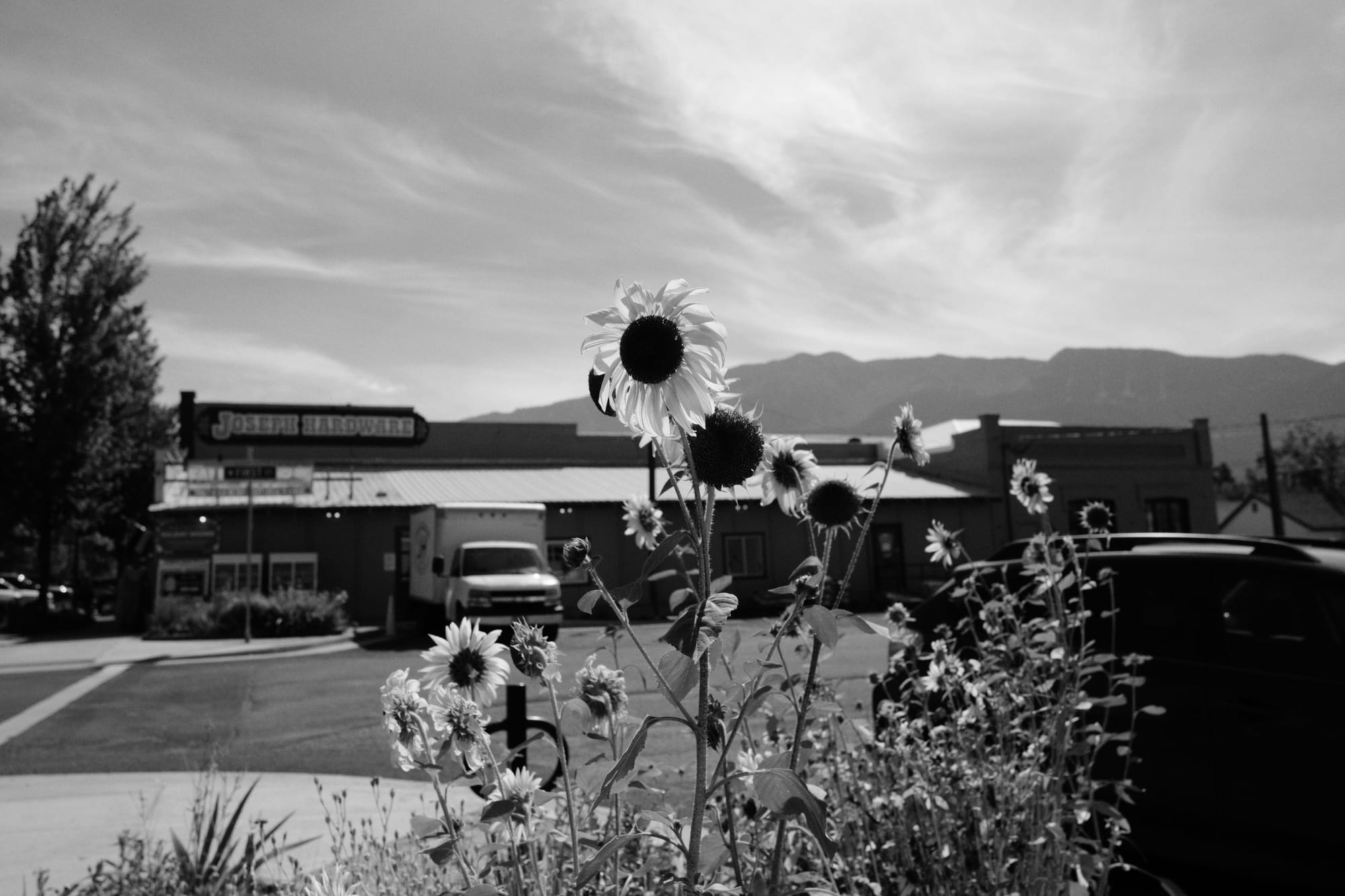
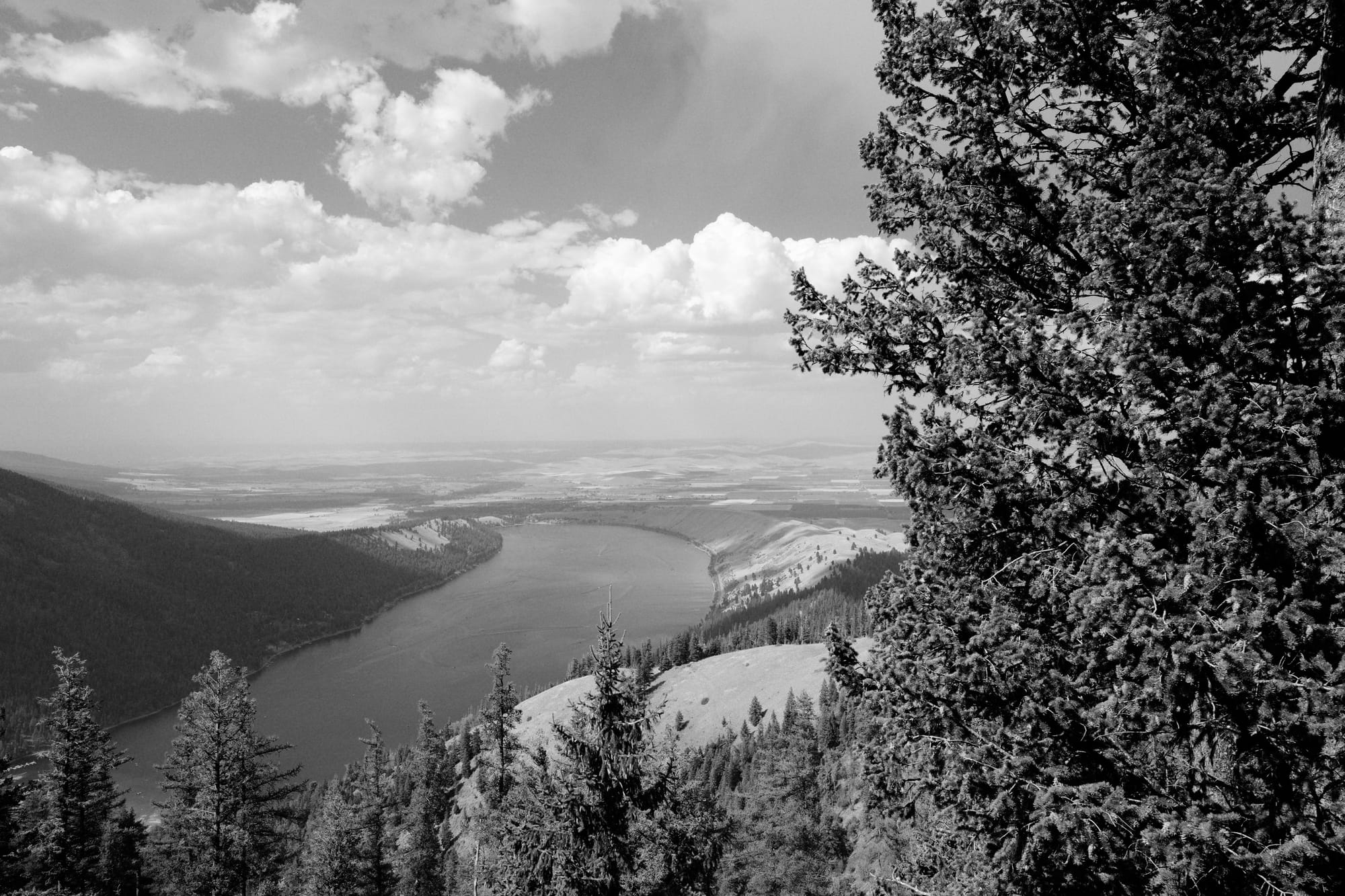
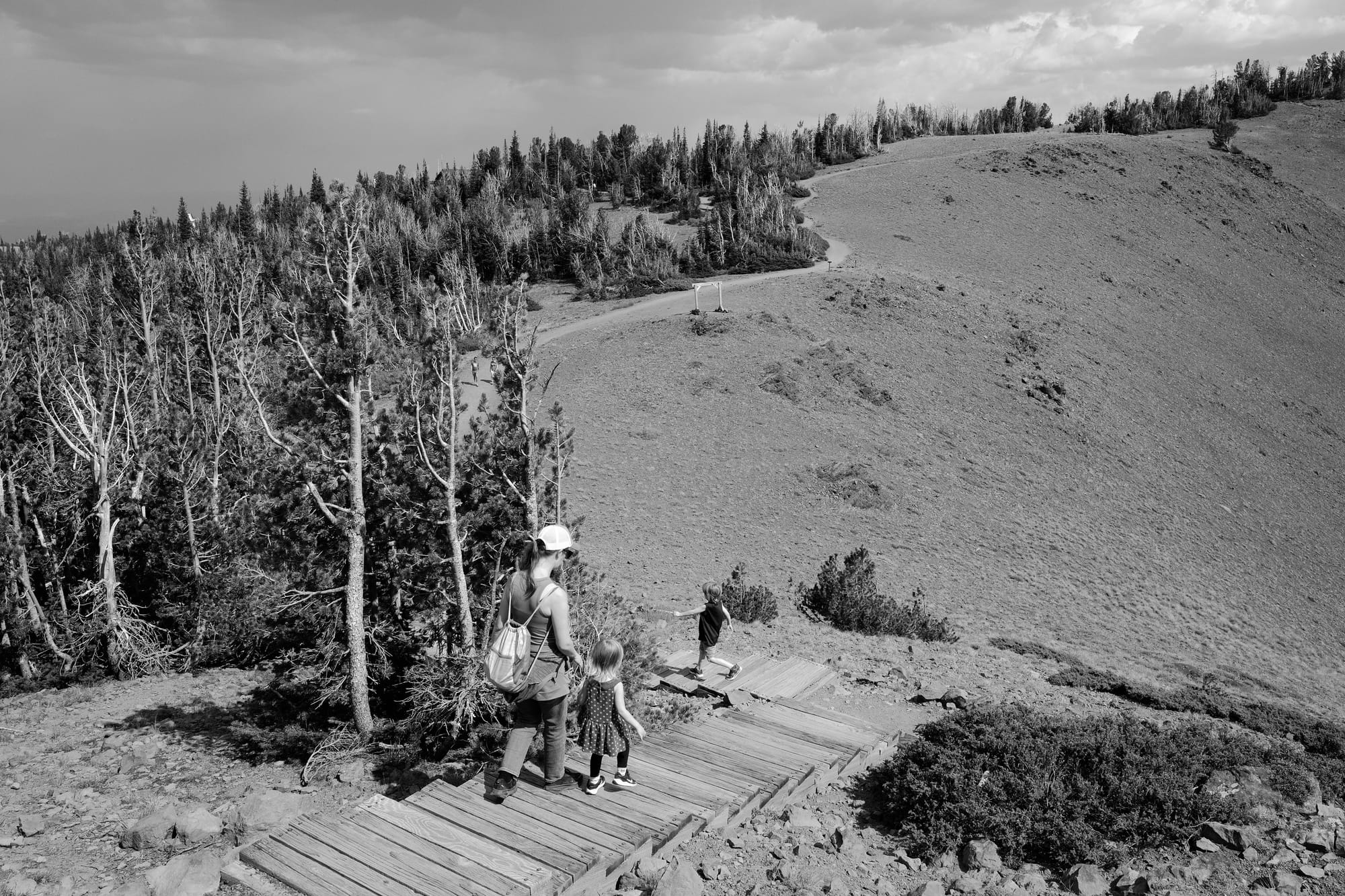
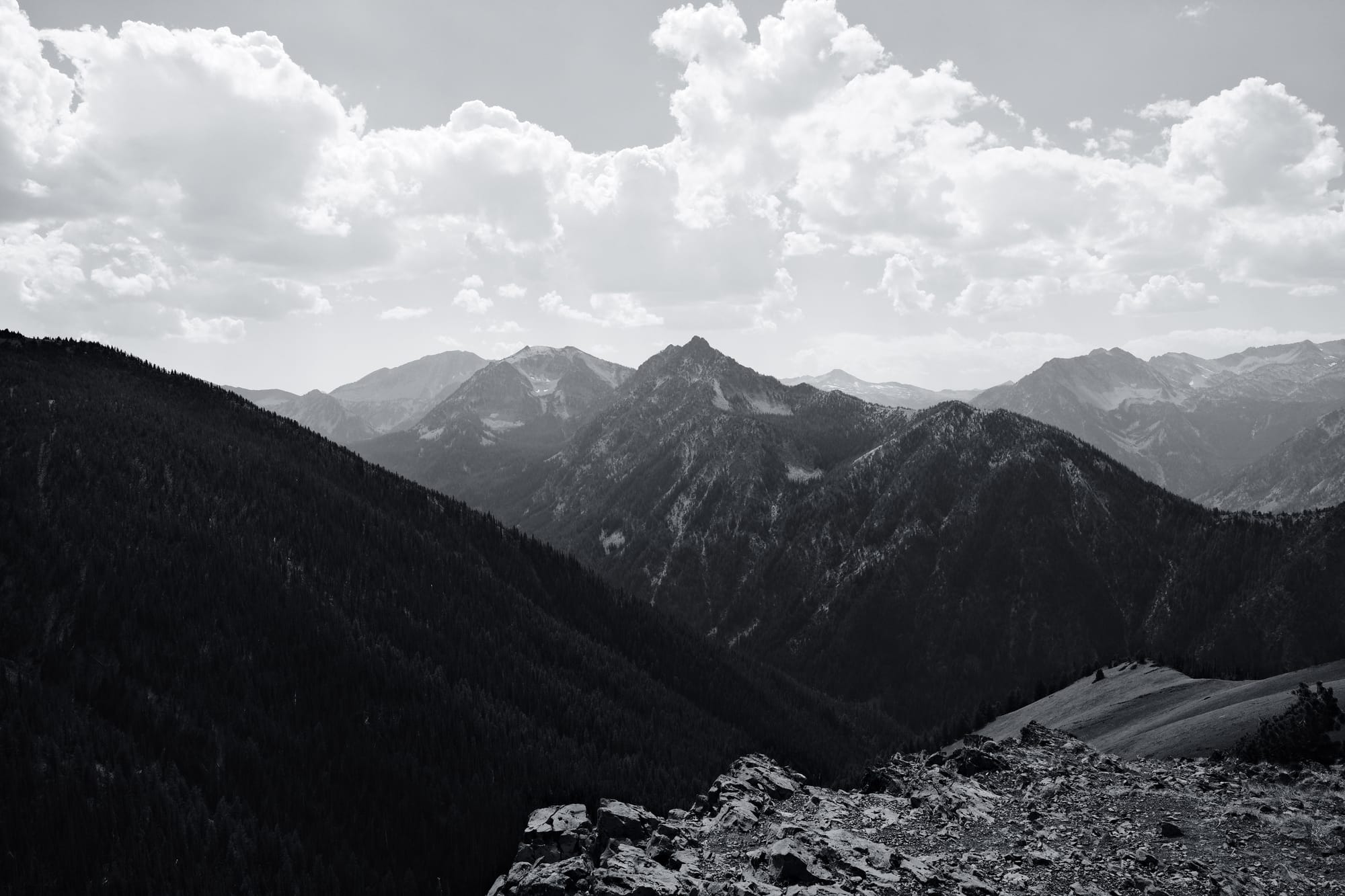
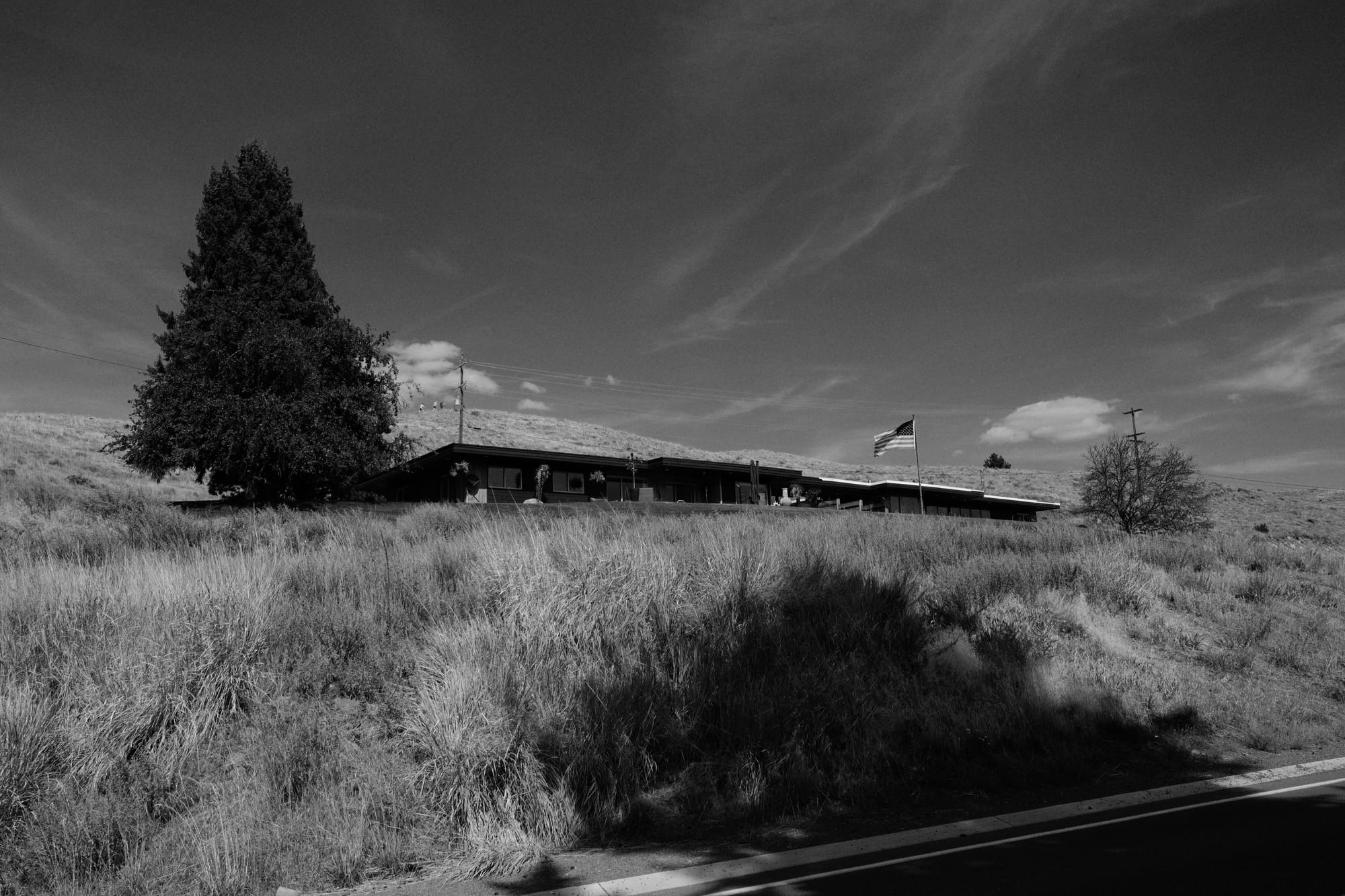
Yesterday we headed over to the coast for the day, which we hadn’t done yet this year. It was 30° cooler at Cannon Beach than it was at home in Portland (100°).
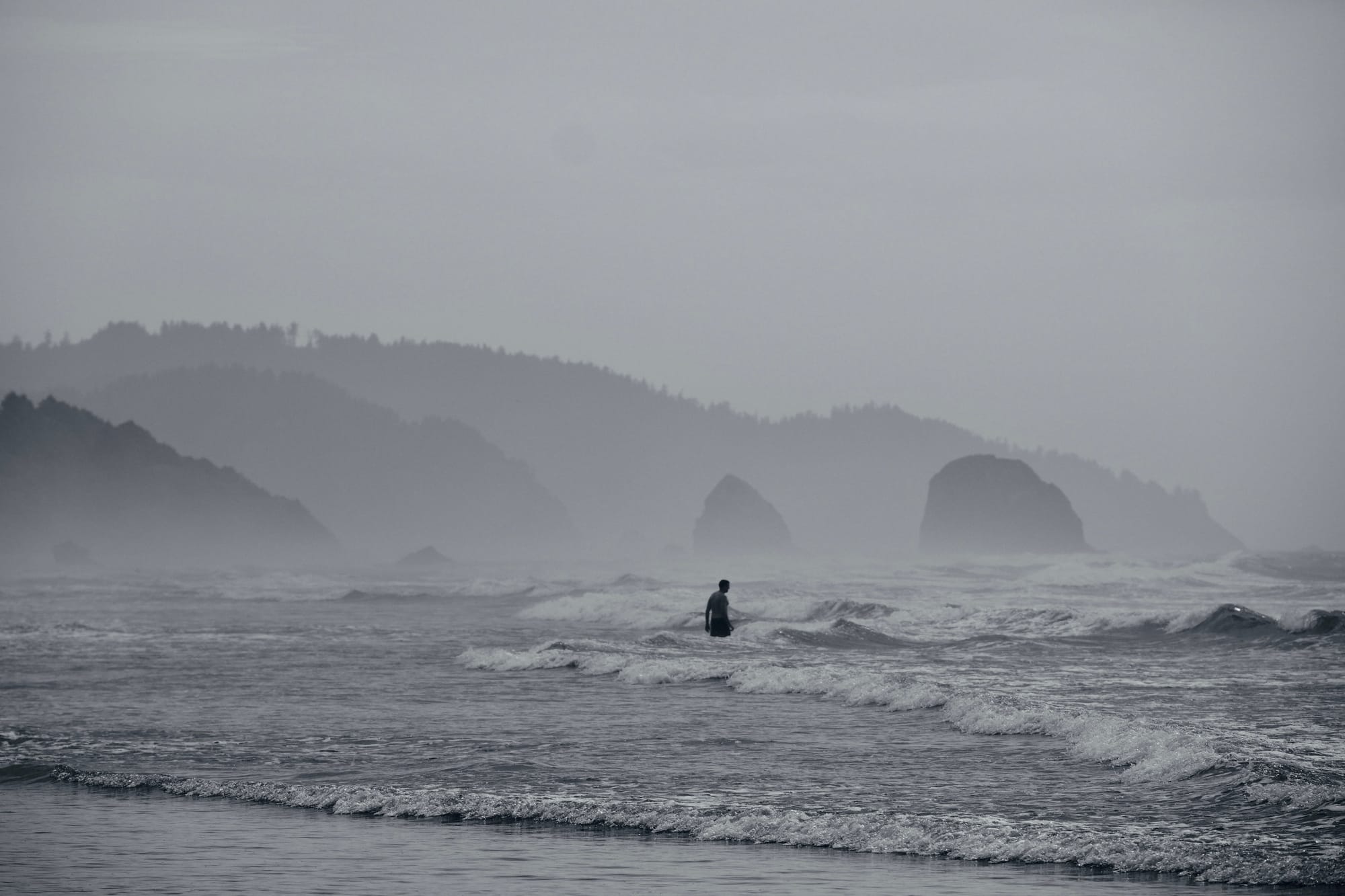
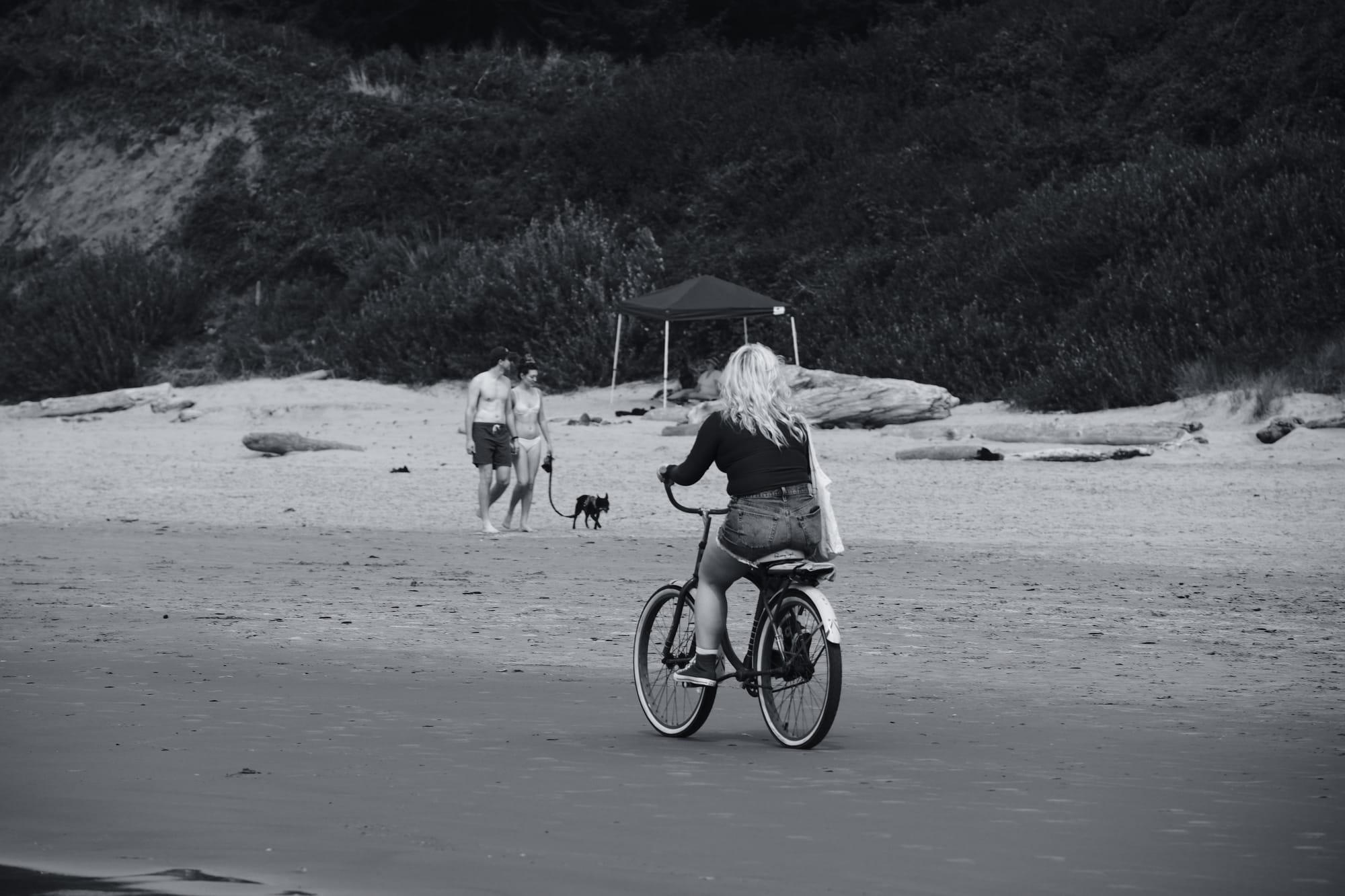
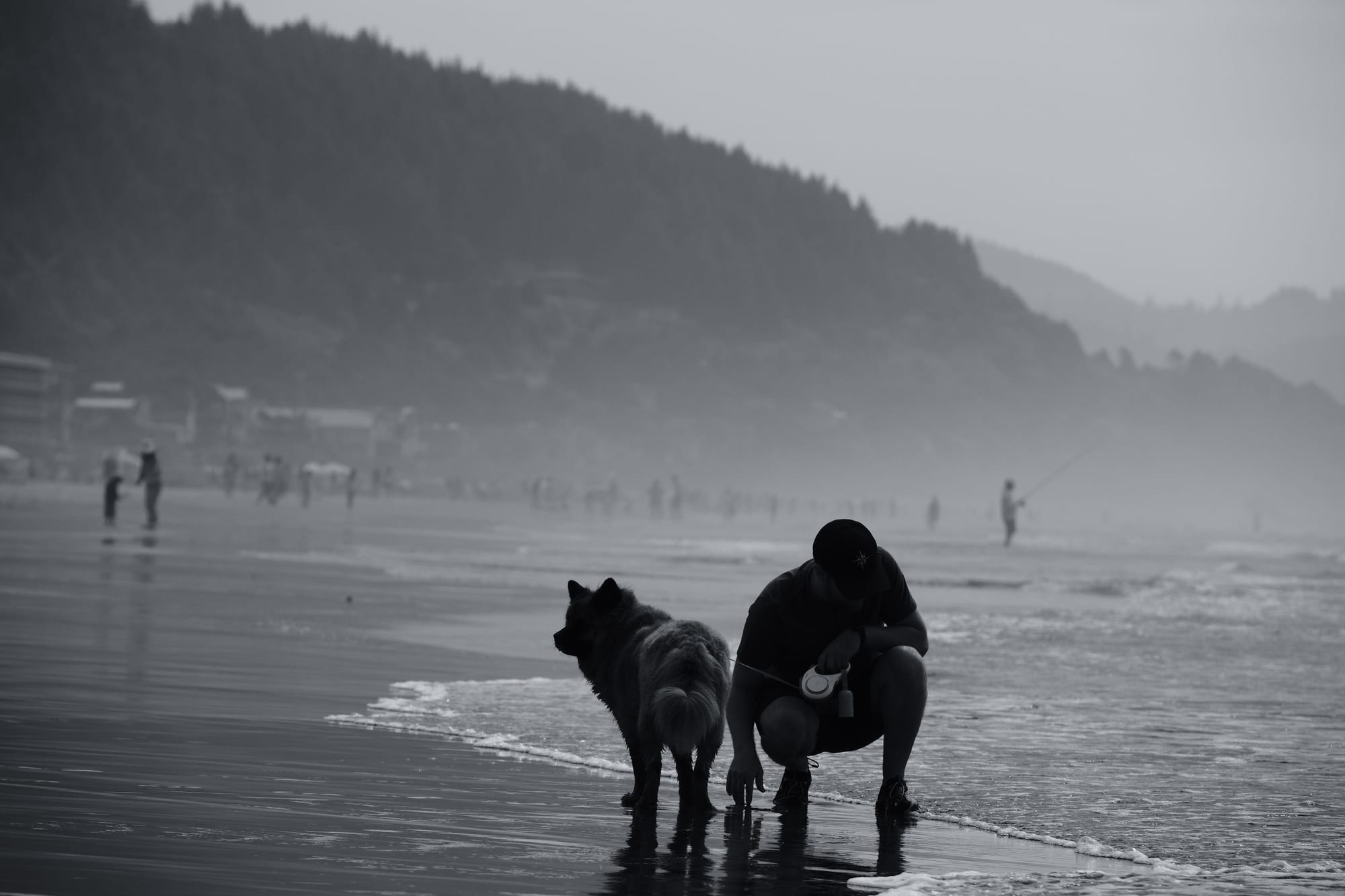
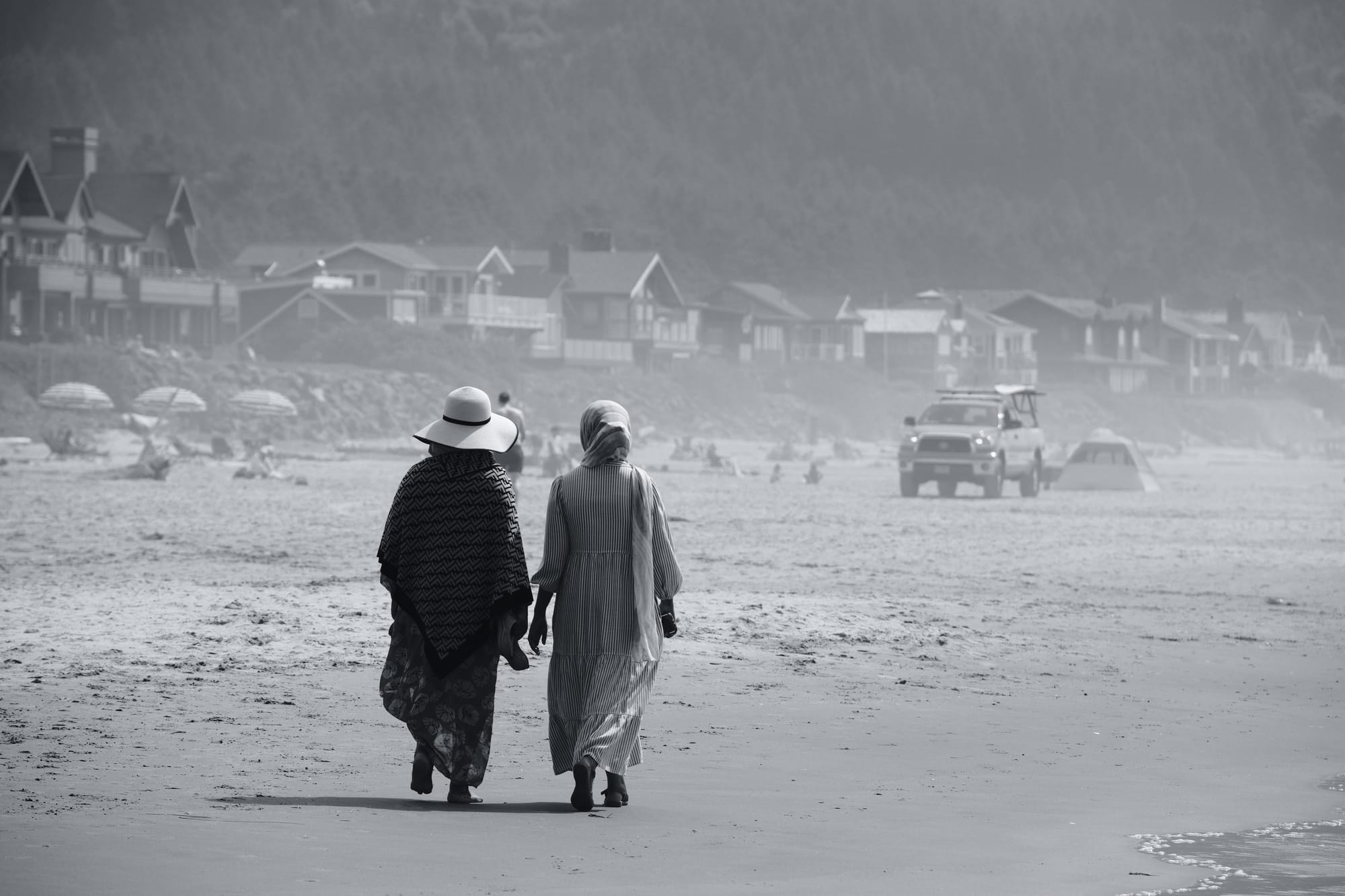
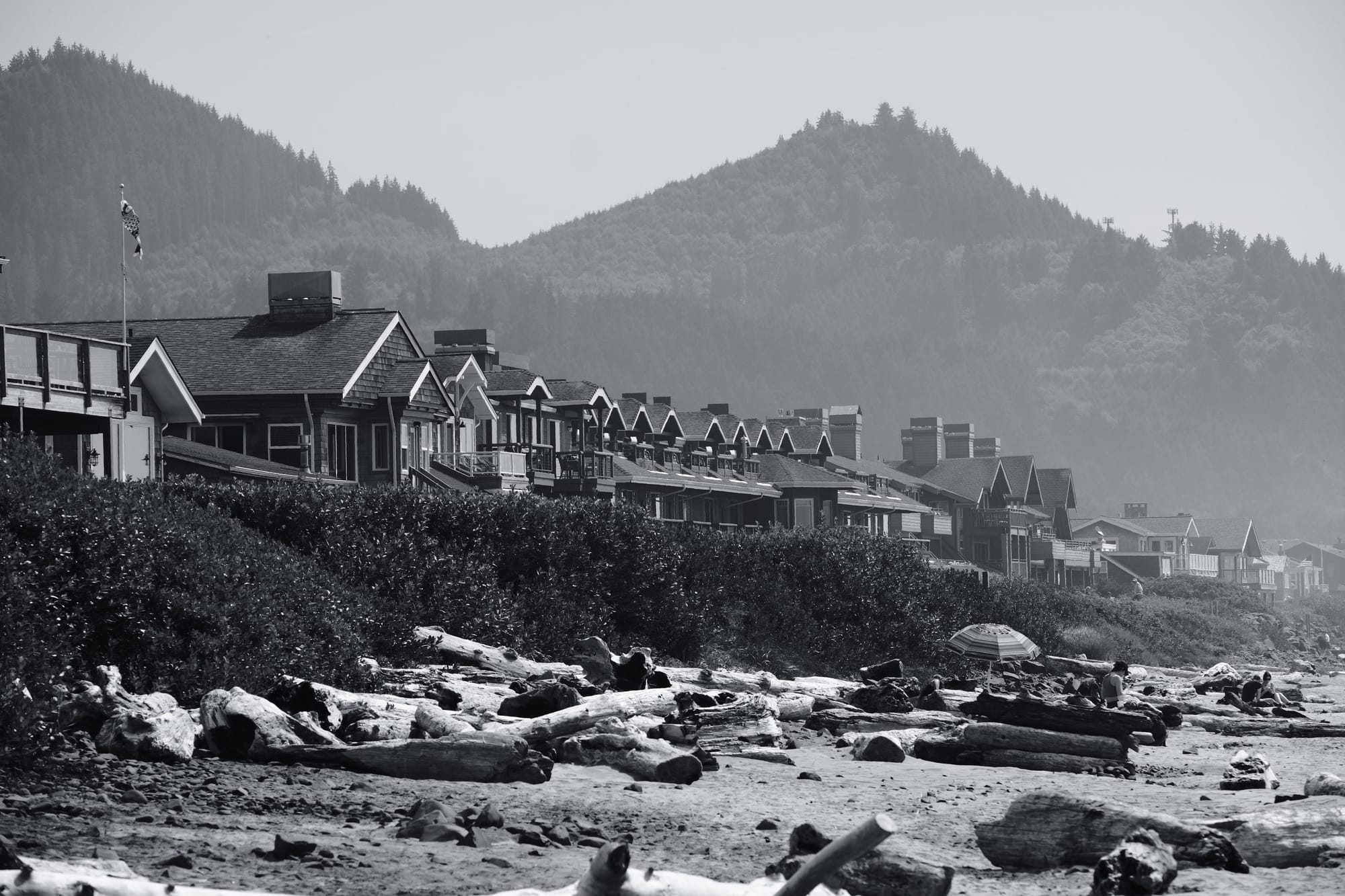
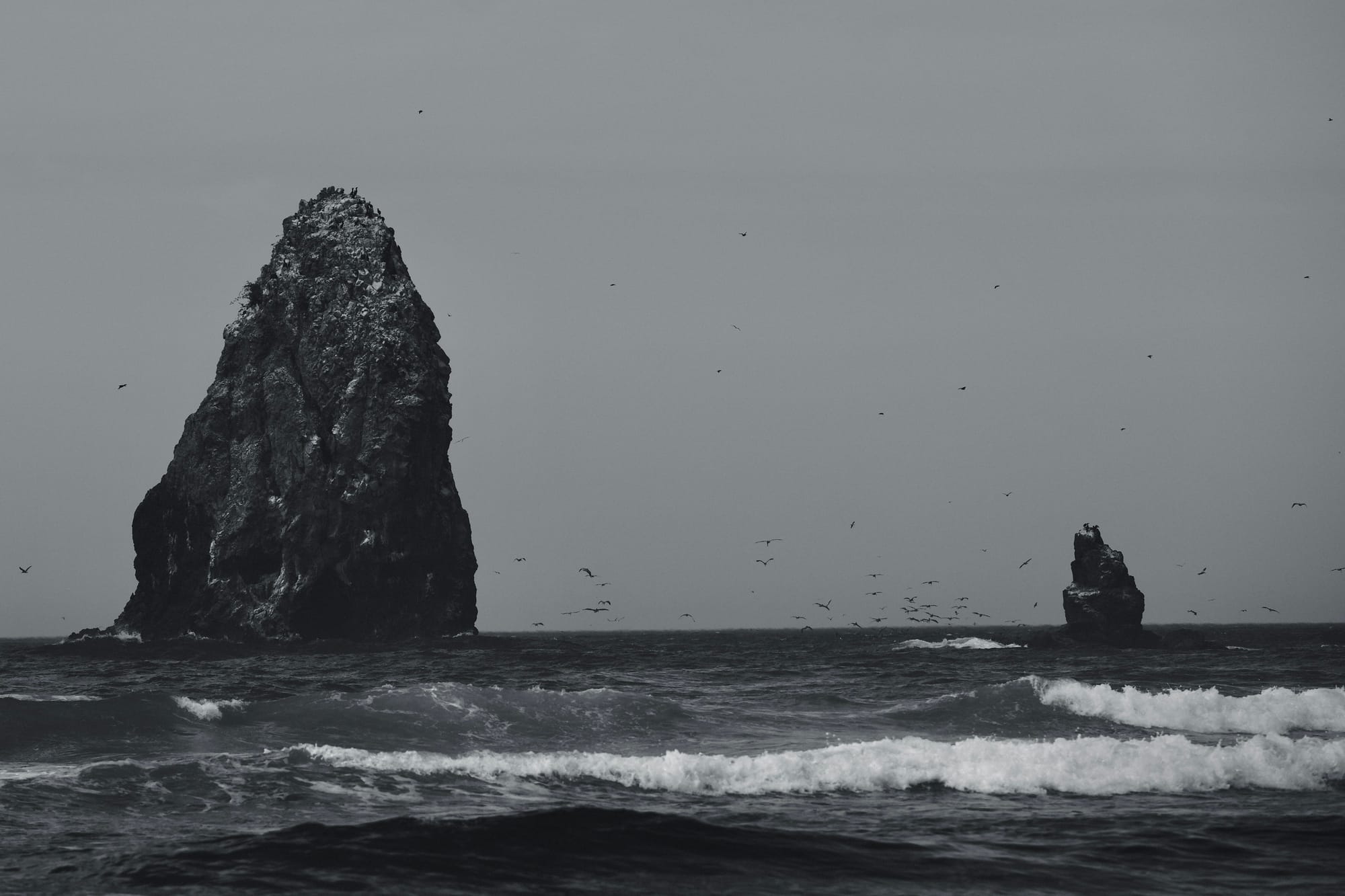
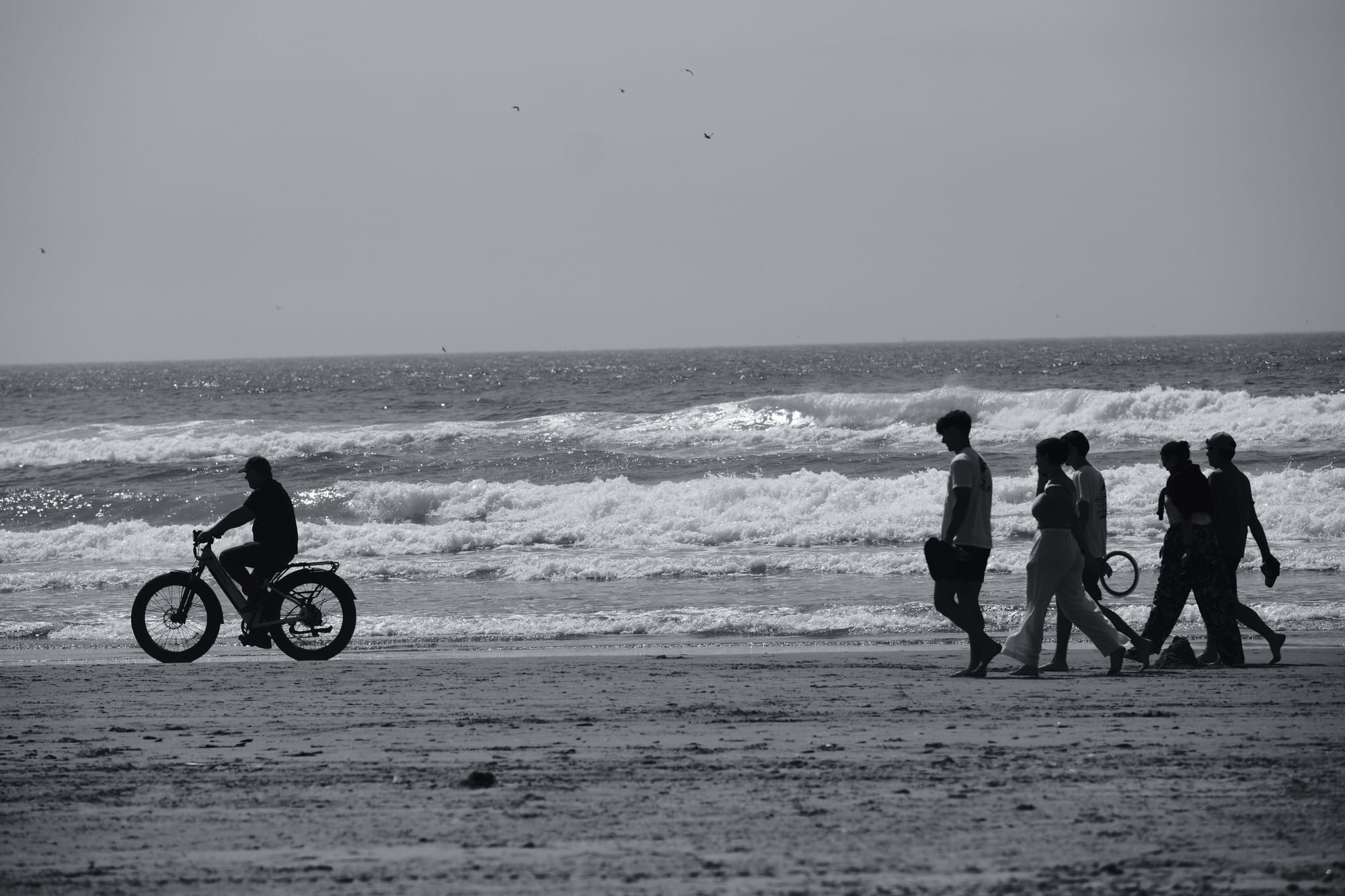
I saw this and had to pull over.
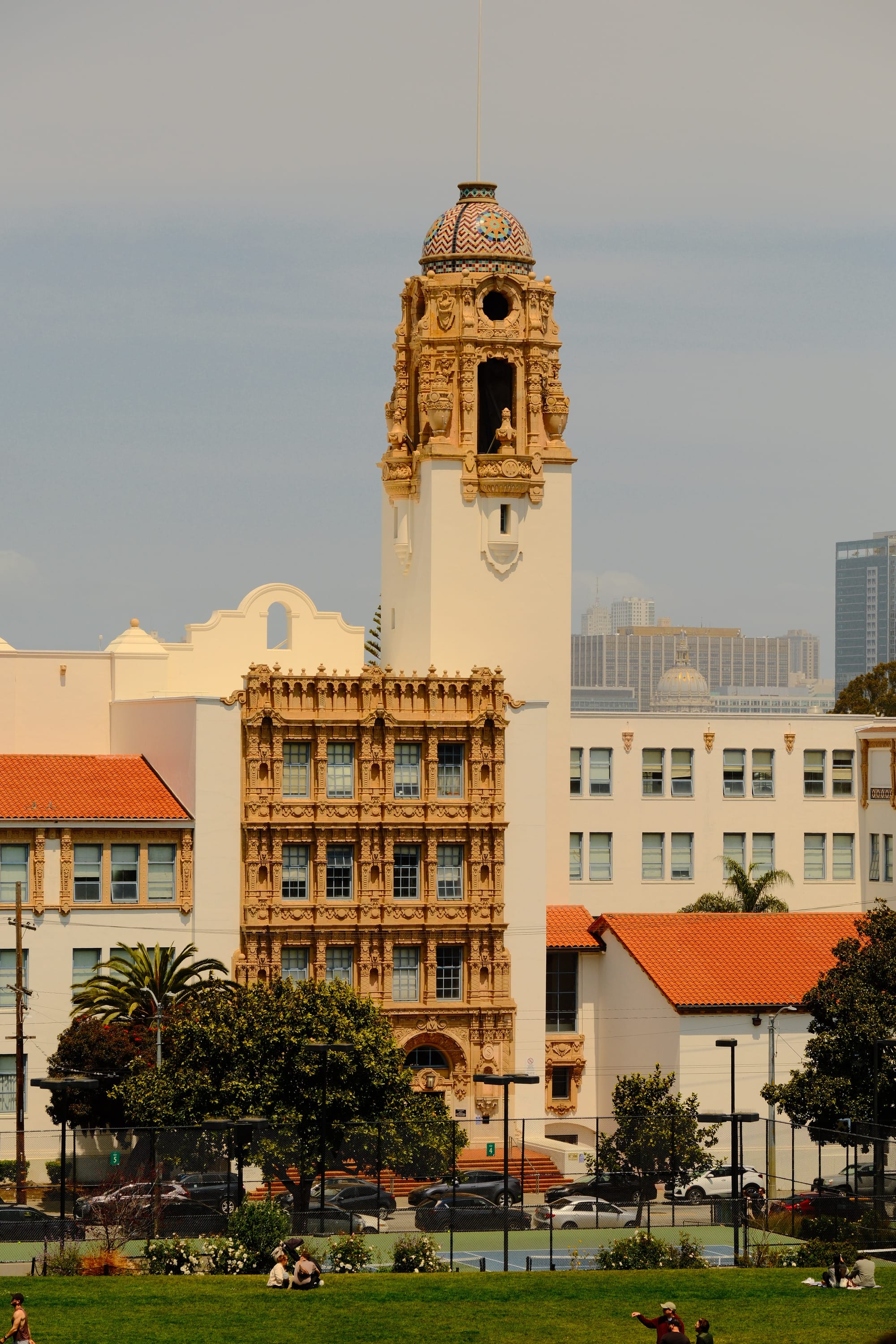
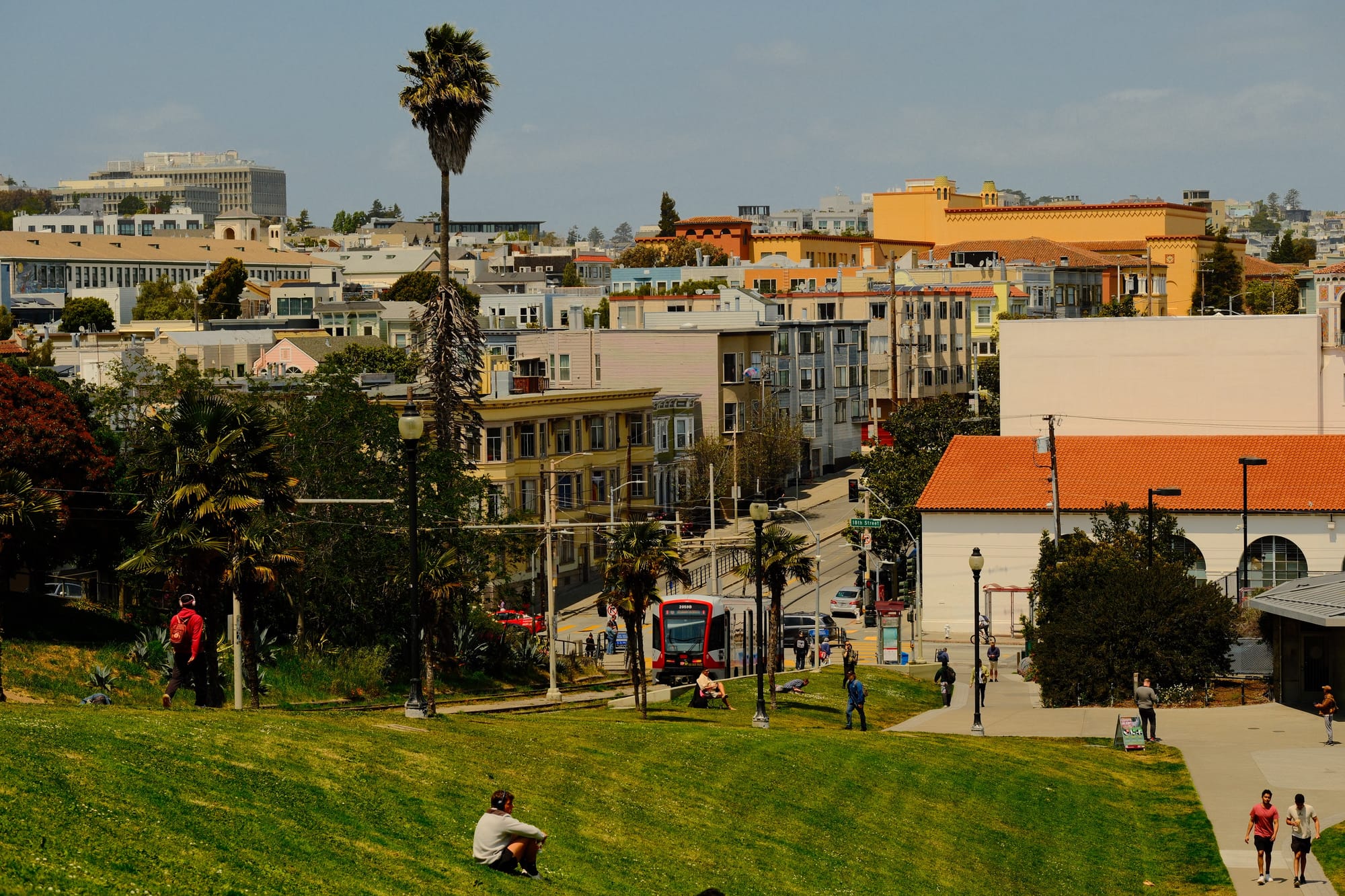
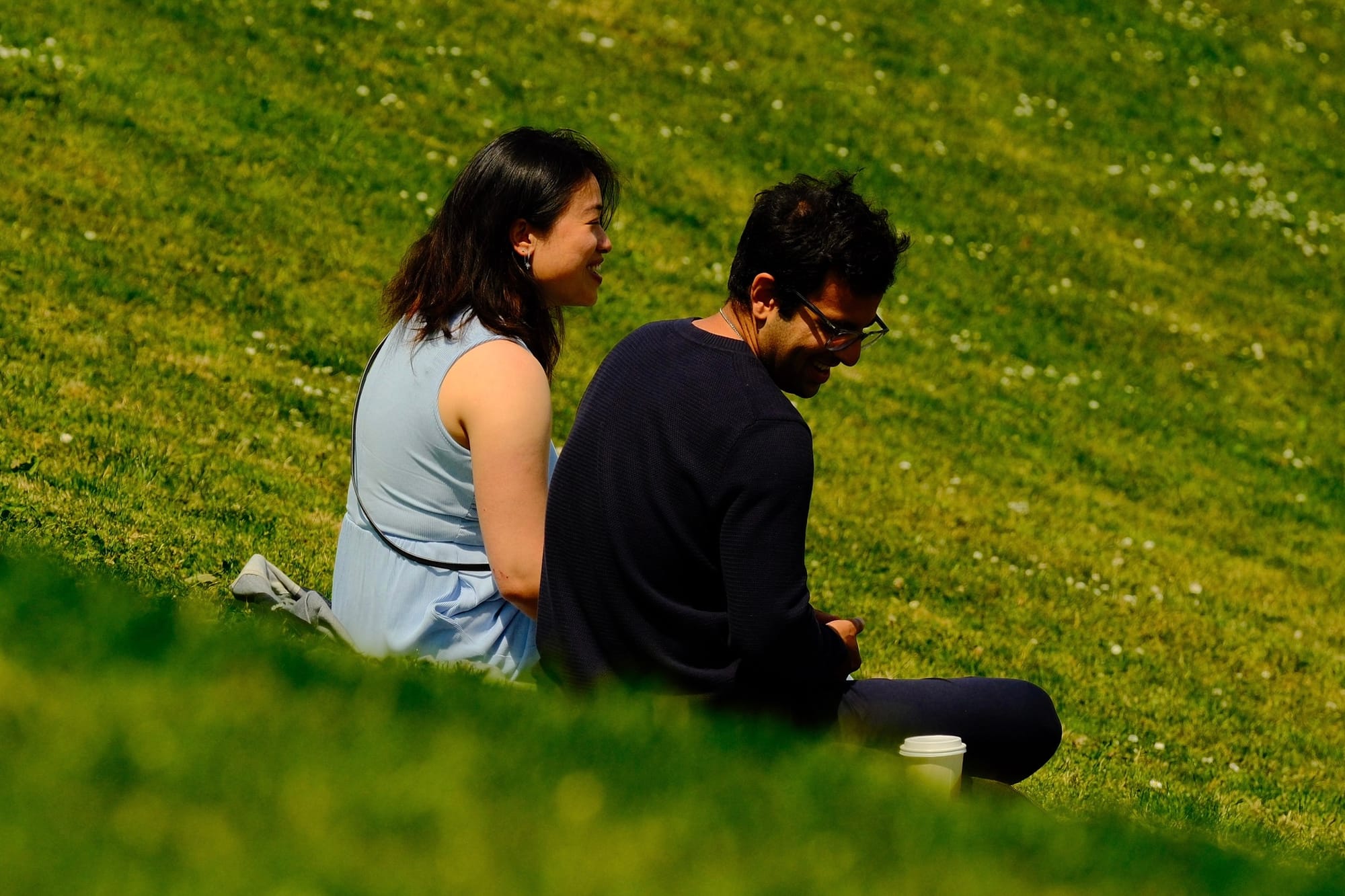
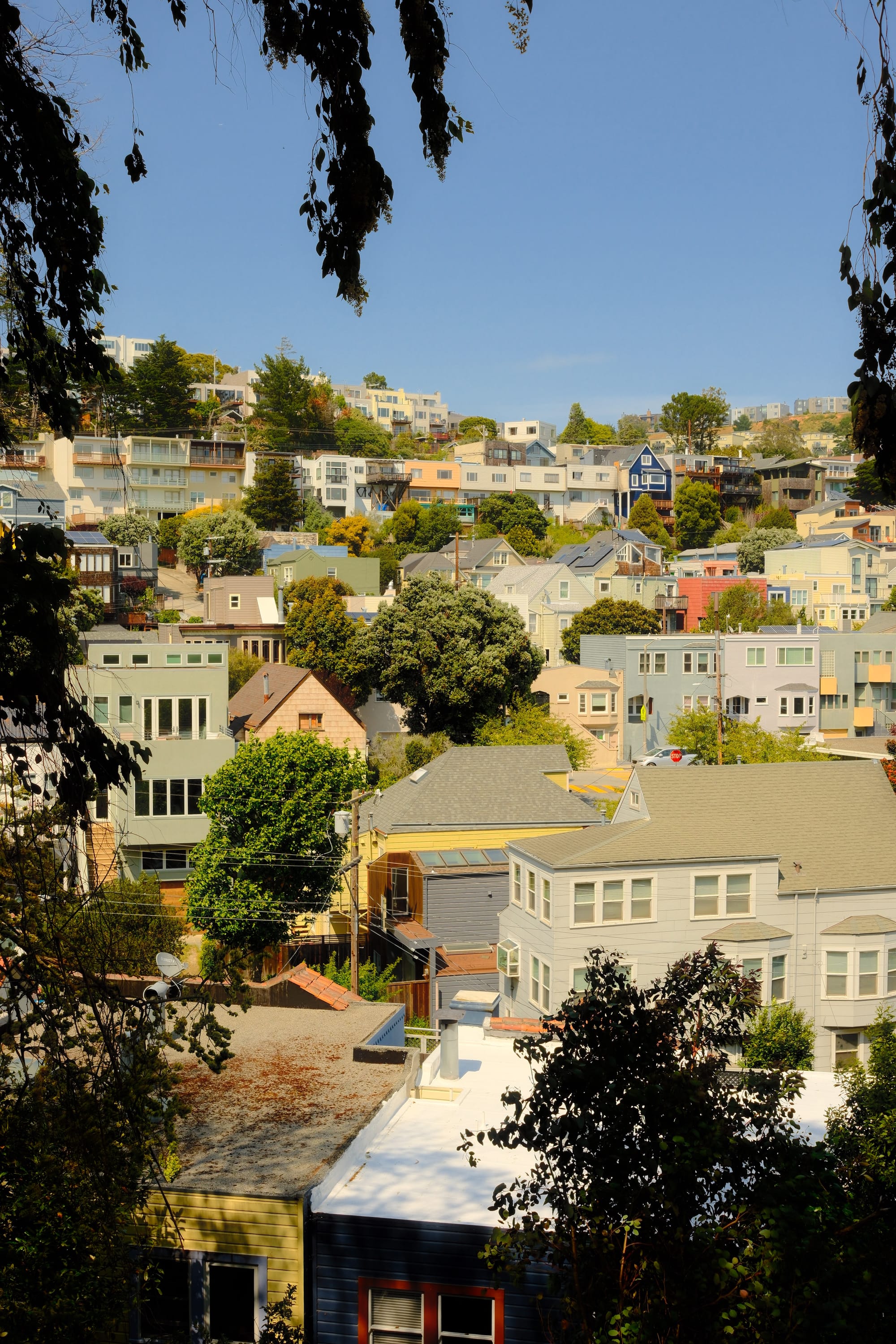
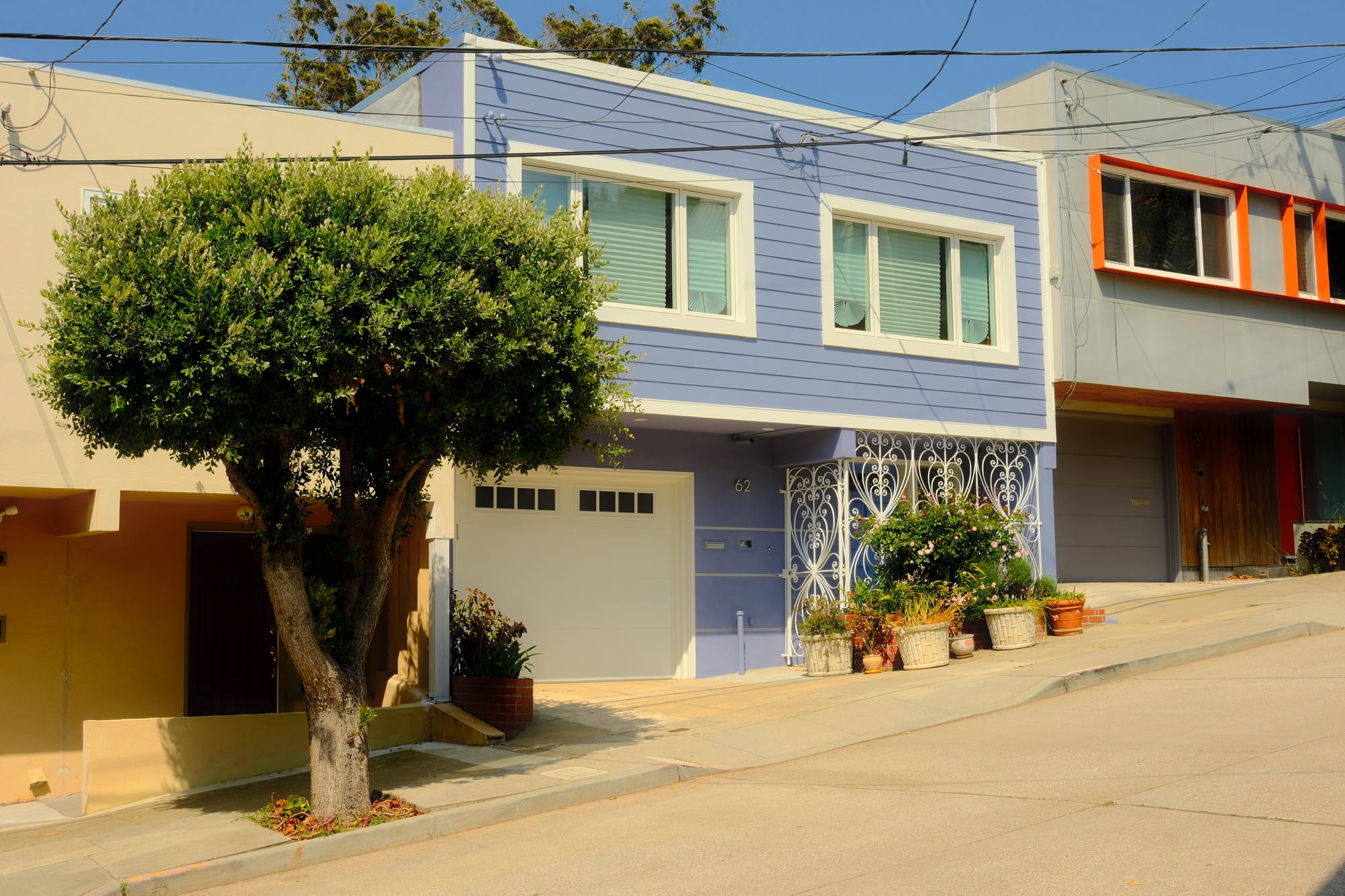
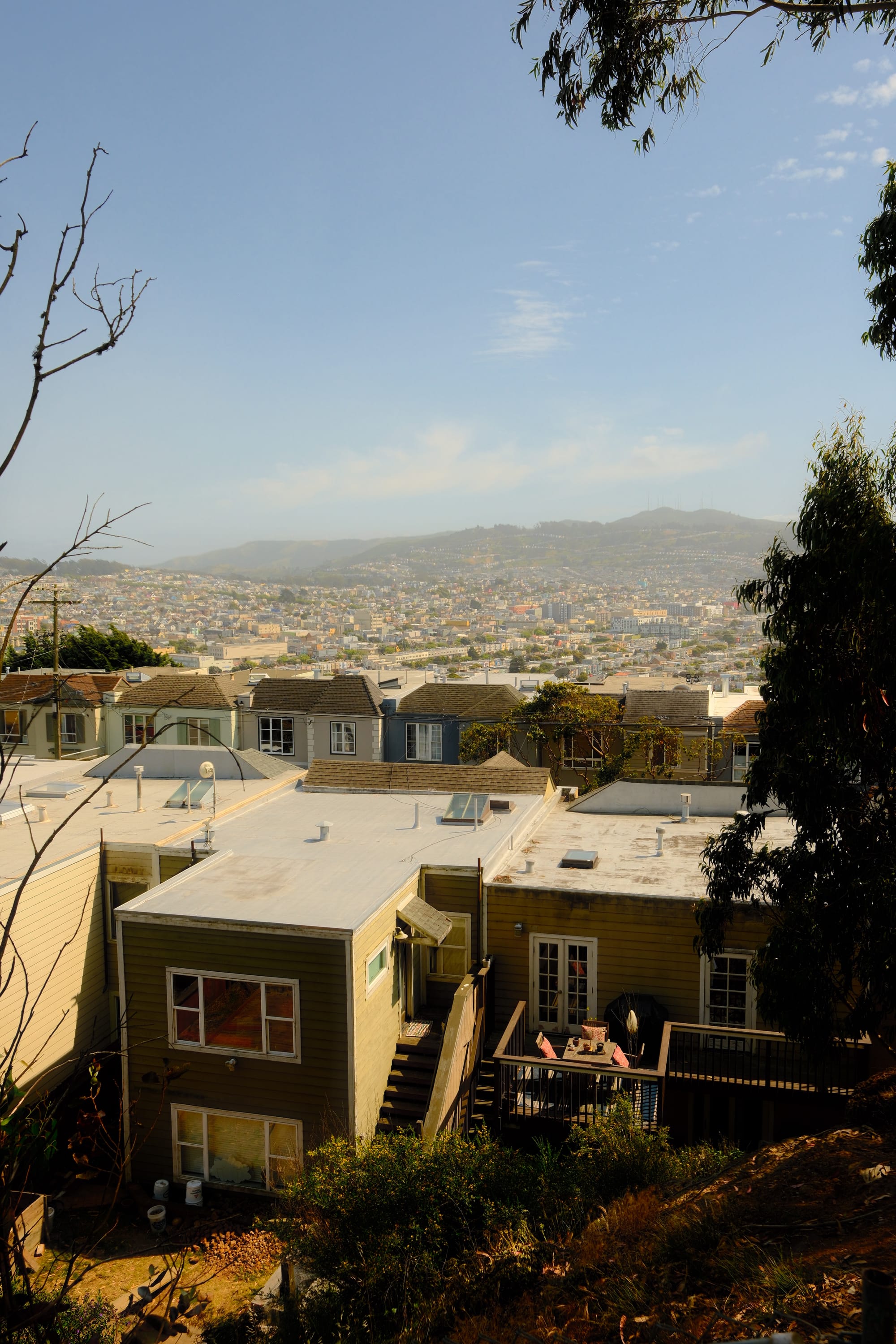
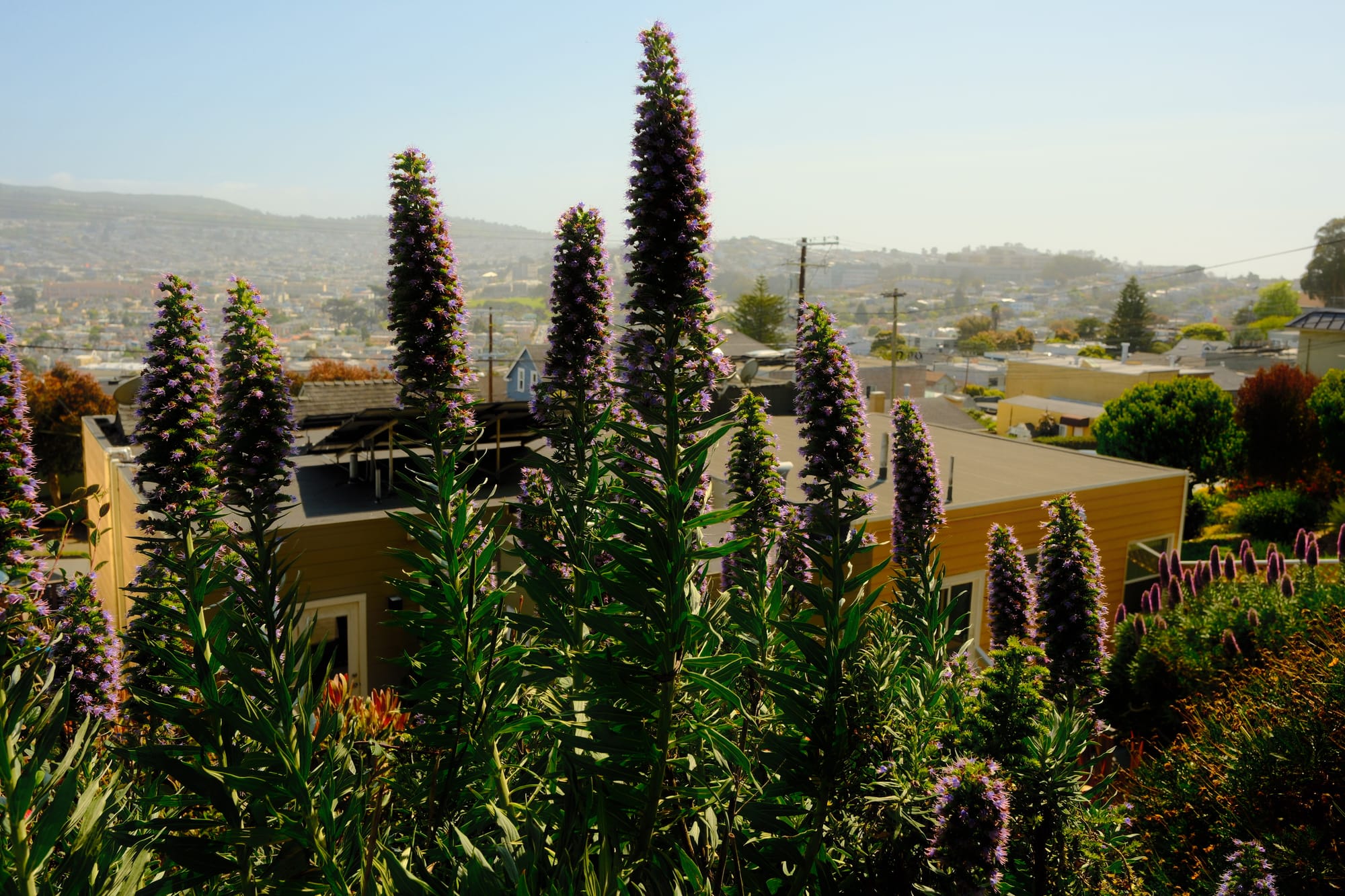
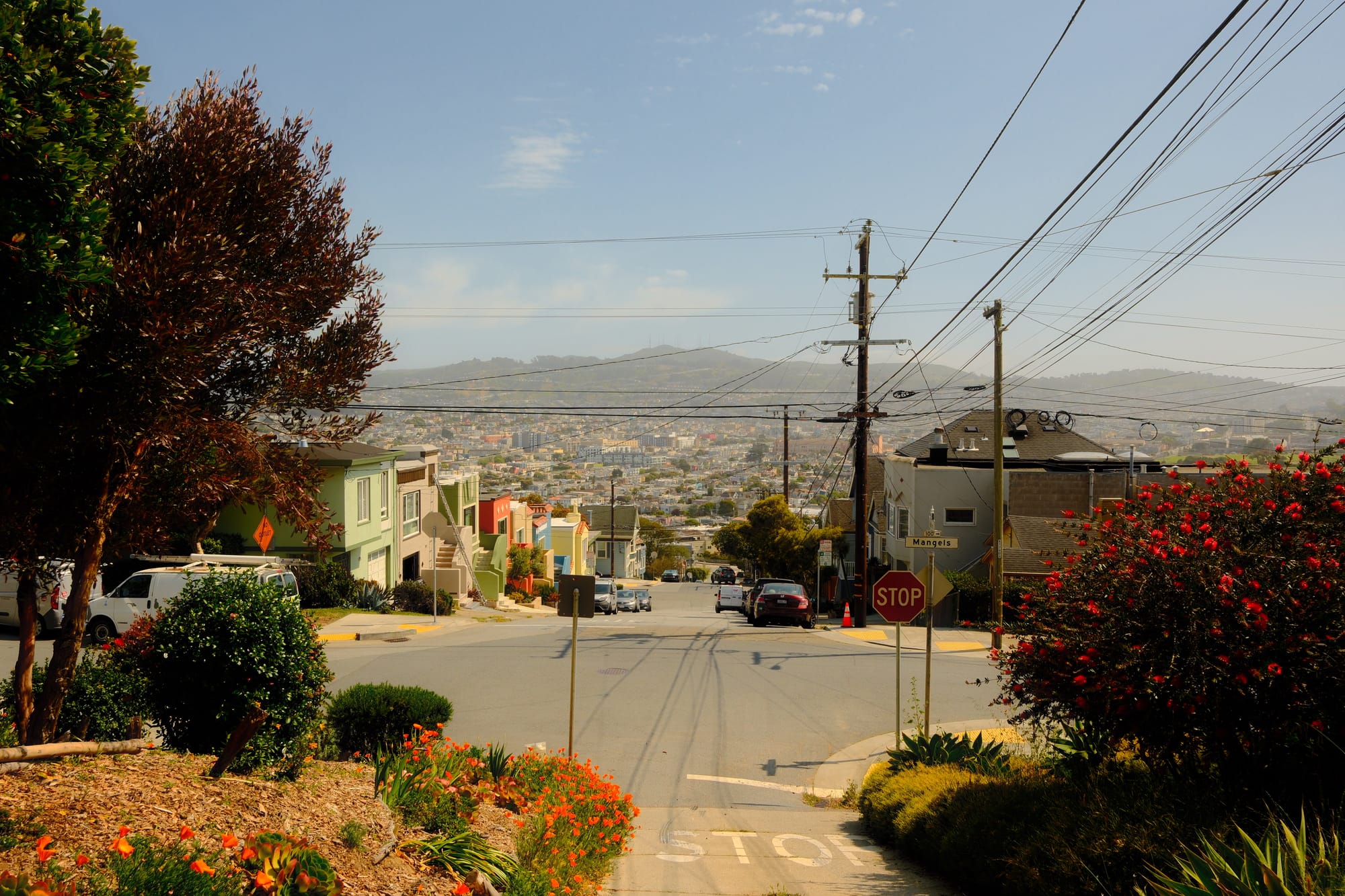
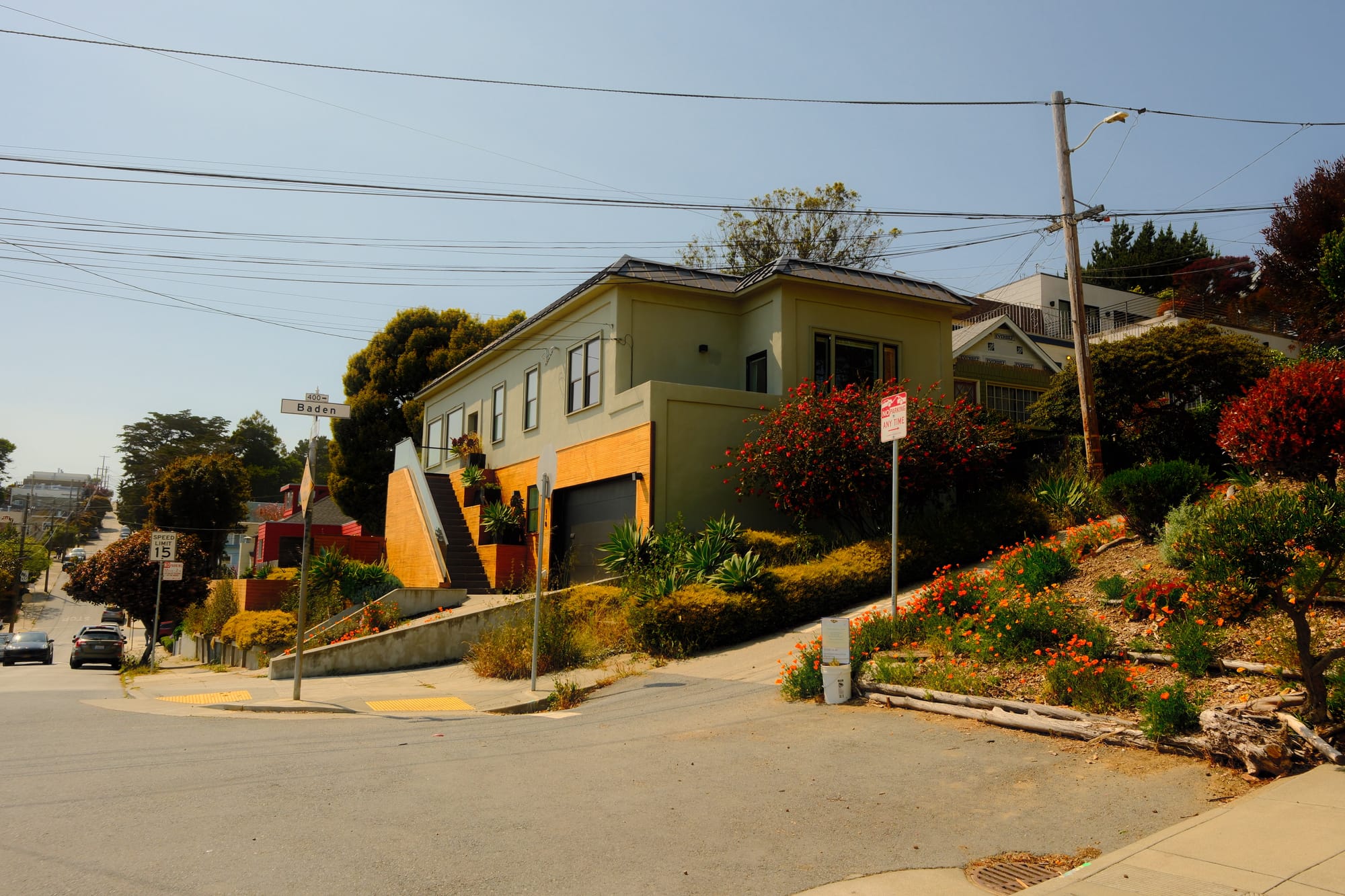
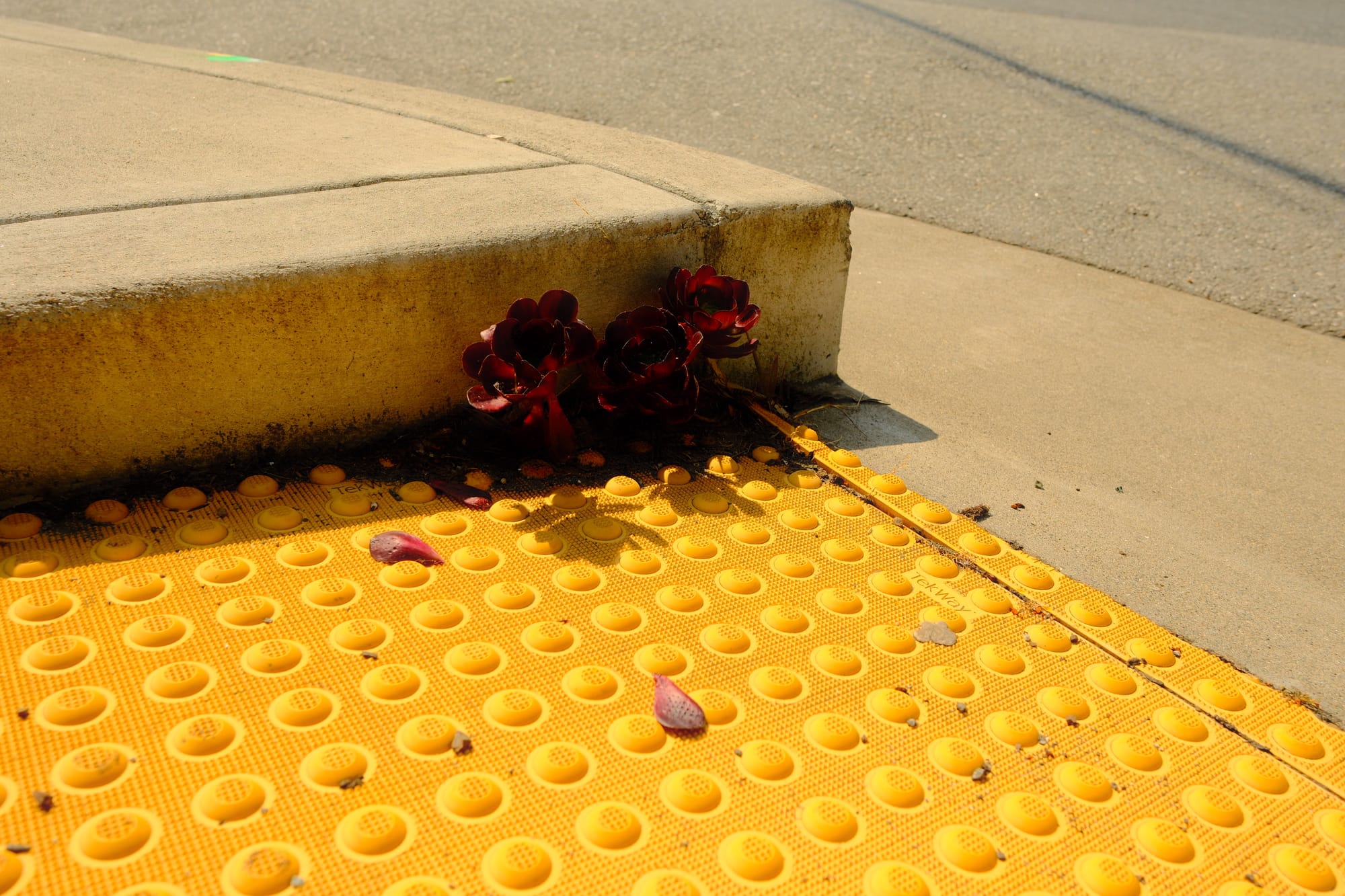
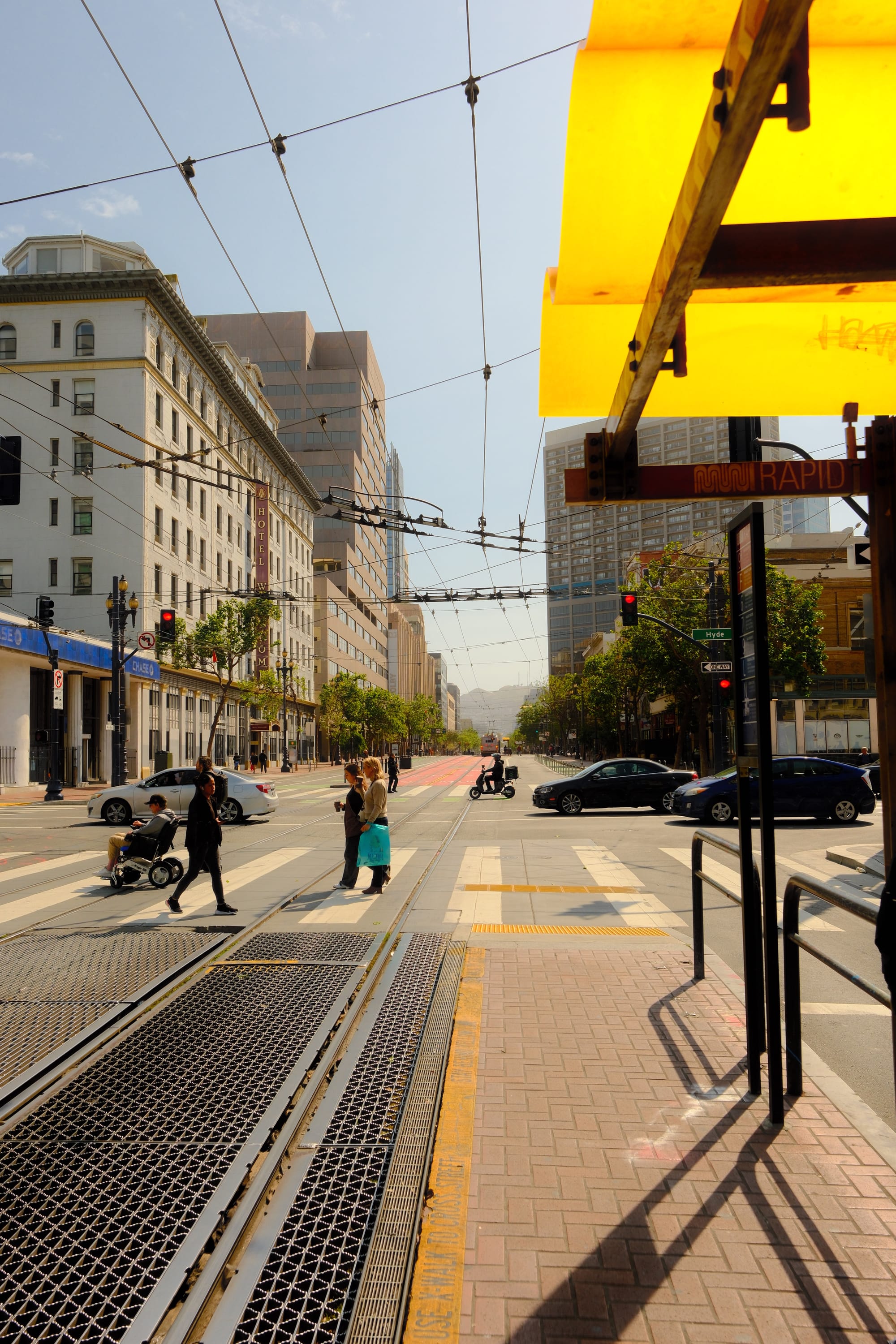
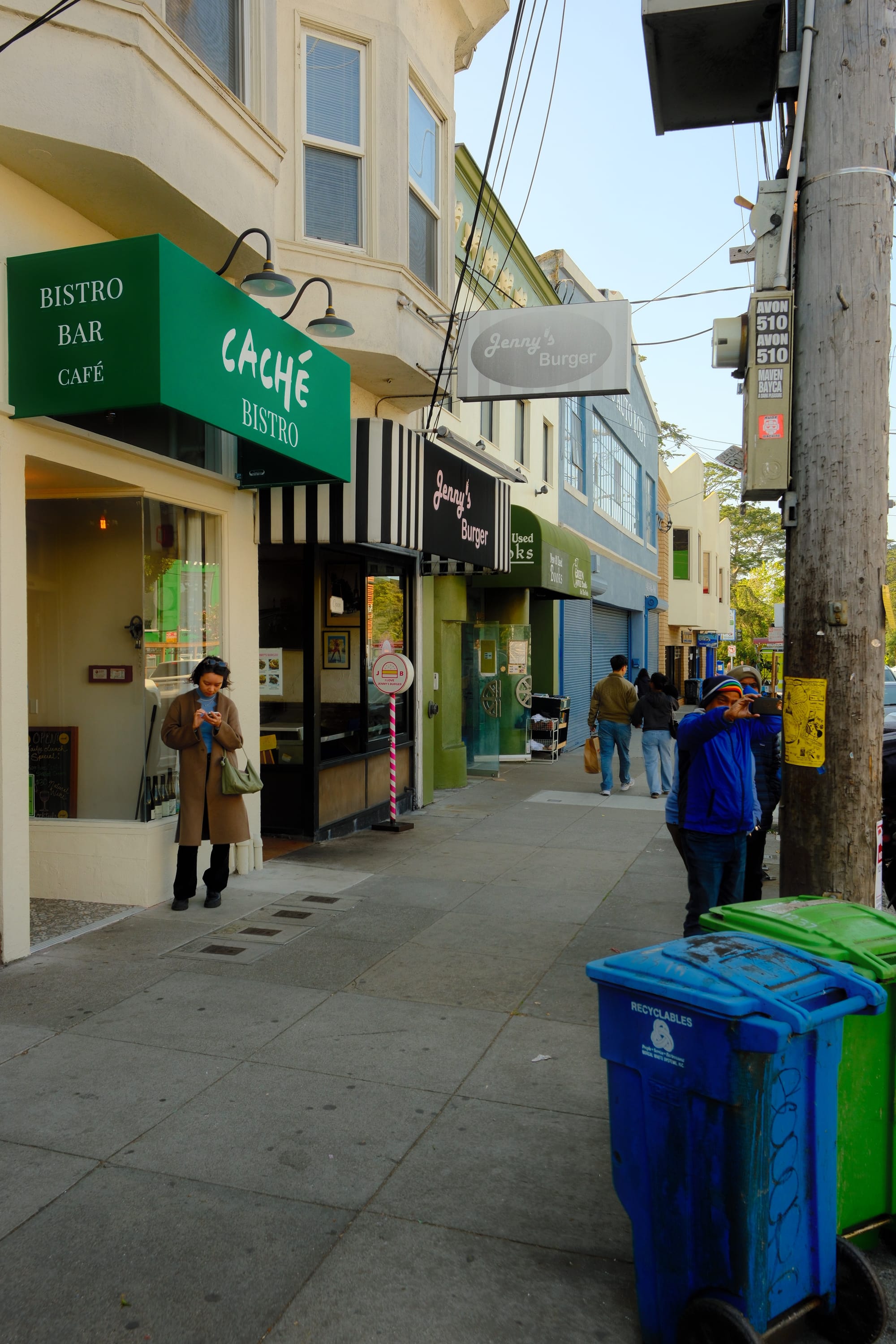
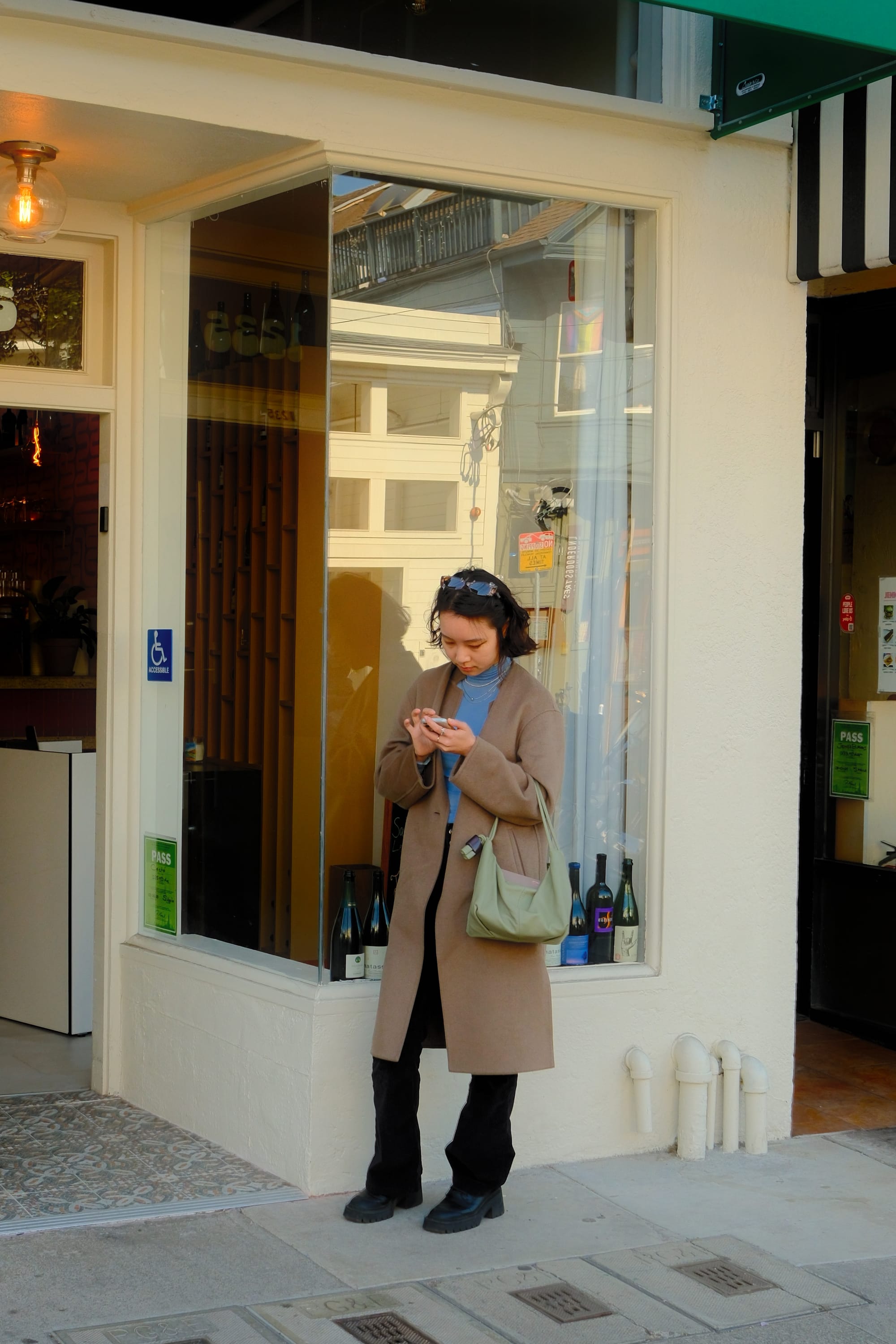
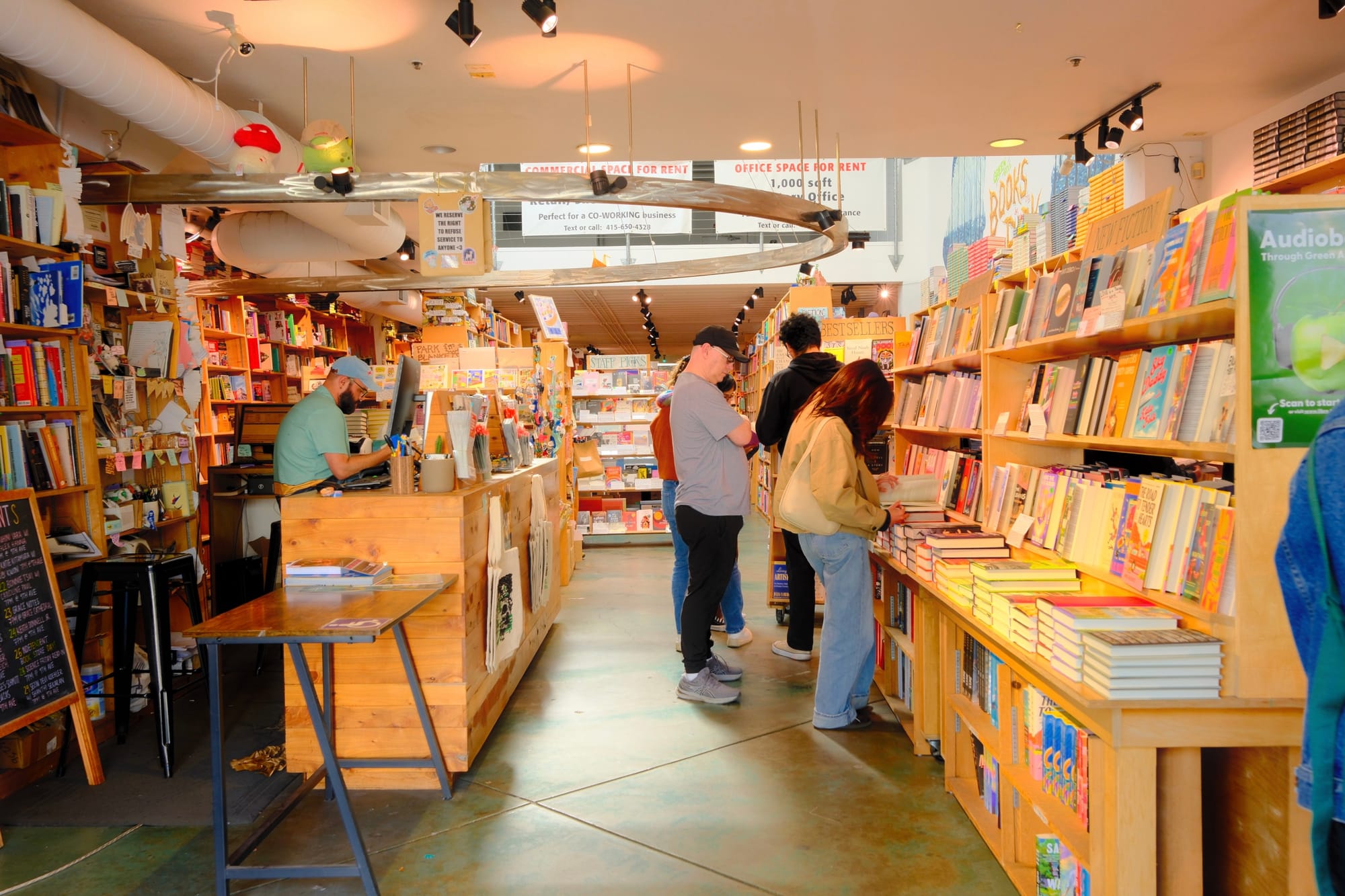
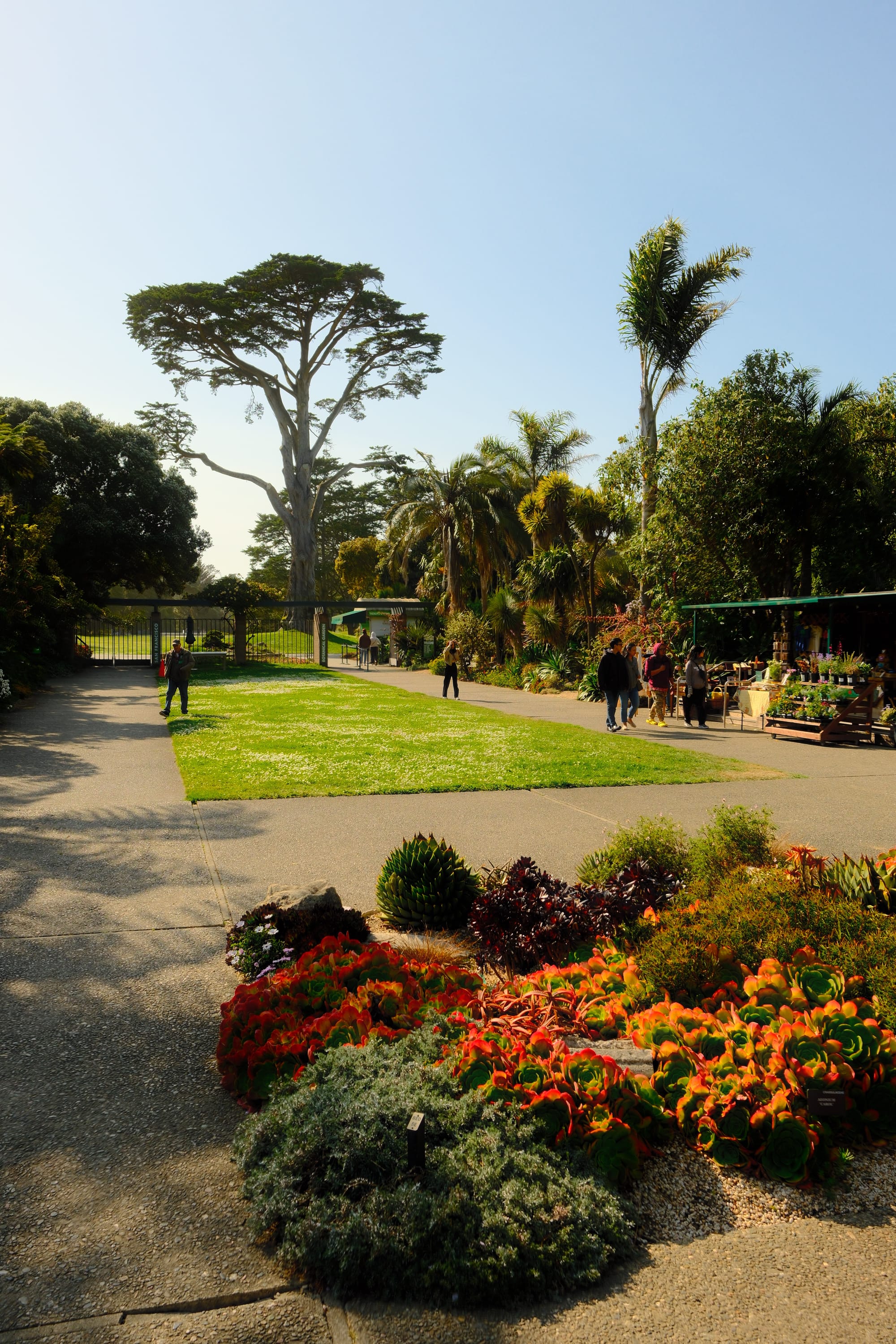
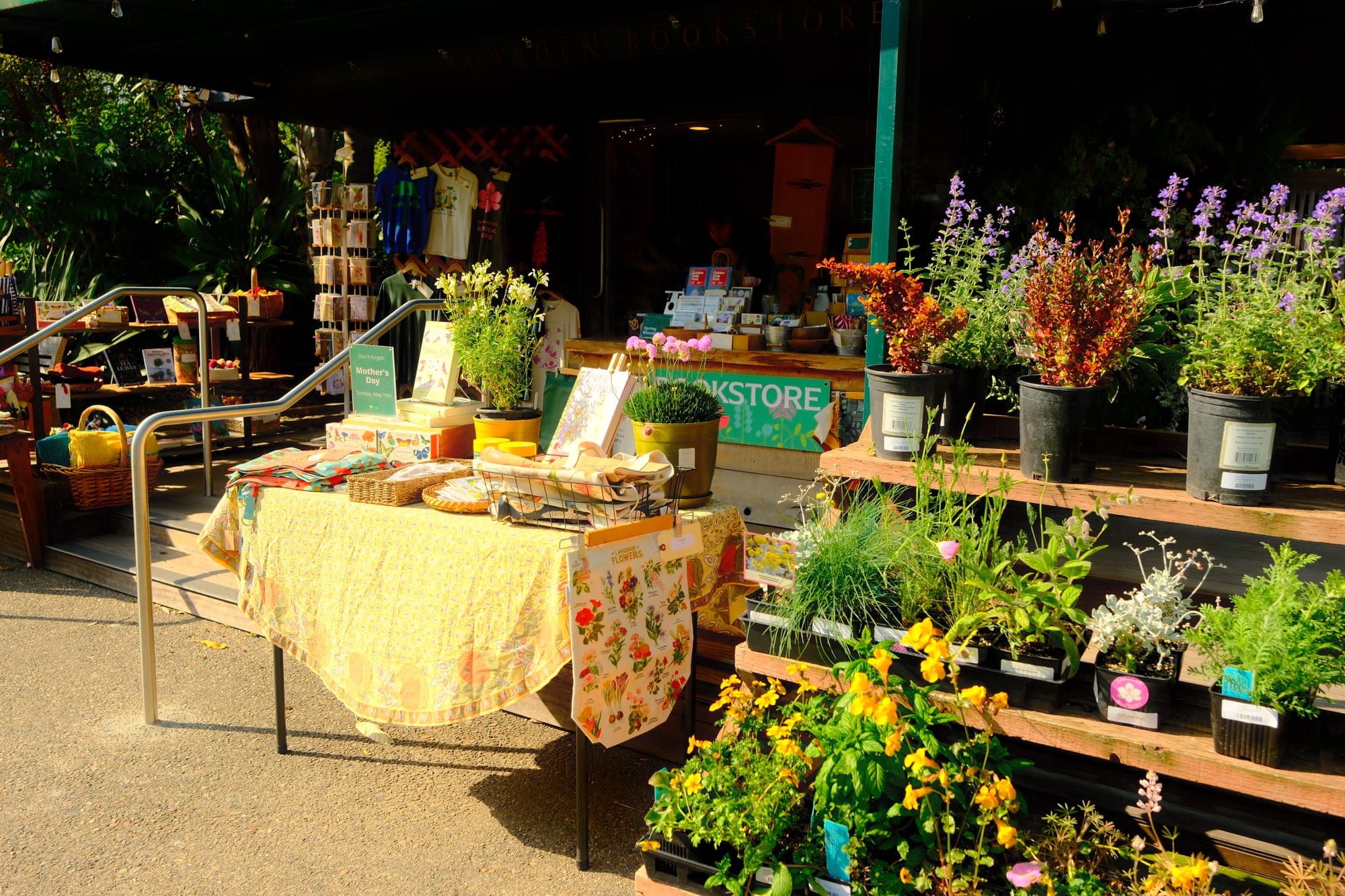
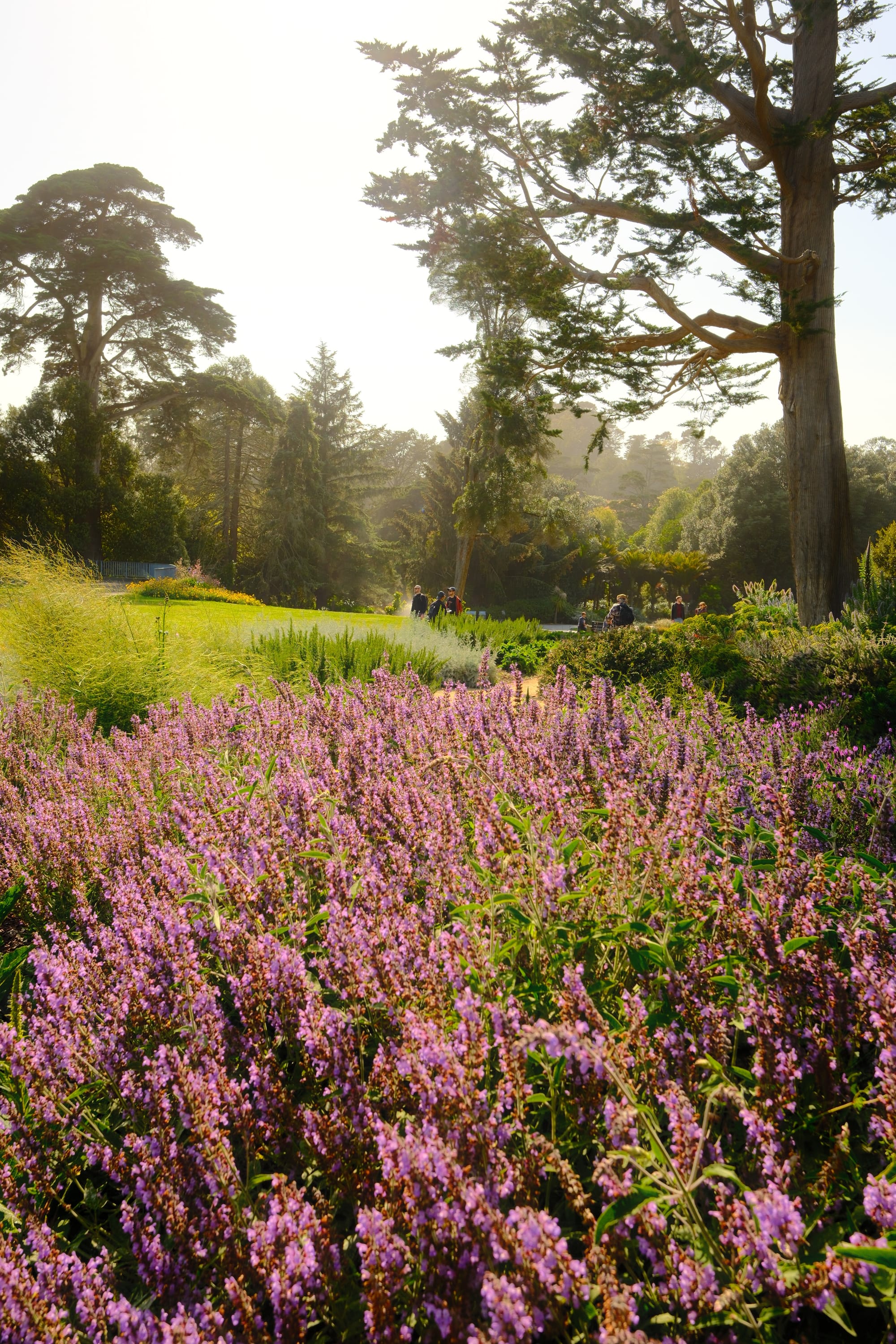
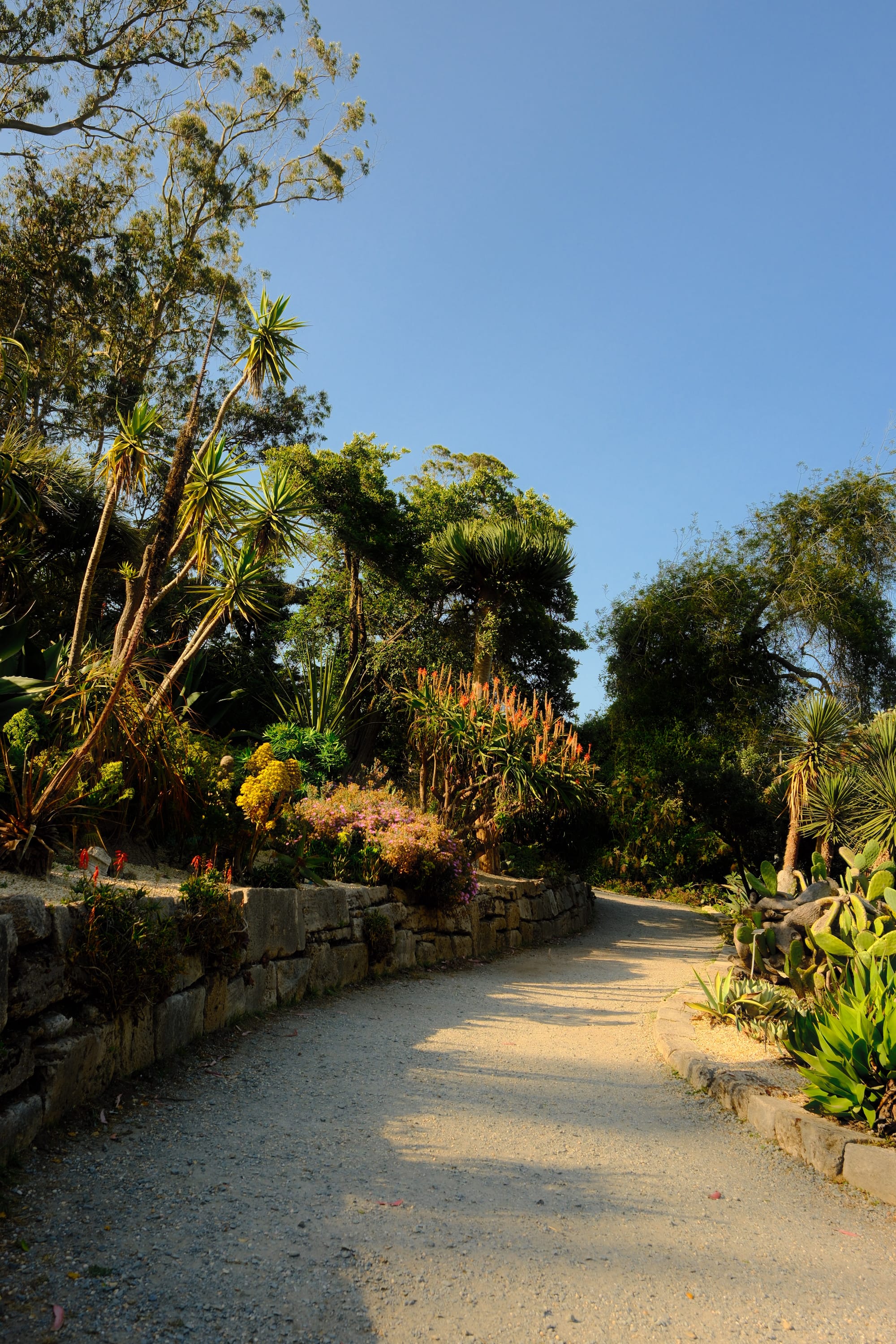
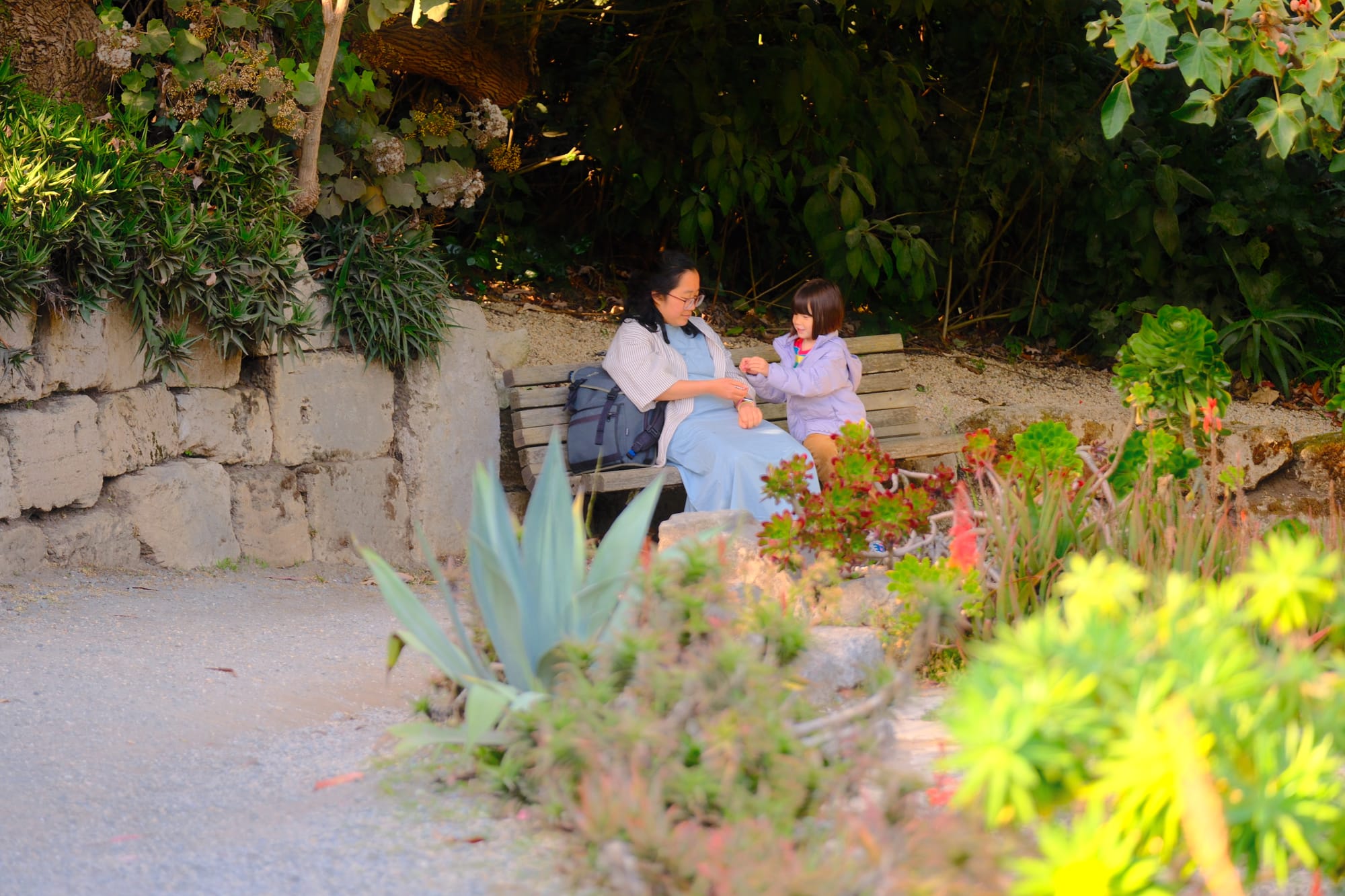
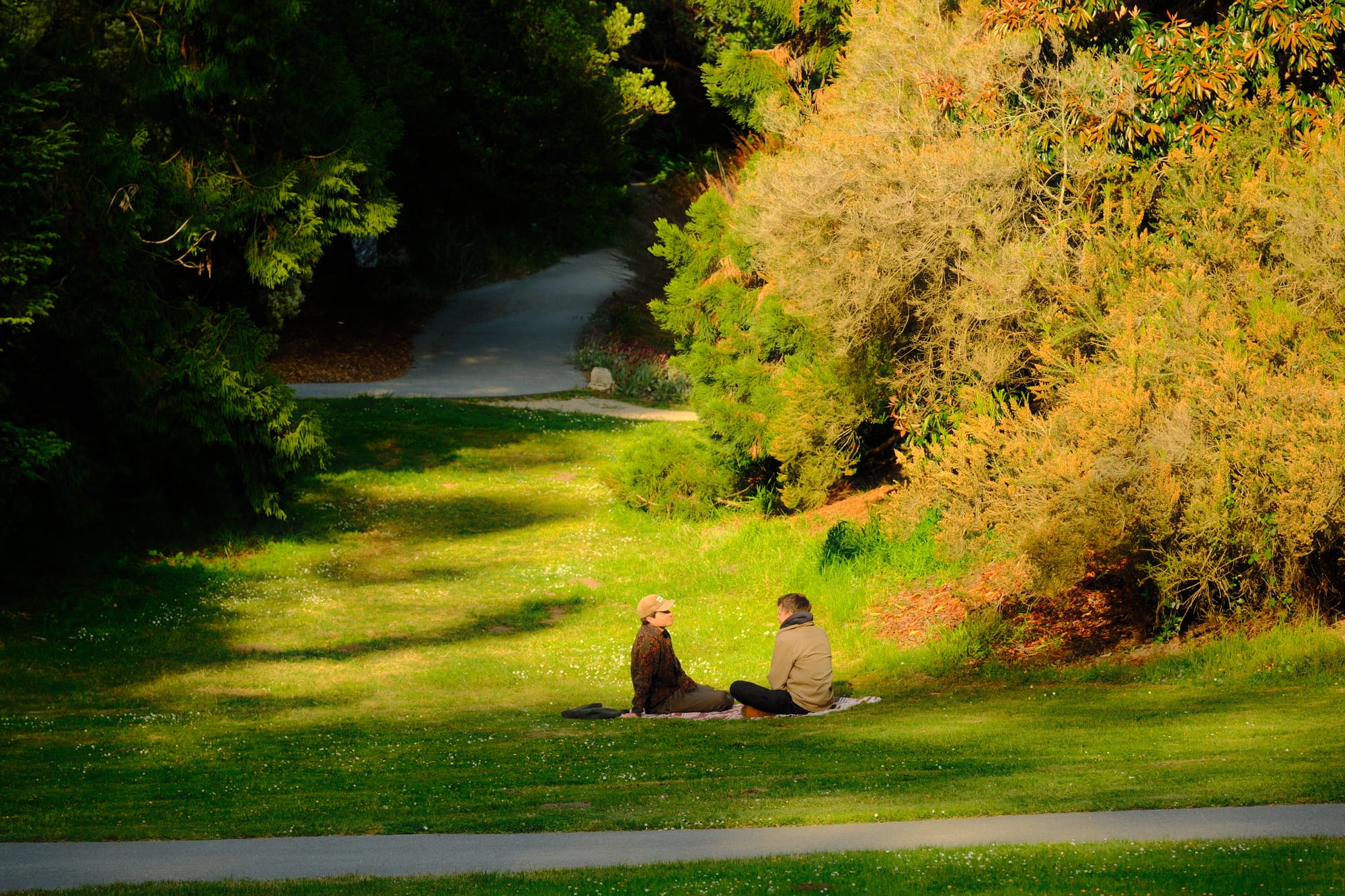
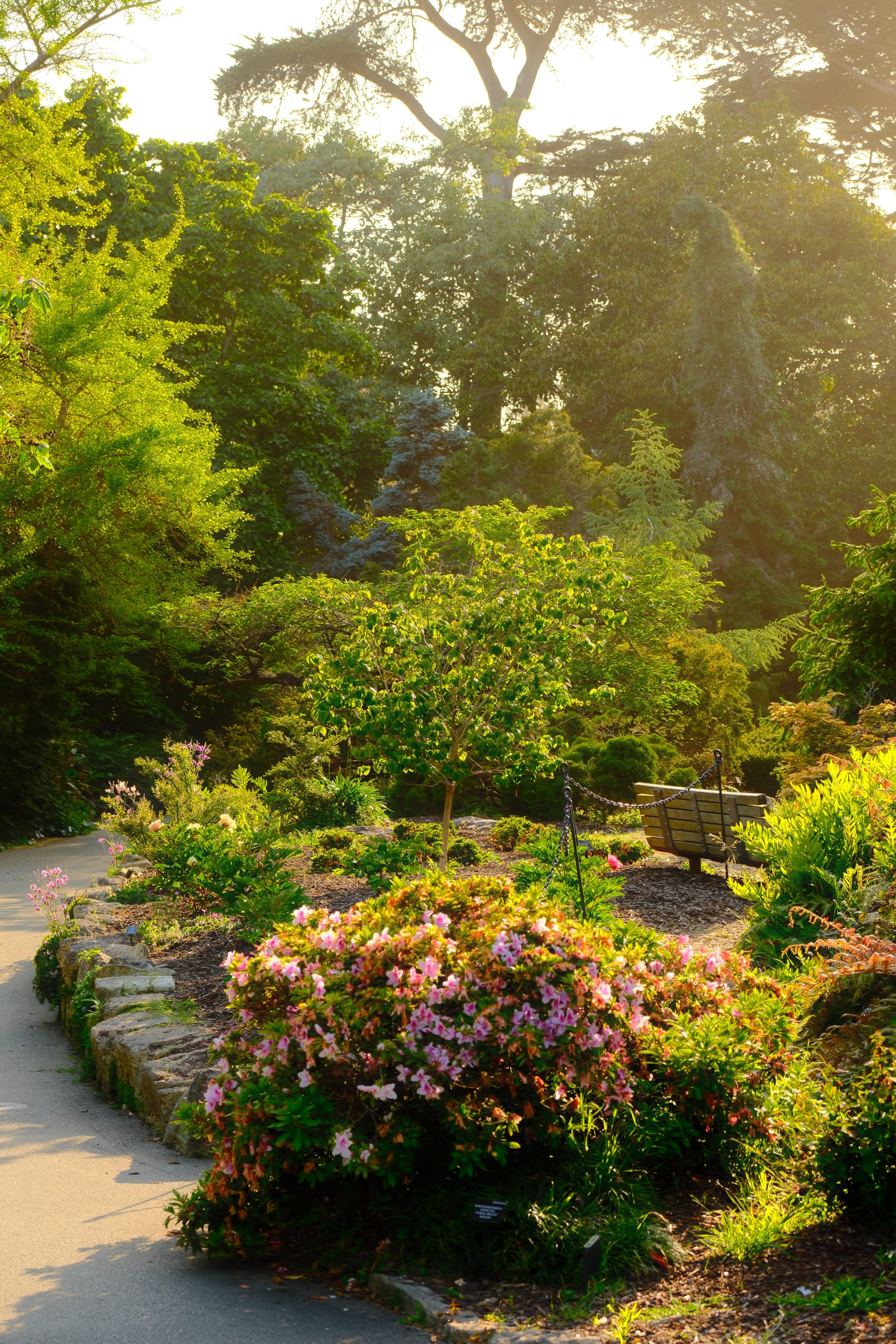
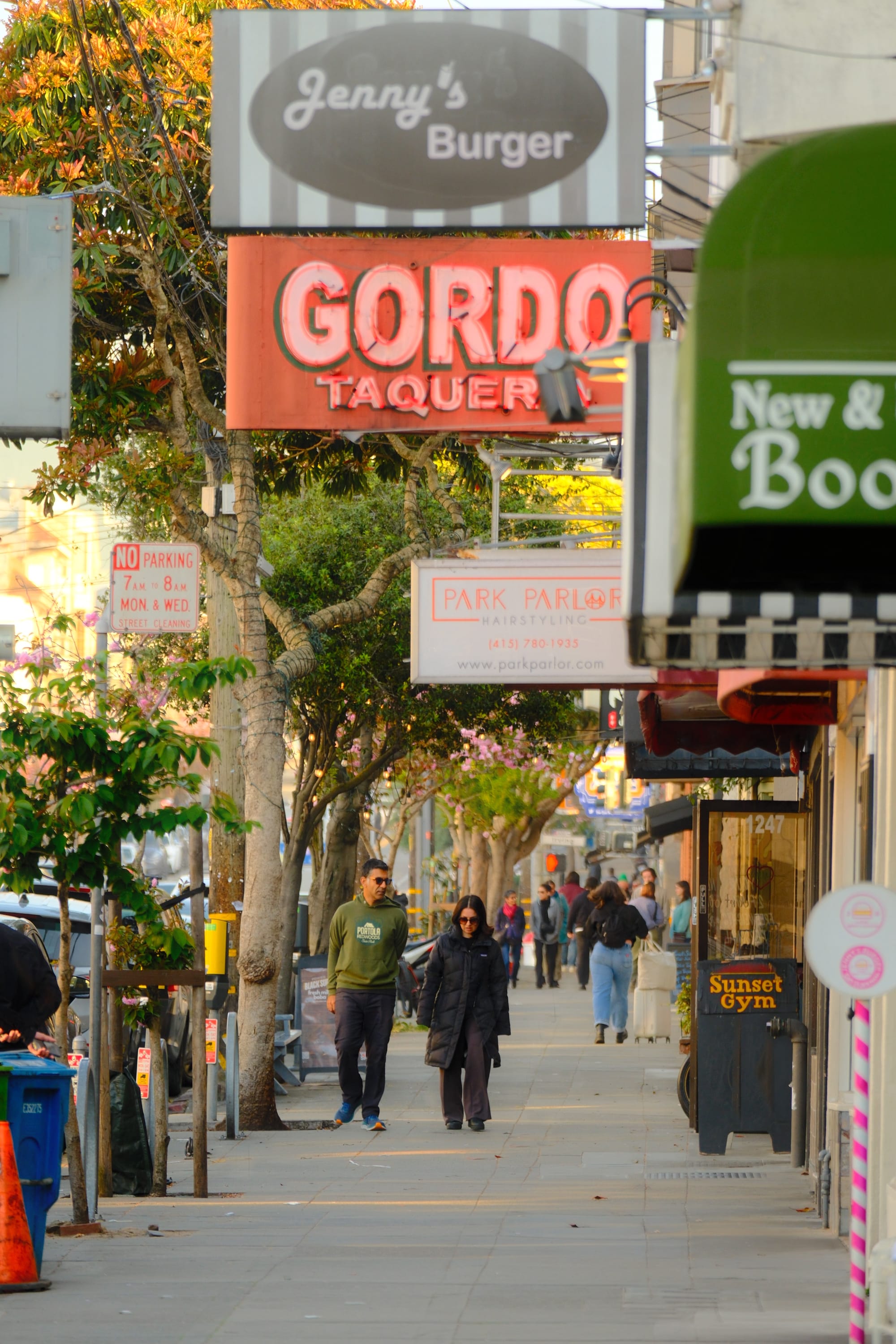
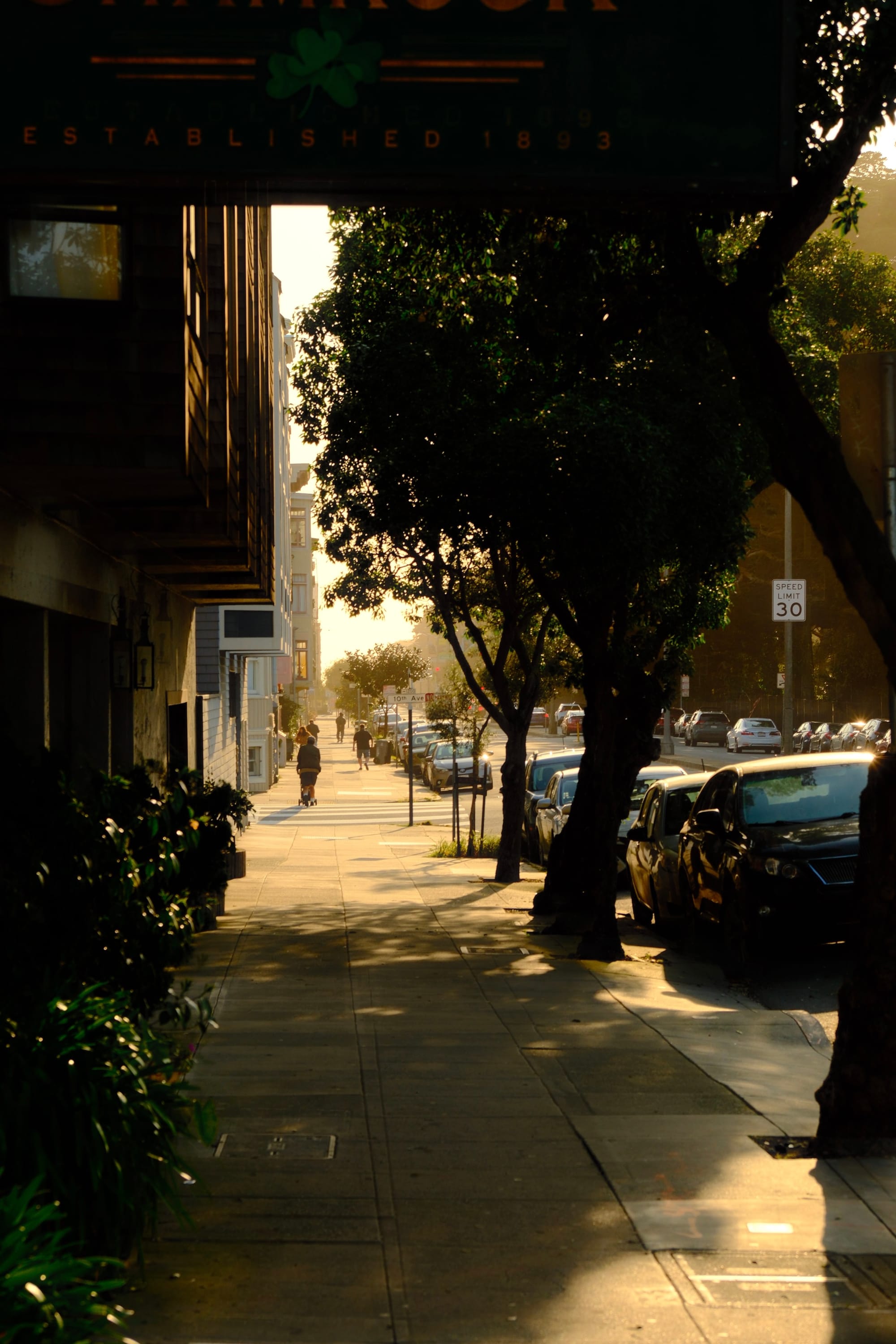
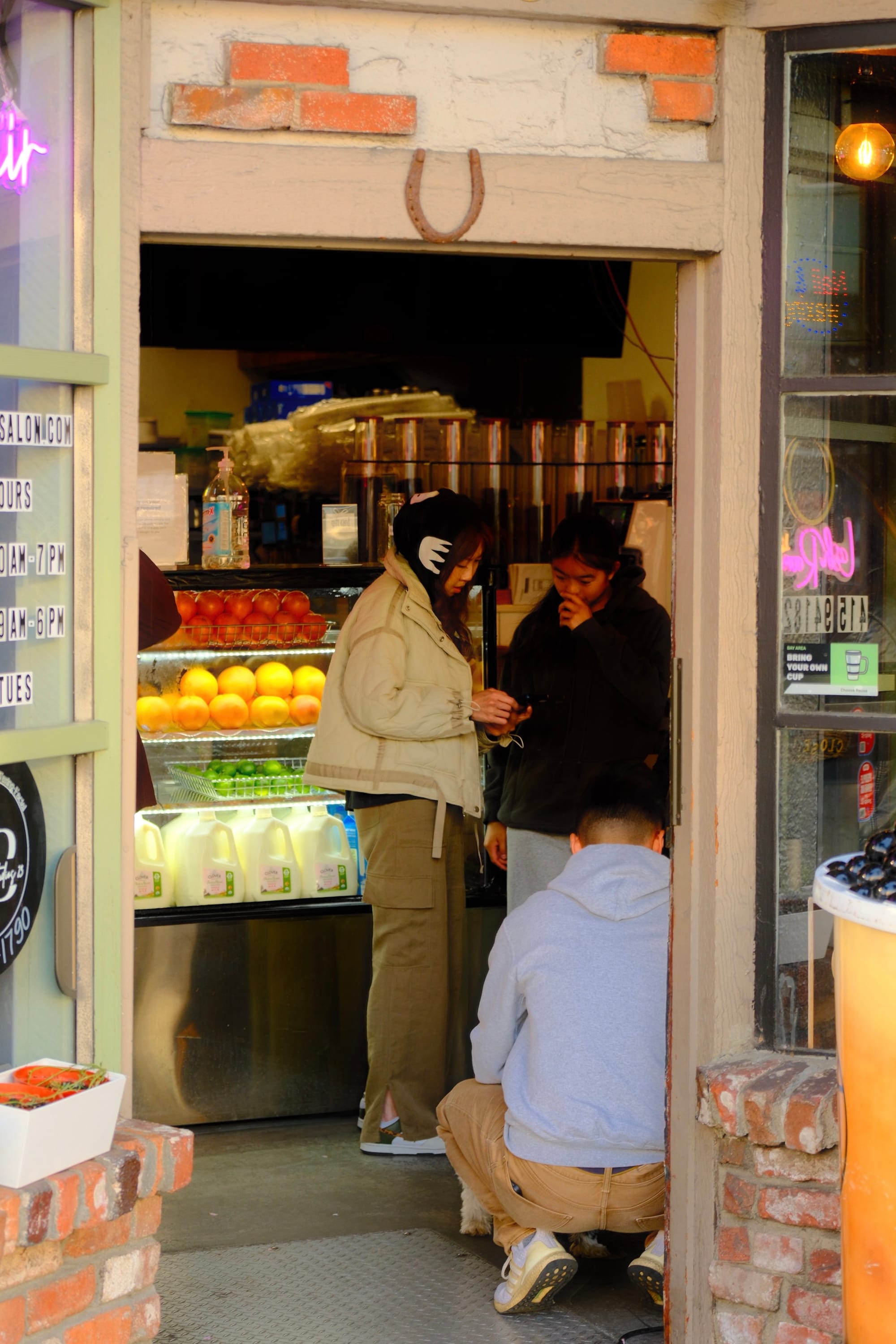
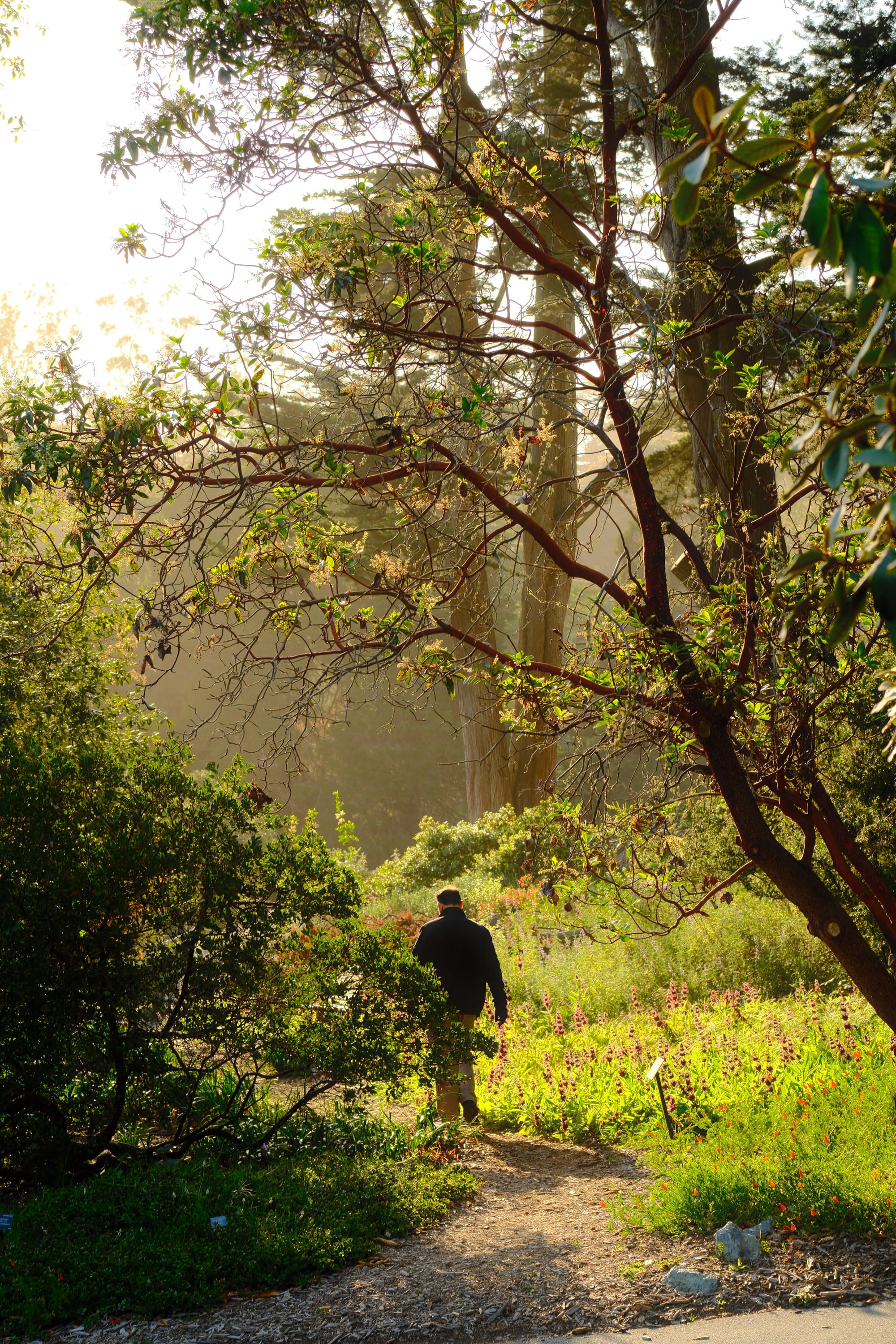
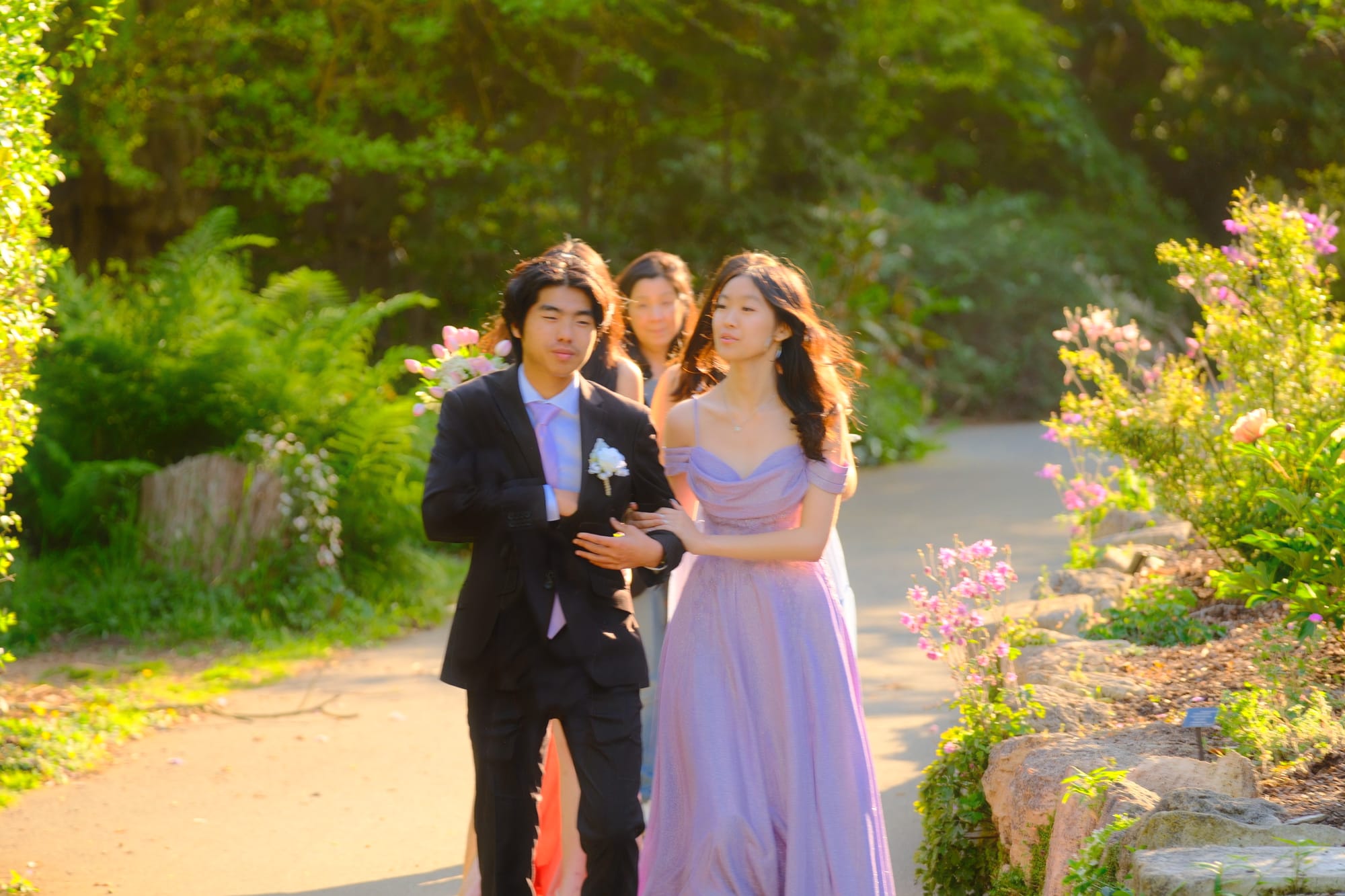
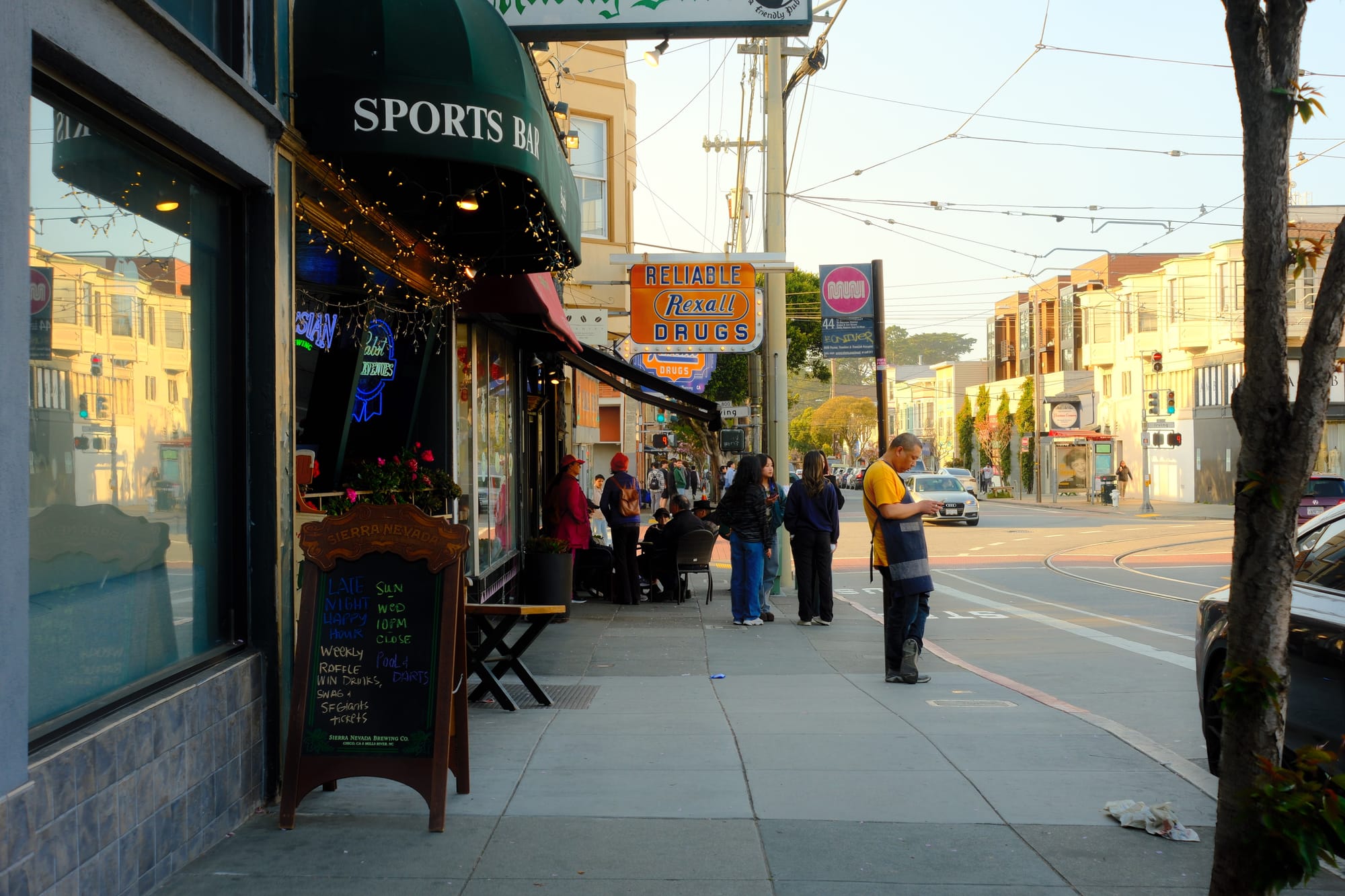
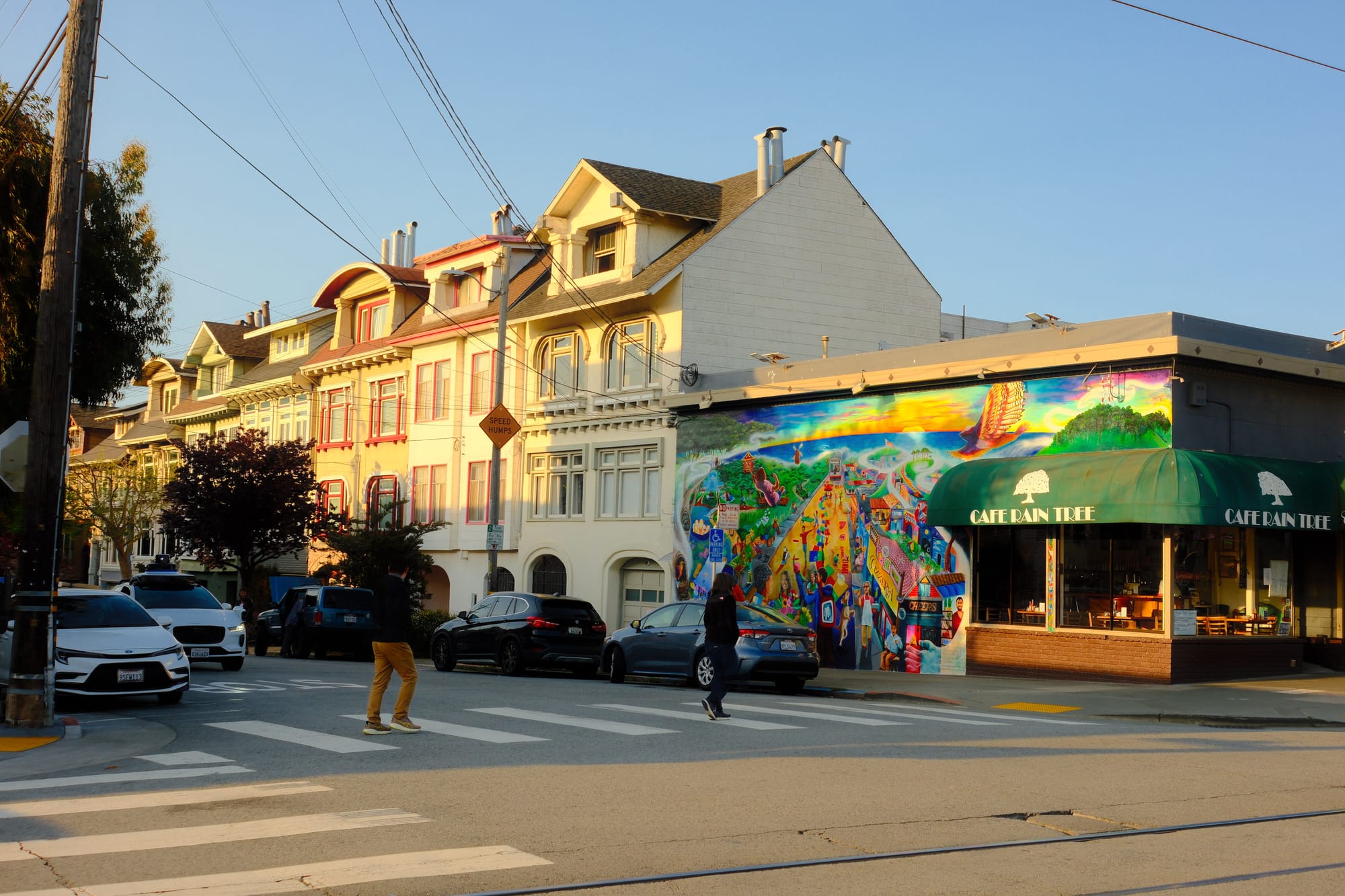
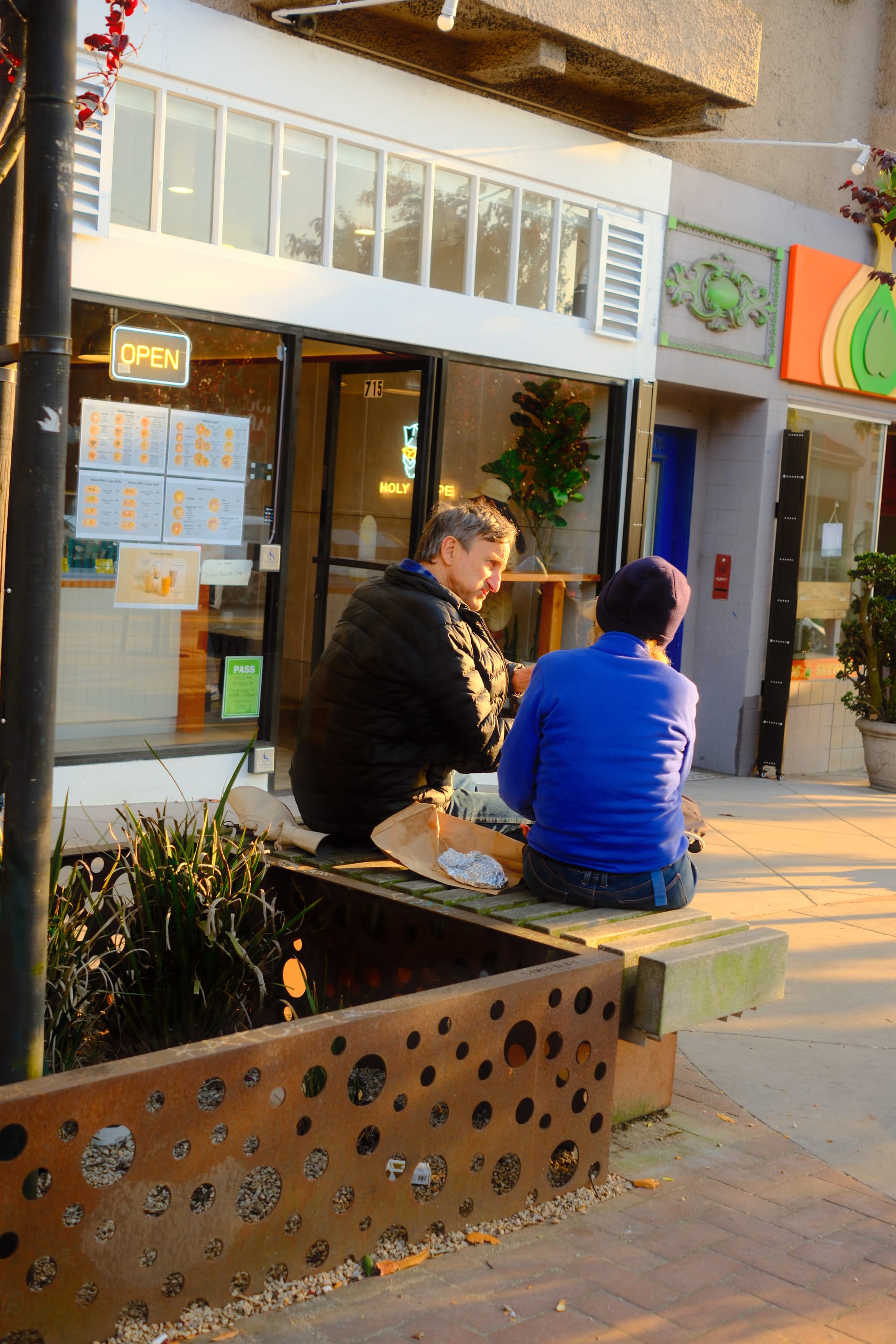
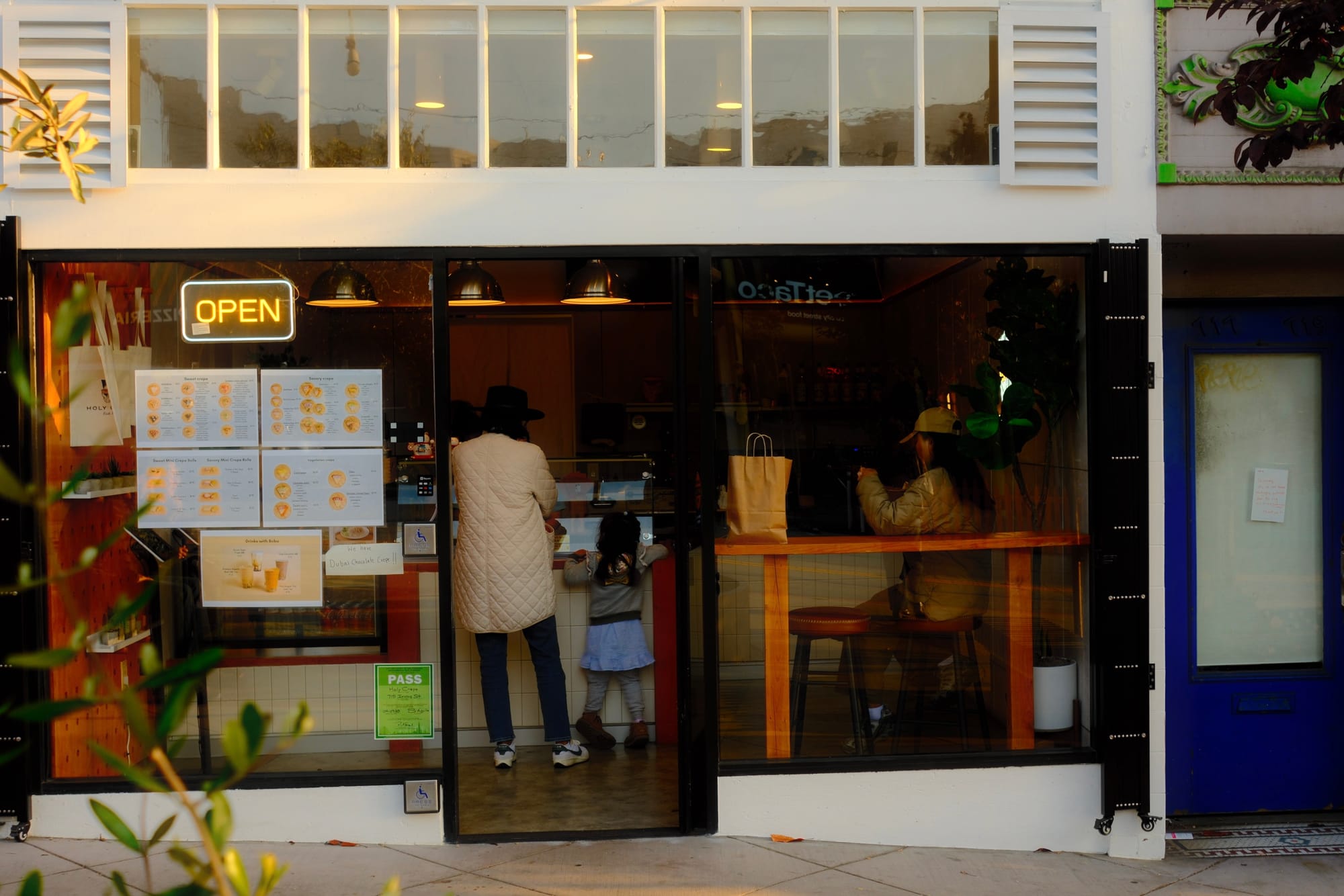
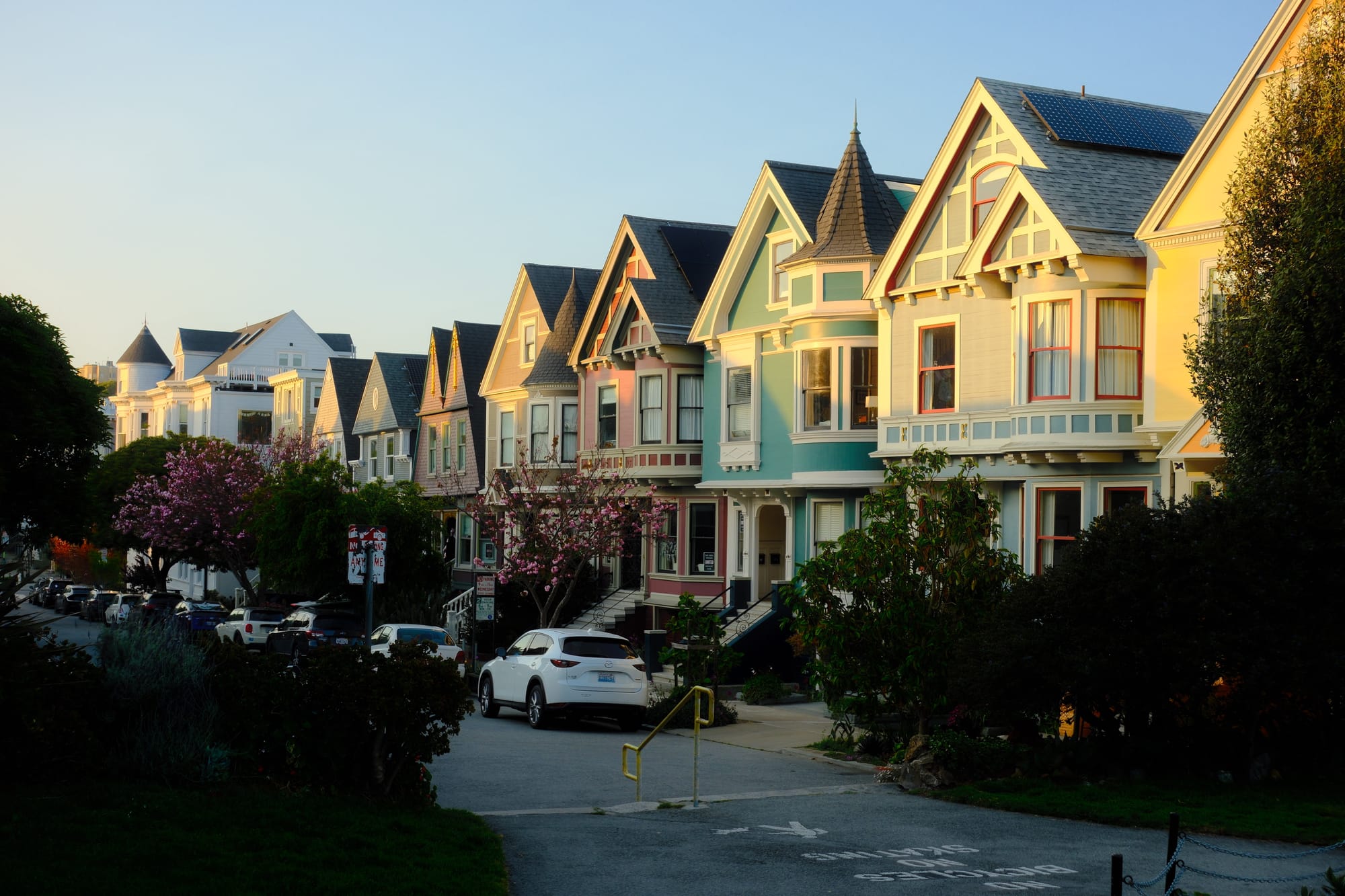
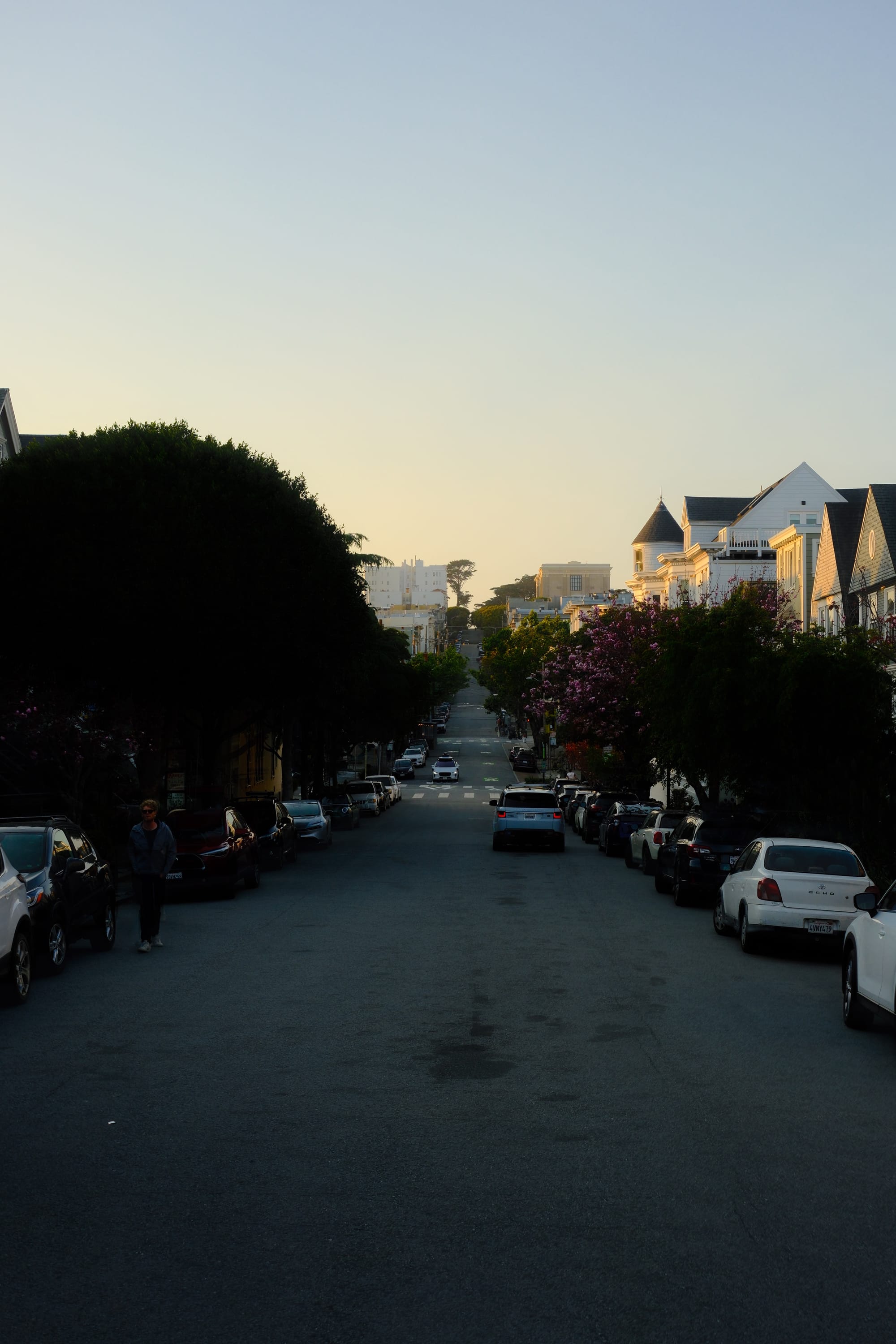
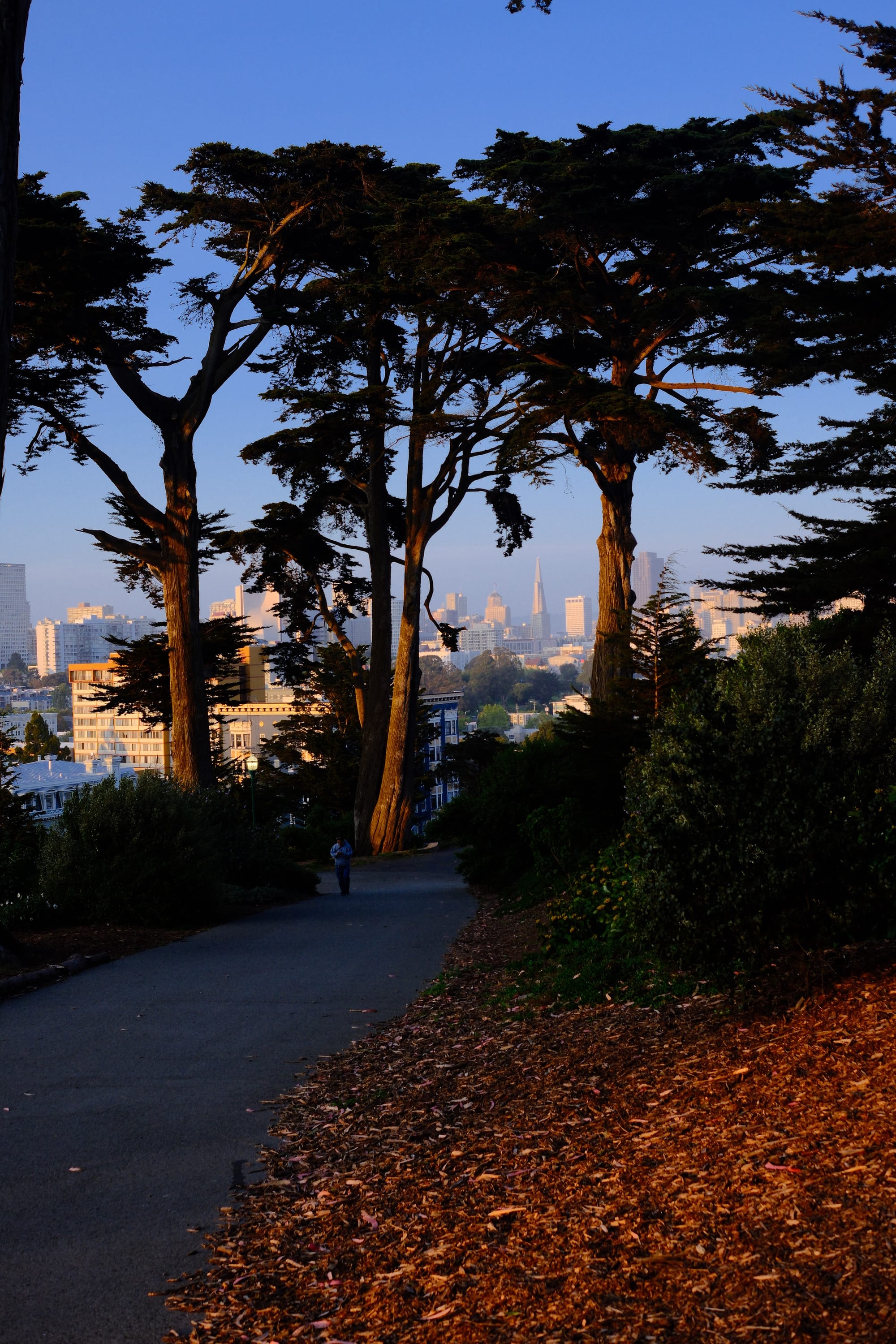
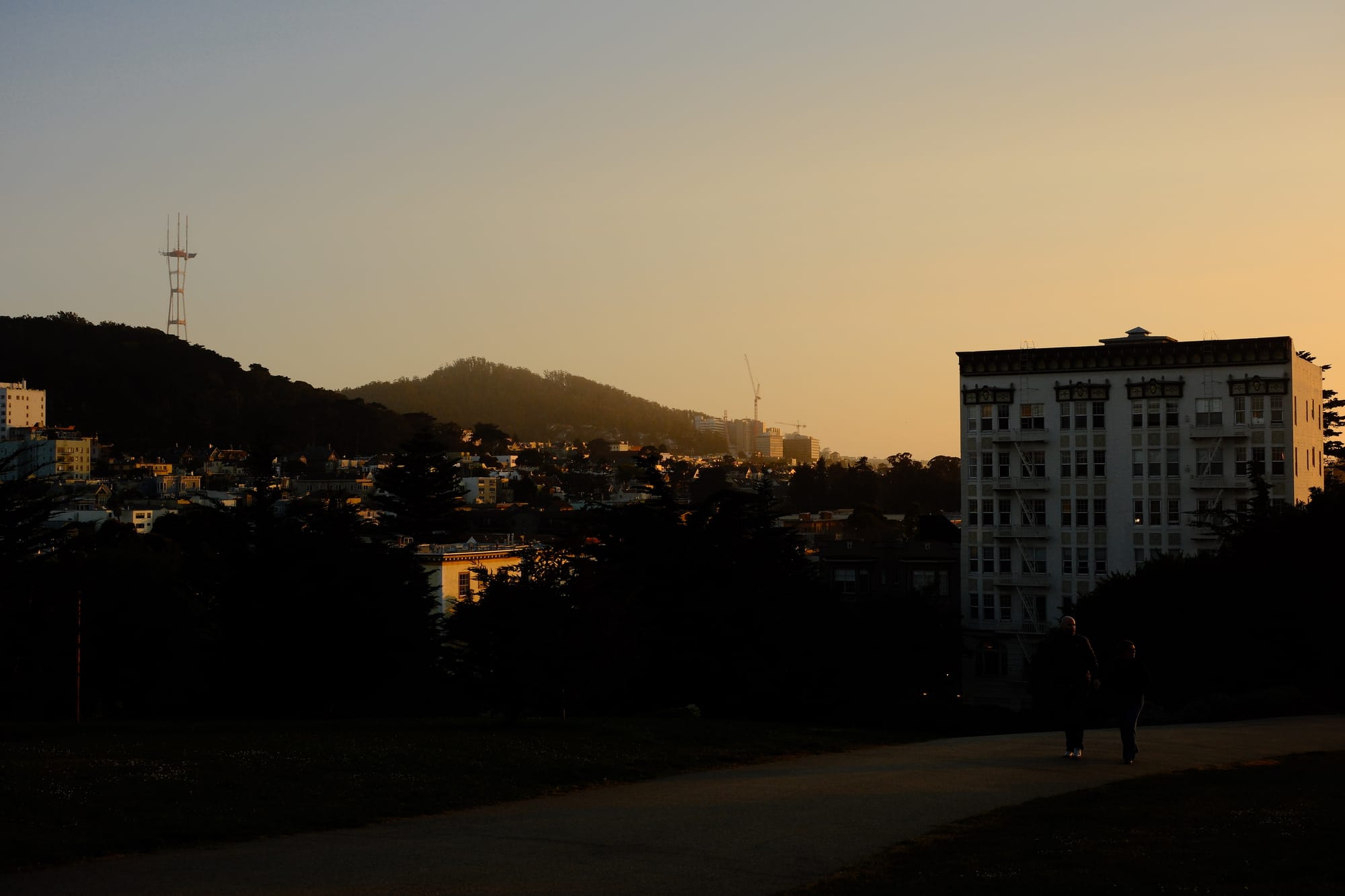
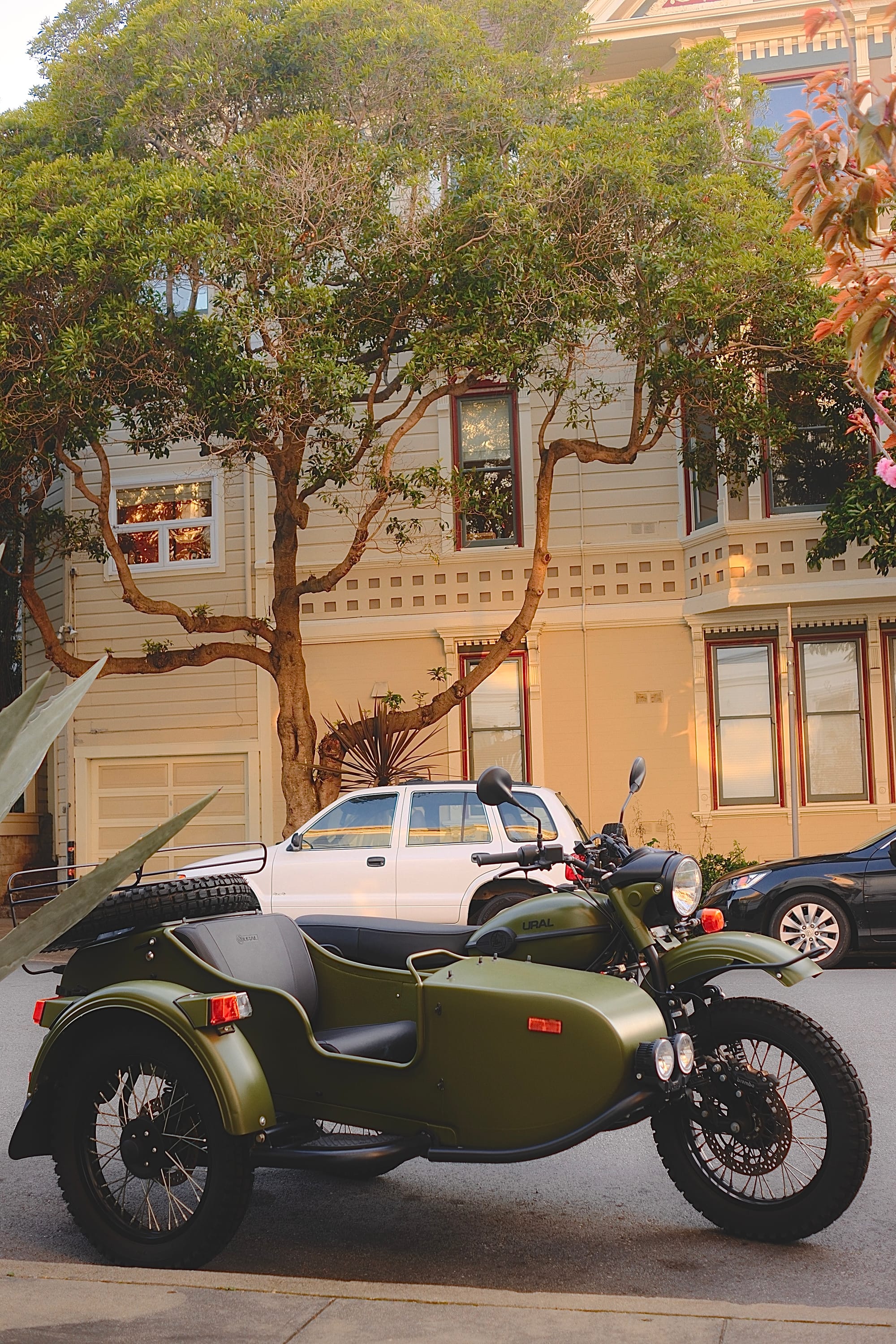
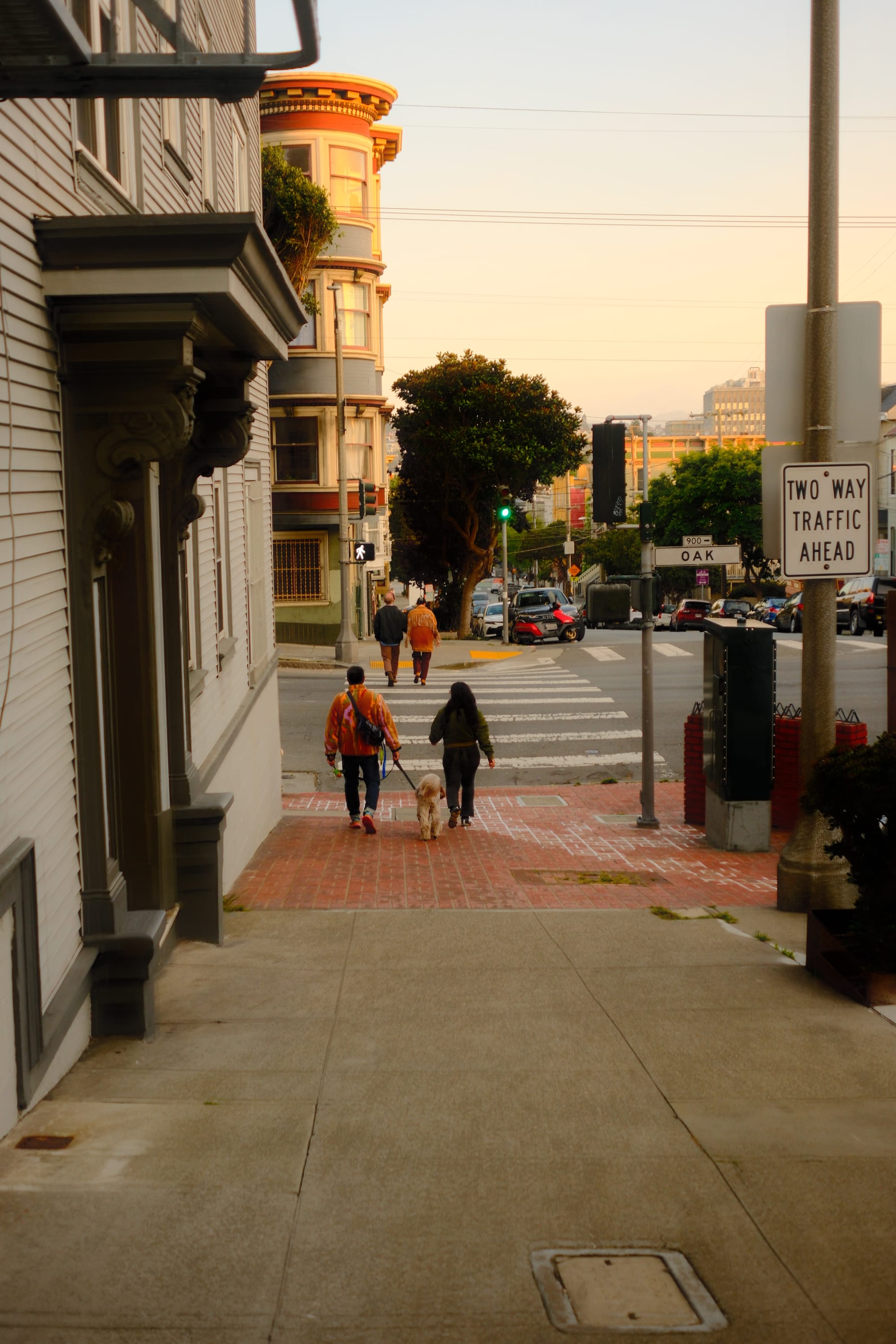
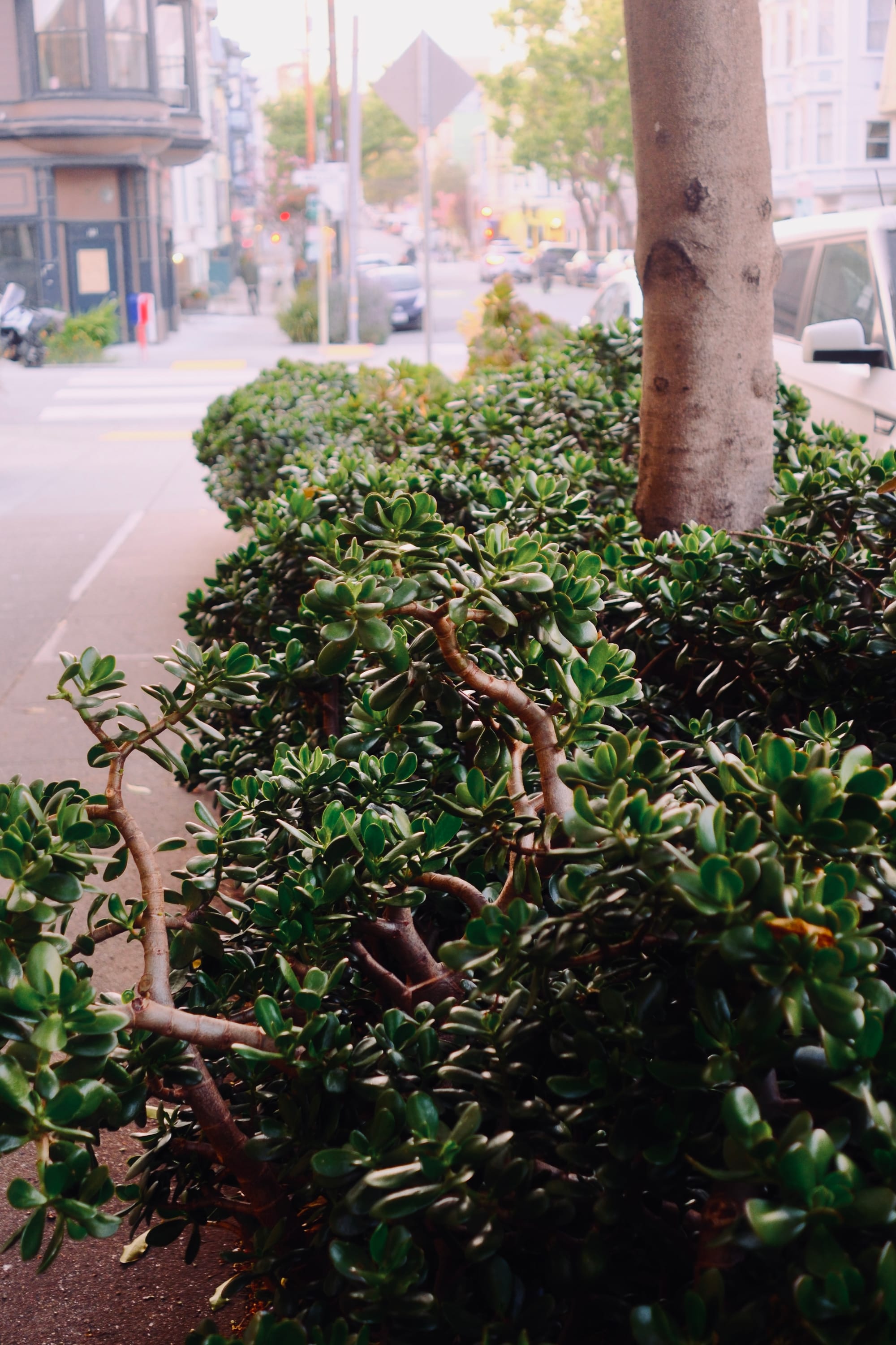
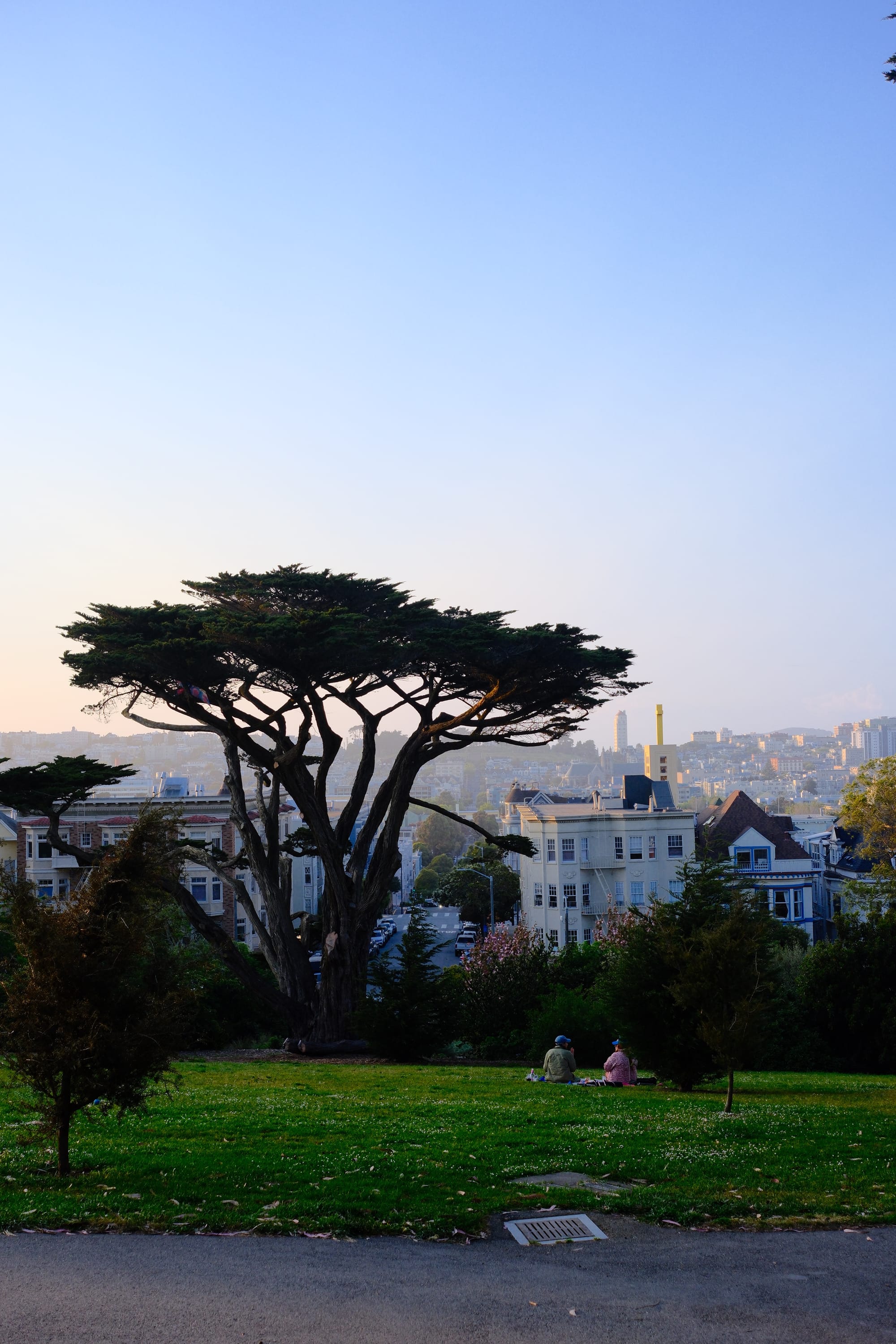
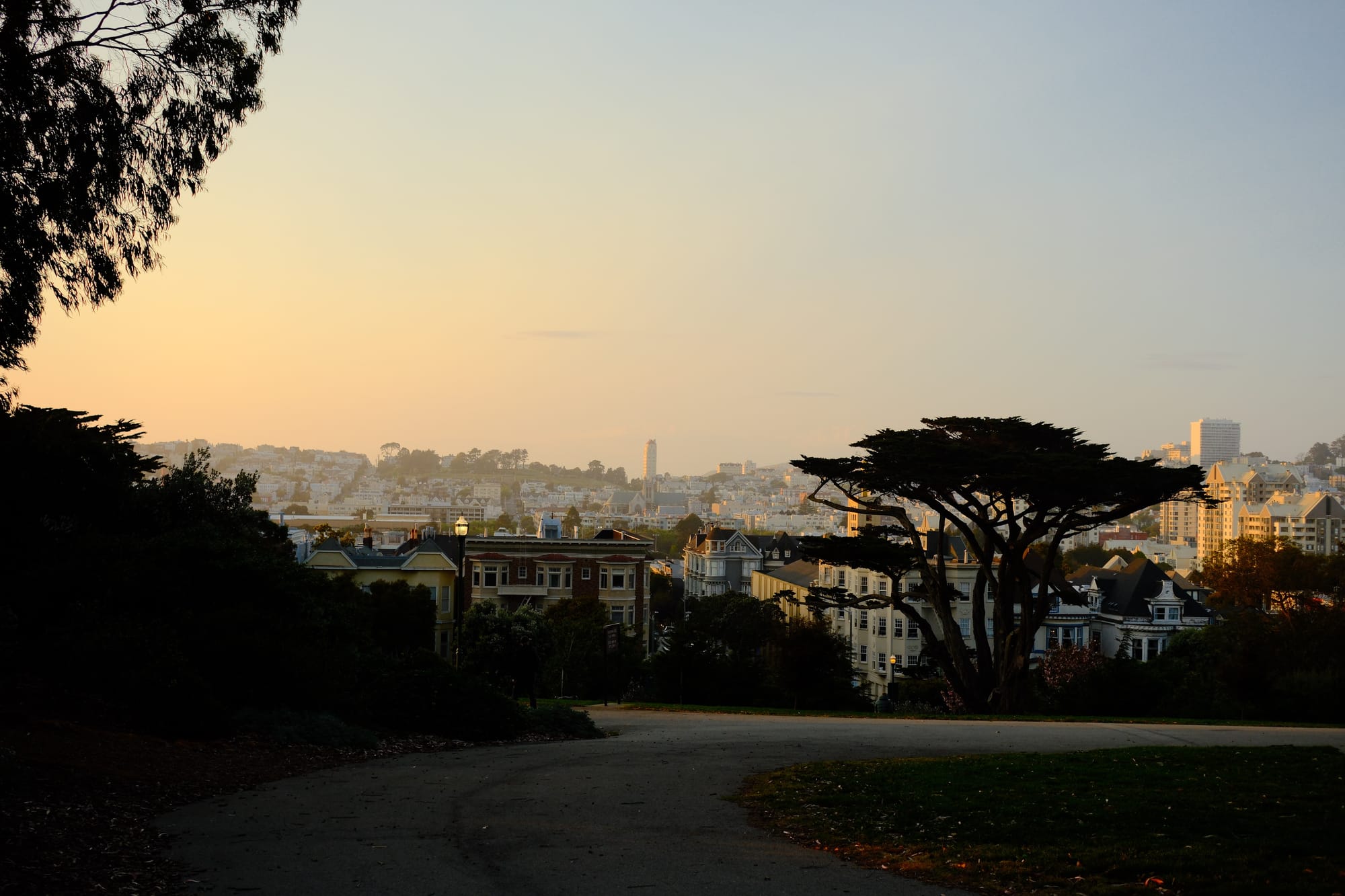
I spoke to the man on the bike once he got to the top of the hill. He said he was en route to Chehalem Ridge Metro Park.
It’s the prey drive.
We spent the middle of the week cabin camping with some good friends. It was memorable for me because the kids are at a great age to create some early memories. We swam, fished, paddle boarded, had campfires, cooked good food – and of course plenty of time for the kids to play and ride bikes. I purchased a cheap projector from Amazon, along with a large cloth screen, and pre-downloaded some movies so the adults could have some fun together at night. We also had an incident with my car that included a child's bike 😄.
A mule on Penny's parents' property.
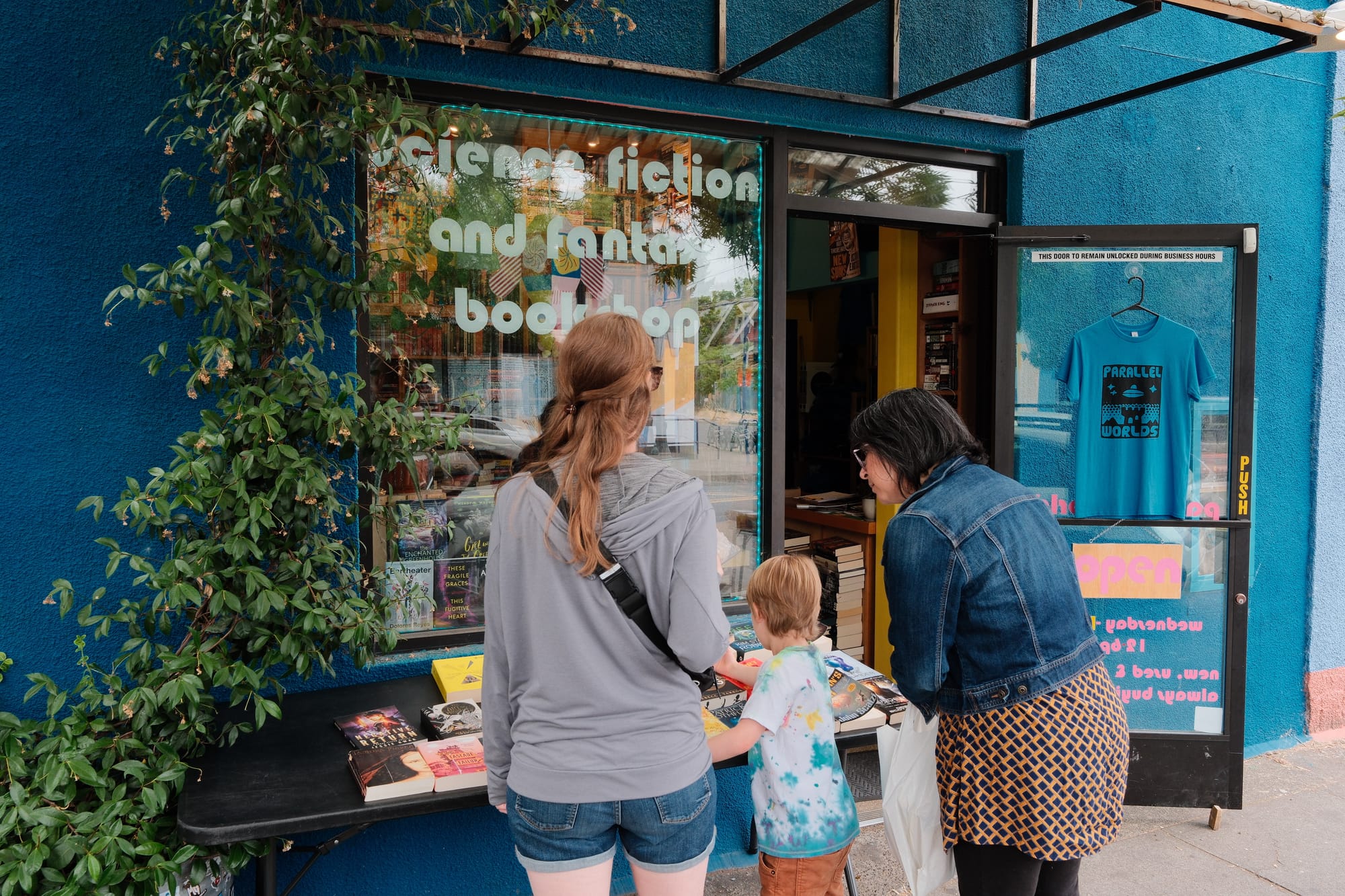
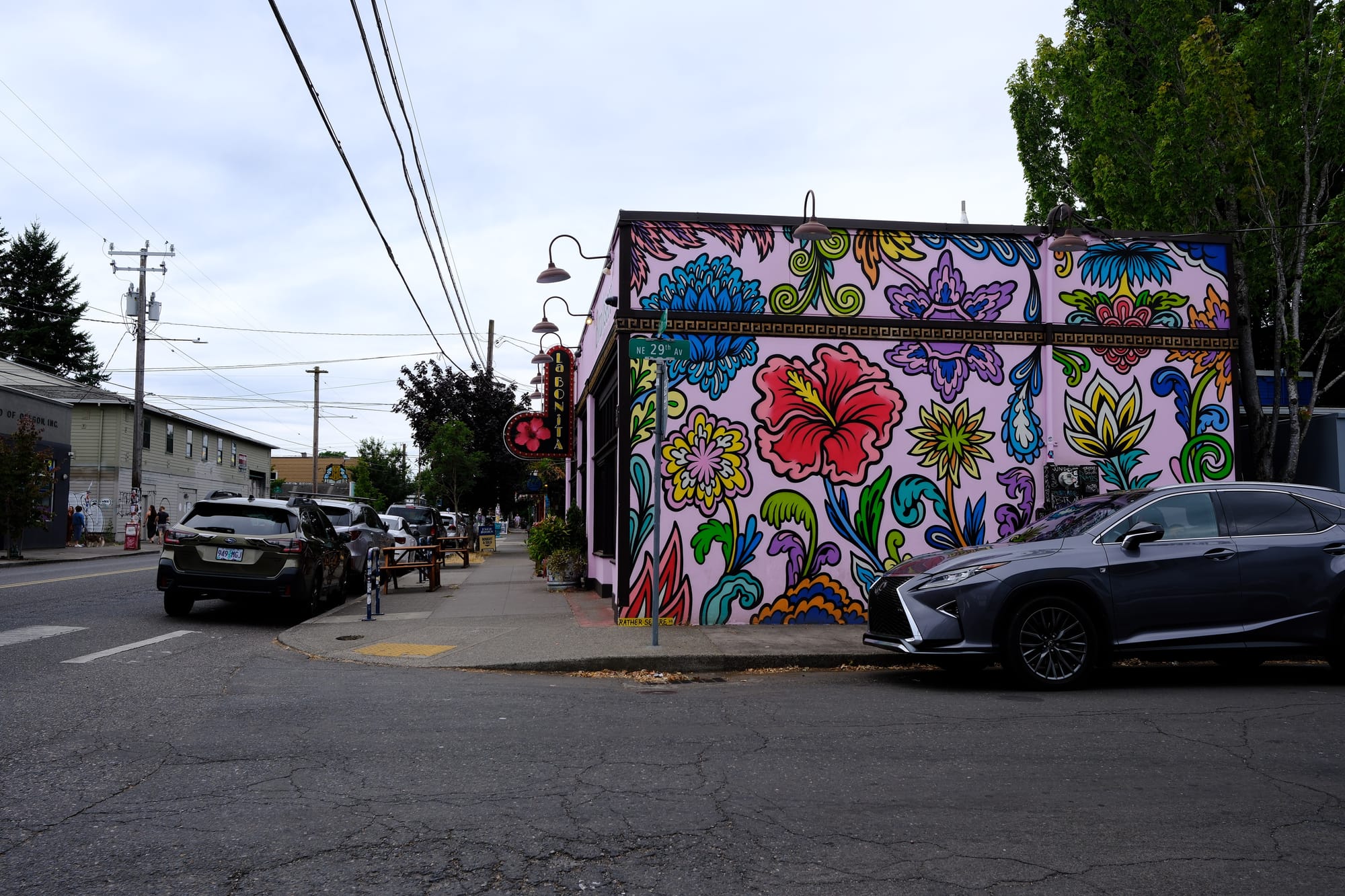
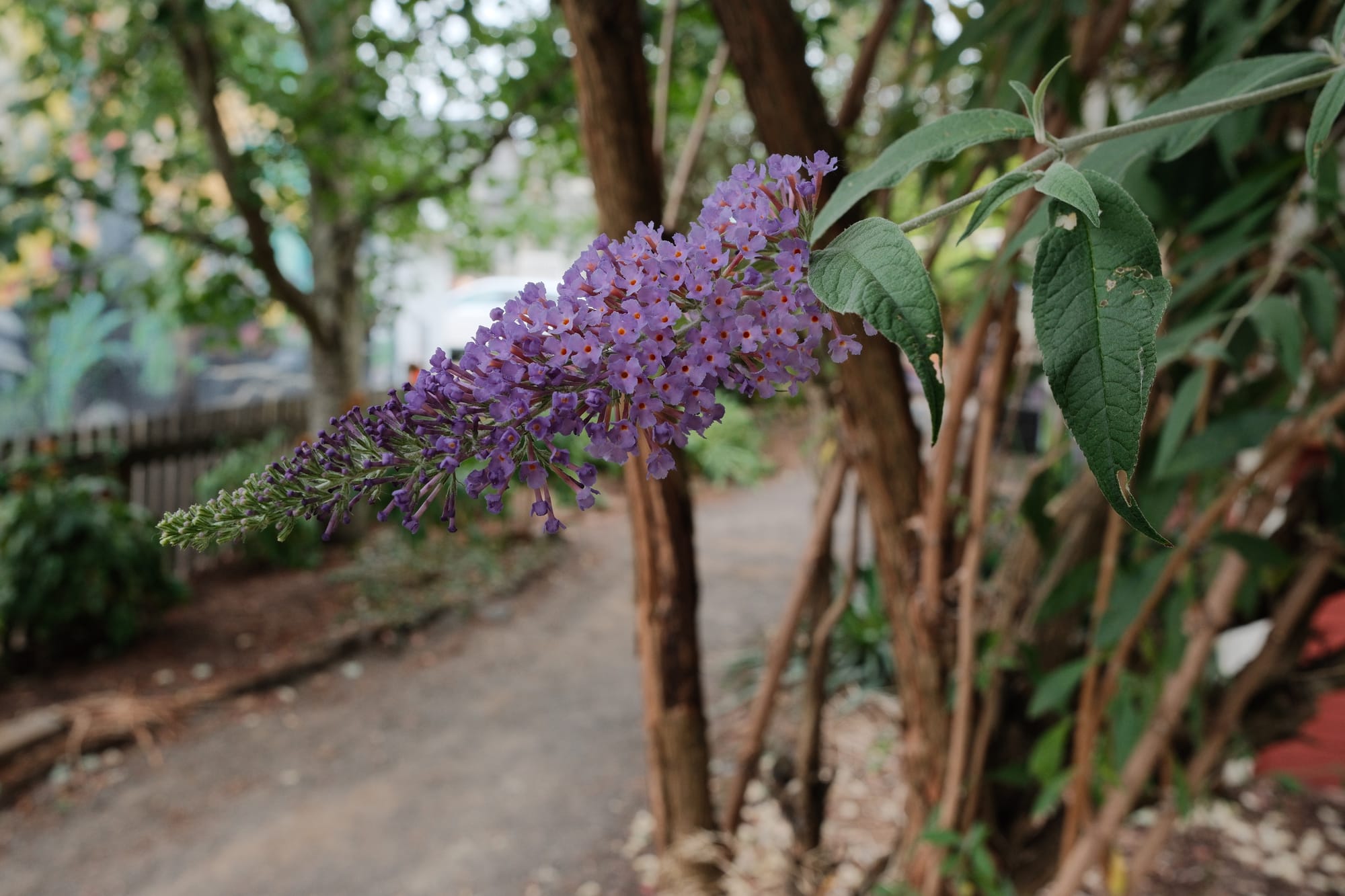
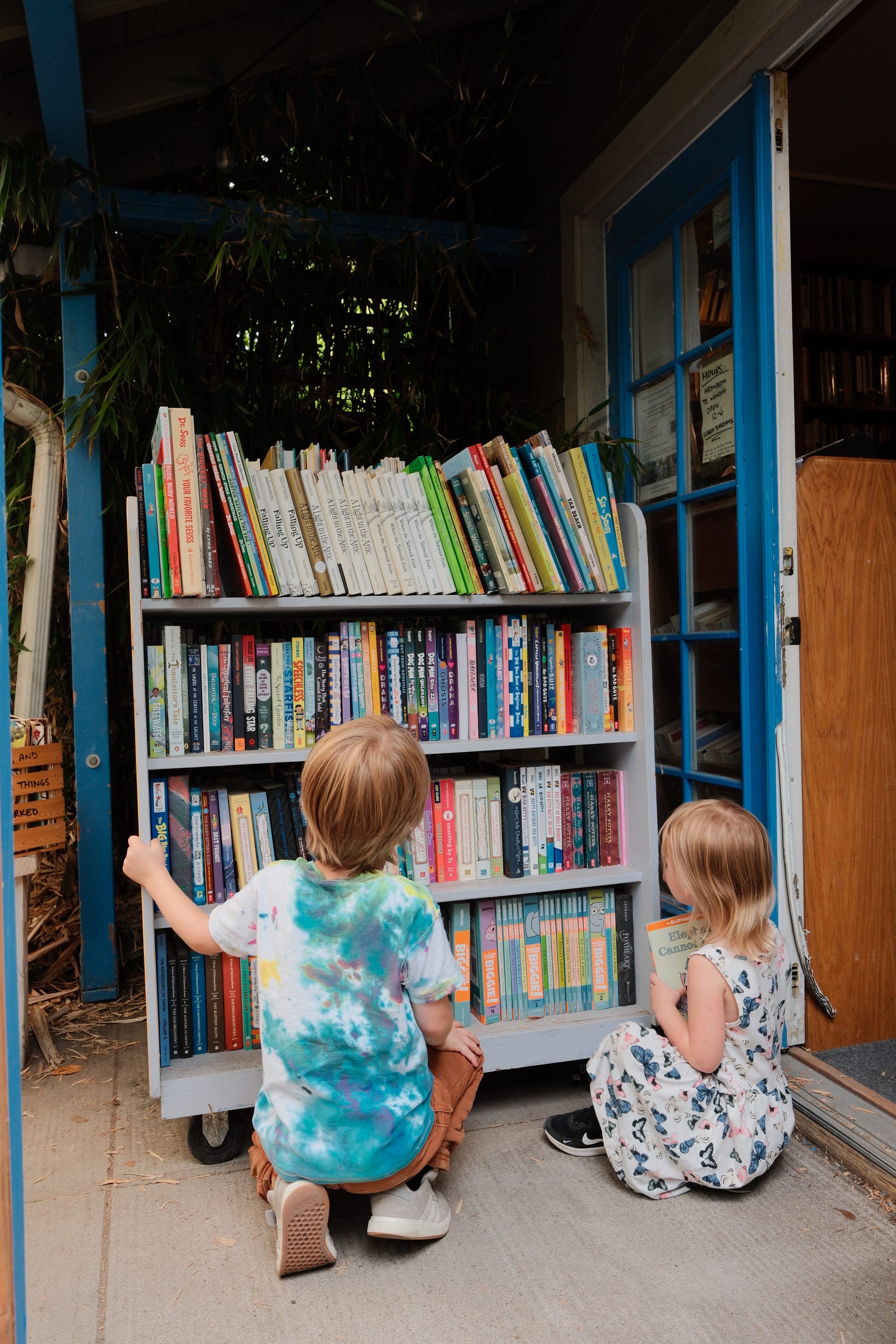
Our friend, who officiated our wedding, is in town from the Bay Area. We spent some time on Alberta Street this afternoon, shopping the used book stores, eating good food, and enjoying the murals. We made our way down to Kerns afterwards, got some soft serve, and caught a tiny bit of Pride. 🏳️🌈
Some photos of train travel between San Jose and Sacramento.
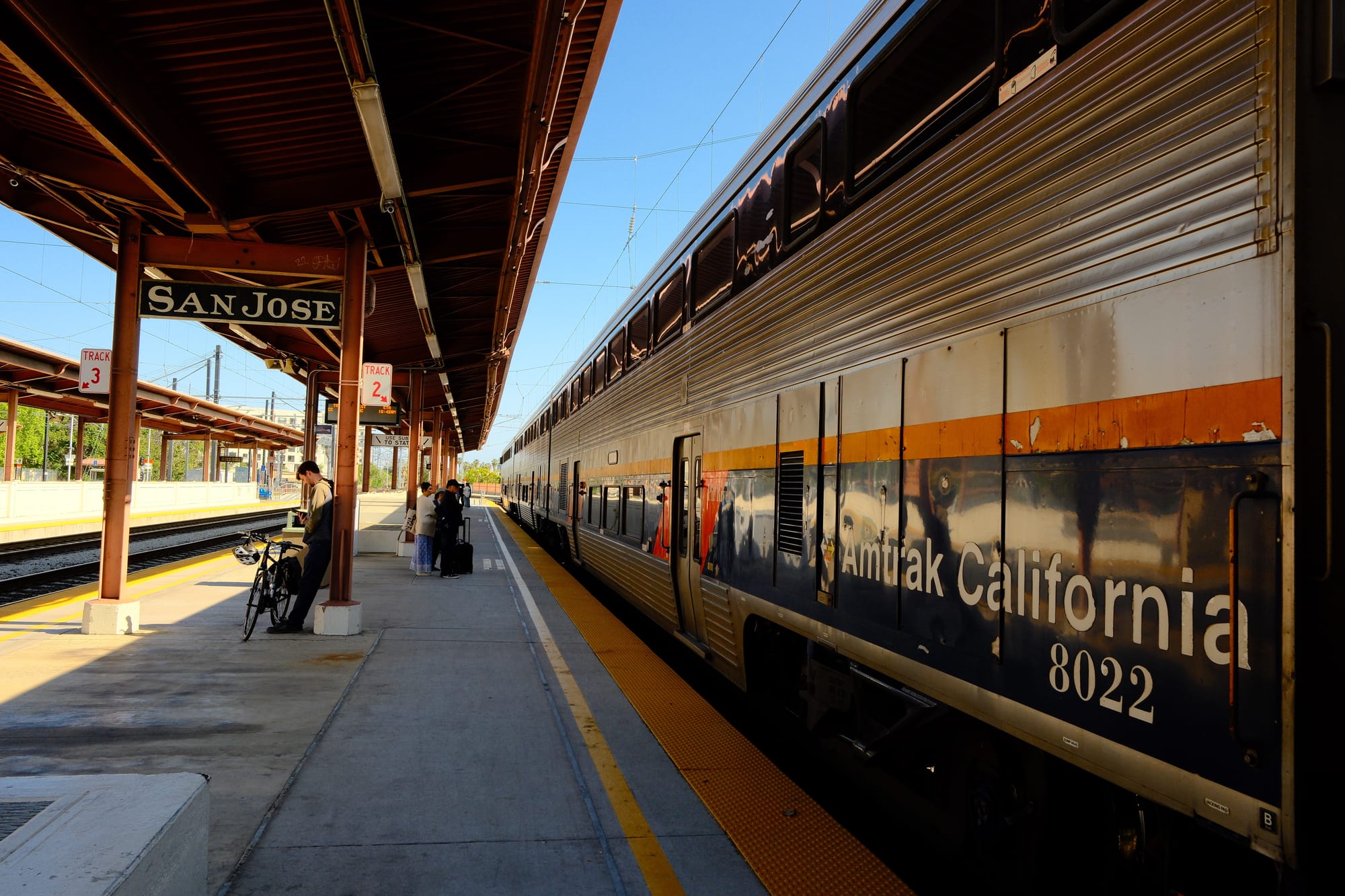
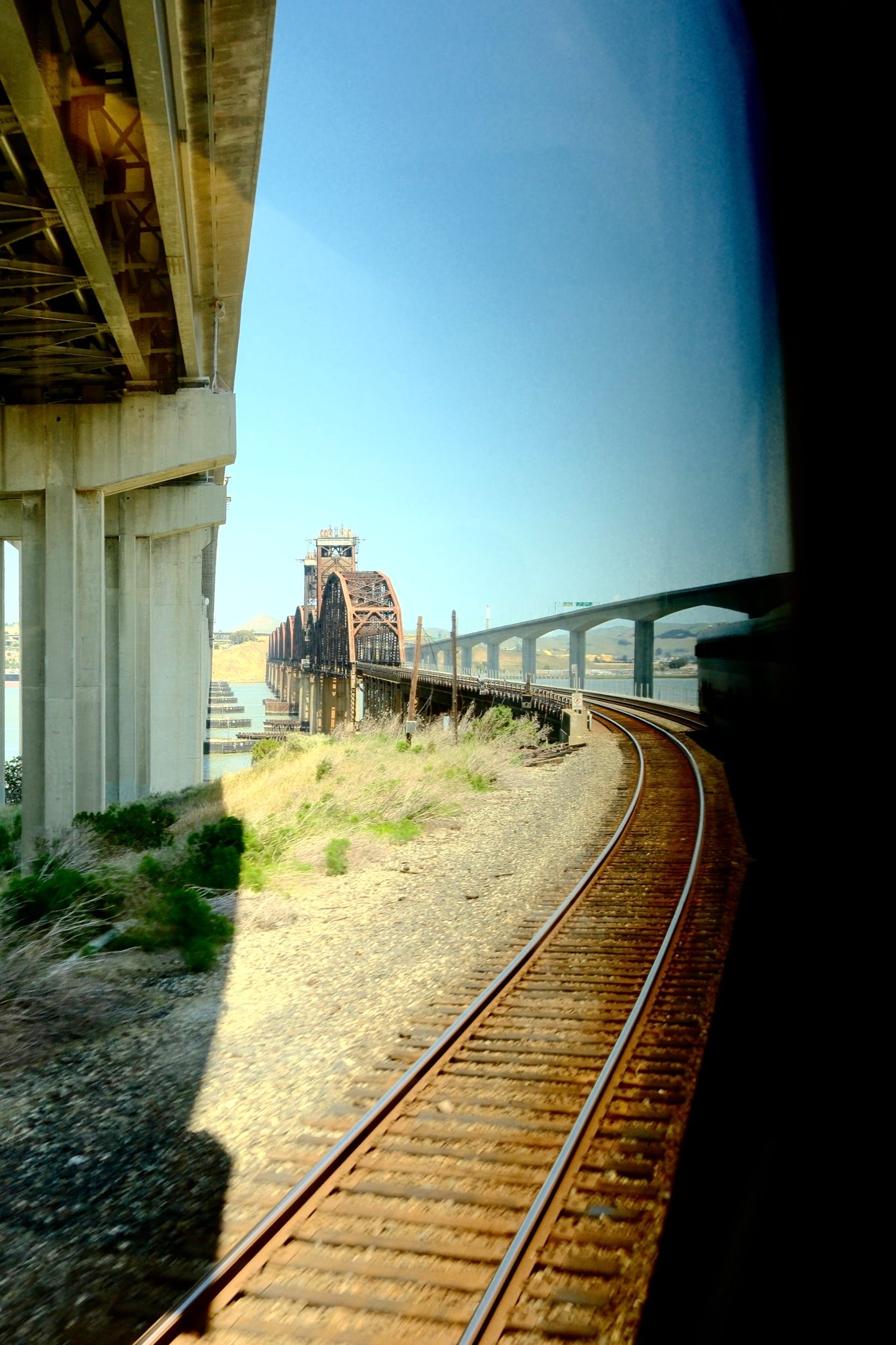
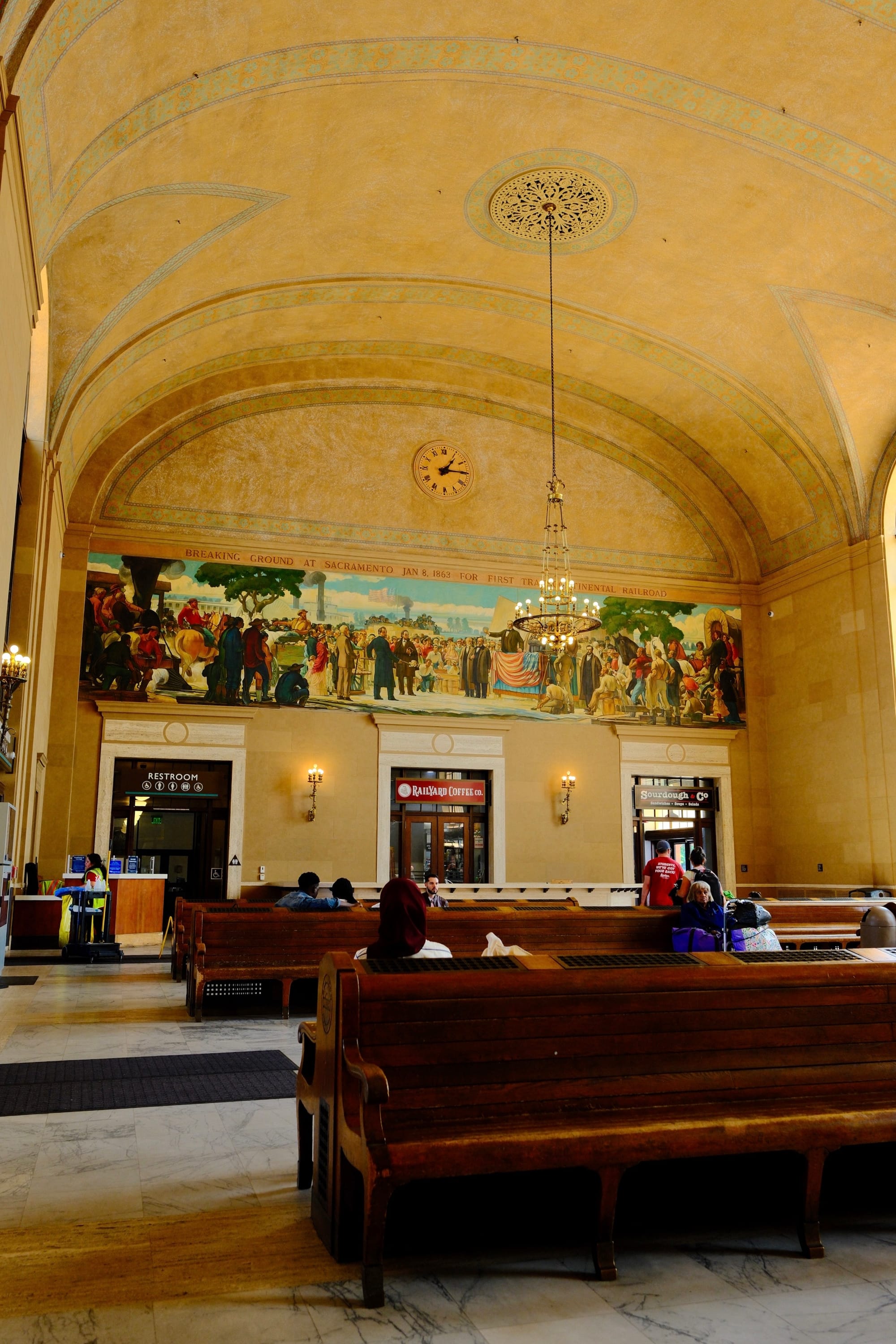
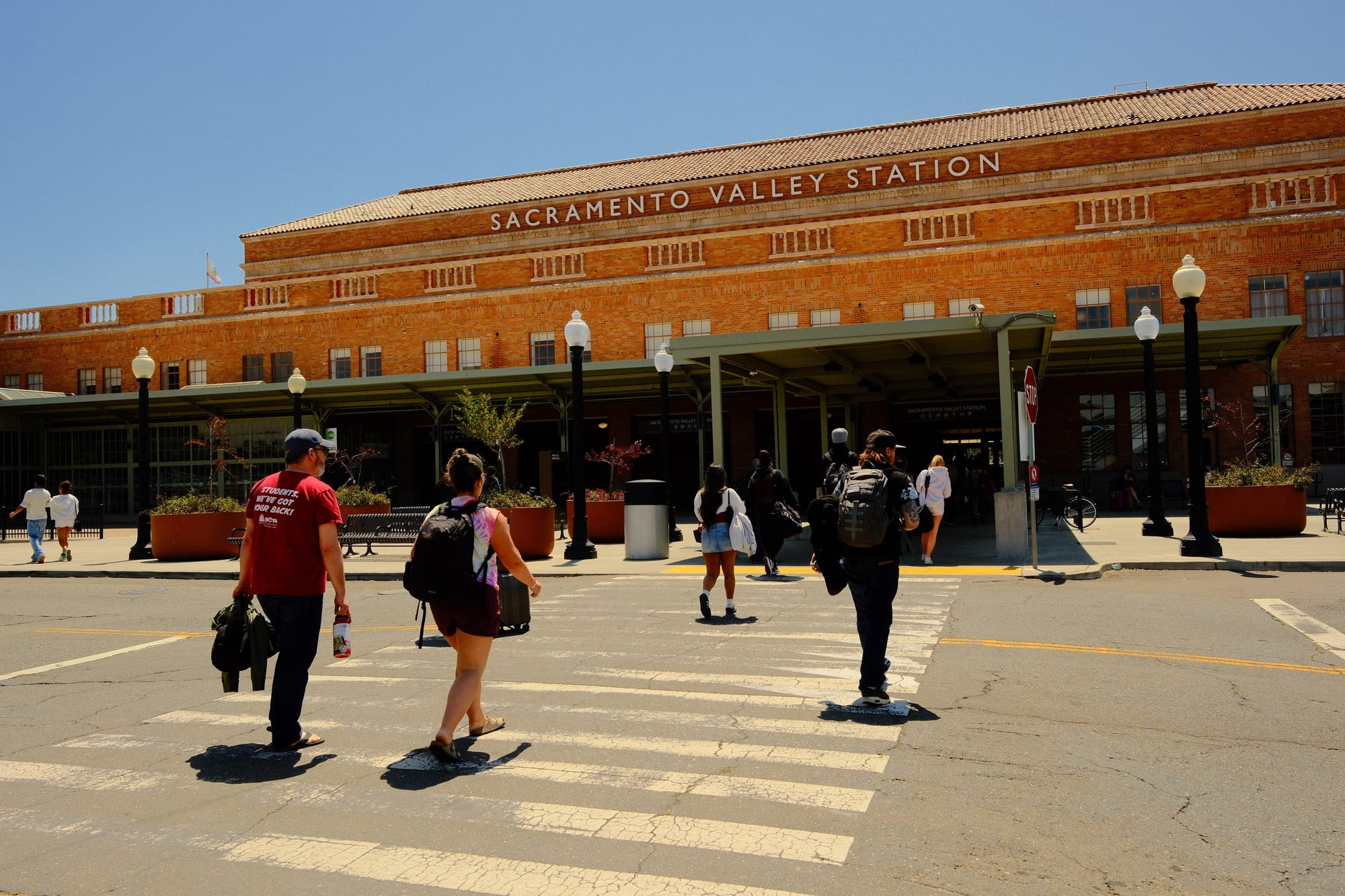
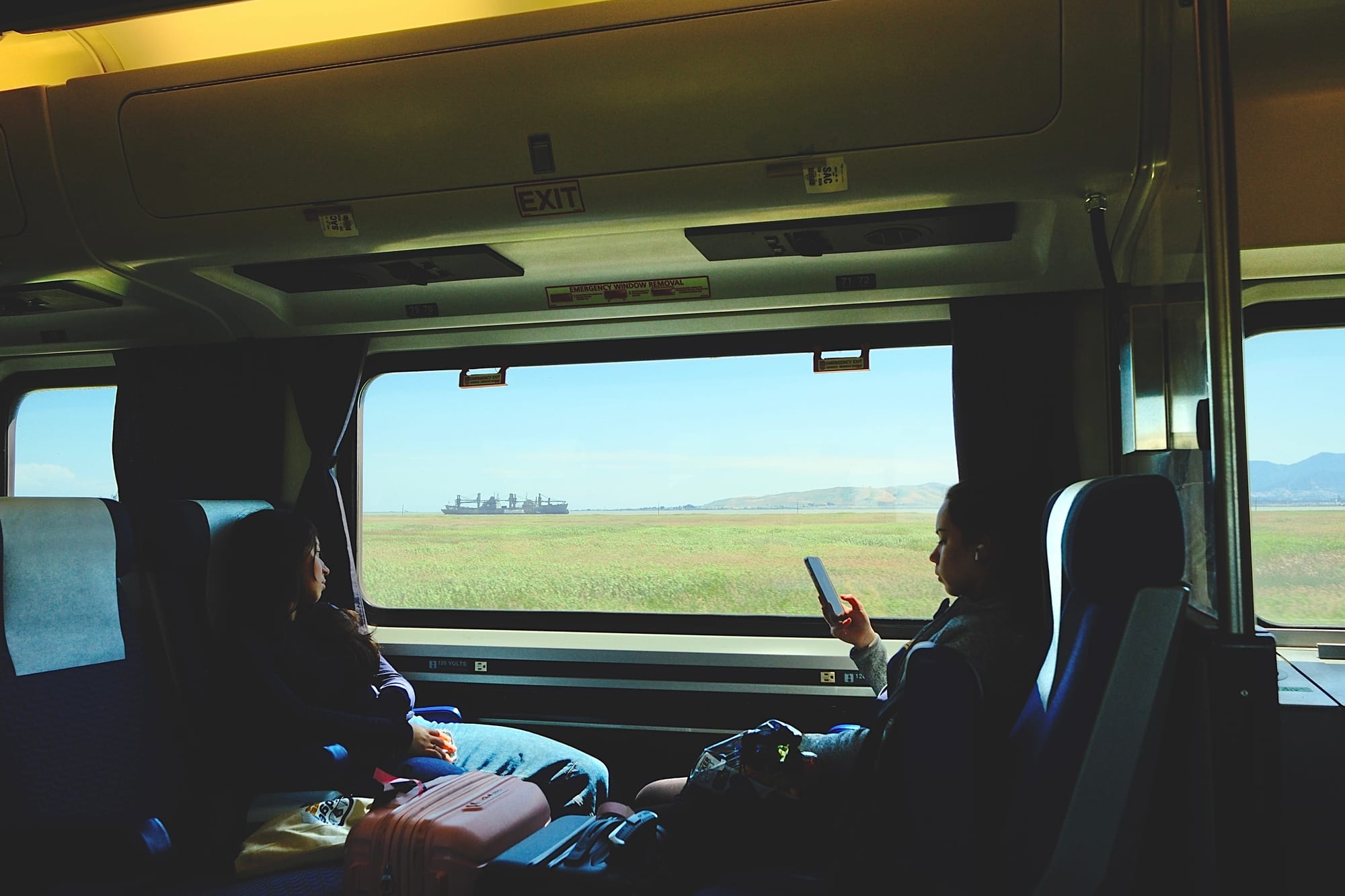
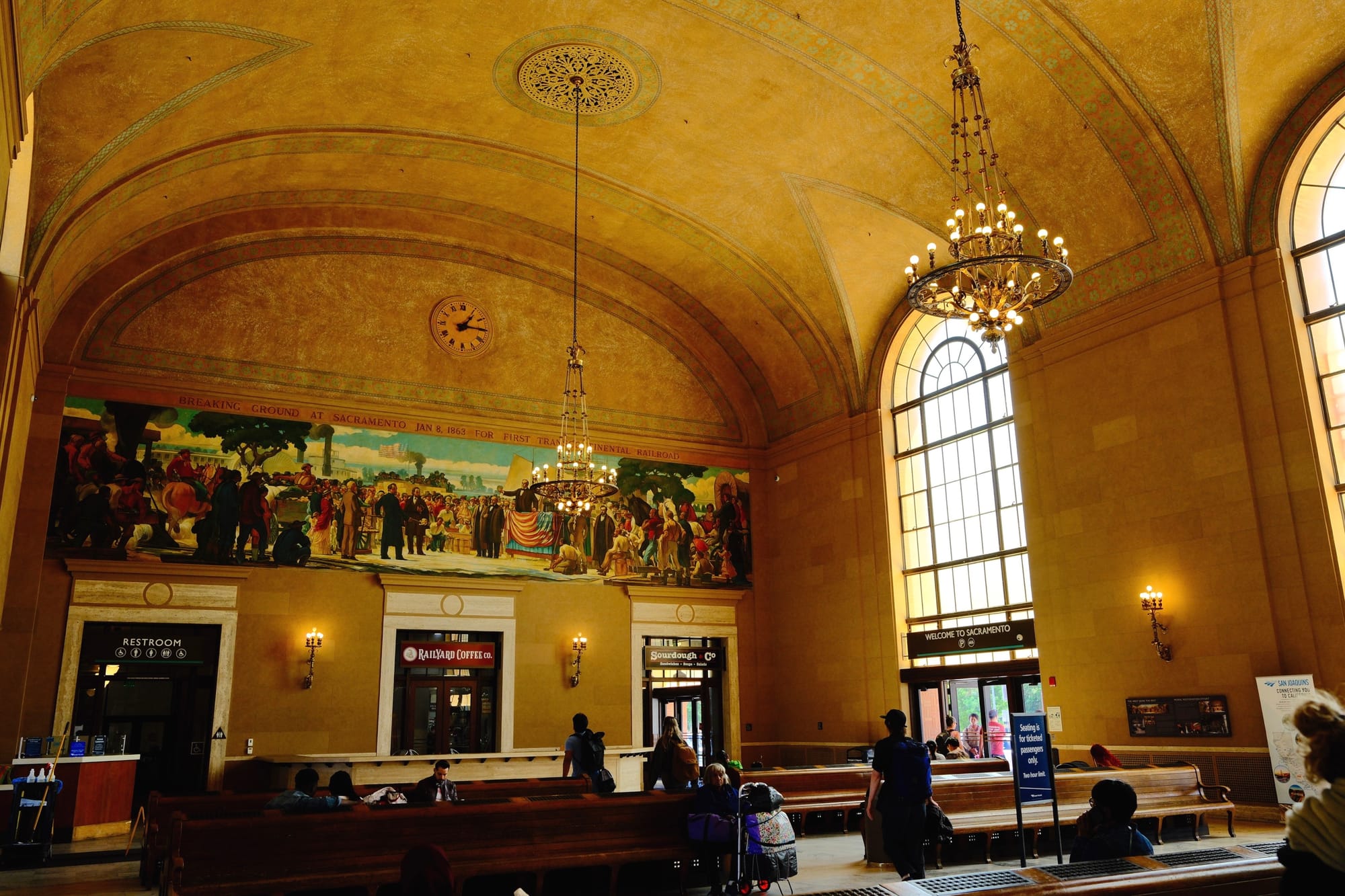
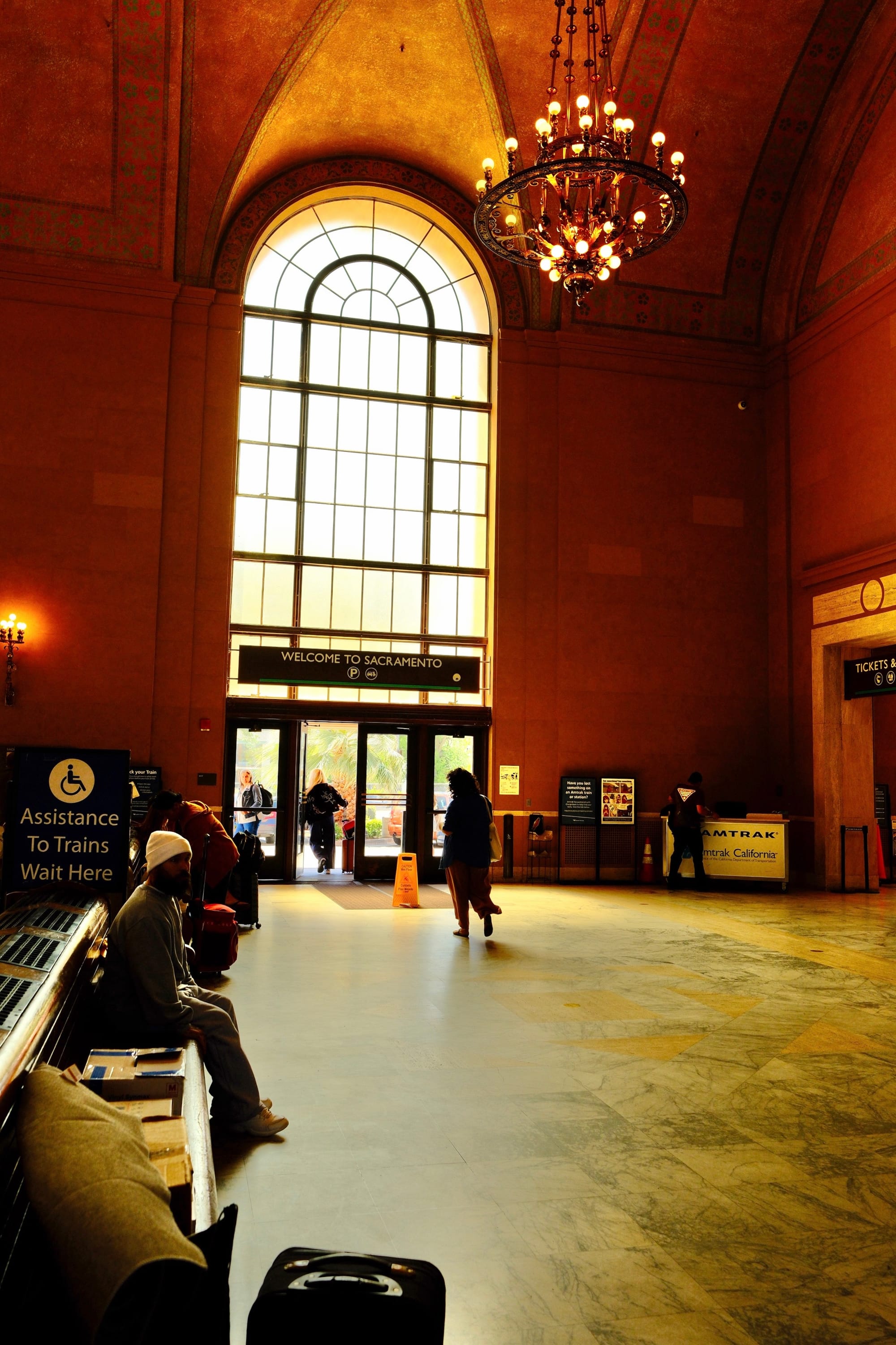
Some photos of my trip to the Bay Area. I walked something like 25,000 steps this day and met up for dinner with my old college roommate. It was a really nice day.
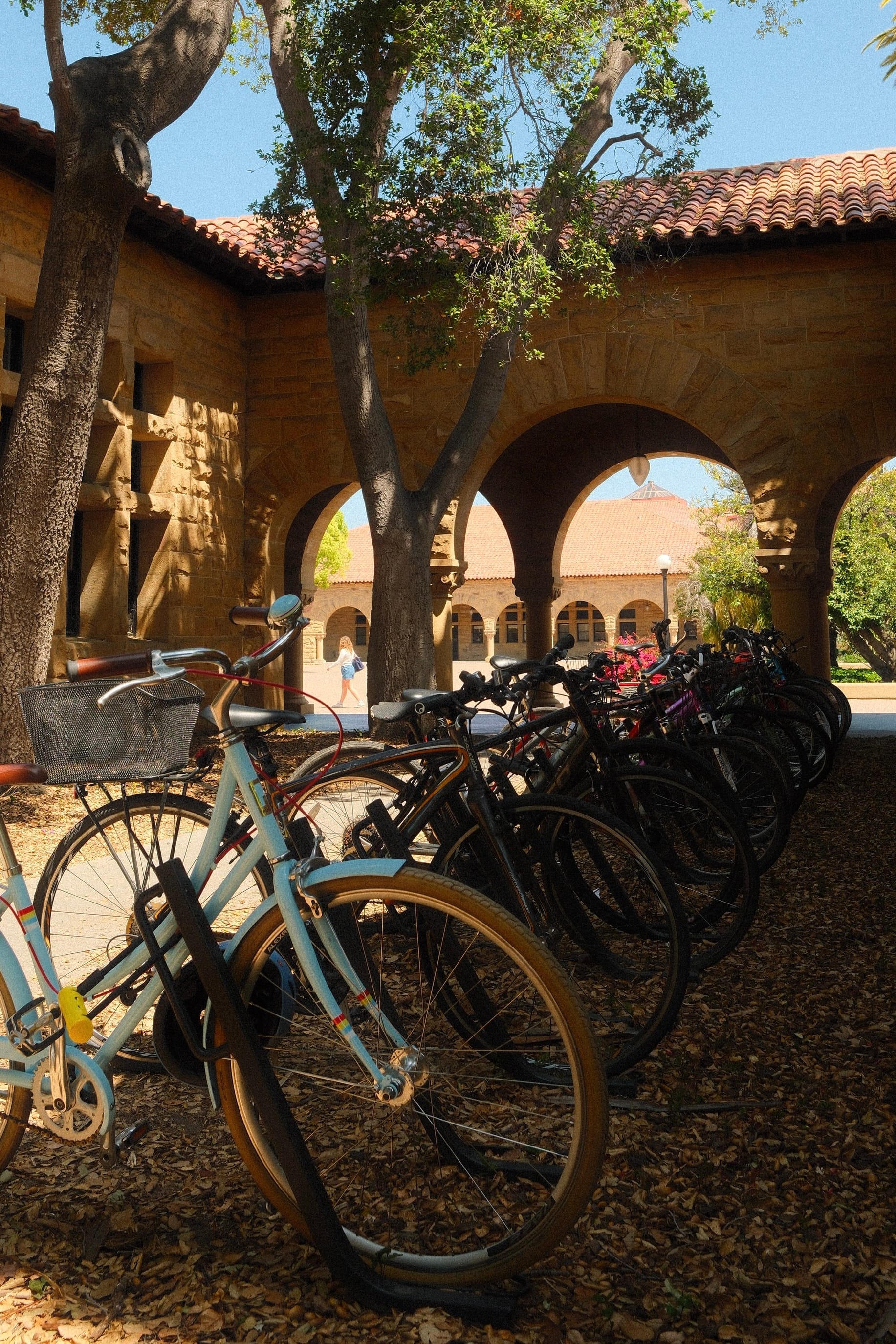
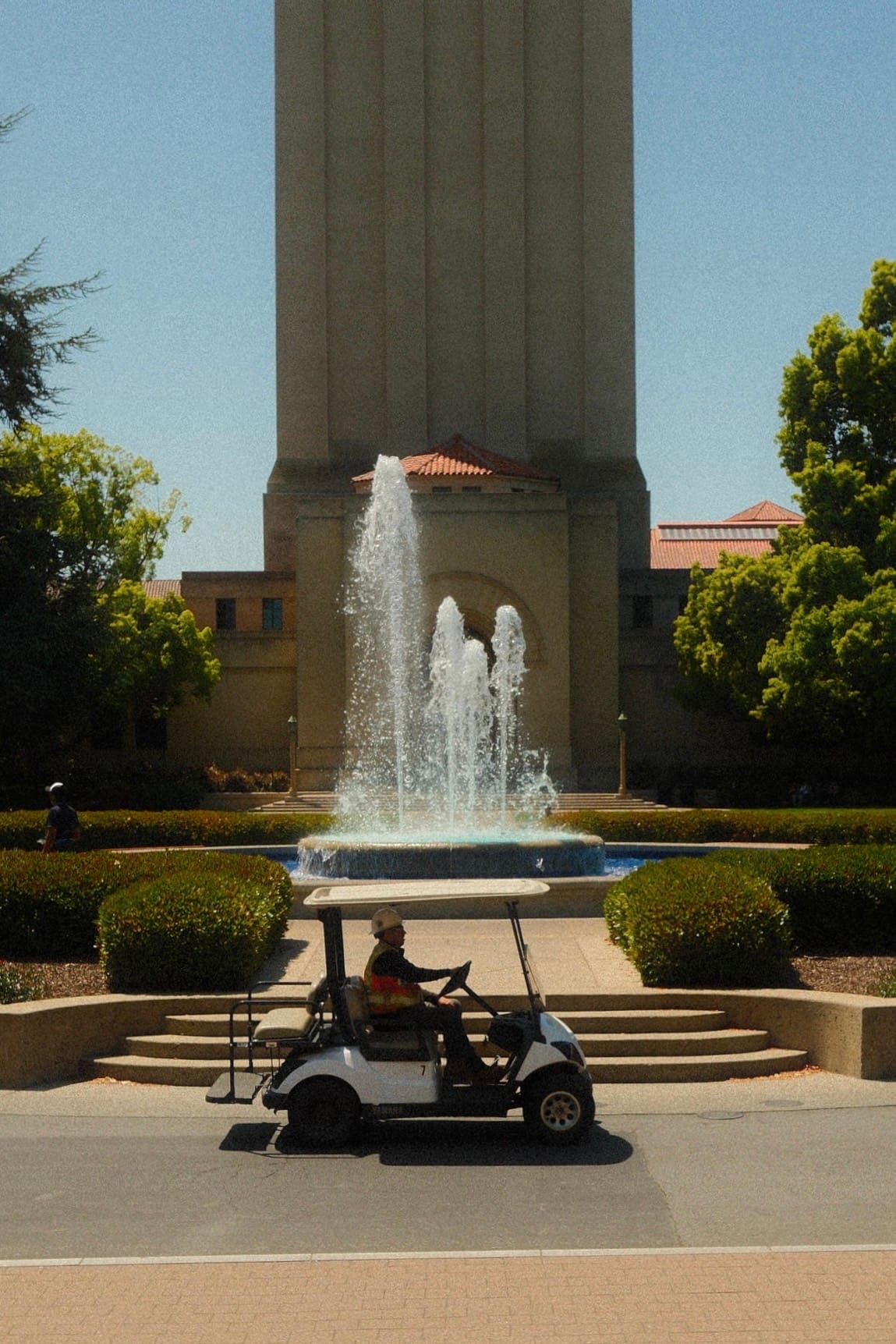
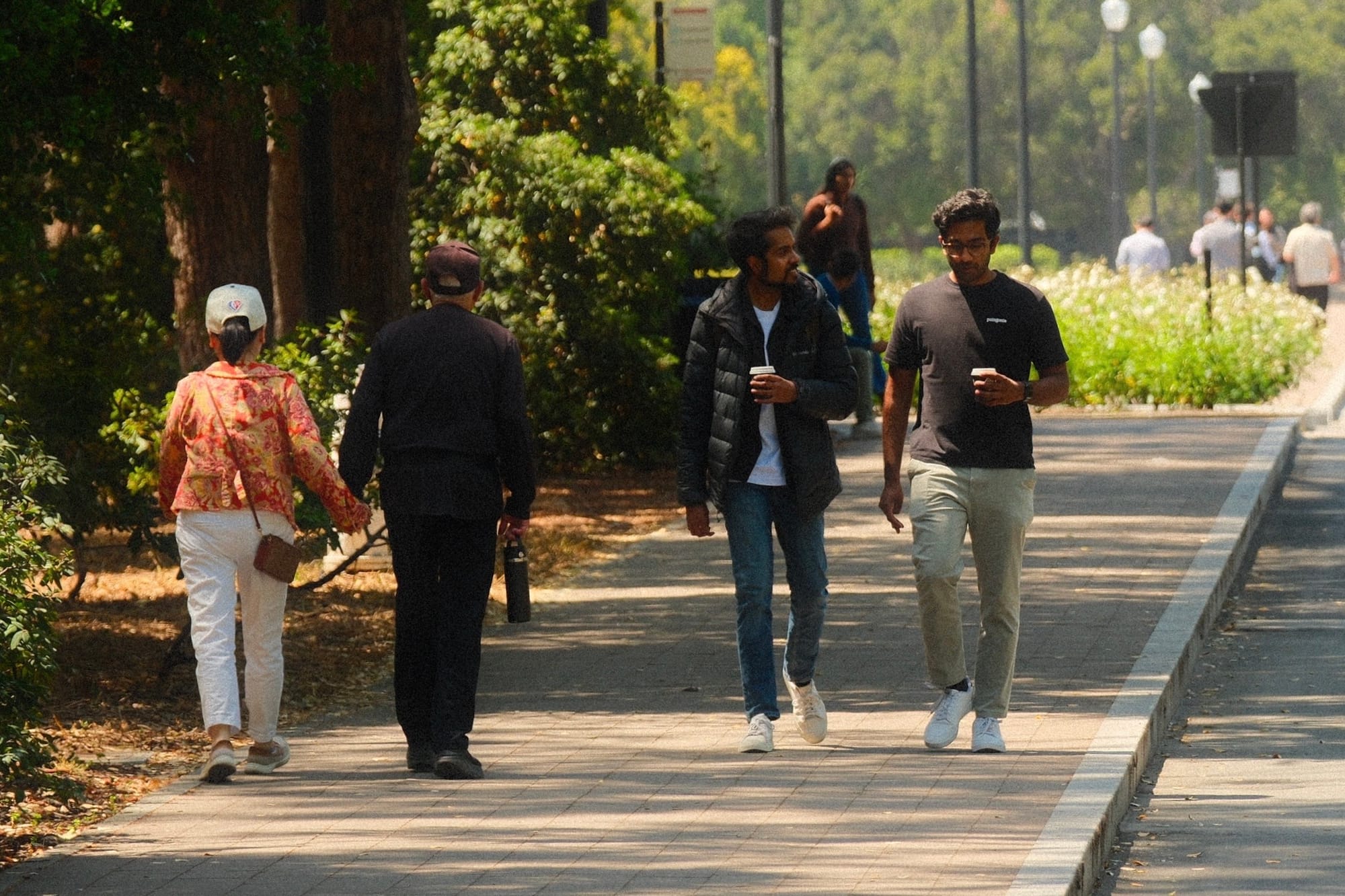
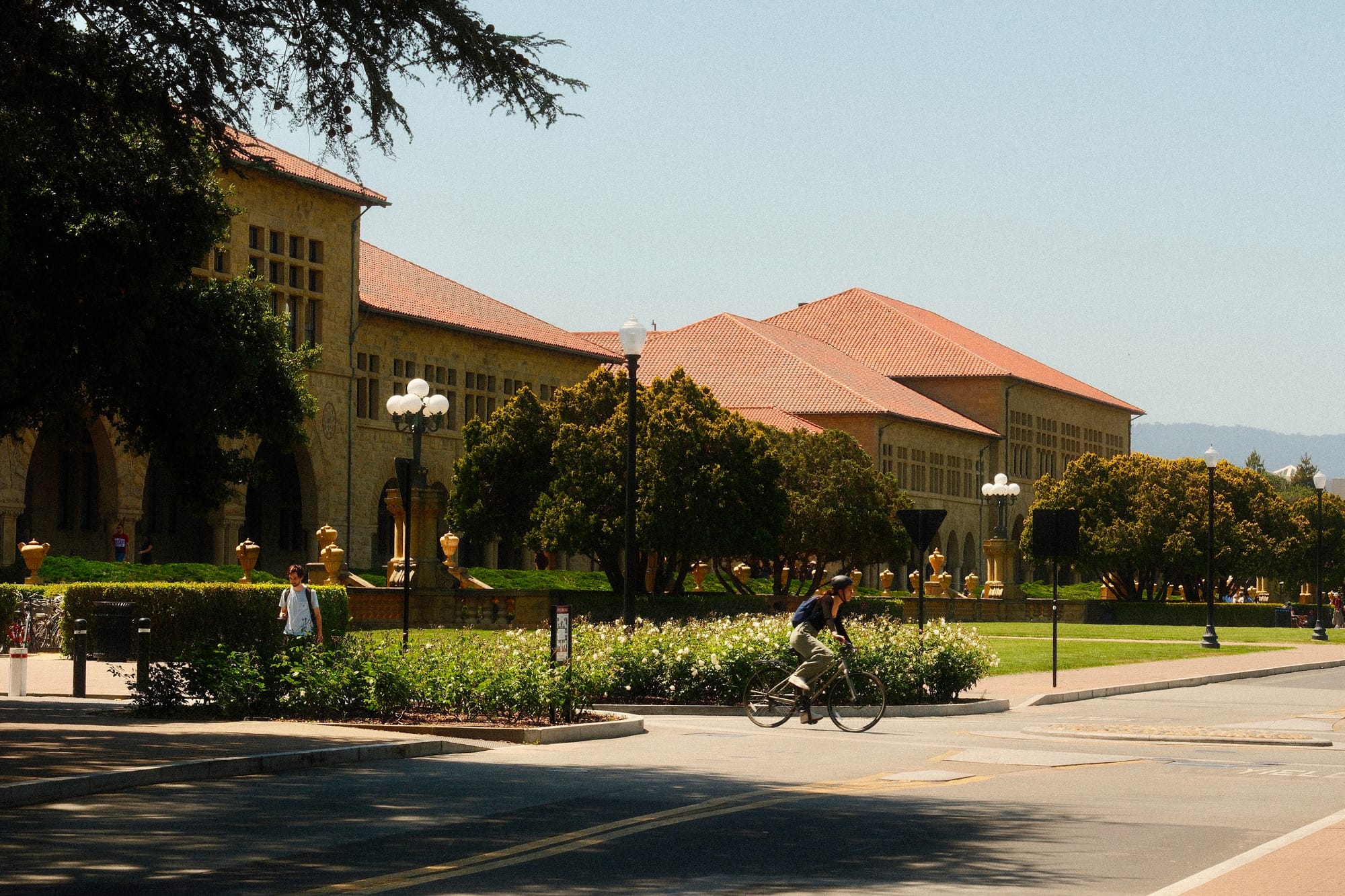
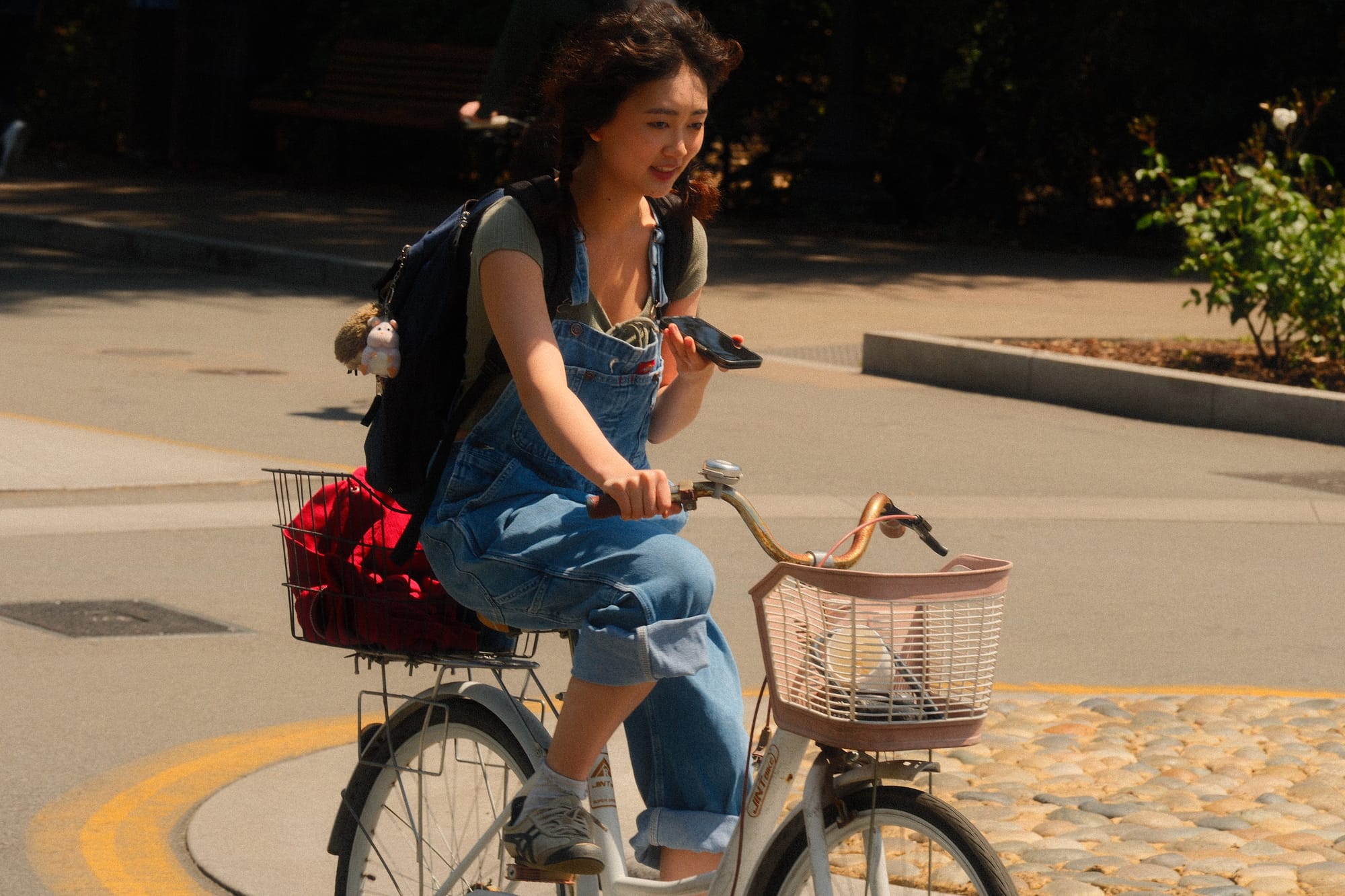
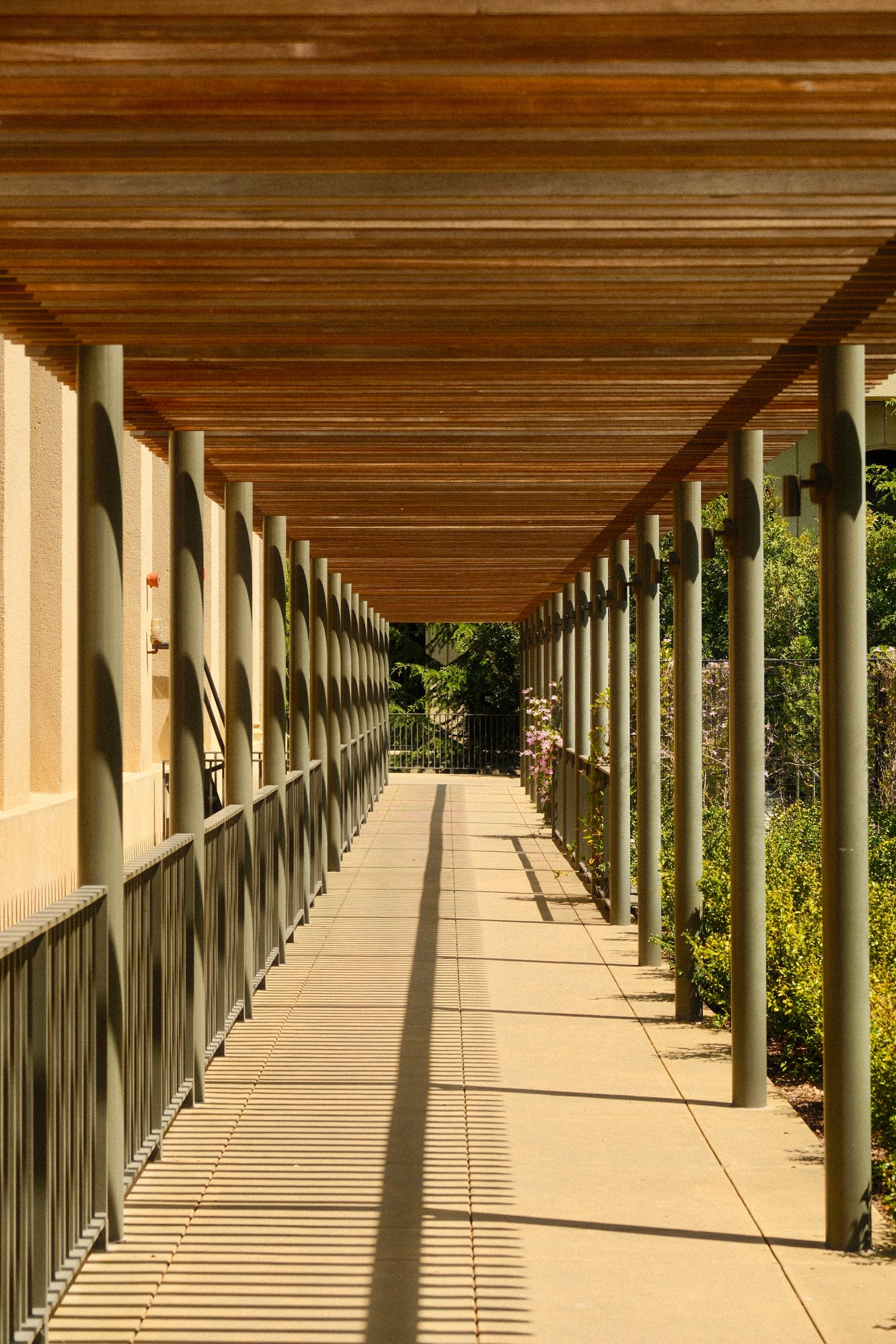
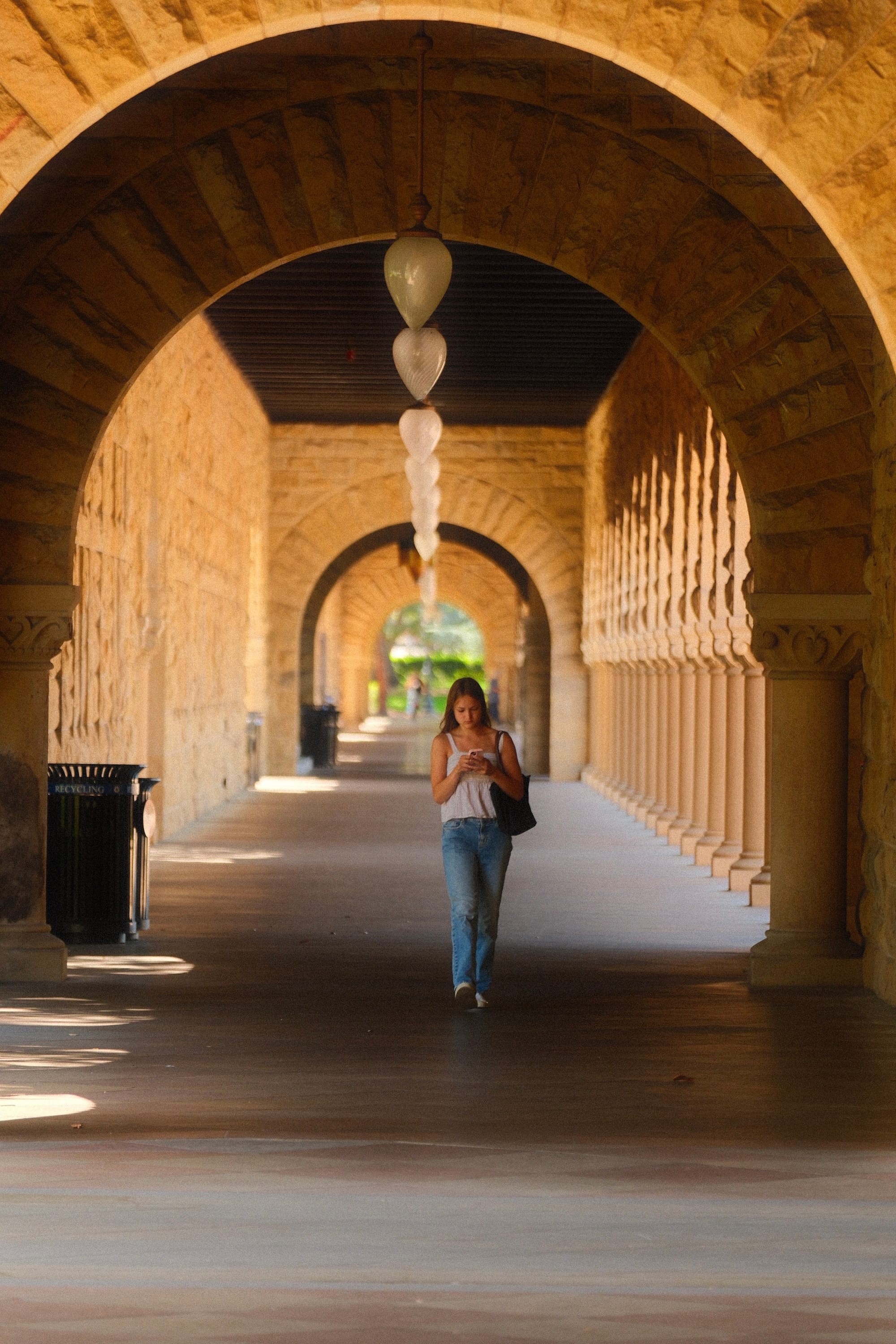
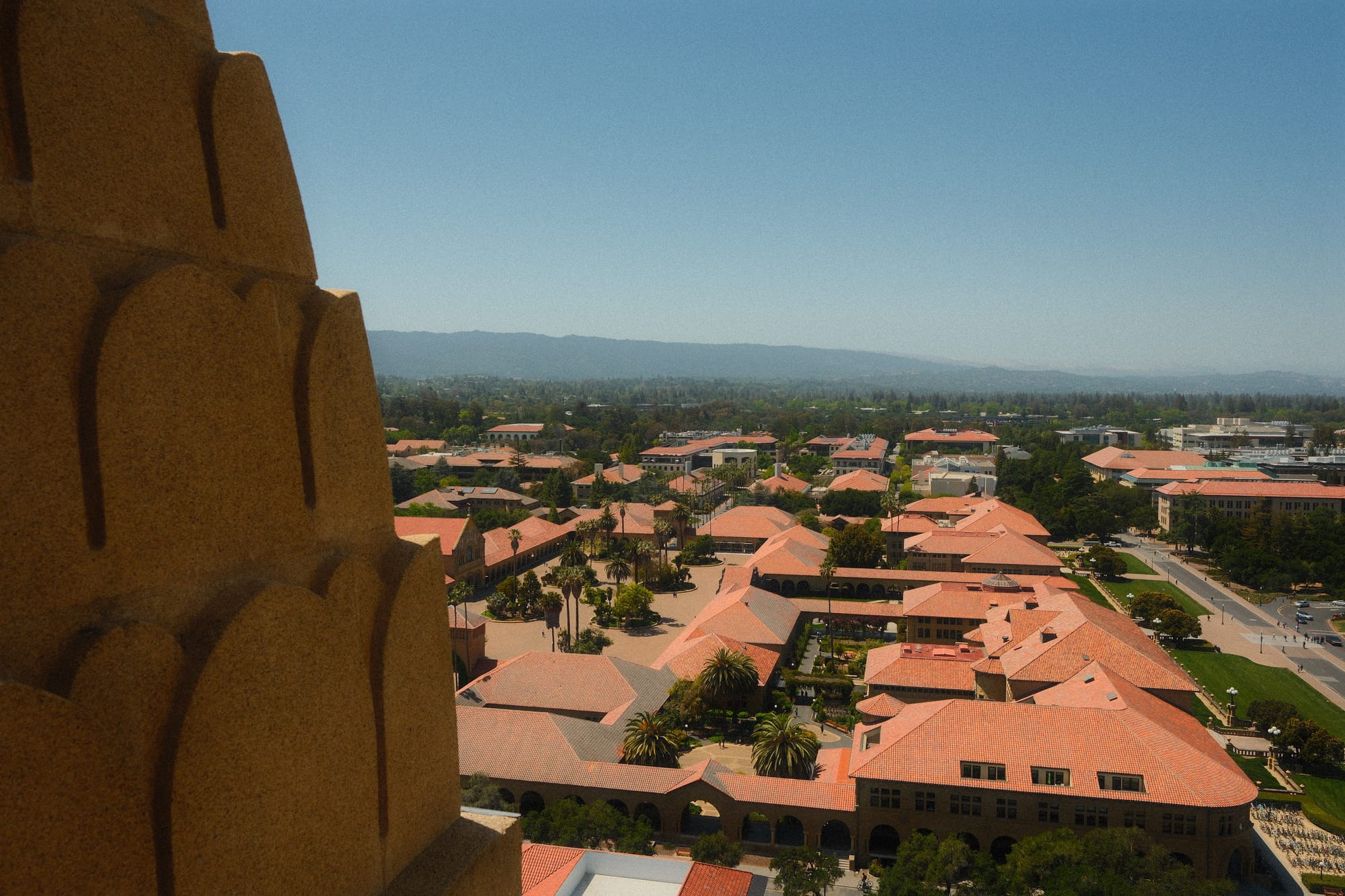
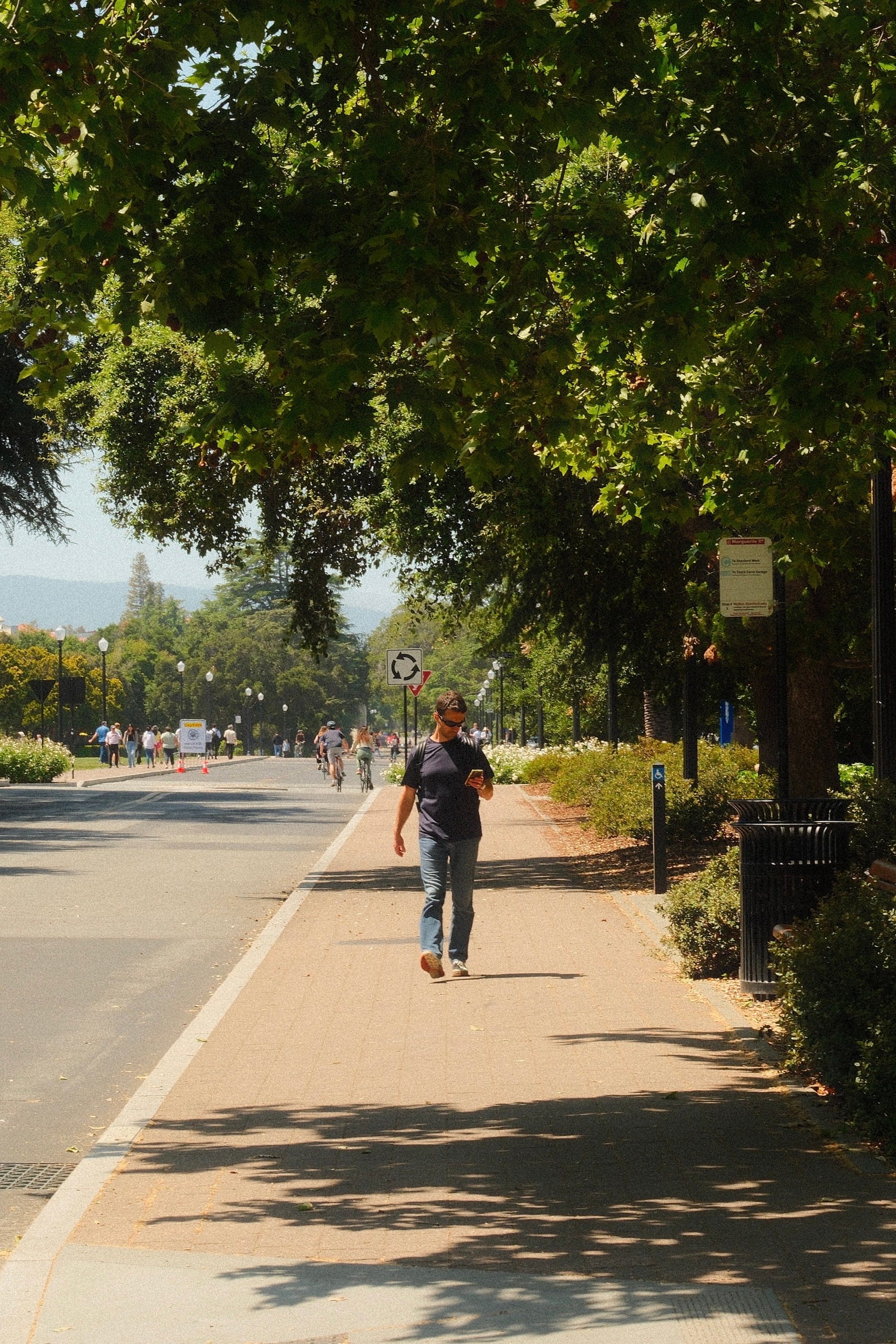
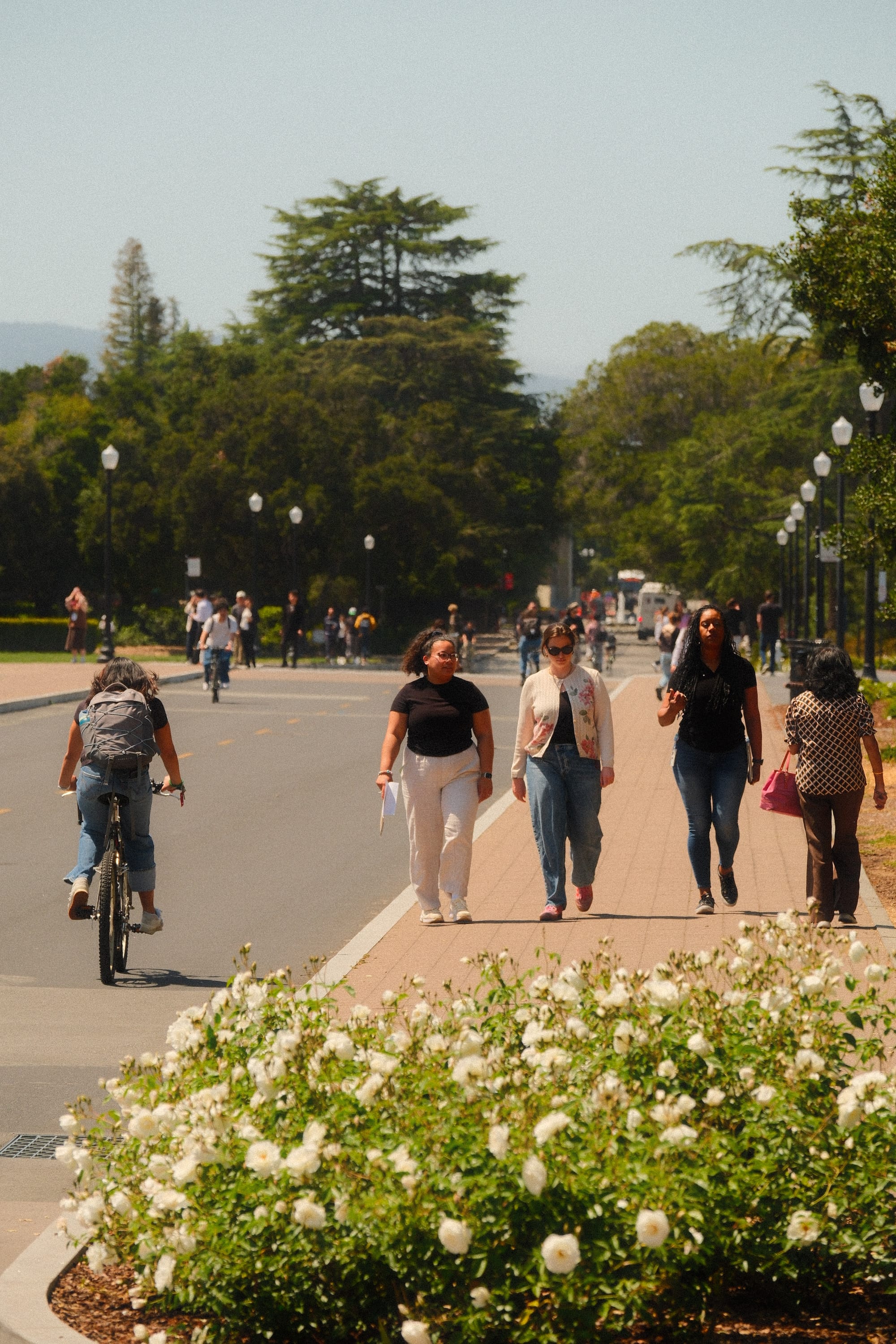
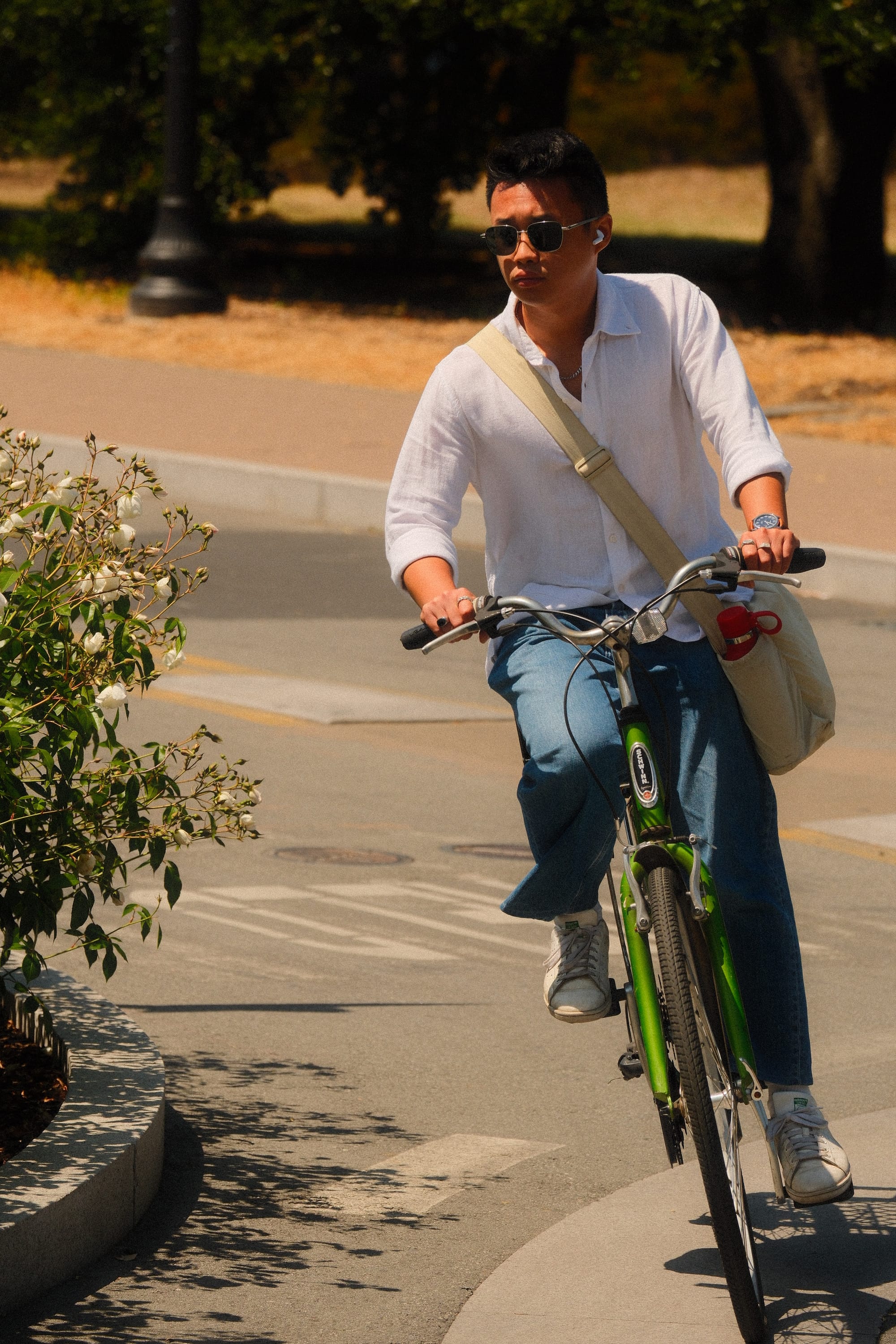
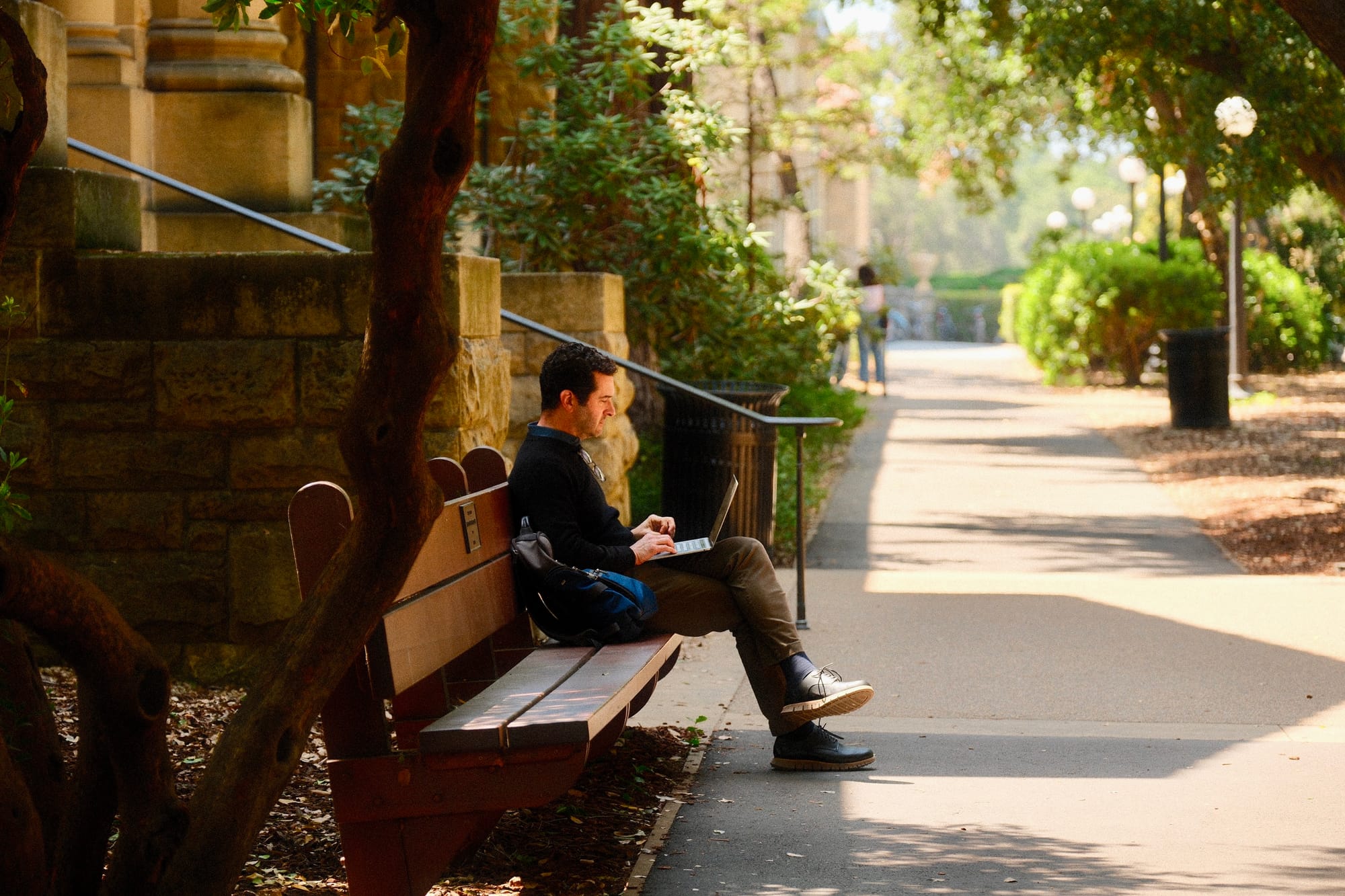
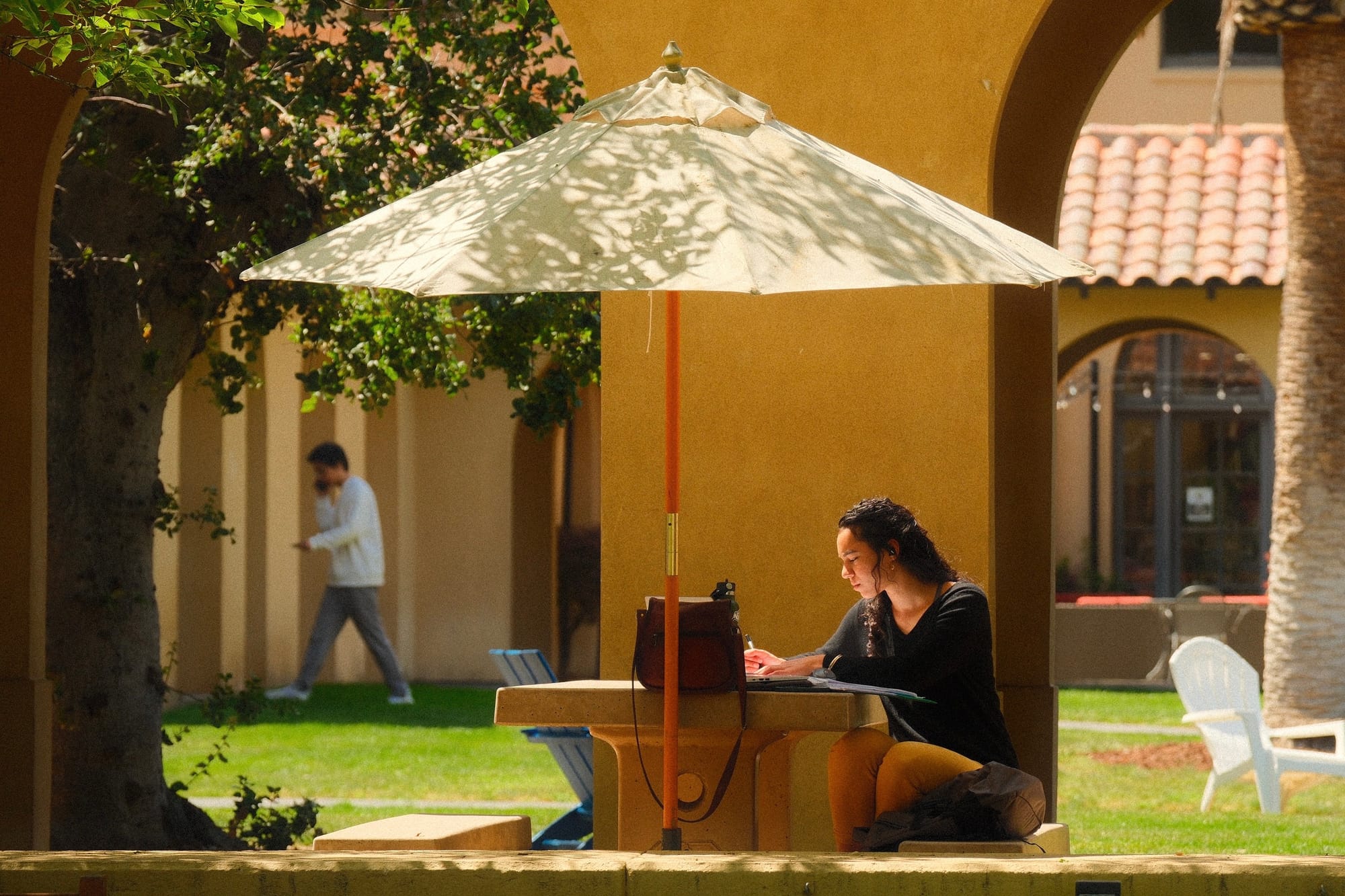
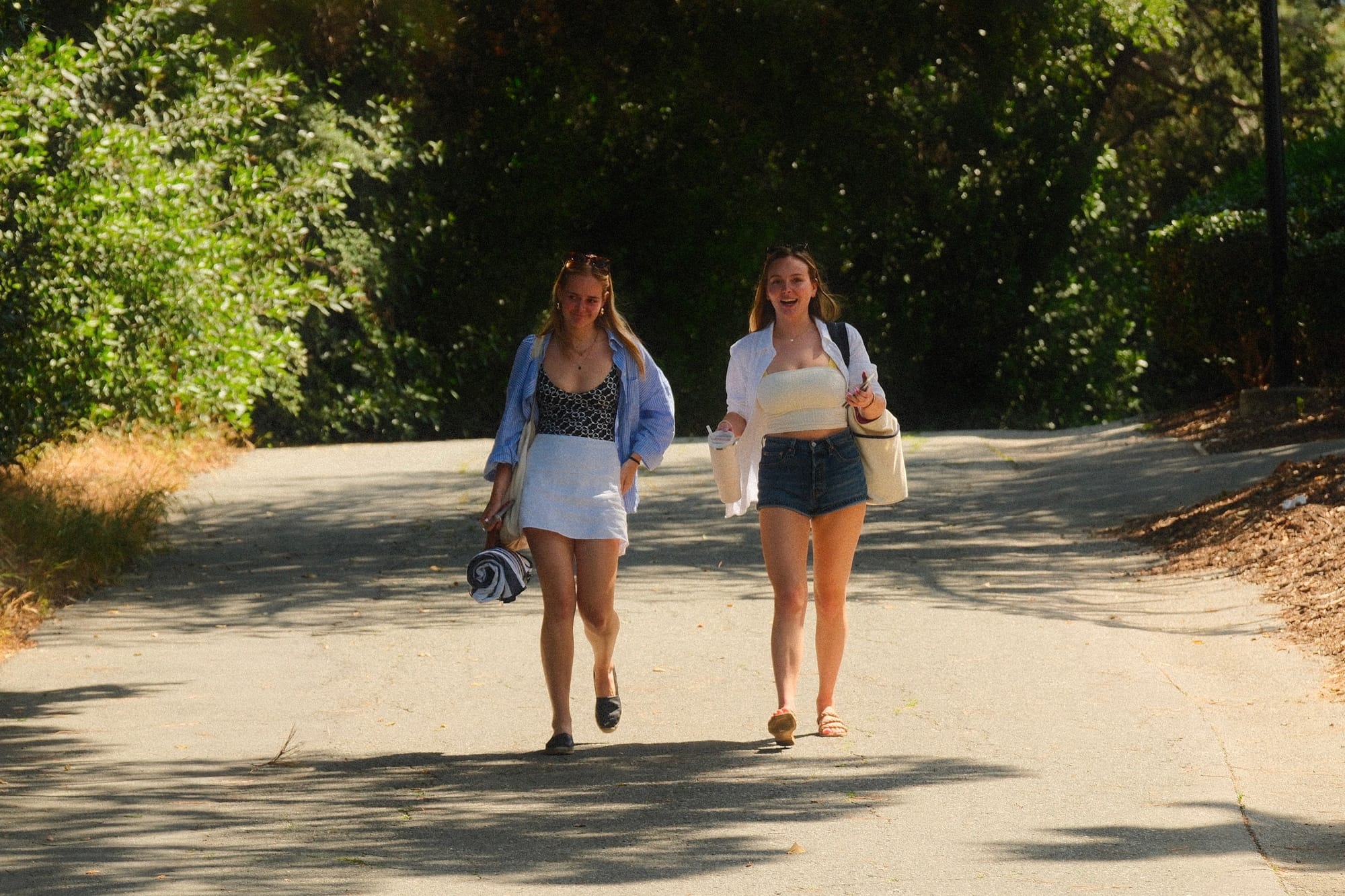
I joined a MeetUp group for urban walkers.
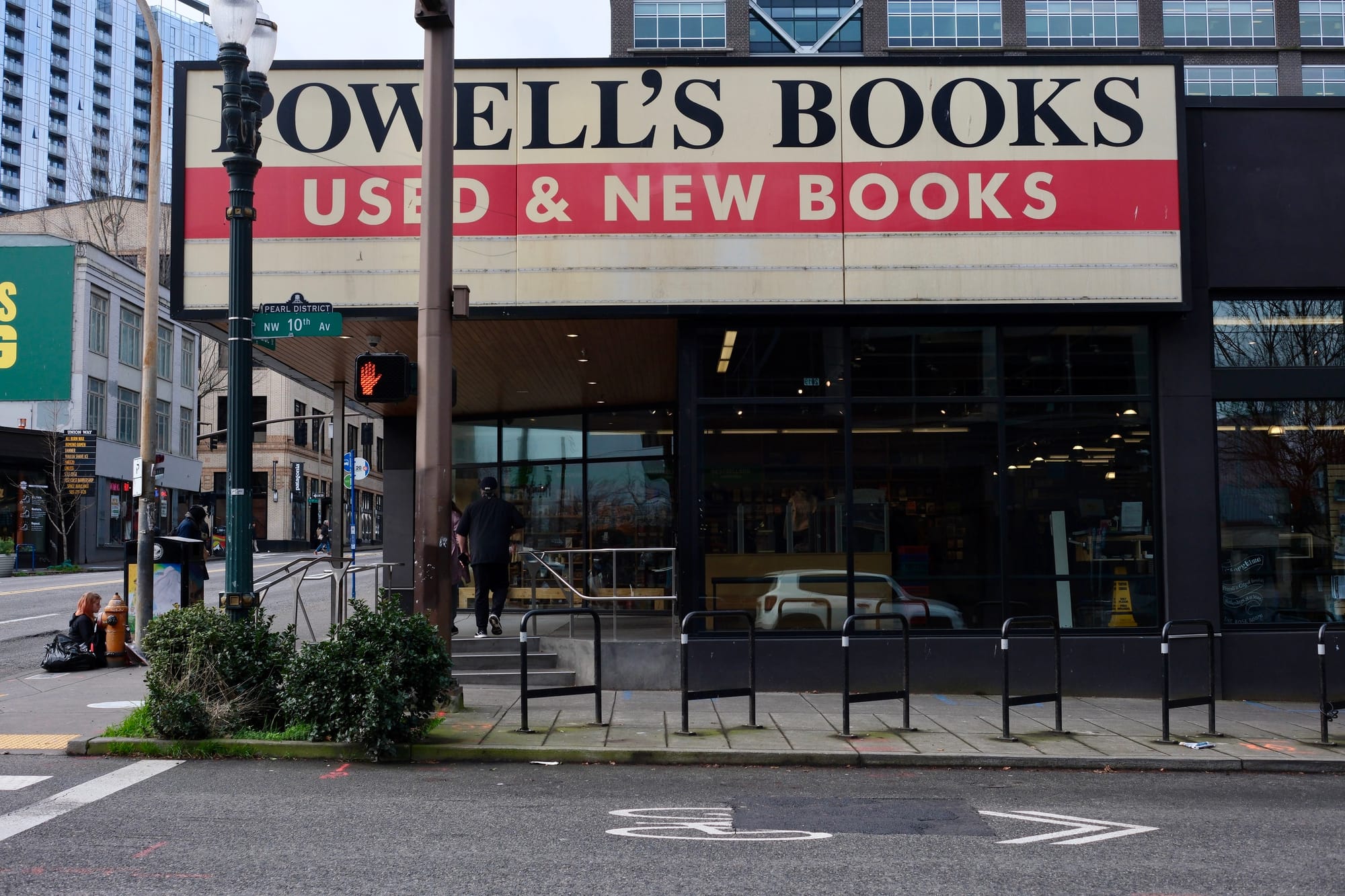
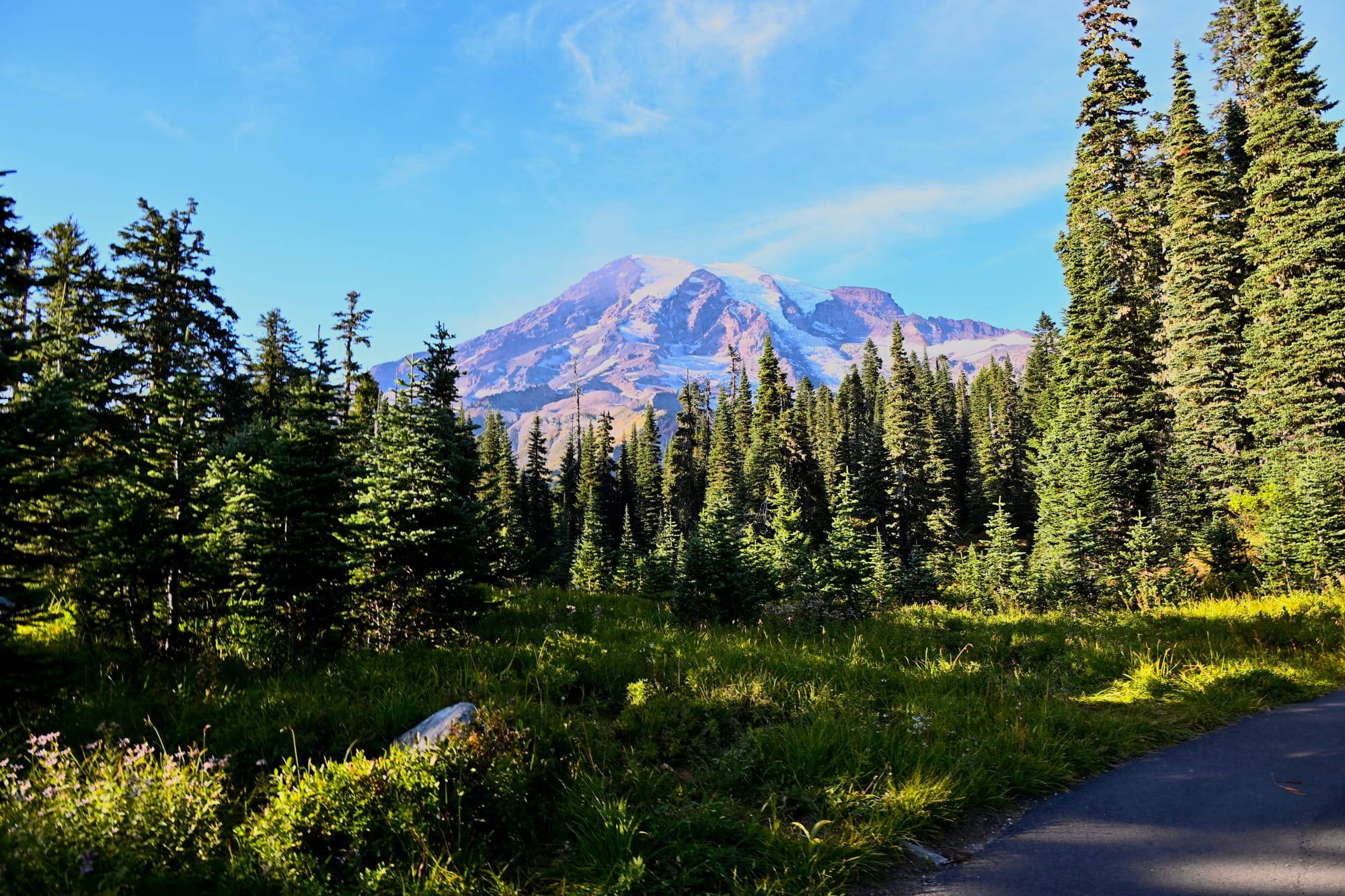
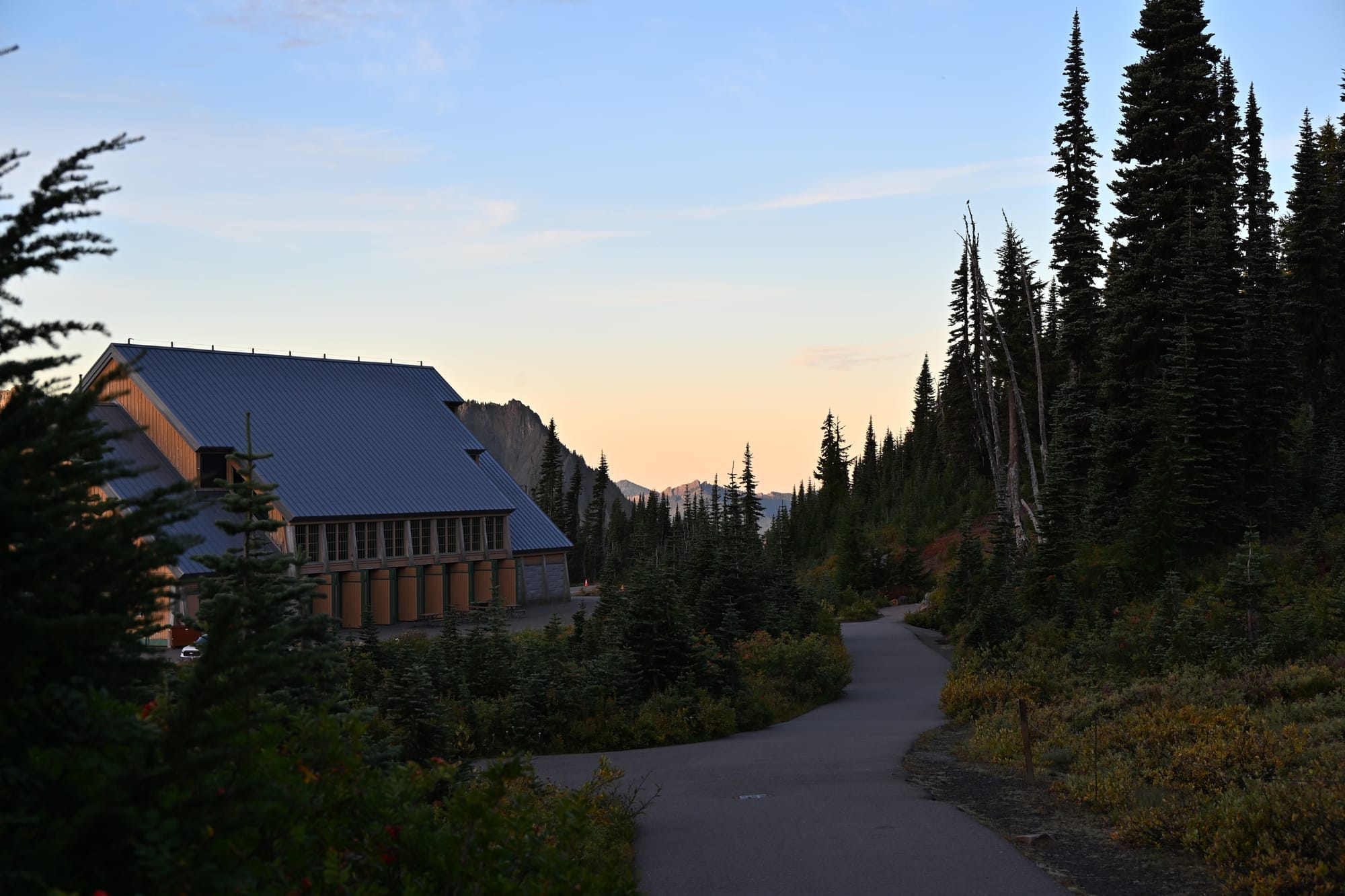
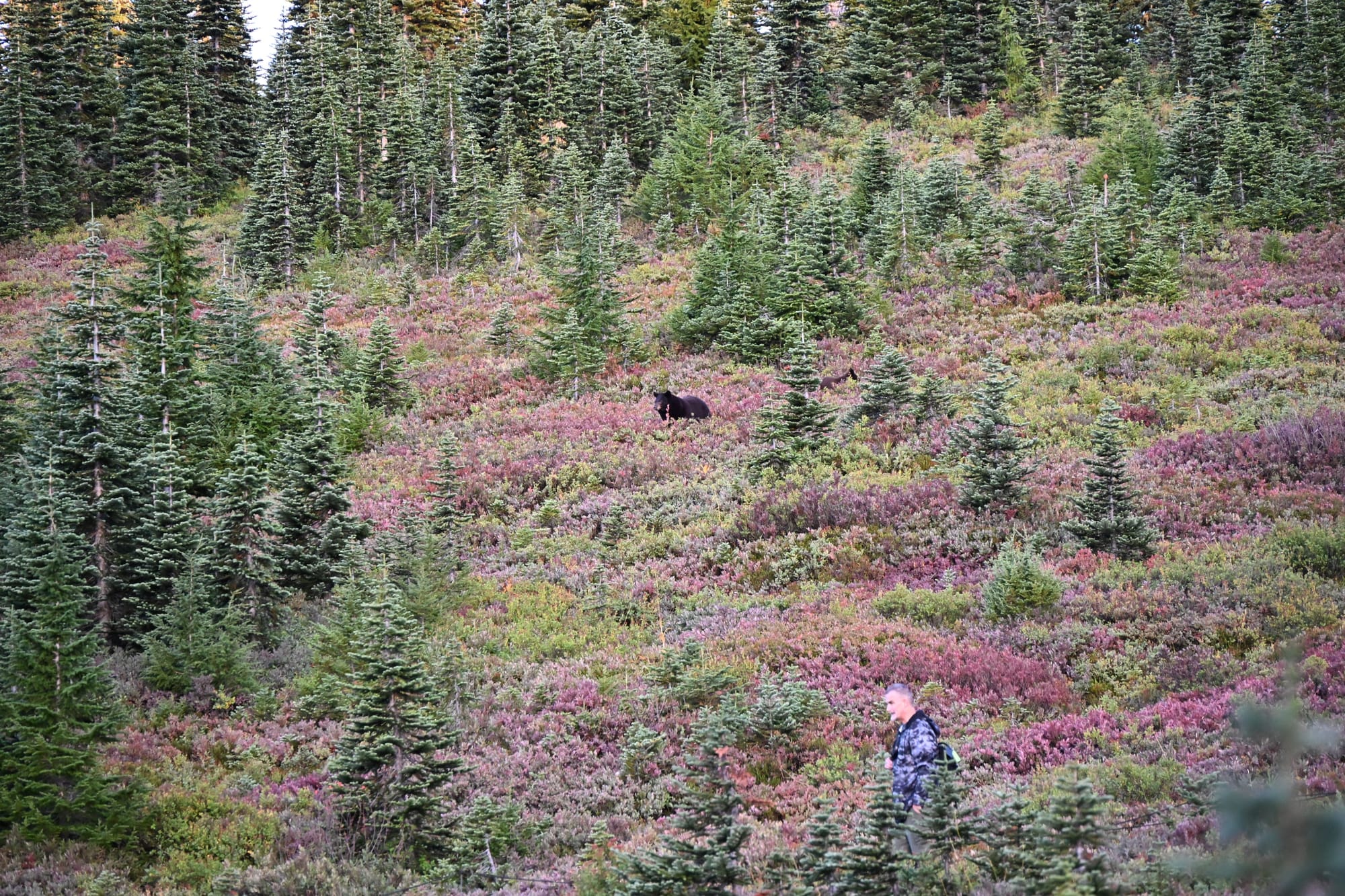
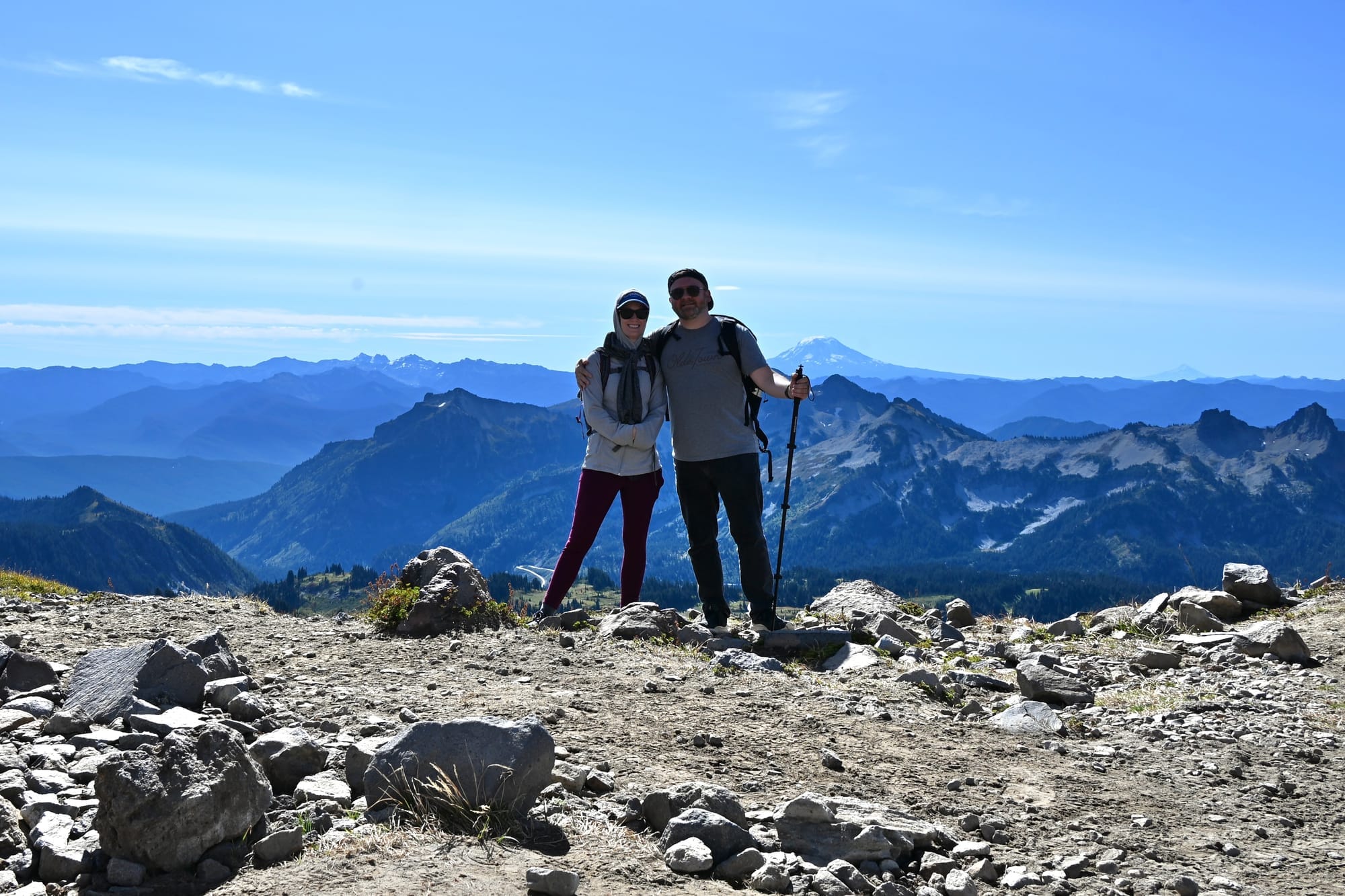
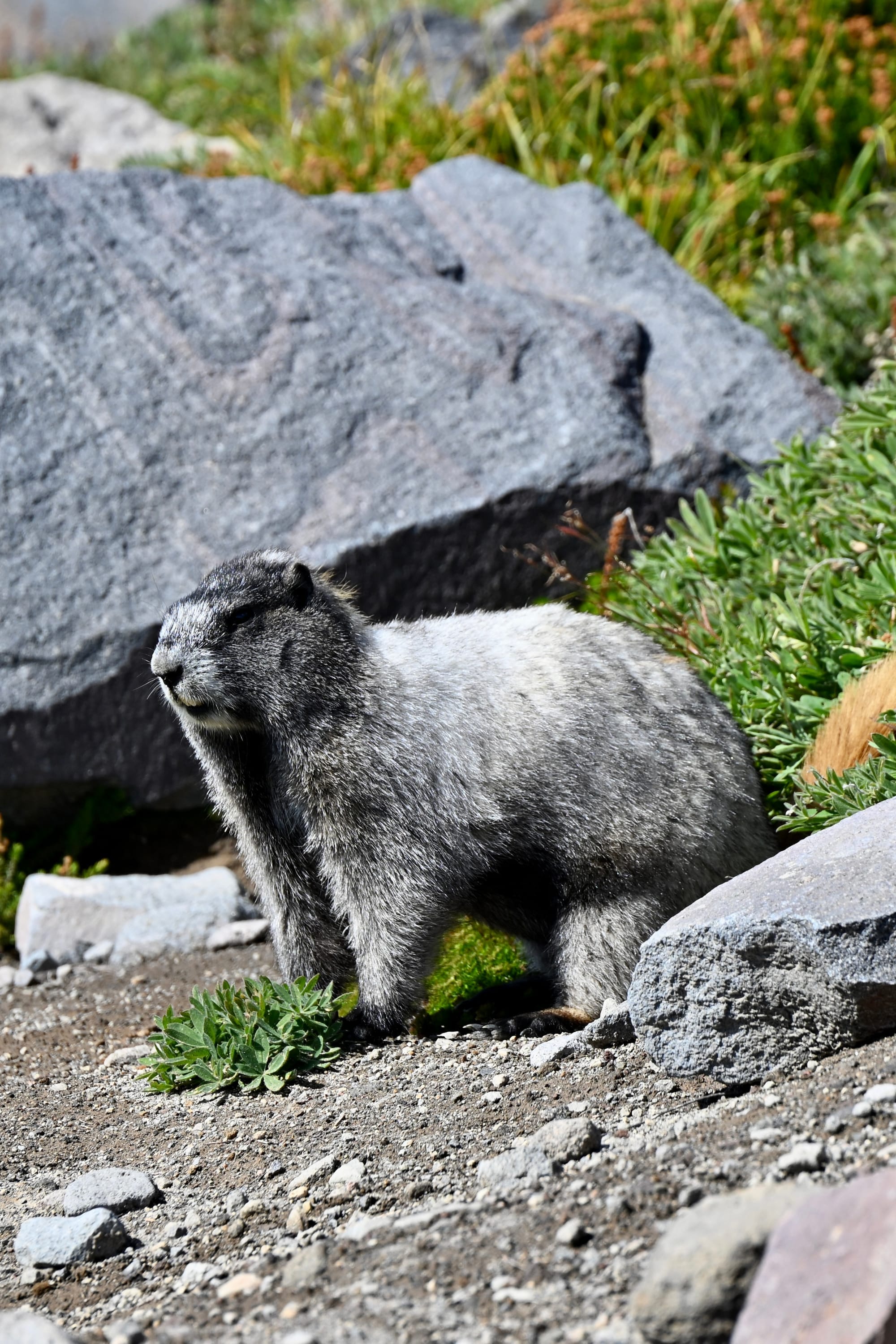
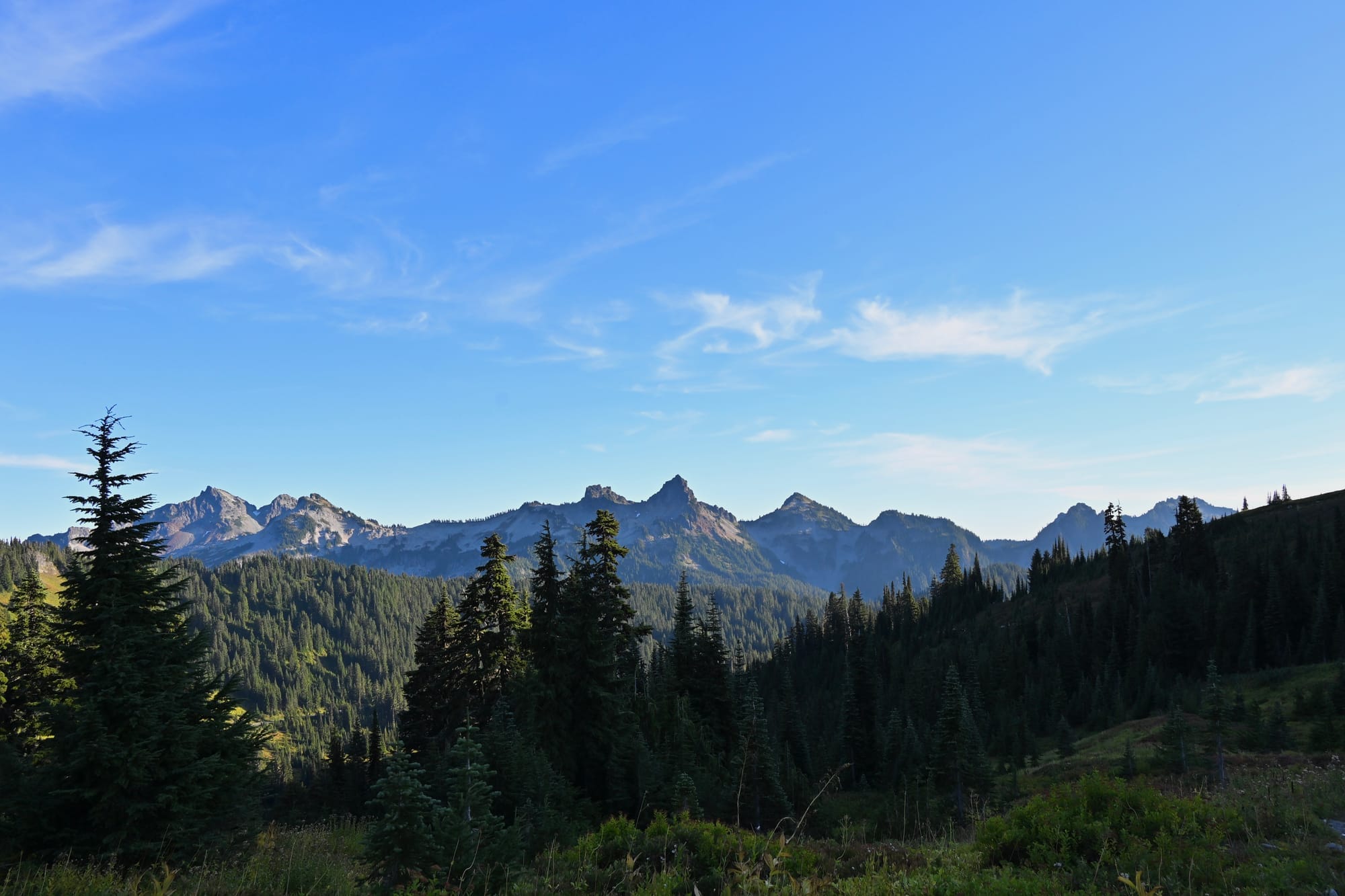
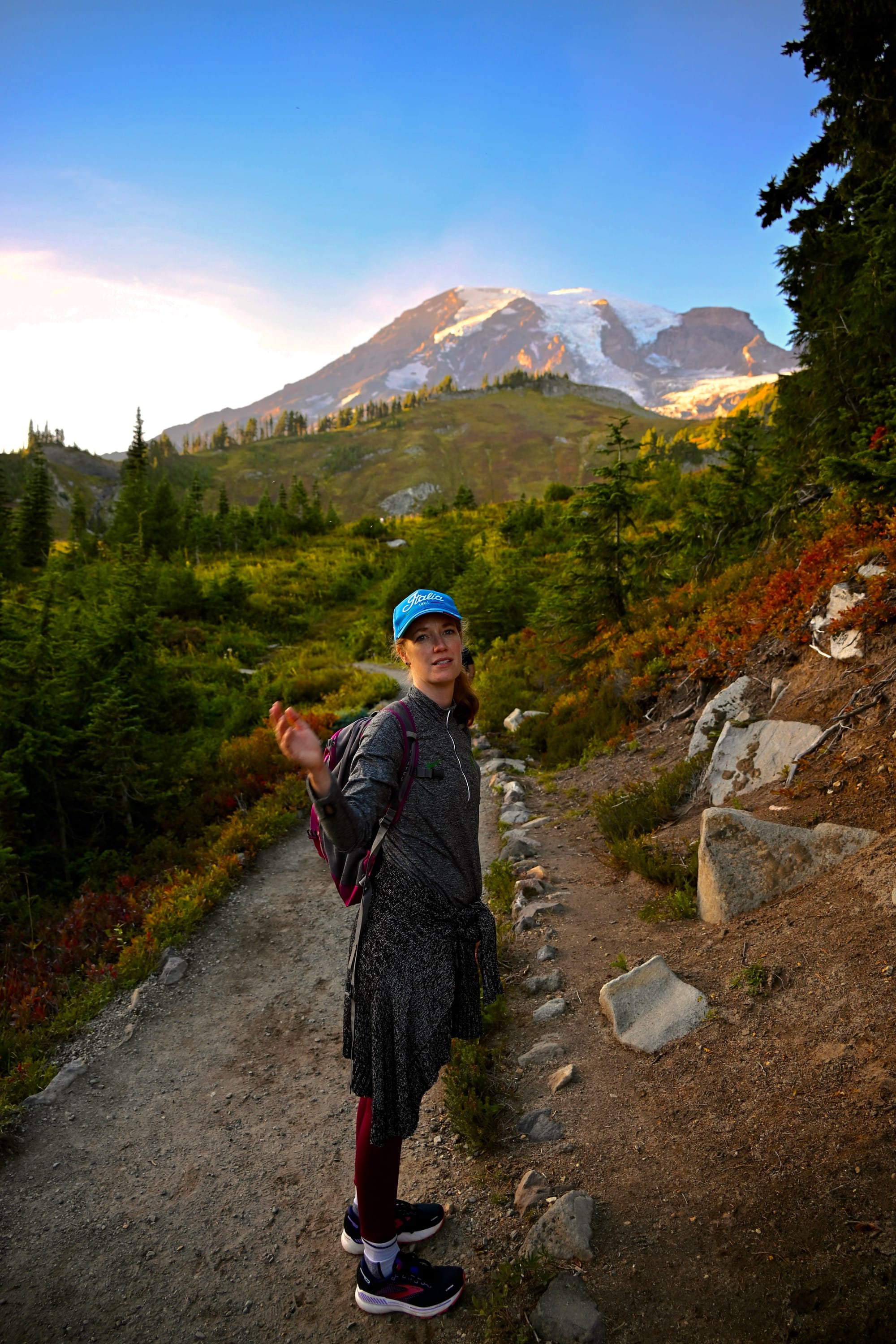
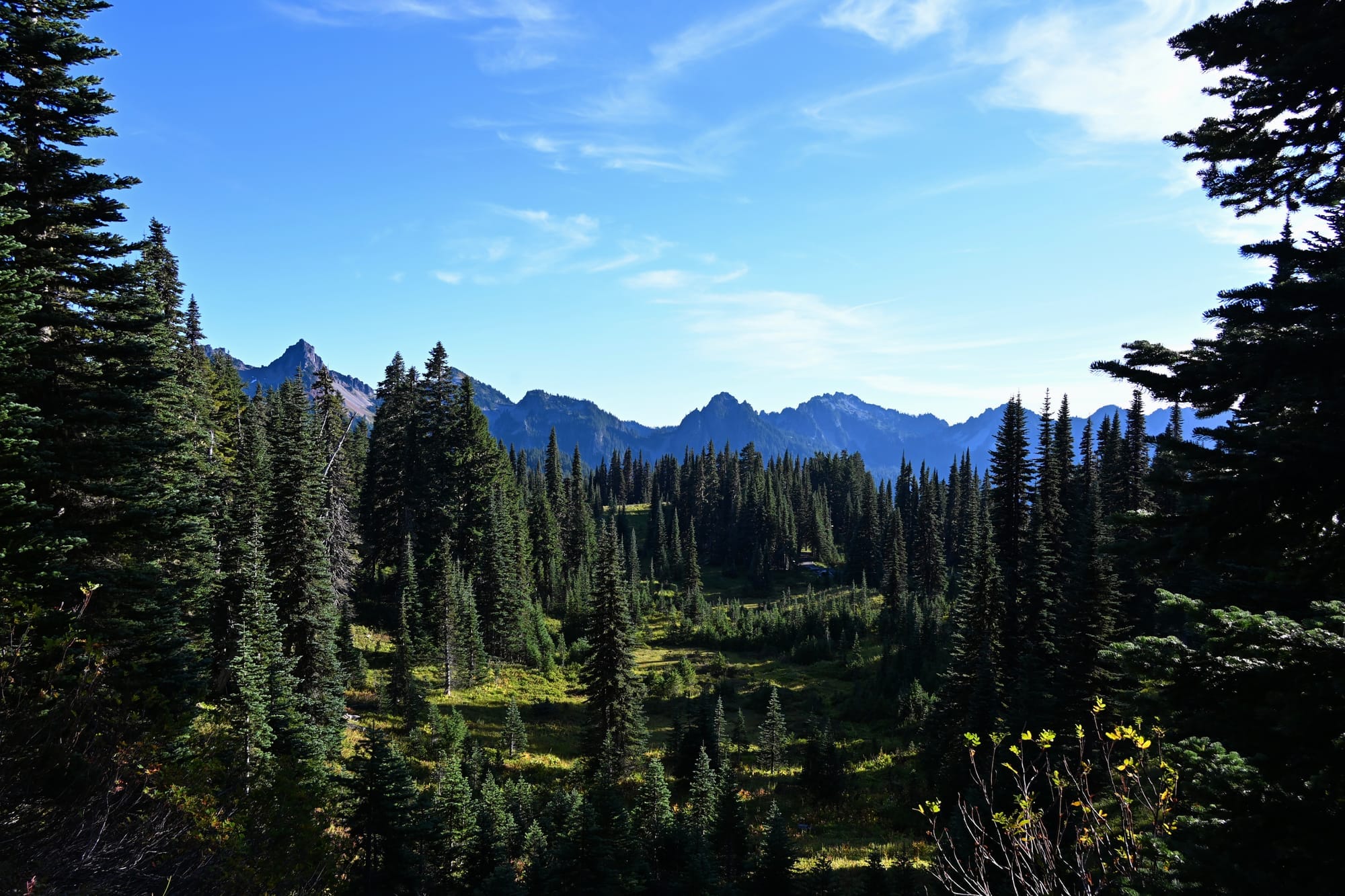
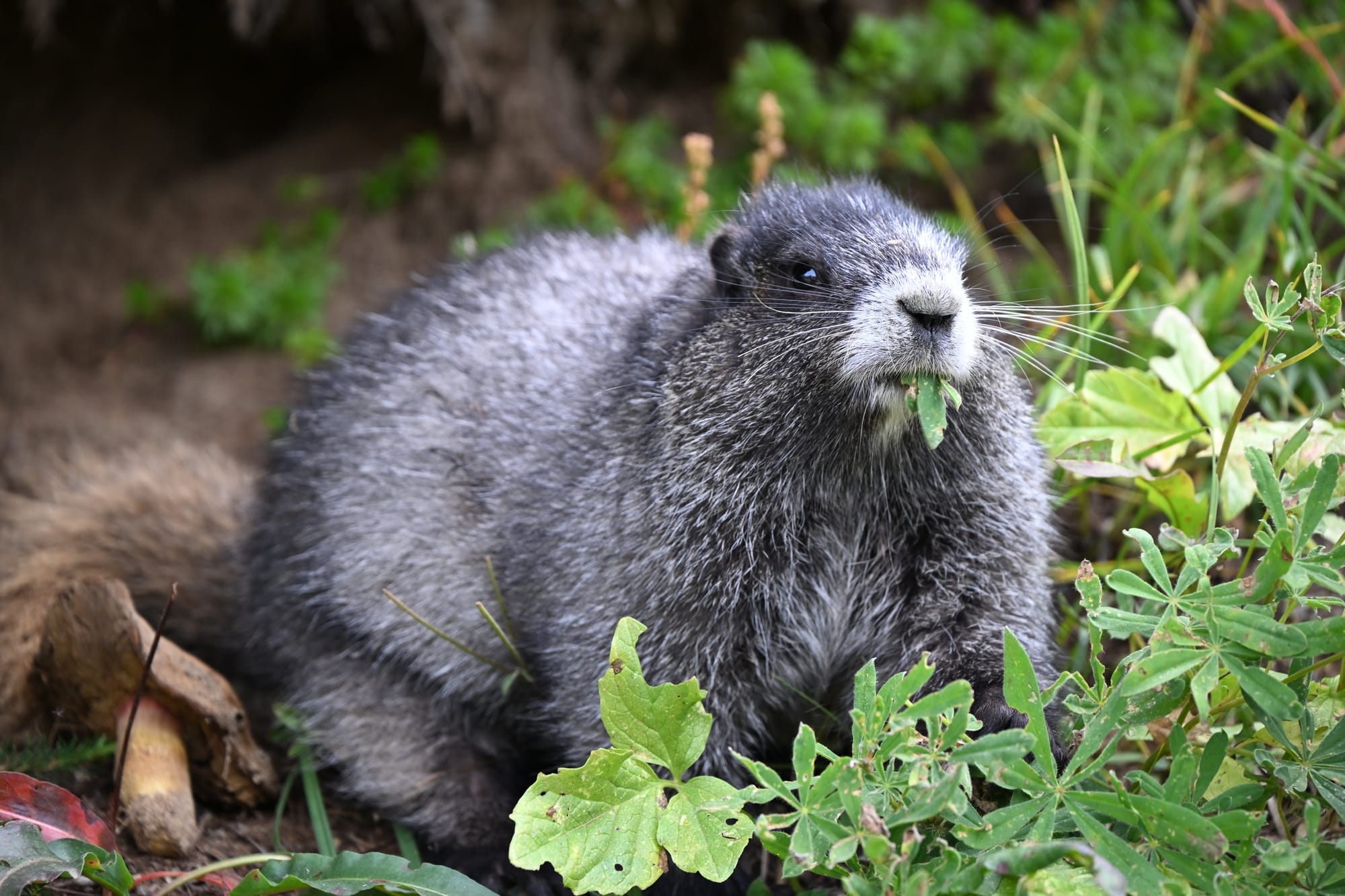
Our getaway to Mt. Rainier. Only took me 9 years since moving to Oregon to finally drive up there and check it out. Some crowds, but well worth it!
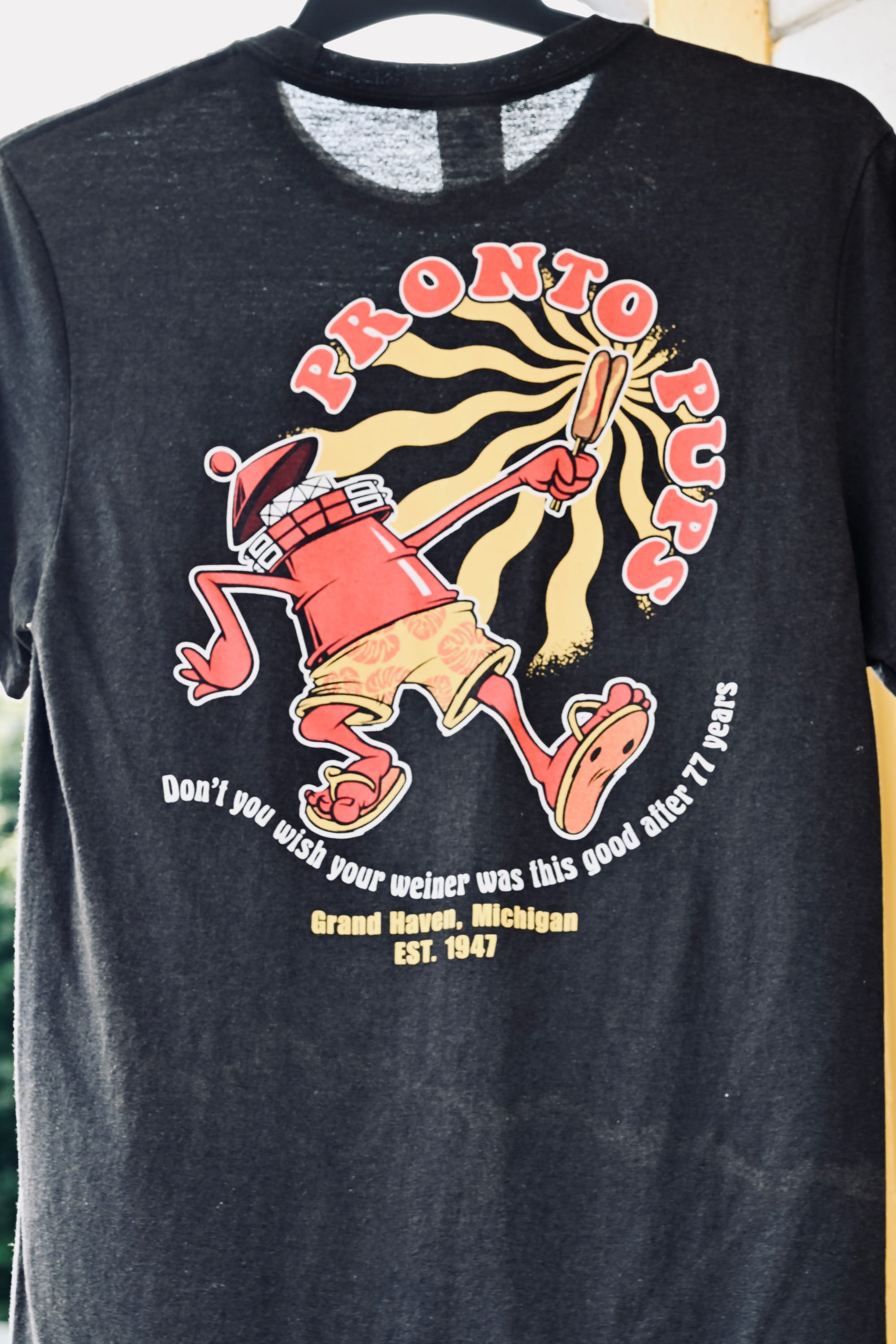
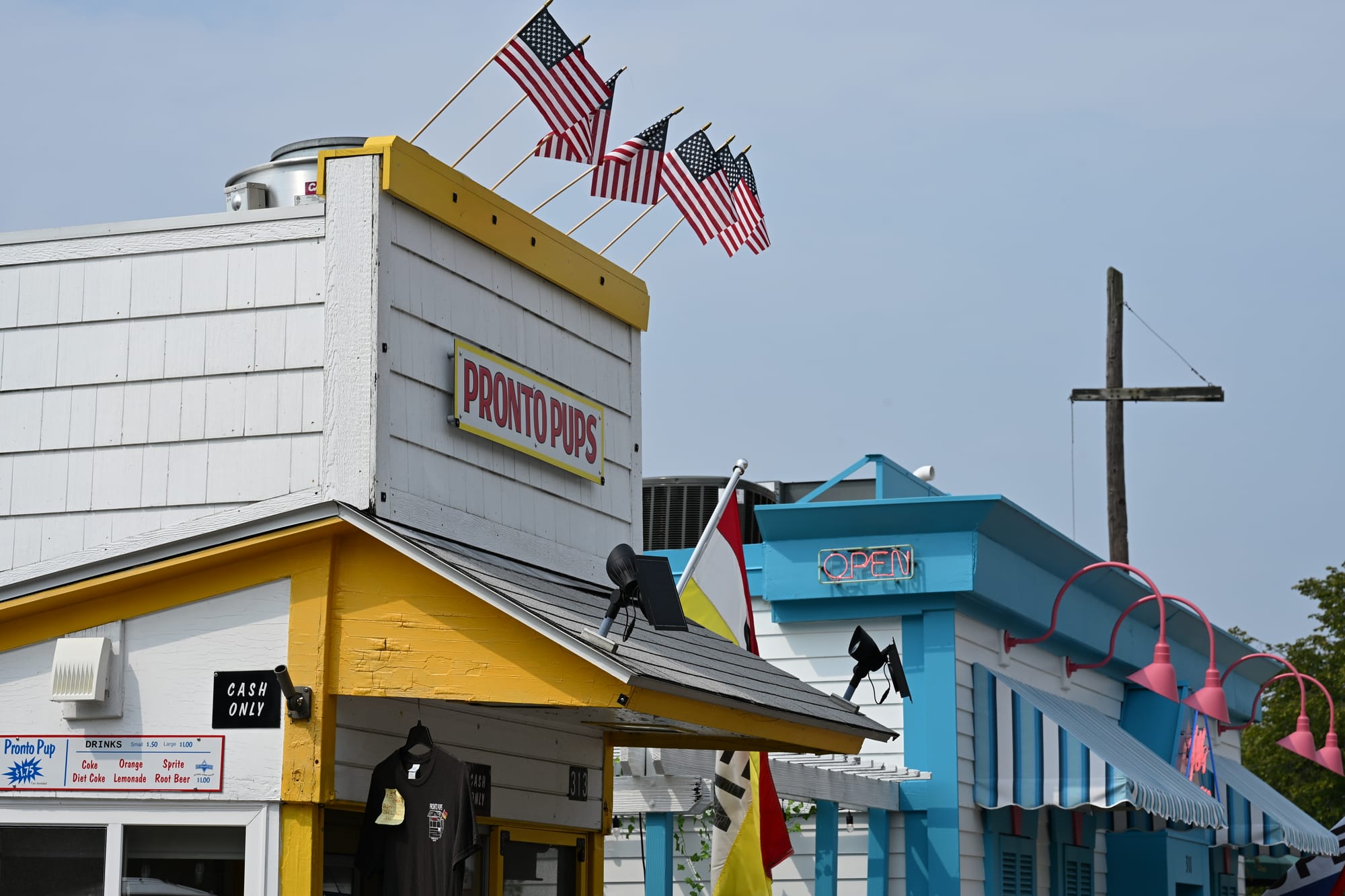
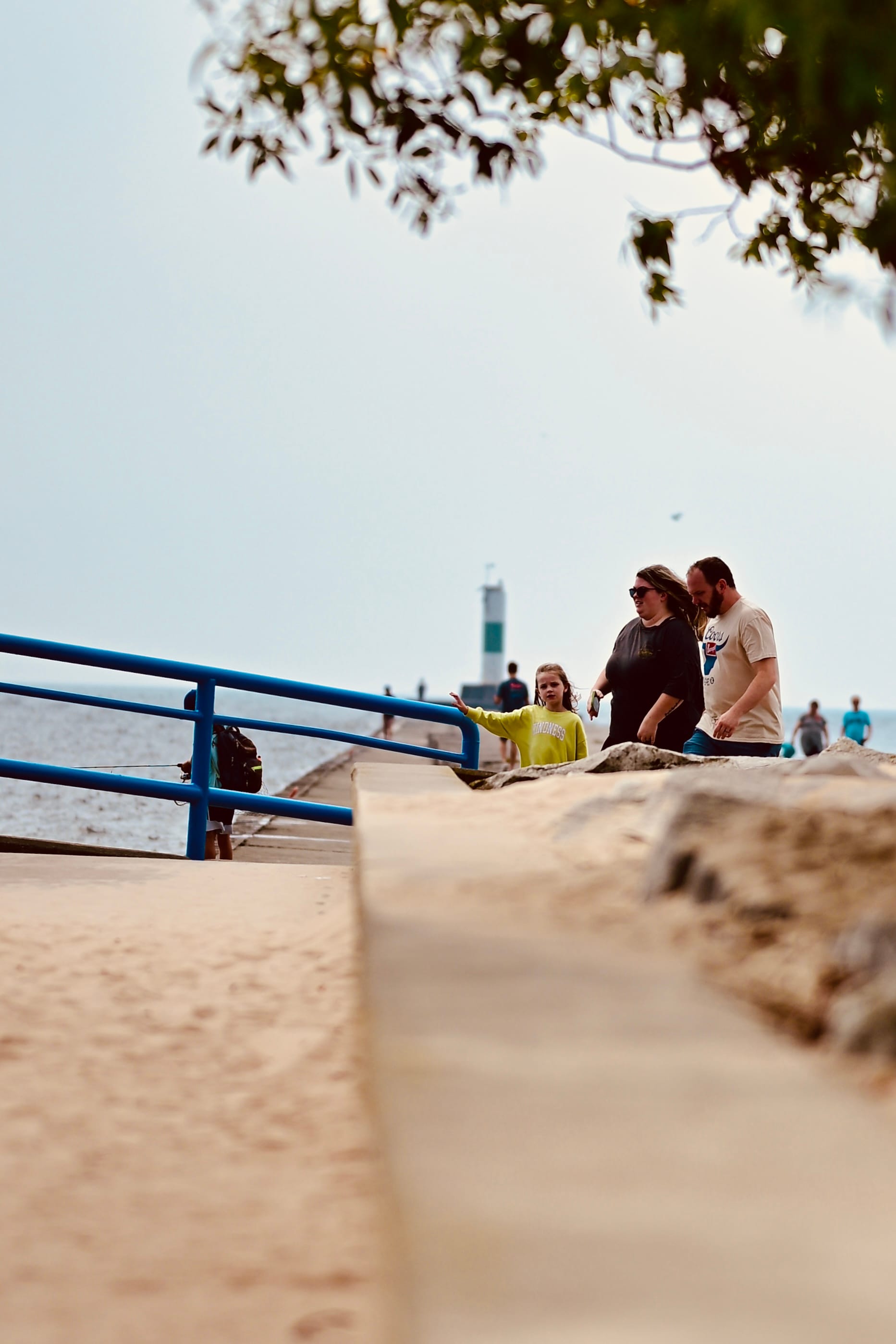
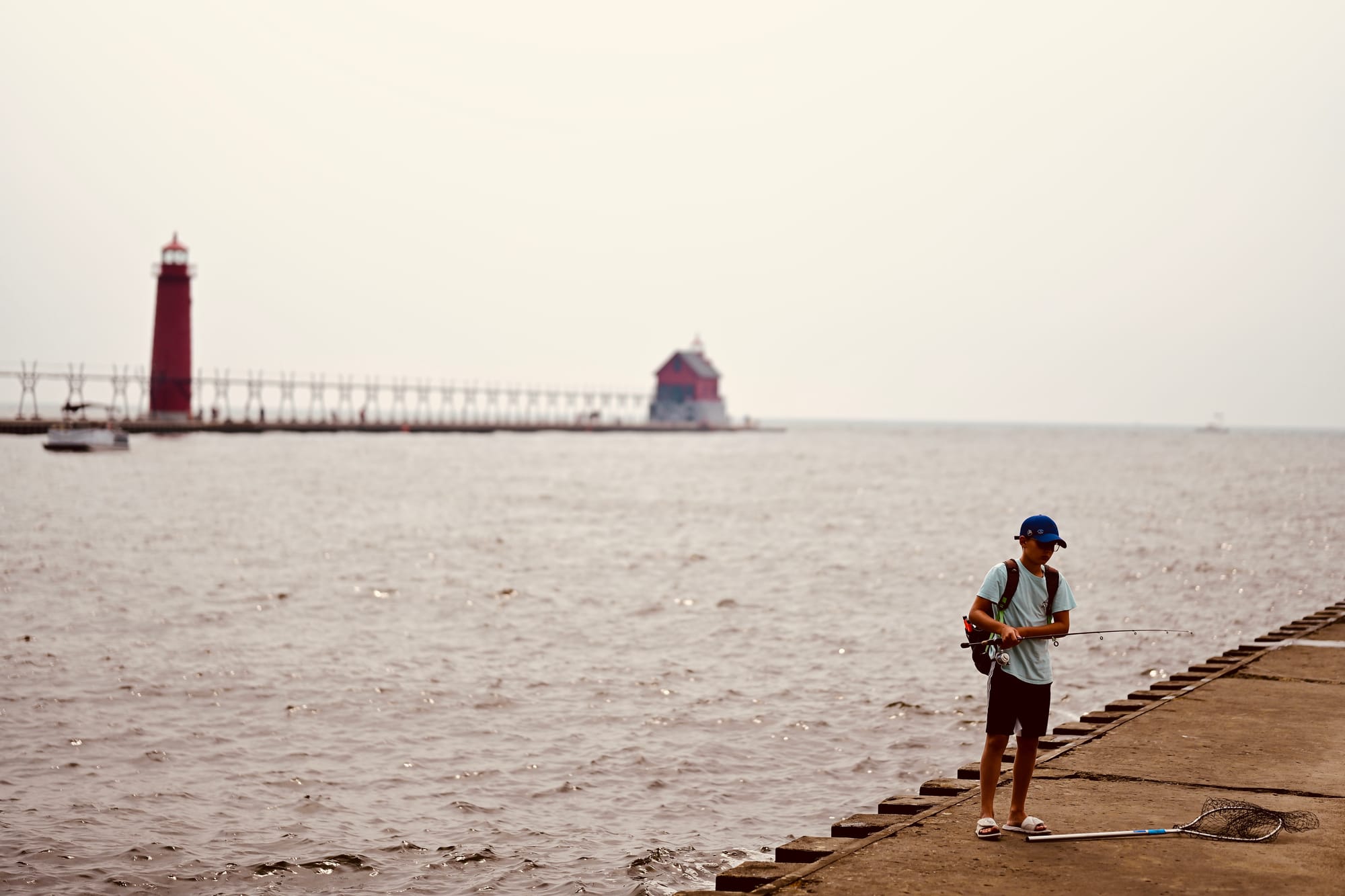
Grand Haven South Pierhead Outer Lighthouse
One of my all-time favorites.

Cadore: North to the Mountains
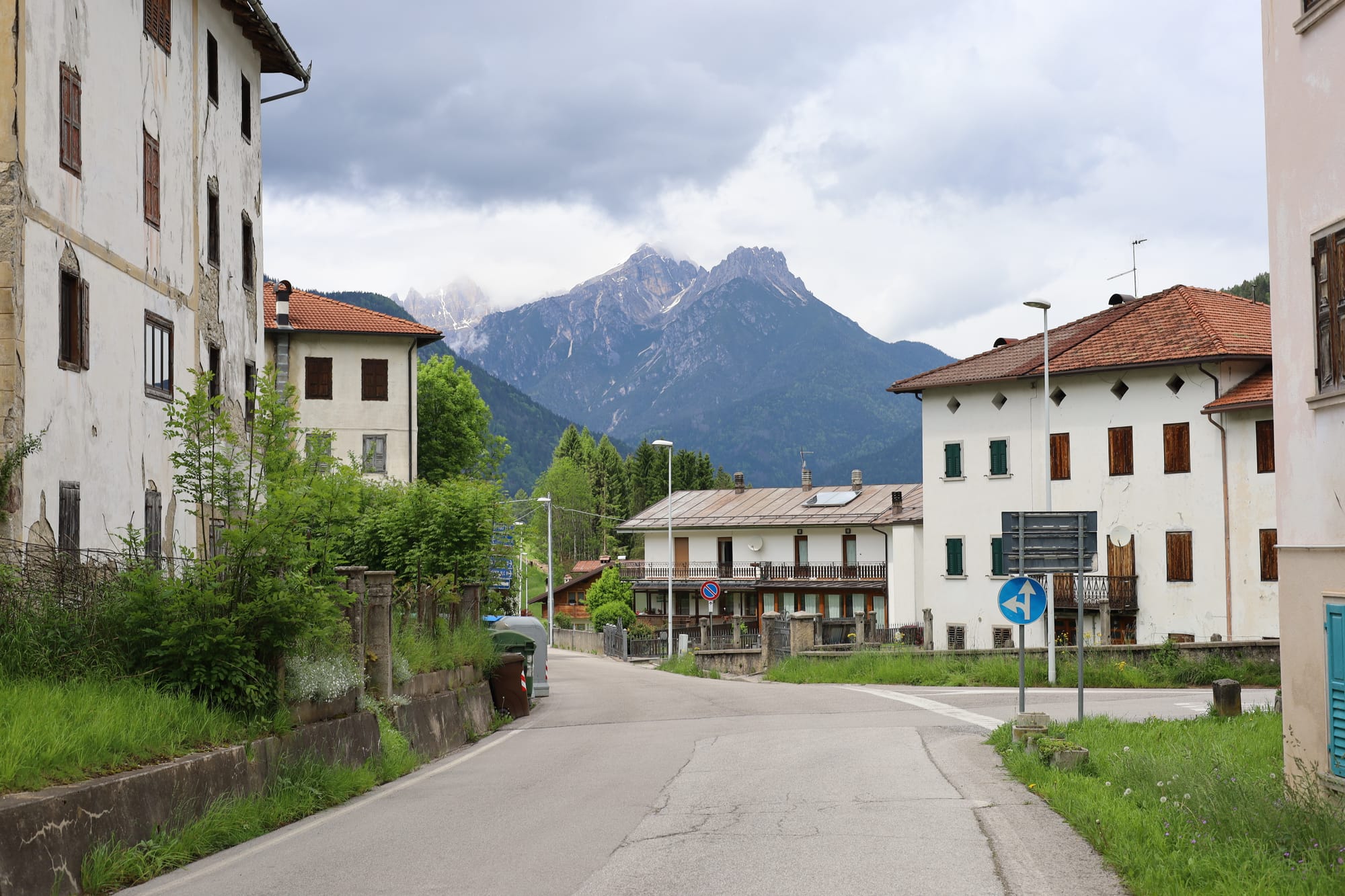
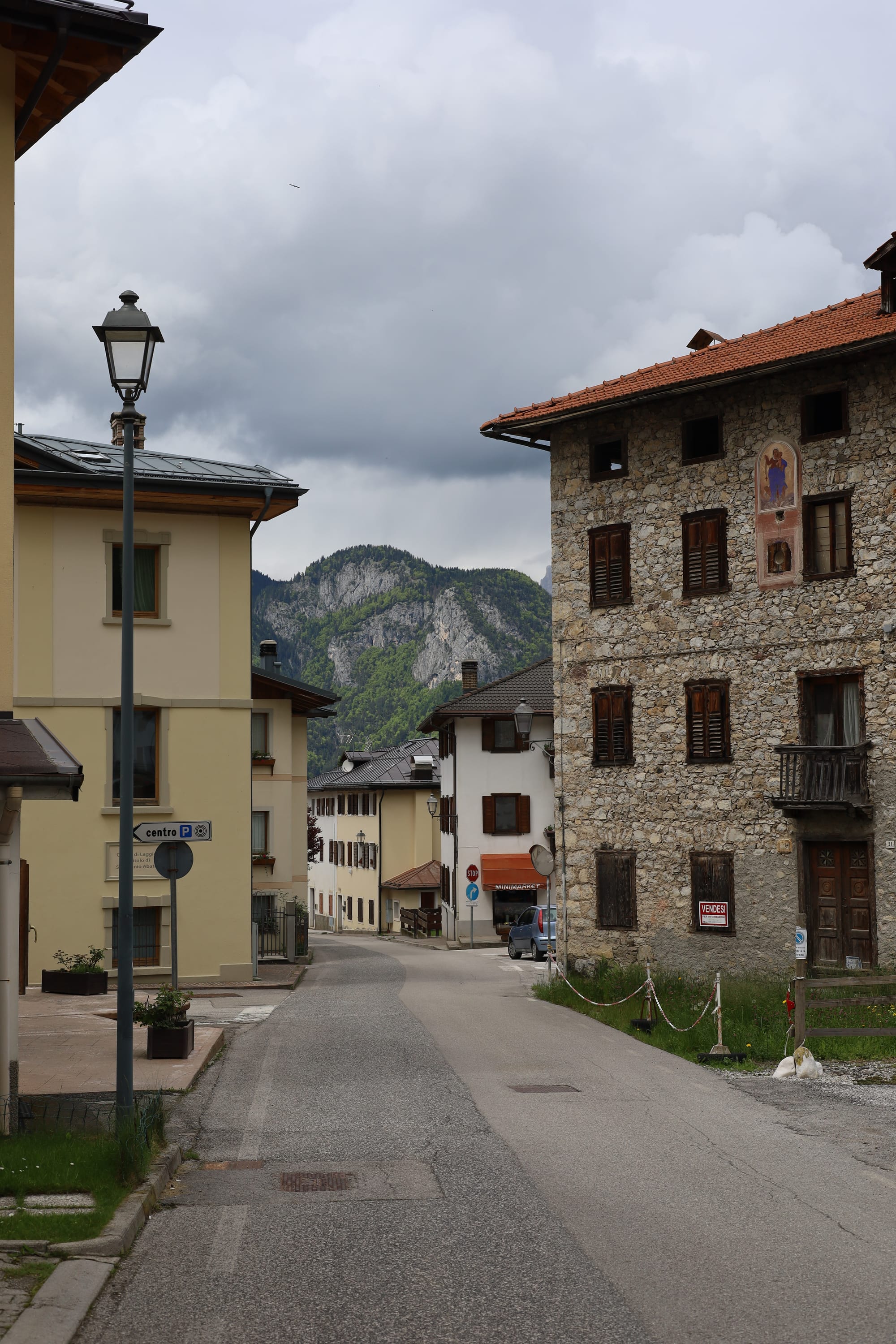
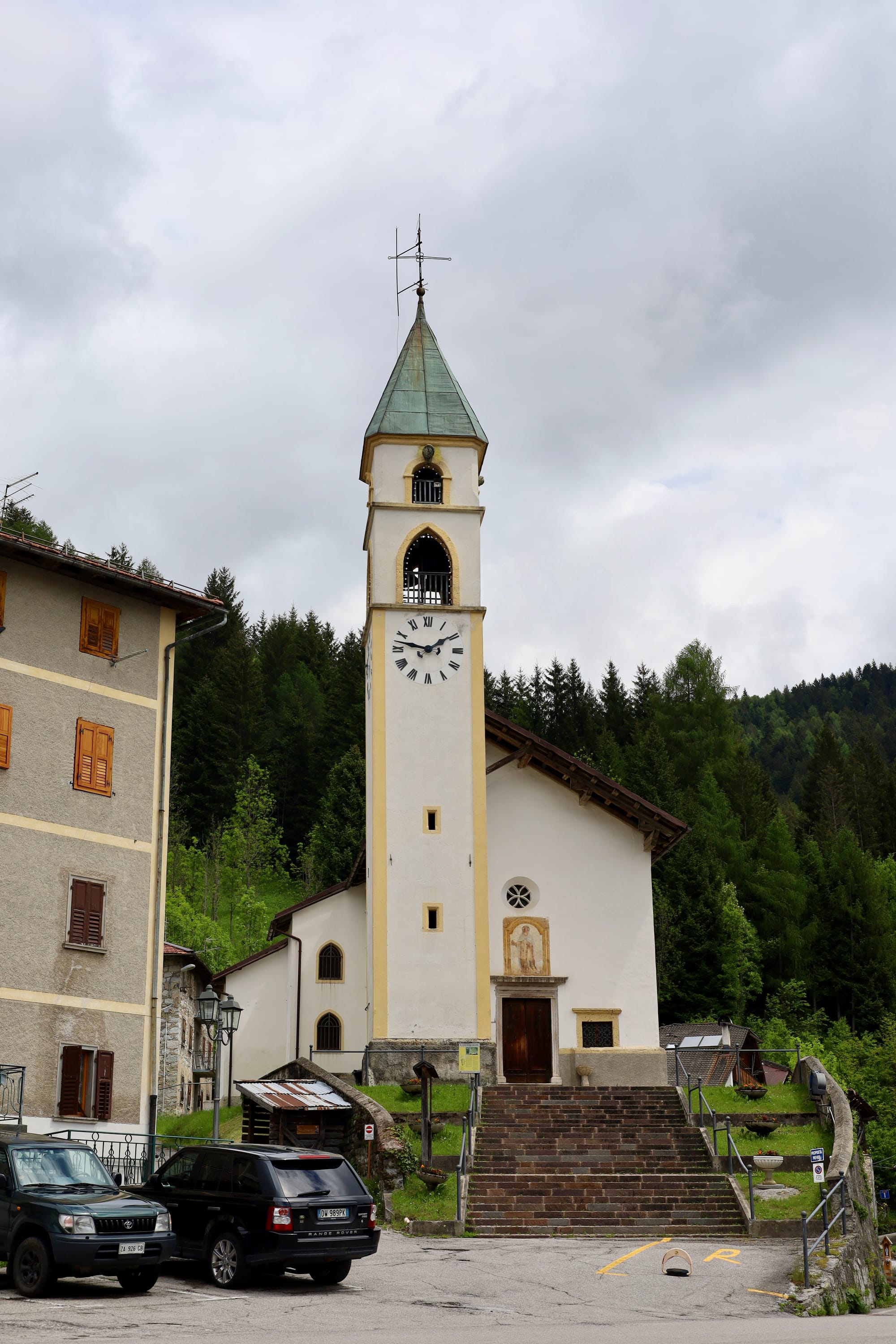
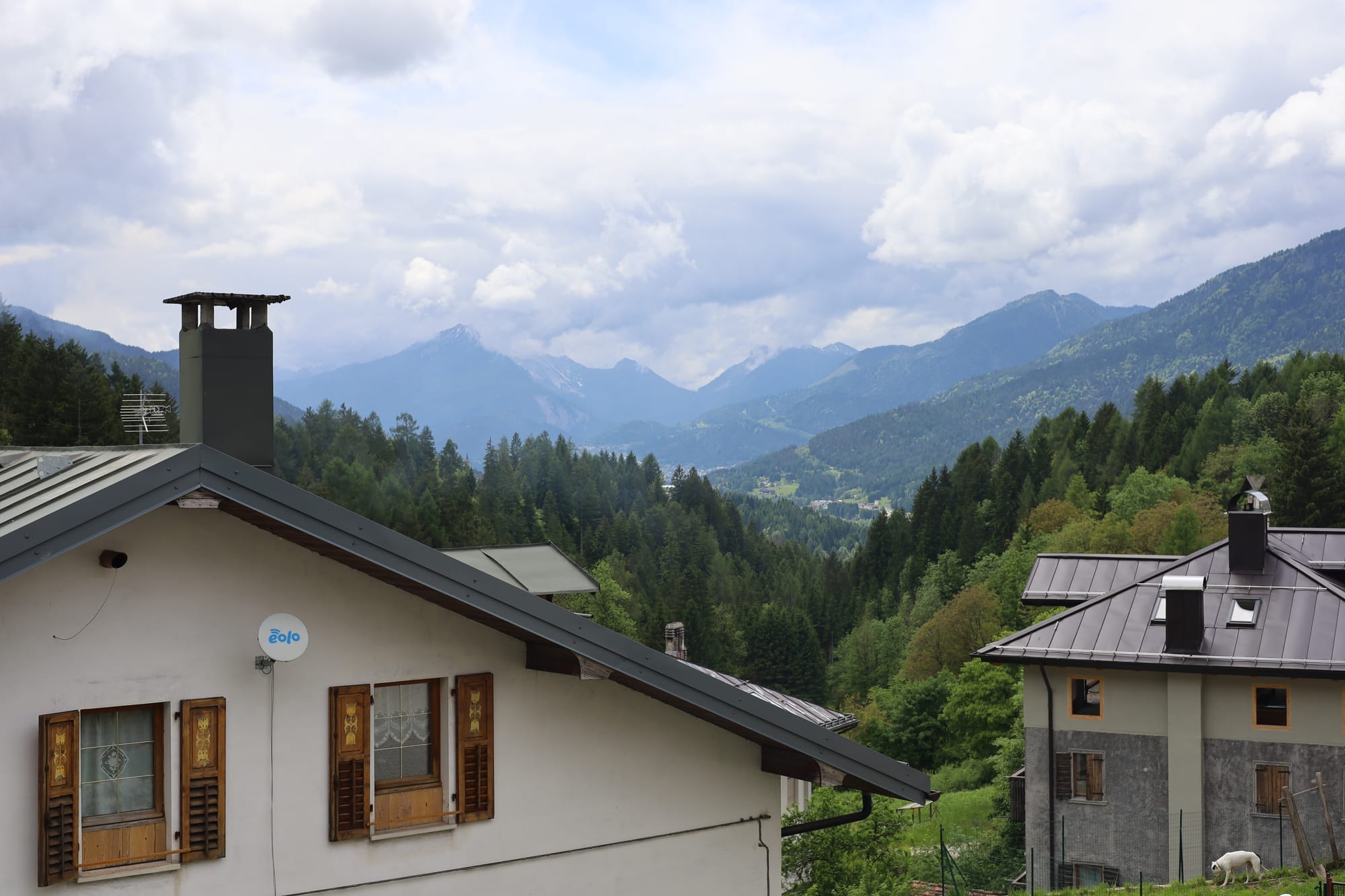
We left Venice early, heading north toward the Dolomites. We took a water taxi from San Marco, and then a short train ride into Mestre to rent a car. The drive from Mestre felt like a steady climb through layers of landscape and time. My great-grandparents came from Cadore, a group of small towns in the mountains near the Austrian border. The one that matters to my family is Vigo di Cadore, which includes the nearby village of Laggio di Cadore. It's where my children and I are registered as Italian citizens living abroad.
This part of the trip was the most personal. My grandmother, born in the United States to two Italians, had visited the area more than twenty years ago. She passed away several years back, but I inherited many of her documents and photos, including the photos and notes from her trip.
My grandmother had no interest in dual citizenship herself. She was deeply patriotic and skeptical of Italy's politics, but she was a primary and only living source of some of the records I'd eventually need, particularly my formerly estranged and now long-deceased father's name change. Without her, I wouldn't have been able to complete the application.
The citizenship process took seven years and more paperwork than I could have imagined. Perhaps in some cosmic fate plugged into my own sense of humor, my citizenship was recognized and approved on Election Day in 2020 while I was biting my nails waiting for the results to come in for the presidential race. A small but meaningful moment. Soon after, I registered my son, and later my daughter. It gives me some comfort to know that they'll have the option to live, study, or work in Italy someday if they choose.
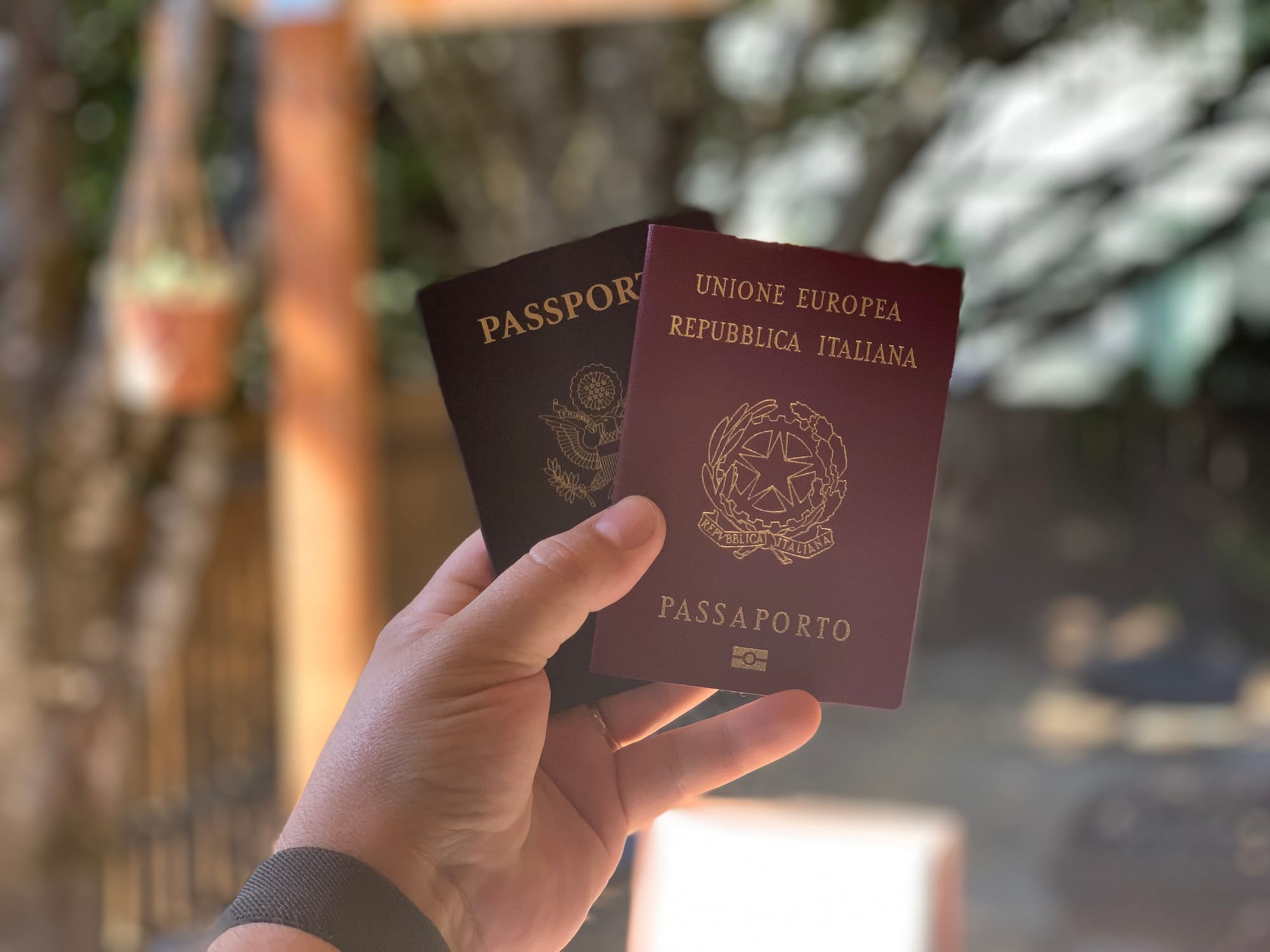
Outside of fleeting daydreams, or more recently my political nightmares, I don't romanticize the idea of moving abroad permanently anymore. Maybe this is because I'm more settled now with a family and career, or maybe because I've moved great distances before and acquired the painful wisdom that life follows you wherever you go. There was certainly a time where I believed otherwise, but I no longer believe place alone can solve everything. Surely it can meaningfully impact an underlying mindset, opportunities, and even health. But it rarely will satisfy on its own, for any length of time, pangs of longing to be someone different. But I digress. Still, I can imagine spending longer stretches in Italy someday. Half a year at a time, maybe a summer as a family.
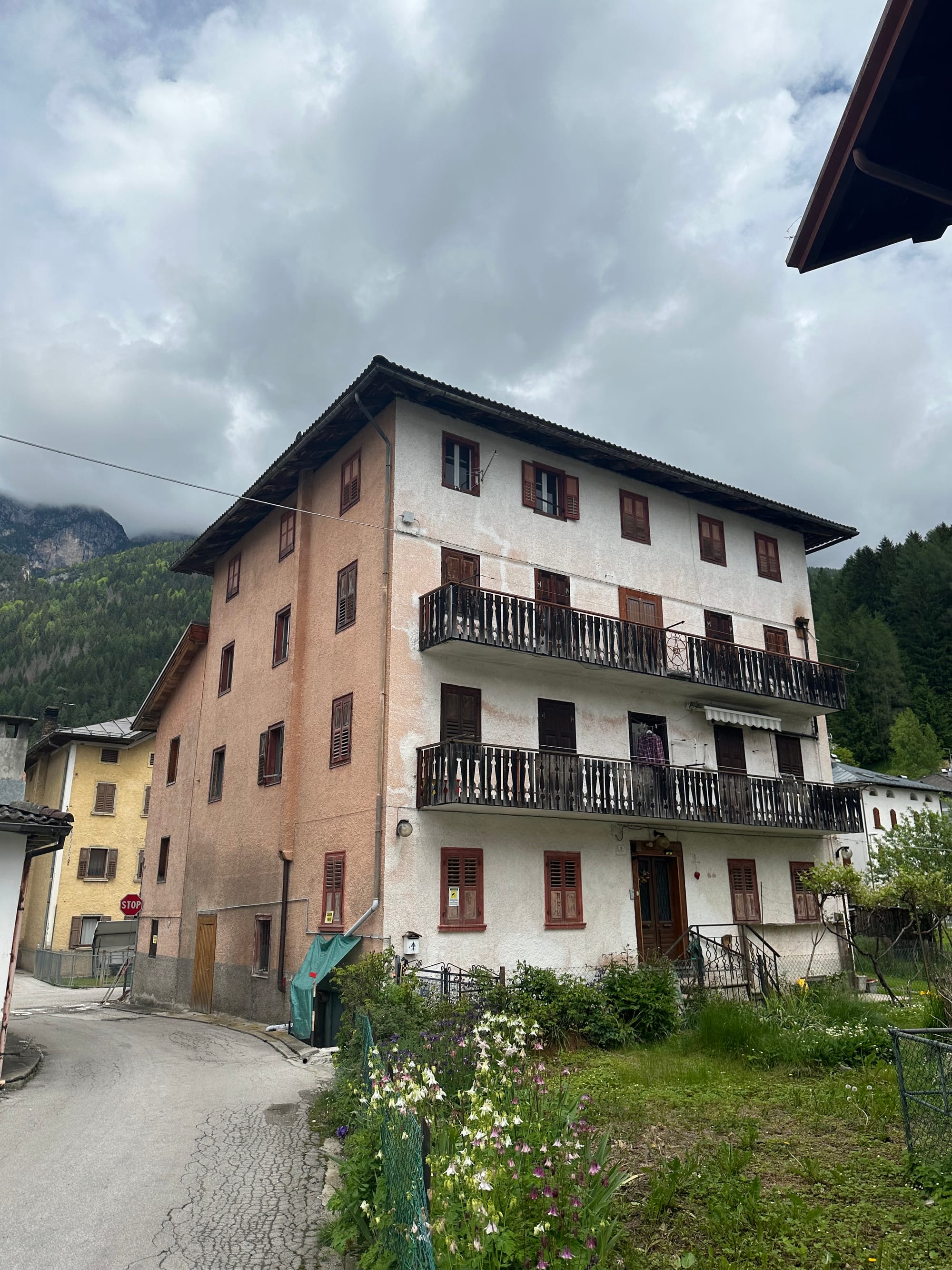
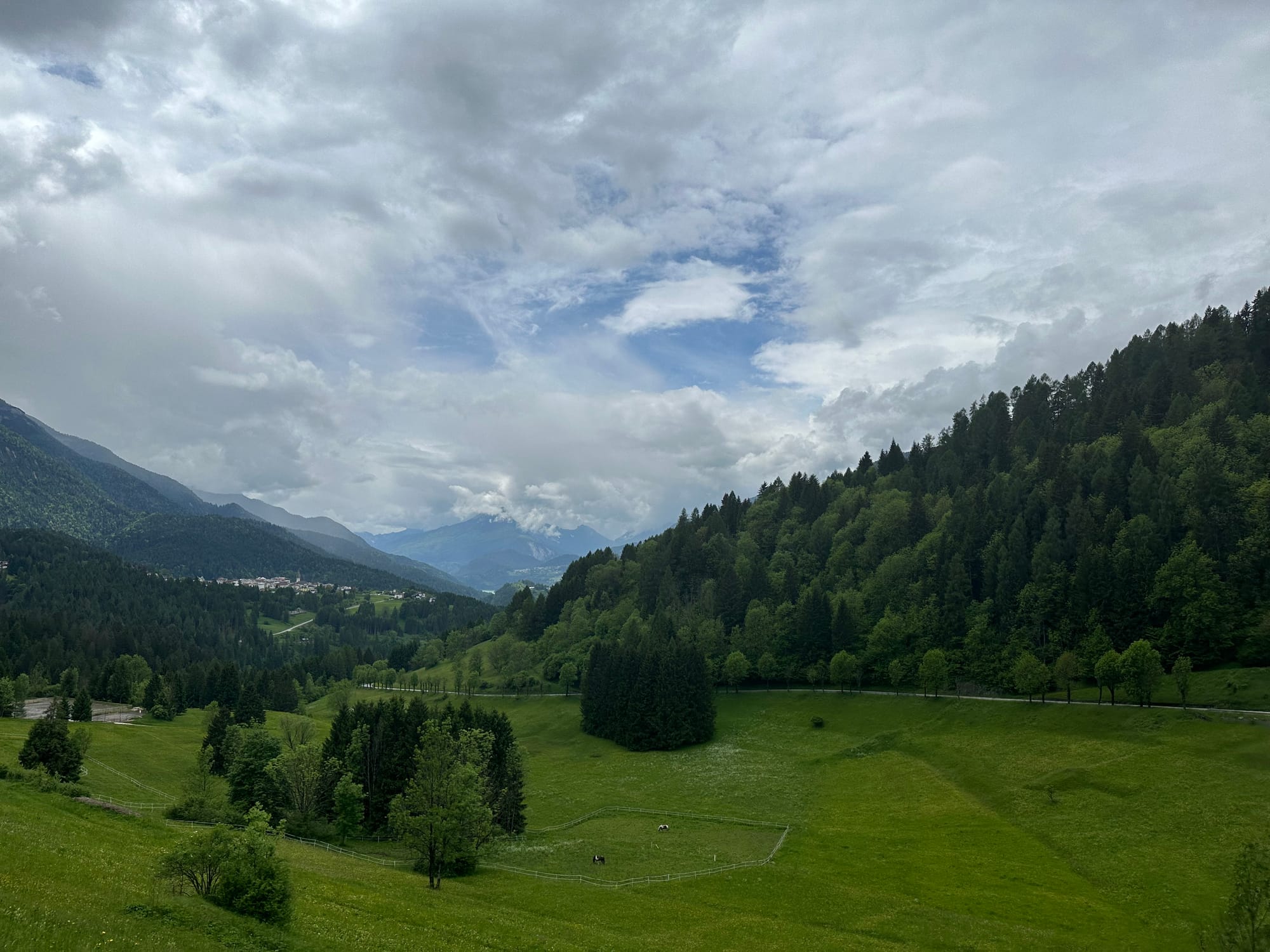
Cadore felt different from the Italy most travelers picture. The architecture leans alpine with its wooden chalets and steep roofs, deep balconies, and neatly stacked firewood. The language shifts between Italian and Ladin, a regional dialect still spoken there. We arrived between seasons, after skiing but before the summer hikers arrived in droves, so the towns were pretty quiet.
I visited Vigo and Laggio and found the building where my great-grandparents once lived after returning from Michigan. My great-great-grandmother, Ursula, disliked life in America and brought their family back to Italy after each successive birth of their five children, including my great-grandfather. I walked the narrow streets, stopped by the small cemetery, and learned that graves there aren't permanent. When a family's connection fades, remains are moved and space is reused. Practical, though it still caught me off guard.
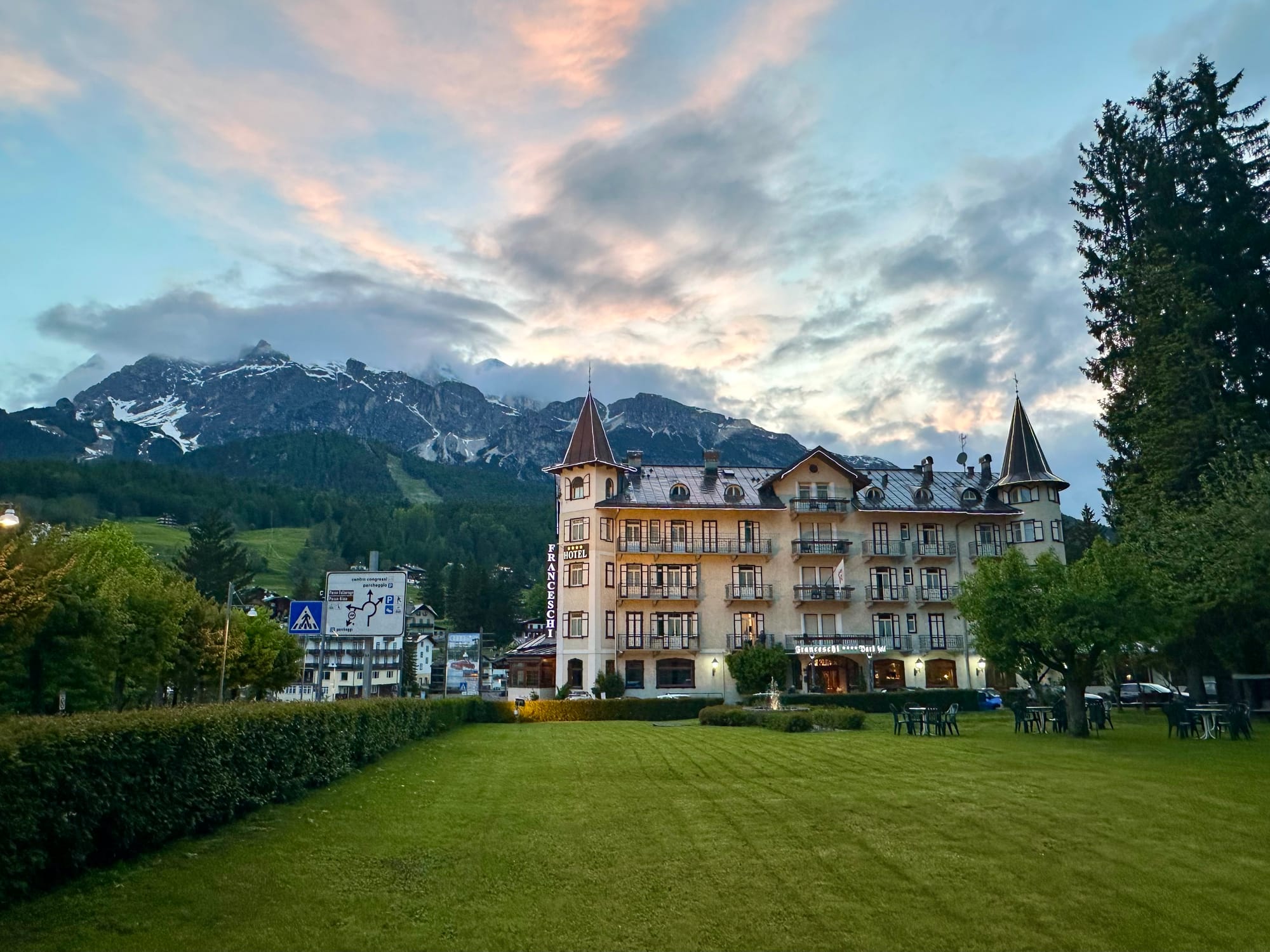
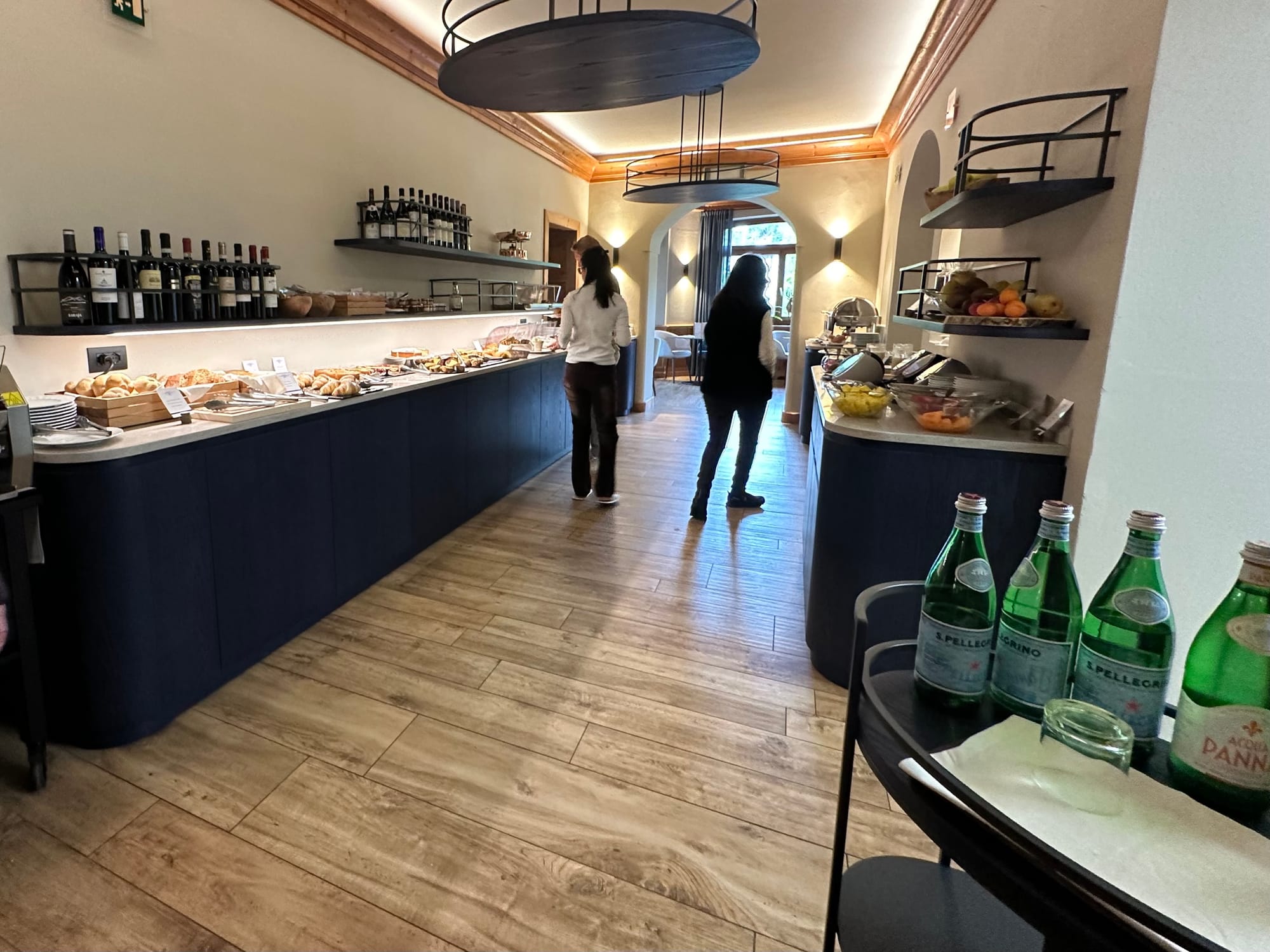
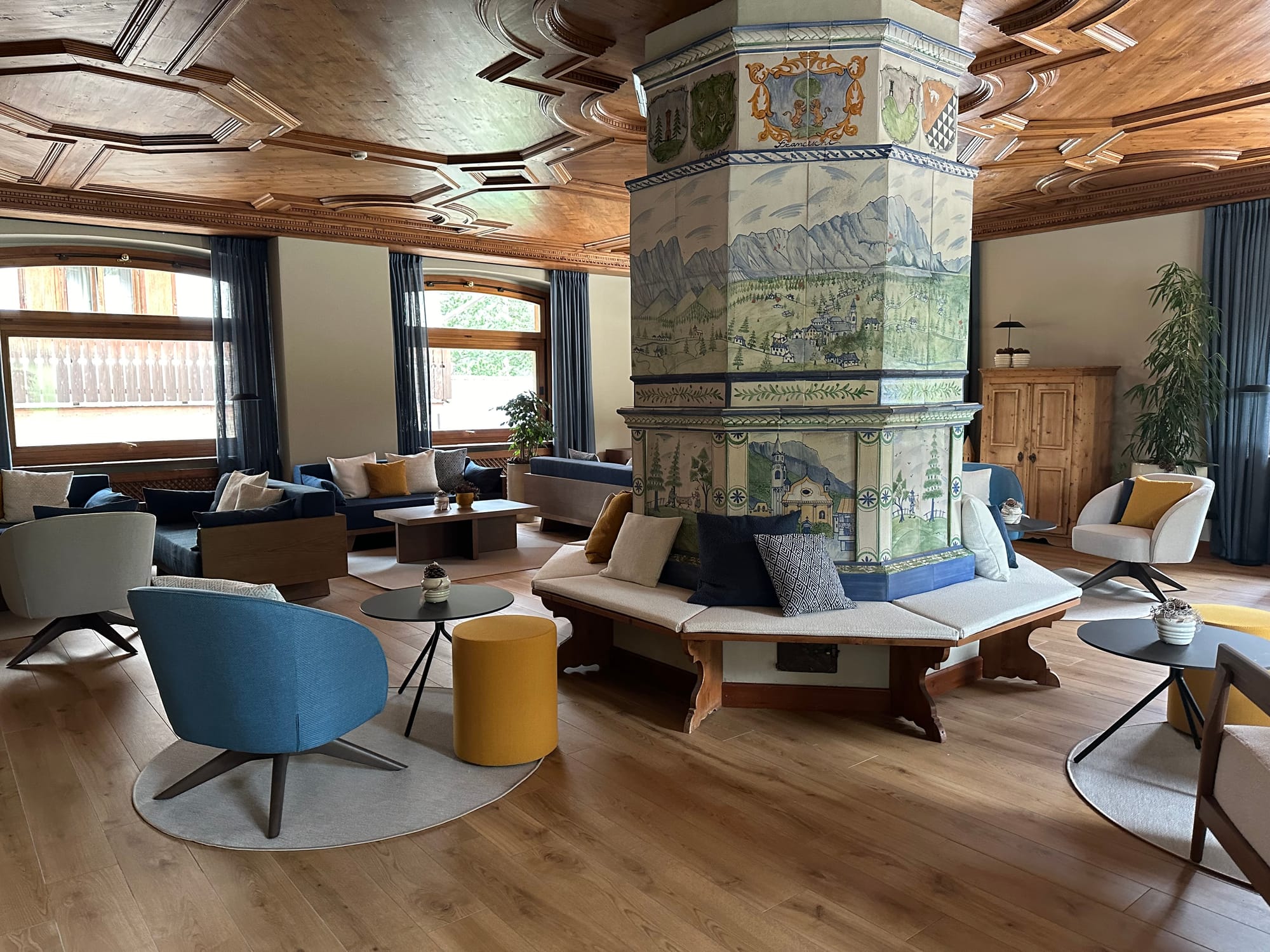
We based ourselves in Cortina d'Ampezzo for this leg of the trip, about an hour away. It's more polished and commercial than Cadore and closer in feel to a ski town like Breckenridge, but it was a convenient base for a short visit. We stayed at the Franceschi Park Hotel, which was quiet in the off-season and surprisingly affordable.
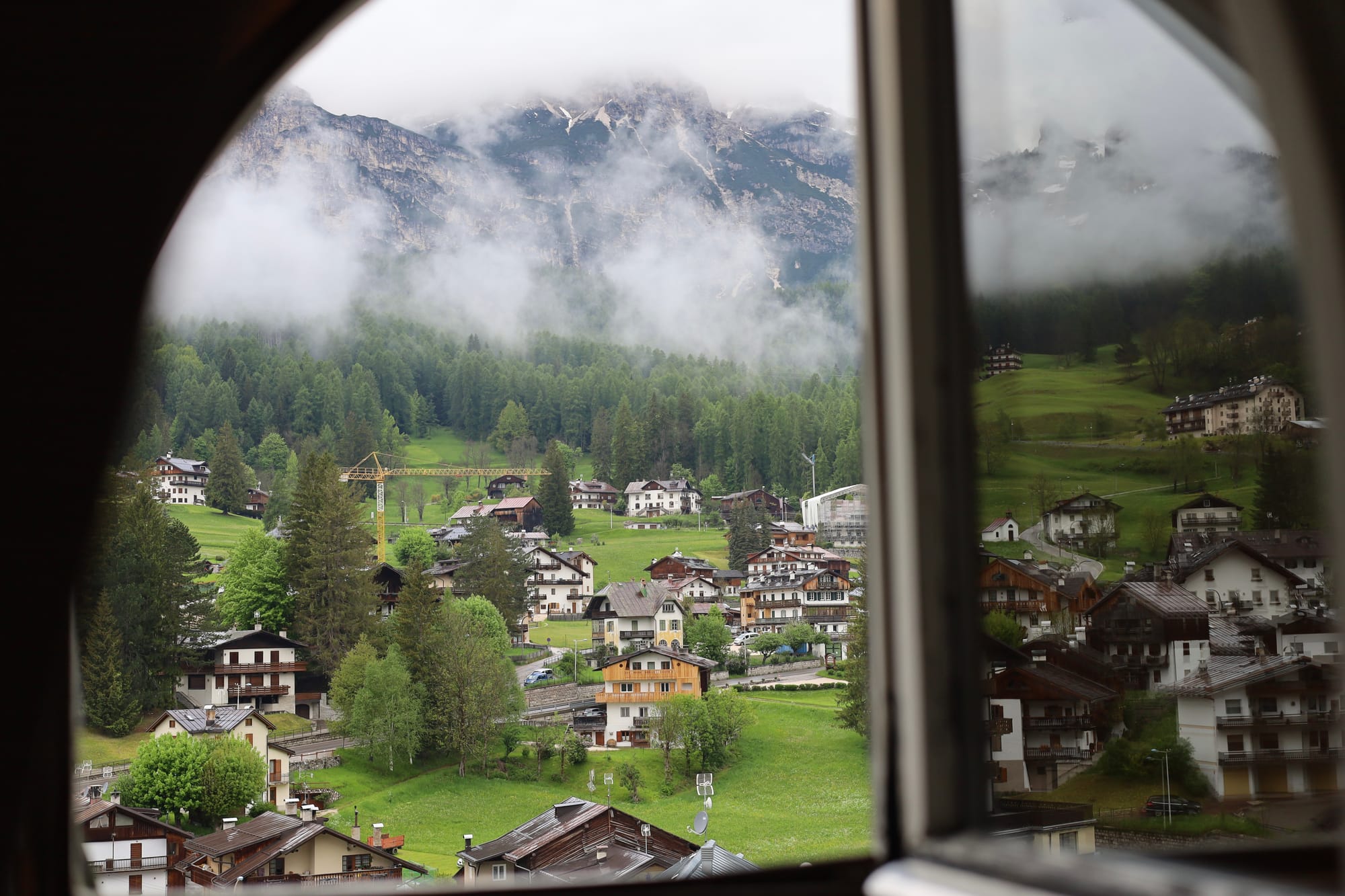
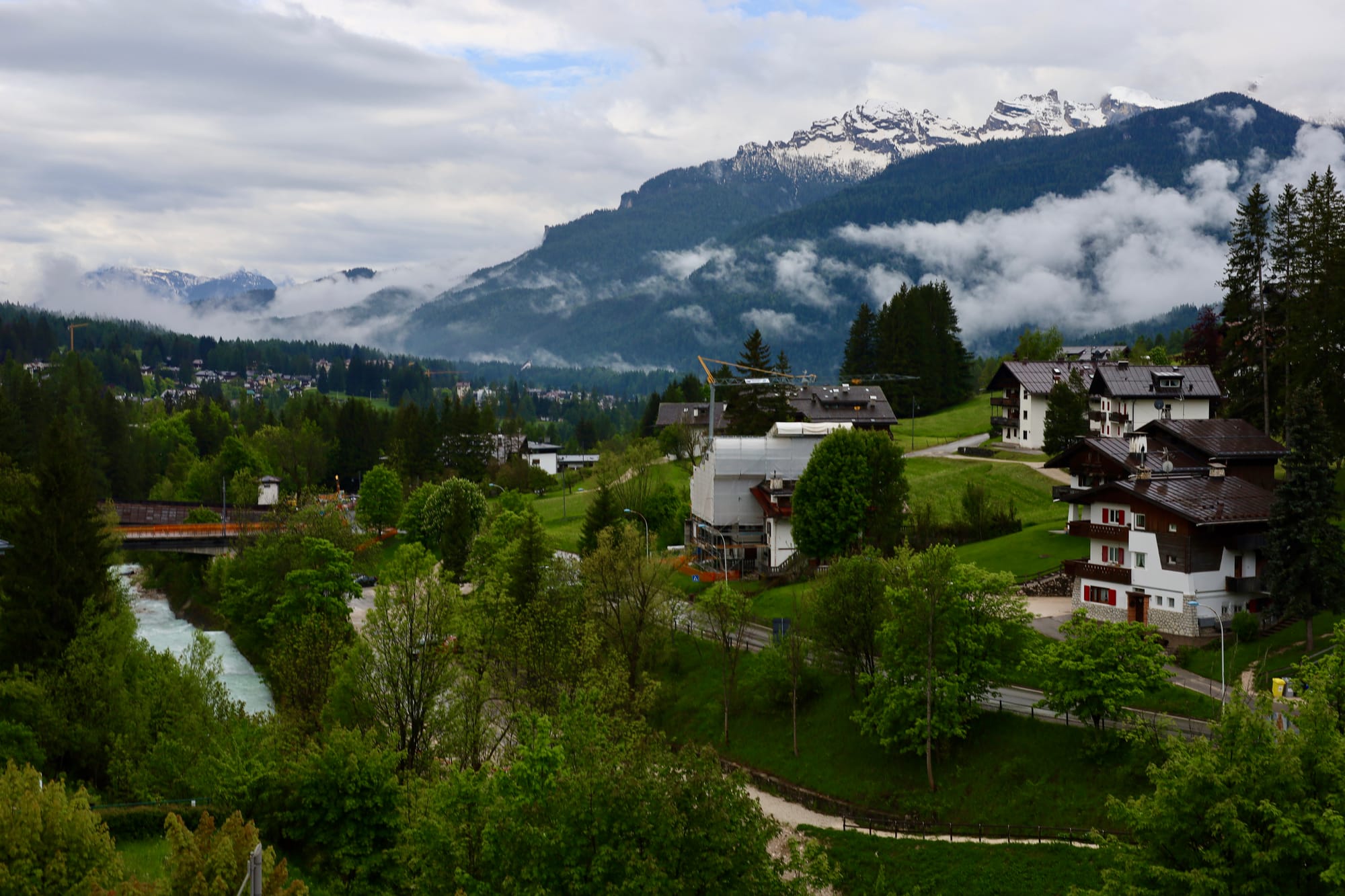
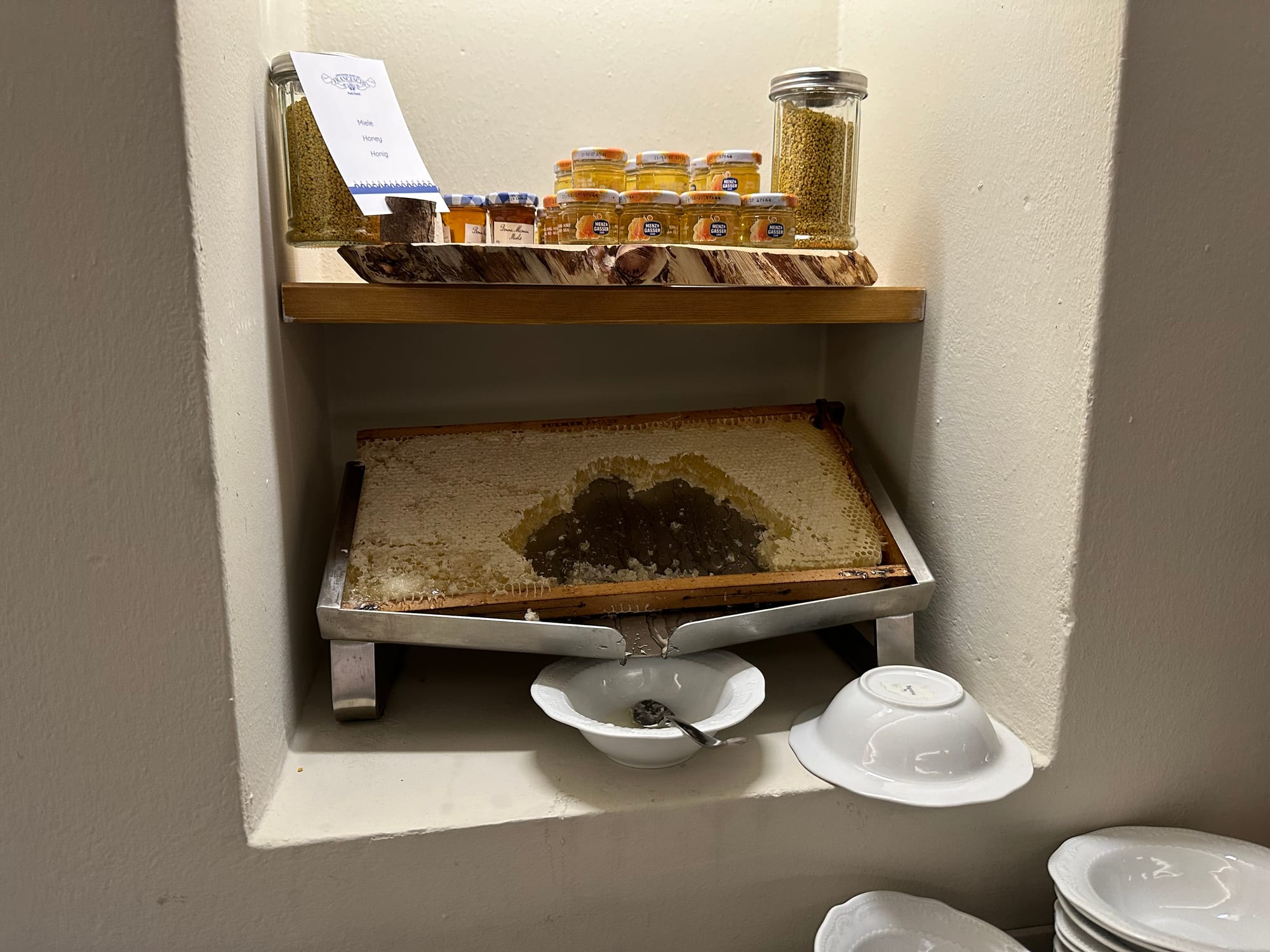
The room looked out on snow-capped peaks, and the breakfast spread was the kind you remember (and we still talk about it). Fresh fruit, eggs, pancetta, espresso made to order, and honey dripping from the comb.
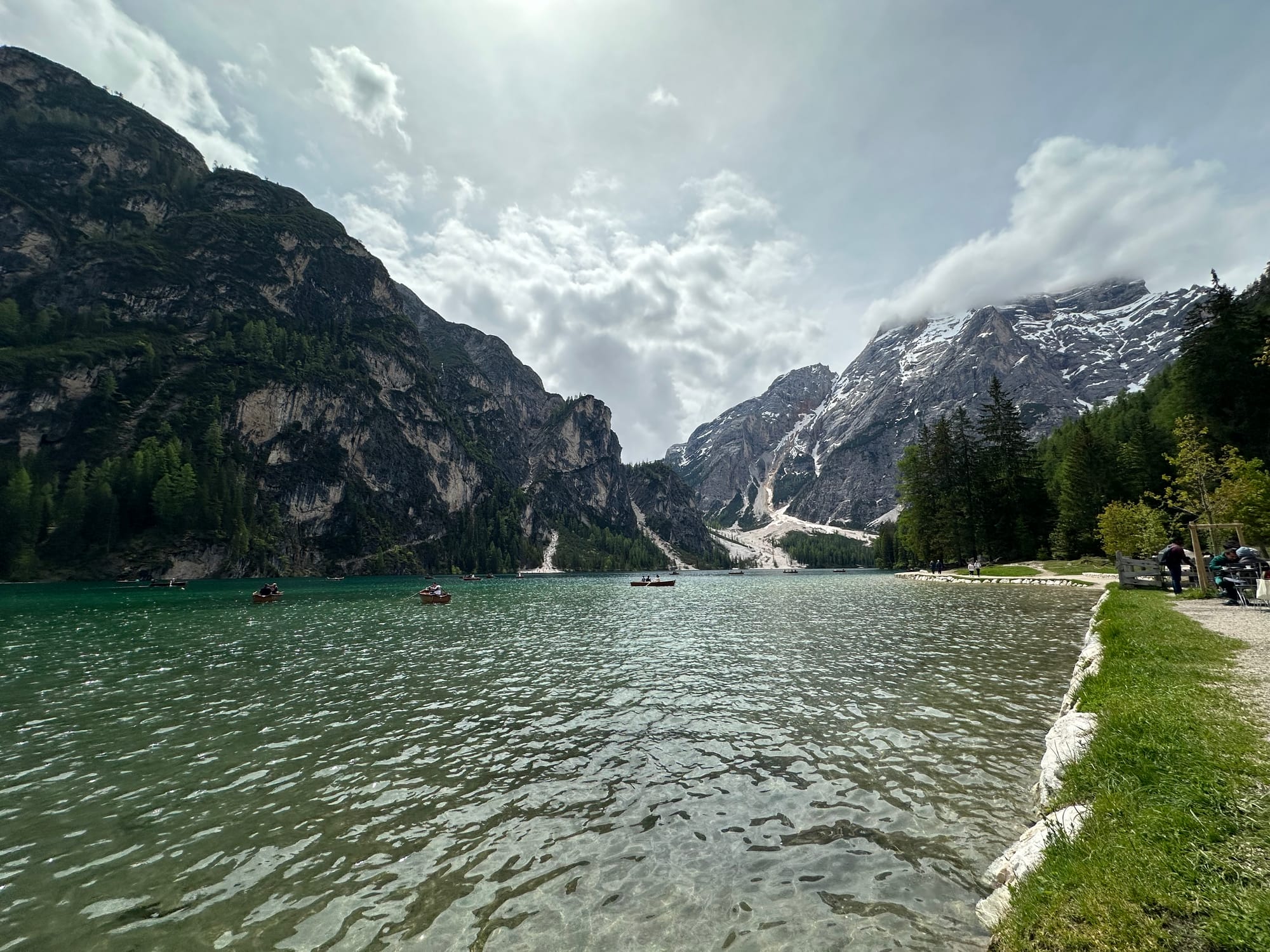
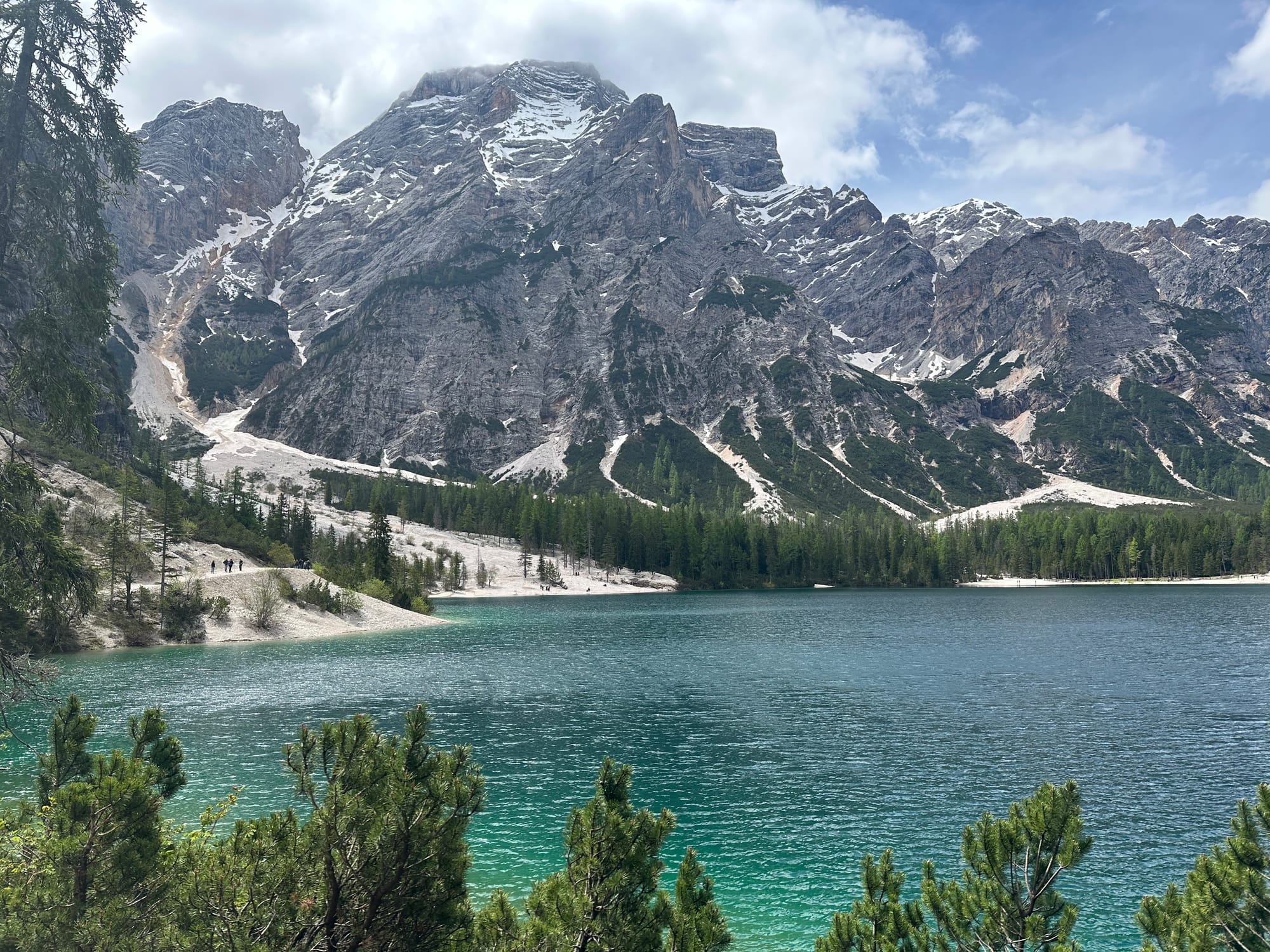
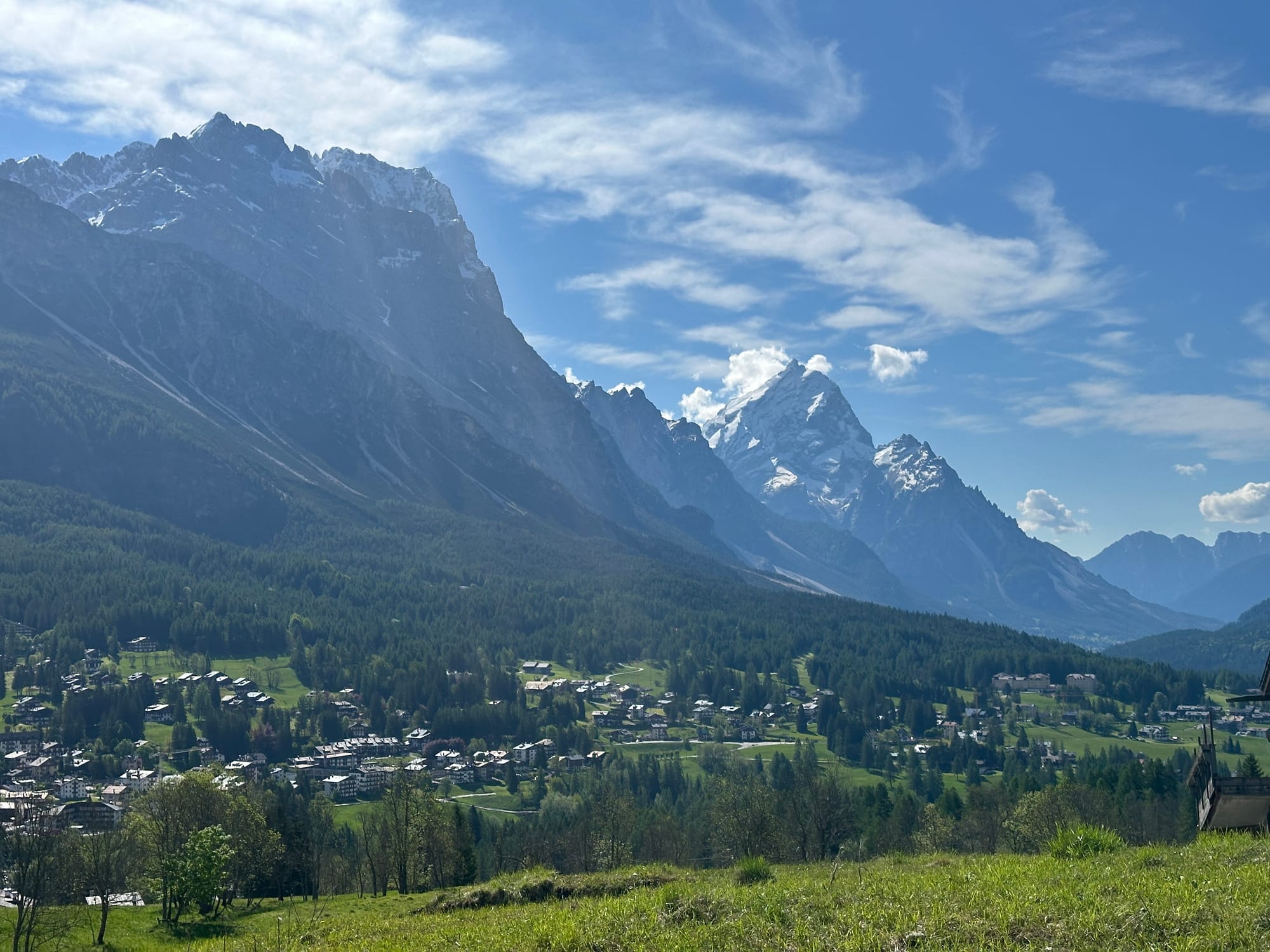
Late snow kept us from some of the higher hikes, but we made the best of it. Lago di Braies was a highlight. The drive was a bit long but idillic, with a calm, green lake ringed by mountains that greeted us upon arrival. This was the busiest place we visited in the Dolomites, likely with higher than usual traffic due to the other locations being inaccessible. We hiked the circle on foot, taking photos and pausing just to take it in.
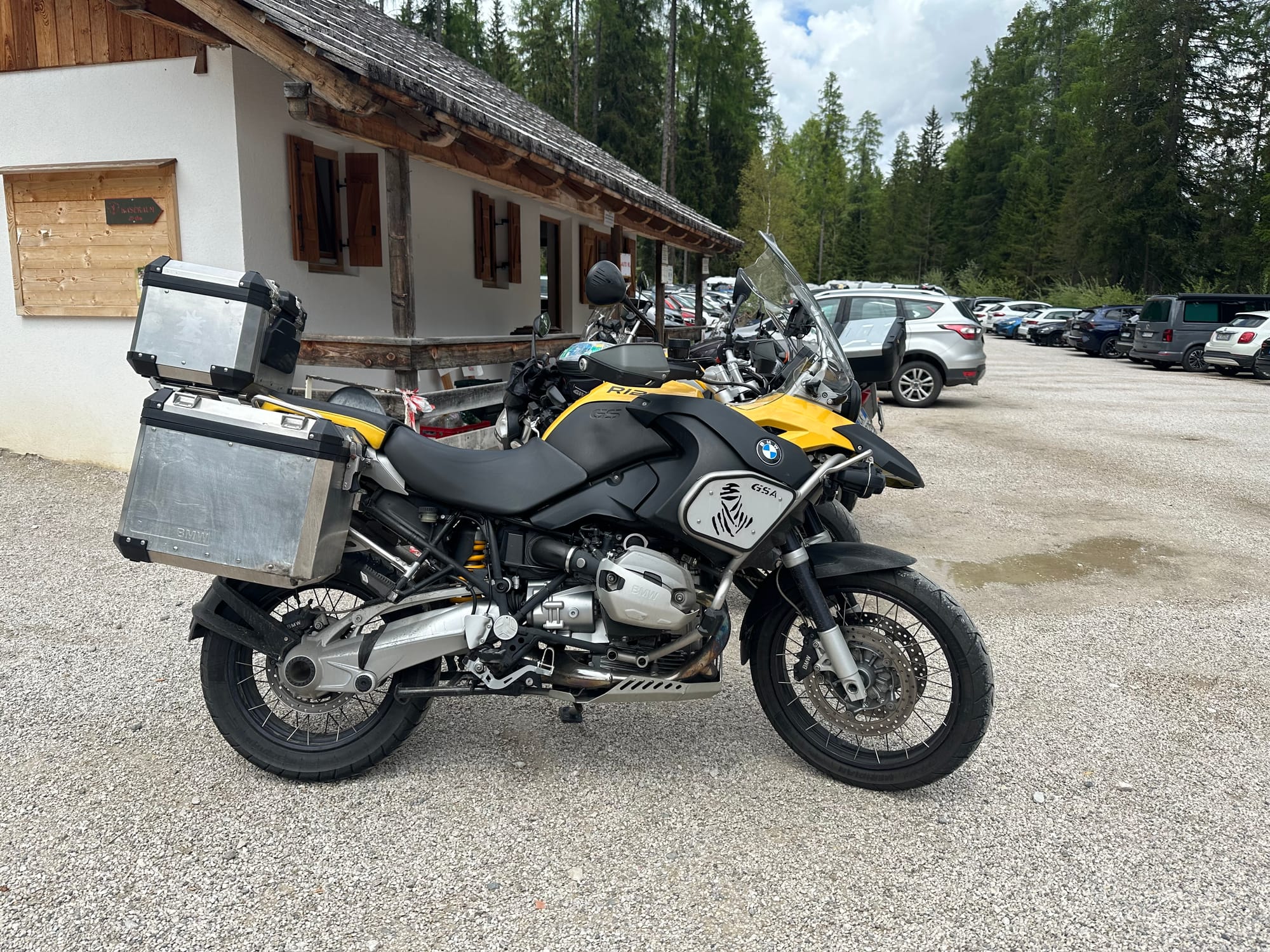
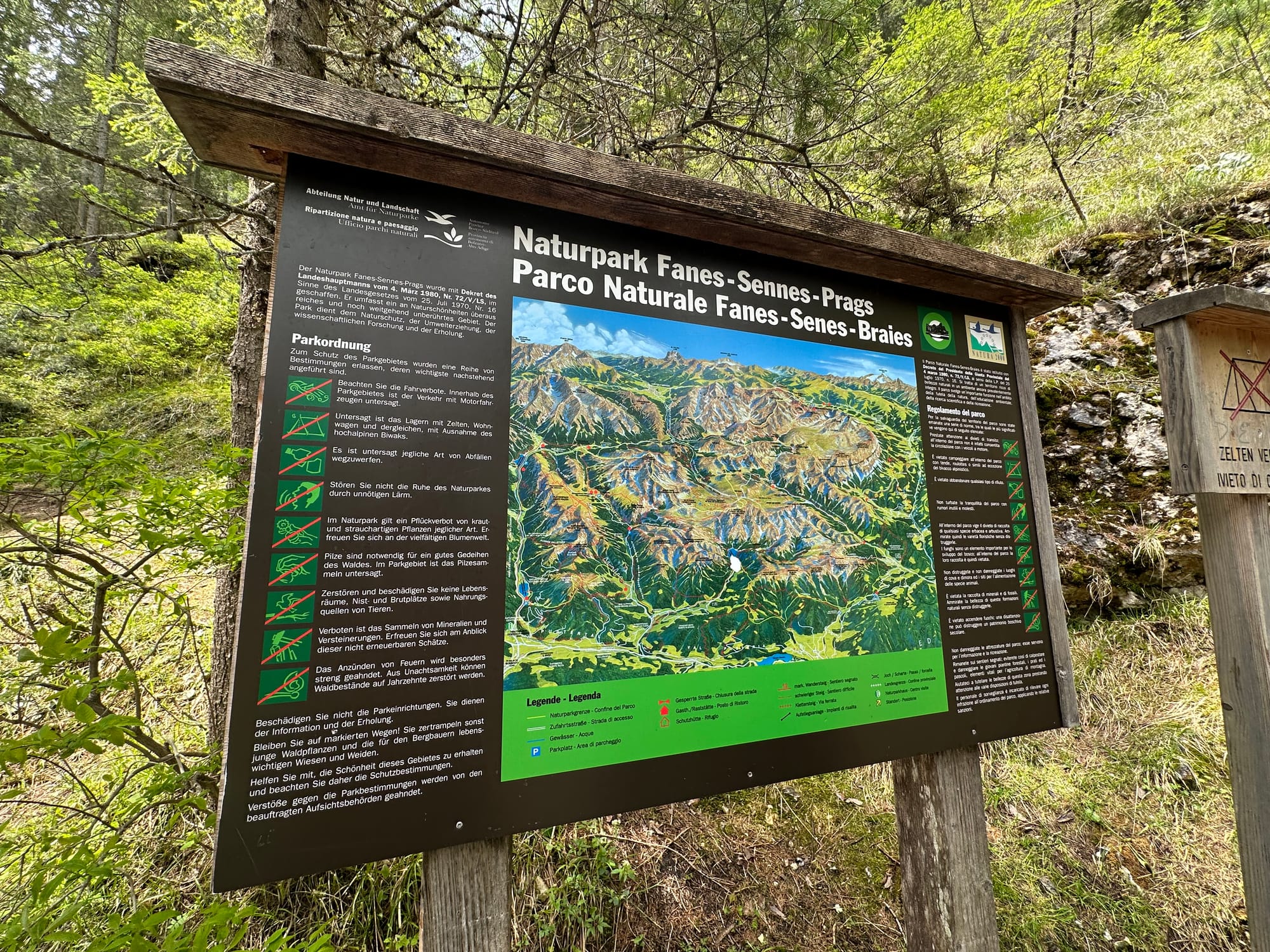
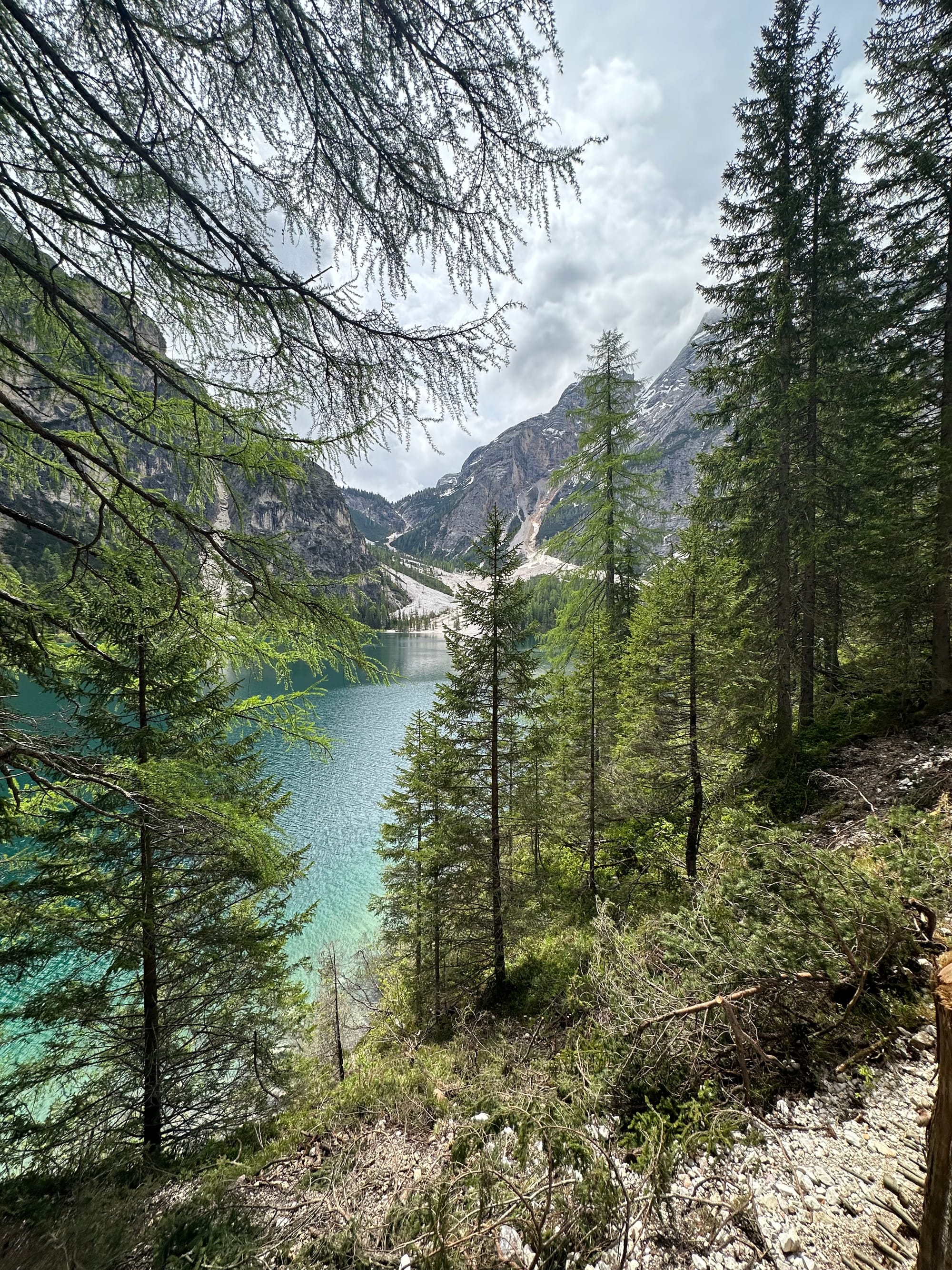
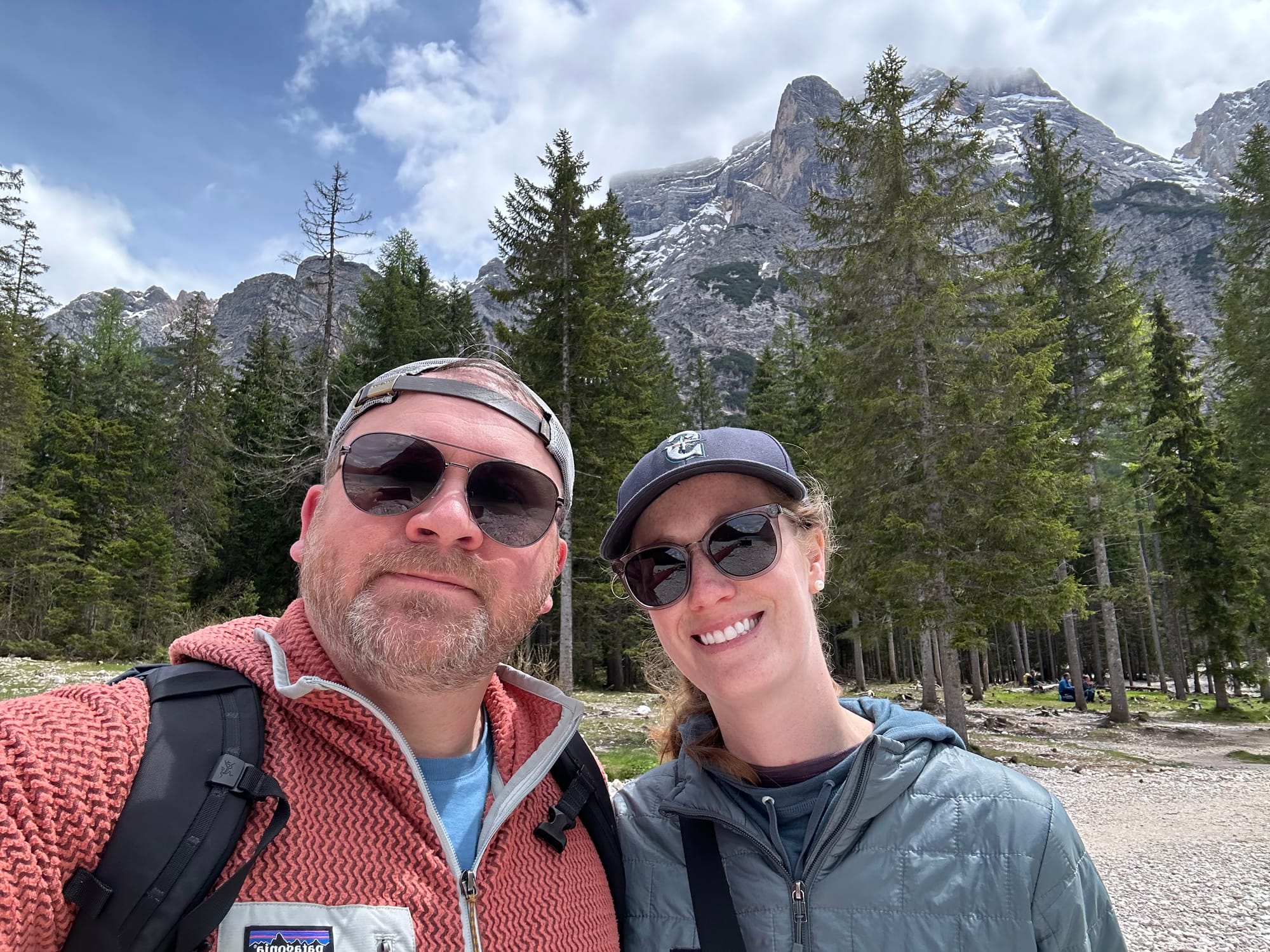
That afternoon we crossed into Austria for lunch in Sillian, enjoying how language and signs shifted while the scenery and architecture remained unchanged, or at least in a way that was imperceptible to my unfamiliar eye.
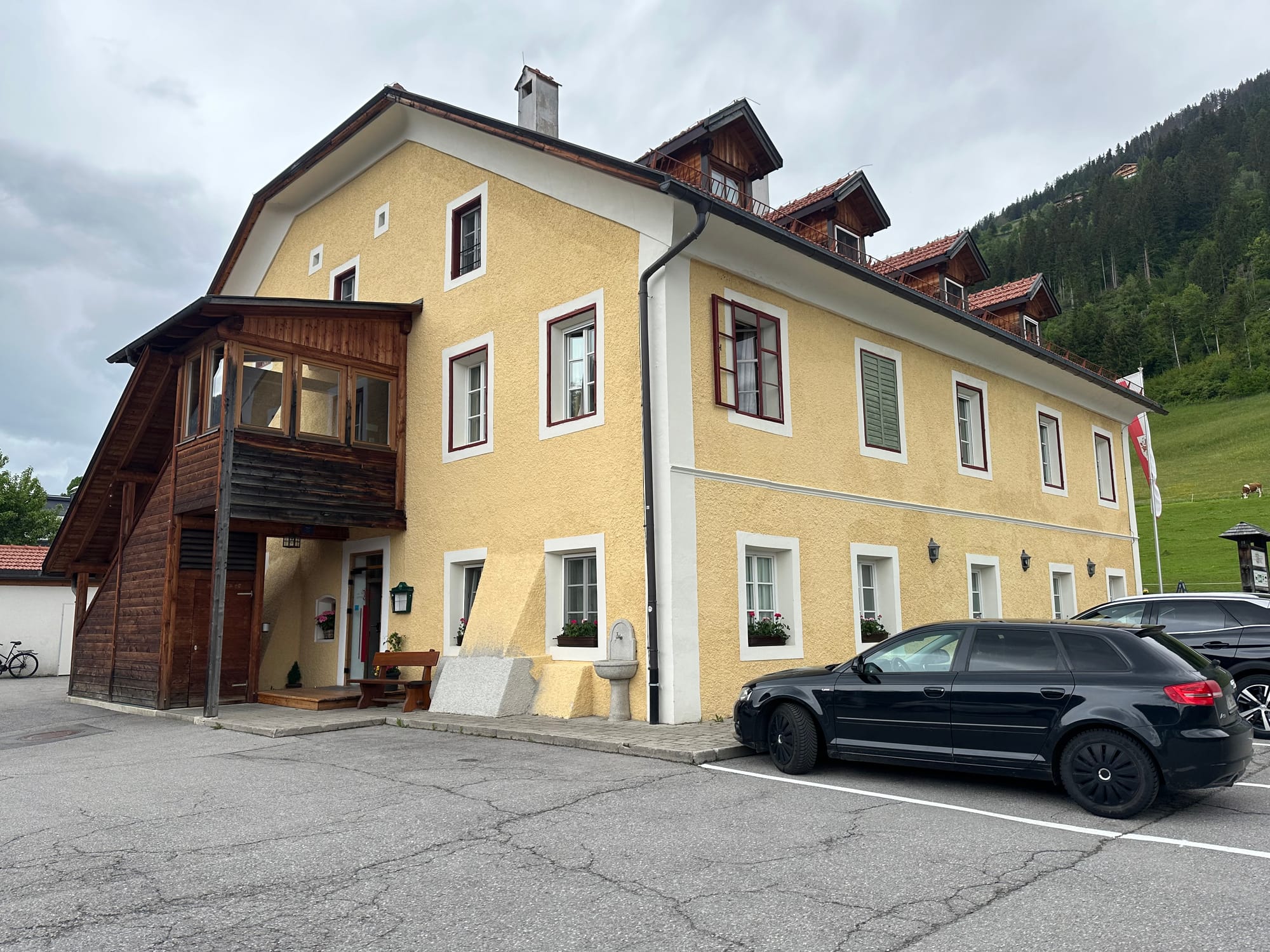
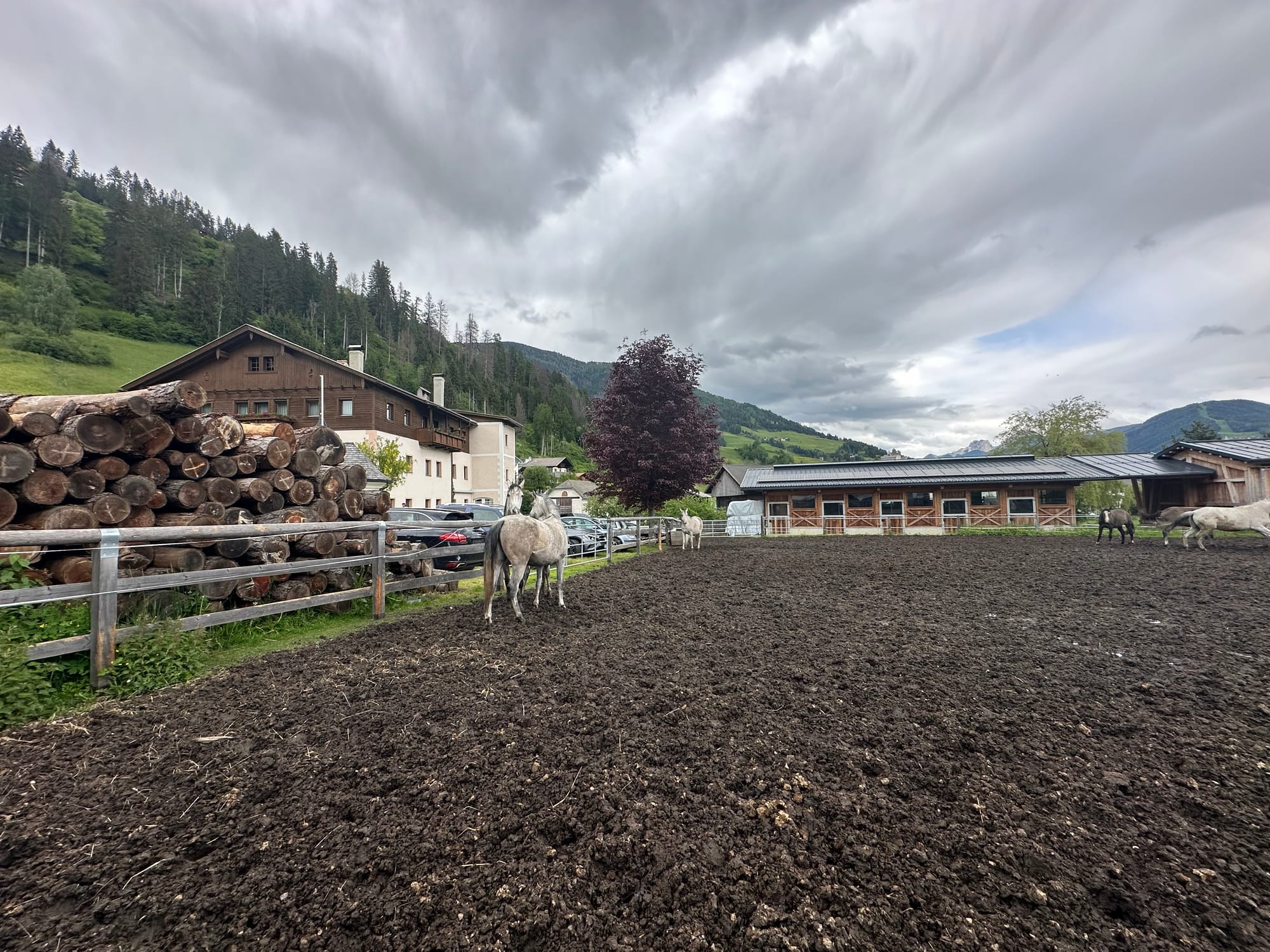
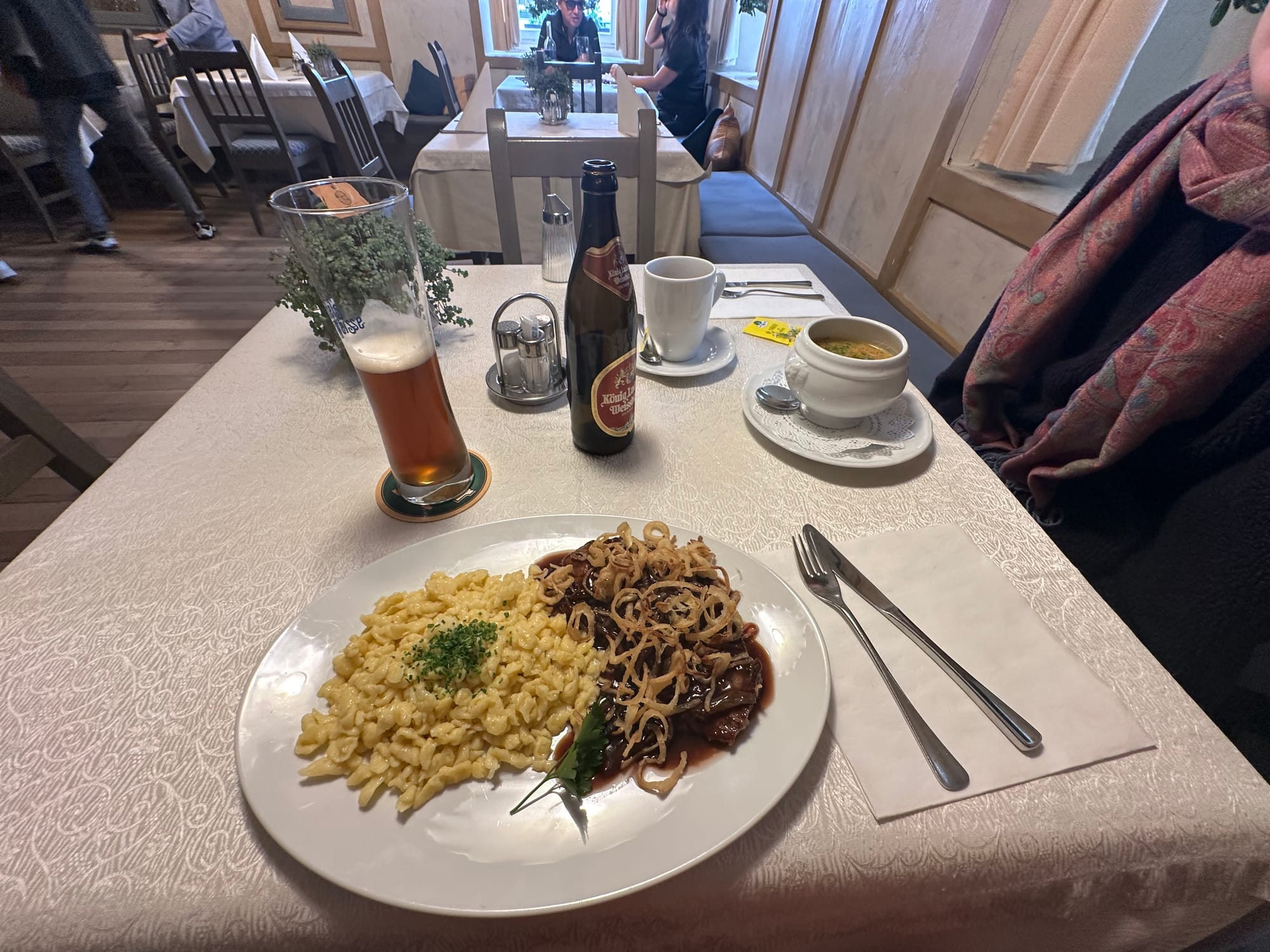
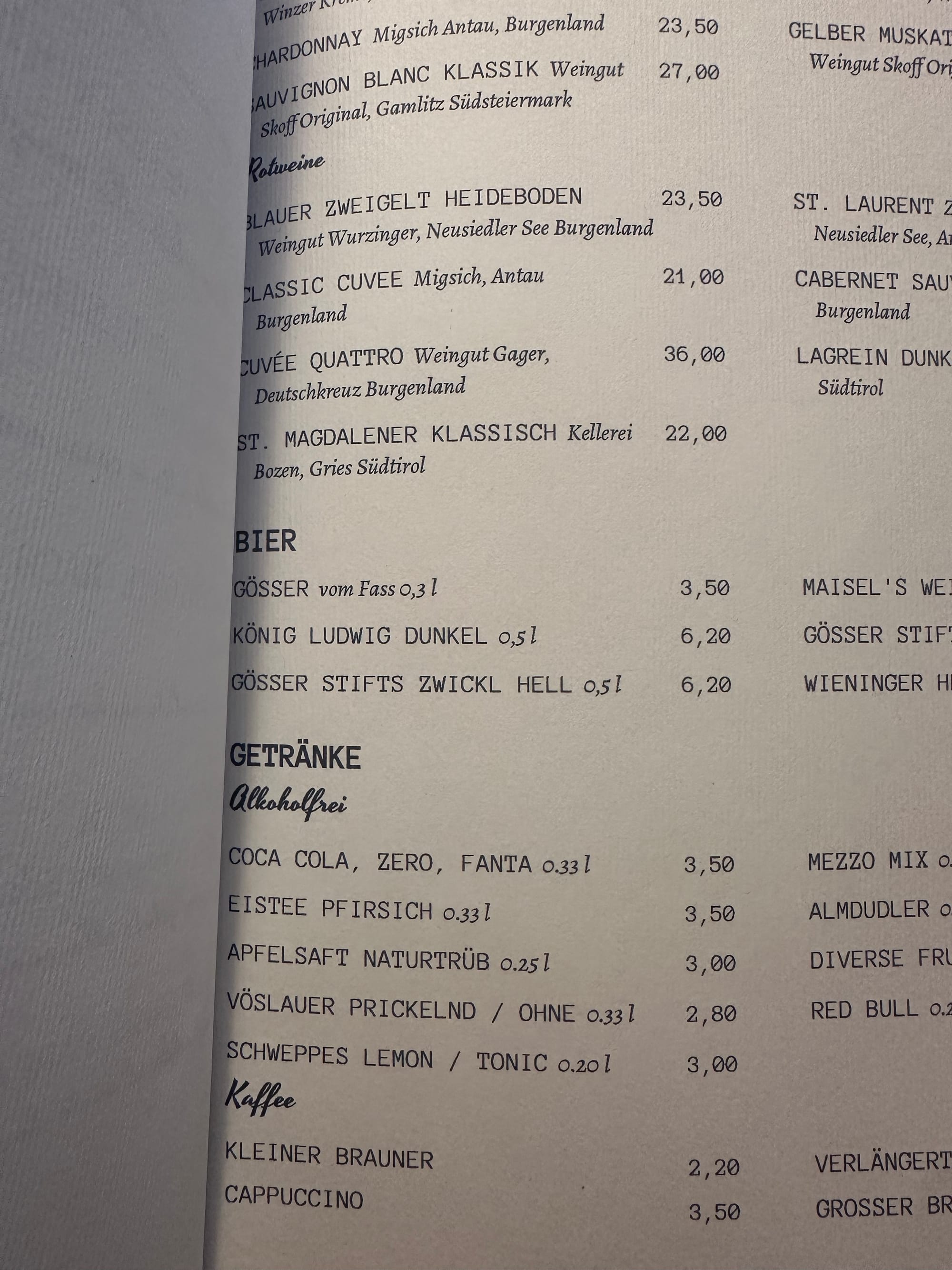
Our short excursion into Austria for lunch.
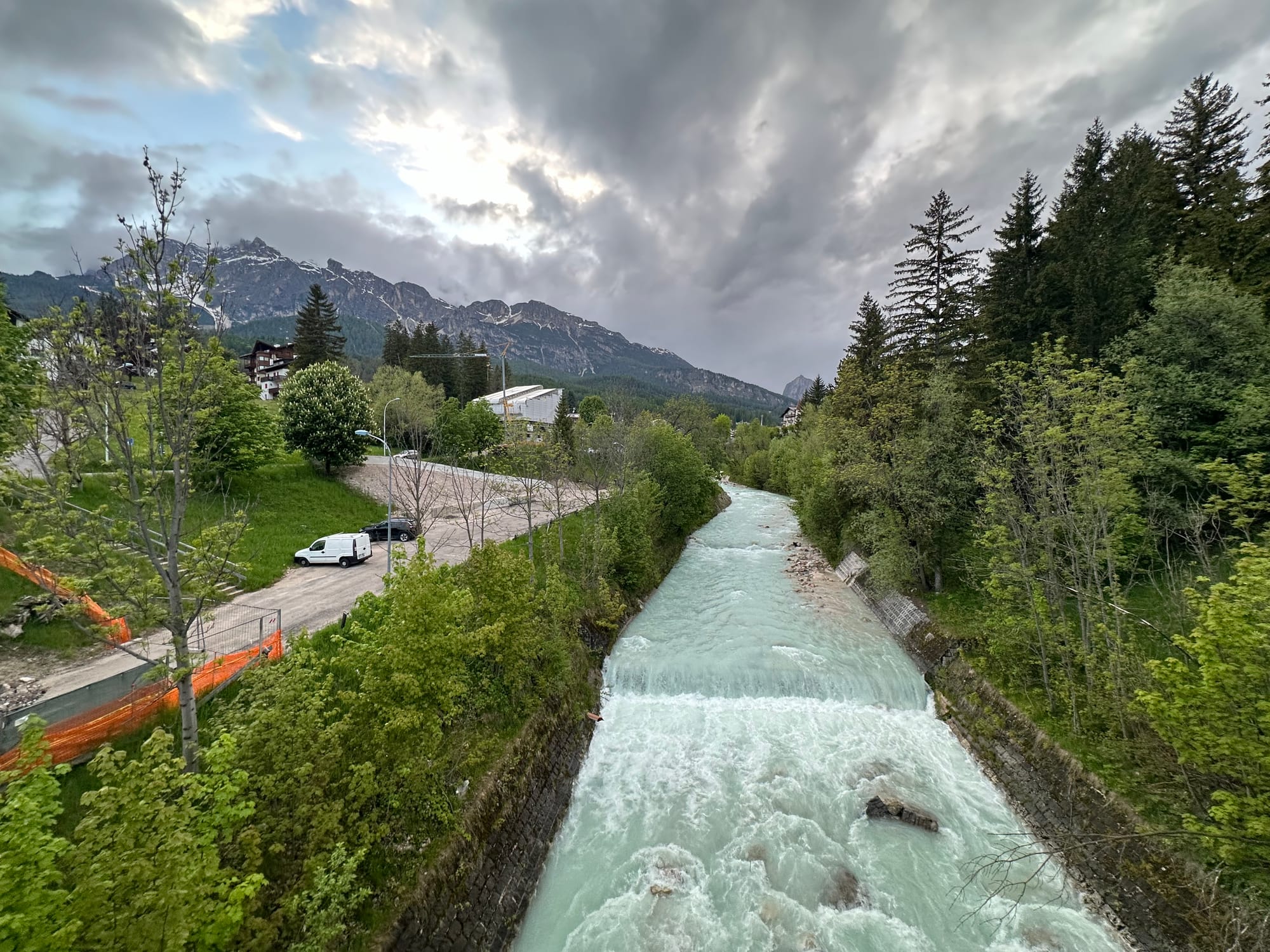
Cortina itself was pleasant to walk in. In the evenings I explored while my wife rested, noticing the local schools, churches, and public spaces tucked among the boutiques. As a co-host of the next Winter Olympics, I noticed signs of change as hotels readied for guests and large cranes dotted the edge of town.
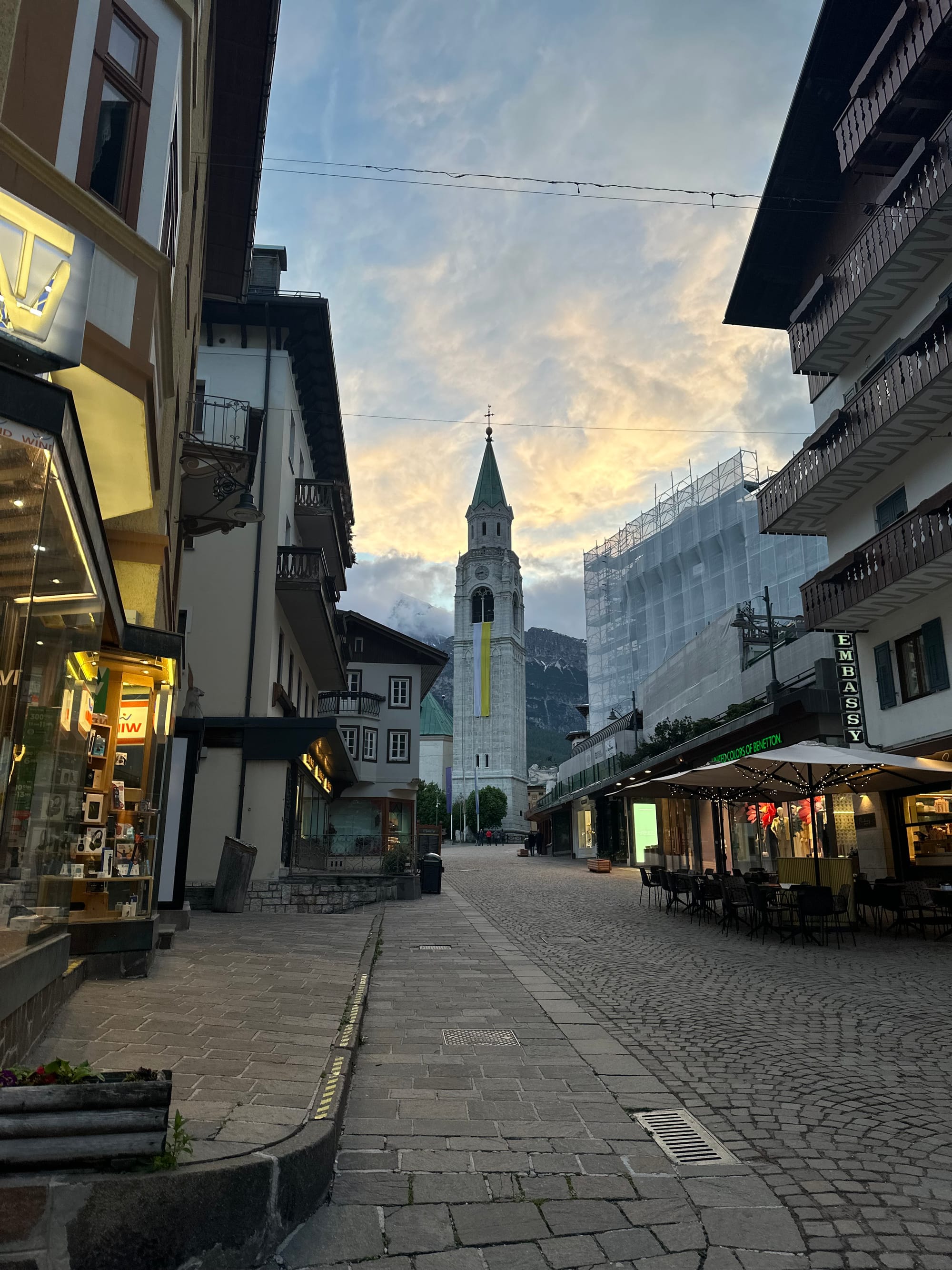
The area felt quiet and a bit subdued. Beautiful but in need of the next season to wake it up again. Still, it was meaningful to finally stand in the place where that part of my family's story began. The drive south the next morning felt less like leaving and more like closing a small loop and contemplating how I'll spend future visits to the area.
Venice: First Light
In 2020, I was officially recognized as an Italian citizen. It felt like walking into a part of myself I had only known through stories and photographs. Four years later, I set out to see Italy for myself.
The months leading up to our 2024 trip were a blur of lists and logistics, nine days of travel crammed with expectation. I wanted to honor where I came from--or at least the people two generations back who did. But travel is always a balancing act between personal longing and shared experience. I reminded myself it wasn't all about me.
We spent time in four places--Venice, the Dolomites, Cinque Terre, and Rome. This part of the story belongs to Venice.
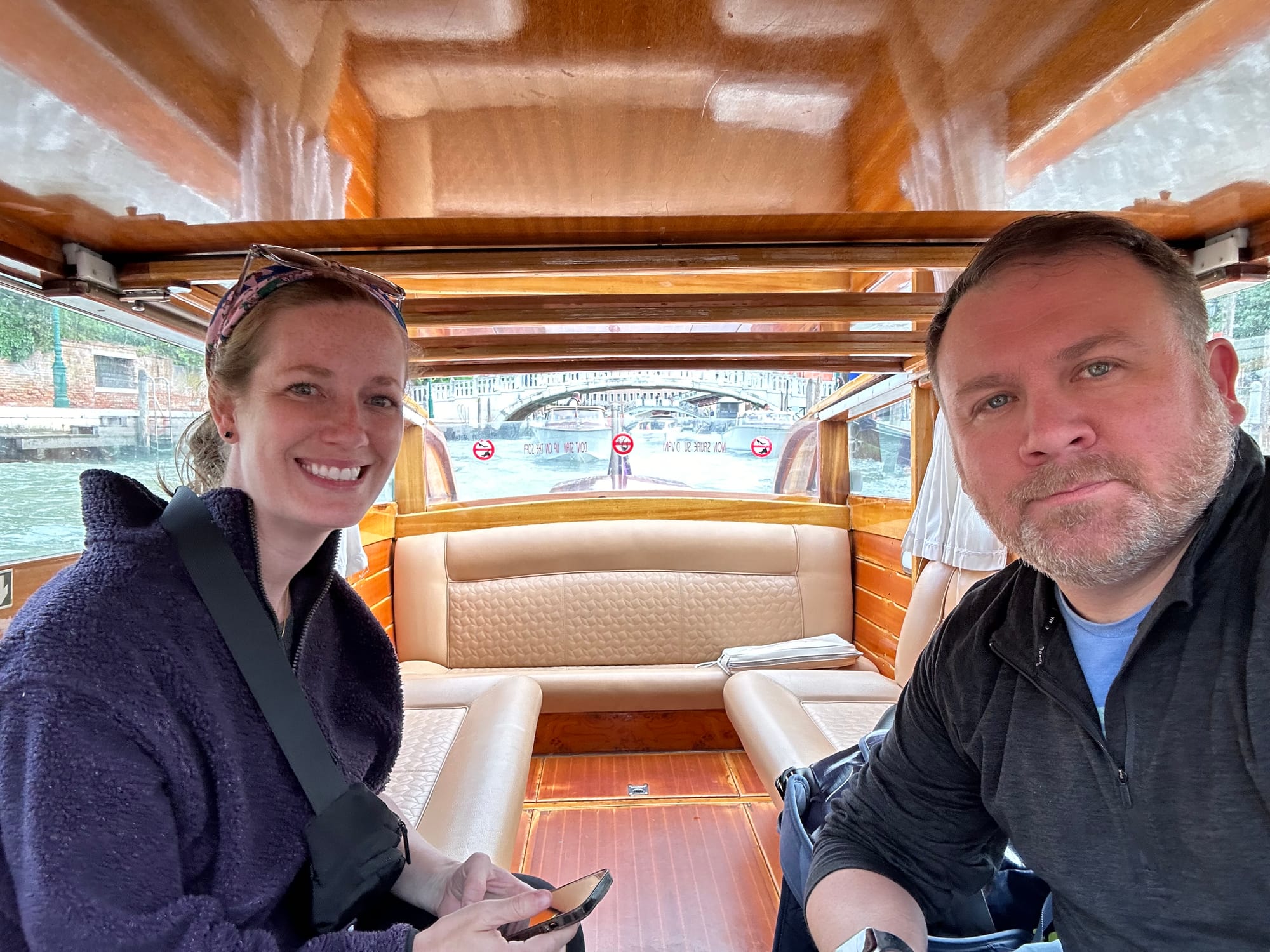
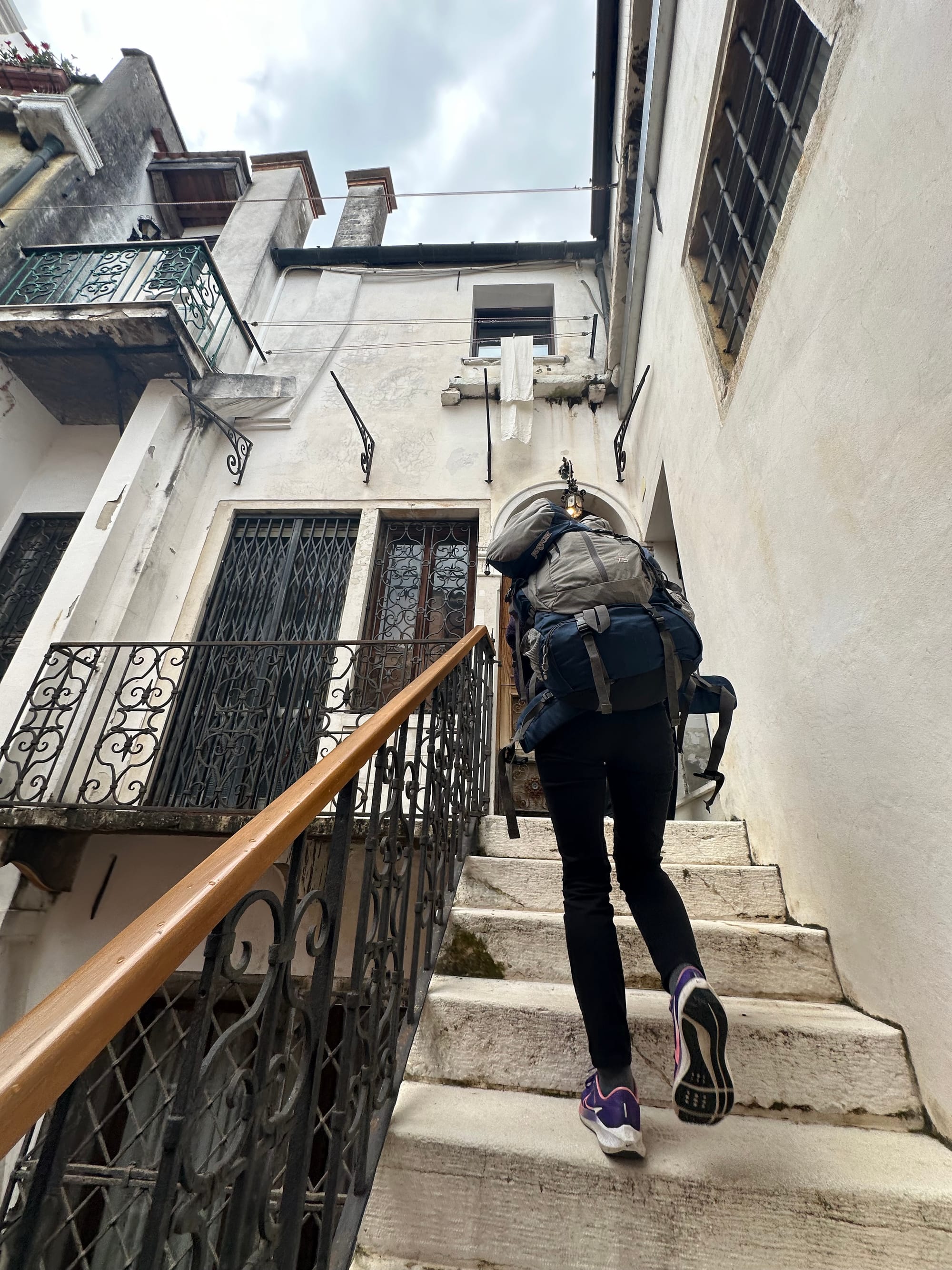
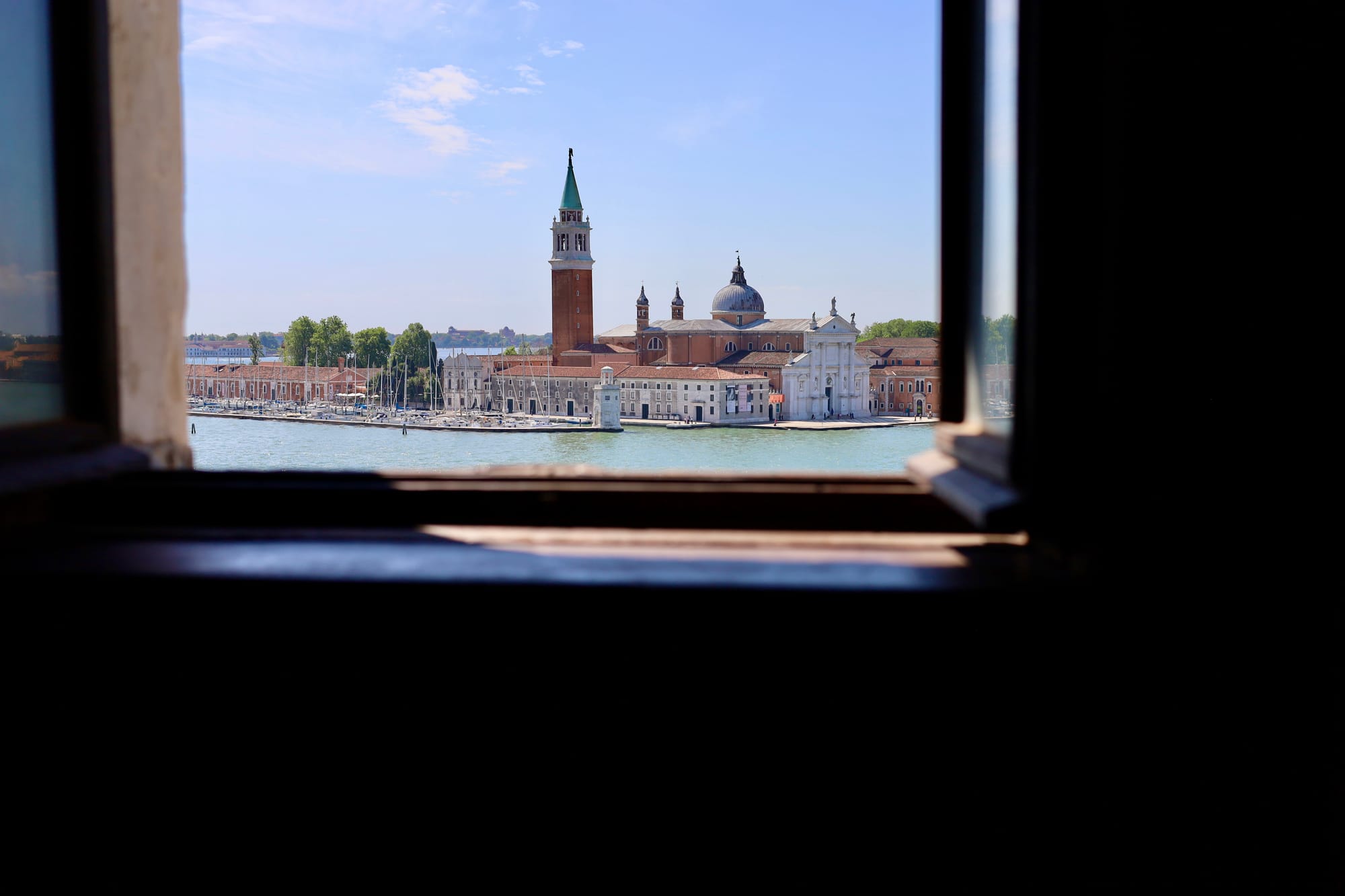
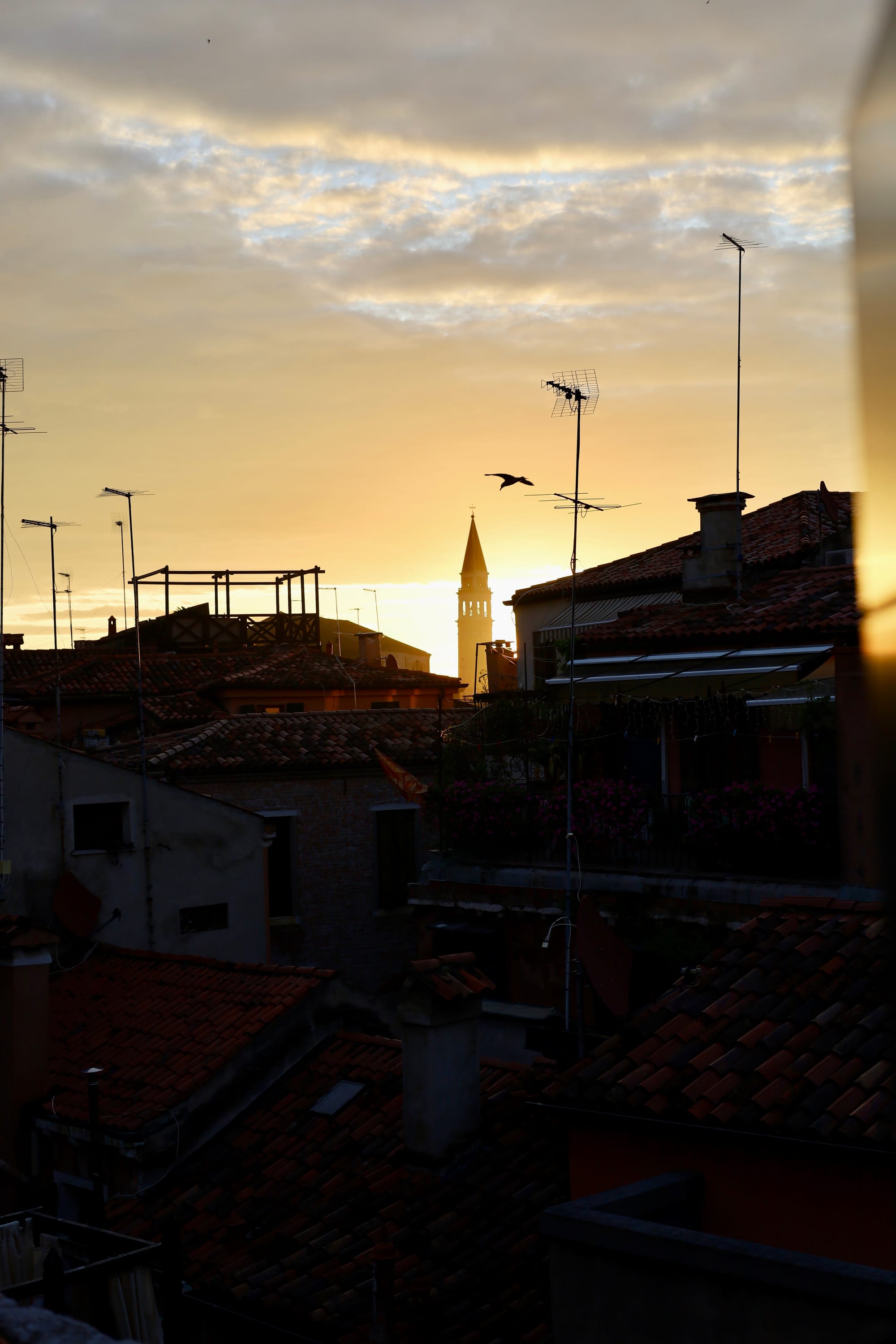
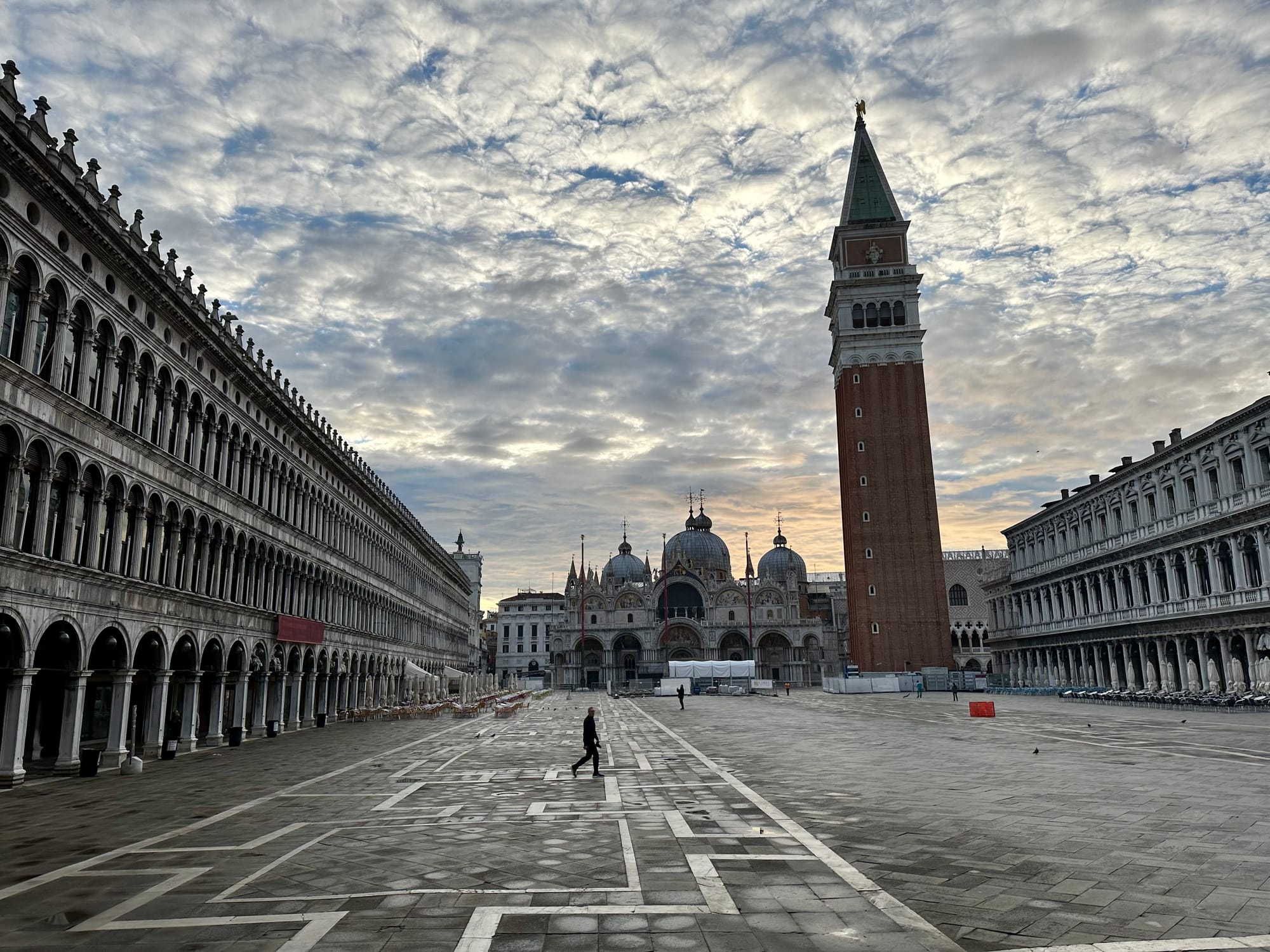
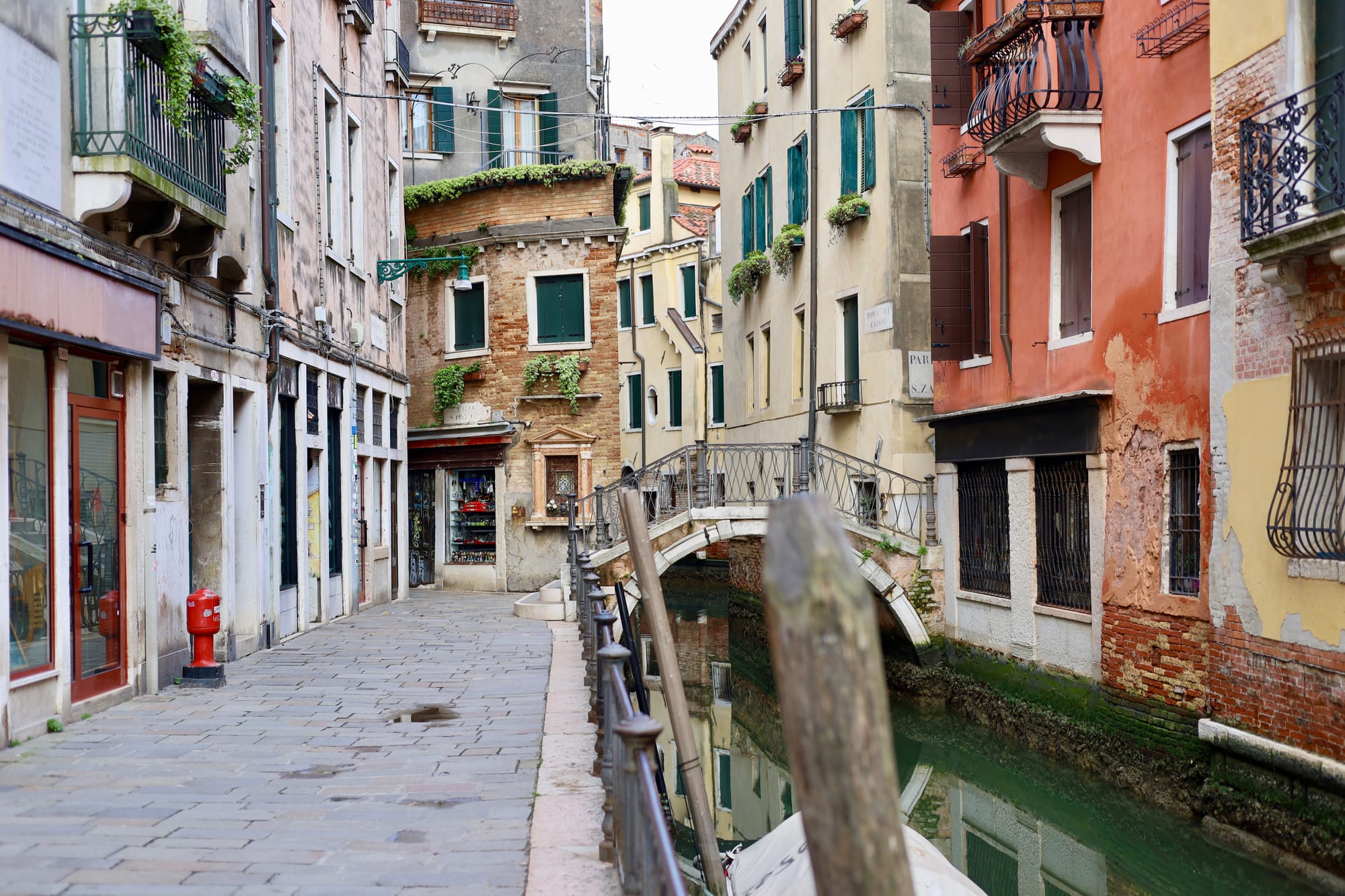
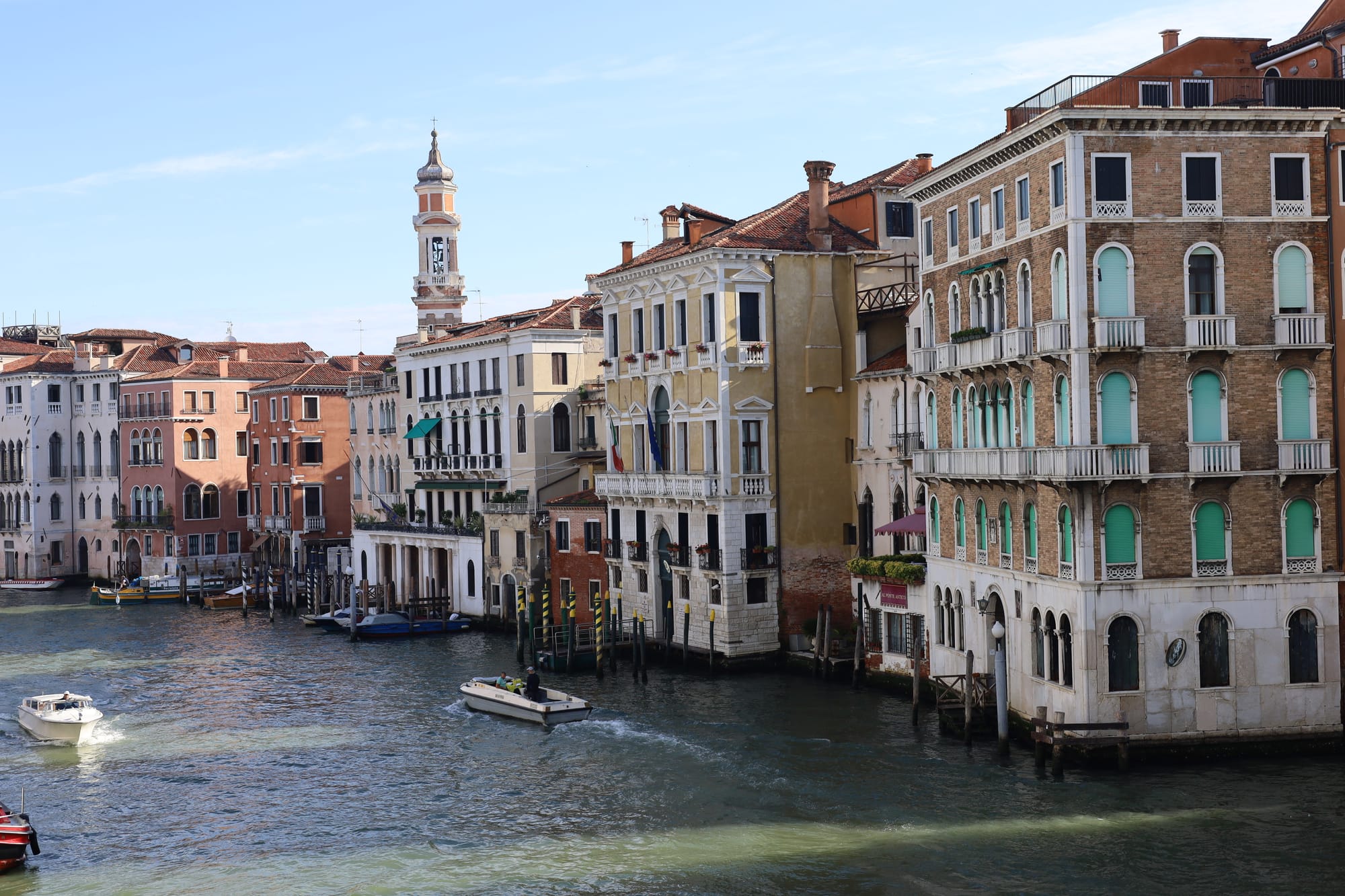
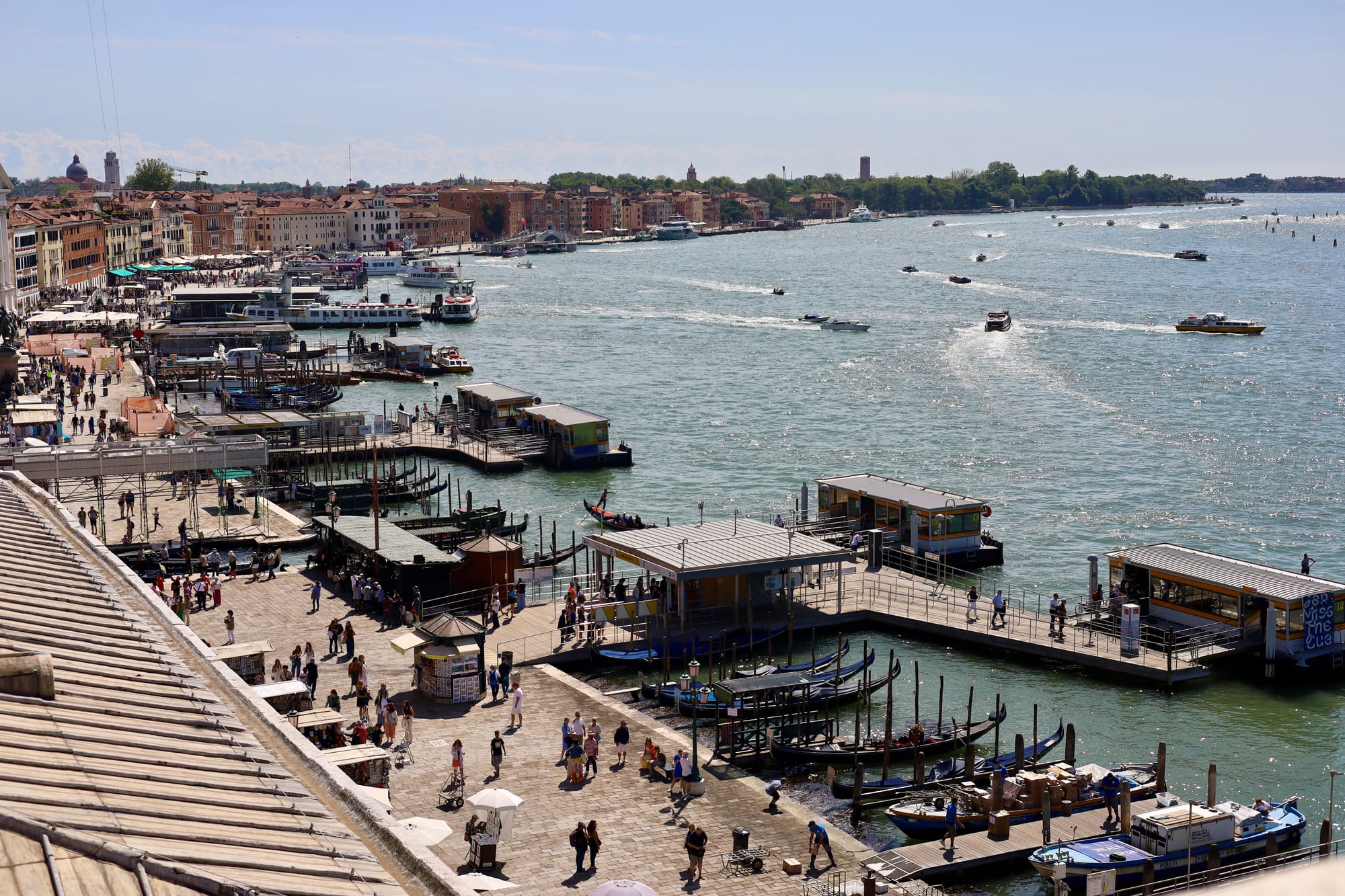
After a red-eye flight and too many airport coffees, we were met in Italy by a driver and a private water taxi. It carried us from Leonardo da Vinci Airport across the lagoon and into the soft light of San Marco. This was just before Venice began charging a daily entry fee for visitors. We had booked a third-floor Airbnb after giving up on hotels that cost too much and offered too little. From the apartment's windows we could see the rooftops blush in the sunrise. The city was quiet. The bells still sounded like they did in another century.
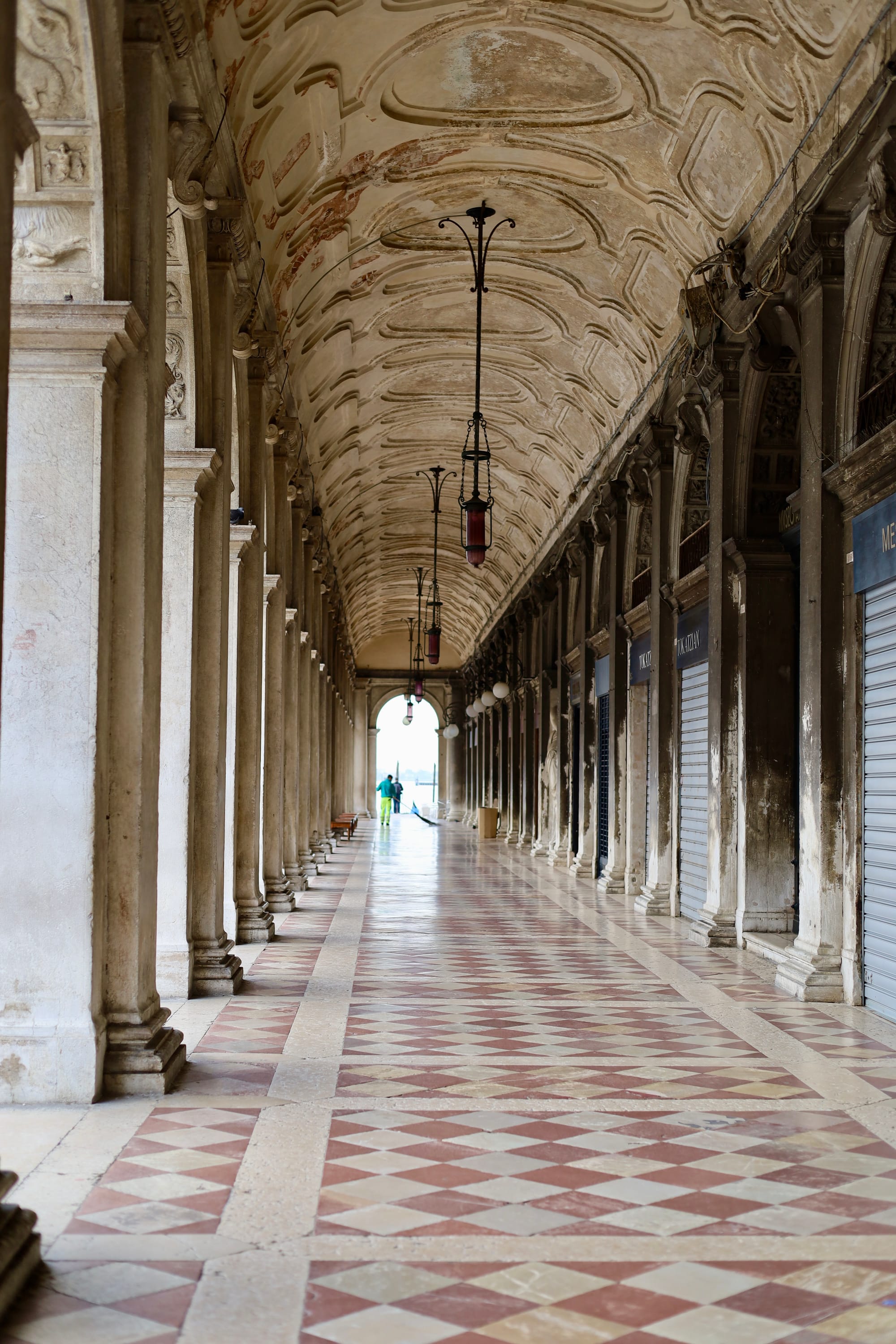
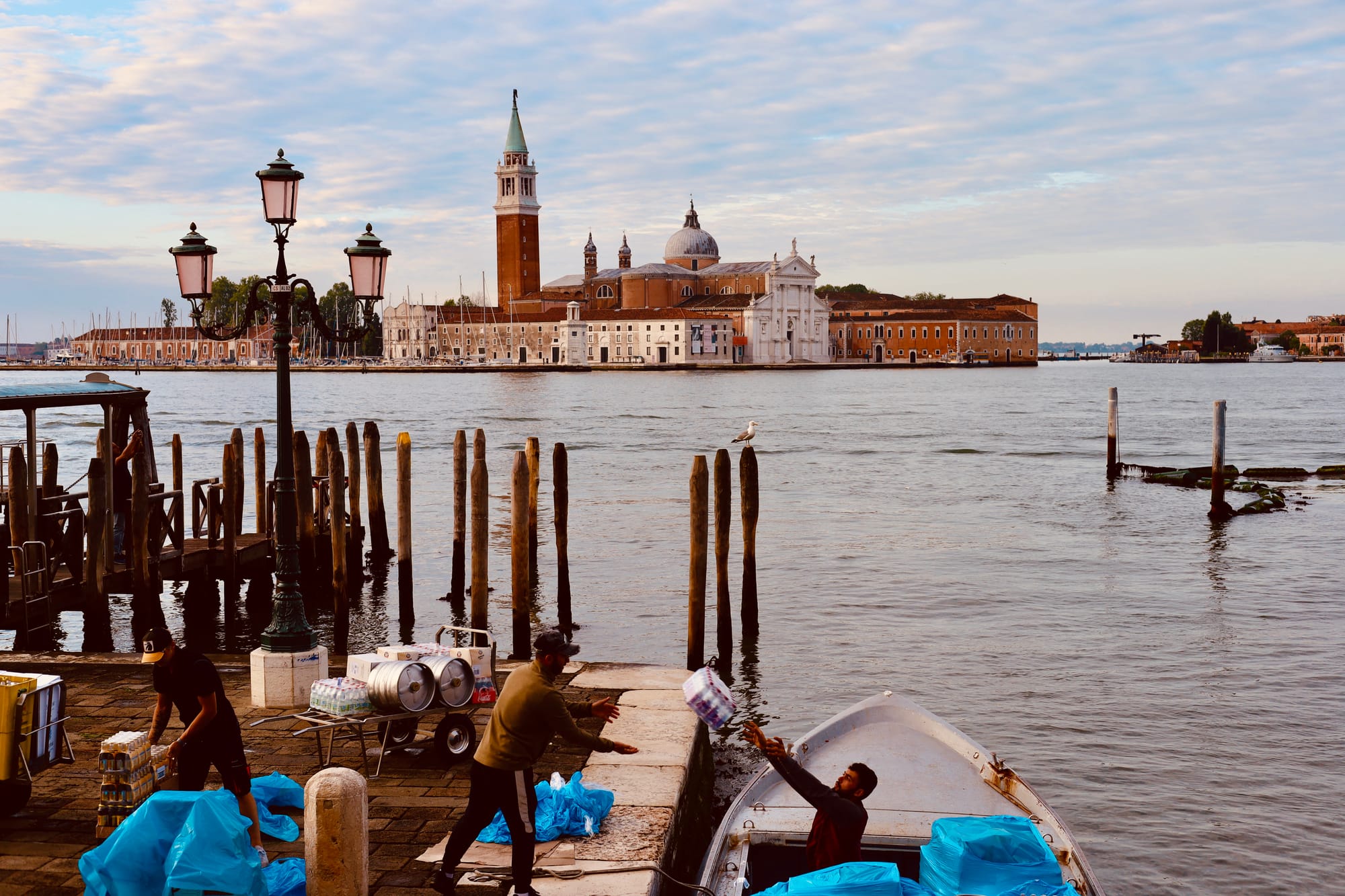
Venice, without cars, feels like a dream someone remembered perfectly. The air holds a kind of stillness. Even the working boats move deliberately, contained to the broader canals. For a few hours every morning before the crowds, before my wife woke, I walked. I watched caretakers sweep Piazza San Marco clean. I listened to footsteps echo in the alleys. I took photographs, not to document but to make sense of the peace I felt.
It reminded me of Mackinac Island in my home state of Michigan--another place that banned cars and kept a fragile peace because of it. By 10 a.m., Venice begins to hum with motion, but in those early hours, it was just me and the stones and the rising sun.
I found myself wondering what it meant to live in a place like this--a lived-in museum, beautiful but burdened. I'd read about how short-term rentals pushed locals out, how the city was hollowing into a kind of stage set. The guilt of being a tourist wasn't lost on me. Yet our budget was tight, and the apartment gave us what hotels could not. I understood why the city introduced its daily fee for visitors, though I doubted it would make much difference. Limiting the number of beds might do more than limiting wallets.
Even so, I felt unexpectedly at ease in Venice. I thought I'd feel like a cliché, one more visitor flattening an experience that deserved reverence. But it wasn't like that. The city opened up in quiet ways. I read about the old Venetian Republic, how it had kept itself separate from the powers of Rome and beyond. That independence stirred something in me--a small, irrational pride, as if some fragment of it might have traveled through my bloodline. Maybe that's what belonging feels like, when you don't have to prove it.
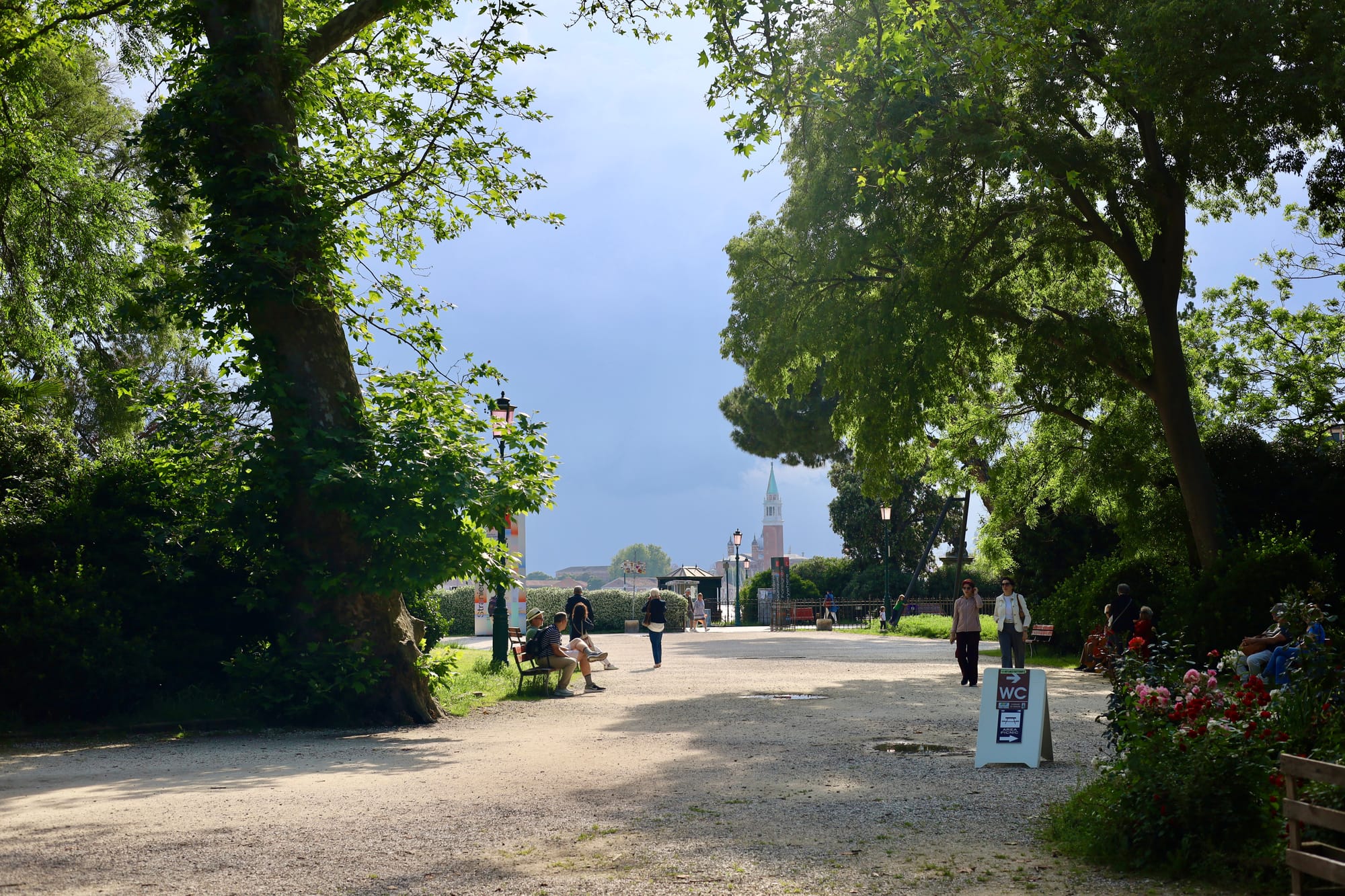
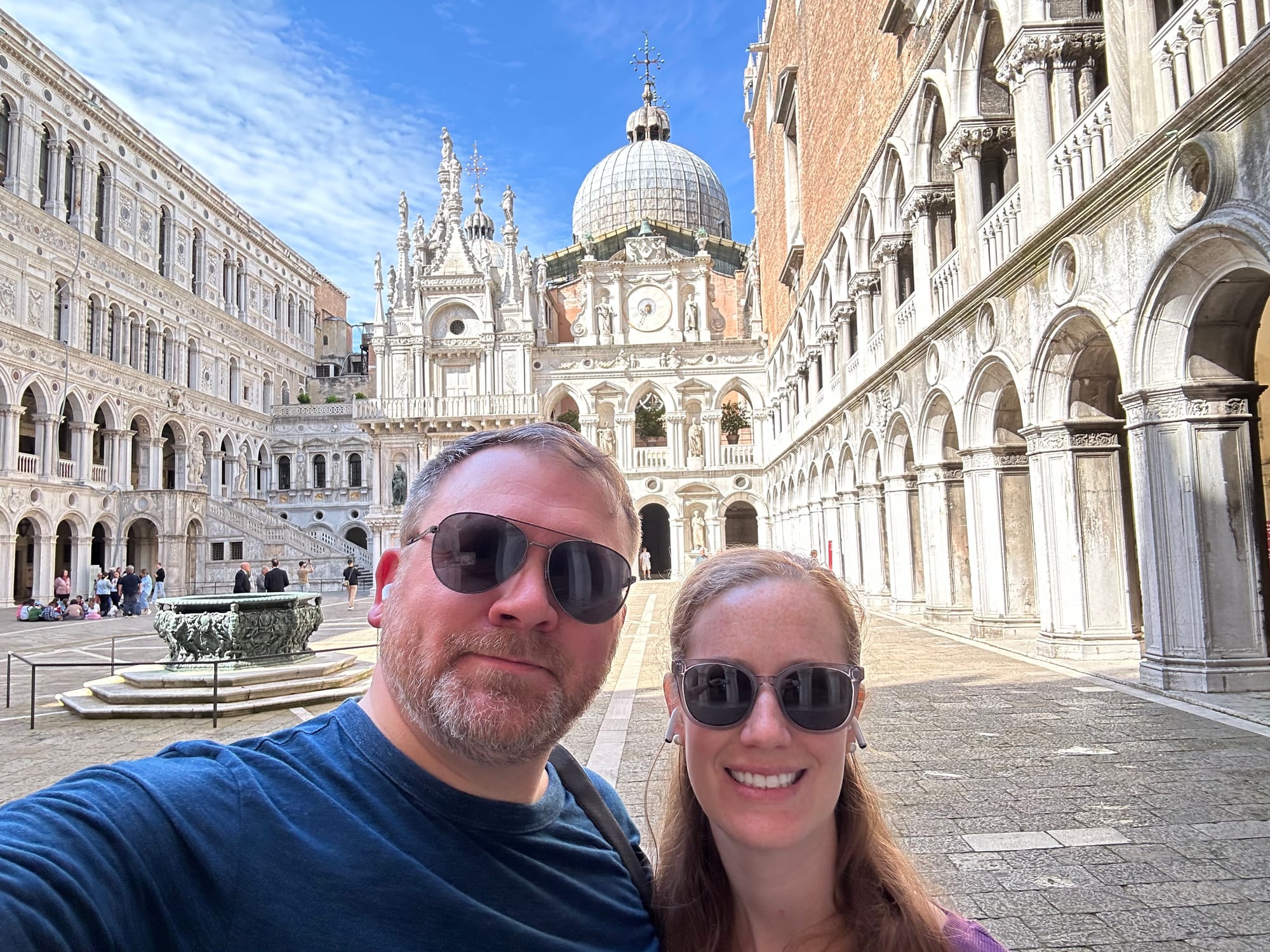
We ate constantly. My wife tried sardines with onions, a local specialty that smelled as sharp as it looked. I stuck with lasagna--probably not a regional dish but one of the best I've ever had. There was pizza, gnocchi, and gelato near the Palazzo Ducale. We walked until the day faded into gold, from the Rialto Bridge through narrow streets toward the park at Sant'Elena. Parco delle Rimembranze was one of the few broad green spaces we found--a real breathing space amid the density. Dogs ran free, kids played, and for a moment it felt like an ordinary neighborhood.
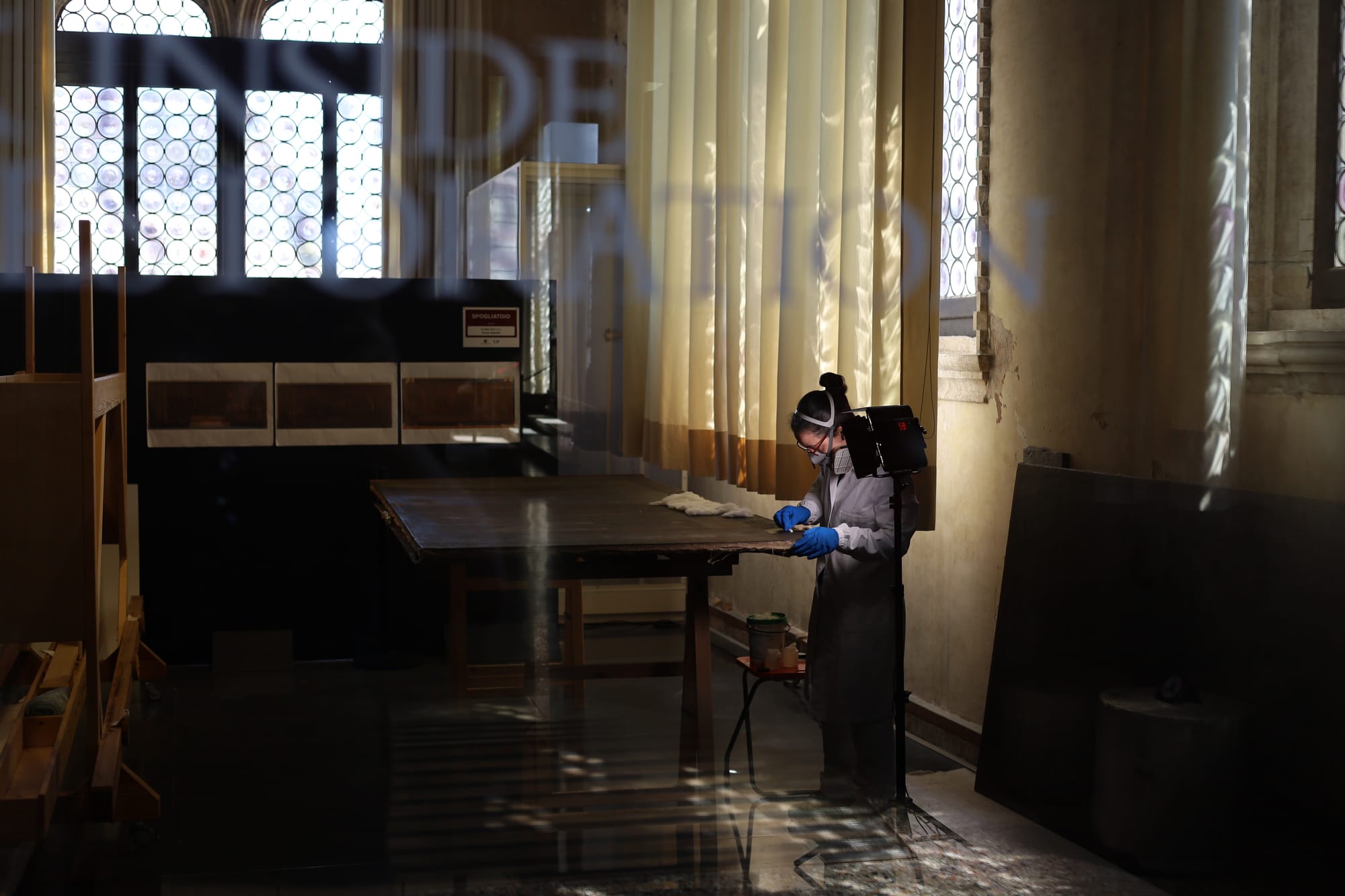
Posters for the Biennale hung along the paths. We didn't have time to go inside, but seeing the art spill into the city felt fitting. Venice has always blurred the line between living and exhibiting.
When it came time to leave, we packed up and took a water taxi to the Piazzale Roma, caught the people mover across to Mestre, and picked up a small rental car for the road north to the Dolomites. I remember watching the skyline fade behind us, thinking how much quieter my mind had grown in just a few days.
I knew then that Venice would not be my last stop in Italy. But it was the first that made me feel, in the simplest way, like I had finally arrived.
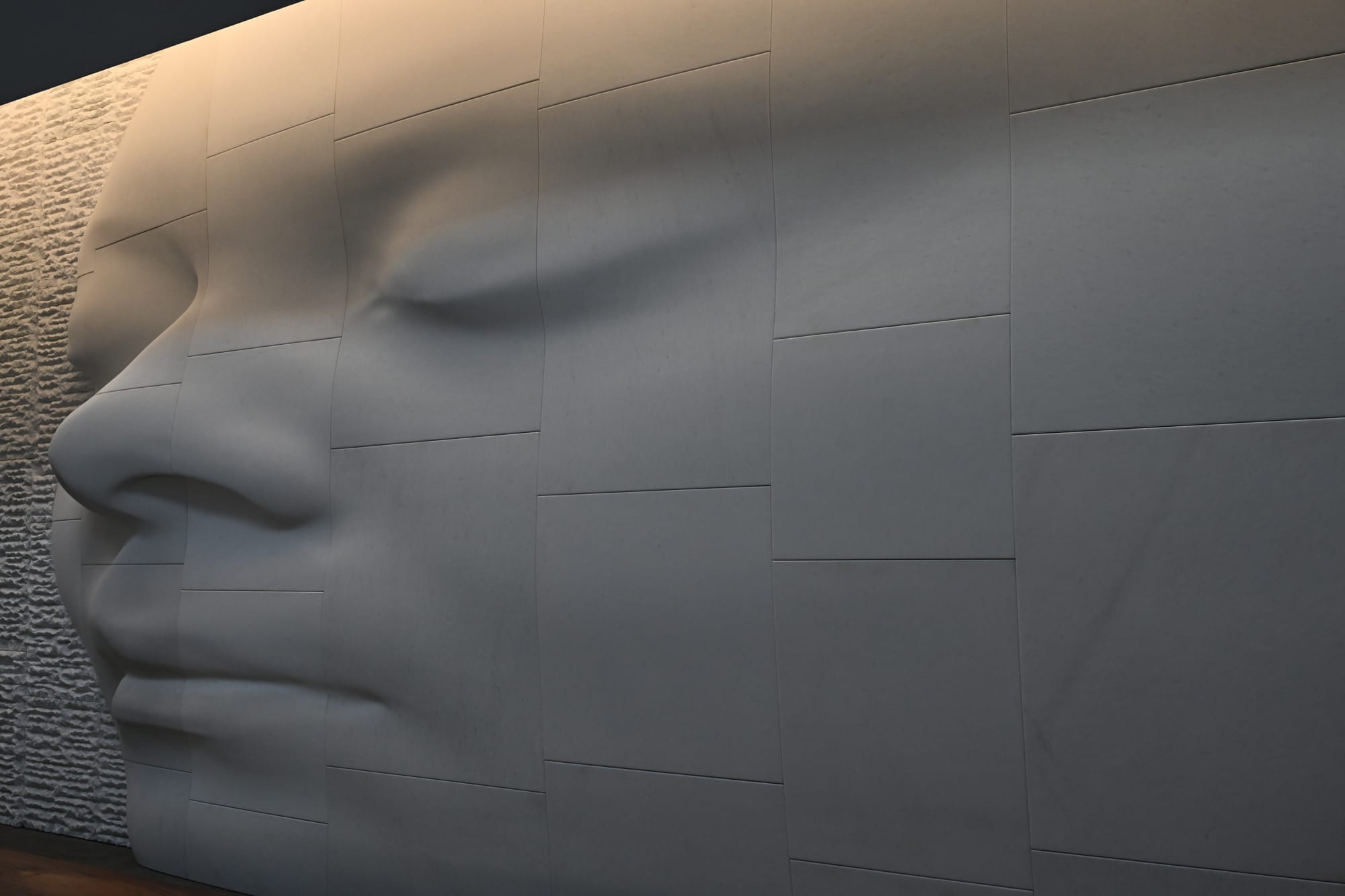
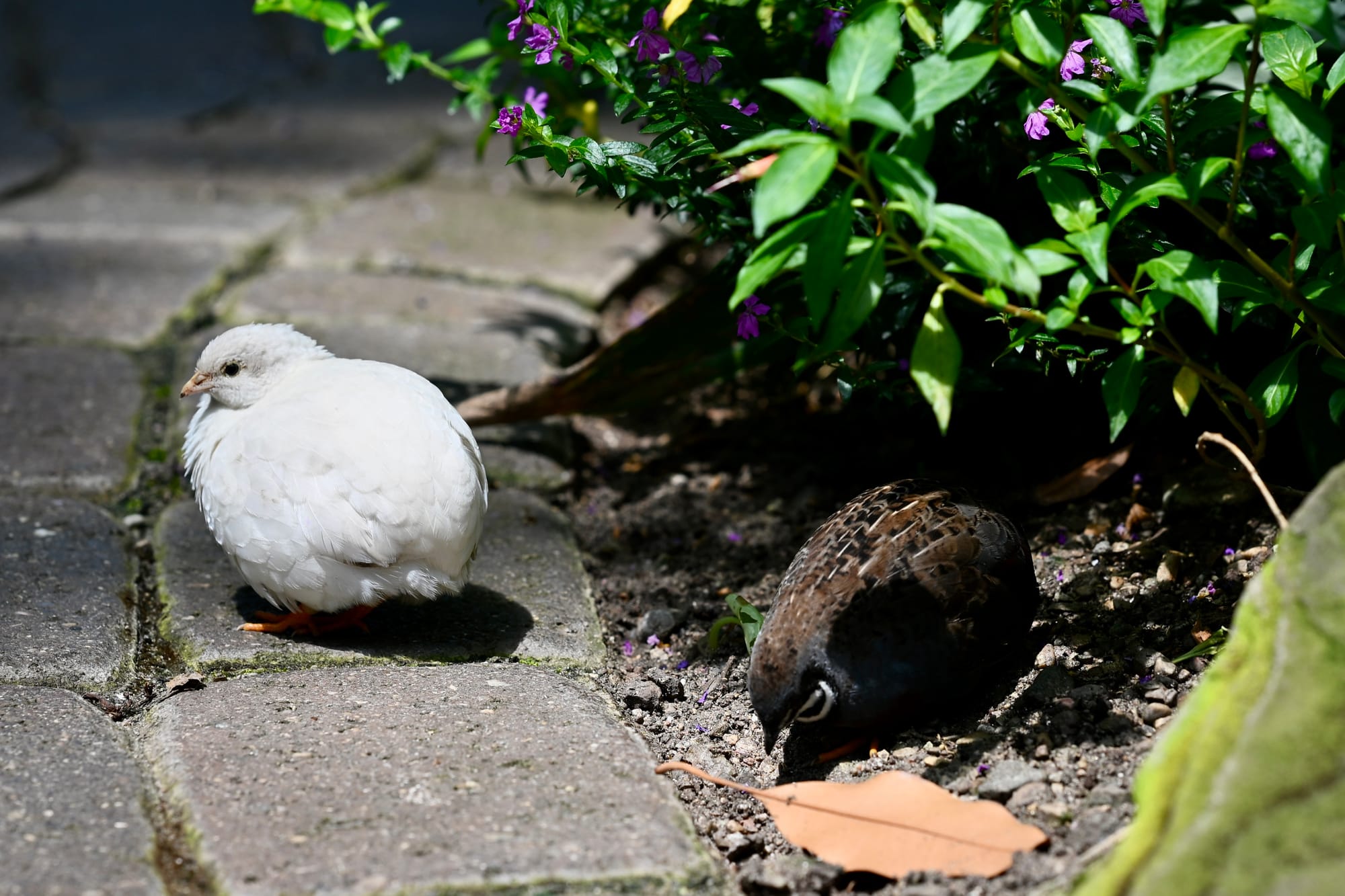
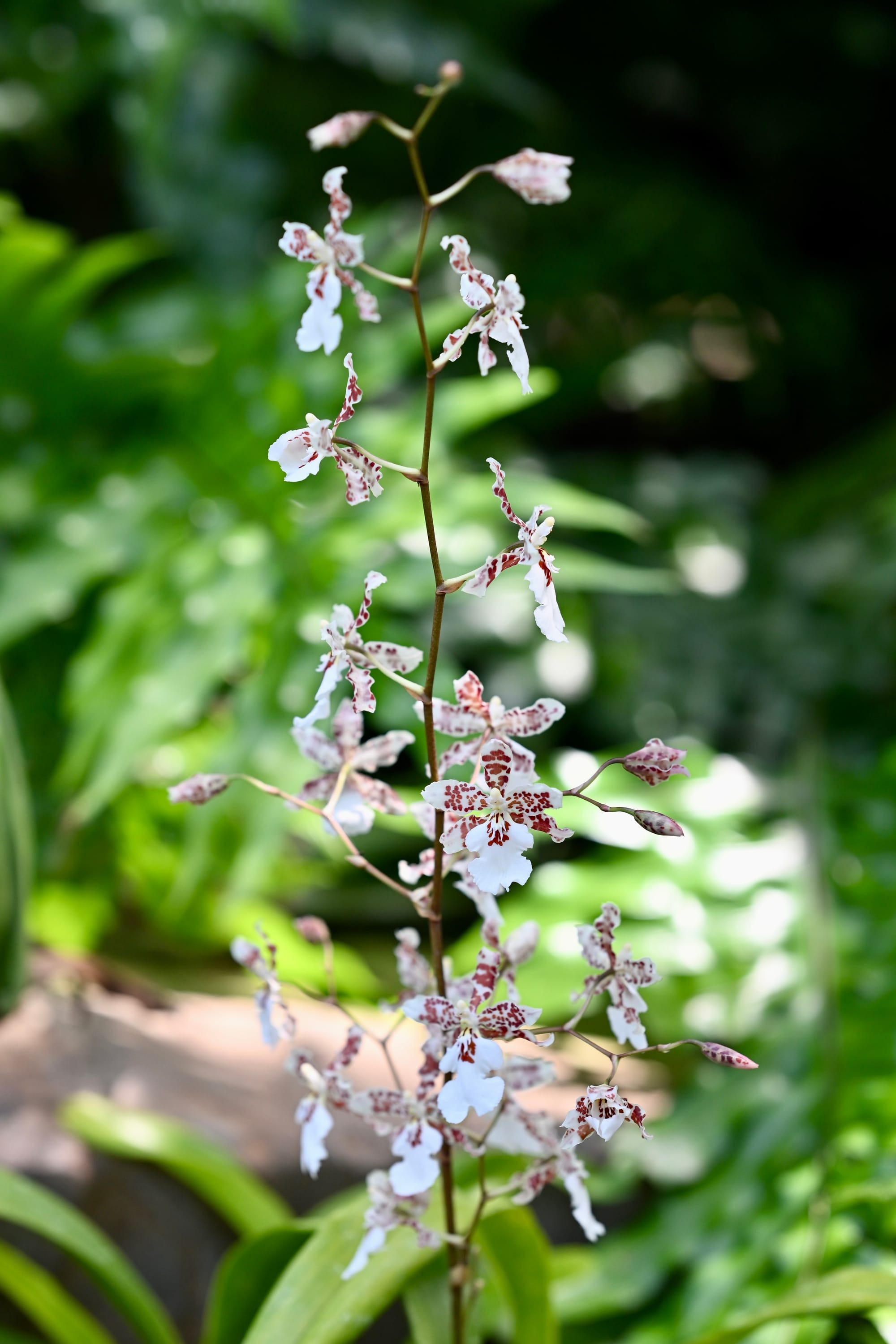
I spent the day with my parents in Grand Rapids. It was our first time visiting the park and I think we all were impressed.
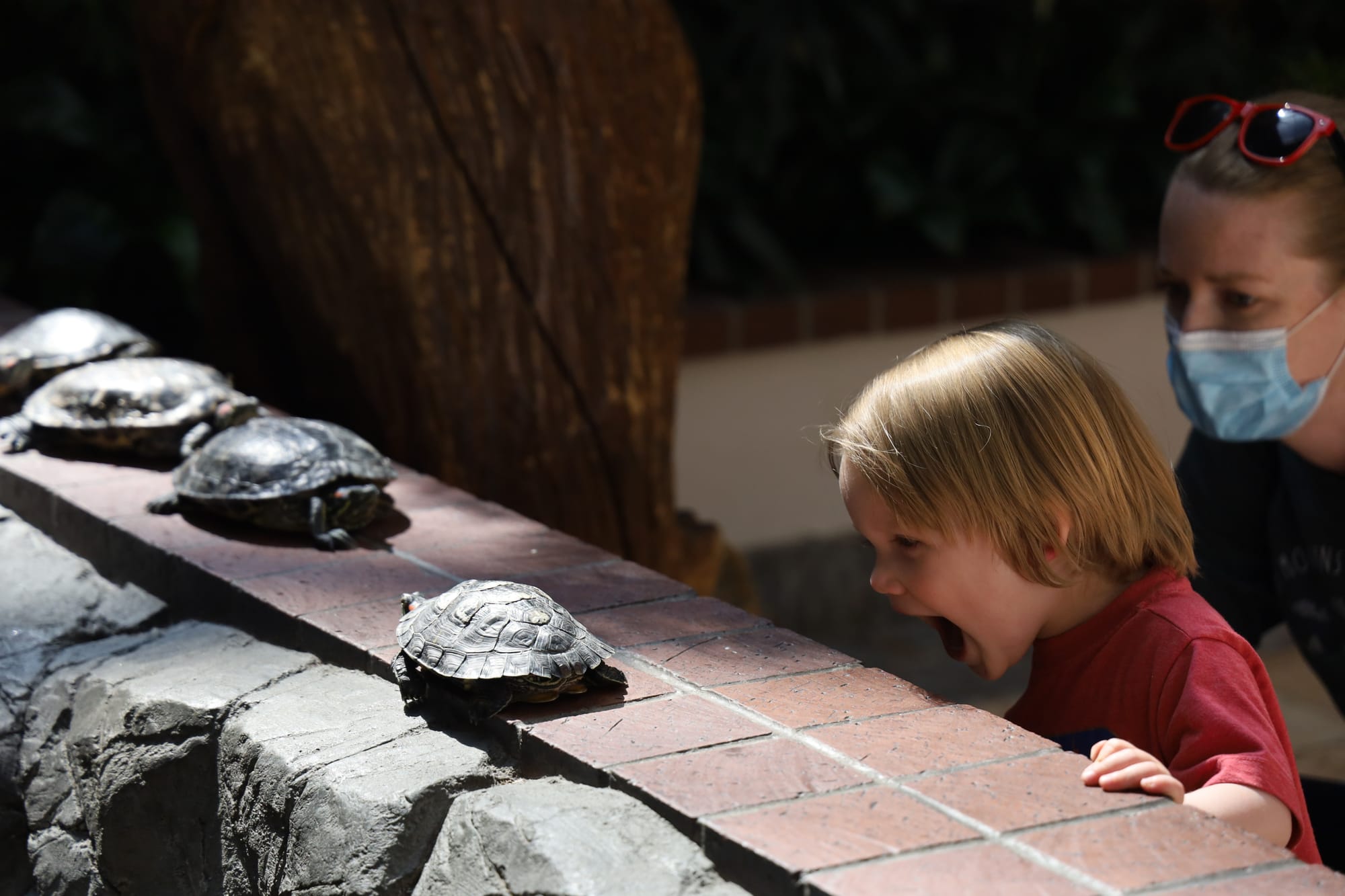
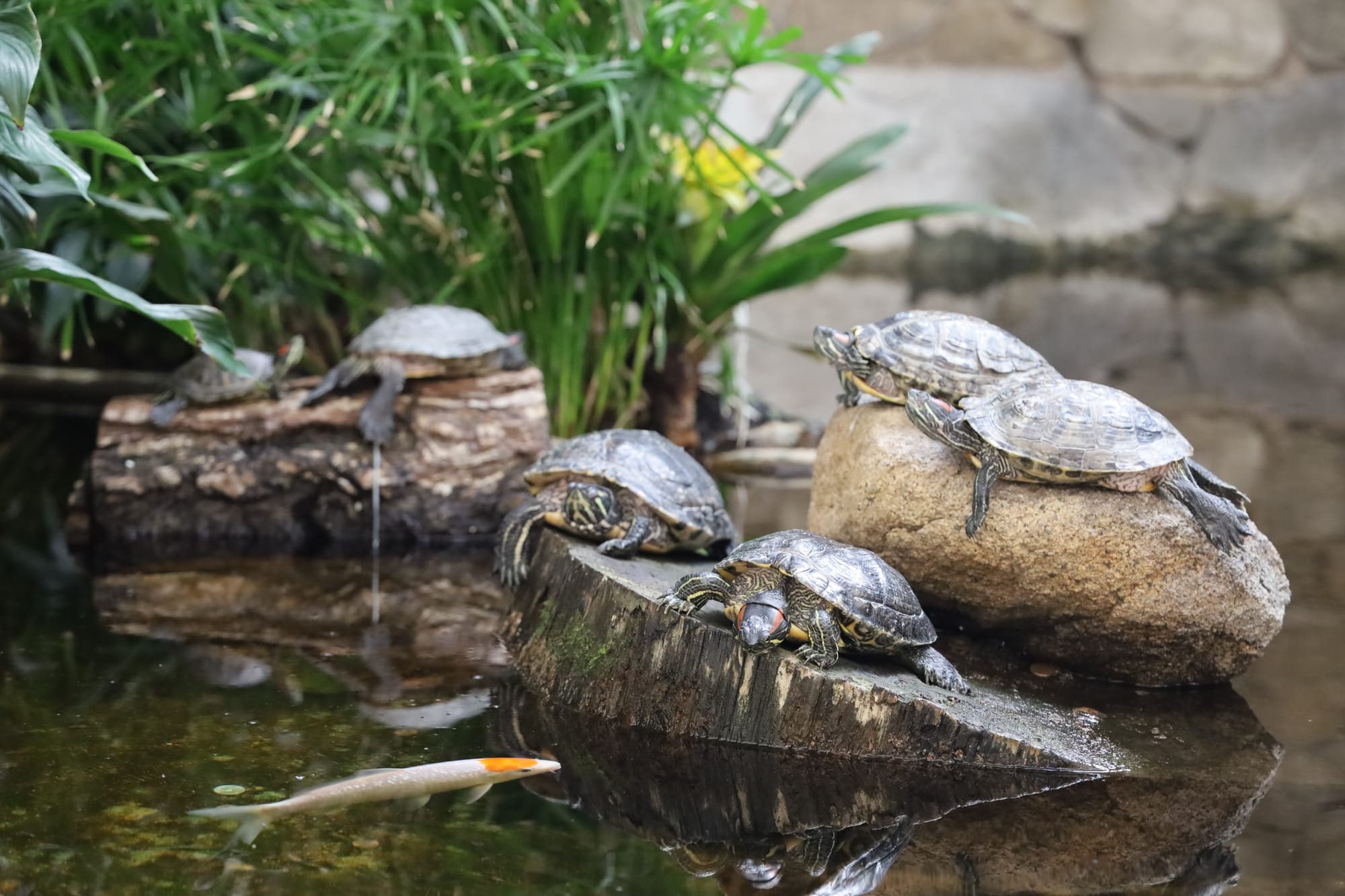
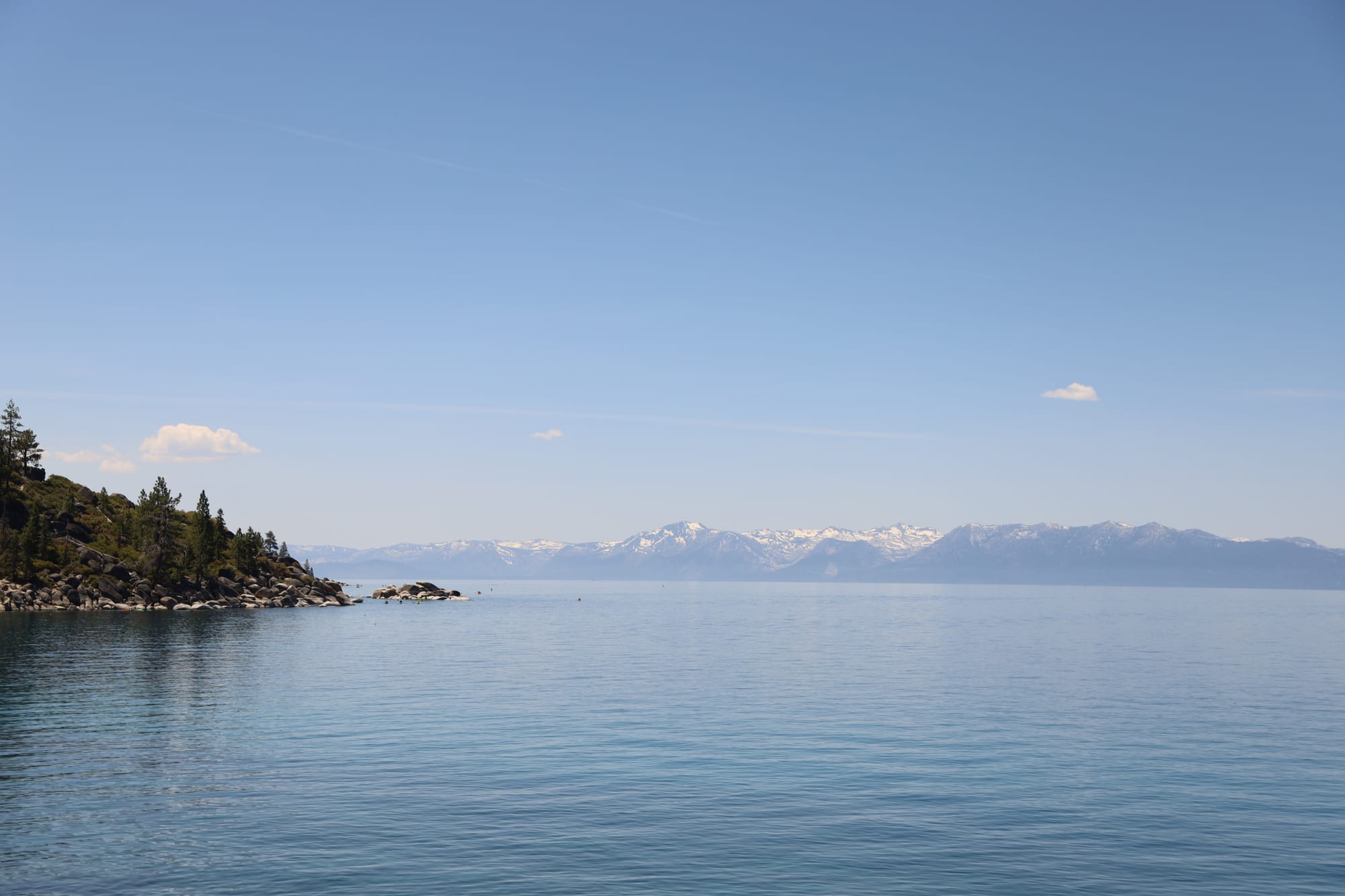
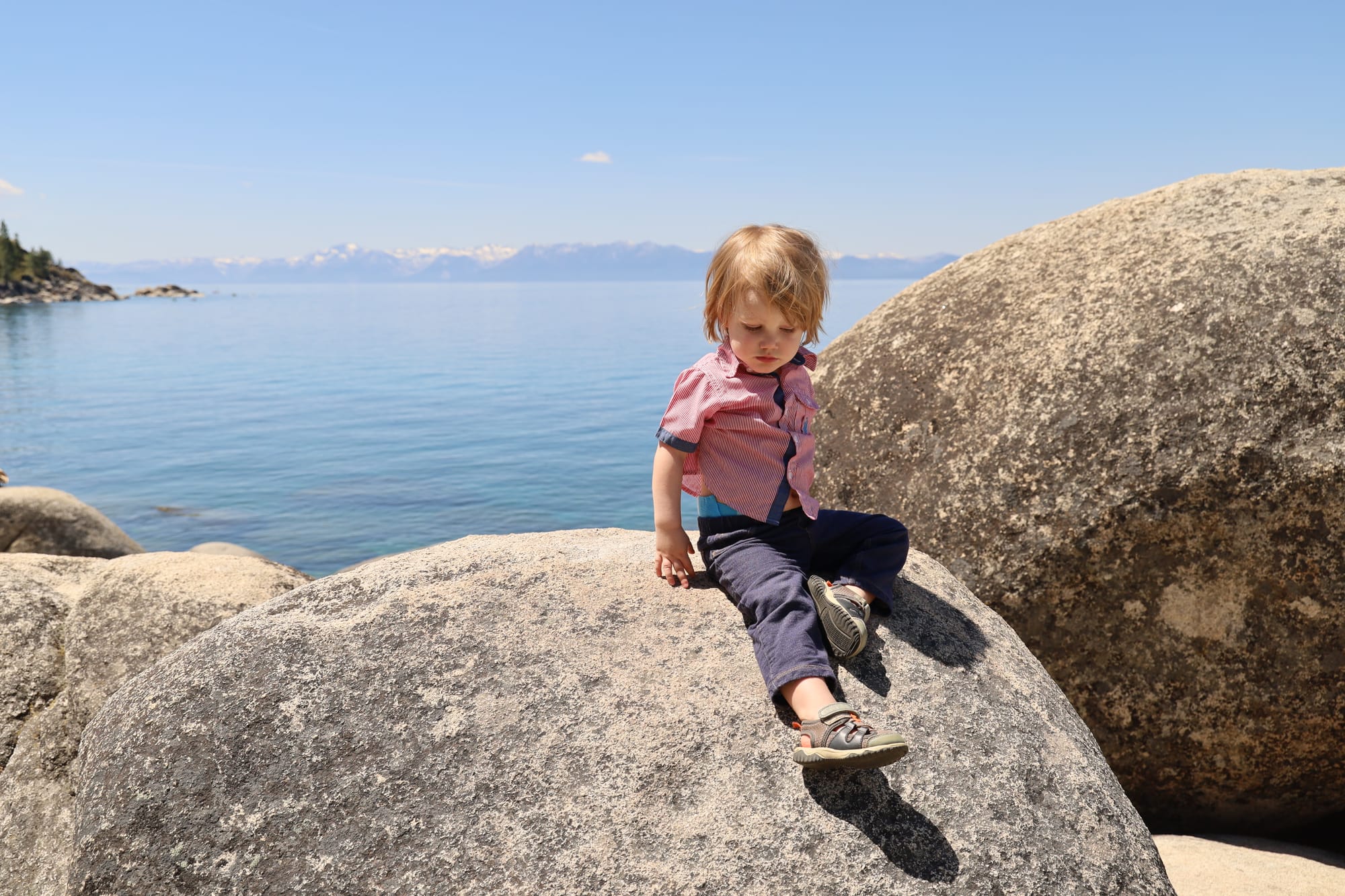
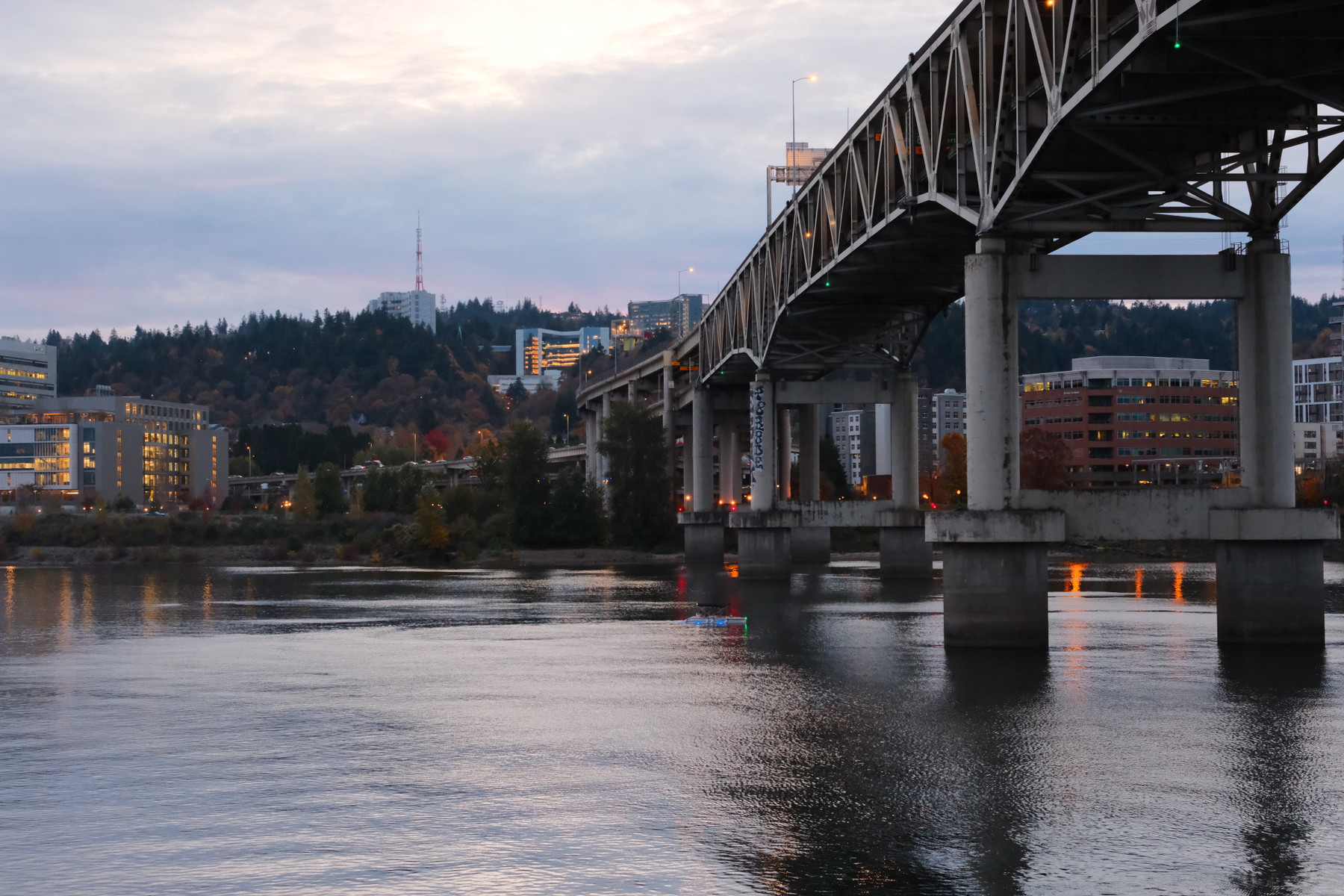
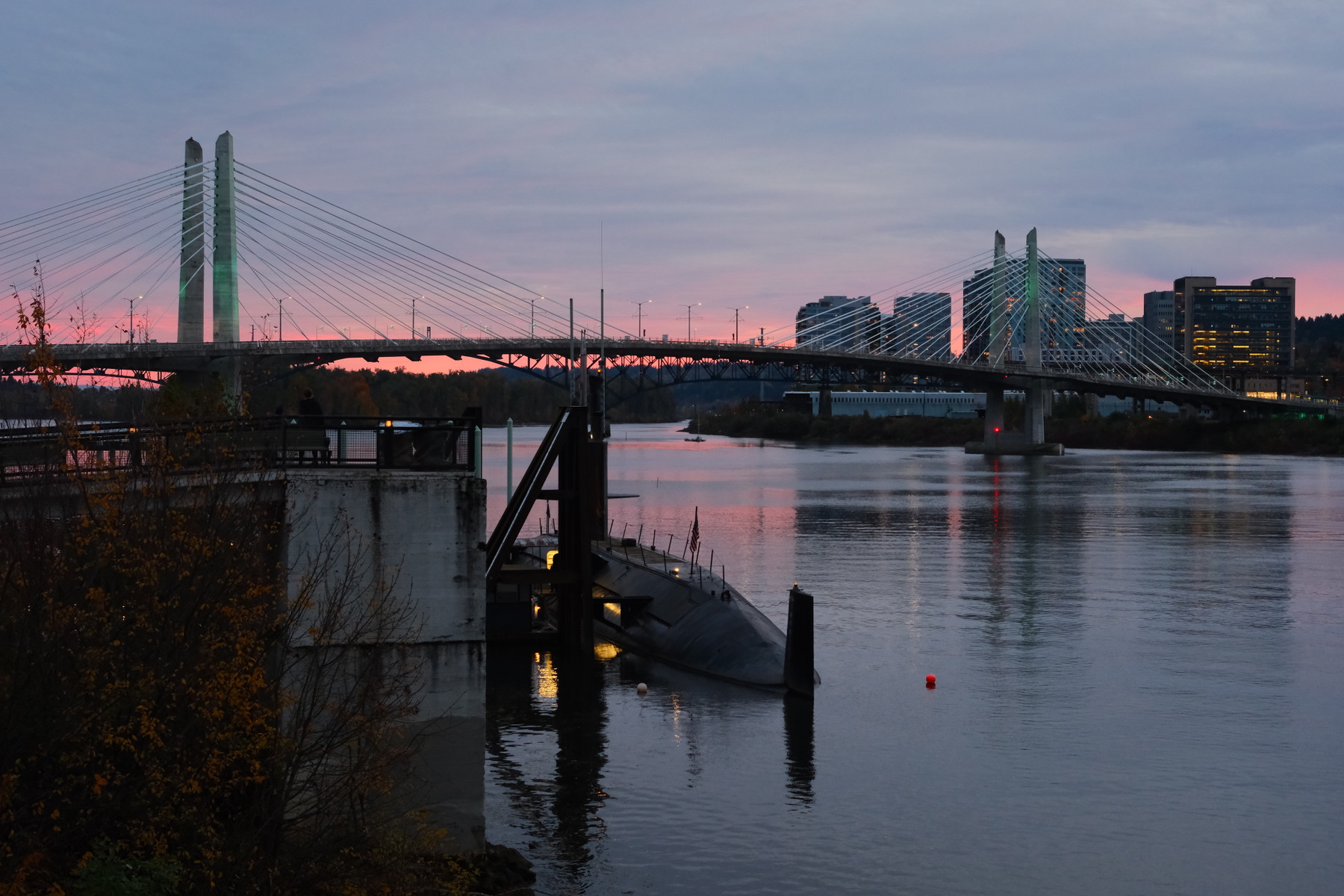
On the Willamette River.